Need Expert Advice?Our Gurus Can Help

Ramalingam Kalirajan |10872 Answers |Ask -Follow
Mutual Funds, Financial Planning Expert - Answered on Aug 21, 2025
Ramalingam Kalirajan has over 23 years of experience in mutual funds and financial planning.
He has an MBA in finance from the University of Madras and is a certified financial planner.
He is the director and chief financial planner at Holistic Investment, a Chennai-based firm that offers financial planning and wealth management advice.... more
He has an MBA in finance from the University of Madras and is a certified financial planner.
He is the director and chief financial planner at Holistic Investment, a Chennai-based firm that offers financial planning and wealth management advice.... more
 Question by Dhanasekaran on Aug 19, 2025Hindi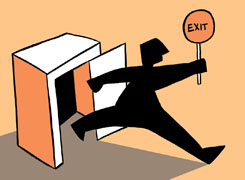
Hi, i was experienced in Indian share market last 4 years.. Only option trading.. And i spend the money of 30 laks and also loss ah all money.. All money are lons, debits, credit cards, relatives money, and friends money.. I have no strategy.. Trade based on candlessticks. And market sentiment.. A have good knowledge for make money daily, 2000 to 5000 rs, have a capiral of 20000 rs.. But my situation was very worsted in financial.. Monthly need 90k to 1 laks, i donot follow the proper money management, but 100 % i sure i take profit.. I am was effected on physcology problem.. Please help me..
Ans: I really appreciate your honesty in sharing your financial journey. It takes courage to accept losses and still believe in your own skills. Many people hide their mistakes, but your openness is the first positive step. You still have hope, but now you need discipline and structure to rebuild. Let me guide you step by step with a 360-degree plan.
» Current Situation Analysis
You lost Rs. 30 lakhs in option trading.
All money came from loans, credit cards, relatives, and friends.
You have no capital now, except Rs. 20,000.
You believe you can earn Rs. 2,000–5,000 daily.
Your monthly need is Rs. 90,000 to Rs. 1 lakh.
You admit you lack money management discipline.
You also face psychological stress due to past losses.
This shows your financial condition is very critical. But you still have skills and income potential. What is needed is strong planning, debt strategy, and controlled trading.
» The Real Risk of Option Trading
Options trading is highly risky and volatile.
Even experts with 20 years of experience struggle to earn daily profits.
Candle patterns and market sentiment are not enough.
No one can give 100% sure profit in daily trades.
You may feel confident, but overconfidence has already cost Rs. 30 lakhs.
Small gains look attractive, but one wrong trade can wipe everything again.
Trading with borrowed money creates fear and greed, which blocks judgment.
You must accept that options cannot be your only income source now.
» Immediate Priorities to Stabilise Life
Stop trading with borrowed money completely.
Stop daily trading until you create proper emergency fund.
Reduce monthly lifestyle expenses. Cut all non-essential spending.
Talk to family and explain the truth. Hiding will increase pressure.
Seek professional counselling for your psychological stress. Mental health is critical.
Protect health by keeping insurance active.
Without stability in mind and expenses, you cannot come out of this cycle.
» Debt Management Approach
Your Rs. 30 lakhs debt is spread across banks, relatives, and friends.
First list down clearly: how much to each person, what interest rate, what timeline.
Divide debts into high-cost and low-cost.
High-cost debts: credit cards, personal loans.
Medium debts: bank loans with lower interest.
Soft debts: relatives and friends, but here trust is involved.
You cannot repay all quickly. So you need step-by-step.
» Action Plan for High-Cost Loans
Focus first on credit card dues. They charge very high interest.
Take a consolidation loan if possible to reduce interest.
Pay minimum dues on others, but aggressively clear credit cards.
This will reduce monthly outgo and pressure.
» Action Plan for Personal Loans
After credit card clearance, focus on personal loan EMIs.
Try for restructuring if EMI is too high.
Negotiate with banks for longer tenure to reduce EMI.
Extra income from side work should go here.
» Action Plan for Relatives and Friends
Speak honestly with them.
Assure them of gradual repayment, not immediate.
Start paying them in small amounts regularly.
This will maintain trust and reduce emotional stress.
» Building Stable Income Stream
Depending only on option trading is too risky.
You need alternate stable income sources.
Explore part-time job, freelancing, or teaching work.
Any skill like tuition, delivery, or online services can help.
Even Rs. 20,000–30,000 extra stable income monthly will reduce loan pressure.
This will give breathing space to handle debts.
» Trading Should Be Secondary, Not Primary
Keep trading as skill development, not as main breadwinner.
Trade with only Rs. 5,000 or Rs. 10,000 capital, never more.
Trade only when your mind is calm, not stressed.
Follow strict stop-loss every time.
Withdraw profits regularly instead of reinvesting all.
Treat profits as bonus, not as salary replacement.
» Money Management Discipline
Divide your income into three parts:
50% for debt payments.
30% for living expenses.
20% for small investments and savings.
Track every rupee you spend.
Avoid unnecessary luxuries until debt is cleared.
Carry only one debit card, avoid multiple credit cards.
» Emergency Fund Requirement
Even Rs. 50,000 as buffer fund can save you from borrowing again.
Save small amounts monthly into a simple recurring deposit or liquid mutual fund.
This is your safety cushion when markets move against you.
» Investment for Future Stability
Once debts are under control, start SIPs in mutual funds.
Actively managed funds are better than index funds.
Index funds only mirror the market, so returns are average.
Actively managed funds have research and strategy to beat the market.
Also, regular funds through a Certified Financial Planner are safer.
Direct funds may look cheaper, but they give no guidance or support.
» Psychological Healing
Loss of Rs. 30 lakhs is a heavy emotional burden.
You may feel guilt, fear, and overconfidence at the same time.
Daily meditation and counselling can reduce pressure.
Focus on physical fitness too. Health gives mental clarity.
Forgive yourself for mistakes, and move forward.
» Family Support
Share your situation with close family.
Their emotional support will reduce your loneliness.
They may also help in small ways to reduce monthly burden.
Togetherness will give strength to rebuild.
» Long-Term Wealth Creation Goal
Right now, your goal should be debt clearance, not wealth building.
Wealth creation can start after stability is achieved.
In future, with SIP of Rs. 15,000–20,000 for 10 years, you can rebuild.
Mutual funds will help build corpus better than trading.
Patience and discipline will replace the losses of past.
» Risk Warnings You Must Always Remember
Never borrow for trading again.
Never treat option trading as fixed salary.
Never risk more than 5% of your capital on one trade.
Never ignore stop-loss.
Never mix personal loan money into the market again.
» Finally
Your story shows both pain and hope. You lost Rs. 30 lakhs, but you still have knowledge and experience. The road ahead is tough, but not impossible. First focus on clearing high-cost debts. Reduce lifestyle expenses. Find stable income outside trading. Keep trading very small and disciplined. Slowly build emergency fund, then begin small SIPs. Over years, your financial and mental health will improve. Remember, rebuilding wealth is possible, but rebuilding peace of mind is most important.
Best Regards,
K. Ramalingam, MBA, CFP,
Chief Financial Planner,
www.holisticinvestment.in
https://www.youtube.com/@HolisticInvestment
» Current Situation Analysis
You lost Rs. 30 lakhs in option trading.
All money came from loans, credit cards, relatives, and friends.
You have no capital now, except Rs. 20,000.
You believe you can earn Rs. 2,000–5,000 daily.
Your monthly need is Rs. 90,000 to Rs. 1 lakh.
You admit you lack money management discipline.
You also face psychological stress due to past losses.
This shows your financial condition is very critical. But you still have skills and income potential. What is needed is strong planning, debt strategy, and controlled trading.
» The Real Risk of Option Trading
Options trading is highly risky and volatile.
Even experts with 20 years of experience struggle to earn daily profits.
Candle patterns and market sentiment are not enough.
No one can give 100% sure profit in daily trades.
You may feel confident, but overconfidence has already cost Rs. 30 lakhs.
Small gains look attractive, but one wrong trade can wipe everything again.
Trading with borrowed money creates fear and greed, which blocks judgment.
You must accept that options cannot be your only income source now.
» Immediate Priorities to Stabilise Life
Stop trading with borrowed money completely.
Stop daily trading until you create proper emergency fund.
Reduce monthly lifestyle expenses. Cut all non-essential spending.
Talk to family and explain the truth. Hiding will increase pressure.
Seek professional counselling for your psychological stress. Mental health is critical.
Protect health by keeping insurance active.
Without stability in mind and expenses, you cannot come out of this cycle.
» Debt Management Approach
Your Rs. 30 lakhs debt is spread across banks, relatives, and friends.
First list down clearly: how much to each person, what interest rate, what timeline.
Divide debts into high-cost and low-cost.
High-cost debts: credit cards, personal loans.
Medium debts: bank loans with lower interest.
Soft debts: relatives and friends, but here trust is involved.
You cannot repay all quickly. So you need step-by-step.
» Action Plan for High-Cost Loans
Focus first on credit card dues. They charge very high interest.
Take a consolidation loan if possible to reduce interest.
Pay minimum dues on others, but aggressively clear credit cards.
This will reduce monthly outgo and pressure.
» Action Plan for Personal Loans
After credit card clearance, focus on personal loan EMIs.
Try for restructuring if EMI is too high.
Negotiate with banks for longer tenure to reduce EMI.
Extra income from side work should go here.
» Action Plan for Relatives and Friends
Speak honestly with them.
Assure them of gradual repayment, not immediate.
Start paying them in small amounts regularly.
This will maintain trust and reduce emotional stress.
» Building Stable Income Stream
Depending only on option trading is too risky.
You need alternate stable income sources.
Explore part-time job, freelancing, or teaching work.
Any skill like tuition, delivery, or online services can help.
Even Rs. 20,000–30,000 extra stable income monthly will reduce loan pressure.
This will give breathing space to handle debts.
» Trading Should Be Secondary, Not Primary
Keep trading as skill development, not as main breadwinner.
Trade with only Rs. 5,000 or Rs. 10,000 capital, never more.
Trade only when your mind is calm, not stressed.
Follow strict stop-loss every time.
Withdraw profits regularly instead of reinvesting all.
Treat profits as bonus, not as salary replacement.
» Money Management Discipline
Divide your income into three parts:
50% for debt payments.
30% for living expenses.
20% for small investments and savings.
Track every rupee you spend.
Avoid unnecessary luxuries until debt is cleared.
Carry only one debit card, avoid multiple credit cards.
» Emergency Fund Requirement
Even Rs. 50,000 as buffer fund can save you from borrowing again.
Save small amounts monthly into a simple recurring deposit or liquid mutual fund.
This is your safety cushion when markets move against you.
» Investment for Future Stability
Once debts are under control, start SIPs in mutual funds.
Actively managed funds are better than index funds.
Index funds only mirror the market, so returns are average.
Actively managed funds have research and strategy to beat the market.
Also, regular funds through a Certified Financial Planner are safer.
Direct funds may look cheaper, but they give no guidance or support.
» Psychological Healing
Loss of Rs. 30 lakhs is a heavy emotional burden.
You may feel guilt, fear, and overconfidence at the same time.
Daily meditation and counselling can reduce pressure.
Focus on physical fitness too. Health gives mental clarity.
Forgive yourself for mistakes, and move forward.
» Family Support
Share your situation with close family.
Their emotional support will reduce your loneliness.
They may also help in small ways to reduce monthly burden.
Togetherness will give strength to rebuild.
» Long-Term Wealth Creation Goal
Right now, your goal should be debt clearance, not wealth building.
Wealth creation can start after stability is achieved.
In future, with SIP of Rs. 15,000–20,000 for 10 years, you can rebuild.
Mutual funds will help build corpus better than trading.
Patience and discipline will replace the losses of past.
» Risk Warnings You Must Always Remember
Never borrow for trading again.
Never treat option trading as fixed salary.
Never risk more than 5% of your capital on one trade.
Never ignore stop-loss.
Never mix personal loan money into the market again.
» Finally
Your story shows both pain and hope. You lost Rs. 30 lakhs, but you still have knowledge and experience. The road ahead is tough, but not impossible. First focus on clearing high-cost debts. Reduce lifestyle expenses. Find stable income outside trading. Keep trading very small and disciplined. Slowly build emergency fund, then begin small SIPs. Over years, your financial and mental health will improve. Remember, rebuilding wealth is possible, but rebuilding peace of mind is most important.
Best Regards,
K. Ramalingam, MBA, CFP,
Chief Financial Planner,
www.holisticinvestment.in
https://www.youtube.com/@HolisticInvestment
DISCLAIMER: The content of this post by the expert is the personal view of the rediffGURU. Users are advised to pursue the information provided by the rediffGURU only as a source of information to be as a point of reference and to rely on their own judgement when making a decision.
MoneyReply


You may like to see similar questions and answers below
Ramalingam Kalirajan |10872 Answers |Ask -Follow
Mutual Funds, Financial Planning Expert - Answered on Apr 22, 2023


Samraat Jadhav |2498 Answers |Ask -Follow
Stock Market Expert - Answered on Aug 20, 2025
Ramalingam Kalirajan |10872 Answers |Ask -Follow
Mutual Funds, Financial Planning Expert - Answered on Oct 03, 2025

Latest Questions

Radheshyam Zanwar |6735 Answers |Ask -Follow
MHT-CET, IIT-JEE, NEET-UG Expert - Answered on Dec 06, 2025


Dr Nagarajan J S K |2576 Answers |Ask -Follow
NEET, Medical, Pharmacy Careers - Answered on Dec 06, 2025


Mihir Tanna |1090 Answers |Ask -Follow
Tax Expert - Answered on Dec 06, 2025
Asked by Anonymous - Dec 04, 2025Hindi

Ramalingam Kalirajan |10872 Answers |Ask -Follow
Mutual Funds, Financial Planning Expert - Answered on Dec 06, 2025

Radheshyam Zanwar |6735 Answers |Ask -Follow
MHT-CET, IIT-JEE, NEET-UG Expert - Answered on Dec 06, 2025
Radheshyam Zanwar |6735 Answers |Ask -Follow
MHT-CET, IIT-JEE, NEET-UG Expert - Answered on Dec 06, 2025

Radheshyam Zanwar |6735 Answers |Ask -Follow
MHT-CET, IIT-JEE, NEET-UG Expert - Answered on Dec 06, 2025



Dr Dipankar Dutta |1837 Answers |Ask -Follow
Tech Careers and Skill Development Expert - Answered on Dec 05, 2025


Dr Shyam Jamalabad |108 Answers |Ask -Follow
Dentist - Answered on Dec 05, 2025

Dr Shyam Jamalabad |108 Answers |Ask -Follow
Dentist - Answered on Dec 05, 2025