Need Expert Advice?Our Gurus Can Help
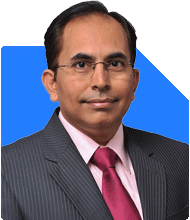
Ramalingam

Ramalingam Kalirajan  |11374 Answers  |Ask -

Mutual Funds, Financial Planning Expert - Answered on Oct 03, 2025

Ramalingam Kalirajan has over 26 years of experience in MF distribution and wealth management. He holds an MBA in Finance from the University of Madras and is a CFP (Certified Financial Planner) credentialed professional. He is the Director of Holistic Investment, a Chennai-based AMFI-registered Mutual Fund Distribution (ARN-4188) and APMI-registered PMS Distribution firm (APRN07386), helping clients build long-term wealth through mutual funds and other investment solutions.... more
rohit Question by rohit on Aug 26, 2025Hindi
Money

hello sir my age is 45 now, I am married I have to kids one is 8 year and one is 13 year, last 5 years I am doing forex trading and as you know its also skills so its take long time to know and learn by mistake and pay fees to market, so I am now set with my mindd which mistake I don't have to do.for consitancy, but now I have no fund to trade and compound my money for 6 month to consist build my capital which I make for 2-3 percent per day for over all my monthly expenceee and long term I have to make good capital by compounding. I also take financially help with my family to run my monthly expenses for last 5 years so they also not money for help me lumsum .and I don't have any job and actually I am not interested to any job..because trading is my passion and now I don't like any thing.so now I am bad situation monthly bills school fees ,house rent medical bills and debt is just give frustration and tension and family admosphier not well in relation due to money problum ,,so please guide me my age is 45 and nothing work is passionate for me except trading, so please guide me. and as age factor I may not feel good with job. because earlier I also did self business of jewellery and take big losses,,I also did job after as sales manager but I will not regular long time holddd in any job I also did lots of jobss but not more than 1 year 6 month 3 month 1 month only..I dont like to report any one all time.who give me order what I do or not,,so plsss help me what should I do ,but one thing I also know by trading I got financial freedom..and achived my gole but now situation its take more anddd more time due to not baackup

Ans: Your honesty, clarity of thought, and deep self-awareness are admirable.

Even after setbacks, you have stayed committed. That is not easy.
Your belief in trading and your self-education deserve respect.

Now let’s take a detailed 360° look at your situation and build a practical path forward.

» Understanding Your Present Financial Reality

– You are 45, married, with two children aged 8 and 13.
– For the last 5 years, you have depended on family for expenses.
– You have no job now, and no savings or trading capital.
– Your monthly expenses are continuing, and debts are piling.
– There’s financial stress, and family atmosphere is affected.
– You have passion and skills in forex trading.
– You’re clear that a job is not suitable for your mindset.

This self-assessment is a very strong starting point.
Being brutally honest with oneself is the first step towards meaningful action.

» Identifying the Real Challenge

– You’ve worked hard for 5 years to master forex trading.
– Now you’re skilled but have no capital to trade consistently.
– Compounding requires uninterrupted trading for 6–12 months.
– But life expenses, debts, and emotional stress are roadblocks.
– There is no backup or external support at the moment.

This is a classic gap between skill and resource.
You’re ready mentally, but not financially.

» Why This Situation Needs a Bridge Plan

– Trading can give financial freedom, but not instantly.
– To survive till then, you need a steady, low-stress income.
– Without that bridge, trading pressure will only increase.
– Capital will be used for survival, not compounding.
– Also, stress and family tension will affect trading focus.

So, before jumping fully into trading again, you need a survival bridge.
A stable 12–24 month financial support system is essential.

» Short-Term Actions You Must Consider Now

1. Stop trading with borrowed or survival money

– Never trade with money meant for school fees or rent.
– It adds stress, clouds judgment, and leads to mistakes.
– Trading needs peace of mind, not desperation.

2. Create a 12-month Survival Plan

– You need monthly cash flow for your basics.
– Find an income model that gives at least Rs. 25K–30K/month.
– This will not make you rich, but will reduce stress.
– Look for temporary cash-generating work you can tolerate.
– It can be short-term, part-time, or gig-based.

3. Evaluate Gig Income Opportunities

– Content writing, social media handling, freelance sales.
– Online tutoring, virtual assistant, basic trading courses.
– Small-time freelancing on Fiverr or Upwork.
– Daily wage delivery jobs, night shifts, home-based packing.
– Work that gives you Rs. 1K/day = Rs. 25K/month.

You may not like these. But they are temporary tools, not life decisions.

You are not choosing this for life.
You are choosing this to fuel your real dream.

» Why Job Is Not the Only Way to Earn

– You said you don’t like being ordered around.
– That's fine. Not everyone fits into corporate culture.
– But income is still necessary. You must separate job from work.

Work you control = freelance, self-paced, or performance-based.
You can design your own model. You only need to earn Rs. 1000/day.

That small amount can protect your passion and peace.

» Creating a Safe Capital for Trading

– Your trading method needs capital plus stability.
– You said you can generate 2–3% per day.
– Even if we assume 1% per day, you need a safe fund.

So, build a Rs. 50K–Rs. 1 lakh trading capital without touching it.
Treat it like a baby.
Build it slowly over 6–12 months, parallel to your survival income.

Don’t use this money for rent, school, or debt.
Keep it parked until you're ready to trade with zero pressure.

» Structuring Your Time for Both Survival and Growth

– Allocate fixed hours daily to income generation.
– Allocate separate hours to trading backtesting or demo accounts.
– Keep weekends or nights for reading or strategy refinement.
– Track both performance and energy.
– Document your wins and misses in trading journals.

Routine gives you momentum. Chaos gives you fatigue.
Small structure helps in building big success.

» Your Children and Family Responsibility

– Your kids are in critical academic years.
– Your emotional availability is as important as money.
– Make them feel safe, heard, and loved.
– Don’t pass on the financial stress as emotional distance.

Even small progress will motivate your family.
Involve them as cheerleaders, not critics.

» Managing Debts Without Panic

– List all debts: amounts, lenders, monthly EMIs.
– See which ones can be paused, negotiated, or converted.
– If informal, speak to lenders openly and set expectations.
– Pay Rs. 500 monthly, but communicate proactively.

Silence increases friction. Communication builds trust.
People usually understand if they see effort and intent.

» What You Must Not Do Now

– Don’t borrow money for trading.
– Don’t take new loans.
– Don’t chase “quick money” in crypto, options, or tips.
– Don’t try to double money in 1 month.
– Don’t cut off your family emotionally.

These mistakes will delay your freedom.
Focus on calm execution, not forced outcome.

» Emotional Support and Mental Wellbeing

– Your current stress is very real.
– Frustration, helplessness, and guilt are natural feelings.
– But please don’t isolate yourself mentally.
– Stay in touch with supportive friends or mentors.

Start a simple morning routine – walking, prayer, journaling.
Calm mind helps in right trading decisions.

» Revisit and Refine Your Trading System

– Backtest your strategy with historical data.
– Track your win rate and drawdowns.
– Define when to enter, when to exit, when to stop.
– Reduce emotional trading.
– Create written rules and follow them like rituals.

A repeatable, emotion-free system is key for consistent results.

» Build Reputation If You Plan to Teach or Manage Money Later

– Record your monthly profits and trading logs.
– Show consistent results over 6–12 months.
– Create a simple YouTube channel or blog.
– Share your learning journey or trading concepts.
– Build digital identity slowly.

If people trust your skills, capital will come to you.
But that trust needs proof and patience.

» Investment Advice for the Future

– Once you generate surplus, start investing gradually.
– Use mutual funds via Certified Financial Planners.
– Never invest in direct mutual funds on your own.
– Direct plans have no guidance, no discipline, and no review.

Regular plans via Certified Financial Planner give:

– Proper asset allocation
– Timely portfolio reviews
– Handholding during market panic
– Long-term wealth creation

You need that support. You already took many risks.
Now take guided steps for stability.

» Avoid Index Funds Completely

– Index funds give average market returns.
– They can’t handle market crashes or recover smartly.
– No downside protection. No expert decision-making.

Actively managed mutual funds are better for your goal.
They adapt. They are researched. They beat inflation long-term.

You need capital growth, not market mimicry.

» Finally

– Your passion for trading is your strength.
– But your peace and patience will be your superpower.
– You are not too late. You are actually very close.
– You only need survival income and emotional stability.

With that in place, your capital will come.
Then your compounding journey can begin—without pressure.

Respect yourself for not giving up.
You are still standing. That matters most.

You are not alone in this. You just need small wins daily.

Best Regards,
K. Ramalingam, MBA, CFP,
Chief Financial Planner,
www.holisticinvestment.in

https://www.youtube.com/@HolisticInvestment
DISCLAIMER: The content of this post by the expert is the personal view of the rediffGURU. Users are advised to pursue the information provided by the rediffGURU only as a source of information to be as a point of reference and to rely on their own judgement when making a decision.
Money

You may like to see similar questions and answers below

Ramalingam

Ramalingam Kalirajan  |11374 Answers  |Ask -

Mutual Funds, Financial Planning Expert - Answered on Jun 30, 2024

Money
Good evening sir Ashok here I am 48 with two kids one 15 yrs and other 1.5 yrs. Doing business but I would like to retire. I have fd of 4.3 cr which quaternary pay out and I invested in form of fd in my account and 4 sisters of around 4 cr in which I'm the joint account holder and all the account are handled by be mutual fund around 50 lk Shares around 1cr in different account Real estate investment around 5cr which is fetching 80 k rent per month loan of around 50k.good running business but still I am some were not satisfied in life please suggest I
Ans: Hello Ashok,

I understand you’re feeling some dissatisfaction despite your successful business and sound investments. Let's assess your financial situation and develop a strategy to secure a fulfilling and comfortable retirement. I'll guide you step-by-step, considering all aspects of your financial portfolio.

Current Financial Landscape
You have various investments and assets that provide a strong financial foundation. Here's a summary:

Fixed Deposits: Rs 4.3 crore in your name, with quarterly payouts.
Joint Fixed Deposits: Rs 4 crore with your sisters.
Mutual Funds: Rs 50 lakh.
Shares: Rs 1 crore.
Real Estate: Rs 5 crore, generating Rs 80,000 in monthly rent.
Loan: Rs 50,000.
Assessing Financial Goals
First, let’s identify your key financial goals and priorities:

Retirement Security: Ensure a steady income stream.
Children’s Future: Secure funds for education and other needs.
Health and Lifestyle: Maintain a good quality of life.
Financial Freedom: Free from business stress and active management.

You’ve done an excellent job building a diversified portfolio. Your investments in real estate, shares, mutual funds, and fixed deposits are commendable. Managing such a broad spectrum of assets shows your financial acumen and dedication.


I understand your desire to retire and the dissatisfaction you might be feeling. It’s normal to seek more peace and fulfillment, especially after years of hard work. Let’s work towards creating a plan that not only secures your financial future but also brings you peace of mind and satisfaction.

Income Streams and Retirement Planning
Your current income streams include:

Fixed Deposits: Regular interest payouts.
Real Estate: Rental income.
Business: Profits from your business.
To ensure a steady and reliable income during retirement, consider these steps:

1. Optimize Fixed Deposits
Reevaluate the interest rates on your fixed deposits. Ensure you’re getting the best possible rates. Since interest rates can vary, consider reinvesting in higher-yield fixed deposits when possible.

2. Mutual Fund Investments
With Rs 50 lakh in mutual funds, it’s crucial to review your portfolio. Actively managed funds often outperform index funds due to professional management. A Certified Financial Planner (CFP) can help you optimize your mutual fund investments.

Advantages of Actively Managed Funds:

Professional management and expertise.
Potential for higher returns.
Better risk management.
3. Shares and Equity Investments
Your Rs 1 crore in shares should be regularly reviewed and rebalanced. Consider consulting a CFP for insights into which stocks to hold, sell, or buy. Diversifying across different sectors can mitigate risks and enhance returns.

4. Rental Income from Real Estate
Your real estate investments provide a steady rental income of Rs 80,000 per month. Ensure you have a robust property management plan in place to maintain this income stream. Regularly review rental agreements and property maintenance to avoid any disruptions in income.

Debt Management
You have a loan of Rs 50,000, which is relatively small. Ensure timely repayments to maintain a good credit score. Avoid taking on additional debt as you approach retirement to keep financial stress at bay.

Children's Future Planning
With two children, aged 15 and 1.5 years, securing their future is paramount. Here’s how you can plan for their education and other needs:

1. Education Fund
Start by estimating the future costs of education for both children. Consider inflation and rising education costs. Investing in dedicated education savings plans or mutual funds can help you accumulate the necessary corpus over time.

2. Insurance and Protection
Ensure you have adequate life and health insurance coverage. This will safeguard your family’s financial future in case of unforeseen circumstances. Review your existing policies and make necessary adjustments.

Health and Lifestyle Considerations
A good quality of life during retirement is essential. Consider the following aspects:

1. Health Insurance
Ensure you have comprehensive health insurance coverage. Medical expenses can be a significant burden during retirement. A good health insurance policy will cover major medical expenses, reducing financial stress.

2. Lifestyle Planning
Think about how you want to spend your retirement years. Whether it's traveling, hobbies, or spending time with family, plan your finances to support these activities. Having a clear vision of your desired lifestyle will help you allocate funds appropriately.

Financial Freedom and Peace of Mind
Transitioning from an active business life to retirement requires careful planning. Here are some steps to achieve financial freedom and peace of mind:

1. Succession Planning
If your business is doing well, consider succession planning. This involves identifying and preparing a successor to take over the business. You can gradually reduce your involvement while ensuring the business continues to thrive.

2. Passive Income Streams
Focus on building passive income streams that require minimal active management. Your rental income and fixed deposit interest are good examples. Explore other avenues like dividends from shares or interest from bonds.

Final Insights
Retirement planning is a multi-faceted process that requires careful consideration of various aspects of your financial life. Here’s a summary of key points to ensure a fulfilling and secure retirement:

Review and Optimize Investments: Regularly review your portfolio with a CFP to ensure it aligns with your goals.
Ensure Steady Income: Focus on building and maintaining passive income streams.
Plan for Children’s Future: Secure their education and other needs through dedicated investments.
Manage Health and Lifestyle: Ensure adequate insurance coverage and plan for a desired lifestyle.
Achieve Financial Freedom: Gradually transition out of active business life through succession planning and building passive income.
By following these steps, you can create a comprehensive retirement plan that not only secures your financial future but also brings you peace of mind and satisfaction. Remember, retirement is not just about financial security but also about enjoying the fruits of your hard work.

Best Regards,

K. Ramalingam, MBA, CFP,

Chief Financial Planner,

www.holisticinvestment.in

..Read more

Janak

Janak Patel  |74 Answers  |Ask -

MF, PF Expert - Answered on Jun 05, 2025

Money
My monthly expenses are : Giving to my parents for their expenses: 34k (including 14k rent) Credit card payments: 15k ( including family shopping and fuel cost) Loans: 37.5k Family Home Expenses : 15k Kid School: 4.2k Invest : 1k Total approx 1.1Lakh This is my concern, there is lot of expenses ans income is 1.4Lakh So only 30k monthly I can deposit towards personal overdraft loan. So out of that 30k, Do I need to invest it in mutual fund or do personal loan payment. My MFs have 20% XIRR. Also I am learning trading and doing trading since 7 months actively, I am involved in stock market and learning since 2.5years but in this 7 months of trading I blown up 8 lakhs of my capital that also I took it from my personal overdraft loan. So please suggest me on that note also do I need to continue some safe trading and learning or stop trading from loan amount. I am more interested in trading as a profession rather that I am doing software job. Please suggest like my mentor or guide me the right path. To get rid of this difficult situation and be financially free.
Ans: Hi,

I understand that currently your expenses and EMI are a lot and you feel the strain of this with the current income.
But please look at this way - approx.% of income - your expenses = 50%, Home EMI = 11%, Personal OD Loan payment (53k) = 39%
Expenses are fine, they won't change drastically. Home EMI is also a healthy % of income.
The Personal OD loan payment is a big % and once that is over, that can be saving/investment % - that will look very good.
If you contribute 23k+30k towards your OD loan, then you will repay it in 4.5 years. This may seem long but it will close the OD loan and free up the same 53k for saving/investment. So stay on this course.

MFs giving you 20% XIRR is very good, so stay invested. Once OD loan is over, contribute in MFs and continue wealth building journey.

Stock Market Trading is very risky, You have learnt it the hard way by losing a big amount of money. I DO NOT encourage anyone to borrow money for trading. Simple logic, you borrow at 12.5% and expect to earn say 10%, that means you need to get return from the market @25% minimum. its not sustainable. Also with you current loss, you will need a big miracle to recover losses.
So my recommendation is stop the trading activities completely. You will only get trapped further in loans and money debts.
SEBI has also published reports in the last year that majority of traders are making losses, especially individual traders.
So do not get caught in this quick money thought process.
Even many professionals have made losses in the market.
When you have money in hand which you are willing to let go like a donation, that is the amount you should trade with. You my friend currently do not have any such amount to spare, at least not for the next 5-10 years.

So my recommendation is to stay the course to repay the OD loan and home EMI as mentioned above.
In 10 years with an SIP of 53k, you would accumulate over 1.2 crores (@12% XIRR).

Thanks & Regards
Janak Patel
Certified Financial Planner.

..Read more

Ramalingam

Ramalingam Kalirajan  |11374 Answers  |Ask -

Mutual Funds, Financial Planning Expert - Answered on Aug 21, 2025

Money
Hi, i was experienced in Indian share market last 4 years.. Only option trading.. And i spend the money of 30 laks and also loss ah all money.. All money are lons, debits, credit cards, relatives money, and friends money.. I have no strategy.. Trade based on candlessticks. And market sentiment.. A have good knowledge for make money daily, 2000 to 5000 rs, have a capiral of 20000 rs.. But my situation was very worsted in financial.. Monthly need 90k to 1 laks, i donot follow the proper money management, but 100 % i sure i take profit.. I am was effected on physcology problem.. Please help me..
Ans: I really appreciate your honesty in sharing your financial journey. It takes courage to accept losses and still believe in your own skills. Many people hide their mistakes, but your openness is the first positive step. You still have hope, but now you need discipline and structure to rebuild. Let me guide you step by step with a 360-degree plan.

» Current Situation Analysis

You lost Rs. 30 lakhs in option trading.

All money came from loans, credit cards, relatives, and friends.

You have no capital now, except Rs. 20,000.

You believe you can earn Rs. 2,000–5,000 daily.

Your monthly need is Rs. 90,000 to Rs. 1 lakh.

You admit you lack money management discipline.

You also face psychological stress due to past losses.

This shows your financial condition is very critical. But you still have skills and income potential. What is needed is strong planning, debt strategy, and controlled trading.

» The Real Risk of Option Trading

Options trading is highly risky and volatile.

Even experts with 20 years of experience struggle to earn daily profits.

Candle patterns and market sentiment are not enough.

No one can give 100% sure profit in daily trades.

You may feel confident, but overconfidence has already cost Rs. 30 lakhs.

Small gains look attractive, but one wrong trade can wipe everything again.

Trading with borrowed money creates fear and greed, which blocks judgment.

You must accept that options cannot be your only income source now.

» Immediate Priorities to Stabilise Life

Stop trading with borrowed money completely.

Stop daily trading until you create proper emergency fund.

Reduce monthly lifestyle expenses. Cut all non-essential spending.

Talk to family and explain the truth. Hiding will increase pressure.

Seek professional counselling for your psychological stress. Mental health is critical.

Protect health by keeping insurance active.

Without stability in mind and expenses, you cannot come out of this cycle.

» Debt Management Approach

Your Rs. 30 lakhs debt is spread across banks, relatives, and friends.

First list down clearly: how much to each person, what interest rate, what timeline.

Divide debts into high-cost and low-cost.

High-cost debts: credit cards, personal loans.

Medium debts: bank loans with lower interest.

Soft debts: relatives and friends, but here trust is involved.

You cannot repay all quickly. So you need step-by-step.

» Action Plan for High-Cost Loans

Focus first on credit card dues. They charge very high interest.

Take a consolidation loan if possible to reduce interest.

Pay minimum dues on others, but aggressively clear credit cards.

This will reduce monthly outgo and pressure.

» Action Plan for Personal Loans

After credit card clearance, focus on personal loan EMIs.

Try for restructuring if EMI is too high.

Negotiate with banks for longer tenure to reduce EMI.

Extra income from side work should go here.

» Action Plan for Relatives and Friends

Speak honestly with them.

Assure them of gradual repayment, not immediate.

Start paying them in small amounts regularly.

This will maintain trust and reduce emotional stress.

» Building Stable Income Stream

Depending only on option trading is too risky.

You need alternate stable income sources.

Explore part-time job, freelancing, or teaching work.

Any skill like tuition, delivery, or online services can help.

Even Rs. 20,000–30,000 extra stable income monthly will reduce loan pressure.

This will give breathing space to handle debts.

» Trading Should Be Secondary, Not Primary

Keep trading as skill development, not as main breadwinner.

Trade with only Rs. 5,000 or Rs. 10,000 capital, never more.

Trade only when your mind is calm, not stressed.

Follow strict stop-loss every time.

Withdraw profits regularly instead of reinvesting all.

Treat profits as bonus, not as salary replacement.

» Money Management Discipline

Divide your income into three parts:

50% for debt payments.

30% for living expenses.

20% for small investments and savings.

Track every rupee you spend.

Avoid unnecessary luxuries until debt is cleared.

Carry only one debit card, avoid multiple credit cards.

» Emergency Fund Requirement

Even Rs. 50,000 as buffer fund can save you from borrowing again.

Save small amounts monthly into a simple recurring deposit or liquid mutual fund.

This is your safety cushion when markets move against you.

» Investment for Future Stability

Once debts are under control, start SIPs in mutual funds.

Actively managed funds are better than index funds.

Index funds only mirror the market, so returns are average.

Actively managed funds have research and strategy to beat the market.

Also, regular funds through a Certified Financial Planner are safer.

Direct funds may look cheaper, but they give no guidance or support.

» Psychological Healing

Loss of Rs. 30 lakhs is a heavy emotional burden.

You may feel guilt, fear, and overconfidence at the same time.

Daily meditation and counselling can reduce pressure.

Focus on physical fitness too. Health gives mental clarity.

Forgive yourself for mistakes, and move forward.

» Family Support

Share your situation with close family.

Their emotional support will reduce your loneliness.

They may also help in small ways to reduce monthly burden.

Togetherness will give strength to rebuild.

» Long-Term Wealth Creation Goal

Right now, your goal should be debt clearance, not wealth building.

Wealth creation can start after stability is achieved.

In future, with SIP of Rs. 15,000–20,000 for 10 years, you can rebuild.

Mutual funds will help build corpus better than trading.

Patience and discipline will replace the losses of past.

» Risk Warnings You Must Always Remember

Never borrow for trading again.

Never treat option trading as fixed salary.

Never risk more than 5% of your capital on one trade.

Never ignore stop-loss.

Never mix personal loan money into the market again.

» Finally
Your story shows both pain and hope. You lost Rs. 30 lakhs, but you still have knowledge and experience. The road ahead is tough, but not impossible. First focus on clearing high-cost debts. Reduce lifestyle expenses. Find stable income outside trading. Keep trading very small and disciplined. Slowly build emergency fund, then begin small SIPs. Over years, your financial and mental health will improve. Remember, rebuilding wealth is possible, but rebuilding peace of mind is most important.

Best Regards,

K. Ramalingam, MBA, CFP,

Chief Financial Planner,

www.holisticinvestment.in

https://www.youtube.com/@HolisticInvestment

..Read more

Latest Questions
Komal

Komal Jethmalani  |484 Answers  |Ask -

Dietician, Diabetes Expert - Answered on Aug 10, 2026

Ramalingam

Ramalingam Kalirajan  |11374 Answers  |Ask -

Mutual Funds, Financial Planning Expert - Answered on Aug 10, 2026

Money
Regarding For Health Insurance And Term Insurance Me Age 31 Wife Age 24 Son Age 3 Mom AGE 50 DAD Age 55 Please Suggust Good Health Insurance Please Suggust Term Insurance Also For me Thanks Please Sugg
Ans: You are starting insurance planning at the right age. At 31, term insurance is usually much cheaper than later.

» Health Insurance

I would not put everyone into one common policy.

A practical structure would be:

– You, wife and son: family floater policy.
– Mother and father: separate senior-age health policies.
– Avoid mixing parents with your young family.
– Consider a strong base cover with a suitable super top-up.
– Check room-rent limits, co-payment and disease waiting periods.
– Check the insurer network near your residence.
– Check claim settlement process and policy exclusions.

For your parents, premiums can be much higher at ages 50 and 55.
So compare plans carefully before selecting one.

» Your Term Insurance

At age 31, term insurance is important because your wife and son depend on your income.

The required cover should consider:

– Your current income.
– Outstanding loans, if any.
– Child education.
– Family living expenses.
– Future financial responsibilities.

As a broad starting point, a Rs.1.5 crore to Rs.2 crore cover can be evaluated.

The policy should ideally continue until your major financial responsibilities reduce.

Choose pure term insurance only.

Avoid combining insurance with investment products.

» Important Point

Health insurance and term insurance serve different purposes.

Health insurance protects your savings from medical expenses.

Term insurance protects your family from loss of income.

Both should be treated as protection, not investment.

» Before Choosing Any Policy

Please compare:

– Claim settlement terms
– Waiting periods
– Permanent exclusions
– Co-payment conditions
– Room-rent restrictions
– Restoration benefits
– Lifetime renewal
– Network hospitals
– Premium increases
– Policy wording

Do not select only because the premium is lowest.

» Final Insights

Your young family needs a good health cover and adequate term cover.

Keep your parents separately insured.

For you, evaluate Rs.1.5 crore to Rs.2 crore term cover.

For health insurance, the exact recommendation needs your city and budget.

Also, disclose all existing medical conditions honestly while purchasing.

Best Regards,

K. Ramalingam, MBA, CFP,

AMFI-Registered MFD – ARN 4188

www.holisticinvestment.in

https://www.linkedin.com/in/ramalingamcfp/

...Read more

Ramalingam

Ramalingam Kalirajan  |11374 Answers  |Ask -

Mutual Funds, Financial Planning Expert - Answered on Aug 10, 2026

Money
Hi Sir, i am a Accountant, i am married , i have one kid with age of 3, now i am planing to Reshape my Mutual Fund Protfolio, could you advice is this correct. Now My AGE 31 I am planing until my Age 40 and After 5 Year 1 Start to SWP From That Funds 1 . parag parik flexicap fund - Monthly 6K 2 . zerodha nifty large & Mid 250 elss fund - Monthly 4K 3 . Motilal Oswal Mid cap - Monthly 3K 4. Banthan Small Cap - Monthly 2K 5 . Nippon India Gold Saving Fund - 2 K NOTE : Every Year 10% Increse SIP Amount total 10 Year Horizon and i need money from after 5 Year I start SWP can i go long term this funds or need to rebalance
Ans: You have started quite early, which is a big advantage. At age 31, your long-term compounding period is strong. Your 10% annual SIP increase is also a very good habit.

» Your Present Strategy

Your total monthly SIP is Rs.17,000.

The broad allocation is:

– Flexi-cap: Rs.6,000
– Large and mid-cap index: Rs.4,000
– Mid-cap: Rs.3,000
– Small-cap: Rs.2,000
– Gold: Rs.2,000

The allocation is reasonably diversified.

But one important issue needs attention.

You want to start SWP after only 5 years.

Five years is not a very long period for an equity-heavy portfolio.

» Main Concern With The Five-Year SWP

If you definitely need money after five years, do not keep the entire corpus in equity.

Markets can fall sharply around your SWP starting date.

This can force you to sell units at low prices.

A better approach is goal-based investing.

– Years 1 to 3: Equity can have a larger role.
– Around year 4: Start reducing risk for the required amount.
– By year 5: Keep the next few years SWP requirement in safer assets.
– Let the remaining long-term money stay invested for growth.

This can make your SWP much more comfortable.

» About The Large And Mid-Cap Index Fund

This is the part I would reconsider.

An index fund simply follows its chosen index.

It does not actively select companies based on changing business conditions.

It also cannot avoid a company merely because its future outlook has weakened.

An actively managed fund gives the fund manager flexibility.

The manager can change stocks based on valuations, earnings and business quality.

Since you are planning long-term wealth creation, active management can be useful.

I would therefore review this allocation and consider an actively managed diversified category instead.

» Mid-Cap And Small-Cap Exposure

Having both mid-cap and small-cap exposure can help long-term growth.

But these categories can fluctuate heavily.

Since you want money after five years, do not increase these allocations aggressively.

Your 10% annual SIP increase is good.

But future increases should not automatically go into small-cap funds.

» Gold Allocation

Your Rs.2,000 monthly gold allocation is reasonable.

Gold can provide diversification.

It can also help during periods of equity market stress.

I would keep gold as a supporting allocation, not the main growth component.

» Should You Continue These Funds For Ten Years?

The investment horizon and withdrawal horizon are different.

You can continue investing for 10 years.

But if money is required from year 5, that portion needs separate planning.

Do not assume that every fund must be held unchanged for ten years.

Review the portfolio once every year.

Fund selection, allocation and your financial goals can change over time.

» How I Would Reshape It

I would keep the portfolio simpler.

– One strong diversified equity fund as the core.
– One mid-cap allocation for additional growth.
– Limited small-cap exposure.
– A modest gold allocation.
– Avoid unnecessary duplication.
– Replace the index allocation with a suitable actively managed category.
– Create a separate safer bucket for the five-year requirement.

You do not need many funds to build wealth.

» Your 10% SIP Increase

Please continue this habit.

It can become more important than selecting the perfect fund.

Whenever your salary increases:

– Increase SIPs first.
– Maintain your emergency fund.
– Increase investments towards your childs future.
– Avoid increasing lifestyle expenses at the same speed.

Your child is only 3 years old.

You have a very good time horizon for that goal.

» SWP Planning

Do not start SWP merely because five years are completed.

Start SWP when the money is actually required.

Before starting SWP:

– Identify the required monthly amount.
– Keep near-term withdrawals in safer assets.
– Keep long-term money invested for growth.
– Review the withdrawal rate every year.
– Rebalance when equity exposure becomes too high.

This approach can protect the portfolio from unnecessary selling during market falls.

» Regular Funds Through MFD

Since you are planning a long-term portfolio, consider investing through an AMFI-registered MFD.

Regular funds can provide ongoing portfolio support.

You also get help with reviews, rebalancing and goal planning.

Direct investing can work for disciplined investors who manage everything themselves.

But many investors change funds based on recent performance.

An MFD can help maintain discipline through market cycles.

» Final Insights

Your basic portfolio structure is good.

The main correction is your five-year SWP plan.

Do not keep the entire portfolio equity-oriented until the SWP starts.

Also review the index allocation.

I would prefer a simpler actively managed portfolio with clear roles.

Continue the 10% annual SIP increase.

Most importantly, separate your five-year requirement from your long-term wealth.

With 10+ years of disciplined investing, you have a strong opportunity to build meaningful wealth.

Best Regards,

K. Ramalingam, MBA, CFP,

AMFI-Registered MFD – ARN 4188

www.holisticinvestment.in

https://www.linkedin.com/in/ramalingamcfp/

...Read more

Ramalingam

Ramalingam Kalirajan  |11374 Answers  |Ask -

Mutual Funds, Financial Planning Expert - Answered on Aug 09, 2026

Money
Sir I have nearly 35 MF scheme. I have 4 Manu facturing fund. Axis mau facturing fund.. Canara Robecco Manu. fund G(SIP2000) Invesco Manufacturing fund G(SIP 2000 PM ). ICICI Manufacturing fund G Advise how to cut down or exit and invest in other fund continuing only one preferably ICICI. Then I have following non performing Funds Axis consumption fund G regular Hdfc Multcap Fund G regular Hdfc Multcap 50/25/25Index fund Direct Hdfc Tech. Fund D Growth Hsbc India Export Indis export Opp. D Growth ICICI opp. Fund D Growth SUNDARAM mutiasst allocation fund R . G SIP TATA NIFTY AUTO INDEX FUNDNIFTY G DIR. TATA NIFTY IND. TOURISM INDEX FUND G DIR. Above mentioned funds not performing. Your advise whether to and reinvest in an alternative fund. Overlaping funds ICICI prudential energy opportunities fund D SIP GROWTH SBI ENERGY OPP. FUND D. GROWTH 2) FRANKLIN IND. FLEXI CAP FUND R G. 20 UNIT HDFC FLEXICAP FUND R. G. 25 UNIT ICICI PRUDENTIAL FLEXI CAP R. G 3000 Unit TATA mid cap fund R. G. 175 unit UTI MID CAP FUND R. G. 200 Unit HDFC MID CAP FUND R G 250 UNIT Request detailed scrutiny and how to minimise. Besides l have following funds performing well Aditya Birla Sun Life focused fund HDFC Defence fund HDFC PHARMA FUND HDFC TRANSPORTATION FUND HSBC VALUE FUND HSBC ELSS FUND ICICI PRU.PHRMA & HEALTHCARE FUND UTI NIFTY 500 VALUE INDEX FUND I am 82 years old. No liability . Other investments like PPF BANK FD GOLD ANCESTRAL LAND PM ANNUITY PLAN RENT 15 LAKH health insurance. Equities of 5 lakhs Expenses very basic. Would like to re invest. for better returns. Waiting for your early reply. Your 's sincerely ..... ... V. G. Nadig
Ans: You have built substantial financial assets and, importantly, you have no liabilities. At age 82, the priority should now be simplicity, safety, liquidity and reasonable growth. Having nearly 35 mutual fund schemes is unnecessarily high.

» First Priority

– Reduce the MF portfolio substantially.
– Avoid managing many sector and thematic funds.
– Avoid keeping funds only because they performed well recently.
– Keep a smaller number of diversified funds.
– Keep sufficient money in safer assets for your regular needs.

At your age, chasing maximum returns is not necessary.

» Manufacturing Funds

You currently have four manufacturing funds:

– Axis Manufacturing
– Canara Robeco Manufacturing
– Invesco Manufacturing
– ICICI Prudential Manufacturing

There is considerable overlap in this allocation.

I would not keep four manufacturing funds.

If you have a strong preference for the ICICI Prudential Manufacturing Fund, keeping one manufacturing fund can be considered.

The other three can be reviewed for exit and consolidation.

However, do not switch all four on one day blindly. Check capital gains and exit loads first.

» Funds You Mentioned As Non-Performing

You mentioned:

– Axis Consumption
– HDFC Multicap
– HDFC Multicap 50/25/25 Index
– HDFC Technology
– HSBC India Export Opportunities
– ICICI Prudential Opportunities
– Sundaram Multi Asset Allocation
– Tata Nifty Auto Index
– Tata Nifty India Tourism Index

I would not judge these funds only by recent returns.

Some are sector, thematic or index-oriented funds.

They can have long periods of underperformance.

For an 82-year-old investor, I would reduce such complexity.

The index-oriented funds especially do not need to be retained simply for diversification.

» Energy Fund Overlap

You have exposure to:

– ICICI Prudential Energy Opportunities
– SBI Energy Opportunities

There is no strong need to hold two funds in the same sector.

Keep only one if you want sector exposure.

But given your age, even this allocation should remain limited.

» Flexi Cap Overlap

You currently have:

– Franklin India Flexi Cap
– HDFC Flexi Cap
– ICICI Prudential Flexi Cap

This is another clear area for consolidation.

Three flexi-cap funds are unnecessary.

You can retain one suitable flexi-cap fund.

The remaining two can gradually be consolidated after checking taxation and exit loads.

» Mid Cap Overlap

You have:

– Tata Mid Cap
– UTI Mid Cap
– HDFC Mid Cap

Again, three funds are not required.

Keep one suitable mid-cap fund if your overall portfolio needs this exposure.

However, at age 82, I would not maintain a large mid-cap allocation.

This money can be more useful in diversified and relatively stable investments.

» Funds Performing Well

You mentioned:

– Aditya Birla Sun Life Focused
– HDFC Defence
– HDFC Pharma
– HDFC Transportation
– HSBC Value
– HSBC ELSS
– ICICI Prudential Pharma & Healthcare
– UTI Nifty 500 Value Index

Good past performance alone should not decide whether you retain them.

You have multiple sector and thematic exposures here too.

For example, you already have two healthcare-oriented funds.

Defence and transportation are also thematic exposures.

I would reduce the number of such specialised funds.

» A Better Portfolio Structure

Your portfolio can be simplified into a few clear roles:

– Core diversified equity allocation
– Limited mid-cap allocation
– Limited thematic allocation, if required
– Suitable conservative allocation
– Adequate cash and fixed-income allocation

You do not need 35 schemes to achieve diversification.

Around 5 to 7 carefully selected funds can be more than sufficient.

» Very Important At Age 82

Your investment objective should now be different from that of a 40-year-old investor.

Capital preservation is important.

Liquidity is also very important.

You should have enough safe money for several years of expenses.

Equity should mainly serve the purpose of long-term inflation protection.

Do not put money required for near-term expenses into equity.

» About Reinvesting After Exit

I would not immediately reinvest every redemption into another equity fund.

First identify how much money you need for:

– Regular expenses
– Medical requirements
– Family support
– Emergency needs
– Future personal requirements

The remaining long-term surplus can then be invested.

This approach will make your portfolio much safer and easier to manage.

» Your Other Assets

Your FD, PPF, gold, ancestral land, annuity income and rental income provide additional diversification.

Your basic expenses are also low.

This is a positive position.

Therefore, there is no need to take excessive equity risk for higher returns.

» How I Would Approach The 35 Funds

Do it in three stages.

First, identify sector and thematic duplication.

Second, identify overlapping diversified categories.

Third, consolidate the portfolio gradually.

Do not sell everything together.

Review taxation and exit loads before each redemption.

The money released should then be allocated according to your income and liquidity requirements.

» Final Insights

You have done well in building a large and diversified investment base.

The main issue now is not lack of diversification.

It is excessive diversification.

35 schemes can make monitoring difficult and may create hidden overlap.

I would aim for a much simpler portfolio.

Your manufacturing, energy, flexi-cap and mid-cap holdings are the first areas I would consolidate.

I would also reduce excessive thematic exposure.

At 82, stability and peace of mind should come before chasing the highest possible return.

A detailed scheme-wise review would be useful before redeeming anything. It should consider current value, purchase value, gains, taxation, SIP status and exit load for every scheme.

Best Regards,

K. Ramalingam, MBA, CFP,

AMFI-Registered MFD – ARN 4188

www.holisticinvestment.in

https://www.linkedin.com/in/ramalingamcfp/

...Read more

DISCLAIMER: The content of this post by the expert is the personal view of the rediffGURU. Investment in securities market are subject to market risks. Read all the related document carefully before investing. The securities quoted are for illustration only and are not recommendatory. Users are advised to pursue the information provided by the rediffGURU only as a source of information and as a point of reference and to rely on their own judgement when making a decision. RediffGURUS is an intermediary as per India's Information Technology Act.

Close  

You haven't logged in yet. To ask a question, Please Log in below
Login

A verification OTP will be sent to this
Mobile Number / Email

Enter OTP
A 6 digit code has been sent to

Resend OTP in120seconds

Dear User, You have not registered yet. Please register by filling the fields below to get expert answers from our Gurus
Sign up

By signing up, you agree to our
Terms & Conditions and Privacy Policy

Already have an account?

Enter OTP
A 6 digit code has been sent to Mobile

Resend OTP in120seconds

x