Need Expert Advice?Our Gurus Can Help
Janak

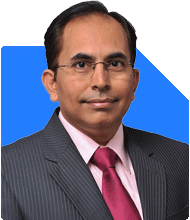
Janak Patel  |74 Answers  |Ask -

MF, PF Expert - Answered on Aug 04, 2025

Janak Patel is a certified financial planner accredited by the Financial Planning Standards Board, India.
He is the CEO and founder of InfiniumWealth, a firm that specialises in designing goal-specific financial plans tailored to help clients achieve their life goals.
Janak holds an MBA degree in finance from the Welingkar Institute of Management Development and Research, Mumbai, and has over 15 years of experience in the field of personal finance. ... more
Asked by Anonymous - Aug 03, 2025Hindi

Money

At the age of 54 how can one can develop corpus of 2crore in 5 yrs by investing in sip

Ans: Hi,

In 5 years accumulating a corpus of 2 Crores is possible. I have listed 2 such options that can work as examples.

1. If you are willing to take risk and invest in equity Mutual funds with expectation of 12% return, then an SIP of 2.42 lakhs each month can achieve the target.

2. If you take lesser risk and invest in conservative hybrid Mutual funds with expectation of 8% return, then an SIP of 2.70 lakhs each month can achieve the target.

The period being just 5 years, you should have realistic expectations that market can fluctuate and hence target may at time seems a little far away. Staying invested a bit longer can give good returns.

Suggest you consult an advisor who can analyze your profile and provide comprehensive guidance.

Thanks & Regards
Janak Patel.
DISCLAIMER: The content of this post by the expert is the personal view of the rediffGURU. Users are advised to pursue the information provided by the rediffGURU only as a source of information to be as a point of reference and to rely on their own judgement when making a decision.
Money

You may like to see similar questions and answers below
Ramalingam

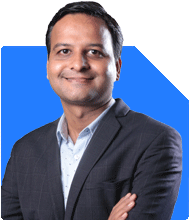
Ramalingam Kalirajan  |11390 Answers  |Ask -

Mutual Funds, Financial Planning Expert - Answered on May 08, 2024

Listen
Money
Iam 38 years old i need 5cr corpus in 55 years i have started sip of amount 7500 with 15% returns now value 1 lakh.
Ans: It's excellent that you're planning for your financial future by investing in SIPs. Here's a breakdown of your goal and how you can achieve it:

Goal: You aim to accumulate a corpus of 5 crore by the time you turn 55. This is a significant amount and requires disciplined investing over the years.
Current SIP: You've started with a monthly SIP of 7500 with an assumed return rate of 15%. At present, your SIP value is 1 lakh.
Investment Strategy:
Increase SIP Amount: Consider gradually increasing your SIP amount over time. As your income grows or expenses decrease, channel a higher portion towards your investments.
Diversify Portfolio: While it's great to have high-return expectations, it's crucial to diversify your portfolio to manage risk. Consider investing in a mix of equity, debt, and other asset classes.
Regular Review: Regularly review your investment portfolio and adjust your SIP amount or asset allocation as needed. Market conditions and personal circumstances can change, so it's essential to stay flexible.
Long-Term Perspective: Keep in mind that building a 5 crore corpus over the next 17 years requires patience and discipline. Stick to your investment plan even during market fluctuations, and avoid making impulsive decisions.
Professional Guidance: Consider consulting a Certified Financial Planner (CFP) to fine-tune your investment strategy and ensure it aligns with your financial goals and risk tolerance.
Emergency Fund: While focusing on long-term goals, don't forget to maintain an emergency fund to cover unexpected expenses. Aim for at least 6-12 months' worth of living expenses in a liquid and easily accessible account.
By following a systematic investment approach, staying committed to your financial goals, and seeking professional advice when needed, you can work towards building a substantial corpus for your future.

Best Regards,
K. Ramalingam, MBA, CFP,
Chief Financial Planner,
www.holisticinvestment.in

..Read more

Ramalingam

Ramalingam Kalirajan  |11390 Answers  |Ask -

Mutual Funds, Financial Planning Expert - Answered on May 20, 2024

Listen
Money
Age 34.Am doing sip in. quant elss 9k, tata infra MF 4k, SBI technology fund 7k , quant psu fund 3k , Nasdaq 500 for 2.5k and stocks with 15% returns. I also have efo around 2 lacs. I want to make corpus of 2cr in 10 years. Currently holding around 20laks
Ans: Assessing Your Current Financial Position
You have made an excellent start in building a diversified investment portfolio. Your current investments include mutual funds and stocks, and you have an emergency fund of ?2 lakhs. Your goal to accumulate ?2 crores in 10 years is ambitious but achievable with the right strategy.

Evaluating Your Investments
Mutual Funds
Equity-Linked Savings Scheme (ELSS): Investing ?9,000 in ELSS funds is wise. These funds provide tax benefits under Section 80C and have the potential for high returns due to equity exposure.

Sector Funds: Your investments in infrastructure, technology, and PSU funds indicate a focus on specific sectors. While sector funds can offer high returns, they come with higher risks due to their limited diversification.

International Funds: Investing ?2,500 in the Nasdaq 500 fund adds geographical diversification. International funds can hedge against domestic market risks and offer exposure to global growth.

Stocks
Your stock investments are yielding a 15% return, which is commendable. Stocks can provide significant growth but require regular monitoring and expertise to manage risks effectively.

Emergency Fund
Maintaining an emergency fund of ?2 lakhs is prudent. This ensures financial security during unforeseen events without disrupting your investment strategy.

Recommendations for Portfolio Adjustments
Enhance Diversification
Balanced Allocation: Consider adding more diversified equity funds to balance the high-risk sector funds. Diversified funds reduce risk by spreading investments across various sectors.

Debt Funds: Incorporate some debt funds to provide stability to your portfolio. Debt funds are less volatile and can offer steady returns, balancing the high risk of equity investments.

Increase SIP Contributions
Annual Increase: Gradually increase your SIP contributions annually. This combats inflation and helps you reach your financial goal faster.

Top-Up SIPs: Utilize the top-up SIP option if available. This allows you to increase your SIP amounts periodically with ease.

Focus on High-Growth Assets
Actively Managed Funds: Continue focusing on actively managed funds rather than index funds. Actively managed funds can outperform the market through expert management.

Regular Fund Review: Regularly review the performance of your funds. Replace consistently underperforming funds with better-performing ones to optimize returns.

Tax Efficiency
Tax Planning: Ensure your investments are tax-efficient. ELSS funds are already part of your portfolio, but consider other tax-saving instruments as well.

Tax-Efficient Withdrawals: Plan withdrawals from your investments in a tax-efficient manner to maximize your net returns.

Achieving ?2 Crores in 10 Years
Targeted Growth Rate
Consistent Growth: Aim for a consistent annual growth rate of 12-15%. This is achievable with a well-diversified equity-focused portfolio.

Regular Monitoring: Regularly monitor your portfolio to ensure it stays on track. Adjust allocations based on market conditions and personal goals.

Risk Management
Portfolio Rebalancing: Periodically rebalance your portfolio to maintain the desired asset allocation. This helps in managing risk and optimizing returns.

Emergency and Contingency Planning: Maintain a robust emergency fund. Consider additional health and life insurance coverage as your family grows.

Long-Term Strategy
Financial Freedom
Calculate Future Expenses: Estimate your future monthly expenses considering inflation. This helps in determining the corpus needed for financial freedom.

Determine Retirement Corpus: Calculate the corpus required to generate a monthly income that covers your expenses. Use a conservative withdrawal rate to ensure the longevity of your corpus.

Continuous Learning
Stay Updated: Keep learning about market trends and investment strategies. This enhances your decision-making and helps in optimizing returns.

Professional Guidance: Regularly consult a certified financial planner. They provide expert advice on portfolio management, tax planning, and goal setting.

Conclusion
Your current investment strategy is strong and well-diversified. By continuing to review and adjust your investments, increasing SIP contributions, and focusing on tax efficiency, you are on the right path to achieve your goal of ?2 crores in 10 years. Keep focusing on high-growth assets and maintain a balanced portfolio to achieve financial freedom.

Best Regards,

K. Ramalingam, MBA, CFP,

Chief Financial Planner,

www.holisticinvestment.in

..Read more

Ramalingam

Ramalingam Kalirajan  |11390 Answers  |Ask -

Mutual Funds, Financial Planning Expert - Answered on Sep 02, 2024

Money
Hi, I am 20 year old and studying. Investing 10000Rs monthly in equity mutual funds through SIP from last one year. Want to build a corpus of 50 CR in next 30 years. Please guide me.
Ans: You are on a strong financial path. At 20 years old, investing Rs. 10,000 monthly in equity mutual funds is a smart move. Starting early gives you the power of compounding, which is essential for wealth creation.

Equity mutual funds are good for long-term growth. They offer higher returns compared to other asset classes. However, they also come with higher risk. But since you are young, you can afford to take this risk.

Let's analyse your goal of building a Rs. 50 crore corpus in 30 years.

Analysing the Target
Goal Ambition: A corpus of Rs. 50 crore in 30 years is ambitious but achievable. However, it requires disciplined investing and periodic reviews.

Current Contribution: You are currently investing Rs. 10,000 per month. With time, your income will increase. Therefore, you should increase your SIP amount gradually.

Expected Returns: Equity mutual funds can give an average return of 12% to 15% per annum. If the market performs well, you could achieve your target. However, remember that markets are unpredictable. So, it's wise to review your portfolio regularly.

The Power of Compounding
Starting Early: You have started investing at 20 years. This gives you a huge advantage. Compounding will work its magic over the next 30 years.

Regular Investments: SIPs allow you to invest regularly. This averages out market volatility, reducing risk. By sticking to this habit, you will see your money grow over time.

Increasing SIP Amount: To achieve a Rs. 50 crore corpus, you may need to increase your SIP contribution over the years. Start small, but aim to increase your SIPs as your income grows.

Diversifying Your Portfolio
Equity Funds: These are good for long-term growth. But it's important to diversify. Don't put all your money in one type of fund.

Mid and Small-Cap Funds: These funds offer higher growth potential but with more risk. Consider adding them to your portfolio gradually.

Avoiding Index Funds: Index funds track the market and provide average returns. They lack the active management needed for higher growth. Actively managed funds, with a skilled fund manager, can potentially outperform the market.

Regular vs. Direct Funds: Direct funds have lower expense ratios. But managing them requires knowledge and time. Investing through a Certified Financial Planner with regular funds is better. They provide guidance and help you make informed decisions.

Monitoring and Adjusting Your Strategy
Review Regularly: Markets change, and so do your financial goals. Review your portfolio at least once a year. This will help you stay on track and make necessary adjustments.

Increasing Contributions: As you grow older, your earning potential will increase. Gradually increase your SIP contributions. This will help you achieve your Rs. 50 crore goal faster.

Adjusting Asset Allocation: As you approach your goal, consider shifting to less risky assets. While equity funds are good for growth, they can be volatile. Moving some of your corpus to safer instruments will protect your wealth.

Risk Management
Insurance Coverage: Ensure you have adequate life and health insurance. This protects your investments in case of unforeseen events. Without proper coverage, you might have to dip into your investments during emergencies.

Emergency Fund: Build an emergency fund that covers 6-12 months of expenses. This should be separate from your investment portfolio. An emergency fund protects your investments by providing liquidity during tough times.

Planning for Long-Term Wealth Creation
Disciplined Approach: Stick to your SIPs even during market downturns. Market corrections are opportunities for long-term investors. Your disciplined approach will reward you over time.

Focus on Growth: Early in your investing journey, focus on growth-oriented funds. As you get closer to your goal, shift towards stability. This ensures your hard-earned corpus is protected.

Avoiding Unnecessary Expenses: Keep your investment journey simple. Avoid high-expense funds and unnecessary charges. This will ensure that more of your money is working towards your goal.

Final Insights
Consistency is Key: Continue your SIPs regularly. Increase your contribution as your income grows. This consistency is crucial for reaching your Rs. 50 crore goal.

Diversify Smartly: Add mid and small-cap funds to your portfolio for higher growth. But keep an eye on risk. Balance your portfolio based on market conditions and your risk appetite.

Review and Adjust: Regularly review your portfolio with a Certified Financial Planner. Adjust your strategy based on your life stage and market conditions.

Stay Focused: Don't get distracted by market noise. Stay focused on your long-term goal. Your early start, disciplined approach, and regular reviews will help you achieve financial success.

Best Regards,

K. Ramalingam, MBA, CFP,
Chief Financial Planner,
www.holisticinvestment.in

..Read more

Ramalingam

Ramalingam Kalirajan  |11390 Answers  |Ask -

Mutual Funds, Financial Planning Expert - Answered on Aug 18, 2025

Asked by Anonymous - Aug 03, 2025Hindi
Money
How one can develop corpus of 2crore by investing in sip in 5 yrs
Ans: You are aiming very high. Setting a goal of Rs.2 crore in 5 years shows ambition. It also shows discipline and clarity. Many investors do not think with such focus. Your goal is aggressive. But with right planning, strong execution and patience, it can be approached. Building such a large corpus in short period needs careful steps. It demands higher allocation, higher risk, and professional guidance.

» Understanding the Target
– Rs.2 crore in 5 years is not a small target.
– The time frame is short.
– Equity is the only vehicle that can create such growth.
– But equity is also volatile in short horizon.
– You need to commit large SIP contributions each month.
– You also need lump sum additions if possible.
– Realistic expectation is essential before starting.

» Assessing Required Investment Effort
– Small SIP cannot create Rs.2 crore in 5 years.
– A very high SIP size is required.
– You must be ready to commit a big portion of income.
– Monthly investment must be much larger than normal planning.
– Even with high SIP, returns can fluctuate.
– Equity market movements in 5 years can impact results.
– That is why diversification and review are vital.

» Role of Equity Mutual Funds
– Equity funds are the main tool for this goal.
– They provide growth potential far higher than debt.
– Actively managed funds are better than index funds here.
– Index funds just copy market.
– They cannot outperform in short horizon.
– Actively managed funds can manage downside and adjust portfolio.
– Fund managers bring research, strategy, and dynamic allocation.
– In 5 years, this expertise makes a big difference.

» Why Not Index Funds
– Many investors think index funds are cheap and safe.
– But cheap does not mean better.
– Index funds follow market blindly.
– They cannot protect when market falls.
– They also invest in weak companies just because they are in index.
– Active funds can exit bad companies.
– They can enter emerging opportunities earlier.
– For an ambitious 5-year target, you need active management.
– Index investing works only in very long horizons.

» Asset Allocation Balance
– Equity is core, but not 100% allocation.
– Keep small portion in debt for liquidity.
– Debt acts as emergency parking during volatility.
– Gold can be very small part as hedge.
– Main focus remains on equity growth.
– Allocation must be reviewed yearly.
– If market moves fast, partial profit booking is needed.
– Rebalancing reduces risk of sudden downfall before maturity.

» Debt Mutual Funds for Stability
– Debt funds cannot multiply money in 5 years.
– But they give cushion.
– They also help in goal safety as you near 5th year.
– Gains are taxed as per your income slab.
– Still they provide liquidity better than bank deposits.
– Short-term allocation is fine here.

» Gold Allocation as Safety
– Gold can absorb shocks if market collapses.
– But do not over-allocate.
– Keep around 5% only.
– Too much gold will drag growth.
– Gold is mainly a hedge.

» SIP Discipline and Behaviour
– Consistency is key in this plan.
– You cannot skip SIP in between.
– Even one missed SIP reduces compounding effect.
– Discipline is more important than chasing returns.
– Market will fluctuate.
– Still SIP must continue.
– That is how wealth grows in short time.

» Additional Lump Sum Investments
– Rs.2 crore in 5 years may need lump sum support.
– If you receive bonus or incentives, add them.
– Windfall gains should also be invested.
– This reduces pressure on monthly SIP.
– It also improves probability of reaching target.

» Taxation Awareness
– Equity fund taxation changed recently.
– Long-term gains above Rs.1.25 lakh taxed at 12.5%.
– Short-term gains taxed at 20%.
– You must plan redemption keeping tax in mind.
– Sudden withdrawal can reduce net corpus after tax.
– Staggered withdrawals in last year may help reduce tax burden.

» Importance of Regular Funds with CFP Guidance
– Direct funds may look attractive with low expense.
– But they demand constant tracking.
– If you miss review, you may lose big.
– Wrong decisions in 5-year plan can spoil everything.
– Regular funds with certified financial planner give discipline.
– Planner will guide allocation, review, exit, and rebalancing.
– This support increases your chance of reaching Rs.2 crore.
– Direct fund investors often chase past returns and exit wrongly.
– Regular investing with guidance creates stability and confidence.

» Insurance Linked Investments Review
– If you already hold LIC, ULIP, or endowment, review them.
– These policies give very low growth.
– They will not help in a 5-year Rs.2 crore target.
– Better to surrender and reinvest in equity mutual funds.
– Keep insurance separate through pure term policy.
– Investment should be only through mutual funds.

» Risk and Market Volatility
– You must understand the risk of this plan.
– Equity can be very volatile in short term.
– A market crash in 4th or 5th year can affect corpus.
– That is why asset allocation and review is important.
– You may need to shift to debt slowly near goal year.
– This locks the gains and protects the target.

» Goal Based Investing Clarity
– Always remember this Rs.2 crore is goal specific.
– Do not mix this fund with other needs.
– Do not withdraw for vacations, gadgets, or short goals.
– Keep this portfolio dedicated.
– Goal based approach keeps you focused and disciplined.

» Psychological Preparedness
– Large target in short horizon can create stress.
– You may see portfolio in loss sometimes.
– Do not panic.
– Market moves are normal.
– Stay patient till full 5 years.
– Mental strength is as important as money discipline.

» Role of Diversification
– Do not put all SIP in one category.
– Spread across large-cap, flexi-cap, and mid-cap.
– Each will perform differently.
– Together they balance portfolio.
– Diversification reduces risk of underperformance.

» Final Insights
– Rs.2 crore in 5 years is ambitious but possible with high commitment.
– You need very large SIP and also lumpsum additions.
– Equity must be main growth driver.
– Debt and gold play supporting roles.
– Use actively managed funds, avoid index and direct funds.
– Review every year with certified financial planner.
– Secure gains near the goal year by shifting gradually to debt.
– Keep your discipline intact and remain patient with market cycles.
– This structured approach increases your chance of reaching the target.

Best Regards,

K. Ramalingam, MBA, CFP,

Chief Financial Planner,

www.holisticinvestment.in
https://www.youtube.com/@HolisticInvestment

..Read more

Latest Questions
Nayagam P

Nayagam P P  |12506 Answers  |Ask -

Career Counsellor - Answered on Aug 12, 2026

Asked by Anonymous - Aug 12, 2026
Career
my daughter has secured admission in CSE-AI at IGDTUW .Going by the reputation of the institute she withdrew from BITSAT,JOSAA, LNMIIT and MHT-CET counselings. But now after attending the college for few days, she has been completely put off by the real bad infra and attitude of teachers there.Only viable option left now for her is COMEDK, where she can get CSE in MSRIT.We are delhi based and budget is not a issue. Please suggest further course of action.
Ans: Your daughter may consider switching to MSRIT CSE through COMEDK if her initial experience at IGDTUW has led her to reassess her choice. MSRIT offers good industry exposure and the advantage of Bengaluru’s strong technology ecosystem. However, it would be advisable to visit MSRIT and interact with current students before making the final decision.

Please also verify the current COMEDK counselling and reporting status, as deadlines and eligibility can vary by round. Before proceeding, confirm that her specific counselling status permits admission/reporting at MSRIT.

At the same time, it is important to remember that no institution is perfect; every college has its own strengths and areas for improvement. The decision should therefore consider academics, campus environment, faculty interaction, placements, peer group, location and overall student experience.

Finally, ensure that your daughter is comfortable and mentally prepared to relocate from Delhi to Bengaluru, and that you as parents are also equally comfortable with the transition. If MSRIT appears to offer a better overall fit after this evaluation, switching can be a reasonable option. If possible, it may be worthwhile to keep RVCE CSE as a preference until the final counselling round, provided your daughter has already included RVCE CSE among her choices. If the option remains available in the subsequent rounds, she can consider it based on the seat availability and her merit position. All The Best for Your Daughter's Prosperous Future!

Follow RediffGURUS to Know More on 'Careers | Money | Health | Relationships'.

...Read more

Ramalingam

Ramalingam Kalirajan  |11390 Answers  |Ask -

Mutual Funds, Financial Planning Expert - Answered on Aug 11, 2026

Asked by Anonymous - Jul 28, 2026
Money
I am a 49 year old working as an E-Surveillance engineer at a Service provider in Chennai. I am on notice period. I am planning to start my own consulting services as free lancing in the same field. I have also got one contract worth 13 lakhs on which I will start working on from August onwards. These are just my annual consulting charges which will be paid by the customer on monthly basis after deducting 10% TDS. I need to understand how will my Tax liability be calculated for this FY. I am expecting one more contract worth 3-4 lakhs. Do I need to register for GST number? I have always done a job for 27 years. This is the first time I am doing something on my own. Hence these queries.
Ans: You have taken a good step by moving towards consulting. Having a Rs.13 Lakhs contract already is a strong starting point. Since this is your first year as a freelancer, keeping tax and compliance organised is important.

» Your Income For This FY

Your consulting receipts will generally be treated as professional income.

Your expected receipts are:

– First contract: Rs.13 Lakhs
– Possible second contract: Rs.3–4 Lakhs
– Total expected professional receipts: around Rs.16–17 Lakhs

The 10% TDS deducted by your customer is not an additional tax.

It is advance tax already collected on your behalf.

The TDS will be available as credit while filing your ITR.

» How Your Taxable Income Works

You will not normally pay income tax on the entire billing amount.

Eligible business or professional expenses can be considered while calculating taxable professional income.

For example:

– Laptop and computer expenses.
– Internet and communication costs.
– Software and subscriptions.
– Professional services.
– Office-related expenses.
– Travel related to consulting work.
– Other genuine business expenses.

Keep proper bills and payment records.

Personal expenses should not be claimed as professional expenses.

» Presumptive Tax Option

You may also check whether the presumptive taxation provisions applicable to specified professionals can be used.

This can simplify compliance for eligible professionals.

However, eligibility depends on the exact nature of your consulting activity and your receipts.

Your CA should confirm this before you choose the method.

» TDS Deduction

Your customer deducting 10% TDS does not mean your final tax rate is 10%.

It only represents tax deducted from your payment.

Your final tax liability will depend on your total taxable income for the year.

You will receive TDS credit while filing your income-tax return.

If the TDS is higher than your final liability, the excess can generally be claimed as refund.

» GST Registration

This needs careful attention.

GST registration is generally linked to aggregate turnover and the nature of services.

For service providers, the normal threshold is generally Rs.20 Lakhs in many states.

However, GST rules have several exceptions.

The place of supply and nature of your customer can also matter.

If your expected consulting turnover is around Rs.16–17 Lakhs, you may be below the normal threshold.

But do not decide only based on turnover.

Your exact consulting arrangement should be checked.

» Important GST Point

If your customer is located outside India, the GST treatment can be different.

Export of services has separate conditions.

Similarly, certain services supplied to customers in other states can require additional review.

Therefore, share the following with your CA:

– Customer location.
– Your location.
– Contract terms.
– Nature of E-Surveillance services.
– Annual contract value.
– Payment terms.
– Whether the customer is Indian or overseas.

» Advance Tax

This is another important point.

TDS may not cover your final tax liability.

If your estimated total tax payable crosses the applicable advance-tax threshold, advance tax may be required.

Do not wait until ITR filing to arrange the full tax amount.

Keep a separate bank balance for tax payments.

This will prevent cash-flow pressure later.

» Business Setup

Since you are starting freelancing after 27 years of employment, keep the setup simple initially.

Maintain:

– Separate bank account for consulting receipts.
– Proper invoices.
– Expense records.
– Customer contracts.
– TDS certificates.
– GST records if registration becomes applicable.
– Advance-tax payment records.

This will make future tax filing much easier.

» Transition From Salary To Consulting

Your first year needs extra care.

You may have salary income for part of the year.

You will then have professional income from consulting.

Both incomes will form part of your overall taxable income.

Also consider your final salary, notice-period payments, leave encashment and other employment-related receipts.

These should be included correctly.

» Retirement And Insurance

At age 49, your retirement planning should continue even after leaving employment.

EPF contributions may reduce or stop after leaving the job.

Therefore, create a separate retirement investment plan from your consulting income.

Also review your health insurance.

Do not depend only on your employer's medical cover after leaving the company.

Maintain adequate personal health insurance.

» Final Insights

Your Rs.13 Lakhs contract gives you a good base for starting consulting.

The possible Rs.3–4 Lakhs additional contract can strengthen your cash flow.

For GST, your expected Rs.16–17 Lakhs turnover appears below the normal service threshold.

Still, GST applicability depends on your customer and service details.

For income tax, the 10% TDS is only a tax credit.

Your final liability depends on your total taxable income and eligible expenses.

Since this is your first year as a consultant, I strongly suggest having a CA set up your invoicing, GST position and advance-tax schedule correctly.

Once the structure is set, managing your consulting income should become quite straightforward.

Best Regards,

K. Ramalingam, MBA, CFP,

AMFI-Registered MFD – ARN 4188

www.holisticinvestment.in

https://www.linkedin.com/in/ramalingamcfp/

...Read more

Ramalingam

Ramalingam Kalirajan  |11390 Answers  |Ask -

Mutual Funds, Financial Planning Expert - Answered on Aug 11, 2026

Asked by Anonymous - Jul 27, 2026
Money
I have invested in the following MFs 1) ICICI prudential BHARAT 22 FOF direct growth ₹210000 2) quant multi asset allocation find ₹318000 3) ICICI prudential multi asset fund ₹210000 4) kotak multi cap fund direct growth ₹150000 5) nippon india large cap fund direct growth ₹150000 6) nippon india multi cap fund direct growth ₹130000 7) HDFC balanced advantage fund direct growth ₹130000 8) ICICI prudential large cap fund direct growth ₹ 120000 9) HDFC flexi cap direct plan growth ₹ 90000 10) parag parikh flexi cap fund direct growth ₹92000 11) motilal oswal large and midcap fund direct growth ₹ 80000 12) motilal oswal BSE enhanced value index fund direct growth ₹ 80000 13) nippon india multi asset allocation fund direct growth ₹ 70000 14) HSBC value fund direct growth ₹ 55000 15) HDFC mid cap fund direct growth ₹ 50000 16) HDFC multi cap fund direct growth ₹ 55000 17) motilal oswal midcap fund direct growth ₹ 58000 18) SBI contra plan direct growth ₹ 54000 19) HDFC focused fund direct growth ₹ 43000 20) kotak debt hybrid fund direct growth ₹ 32000 21) ICICI prudential short term fund direct plan growth ₹ 20000 22) nippon india small cap fund direct growth ₹ 16000 23) HDFC short term debt fund direct plan growth ₹15000 . Please tell me which among them I should continue paying for SIP and which of them I should stop payment for SIP. Some of these are one time investment. I am 50 years old. These investments I have made since November 2024 till June 2026.
Ans: You have made a serious effort to diversify. However, 23 funds at age 50 is more than needed. The bigger issue is overlap, not lack of funds.

» Overall Assessment

Your portfolio has many funds doing similar jobs.

You have several:

– Flexi-cap and multi-cap funds.
– Large-cap funds.
– Multi-asset funds.
– Balanced advantage funds.
– Mid-cap funds.
– Debt funds.
– Value and contra strategies.
– A small-cap fund.
– A Bharat 22 themed exposure.
– An index-based value fund.

This makes monitoring difficult.

At age 50, I would prefer a simpler portfolio.

» SIPs I Would Continue

Based on the information provided, I would retain SIPs mainly in these categories:

– One good flexi-cap fund.
– One good multi-cap fund.
– One mid-cap fund.
– One balanced advantage fund.
– One multi-asset allocation fund.
– One small-cap fund, but with limited allocation.
– One short-duration debt fund, if debt exposure is required.

You do not need multiple funds within each category.

» SIPs I Would Stop

I would stop fresh SIPs in overlapping categories.

Specifically, review and stop SIPs in:

– Additional large-cap funds beyond one.
– Additional multi-cap funds beyond one.
– Additional flexi-cap funds beyond one.
– Additional multi-asset funds beyond one.
– Focused fund.
– Contra fund.
– Value-oriented fund if your core portfolio already has sufficient value exposure.
– Bharat 22 themed exposure.
– Index-based value fund.
– Debt hybrid fund if the balanced advantage and multi-asset allocation already provide enough stability.
– Additional short-term debt fund if one debt fund is sufficient.

Stopping an SIP does not mean selling the existing investment.

That distinction is very important.

» Your Large-Cap Exposure

You currently have multiple large-cap funds.

This creates unnecessary duplication.

One well-selected large-cap strategy is sufficient.

If you already have a strong flexi-cap and multi-cap allocation, even a separate large-cap fund may not be essential.

Therefore, I would stop fresh SIPs in the extra large-cap exposures.

» Your Multi-Cap And Flexi-Cap Exposure

You have several funds across these categories.

There is significant overlap here.

For future SIPs, keep only one core flexi-cap or multi-cap strategy.

You can retain another existing holding temporarily.

But avoid adding fresh money to all of them.

» Your Multi-Asset Exposure

You have multiple multi-asset funds.

This is another clear area of duplication.

Choose one suitable multi-asset strategy for future SIPs.

Stop fresh SIPs in the others.

The existing money need not be sold immediately.

» Mid-Cap Exposure

You have more than one mid-cap-oriented fund.

Keep one strong mid-cap strategy.

Stop SIPs in the additional mid-cap holding.

Mid-cap exposure can still be useful at age 50.

But it should not become an excessive part of your portfolio.

» Small-Cap Exposure

Your small-cap investment is currently relatively small.

A limited small-cap allocation can be retained if your retirement goal is still many years away.

I would not increase it aggressively.

At age 50, portfolio stability becomes more important.

» Bharat 22 And Index-Based Exposure

Your Bharat 22 FOF is a specialised exposure.

It should not be treated as a core diversified equity holding.

The index-based value fund also follows a rules-based index approach.

I would not use either as a core SIP allocation.

For the core portfolio, I prefer actively managed funds.

An active manager can change sector and stock exposure based on valuations and business conditions.

An index strategy generally follows its predefined rules.

It has less flexibility when market conditions change.

» Direct Plans

You have invested mostly through direct plans.

Direct plans have a lower expense ratio.

But there is no distributor-level portfolio service attached.

This becomes more important when you have 23 funds.

Managing overlap, rebalancing and goal allocation can become difficult.

Regular plans through an MFD have a higher expense structure.

But you also get ongoing portfolio review and service support.

For a portfolio of this size and complexity, proper monitoring can be more valuable than simply focusing on the lower expense ratio.

» One-Time Investments

Do not automatically sell one-time investments just because you stop the SIP.

Stopping SIP and redeeming are separate decisions.

First consolidate the future SIP structure.

Then review existing holdings based on:

– Current valuation.
– Tax impact.
– Holding period.
– Portfolio overlap.
– Retirement requirement.
– Exit load, if applicable.

This can avoid unnecessary taxation and unnecessary switching.

» Suggested Portfolio Structure

At age 50, I would aim for a much simpler structure.

A possible structure could have:

– 1 flexi-cap or multi-cap fund.
– 1 mid-cap fund.
– 1 balanced advantage fund.
– 1 multi-asset fund.
– 1 limited small-cap fund.
– 1 suitable debt fund.

That is enough for most investors.

You do not need 23 schemes to achieve diversification.

» Important Point About Your Age

You have around 10–15 years before retirement, depending on your retirement plan.

Therefore, equity should still remain an important growth component.

But taking unnecessary risk is not required.

Your portfolio should gradually become more stable as retirement approaches.

Start reducing equity risk well before the actual retirement date.

» Final Insights

Your biggest improvement will come from consolidation.

Do not keep adding funds simply because each fund looks attractive individually.

A good portfolio is not a collection of good funds.

It is a collection of funds that work well together.

I would stop most duplicate SIPs now.

Retain a small number of core categories.

Then review the existing Rs. amounts separately before deciding what to redeem.

At age 50, simplicity, diversification and retirement readiness should take priority over having many funds.

Best Regards,

K. Ramalingam, MBA, CFP,

AMFI-Registered MFD – ARN 4188

www.holisticinvestment.in

https://www.linkedin.com/in/ramalingamcfp/

...Read more

Ramalingam

Ramalingam Kalirajan  |11390 Answers  |Ask -

Mutual Funds, Financial Planning Expert - Answered on Aug 11, 2026

Money
Sir, A friend of mine sold his land recently. Even though the land registration was done based on state govt's fair value of 20 lakhs, the actual sum received by the above seller was 40 lakhs. At the time of ITR filing, can he show the full sale value of 40 lakhs and pay whatever tax due, or is he obliged to pay only based on the applied fair value ?
Ans: This is an important tax point. The registered value and actual consideration can have different tax implications.

» Actual Sale Consideration

If your friend actually received Rs.40 Lakhs, he should not simply report Rs.20 Lakhs as the sale consideration.

The actual transaction value should be properly disclosed.

The fact that registration happened at the government guideline value does not automatically make Rs.20 Lakhs the actual sale consideration.

» Stamp Duty Value

For income-tax purposes, the stamp duty value can become relevant when it is higher than the declared sale consideration.

There are specific provisions for immovable property transactions.

Therefore, the tax calculation may not be based only on the amount written in the sale deed.

» Your Example

Here, the facts are:

– Government fair value: Rs.20 Lakhs
– Actual amount received: Rs.40 Lakhs

If Rs.40 Lakhs was genuinely paid and received, proper documentation is very important.

The sale agreement, payment records and bank statements should support the actual consideration.

If Rs.40 Lakhs was received outside the documented transaction, the matter becomes more sensitive.

He should not create or alter documents merely to match the tax return.

» Capital Gains

Capital gains are generally determined after considering the applicable sale consideration, acquisition cost and eligible improvement expenses.

The holding period also matters.

The tax treatment can differ depending on whether the land is rural agricultural land or other land.

Therefore, the exact nature and location of the land should be checked.

» What I Would Suggest

Before filing the ITR, your friend should get the following reviewed:

– Registered sale deed.
– Sale agreement, if separate.
– Actual payment received.
– Bank statements.
– Stamp duty value.
– Purchase documents.
– Improvement expenses.
– Holding period.
– Whether the land qualifies as agricultural land.

If the actual consideration was Rs.40 Lakhs, he should disclose the transaction truthfully.

He should not voluntarily report only Rs.20 Lakhs just because that was the registration value.

» Final Insights

The government fair value and actual sale consideration are two different things.

The correct tax treatment depends on the applicable income-tax provisions and transaction facts.

Since there is a Rs.20 Lakhs difference here, professional tax review before filing is advisable.

This is especially important if the additional Rs.20 Lakhs was received outside the registered documentation.

Best Regards,

K. Ramalingam, MBA, CFP,

AMFI-Registered MFD – ARN 4188

www.holisticinvestment.in

https://www.linkedin.com/in/ramalingamcfp/

...Read more

Ramalingam

Ramalingam Kalirajan  |11390 Answers  |Ask -

Mutual Funds, Financial Planning Expert - Answered on Aug 11, 2026

Money
When our money invested is managed by the experts of AMCs, why should we aim to diversify the portfolios? Also why to aim for something else when the goal of any investment is only to get best vslue? Mukhtar Ahmad, Lucknow
Ans: Professional fund managers do manage portfolios carefully. But diversification is still important for investors.

» Why AMC Expertise Is Not Enough

An AMC manages money within a particular investment mandate.

The fund manager cannot freely invest everywhere.

Each fund has its own:

– Investment objective.
– Asset allocation.
– Market-cap exposure.
– Risk level.
– Investment limits.

So, one fund manager cannot control every risk in your complete portfolio.

» Diversification Has A Different Purpose

Diversification is not about finding more funds.

It is about reducing dependence on one investment style.

Even an excellent fund manager can face:

– Wrong sector allocation.
– Temporary investment mistakes.
– Market cycles.
– Valuation problems.
– Changes in economic conditions.

A diversified portfolio reduces the impact of any one mistake.

» Why Not Simply Chase Best Value?

The phrase "best value" sounds simple.

But value can mean different things.

An investment can be cheap today and remain cheap for many years.

Another investment can look expensive but continue growing strongly.

Therefore, chasing only the cheapest opportunity can create concentration risk.

The better objective is risk-adjusted wealth creation.

» Return Is Not The Only Goal

Two investors may earn the same return.

But their experience can be very different.

One may face large temporary losses.

Another may experience smaller fluctuations.

The second investor may stay invested more comfortably.

This behaviour can improve long-term investment results.

» Diversification Does Not Mean Diluting Returns

This is an important point.

Good diversification does not mean buying 15–20 mutual funds.

It means combining suitable investment categories.

For example:

– Large companies for stability.
– Mid-sized companies for growth.
– Some smaller companies for additional growth potential.
– Suitable fixed-income assets for stability.

The exact mix depends on the investor's goal and risk capacity.

» Fund Manager Versus Investor

The fund manager manages the fund.

The investor manages the overall wealth plan.

These are two different responsibilities.

A fund manager cannot know:

– When you need the money.
– Your retirement date.
– Your child's education requirement.
– Your emergency needs.
– Your other investments.
– Your ability to tolerate losses.

This is why portfolio-level diversification remains important.

» A Simple Example

Suppose one excellent fund manager invests heavily in technology companies.

The manager may be doing everything correctly.

But if technology goes through a long weak cycle, that fund can suffer.

Another fund with a different investment approach may perform better.

Having both can make the overall portfolio more balanced.

» Final Insights

The goal should certainly be wealth creation.

But "best value" should not mean chasing the highest possible return.

The better goal is sustainable wealth creation with controlled risk.

AMC expertise helps manage individual funds.

Diversification helps manage the investor's complete portfolio.

Both have an important role.

A well-designed portfolio should be simple, diversified and aligned with your goals.

Best Regards,

K. Ramalingam, MBA, CFP,

AMFI-Registered MFD – ARN 4188

www.holisticinvestment.in

https://www.linkedin.com/in/ramalingamcfp/

...Read more

DISCLAIMER: The content of this post by the expert is the personal view of the rediffGURU. Investment in securities market are subject to market risks. Read all the related document carefully before investing. The securities quoted are for illustration only and are not recommendatory. Users are advised to pursue the information provided by the rediffGURU only as a source of information and as a point of reference and to rely on their own judgement when making a decision. RediffGURUS is an intermediary as per India's Information Technology Act.

Close  

You haven't logged in yet. To ask a question, Please Log in below
Login

A verification OTP will be sent to this
Mobile Number / Email

Enter OTP
A 6 digit code has been sent to

Resend OTP in120seconds

Dear User, You have not registered yet. Please register by filling the fields below to get expert answers from our Gurus
Sign up

By signing up, you agree to our
Terms & Conditions and Privacy Policy

Already have an account?

Enter OTP
A 6 digit code has been sent to Mobile

Resend OTP in120seconds

x