Home > Money > Question
Need Expert Advice?Our Gurus Can Help

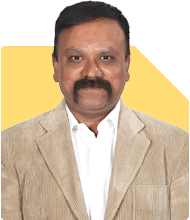
Ramalingam

Ramalingam Kalirajan  |10872 Answers  |Ask -

Mutual Funds, Financial Planning Expert - Answered on Sep 18, 2025

Ramalingam Kalirajan has over 23 years of experience in mutual funds and financial planning.
He has an MBA in finance from the University of Madras and is a certified financial planner.
He is the director and chief financial planner at Holistic Investment, a Chennai-based firm that offers financial planning and wealth management advice.... more
Asked by Anonymous - Sep 09, 2025Hindi

Money

My age is 30 no child married i have a corpus of 1lakh in sip and having monthly sip of 7000 please guide me for retirement planning

Ans: – You have started retirement planning at 30.
– This gives you a huge advantage.
– Compounding works best with time.
– Regular SIPs show strong financial discipline.
– Your early focus builds a secure future.

» Current investment position
– You have Rs.1 lakh corpus already invested.
– Monthly SIP of Rs.7,000 is running.
– This is a good beginning but small for retirement.
– Retirement needs a much larger fund later.
– Step-up in SIP is essential over time.

» Time horizon assessment
– You have around 28–30 years for retirement.
– This long period allows wealth growth.
– Equity exposure is important for this horizon.
– Volatility in short term will not matter.
– Long term focus ensures better results.

» Why equity should be the core
– Equity is best for wealth creation over decades.
– It beats inflation by a wide margin.
– FDs and PPF alone cannot match retirement needs.
– Hybrid funds add stability but lower growth.
– Equity-hybrid mix works well for long-term investors.

» Problems with index funds
– Index funds copy the benchmark passively.
– They cannot avoid weak companies in index.
– They fall completely during market downturns.
– No flexibility to manage risk.
– Active funds provide professional management.
– Active approach gives better safety and returns.

» Regular vs direct funds
– Direct funds look cheaper due to lower expense ratio.
– But they lack expert support and guidance.
– Investors may choose wrong funds or exit wrongly.
– Regular funds via Certified Financial Planner avoid such errors.
– Ongoing advice improves long-term outcome.
– Guidance matters more than small cost savings.

» Increasing SIP gradually
– Rs.7,000 monthly is good for start.
– But as income grows, SIP should increase.
– Even 10–15% yearly step-up makes big impact.
– Higher SIP ensures larger retirement corpus.
– Early increases are more powerful than late ones.
– Make SIP rise along with salary hikes.

» Retirement corpus requirement
– Retirement will need large funds due to inflation.
– Expenses will double every 10–12 years.
– Health costs rise faster than normal inflation.
– Without large equity portion, corpus may fall short.
– Goal must be a fund that supports 25–30 years post-retirement.
– Planning early makes this achievable.

» Role of debt and hybrid funds
– Debt funds offer stability but limited growth.
– Use them only for short-term needs.
– Hybrid funds balance equity and debt for medium-term.
– For retirement horizon, equity must dominate.
– Add hybrids only closer to retirement.
– This reduces risk before withdrawals begin.

» Tax efficiency in retirement planning
– Long-term equity gains above Rs.1.25 lakh taxed at 12.5%.
– Short-term gains taxed at 20%.
– Debt fund gains taxed as per slab.
– Equity-hybrid mix gives more tax efficiency.
– SWP from equity-hybrid funds is tax efficient in retirement.
– FD income will always be fully taxable.

» Insurance protection now
– Retirement planning must be protected with insurance.
– Life insurance is needed if spouse depends on you.
– Term insurance is best and cost effective.
– Health insurance must also be in place.
– This prevents withdrawals from retirement corpus for emergencies.
– Protection is foundation for long-term planning.

» Behavioural discipline
– Avoid stopping SIPs during market falls.
– Volatility is temporary, compounding is permanent.
– Regular review with Certified Financial Planner is vital.
– Avoid chasing quick high returns.
– Stick to a long-term asset allocation.
– Patience and discipline create wealth.

» Legacy and long-term vision
– Retirement plan must also include family security.
– Nominations should be updated in all investments.
– Later, estate planning through Will adds clarity.
– Think beyond your life, ensure spouse’s security.
– Long-term planning is not only about wealth.
– It is also about peace of mind.

» Finally
– You have started early, which is a huge strength.
– Present SIP is good but needs gradual increase.
– Equity allocation must be higher for long horizon.
– Avoid index and direct funds, choose active funds with CFP support.
– Protect plan with term and health insurance.
– Stay disciplined and review regularly.
– This path ensures a secure, inflation-proof retirement.
– You are on the right track, just keep stepping up.

Best Regards,

K. Ramalingam, MBA, CFP,

Chief Financial Planner,

www.holisticinvestment.in

https://www.youtube.com/@HolisticInvestment
DISCLAIMER: The content of this post by the expert is the personal view of the rediffGURU. Users are advised to pursue the information provided by the rediffGURU only as a source of information to be as a point of reference and to rely on their own judgement when making a decision.
Money

You may like to see similar questions and answers below

Ramalingam

Ramalingam Kalirajan  |10872 Answers  |Ask -

Mutual Funds, Financial Planning Expert - Answered on May 08, 2024

Money
i am 37 years old.i want to have retirement corpus of 10 crore & retire when i am 55 years old. i am currently doing the following SIP.axis small cap fund 6500, Nippon small cap fund 6500, Mahindra manulife small cap fund 6500, icici prudential nifty midcap 150 index fund 11000, navi nifty next 50 index fund 12000, parag parikh flexicap fund 13000, bandhan nifty 50 index fund 12000, hdfc dividend yield fund 4000, bandhan sterling value fund 4000
Ans: It's commendable that you have a clear retirement goal and are taking proactive steps to achieve it through SIP investments. Here's some guidance to help you reach your target retirement corpus of 10 crores by the age of 55:
1. Evaluate Your Investment Portfolio: Review your existing SIP investments to ensure they are aligned with your long-term retirement goal. Assess the performance of each fund and make adjustments if necessary to optimize returns.
2. Diversification: While your current portfolio consists of a mix of small cap, mid cap, flexi cap, dividend yield, and index funds, consider diversifying further across asset classes such as equity, debt, and hybrid funds. This diversification can help mitigate risk and enhance returns over time.
3. Risk Management: As you approach retirement, gradually shift your investment focus towards more conservative options to safeguard your accumulated wealth. Balance the growth potential of equity funds with the stability of debt and hybrid funds to manage risk effectively.
4. Regular Monitoring and Rebalancing: Stay vigilant and monitor the performance of your SIPs regularly. Periodically rebalance your portfolio to maintain the desired asset allocation and adapt to changing market conditions.
5. Consult with a Certified Financial Planner (CFP): Seek professional guidance from a Certified Financial Planner who can assess your financial situation, analyze your investment portfolio, and recommend personalized strategies to achieve your retirement goals. A CFP can offer valuable insights and help you navigate complex financial decisions effectively.
6. Stay Disciplined and Patient: Building a substantial retirement corpus requires discipline, patience, and a long-term investment horizon. Stay focused on your goal, avoid impulsive decisions, and continue contributing diligently towards your SIPs to accumulate wealth systematically over time.
7. Given your retirement aspirations, it's crucial to tailor your investment strategy to maximize returns and mitigate risks. While index funds offer certain advantages, such as low fees and broad market exposure, they also come with drawbacks that may not align with your long-term financial goals:
Disadvantages of Index Funds:
a. Limited Scope for Outperformance: Index funds aim to replicate the performance of a specific market index, which means they can't outperform the market. If you seek above-average returns, actively managed funds may offer more potential for outperformance through skilled fund management and stock selection.
b. Lack of Flexibility: Index funds adhere strictly to the composition of their underlying index, limiting the fund manager's ability to capitalize on emerging opportunities or adjust the portfolio in response to changing market conditions. Actively managed funds have the flexibility to adapt their investment strategies dynamically, potentially enhancing returns and managing risk more effectively.
c. Inability to Mitigate Risk: Index funds are passively managed and hold all the stocks within the index, including those with high levels of risk or poor fundamentals. In contrast, actively managed funds can employ risk management techniques, such as sector rotation or stock selection, to mitigate downside risk and preserve capital during market downturns.
Benefits of Actively Managed Funds:
i. Potential for Alpha Generation: Actively managed funds are run by professional fund managers who aim to generate alpha, or returns that exceed the benchmark index. Through in-depth research, market analysis, and active decision-making, fund managers seek to identify undervalued securities and capitalize on market inefficiencies to enhance returns.
ii. Dynamic Portfolio Management: Actively managed funds have the flexibility to deviate from the benchmark index and capitalize on investment opportunities across different market conditions. Fund managers can adjust the portfolio allocation, sector exposure, and stock selection based on their market outlook and investment objectives, potentially optimizing returns and managing risk more effectively.
iii. Tailored Investment Approach: Actively managed funds offer a personalized investment approach tailored to specific investment objectives, risk tolerance, and time horizon. Fund managers can incorporate qualitative factors, fundamental analysis, and macroeconomic trends into their investment decisions, providing investors with a diversified and actively managed portfolio designed to achieve their financial goals.
Remember, achieving financial independence in retirement is a journey that requires careful planning, commitment, and perseverance. By following a well-thought-out investment strategy and seeking expert advice when needed, you can pave the way for a secure and comfortable retirement.

Best Regards,
K. Ramalingam, MBA, CFP,
Certified Financial Planner
www.holisticinvestment.in

..Read more

Ramalingam

Ramalingam Kalirajan  |10872 Answers  |Ask -

Mutual Funds, Financial Planning Expert - Answered on May 06, 2024

Asked by Anonymous - Apr 30, 2024Hindi
Listen
Money
Hello Sir, My current age is 45 yrs & take home salary is 1.5 Lacs , i want to retire at the age of 60 with 5cr corpuses..please suggest SIPs & MF
Ans: It's great to see your proactive approach towards retirement planning. Achieving a corpus of 5 crores by the age of 60 is an ambitious yet achievable goal with proper planning and disciplined investing. Here are some suggestions for SIPs and mutual funds to help you work towards your retirement goal:

Determine Investment Amount:
Start by assessing how much you can comfortably invest each month towards your retirement goal. Since you're aiming for a substantial corpus, consider maximizing your SIP contributions to the extent possible.
Selecting SIPs:
Opt for a diversified portfolio of mutual funds across various categories such as large-cap, mid-cap, small-cap, and flexi-cap funds.
Allocate your SIP investments based on your risk tolerance, time horizon, and investment objectives.
Consider SIPs with a consistent track record of delivering above-average returns over the long term.
Recommended Mutual Funds:
Large-cap funds: These funds invest in established companies with stable track records and are relatively less volatile.
Mid-cap and small-cap funds: These funds have the potential to generate higher returns over the long term but come with higher volatility. Invest in them cautiously.
Flexi-cap funds: These funds offer flexibility to invest across market capitalizations based on market conditions and fund manager's discretion.
Consider SIPs in reputable mutual fund schemes with a proven track record of wealth creation and consistent performance.
Consultation and Review:
It's essential to periodically review your investment portfolio and make adjustments based on changing market conditions, financial goals, and risk appetite.
Consider consulting with a certified financial planner who can assess your financial situation, risk tolerance, and investment goals to provide personalized recommendations.
Discipline and Patience:
Remember that achieving long-term financial goals like retirement requires discipline, patience, and regular monitoring of your investments.
Stay committed to your SIPs, avoid succumbing to short-term market fluctuations, and focus on the long-term growth potential of your investments.
By adhering to a systematic investment approach, diversifying your portfolio, and staying focused on your retirement objective, you can work towards building a substantial corpus of 5 crores by the time you retire at the age of 60.

..Read more

Ramalingam

Ramalingam Kalirajan  |10872 Answers  |Ask -

Mutual Funds, Financial Planning Expert - Answered on May 21, 2024

Asked by Anonymous - May 17, 2024Hindi
Listen
Money
Iam investing 28000 into sip and 50000 per year for Bajaj wealth scheme, I have term insurance of 50 lakhs and 10.5 lakh corpus into my funds I want to retire in my 50 ( my age is 35 )
Ans: Evaluating Your Current Financial Strategy
It's impressive that you are actively investing towards your retirement goals. You have taken significant steps with your SIPs and insurance. However, to optimize your financial strategy, some adjustments can be made to better align with your goals of retiring by 50.

Assessing the Bajaj Wealth Scheme
The Bajaj wealth scheme combines insurance and investment. However, these plans often have high fees and lower returns compared to mutual funds. Surrendering this policy and redirecting the funds into mutual funds can be more beneficial. Mutual funds typically offer higher returns due to lower costs and professional fund management.

Benefits of Surrendering Insurance-Cum-Investment Policies
Insurance-cum-investment policies often underperform compared to dedicated investment products. They have high charges and lower flexibility. By surrendering the Bajaj wealth scheme, you can avoid these high fees. This move will allow you to invest in more efficient financial instruments.

Redirecting Funds to Mutual Funds
Redirecting your funds from the Bajaj wealth scheme to mutual funds can significantly boost your retirement corpus. Mutual funds offer diversified investment options, managed by financial experts. They provide the potential for higher returns, which is crucial for reaching your retirement goals.

Increasing Your SIP Contributions
Currently, you are investing ?28,000 per month in SIPs. To retire comfortably by 50, consider increasing this amount annually. Incremental increases, aligned with your income growth, can leverage the power of compounding. This strategy can greatly enhance your retirement savings over time.

Advantages of Actively Managed Mutual Funds
Actively managed funds have a professional fund manager making strategic investment decisions. They can adapt to market changes, aiming to maximize returns. This flexibility and professional management can lead to better performance compared to index funds.

Importance of Regular Portfolio Review
Regularly reviewing your portfolio is crucial. Market conditions change, and your investment strategy should adapt accordingly. Consulting with a Certified Financial Planner (CFP) ensures your investments remain aligned with your retirement goals. A CFP can provide tailored advice based on market trends and your personal financial situation.

Enhancing Term Insurance Coverage
Your term insurance coverage of ?50 lakhs is a good start. However, as your financial responsibilities grow, consider increasing your coverage. Adequate term insurance ensures financial security for your family in case of unforeseen events.

Building an Emergency Fund
Ensure you have an emergency fund covering 6-12 months of expenses. This fund provides financial security and prevents you from withdrawing your investments during emergencies. Maintaining this fund is crucial for financial stability.

Diversification and Risk Management
Diversification reduces investment risk. Spread your investments across various sectors and types of funds. This strategy ensures that potential losses in one sector do not significantly impact your overall portfolio. Actively managed funds offer this diversification and professional management.

Avoiding Common Investment Pitfalls
Avoid emotional investment decisions and chasing high returns without understanding the risks. Stay focused on your long-term goals and maintain a disciplined investment approach. Regular consultation with a CFP can help you stay on track.

Conclusion: A Balanced Approach
You are on the right path to achieving your retirement goals by 50. Surrendering the Bajaj wealth scheme and redirecting those funds into mutual funds can enhance your portfolio’s performance. Increasing your SIP contributions, maintaining adequate insurance, and building an emergency fund are crucial steps. Regularly review and rebalance your portfolio with professional guidance. Your proactive approach and disciplined strategy will help you achieve financial independence.

Best Regards,

K. Ramalingam, MBA, CFP,

Chief Financial Planner,

www.holisticinvestment.in

..Read more

Ramalingam

Ramalingam Kalirajan  |10872 Answers  |Ask -

Mutual Funds, Financial Planning Expert - Answered on Jul 10, 2024

Asked by Anonymous - Jun 18, 2024Hindi
Money
Hi, I am male, divorced, currently drawing a monthly inhand salary of about 130000, have parental house although staying in a rental accommodation for job, have a MF Portfolio of 14.5 lakhs and a yearly investment of 260000 in SIP model, stocks worth 300000 and FDs worth 600000 and trying to step up SIP by 25 % y-o-y basis. I also have PPF of 200000 and Life insurance of 300000 at maturity and a medical insurance by my company. I am 34 now and want to retire by 50 with a corpus of 10 crore and monthly pension yield of 100000.
Ans: You've done a great job managing your finances so far. Let's look at your current situation and work towards your goal of retiring by 50 with a corpus of Rs 10 crore and a monthly pension of Rs 1,00,000.

Current Financial Snapshot
You have a solid foundation with diverse investments:

Monthly Salary: Rs 1,30,000
Mutual Fund Portfolio: Rs 14.5 lakhs
Annual SIP Investment: Rs 2,60,000
Stocks: Rs 3,00,000
Fixed Deposits (FDs): Rs 6,00,000
Public Provident Fund (PPF): Rs 2,00,000
Life Insurance: Rs 3,00,000 at maturity
Medical Insurance: Provided by your company
You're also planning to increase your SIP by 25% year-on-year, which is commendable.

Setting Clear Financial Goals
Your main goals are:

Retirement Corpus: Rs 10 crore by age 50
Monthly Pension: Rs 1,00,000 post-retirement
Let's explore how to achieve these goals with a strategic investment plan.

Building a Strong Retirement Corpus
To accumulate Rs 10 crore in 16 years, you'll need a mix of high-growth investments and consistent saving habits. Here's a detailed plan:

Increasing SIP Investments
Your current SIP investment of Rs 2,60,000 per year is a good start. Increasing it by 25% year-on-year will significantly boost your corpus. Here's how SIPs can help:

Rupee Cost Averaging: Investing regularly reduces the impact of market volatility.
Power of Compounding: Reinvesting returns can lead to exponential growth over time.
Discipline: SIPs instill a disciplined approach to investing.
Equity Mutual Funds for Growth
Equity mutual funds should form the core of your investment strategy. They offer higher returns over the long term compared to other asset classes. Here's a suggested allocation:

Large Cap Funds: Invest in established companies for stable growth.
Mid Cap Funds: Target medium-sized companies with higher growth potential.
Small Cap Funds: Focus on smaller companies for aggressive growth.
Flexi Cap Funds: Provide a balanced approach by investing across market capitalizations.
Avoiding Index Funds
Index funds track market indices and have lower costs. However, actively managed funds can potentially offer higher returns. Fund managers actively select stocks to outperform the market, making them a better choice for maximizing returns.

The Disadvantages of Direct Funds
Direct funds have lower expense ratios but require a lot of time and expertise to manage effectively. Investing through regular funds via a Mutual Fund Distributor (MFD) with a Certified Financial Planner (CFP) credential provides expert advice and continuous monitoring of your portfolio.

Diversifying Investments
Diversification reduces risk by spreading investments across various asset classes. Here’s a diversified investment strategy:

Debt Mutual Funds
Debt funds provide stability and are less volatile than equity funds. They are ideal for balancing the risk in your portfolio. Consider:

Corporate Bond Funds: Invest in high-quality corporate bonds for moderate returns with low risk.
Short Duration Funds: Suitable for 1-3 year investment horizons with moderate risk.
Public Provident Fund (PPF)
PPF is a safe, long-term investment with attractive interest rates and tax benefits. Continue investing in PPF to build a secure corpus. It complements the high-risk equity investments with its assured returns.

Importance of Regular Monitoring and Rebalancing
Investing is not a one-time activity. Regularly monitoring and rebalancing your portfolio ensures it stays aligned with your goals. Market conditions change, and so should your investment strategy. A Certified Financial Planner can help with this ongoing process.

Risk Management and Insurance
Adequate insurance coverage is crucial to protect your financial future. Ensure you have sufficient life insurance and health insurance. Your company's medical insurance is good, but consider a personal health insurance policy for additional coverage.

Tax Planning
Efficient tax planning maximizes your returns. Utilize tax-saving instruments like Equity Linked Savings Schemes (ELSS) and PPF to reduce your tax liability and increase your investment corpus.

Building an Emergency Fund
An emergency fund is essential to cover unexpected expenses without dipping into your investments. Aim to save at least 6 months of your expenses in a liquid fund. This ensures quick access to funds in case of emergencies.

Power of Compounding
Compounding is a powerful concept in investing. By reinvesting earnings, you earn returns on both your initial investment and the returns generated. This snowball effect can lead to substantial growth over time. Starting early and staying invested are key to maximizing the benefits of compounding.

Evaluating Your Current Investments
Let's take a closer look at your existing investments and how they align with your goals:

Mutual Fund Portfolio: Rs 14.5 lakhs is a solid start. Continue increasing your SIP investments as planned.
Stocks: Rs 3,00,000 in stocks provides exposure to direct equity. Ensure you diversify across different sectors to manage risk.
Fixed Deposits (FDs): Rs 6,00,000 in FDs offers safety but lower returns. Consider shifting a portion to debt funds for better returns.
PPF: Rs 2,00,000 in PPF is a good long-term investment. Continue contributing regularly.
Life Insurance: Rs 3,00,000 maturity value is low. Consider increasing your life insurance coverage for better financial protection.
Step-Up SIP Strategy
Your plan to step up SIP investments by 25% year-on-year is excellent. This strategy leverages the power of compounding and rupee cost averaging to build a substantial corpus over time. Here's how it works:

Year 1: Invest Rs 2,60,000
Year 2: Increase by 25%, invest Rs 3,25,000
Year 3: Increase by 25%, invest Rs 4,06,250
And so on...
Retirement Planning
Achieving a corpus of Rs 10 crore by age 50 requires disciplined saving and smart investing. Here's a detailed plan:

Aggressive Growth Phase (34-44 years): Focus on equity mutual funds and increase SIPs yearly.
Moderate Growth Phase (45-50 years): Gradually shift a portion of equity investments to debt funds to reduce risk.
Post-Retirement Phase: Create a monthly pension of Rs 1,00,000 by investing in a mix of debt funds, balanced funds, and annuities.
Benefits of a Certified Financial Planner
Working with a Certified Financial Planner (CFP) ensures expert advice and personalized investment strategies. CFPs provide continuous monitoring of your portfolio, helping you adapt to changing market conditions and stay aligned with your financial goals.

Investing in Yourself
Investing in your skills and education can lead to higher earning potential. Continuous learning and upgrading skills can open up better job opportunities and career growth, leading to higher savings and investments.

Final Insights
You're on the right track with your diversified investments and disciplined saving habits. By following this strategic plan, you can achieve your goal of retiring by 50 with a corpus of Rs 10 crore and a monthly pension of Rs 1,00,000. Keep increasing your SIPs, monitor your investments regularly, and work with a Certified Financial Planner to ensure a secure financial future.

Best Regards,

K. Ramalingam, MBA, CFP

Chief Financial Planner

www.holisticinvestment.in

..Read more

Naveenn

Naveenn Kummar  |233 Answers  |Ask -

Financial Planner, MF, Insurance Expert - Answered on Sep 04, 2025

Asked by Anonymous - Aug 22, 2025Hindi
Money
Hello Sir, My current age is 42 yrs & take home salary is 1.5 Lacs , Currently 15 lacs as MF corpus & investing in NPS too i want to retire at the age of 58 with 5 cr corpuses..please suggest SIPs & MF
Ans: Dear Sir,

Thank you for sharing your financial details. Considering your profile—42 years old, take-home salary ?1.5 L, MF corpus ?15 L, investing in NPS, and goal to retire at 58 with ?5 Cr corpus—here’s an assessment and guidance.

1. Key Considerations

Time Horizon:

You have 16 years until retirement, which is sufficient for equity-oriented investments to compound and build wealth.

Target Corpus:

To achieve ?5 Cr, your SIP strategy must factor in:

Current corpus of ?15 L

Monthly contributions

Expected long-term returns (6–12% depending on equity allocation)

Risk Appetite:

For long-term wealth creation, a balanced equity allocation (large-cap, flexi-cap, and selected mid/small-cap funds) is generally recommended.

2. Suggested Approach

Mutual Fund Allocation:

Maintain a core of diversified equity funds for long-term growth.

Suggested approach (without recommending specific funds—consult an AMFI-registered MFD/QPFP for selection):

Large-cap / Flexi-cap funds: Core for stability and consistent returns

Mid/small-cap funds: Portion for higher growth potential

Hybrid or balanced funds: Optional for moderate risk exposure

NPS Contributions:

Continue NPS contributions for retirement tax benefits and moderate growth.

Increase contributions over time if possible.

SIP Strategy:

Determine the monthly SIP required based on:

Current corpus: ?15 L

Time horizon: 16 years

Expected annualized return: 10% (equity-heavy allocation)

Periodic Review:

Annual review of portfolio allocation, SIP step-ups, and market performance is crucial.

Adjust allocations and contributions to stay on track for the ?5 Cr target.

3. Summary

Focus on long-term SIPs in diversified equity funds.

Continue NPS contributions for retirement planning and tax benefits.

Increase SIP contributions gradually to achieve the ?5 Cr goal.

Consult a QPFP/MFD professional for specific fund selection and portfolio structuring.

Best regards,
Naveenn Kummar, BE, MBA, QPFP
Chief Financial Planner | AMFI Registered MFD
www.alenova.in
https://www.instagram.com/alenova_wealth

..Read more

Latest Questions
Ramalingam

Ramalingam Kalirajan  |10872 Answers  |Ask -

Mutual Funds, Financial Planning Expert - Answered on Dec 06, 2025

Asked by Anonymous - Dec 06, 2025Hindi
Money
Dear Sir/Ma'am, I need some guidance and advice for continuing my mutual fund investments. I am a 36 year old male, married, no kids yet and no debts/liabilities as such. I have couple of savings in PPF, NPS, Emergency funds and long term investing in direct stocks. I recently started below mentioned SIPs for long term to grow wealth. Request you to review the same and let me know if I should continue with the SIPs or need to rationalize. Kindly also advice on how to invest a lumpsum amount of around 6lacs. invesco small cap 2000 motilal oswal midcap 2700 parag parikh flexicap 3000 HDFC flexicap 3100 ICICI prudential largecap 3100 HDFC large and midcap 3100 HDFC gold etf FOF 2000 ICICI Pru equity and debt fund 3000 HDFC balanced advantage fund 3000 nippon india silver etf FOF 2000
Ans: You already built a solid foundation. Many investors delay planning. But you started early at 36. That gives you a strong advantage. You have no liabilities. You have long term thinking. You also have diversified savings like PPF, NPS, Emergency funds and direct stocks. That shows clarity and discipline. This approach builds wealth with less stress over time.

You also started systematic investments in equity funds. That is a positive step. Your selection covers multiple categories like large cap, mid cap, small cap, flexi cap, hybrid and precious metals. So the intent is right. You are trying to create a broad portfolio. That gives balance.

» Your Portfolio Composition Understanding
Your current SIP list includes:

Small cap

Mid cap

Flexi cap

Large cap

Large and mid cap

Hybrid category

Gold and Silver FoF

Equity and Debt allocation fund

Dynamic hybrid fund

This shows you are trying to cover many segments. But too many categories can create overlap. When there is overlap, you get confusion during review. It also makes portfolio discipline difficult. You may think you are diversified. But the holdings inside may repeat. That reduces efficiency.

Your portfolio now looks like:

Equity dominant

Hybrid for stability

Metals for hedge

So the broad direction is fine. But simplifying helps in long-term habit building.

» Fund Category Duplication
You hold:

Two flexi cap funds

One large and mid cap fund

One pure large cap fund

One mid cap fund

One small cap fund

Flexi cap funds already invest across large, mid, small. Then large and mid also overlaps. So the large cap exposure gets repeated. That may not add extra benefit. But it increases monitoring complexity.

So I suggest rationalising. Keep one fund per category in core. Keep satellite space for only high conviction.

» Core and Satellite Strategy
A structured portfolio follows core and satellite method.

Core portfolio should be:

Simple

Long term

Stable

Satellite portfolio can be:

High growth

Concentrated

Based on your thinking level, you can structure like this:

Core funds:

One large cap

One flexi cap

One hybrid equity and debt fund

One balanced advantage type fund

Satellite funds:

One mid cap

One small cap

One metal allocation if needed

This division gives clarity. You can continue SIPs with review every year. No need to stop and restart often. That reduces behavioural mistakes.

» Your Current SIP List Review with Suggested Streamlining

You can consider continuing:

One flexi cap

One large cap

One mid cap

One small cap

One balanced advantage

One equity and debt hybrid

You may reconsider keeping both flexi caps and both gold silver funds. One of each category is enough. Because too many funds do not increase returns. It complicates tracking.

Precious metal funds should not be more than 5 to 7 percent in your portfolio. This is because metals are hedge assets. They do not create compounding like equity. They act as protection during cycles. So keep them small.

» How to Use the Rs 6 Lakh Lump Sum
You asked about lump sum investing. This is important. Lump sum should not go fully into equity at one time. Markets move in cycles. So use a staggered method. You can invest the lump sum through STP (Systematic Transfer Plan). You can keep the amount in a liquid fund and set STP toward your chosen growth funds over 6 to 12 months.

This reduces timing risk. It also creates discipline. So your Rs 6 lakh can be deployed gradually. You may use 50% towards core equity funds and 30% toward satellite growth category. The remaining 20% can go into hybrid category. This gives balance and comfort.

» Regular Funds Over Direct Funds
One important point many investors miss. Direct funds look cheaper. But they demand deep knowledge, discipline, and behaviour control. Most investors lose more through emotional selling and wrong timing than they save on expense ratio.

With regular funds through a Mutual Fund Distributor with Certified Financial Planner qualification, you get guidance, structure and correction. The advisory discipline protects you during market extremes. That is more valuable than a small saving in expense ratio.

A personalised planner also tracks portfolio drift, rebalancing need and category shifts. So regular fund investing gives long-term benefit and behaviour coaching.

» Actively Managed Funds over Index or ETF
Some investors choose index funds or ETF thinking they are simple and cheap. But they ignore drawbacks.

Index funds or ETF will not avoid weak companies in the index. They will invest whether the company grows or struggles. There is no fund manager decision making. So when markets are at peak, index funds continue aggressive exposure. In downturns also they fall fully. There is no cushion.

Actively managed funds work with research teams. They can avoid bad sectors. They can shift allocation based on market and economy. Over long term, this gives better alpha and stability. So continuing with actively managed funds creates better wealth compounding.

» SIP Continuation Strategy
Once the rationalisation is done, continue SIPs every month without interruption. Pause and restart behaviour damages compounding power. SIP works best when you go through all market cycles. You benefit more during corrections because cost averaging works.

So continue SIP amount. You can also review SIP increase every year based on income. Increasing SIP by 10 to 15 percent every year helps you reach large corpus faster.

» Asset Allocation Based Approach
One key point in wealth creation is having the right asset mix. Equity gives growth. Hybrid gives balance. Metals give hedge. Debt gives safety. Your asset allocation should stay aligned to your risk profile and time horizon.

Since you are young and have long term horizon, higher equity allocation is fine. But as time moves, rebalancing is important. Rebalancing protects gains and restores allocation.

So review your asset allocation every year or during major life events like child birth, home buying or retirement planning.

» Behaviour Management
Many portfolios fail not due to bad funds. They fail due to bad decisions. Selling during correction. Stopping SIP when market falls. Chasing past return performance. These mistakes reduce wealth.

Your discipline so far is good. Continue to stay patient during volatility. Equity rewards patience and time.

» Financial Goals Clarity
Since you have no children now, you can decide your long-term goals. Typical goals may include:

Retirement

Future child education

Dream lifestyle purchase

Health care reserves

When goals are clear, investment purpose becomes stronger. So you can map each fund category to goal horizon. Short-term goals should not use equity. Long-term goals should use equity with hybrid support.

» Role of Review and Monitoring
Review once in a year is enough. Frequent review can create anxiety. Annual review helps check:

Fund performance

Expense drift

Category relevance

Allocation balance

Then adjust only if needed. This progress helps you stay confident and aligned.

» Taxation Awareness
Equity mutual funds taxation rules are:

Short term (below one year holding) taxable at 20 percent

Long term (above one year holding) gains above Rs 1.25 lakh taxable at 12.5 percent

Debt mutual funds are taxed as per your income slab.

So always hold equity funds for long term. That reduces tax impact and gives better growth.

» SIP Increase Plan
You can create a simple plan to increase SIP over time. For example:

Increase SIP at every salary increment

Increase SIP during bonus time

Use rewards or extra income for investing

This habit accelerates wealth. So by the time you reach 45 to 50 years, your investments could reach a strong level.

» Insurance and Protection
Before investing large, ensure you have term insurance and health insurance. If not already done, it is important. Insurance protects wealth. Without insurance, even a small medical event can impact investment plan. So review this part also. Since you are married, cover both.

» Wealth Behaviour Mindset
You are already disciplined. Just keep these simple principles:

Invest without stopping

Review once a year

Avoid funds overlap

Follow asset allocation

Avoid reacting to media noise

This helps you reach long term milestones.

» Finally
You are on the right track. Only fine tuning and simplification is needed. Your discipline is visible. Your portfolio will grow well with structure, patience and periodic review. Use the Rs 6 lakh with STP approach. And continue SIP with rationalised categories.

With time and consistency, wealth creation becomes effortless and peaceful. You just need to stay committed and avoid overthinking during market movements.

Best Regards,
K. Ramalingam, MBA, CFP,

Chief Financial Planner,

www.holisticinvestment.in

https://www.youtube.com/@HolisticInvestment

...Read more

Dr Dipankar

Dr Dipankar Dutta  |1837 Answers  |Ask -

Tech Careers and Skill Development Expert - Answered on Dec 05, 2025

Career
Dear Sir, I did my BTech from a normal engineering college not very famous. The teaching was not great and hence i did not study well. I tried my best to learn coding including all the technologies like html,css,javascript,react js,dba,php because i wanted to be a web developer But nothing seem to enter my head except html and css. I don't understand a language which has more complexities. Is it because of my lack of experience or not devoting enough time. I am not sure. I did many courses online and tried to do diplomas also abroad which i passed somehow. I recently joined android development course because i like apps but the teaching was so fast that i could not memorize anything. There was no time to even take notes down. During the course i did assignments and understood the code because i have to pass but after the course is over i tend to forget everything. I attempted a lot of interviews. Some of them i even got but could not perform well so they let me go. Now due to the AI booming and job markets in a bad shape i am re-thinking whether to keep studying or whether its just time waste. Since 3 years i am doing labour type of jobs which does not yield anything to me for survival and to pay my expenses. I have the quest to learn everything but as soon as i sit in front of the computer i listen to music or read something else. What should i do to stay more focused? What should i do to make myself believe confident. Is there still scope of IT in todays world? Kindly advise.
Ans: Your story does not show failure.
It shows persistence, effort, and desire to improve.

Most people give up.
You didn’t.
That means you will succeed — but with the right method, not the old one.

...Read more

DISCLAIMER: The content of this post by the expert is the personal view of the rediffGURU. Investment in securities market are subject to market risks. Read all the related document carefully before investing. The securities quoted are for illustration only and are not recommendatory. Users are advised to pursue the information provided by the rediffGURU only as a source of information and as a point of reference and to rely on their own judgement when making a decision. RediffGURUS is an intermediary as per India's Information Technology Act.

Close  

You haven't logged in yet. To ask a question, Please Log in below
Login

A verification OTP will be sent to this
Mobile Number / Email

Enter OTP
A 6 digit code has been sent to

Resend OTP in120seconds

Dear User, You have not registered yet. Please register by filling the fields below to get expert answers from our Gurus
Sign up

By signing up, you agree to our
Terms & Conditions and Privacy Policy

Already have an account?

Enter OTP
A 6 digit code has been sent to Mobile

Resend OTP in120seconds

x