Home > Money > Question
Need Expert Advice?Our Gurus Can Help

28-Year-Old Looking to Invest 40K/Month: Seeking Investment Advice & Mutual Fund Suggestions
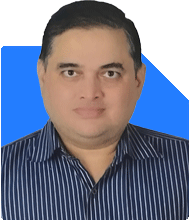
Milind

Milind Vadjikar  | Answer  |Ask -

Insurance, Stocks, MF, PF Expert - Answered on Feb 18, 2025

Milind Vadjikar is an independent MF distributor registered with Association of Mutual Funds in India (AMFI) and a retirement financial planning advisor registered with Pension Fund Regulatory and Development Authority (PFRDA).
He has a mechanical engineering degree from Government Engineering College, Sambhajinagar, and an MBA in international business from the Symbiosis Institute of Business Management, Pune.
With over 16 years of experience in stock investments, and over six year experience in investment guidance and support, he believes that balanced asset allocation and goal-focused disciplined investing is the key to achieving investor goals.... more
Asked by Anonymous - Feb 18, 2025Hindi

Listen
Money

I am 28 years old. I have decided to invest 40000 per month for 2years. Where should I invest? If it's in mutual funds, please suggest me the funds also.

Ans: Hello;

You may invest in equity savings type mutual fund with low to moderate risk rating.

It is a hybrid mutual fund with relatively lower allocation to direct equity.

Happy Investing;
X: @mars_invest
DISCLAIMER: The content of this post by the expert is the personal view of the rediffGURU. Users are advised to pursue the information provided by the rediffGURU only as a source of information to be as a point of reference and to rely on their own judgement when making a decision.
Money

You may like to see similar questions and answers below
Ramalingam

Ramalingam Kalirajan  |10879 Answers  |Ask -

Mutual Funds, Financial Planning Expert - Answered on May 07, 2024

Asked by Anonymous - May 02, 2024Hindi
Listen
Money
Hi, I'm 35 yrs I can invest 25000-50000 per month, where should i invest. I can take moderate risk, 10yrs time horizon, I invested 10lakhs in direct shares already. Investing in Mirae ELSS monthly 4000rupees Not invested in any other mutual funds. I earn monthly 1 lakh, no emi, i can save 80k per month, let me know where i can invest 25-50k monthly
Ans: It's great to see your proactive approach to investing and your willingness to explore additional investment avenues. Given your risk tolerance, time horizon, and monthly saving capacity, mutual funds can be an excellent option to diversify your portfolio and potentially enhance returns over the long term. Here's a suggested approach for your monthly investments of 25,000 to 50,000 rupees:

Increase SIP Investment:
Since you're already investing in Mirae ELSS with a monthly SIP of 4,000 rupees, consider increasing your SIP amount in this fund or adding SIPs in other mutual funds.
Diversify Across Fund Categories:
Allocate your monthly investment across different categories of mutual funds to diversify your portfolio and manage risk effectively.
Consider investing in large-cap, mid-cap, and multi-cap funds to gain exposure to different segments of the market.
Consider Systematic Investment Plans (SIPs):
SIPs offer the advantage of rupee cost averaging and disciplined investing, making them suitable for long-term wealth creation.
You can start SIPs with varying amounts in different funds based on your risk appetite and investment objectives.
Fund Selection:
Choose mutual funds with a proven track record of consistent performance, experienced fund managers, and a robust investment process.
Look for funds with low expense ratios and high-quality portfolios that align with your investment goals and risk profile.
Regular Monitoring and Review:
Keep a close eye on the performance of your mutual fund investments and regularly review your portfolio to ensure it remains aligned with your financial objectives.
Make adjustments to your investment strategy as needed based on changes in market conditions, your risk tolerance, and investment goals.
Seek Professional Advice:
Consider consulting with a financial advisor or Certified Financial Planner to develop a customized investment plan tailored to your specific needs and goals.
A professional can provide valuable insights and guidance to help you make informed investment decisions and navigate the complexities of the financial markets.
By diversifying your investments across mutual funds and adopting a disciplined approach to investing, you can potentially achieve your financial goals and build wealth over the long term. Remember to stay patient, stay focused on your long-term objectives, and avoid making impulsive investment decisions.

..Read more

Ramalingam

Ramalingam Kalirajan  |10879 Answers  |Ask -

Mutual Funds, Financial Planning Expert - Answered on May 18, 2024

Asked by Anonymous - May 14, 2024Hindi
Listen
Money
Hello My Age is 23 and currently earning a income of 40000 per month where should I invest pls describe the amount of investment allotment also in different sectors like MF, INSURANCE, ETC. I would like to invest monthly around 20000.
Ans: Congratulations on taking the initiative to invest at a young age! Let's explore a diversified investment strategy tailored to your financial situation and goals.

Assessing Investment Allocation
Mutual Funds (MF):

Allocate a significant portion of your monthly investment towards mutual funds, considering their potential for long-term growth and diversification benefits.
Aim to invest around 60-70% of your monthly investment amount in mutual funds across various categories such as large-cap, mid-cap, and multi-cap funds.
Insurance:

While insurance is essential for financial protection, allocate a smaller portion of your investment towards insurance premiums.
Consider investing around 10-20% of your monthly investment amount in insurance policies such as term insurance for adequate coverage.
Emergency Fund:

Build an emergency fund equivalent to 3-6 months of living expenses to cover unexpected financial needs.
Allocate a portion of your monthly investment towards gradually building your emergency fund until it reaches the desired level.
Other Investments:

Explore other investment avenues such as fixed deposits, recurring deposits, or Public Provident Fund (PPF) for stable returns and tax benefits.
Allocate a small portion of your monthly investment, around 10-20%, towards these conservative investment options to ensure a balanced portfolio.
Advantages of Actively Managed Funds Over Index Funds
Actively managed mutual funds offer the expertise of professional fund managers who actively select and manage the fund's investments to outperform the market.
These funds have the flexibility to adapt to changing market conditions and capitalize on investment opportunities, potentially yielding higher returns.
Unlike index funds, which passively track a market index, actively managed funds can generate alpha through active portfolio management and security selection.
Considerations for Direct Fund Investment
While direct funds offer lower expense ratios compared to regular funds, they require active involvement in research, monitoring, and portfolio management.
Direct fund investors must possess the necessary knowledge and expertise to select suitable funds and manage their investment portfolio effectively.
Investing through a Certified Financial Planner (CFP) or Mutual Fund Distributor (MFD) provides access to professional guidance and personalized investment advice, enhancing the overall investment experience.
Conclusion
By following a disciplined investment approach and diversifying across various asset classes, you can build a robust investment portfolio that aligns with your financial goals and risk tolerance. Remember to review your investments periodically and make adjustments as needed to stay on track towards achieving your objectives.

Best Regards,

K. Ramalingam, MBA, CFP,

Chief Financial Planner,

www.holisticinvestment.in

..Read more

Ramalingam

Ramalingam Kalirajan  |10879 Answers  |Ask -

Mutual Funds, Financial Planning Expert - Answered on Jul 11, 2024

Money
Hi I am 34 years old and planning to invest 5000rs month to meet my retirement goals with sum bulk amount .could you please guide me where i need to invest amount and to be safe
Ans: Great to see you taking steps towards your retirement planning! Let's make sure your Rs. 5000 monthly investment and your lump sum amount are well utilized. Here’s a detailed guide for you.

Understanding Your Financial Goals
At 34, you have a good time horizon for retirement. Investing Rs. 5000 monthly is a great start. Let’s break down how you can achieve your goals safely and effectively.

Setting Clear Goals
First, define your retirement goals. Knowing your target amount and timeline is crucial. Given your age, you have about 26 years to build a solid retirement corpus.

Systematic Investment Plan (SIP)
SIPs are a disciplined way to invest. Investing Rs. 5000 monthly in mutual funds can yield significant returns over time due to compounding.

1. Choosing the Right Funds
Select funds with a good track record and consistent performance. Avoid index funds; actively managed funds often outperform due to professional management.

2. Diversifying Your Portfolio
Diversify your investments across various asset classes. This reduces risk and ensures balanced growth. Consider equity funds, debt funds, and hybrid funds.

3. Power of Compounding
Compounding is your best friend in long-term investments. The earlier you start, the more you benefit. Reinvesting returns generates exponential growth.

Lump Sum Investment
Investing a lump sum amount can boost your retirement corpus. Here's how to approach it.

1. Assessing the Amount
Determine how much you can invest as a lump sum. This will depend on your savings and financial situation.

2. Systematic Transfer Plan (STP)
Use an STP to invest your lump sum in equity funds gradually. This minimizes the risk of market volatility and ensures better returns.

3. Choosing Safe Instruments
While equities offer high returns, include safer options like debt funds or fixed deposits. This ensures stability and reduces overall risk.

Mutual Funds: The Safe Bet
Mutual funds are excellent for retirement planning. Here’s why:

1. Diversification
Mutual funds spread your investment across various securities, reducing risk. You get exposure to multiple sectors and asset classes.

2. Professional Management
Fund managers are experts who make informed investment decisions. Their expertise can significantly enhance your returns.

3. Liquidity
Mutual funds are liquid, meaning you can easily redeem your investment. This provides flexibility for unforeseen expenses.

4. Tax Efficiency
Equity mutual funds are tax-efficient. Long-term capital gains are taxed at a lower rate, enhancing your net returns.

Evaluating Risks and Returns
Understanding the risk-return trade-off is crucial. Here’s how to manage it effectively:

1. Equity Funds
Equity funds offer high returns but come with higher risk. Suitable for long-term goals like retirement, as they can outperform other assets over time.

2. Debt Funds
Debt funds are safer and offer stable returns. Ideal for balancing your portfolio and reducing overall risk.

3. Hybrid Funds
Hybrid funds invest in both equities and debt. They offer balanced risk and reward, suitable for moderate risk tolerance.

Regular Monitoring and Rebalancing
Investing is not a one-time activity. Regular monitoring and rebalancing ensure your portfolio stays aligned with your goals.

1. Annual Review
Review your portfolio annually. Check the performance of your funds and make necessary adjustments.

2. Rebalancing
Rebalance your portfolio to maintain the desired asset allocation. This helps in managing risk and optimizing returns.

Insurance and Contingency Planning
Ensure you have adequate insurance coverage. Life and health insurance are crucial to protect your family and finances.

1. Life Insurance
Term insurance is cost-effective and provides high coverage. Ensure your sum assured is adequate to cover your family’s needs.

2. Health Insurance
A comprehensive health insurance plan protects against medical emergencies. Ensure you have sufficient cover for your family.

3. Emergency Fund
Maintain an emergency fund equivalent to 6-12 months of expenses. This ensures financial stability during unforeseen situations.

Seeking Professional Guidance
Consider consulting a Certified Financial Planner (CFP). They can provide personalized advice and help you create a robust financial plan.

Mutual Funds: Categories and Benefits
Let’s delve deeper into the types of mutual funds and their benefits:

1. Equity Funds
Equity funds invest in stocks and aim for high growth. They are suitable for long-term goals like retirement due to their potential for high returns.

2. Debt Funds
Debt funds invest in fixed-income securities like bonds. They offer stable returns and lower risk, ideal for short to medium-term goals.

3. Hybrid Funds
Hybrid funds mix equity and debt investments. They offer a balanced approach, providing moderate risk and reward.

4. Tax-saving Funds
Tax-saving funds (ELSS) offer tax benefits under Section 80C. They have a lock-in period of three years and invest mainly in equities.

Advantages of Mutual Funds
Mutual funds come with several advantages:

1. Professional Management
Experienced fund managers make informed investment decisions, enhancing potential returns.

2. Diversification
Mutual funds spread investments across various securities, reducing risk.

3. Liquidity
Easy to buy and sell, providing flexibility for investors.

4. Systematic Investment
SIPs encourage disciplined investing and benefit from rupee cost averaging.

5. Compounding
Reinvesting returns leads to exponential growth over time.

Disadvantages of Index Funds
Index funds have certain limitations:

1. Limited Flexibility
Index funds strictly follow the market index, limiting the scope for higher returns.

2. Lower Returns
Actively managed funds often outperform index funds due to strategic decision-making.

3. No Downside Protection
Index funds mirror the market. They fall with the market, offering no downside protection.

Benefits of Actively Managed Funds
Actively managed funds offer several benefits:

1. Higher Returns
Fund managers actively select securities to maximize returns.

2. Flexibility
Managers can adjust the portfolio based on market conditions, optimizing performance.

3. Downside Protection
Strategic allocation helps in protecting the portfolio during market downturns.

Disadvantages of Direct Funds
Direct funds have certain drawbacks:

1. Lack of Guidance
Direct funds require investors to make decisions without professional advice.

2. Complexity
Investing directly can be complex and time-consuming.

3. Higher Risk
Without expert guidance, investors may make uninformed decisions, leading to higher risk.

Benefits of Regular Funds
Regular funds offer several advantages:

1. Professional Advice
Investing through a Mutual Fund Distributor (MFD) with CFP credentials ensures expert guidance.

2. Convenience
MFDs handle the paperwork and monitor the portfolio, providing convenience.

3. Better Decisions
Expert advice helps in making informed decisions, optimizing returns.

Final Insights
You’re on the right path with your Rs. 5000 monthly investment for retirement. By choosing the right mutual funds and diversifying your portfolio, you can achieve your retirement goals. Regular monitoring, rebalancing, and consulting a Certified Financial Planner will ensure you stay on track. Keep leveraging the power of compounding and stay disciplined with your investments.

Best Regards,

K. Ramalingam, MBA, CFP

Chief Financial Planner,

www.holisticinvestment.in

..Read more

Ramalingam

Ramalingam Kalirajan  |10879 Answers  |Ask -

Mutual Funds, Financial Planning Expert - Answered on Jul 19, 2024

Listen
Money
I am 35 and have a monthly income of 50000 and my savings are zero and all my commitment are cleared. I am ready to invest 12000 per month for the next 25 years. Can u please suggest how and where to invest.
Ans: At 35, with a monthly income of Rs. 50,000 and no current savings, you have a great opportunity to start building your financial future. Investing Rs. 12,000 per month over the next 25 years can help you achieve significant wealth. Here’s a detailed plan to guide your investments.

Investment Strategy
1. Diversified Portfolio:

Equity Mutual Funds: These funds have the potential for high returns over the long term.
Debt Mutual Funds: These funds provide stability and lower risk.
Gold: A small portion in gold can act as a hedge against inflation.
Fixed Deposits: While they offer lower returns, they add safety to your portfolio.
2. Systematic Investment Plan (SIP):

SIPs help in disciplined investing.
They average out market volatility over time.
Investing Rs. 12,000 monthly through SIPs will ensure regular and consistent investments.
Recommended Allocation
Equity Mutual Funds:

Allocate 60% of your investment to equity mutual funds.
This equals Rs. 7,200 per month.
Choose a mix of large-cap, mid-cap, and small-cap funds for diversification.
Debt Mutual Funds:

Allocate 20% to debt mutual funds.
This equals Rs. 2,400 per month.
These funds provide stability and reduce overall portfolio risk.
Gold:

Allocate 10% to gold.
This equals Rs. 1,200 per month.
Invest through gold bonds or gold ETFs.
Fixed Deposits:

Allocate 10% to fixed deposits.
This equals Rs. 1,200 per month.
This provides a safety net and liquidity.
Step-by-Step Plan
1. Start with Emergency Fund:

Build an emergency fund to cover 6 months of expenses.
Use your fixed deposit allocation to build this fund initially.
2. Begin SIPs:

Set up SIPs for equity mutual funds, debt mutual funds, and gold.
Automate your investments to ensure consistency.
3. Review and Adjust:

Review your portfolio every six months.
Adjust your allocations based on performance and market conditions.
4. Increase Investment Over Time:

Aim to increase your monthly investment by 5-10% annually.
This helps in countering inflation and increasing wealth.
Choosing the Right Funds
Equity Mutual Funds:

Look for funds with a consistent track record.
Choose funds managed by experienced fund managers.
Diversify across different sectors and market capitalizations.
Debt Mutual Funds:

Opt for funds with lower credit risk.
Look for funds that invest in high-quality debt instruments.
Consider funds with a good track record of stable returns.
Gold Investments:

Prefer sovereign gold bonds for better returns.
Gold ETFs offer liquidity and ease of investment.
Additional Tips
1. Tax Planning:

Utilize tax-saving mutual funds (ELSS) for tax benefits.
ELSS funds have a lock-in period of three years but offer tax deductions.
2. Financial Discipline:

Avoid withdrawing from your investments prematurely.
Stick to your investment plan regardless of market fluctuations.
3. Knowledge and Awareness:

Stay informed about market trends and financial news.
Consider consulting a Certified Financial Planner for personalized advice.
Final Insights
Starting your investment journey at 35 with a disciplined approach can yield significant returns over 25 years. Diversify your portfolio across equity, debt, gold, and fixed deposits to balance risk and reward. Regularly review and adjust your investments to stay on track with your financial goals.

Best Regards,

K. Ramalingam, MBA, CFP,

Chief Financial Planner,

www.holisticinvestment.in

..Read more

Latest Questions
Ramalingam

Ramalingam Kalirajan  |10879 Answers  |Ask -

Mutual Funds, Financial Planning Expert - Answered on Dec 11, 2025

Asked by Anonymous - Dec 11, 2025Hindi
Money
Hello Sir, I am 56 yrs old with two sons, both married and settled. They are living on their own and managing their finances. I have around 2.5 Cr. invested in Direct Equity and 50L in Equity Mutual Funds. I have Another 50L savings in Bank and other secured investments. I am living in Delhi NCR in my owned parental house. I have two properties of current market worth of 2 Cr, giving a monthly rental of around 40K. I wish to retire and travel the world now with my wife. My approximate yearly expenditure on house hold and travel will be around 24 L per year. I want to know, if this corpus is enough for me to retire now and continue to live a comfortable life.
Ans: You have built a strong base. You have raised your sons well. They live independently. You and your wife now want a peaceful and enjoyable retired life. You have created wealth with discipline. You have no home loan. You live in your own house. This gives strength to your cash flow. Your savings across equity, mutual funds, and bank deposits show good clarity. I appreciate your careful preparation. You deserve a happy retired life with travel and comfort.

» Your Present Position
Your current financial position looks very steady. You hold direct equity of around Rs 2.5 Cr. You hold equity mutual funds worth Rs 50 lakh. You also have Rs 50 lakh in bank deposits and other secured savings. Your two rental properties add more comfort. You earn around Rs 40,000 per month from rent. You also live in your owned house in Delhi NCR. So you have no rent expense.

Your total net worth crosses Rs 5.5 Cr easily. This gives you a strong base for your retired life. You plan to spend around Rs 24 lakh per year for all expenses, including travel. This is reasonable for your lifestyle. Your savings can support this if planned well. You have built more than the minimum needed for a comfortable retired life.

» Your Key Strengths
You already enjoy many strengths. These strengths hold your plan together.

You have zero housing loan.

You have stable rental income.

You have children living independently.

You have a balanced mix of assets.

You have built wealth with discipline.

You have clear goals for travel and lifestyle.

You have strong liquidity with Rs 50 lakh in bank and secured savings.

These strengths reduce risk. They support a smooth retired life with less stress. They also help you handle inflation and medical costs better.

» Your Cash Flow Needs
Your yearly expense is around Rs 24 lakh. This includes travel, which is your main dream for retired life. A couple at your stage can keep this lifestyle if the cash flow is planned well. You need cash flow clarity for the next 30 years. Retirement at 56 can extend for three decades. So your wealth must support you for a long period.

Your rental income gives you around Rs 4.8 lakh per year. This covers almost 20% of your yearly spending. This reduces pressure on your investments. The rest can come from a planned withdrawal strategy from your financial assets.

You also have Rs 50 lakh in bank deposits. This acts as liquidity buffer. You can use this buffer for short-term and medium-term needs. You also have equity exposure. This can support long-term growth.

» Risk Capacity and Risk Need
Your risk capacity is moderate to high. This is because:

You own your home.

You have rental income.

Your children are financially independent.

You have large accumulated assets.

You have enough liquidity in bank deposits.

Your risk need is also moderate. You need growth because inflation will rise. Travel costs will rise. Medical costs will increase. Your lifestyle will change with age. Your equity portion helps you beat inflation. But your equity exposure must be managed well. You should avoid sudden large withdrawals from equity at the wrong time.

Your stability allows you to keep some portion in equity even during retired life. But you should avoid excessive risk through direct equity. Direct equity carries concentration risk. A balanced mix of high-quality mutual funds is safer in retired life.

» Direct Equity Risk in Retired Life
You hold around Rs 2.5 Cr in direct equity. This brings some concerns. Direct equity needs frequent tracking. It needs research. It carries single-stock risk. One mistake may reduce your capital. In retired life, you need stability, clarity, and lower volatility.

Direct funds inside mutual funds also bring challenges. Direct funds lack personalised support. Regular plans through a Mutual Fund Distributor with a Certified Financial Planner bring guidance and strategy. Regular funds also support better tracking and behaviour management in volatile markets. In retired life, proper handholding improves long-term stability.

Many people think direct funds save cost. But the value of advisory support through a CFP gives higher net gains over long periods. Direct plans also create more confusion in asset allocation for retirees.

» Mutual Funds as a Core Support
Actively managed mutual funds remain a strong pillar. They bring professional management and risk controls. They handle market cycles better than index funds. Index funds follow the market blindly. They do not help in volatile phases. They also offer no risk protection. They cannot manage quality of stocks.

Actively managed funds deliver better selection and risk handling. A retiree benefits from such active strategy. You should avoid index funds for a long retirement plan. You should prefer strong active funds under a disciplined review with a CFP-led MFD support.

» Why Regular Plans Work Better for Retirees
Direct plans give no guidance. Retired investors often face emotional decisions. Some panic during market fall. Some withdraw heavily during market rise. This harms wealth. Regular plan under a CFP-led MFD gives a relationship. It offers disciplined rebalancing. It improves long-term returns. It protects wealth from poor behaviour.

For retirees, the difference is huge. So shifting to regular plans for the mutual fund portion will help long-term stability.

» Your Withdrawal Strategy
A planned withdrawal strategy is key for your case. You should create three layers.

Short-Term Bucket
This comes from your bank deposits. This should hold at least 18 to 24 months of expenses. You already have Rs 50 lakh. This is enough to hold your short-term cash needs. You can use this for household costs and some travel. This avoids panic selling of equity during market downturn.

Medium-Term Bucket
This bucket can stay partly in low-volatility debt funds and partly in hybrid options. This should cover your next 5 to 7 years. This helps smoothen withdrawals. It gives regular cash flow. It reduces market shocks.

Long-Term Bucket
This can stay in high-quality equity mutual funds. This bucket helps beat inflation. This bucket helps fund your travel dreams in later years. This bucket also builds buffer for medical needs.

This three-bucket strategy protects your lifestyle. It also keeps discipline and clarity.

» Handling Property and Rental Income
Your properties give Rs 40,000 monthly rental. This helps your cash flow. You should maintain the property well. You should keep some funds aside for repairs. Do not depend fully on rental growth. Rental yields remain low. But your rental income reduces pressure on your investments. So keep the rental income as a steady support, not a primary source.

You should not plan more real estate purchase. Real estate brings low returns and poor liquidity. You already own enough. Holding more can hurt flexibility in retired life.

» Planning for Medical Costs
Medical costs rise faster than inflation. You and your wife need strong health coverage. You should maintain a reliable health insurance. You should also keep a medical fund from your bank deposits. You may keep around 3 to 4 lakh per year as a buffer for medical needs. Your bank savings support this.

Health coverage reduces stress on your long-term wealth. It also avoids large withdrawals from your growth assets.

» Travel Planning
Travel is your main dream now. You can plan your travel using your short-term and medium-term buckets. You can take funds annually from your liquidity bucket. You can avoid touching long-term equity assets for travel. This approach keeps your wealth stable.

You should plan travel for the next five years with a budget. You should adjust your travel based on markets and health. Do not use entire gains of equity for travel. Keep travel budget fixed. Add small adjustments only when needed.

» Inflation and Lifestyle Stability
Inflation will impact lifestyle. At Rs 24 lakh per year today, the cost may double in 12 to 14 years. Your equity exposure helps you beat this. But you need careful rebalancing. You also need disciplined review with a CFP-led MFD. This will help you manage inflation and maintain comfort.

Your lifestyle is stable because your children live independently. So your cash flow demand stays predictable. This makes your plan sustainable.

» Longevity Risk
Retirement at 56 means you may live till 85 or 90. Your plan should cover long years. Your total net worth of around Rs 5.5 Cr to Rs 6 Cr can support this. But you need a proper drawdown strategy. Avoid high withdrawals in early years. Keep your travel budget steady.

Do not depend on one asset class. A mix of debt and equity gives comfort. Keep your bank deposits as cushion.

» Succession and Estate Planning
Since you have two sons who are settled, you can plan a clear will. Clear distribution avoids conflict. You can also assign nominees across accounts. You can also review your legal papers. This gives peace to you and your family.

» Summary of Your Retirement Readiness
Based on your assets and cash flow, you are ready to retire. You have enough wealth. You have enough liquidity. You have enough income support from rent. You also have good asset mix. With proper planning, your lifestyle is comfortable.

You can retire now. But maintain a disciplined withdrawal strategy. Shift more reliance from direct equity into professionally managed mutual funds under regular plans. Keep your liquidity strong. Review once every year with a CFP.

Your wealth can support your travel dreams for many years. You can enjoy retired life with confidence.

» Finally
Your preparation is strong. Your intentions are clear. Your lifestyle needs are reasonable. Your assets support your dreams. With a balanced plan, steady review, and mindful spending, you can enjoy a comfortable retired life with your wife. You can travel the world without fear of running out of money. You deserve this peace and joy.

Best Regards,
K. Ramalingam, MBA, CFP,
Chief Financial Planner,
www.holisticinvestment.in

https://www.youtube.com/@HolisticInvestment

...Read more

Dr Nagarajan J S K

Dr Nagarajan J S K   |2577 Answers  |Ask -

NEET, Medical, Pharmacy Careers - Answered on Dec 10, 2025

Asked by Anonymous - Dec 10, 2025Hindi
DISCLAIMER: The content of this post by the expert is the personal view of the rediffGURU. Investment in securities market are subject to market risks. Read all the related document carefully before investing. The securities quoted are for illustration only and are not recommendatory. Users are advised to pursue the information provided by the rediffGURU only as a source of information and as a point of reference and to rely on their own judgement when making a decision. RediffGURUS is an intermediary as per India's Information Technology Act.

Close  

You haven't logged in yet. To ask a question, Please Log in below
Login

A verification OTP will be sent to this
Mobile Number / Email

Enter OTP
A 6 digit code has been sent to

Resend OTP in120seconds

Dear User, You have not registered yet. Please register by filling the fields below to get expert answers from our Gurus
Sign up

By signing up, you agree to our
Terms & Conditions and Privacy Policy

Already have an account?

Enter OTP
A 6 digit code has been sent to Mobile

Resend OTP in120seconds

x