Home > Career > Question
Need Expert Advice?Our Gurus Can Help
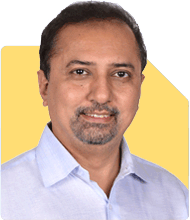
Chandu

Chandu Nair  | Answer  |Ask -

VC, Angel Investing, Entrepreneurship Expert - Answered on Nov 27, 2023

Chandu Nair advises entrepreneurs and enterprises about creating and building their business.
He has direct experience in angel, venture capital and strategic investor funding. Over the last three decades, he has made a name for himself in industry, consultancy, media and information services.
Nair is on the advisory boards of the Chennai-based private equity firm Fulcrum and the social impact fund, Menterra. He's an independent director on the board of India's first retail building products company, Shankara Building Products Limited.
He was the co-founder of Scope e-Knowledge Center, a pioneering knowledge process outsourcing company, as well as the co-founder of a business-to-business e-commerce venture, both of which he successfully exited.... more
Asked by Anonymous - Nov 23, 2023Hindi

Listen
Career

Dear Mr. Chandu I started a small cafe before I was working in hotel industry. But cafe is not making money we complete one year and only lost. Should I continue or close it. Area is new and in growing stage. Please suggest.

Ans: This is always a tough one to answer as I am operating blind on almost every aspect - of the business, the location, competition, your background, financial capability and mindset. If you are burning much more money than you are generating and you are unable to put in more, plus it is putting stress on you personally too including the family, it may be time to consider closing it down. Pl also consider the opportunity cost too. If you were working, what kind of salary would you be making and how much time would it take for the current business to come close to it?
This would help you arrive at a decision
Career
Chandu

Chandu Nair  | Answer  |Ask -

VC, Angel Investing, Entrepreneurship Expert - Answered on Nov 27, 2023

Chandu Nair advises entrepreneurs and enterprises about creating and building their business.
He has direct experience in angel, venture capital and strategic investor funding. Over the last three decades, he has made a name for himself in industry, consultancy, media and information services.
Nair is on the advisory boards of the Chennai-based private equity firm Fulcrum and the social impact fund, Menterra. He's an independent director on the board of India's first retail building products company, Shankara Building Products Limited.
He was the co-founder of Scope e-Knowledge Center, a pioneering knowledge process outsourcing company, as well as the co-founder of a business-to-business e-commerce venture, both of which he successfully exited.... more
Asked by Anonymous - Nov 23, 2023Hindi
Listen
Career

Dear Mr. Chandu I started a small cafe before I was working in hotel industry. But cafe is not making money we complete one year and only lost. Should I continue or close it. Area is new and in growing stage. Please suggest.

Ans: This is always a tough one to answer as I am operating blind on almost every aspect - of the business, the location, competition, your background, financial capability and mindset. If you are burning much more money than you are generating and you are unable to put in more, plus it is putting stress on you personally too including the family, it may be time to consider closing it down. Pl also consider the opportunity cost too. If you were working, what kind of salary would you be making and how much time would it take for the current business to come close to it?
This would help you arrive at a decision
Career

You may like to see similar questions and answers below
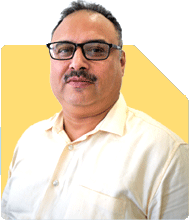
Harsh

Harsh Bharwani  | Answer  |Ask -

Entrepreneurship Expert - Answered on Dec 17, 2024

Listen
Career
Sir/madam My son is an MBA and wants to establish a cafe. Kindly guide. Regards
Ans: It's great to hear that your son is planning to open a cafe. With his MBA knowledge and entrepreneurial spirit, he has a strong foundation to build a successful venture. Here are some steps to guide him.

First,
He must decide on a unique concept for the cafe that will set it apart from others. Whether it is a cozy space for book lovers, a health-focused menu, or a modern cafe with a tech-friendly vibe, having a clear vision will attract the right customers. Additionally, researching the market to understand customer preferences, competition, and pricing trends is important to create a viable business plan.

Encourage him to prepare a detailed business plan that includes his vision, projected budget, marketing strategy, and operational plans. Choosing the right location with good visibility and foot traffic will be crucial to the cafe's success. He will also need to obtain the necessary licenses and permits, such as food safety approval and business registration, to operate legally.

Next,
Focus should be on creating a strong brand identity with a memorable name, logo, and interior design. Offering high-quality ingredients and a menu with a mix of unique and popular items will help build a loyal customer base. Excellent customer service and a welcoming atmosphere will further enhance the visitor experience.

And the last,
He should leverage MBA skills to manage finances effectively and use digital marketing and social media to promote the cafe. With proper planning and dedication, cafe can become a thriving business.

Wishing her all the best in this exciting journey!

..Read more

Ramalingam

Ramalingam Kalirajan  |11156 Answers  |Ask -

Mutual Funds, Financial Planning Expert - Answered on Jul 10, 2025

Asked by Anonymous - Jul 04, 2025Hindi
Money
Hi I am 33 years old have a kid 2 year old. Me and my brother are in the same business. Its a seasonal business of stoles and kurtis. We mostly do job work. Turnover is around 1.25Cr and emis are 1.5L per month. We both arent able to save any money. We are always broke. If we check on paper we are making prifit but we dont where the money is going. Been doing business for 10 years now. Things were smooth till covid but after that its been downhill. I have orders. But no return. What should I do?
Ans: Running a family business with seasonal income is tough.
You’re 33, have a 2-year-old child, and handle business with your brother.
Turnover is Rs 1.25 crore yearly, but you’re still struggling with cash.
EMIs are Rs 1.5 lakh monthly, but you feel broke every month.
Though you’re making profit on paper, there’s no visible cash return.

This is a common problem in many small businesses.
Let’s now understand and restructure it with a 360-degree approach.

Know the Real Problem First
Your business shows profit but no cash.
This is a cash flow issue, not just profit issue.

Possible reasons:

Customers not paying on time

Too much money stuck in inventory

High credit to customers

Low margin despite high turnover

High fixed costs and personal withdrawals

EMI outflows not synced with income

You need to separate profit from cash flow.
And build control over every rupee.

First Fix: Separate Personal and Business Money
You and your brother must stop mixing accounts.

Have separate bank accounts

One for business, one for personal

Pay yourself a fixed salary monthly

Avoid direct personal spending from business

This step brings clarity.
You’ll see clearly how much money the business truly keeps.

Second Fix: Create a Business Budget
Don’t run operations without numbers.

List fixed monthly expenses: rent, salaries, EMI, utilities

Mark out seasonal expenses like fabric or transport

Track peak and lean months

Allocate money month by month

Break your Rs 1.25 crore into monthly inflow plan

This helps avoid surprises.
Also helps plan purchase and credit well.

Understand Where the Money Is Going
Do a 12-month cash flow audit.

You’ll see:

Where cash comes in

Where it goes out

How much is stuck in stocks

How much is with customers

What EMIs or interest is eating your profit

Most likely, your profit is going into inventory and credit.

Set Strict Customer Payment Rules
In seasonal business, timely customer payments matter most.

Don’t give credit without timeline

Offer small discounts for early payments

Keep payment follow-up strict and regular

Use digital tools to track pending invoices

If customers pay late, your entire cycle collapses.
Your money is in their hands, not yours.

Review Your EMI and Loan Structure
Rs 1.5 lakh monthly EMI is very heavy.
Ask these questions:

Can you refinance to longer term?

Can you get working capital loan instead?

Are you using EMI money for capital asset or daily expense?

Are you servicing loans from personal savings?

Many times, business loans taken emotionally create long-term stress.
Structure them clearly with a planner.

Inventory Is Silent Enemy
Clothes, fabrics, stoles, and kurtis pile up fast.

Too much stock locks up cash

You see profits in books, but cash is stuck in goods

Unsold stock hurts margins

Do an inventory health check:

What sells fast?

What sits for months?

Which items give real profit?

What designs are dead stock?

Don’t buy new stock unless old one sells.
Work on a lean inventory model.
Move from stock-based to order-based model if possible.

Take Salary Like an Employee
You and your brother must draw regular salary.

Fix monthly salary for each

It brings discipline and fairness

Avoids emotional withdrawals

Ensures business pays you—not drains you

Any bonus or profit should be once a year. Not random.

Cut Personal Lifestyle Leakage
If personal expenses are high, business suffers.

List all personal outflows

Reduce wasteful lifestyle habits

Live like a salaried person

Don’t increase lifestyle when sales go up

Also avoid using business credit for personal gadgets, trips, or loans.

Work on Increasing Margins, Not Just Sales
Turnover is Rs 1.25 crore. That sounds big.
But if margins are thin, you get no benefit.

Focus on:

Higher margin products

Value-added work (like custom orders)

Bulk orders that pay upfront

Lowering costs through better suppliers

Don’t run after more orders blindly.
Run after profitable and paid orders only.

Introduce a Basic Accounting System
If not using one, adopt digital books.

Tally, Zoho Books, QuickBooks, or Marg software

Track income, expenses, stock, and customer dues

Reconcile bank accounts every month

Even better, hire a part-time bookkeeper.
Let numbers guide you—not gut feeling.

Create a Business Emergency Fund
Businesses also need a buffer. Like personal savings.

Try to build Rs 3–5 lakh in business reserve

It should sit in separate account

Don’t touch it for stock or expenses

Use only in real emergency

This gives peace and protects business during slow months.

Engage with a Certified Financial Planner
You’re in business.
But personal finances matter too.

A Certified Financial Planner helps with salary planning

Helps set up your SIPs, retirement, kid’s education fund

Can also structure loans better

Gives you a business-personal plan

Your future needs a balance between business and personal wealth.

Don’t Use Index Funds or Direct Funds Now
If you’re thinking of investing:

Avoid index funds – no protection during crash

Avoid direct mutual funds – no advisor support

You’re already busy with business

You need a regular plan via a CFP-backed MFD

That brings discipline and guidance

Right now, clearing business mess is priority.
Then start small SIPs through professional support.

Simple Steps to Start From This Week
Open separate business and personal accounts

Track all money in and out for next 30 days

Speak to CA about EMI or loan restructuring

Do stock check – list what’s moving, what’s not

Start Rs 5,000 monthly SIP with planner, if possible

Fix personal salary for both you and brother

Build Rs 1 lakh cash reserve in 6 months

Start with action. Not emotion.

Finally
You’re not alone. Many small business owners are in the same trap.
You’ve been working for 10 years. That shows strength.
Now it’s time to bring structure. Discipline. Clarity.

With small changes and a monthly plan, things can improve.

Remember: turnover means nothing without cash in hand.
Run your business with control. Live your personal life with goals.
Keep them separate. And give your family a future of freedom.

Best Regards,
K. Ramalingam, MBA, CFP,
Chief Financial Planner,
www.holisticinvestment.in
https://www.youtube.com/@HolisticInvestment

..Read more

Latest Questions
Ramalingam

Ramalingam Kalirajan  |11156 Answers  |Ask -

Mutual Funds, Financial Planning Expert - Answered on Apr 26, 2026

Asked by Anonymous - Apr 26, 2026Hindi
Money
I am 41, earning 1.6L/month, dependent family with a kid of 9 years. Home loan of 43L, emi 50k + 10 k part payment every month. SIP : 33k/month accumulated to 12 L Shares : 25 L ESOP : 10 L MF : 15 L Expense : 50 k EPF 12k/month Corporate health insurance. No term insurance, as company sponsoring 50L term insurance. Kindly guide me any improvements in the current strategy and an approach for passive income which would turn into active after the corporate career .
Ans: You have built a strong base already. Your income, savings habit, and discipline in loan repayment are very good. With some fine-tuning, you can move from “stable” to “financially independent with choice”.

» Current Financial Position – Healthy but Slightly Unbalanced

Income vs expense gap is strong. You save well.
Good mix of assets: MF + shares + ESOP + EPF
Home loan is under control with part prepayment – this is a big positive
However, risk protection and asset allocation need correction

» Risk Protection – Immediate Gap

You are depending only on company term insurance (Rs 50L)
This is risky because it stops if you change job or lose job

You should:

Take a personal term insurance of at least Rs 1.5 to 2 Cr
Keep corporate cover as backup, not primary

Health insurance:

Corporate cover is good, but add a personal family floater policy
Reason: continuity after retirement or job change

» Emergency Fund – Must Improve

You have not mentioned a clear emergency fund
Your EMI + expense is ~Rs 1 lakh/month

You should:

Maintain at least 6 months = Rs 6 lakh in liquid form
Keep in savings + liquid mutual fund

» Asset Allocation – Needs Rebalancing
Your current structure:

Shares (Rs 25L) + ESOP (Rs 10L) = high company/market risk
MF (Rs 15L) + SIP (Rs 33k/month) = good
EPF = stable

Concern:

Too much concentration in equity and ESOP
ESOP risk is double – job + investment in same company

You should:

Gradually reduce ESOP exposure over time
Move that into diversified mutual funds
Keep equity but reduce concentration risk

» Loan Strategy – Good but Balance Needed

EMI Rs 50k + Rs 10k prepayment is disciplined

But:

Do not over-prioritise loan closure at the cost of investments

Balanced approach:

Continue EMI
Reduce part payment slightly if it affects investments
Equity over long term can give better growth than loan interest saved

» Investment Strategy – Strengthen for Goals
You are investing well, but need structure:

Separate investments by goals:
Child education (9 years left)
Retirement (15–20 years)
Continue SIP but:
Increase SIP by 5–10% every year
Focus on diversified, actively managed funds
Avoid over-exposure to direct stocks unless you track regularly

» Passive Income to Active Income Transition
This is where you need clarity now (very important stage)

Phase 1 – Build Passive Income

Grow MF corpus steadily
Add some debt allocation closer to retirement
Aim for income-generating corpus

Phase 2 – Convert to Semi-Active
Choose one path based on your interest:

Financial knowledge → advisory / consulting
Skill-based → teaching / coaching / freelance
Business → small scalable service

Key idea:

Start part-time before leaving job
Build income slowly for 3–5 years

» Retirement Direction – Early Planning Advantage

You are 41, so you have time
Your discipline is your biggest strength

You should:

Define retirement age clearly (say 55 or 60)
Build a corpus that can replace at least 70–80% of income
Gradually reduce risk 5–7 years before retirement

» Tax Efficiency Awareness

Continue using EPF as safe component
For mutual funds:
Hold long term to benefit from lower tax (above Rs 1.25 lakh taxed at 12.5%)
Avoid frequent churning

» Finally

Protect first (term + health insurance)
Build emergency fund
Reduce ESOP concentration risk
Keep investing consistently and increase yearly
Start building second income stream now, not later

If you follow this path, your shift from salary income to independent income will be smooth and stress-free.

Best Regards,

K. Ramalingam, MBA, CFP,

Chief Financial Planner,

www.holisticinvestment.in

https://www.linkedin.com/in/ramalingamcfp/

...Read more

DISCLAIMER: The content of this post by the expert is the personal view of the rediffGURU. Investment in securities market are subject to market risks. Read all the related document carefully before investing. The securities quoted are for illustration only and are not recommendatory. Users are advised to pursue the information provided by the rediffGURU only as a source of information and as a point of reference and to rely on their own judgement when making a decision. RediffGURUS is an intermediary as per India's Information Technology Act.

Close  

You haven't logged in yet. To ask a question, Please Log in below
Login

A verification OTP will be sent to this
Mobile Number / Email

Enter OTP
A 6 digit code has been sent to

Resend OTP in120seconds

Dear User, You have not registered yet. Please register by filling the fields below to get expert answers from our Gurus
Sign up

By signing up, you agree to our
Terms & Conditions and Privacy Policy

Already have an account?

Enter OTP
A 6 digit code has been sent to Mobile

Resend OTP in120seconds

x