Home > Money > Question
विशेषज्ञ की सलाह चाहिए?हमारे गुरु मदद कर सकते हैं
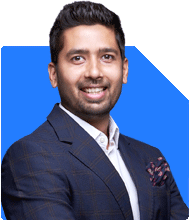
Kirtan

Kirtan A Shah  | Answer  |Ask -

MF Expert, Financial Planner - Answered on Nov 01, 2023

Kirtan A Shah is a certified financial planner and managing director, private wealth, at Credence Family Office.
He is also a Certified International Wealth Manager and Financial Engineering and Risk Manager.
Shah is the co-author of Financial Service Management and Financial Market Operations, which are used as reference books for Mumbai University.
He is frequently seen on CNBC, Zee Business, ET NOW & BQ Prime as an expert guest.... more
Asked by Anonymous - Oct 02, 2023English
Listen
Money

अपनी सेवानिवृत्ति के बाद, मैं बड़े/मध्यम और एसआईपी में निवेश करना चाहता हूं। स्मॉल/स्मॉल कैप फंड @25000/- प्रतिमाह। मेरे पास मासिक खर्चों के लिए पेंशन के साथ-साथ एससीएसएस/पीओ में पर्याप्त पारंपरिक बचत है। मेरा पोर्टफोलियो और प्रत्येक में % निवेश क्या होगा? सम्मान। एसआरएन

Ans: अपने निवेश को नीचे दिए गए फंडों में समान रूप से विभाजित करें

आईसीआईसीआई वैल्यू डिस्कवरी
कोटक उभर रहा है
निप्पॉन स्मॉल कैप
पीपीएफएएस फ्लेक्सीकैप
DISCLAIMER: The content of this post by the expert is the personal view of the rediffGURU. Users are advised to pursue the information provided by the rediffGURU only as a source of information to be as a point of reference and to rely on their own judgement when making a decision.
Money

आप नीचे ऐसेही प्रश्न और उत्तर देखना पसंद कर सकते हैं

Ramalingam

Ramalingam Kalirajan  |10881 Answers  |Ask -

Mutual Funds, Financial Planning Expert - Answered on Apr 08, 2024

Listen
Money
मैं कोटक इमर्जिंग इक्विटी फंड - ग्रोथ (4 साल से) में 10,000/- रुपये प्रति माह की SIP कर रहा हूँ; PGIM मिड कैप फंड (2 साल) में 5000/- रुपये प्रति माह; वैल्यू डिस्कवरी फंड ग्रोथ में 5000/- रुपये (1 साल); मिराए टैक्स सेवर फंड ग्रोथ (अगले 3 साल के लिए) में 4,000/- रुपये प्रति माह। मेरा SIP पोर्टफोलियो कैसा है, मैं इससे कितने औसत रिटर्न की उम्मीद कर सकता हूँ। मैं सुपरएनुएशन के कगार पर हूँ (20 महीने बचे हैं) मुझे वर्ष 2025 में अच्छे फंड की आवश्यकता है। कृपया सुझाव दें।
Ans: आपका SIP पोर्टफोलियो मिड-कैप, स्मॉल-कैप और टैक्स-सेविंग फंड में निवेश के साथ विविधतापूर्ण दिखाई देता है, जो संभावित वृद्धि के लिए अच्छा है। हालांकि, फंड के प्रदर्शन की नियमित रूप से समीक्षा करना महत्वपूर्ण है। अपने निवेश क्षितिज और वर्तमान बाजार परिदृश्य को देखते हुए, 10-12% के औसत वार्षिक रिटर्न का लक्ष्य रखें। अपने कोष को बढ़ाने के लिए, जहाँ संभव हो, SIP राशि बढ़ाने पर विचार करें और अपने जोखिम सहनशीलता और वित्तीय लक्ष्यों के अनुरूप नए फंड जोड़ने या पुनर्संतुलन के विकल्प तलाशें। इसके अतिरिक्त, अपने पोर्टफोलियो को अनुकूलित करने और यह सुनिश्चित करने के लिए कि यह आपके सेवानिवृत्ति उद्देश्यों को पूरा करता है, वित्तीय सलाहकार से मार्गदर्शन लें।

..Read more

Ramalingam

Ramalingam Kalirajan  |10881 Answers  |Ask -

Mutual Funds, Financial Planning Expert - Answered on May 06, 2024

Asked by Anonymous - Apr 19, 2024English
Listen
Money
नमस्ते संजीव सर, आशा है कि आप स्वस्थ होंगे। मैंने अभी-अभी म्यूचुअल फंड में SIP के ज़रिए अपना निवेश शुरू किया है। क्या आप कृपया मुझे मेरे पोर्टफोलियो के बारे में सलाह देंगे। मैं हर महीने नीचे दिए गए फंड में 12k निवेश करता हूँ। केनरा रोबेको स्मॉल कैप फंड रेग एडलवाइस मिड कैप फंड रेग एचडीएफसी फोकस्ड 30 फंड पीजीआईएम इंडिया मिड कैप ऑप फंड एसबीआई कॉन्ट्रा फंड सुंदरम सर्विसेज फंड। मैंने हाल ही में क्वांट स्मॉल कैप फंड ग्रोथ रेगुलर प्लान SIP OF 3K भी जोड़ा है। मैं SIP फॉर्मेट में और 10k निवेश करना चाहता हूँ, कृपया सुझाव दें कि मुझे कहाँ निवेश करना चाहिए।
Ans: यह सुनकर बहुत अच्छा लगा कि आप म्यूचुअल फंड के माध्यम से निवेश की दुनिया में उतर रहे हैं। आइए आपके पोर्टफोलियो और भविष्य के निवेशों पर चर्चा करें।

फंडों का आपका वर्तमान चयन बाजार के विभिन्न खंडों में विविधीकरण के लिए एक विचारशील दृष्टिकोण दिखाता है।

अपने पोर्टफोलियो में एक स्मॉल-कैप फंड जोड़ने से लंबी अवधि में विविधीकरण और उच्च रिटर्न की संभावना बढ़ जाती है।

अपने अतिरिक्त 10k निवेश के लिए, आइए उन विकल्पों की खोज करें जो आपकी मौजूदा होल्डिंग्स के पूरक हों और आपके लक्ष्यों के साथ संरेखित हों।

लार्ज-कैप फंड स्थिरता प्रदान करते हैं और कम जोखिम के साथ स्थिर रिटर्न चाहने वाले निवेशकों के लिए आदर्श हैं।

मल्टी-कैप फंड बाजार खंडों में लचीलापन प्रदान करते हैं, जिससे आप विभिन्न अवसरों का लाभ उठा सकते हैं।

अपने पोर्टफोलियो के लिए नए फंड चुनते समय अपनी जोखिम सहनशीलता और निवेश क्षितिज पर विचार करना महत्वपूर्ण है।

कृपया, हर कदम पर आपका मार्गदर्शन करने के लिए एक प्रमाणित वित्तीय योजनाकार से परामर्श करें।

याद रखें, निवेश एक यात्रा है, और रास्ते में सवाल और अनिश्चितताएँ होना सामान्य है।

अपने लक्ष्यों पर ध्यान केंद्रित रखें और अगर आपको सहायता या सलाह की ज़रूरत हो तो संपर्क करने में संकोच न करें।

परिश्रम और धैर्य के साथ, आप अपनी वित्तीय आकांक्षाओं को प्राप्त करने के लिए सही रास्ते पर हैं।

बेहतरीन काम करते रहें और याद रखें कि आपका हर निवेश आपको आपके सपनों के करीब लाता है।

..Read more

Ramalingam

Ramalingam Kalirajan  |10881 Answers  |Ask -

Mutual Funds, Financial Planning Expert - Answered on Jun 13, 2025

Asked by Anonymous - Jun 13, 2025
Money
Hi Ramalingam, I am 26 and currently starting SIP 9 months ago . Nippon small cap -2k Quant small cap -3.3k Bandhan small cap - 2k Motilal Midcap - 2.5k Sbi long term equity - 2k Sbi psu - 50k lumpsum Could you please suggest portfolio allocation and if I want to increase my from 13300 to 40000
Ans: You are 26 years old and already doing SIPs. That shows your discipline and future readiness. Starting early builds wealth better over time. Investing Rs. 13,300 monthly and planning to raise it to Rs. 40,000 is smart. Let’s now look at your existing portfolio, assess the risks, and suggest a proper diversified structure.

We will offer a 360-degree solution that balances growth, stability, and future flexibility.

Your Current Portfolio Overview
Your current SIPs are in:

Nippon Small Cap Fund – Rs. 2,000

Quant Small Cap Fund – Rs. 3,300

Bandhan Small Cap Fund – Rs. 2,000

Motilal Midcap Fund – Rs. 2,500

SBI Long Term Equity (ELSS) – Rs. 2,000

Total SIP = Rs. 11,800
Lumpsum in SBI PSU = Rs. 50,000

This is a strong start. You are willing to take risk for long-term growth. But, there are a few important things to fix and improve.

Initial Observations – Risks and Gaps
Overexposure to Small Cap
You have three funds in small cap. That’s about 60% of SIP.
Small caps are volatile. They give good return, but only after 7–10 years.
Too much small cap can cause sharp losses in market correction.

Low Diversification
No allocation to large cap or flexi cap.
These are needed for balance and downside control.
You have only one midcap and one ELSS.

Single Midcap Fund
Midcap helps reduce sharp risk of small caps.
But having only one midcap limits your structure.

PSU Fund Lumpsum
Sectoral funds like PSU are risky.
They depend on government policy and economy cycles.
Don’t add more to this. Hold it, but don’t increase.

Correcting the Allocation
Let’s now divide the total Rs. 40,000 monthly SIP properly.
This will create better balance between growth and stability.

Suggested Allocation:

Large Cap Fund – Rs. 7,000

Flexi Cap Fund – Rs. 8,000

Mid Cap Fund – Rs. 6,000

Small Cap Fund – Rs. 7,000

ELSS Fund (Tax Saving) – Rs. 4,000

Multi-Asset or Hybrid Fund – Rs. 6,000

Total = Rs. 38,000 approx. Keep Rs. 2,000 spare for future increase.

This mix provides:

Stability with large caps

Growth from mid and small cap

Flexibility with flexi cap

Safety cushion with hybrid or multi-asset

Don’t select funds yourself.
Avoid direct funds even if expense ratio is low.
They don’t offer review, rebalancing, or correction.
Invest in regular plans through a Mutual Fund Distributor who is a Certified Financial Planner.
He will help you choose better performing funds and track progress regularly.

Why Reduce Small Cap Exposure
You have high small cap exposure now.
These funds show big returns sometimes. But also fall fast in bad cycles.

You must have small cap exposure. But limit it to 20%–25% of total SIP.
This keeps your portfolio healthy in all market cycles.

More small cap may look attractive now. But it causes worry in bear markets.

Add Large Cap and Flexi Cap
You are missing large cap completely.
These funds are stable, and invest in top 100 companies.

Flexi cap adds flexibility to shift between segments.
Fund managers move across small, mid, and large based on market trend.
This gives better return with less risk.

Both are must for young investors like you.

Add Hybrid or Multi-Asset Fund
You are 100% equity today.
That’s fine for your age, but not always best.
Diversification is needed.

Hybrid funds combine equity, debt, and gold in one scheme.
This helps control the risk. Especially during market fall.
Keep 15% in hybrid or multi-asset for safety.

Add ELSS for Tax Saving Purpose Only
SBI Long Term Equity is an ELSS fund.
These funds have 3-year lock-in.
Use them only if you need 80C tax saving.

If your Section 80C is already filled with PF, PPF, or insurance premium, then skip ELSS.

Otherwise, keep ELSS under Rs. 4,000 monthly.
Don’t use ELSS only for investment. Use it for dual purpose – tax saving and long-term wealth.

Keep Sectoral Fund Exposure Low
You have Rs. 50,000 in SBI PSU fund.
That’s a sectoral theme.

Sectoral funds are not for long-term SIP.
They work only in a specific market cycle.

Do not do SIP in any sector fund.
Do not add more lumpsum.
Hold this fund and track its performance every 6 months.

If it shows good profit after 3–4 years, you may redeem it.
Invest proceeds in diversified equity mutual fund instead.

Increase SIP Gradually
If Rs. 40,000 is not possible from next month, build gradually.

Use this step-up approach:

Next 3 months – Increase SIP to Rs. 20,000

After 6 months – Raise to Rs. 30,000

After 1 year – Reach Rs. 40,000

This prevents stress on your budget.
Also keeps your cash flow balanced.
But set this plan and stick to it.

Direct vs Regular – Choose Wisely
Never invest in direct funds without expert support.

Disadvantages of direct funds:

No guidance

No regular review

You choose based on returns, not suitability

Wrong fund choice can cause long-term damage

Regular funds cost a bit more, but that is for service and monitoring.
Work with an MFD who is also a Certified Financial Planner.

They know how to build goal-based portfolio.
They will also help in:

Goal mapping

Fund switching

Tax planning

Rebalancing in market ups and downs

This professional help is worth the small cost.

Don’t Go for Index Funds
You may think index funds are cheaper and simple.
But index funds come with key limitations.

Problems with index funds:

Blindly follow index stocks

No active decision in poor market

No risk control or rebalancing

You lose flexibility

Actively managed funds have better risk control.
Fund managers exit poor sectors or companies early.
This helps protect capital in falling markets.

So don’t choose index funds for long-term goals.

Tax Impact of Mutual Funds
Understand the tax on your investments.

Equity mutual funds:

LTCG above Rs. 1.25 lakh taxed at 12.5%

STCG taxed at 20%

Debt funds and hybrid funds:

Both short and long term gains taxed as per income slab

Plan redemptions carefully.
Redeem in parts if needed to stay within tax-free limits.
Your Certified Financial Planner can guide better here.

Use SIPs for Future Goals
Plan your SIPs around your future goals.

Break your Rs. 40,000 SIP like this:

Retirement goal – Rs. 12,000

Home down payment after 10 years – Rs. 10,000

Wealth creation (flexible goal) – Rs. 8,000

Emergency fund through hybrid fund – Rs. 6,000

ELSS for tax saving – Rs. 4,000

This gives direction to your portfolio.
Also helps avoid early redemptions.
Goal mapping is important for discipline.

Monitor Portfolio Regularly
Review your funds every 6 months.
Track SIP performance and adjust if needed.
Switch non-performing funds.
Rebalance allocation if small caps rise too much.

Don’t wait 5 years to check returns.
Consistent monitoring ensures long-term success.

Avoid These Common Mistakes
Don’t do SIP in 5 small cap funds

Don’t pick funds based on past returns only

Don’t invest in direct plans

Don’t withdraw SIP money unless goal is reached

Don’t mix tax saving and general investing unless necessary

Stick to a disciplined approach.
Don’t stop SIPs in bad market.
That’s when wealth is created.

Finally
You are on the right path. You have started early.
You are now ready to increase SIP from Rs. 13,300 to Rs. 40,000.

But structure is more important than size.
Build a diversified portfolio across categories.
Avoid overexposure to small cap or sector funds.
Work with a Certified Financial Planner.
Don’t invest in direct funds or index funds.
Review your SIPs and rebalance regularly.

This approach will build strong, lasting wealth.

Best Regards,
K. Ramalingam, MBA, CFP,
Chief Financial Planner,
www.holisticinvestment.in
https://www.youtube.com/@HolisticInvestment

..Read more

Ramalingam

Ramalingam Kalirajan  |10881 Answers  |Ask -

Mutual Funds, Financial Planning Expert - Answered on Jun 21, 2025

Asked by Anonymous - Jun 13, 2025English
Money
नमस्कार सर, मैं 26 वर्ष का हूँ और 9 महीने पहले SIP शुरू किया है। निप्पॉन स्मॉल कैप -2k क्वांट स्मॉल कैप -3.3k बंधन स्मॉल कैप - 2k मोतीलाल मिडकैप - 2.5k एसबीआई लॉन्ग टर्म इक्विटी - 2k एसबीआई पीएसयू - 50k एकमुश्त क्या आप कृपया पोर्टफोलियो आवंटन का सुझाव दे सकते हैं और यदि मैं अपना 13300 से 40000 तक बढ़ाना चाहता हूँ
Ans: आपने नौ महीने पहले ही SIP शुरू करके इरादा और अनुशासन दिखाया है। यह बहुत बढ़िया है। मैं आपके पोर्टफोलियो को बेहतर ढंग से संरचित करने और आपके मासिक निवेश को 13,300 रुपये से बढ़ाकर 40,000 रुपये करने के लिए मार्गदर्शन करने के लिए एक पूर्ण 360-डिग्री योजना प्रदान करता हूँ।

वर्तमान पोर्टफोलियो मूल्यांकन
आपने नौ महीने से छोटे और मध्यम-कैप फंडों में SIP किया है।

आपने PSU-उन्मुख इक्विटी में 50k रुपये की एकमुश्त राशि भी निवेश की है।

आपकी कुल मासिक SIP 13,300 रुपये है।

आपने अन्य वित्तीय लक्ष्यों या परिसंपत्ति वर्गों का कोई उल्लेख नहीं किया है।

आप अभी भी अपना दीर्घकालिक इक्विटी कोष बना रहे हैं।

अच्छी शुरुआत, लेकिन जोखिम और विकास को एक साथ प्रबंधित करने के लिए संतुलित आवंटन की आवश्यकता है।

निवेश उद्देश्य स्पष्टता
SIP बढ़ाने से पहले, अपने लक्ष्यों को स्पष्ट करें:

क्या आप शादी, घर, सेवानिवृत्ति जैसे लक्ष्यों के लिए निवेश कर रहे हैं?

प्रत्येक लक्ष्य के लिए आपका समय क्षितिज क्या है?

क्या आप स्मॉल-मिडकैप फंड की अस्थिरता से सहज हैं?

लक्ष्य निर्धारित करने से यह सुनिश्चित होता है कि आवंटन ज़रूरत और जोखिम उठाने की क्षमता से मेल खाता है।

जोखिम और समय सीमा का मूल्यांकन
26 वर्ष की आयु में, आपके पास एक लंबा समय सीमा होती है। लेकिन स्मॉल-कैप और मिड-कैप फंड उच्च जोखिम वाले होते हैं।

स्मॉल-कैप फंड में तेज़ उतार-चढ़ाव हो सकते हैं।

मिड-कैप थोड़ी स्थिरता देता है, लेकिन फिर भी इसमें अस्थिरता होती है।

लार्ज-कैप या मल्टी-कैप फंड में विविधता लाने से मदद मिलती है।

सक्रिय रूप से प्रबंधित लार्ज-कैप फंड गिरावट को कम कर सकते हैं।

इंडेक्स फंड से बचें क्योंकि उनमें गिरावट के दौरान गिरावट से सुरक्षा की कमी होती है।

आदर्श इक्विटी आवंटन रणनीति
एक लचीला पोर्टफोलियो बनाने के लिए, निम्न का लक्ष्य रखें:

लार्ज-कैप केंद्रित फंड (सक्रिय रूप से प्रबंधित) - स्थिरता के लिए।

मल्टी-कैप या थीमैटिक इक्विटी फंड (सक्रिय रूप से प्रबंधित) - संतुलित विकास के लिए।

मिड-कैप फंड - विकास की संभावना और सावधानी के लिए।

स्मॉल-कैप फंड - उच्च विकास लेकिन सीमित जोखिम जोखिम के लिए।

पीएसयू-उन्मुख इक्विटी फंड - विशिष्ट जोखिम और विविधीकरण के लिए।

यह आपको जोखिम-समायोजित और अच्छी तरह से विविध इक्विटी निवेश संरचना प्रदान करता है।

प्रस्तावित मासिक निवेश आवंटन
आप एसआईपी को 40,000 रुपये तक बढ़ाना चाहते हैं। यहाँ एक संतुलित संरचना है:

लार्ज-कैप सक्रिय रूप से प्रबंधित फंड: 12,000 रुपये

मल्टी-कैप सक्रिय रूप से प्रबंधित फंड: 8,000 रुपये

मिड-कैप फंड: 8,000 रुपये

स्मॉल-कैप फंड: 6,000 रुपये

पीएसयू-उन्मुख फंड: 6,000 रुपये

यह कुल 40,000 रुपये है और सभी खंडों में आवंटित किया जाता है।

मौजूदा एसआईपी समायोजन
आप वर्तमान में चार योजनाओं में निवेश करते हैं। इन्हें मिलाने का तरीका इस प्रकार है:

स्मॉल-कैप एसआईपी जारी रखें: निप्पॉन और क्वांट कुल 5,300 रुपये।

मिड-कैप एसआईपी को 2,500 रुपये पर रखें।

धीरे-धीरे पीएसयू में एकमुश्त निवेश कम करें और सरप्लस को समझदारी से बदलें।

नई लार्ज-कैप और मल्टी-कैप प्रविष्टियाँ जोड़ें।

लक्ष्य मिश्रण से मेल खाने के लिए मासिक आवंटन समायोजित करें।

चरण-दर-चरण कार्यान्वयन योजना
धीरे-धीरे नई एसआईपी शुरू करें:

लार्ज-कैप (4,000 रुपये) और मल्टी-कैप (3,000 रुपये) शुरू करें।

लक्ष्य तक उन्हें हर महीने 1,000 रुपये बढ़ाएँ।

मौजूदा एसआईपी को फिर से संतुलित करें:

दोनों योजनाओं में कम वृद्धि के साथ स्मॉल-कैप इक्विटी जारी रखें।

आवंटन को नियंत्रण में रखने के लिए नए मिड-कैप टॉप-अप को कैप करें।

पीएसयू फंड का प्रबंधन करें:

यदि आप इस थीम और जोखिम पर भरोसा करते हैं तो हर महीने 6,000 रुपये का निवेश करें।

यदि आश्वस्त नहीं हैं, तो जोखिम रणनीति के अनुसार एकमुश्त राशि को इक्विटी या हाइब्रिड में बदलें।

तिमाही आधार पर प्रदर्शन की निगरानी करें:

प्रमाणित वित्तीय योजनाकार से पोर्टफोलियो जोखिम और रिटर्न की जांच करें।

आवंटन को लक्ष्य मिश्रण में वापस लाने के लिए एसआईपी को समायोजित करें।

सक्रिय रूप से प्रबंधित फंड के लाभ
सक्रिय लार्ज-कैप फंड का लक्ष्य गिरावट के दौरान नुकसान को सीमित करना है।

सक्रिय मल्टी-कैप फंड सभी कैप में गतिशील आवंटन प्रदान करते हैं।

वे बदलते बाजार के रुझान के अनुकूल हो सकते हैं।

इंडेक्स फंड में ऐसी चपलता और व्यक्तिगत जोखिम नियंत्रण की कमी होती है।

निष्क्रिय फंड नियमित फंड-हाउस मूल्यांकन नहीं करते हैं।

जोखिम प्रबंधन और अस्थिरता नियंत्रण
स्मॉल-कैप आवंटन को कुल इक्विटी के 15-20% के भीतर रखें।

विभिन्न क्षेत्रों और फंड हाउस में विविधता लाएं।

हर 6 महीने में एसेट आवंटन की समीक्षा करें।

अगर बाजार का नजरिया बदलता है या लक्ष्य का समय नजदीक आता है तो इक्विटी मिक्स में बदलाव करें।

कर दक्षता और निकासी योजना
जब आप अधिक निवेश करते हैं, तो कर योजना महत्वपूर्ण हो जाती है।

1.25 लाख रुपये प्रति वर्ष से अधिक इक्विटी लाभ पर 12.5% ​​कर लगता है।

अल्पकालिक लाभ पर 20% प्लस उपकर।

कर देयता को प्रबंधित करने के लिए कई वर्षों में मोचन की योजना बनाएं।

पोर्टफोलियो लक्ष्य मिलान और समयरेखा
लक्ष्य निर्धारित करें और पोर्टफोलियो का मिलान करें:

अल्पकालिक लक्ष्य (1-3 वर्ष)

स्थिरता के लिए लिक्विड फंड या अल्ट्रा-अल्पकालिक ऋण का उपयोग करें।

अल्पकालिक समयसीमा के लिए इक्विटी से बचें।

मध्यम अवधि लक्ष्य (3-7 वर्ष)

मिड-कैप और सक्रिय हाइब्रिड फंड पर भरोसा करें।

एसआईपी वृद्धि के दूसरे चरण में आवंटन शुरू करें।

दीर्घ-अवधि लक्ष्य (7+ वर्ष)

लार्ज-कैप, मल्टी-कैप और स्मॉल-कैप फंड पर ध्यान दें।

ये रिटायरमेंट, पैरेंटहुड, घर खरीदने के लिए आपके कॉर्पस को बढ़ाते हैं।

आपातकालीन निधि और लिक्विडिटी
उच्च SIP के साथ भी, आपातकालीन खाते या लिक्विड फंड में 2-3 लाख रुपये रखें।

यह तत्काल ज़रूरतों के दौरान इक्विटी से निकासी को रोकता है।

यह लक्ष्य अनुशासन का भी समर्थन करता है और निवेश प्रक्षेपवक्र की रक्षा करता है।

समीक्षा और पाठ्यक्रम सुधार
प्रगति की जाँच करने के लिए द्वि-वार्षिक समीक्षा करें।

प्रदर्शन के आधार पर SIP और फंड चयन को फिर से व्यवस्थित करें।

बड़े बदलाव करने से पहले प्रमाणित वित्तीय योजनाकार से सलाह लें।

कर-कुशल मोचन और लक्ष्य नियोजन के लिए पेशेवर मार्गदर्शन का उपयोग करें।

अतिरिक्त इक्विटी विकल्प
यदि उपयुक्त हो, तो विचार करें:

छोटे अनुपात में सक्रिय सेक्टर/थीमैटिक फंड (5-10%)।

ये रिटर्न बढ़ा सकते हैं लेकिन अधिक जोखिम उठाते हैं।

केवल उचित मार्गदर्शन के साथ उपयोग करें और कुल कोष का 5% से अधिक न करें।

अंतिम अंतर्दृष्टि
आपने मौजूदा SIP के साथ पहला कदम उठाया है। बहुत बढ़िया! अब उन्हें अधिक संतुलित, जोखिम-समायोजित संरचना में संरेखित करें:

सक्रिय रूप से प्रबंधित लार्ज-कैप और मल्टी-कैप SIP शुरू करें।

जोखिम सीमाओं के भीतर स्मॉल और मिड-कैप जारी रखें।

PSU जोखिम को चतुराई से समायोजित करें।

कुल मासिक SIP 40,000 रुपये बनाएँ।

लिक्विडिटी को बरकरार रखें और आपातकालीन बफर के माध्यम से सुरक्षा करें।

प्रमाणित वित्तीय योजनाकार के साथ नियमित रूप से आवंटन और लक्ष्य मानचित्रण की समीक्षा करें।

पेशेवर निरीक्षण की कमी वाले इंडेक्स फंड और डायरेक्ट प्लान से बचें।

यह अनुशासित, विविधतापूर्ण और लक्ष्य-उन्मुख योजना आपको जोखिमों के खिलाफ कुशन के साथ मजबूत इक्विटी वृद्धि देगी। वर्षों तक मजबूत स्थिरता प्रभावशाली धन का निर्माण करती है।

सादर,
के. रामलिंगम, एमबीए, सीएफपी,
मुख्य वित्तीय योजनाकार,
www.holisticinvestment.in
https://www.youtube.com/@HolisticInvestment

..Read more

Ramalingam

Ramalingam Kalirajan  |10881 Answers  |Ask -

Mutual Funds, Financial Planning Expert - Answered on Jun 13, 2025

Asked by Anonymous - Jun 13, 2025
Money
Hi Jinal, I am 26 and currently starting SIP 9 months ago . Nippon small cap -2k Quant small cap -3.3k Bandhan small cap - 2k Motilal Midcap - 2.5k Sbi long term equity - 2k Sbi psu - 50k lumpsum Could you please suggest portfolio allocation and if I want to increase my from 13300 to 40000
Ans: At 26, you are off to a good start. You have taken initiative early. That itself is a big advantage. You have built a solid base with Rs. 13,300 SIP and Rs. 50,000 lump sum. Now you are planning to scale it to Rs. 40,000 SIP monthly. Let us build a complete 360-degree strategy to match that.

Analysing Your Current Portfolio
You are currently investing in:

3 Small Cap funds – Rs. 7,300

1 Mid Cap fund – Rs. 2,500

1 ELSS (Tax Saver) – Rs. 2,000

1 PSU thematic fund – Rs. 50,000 lump sum

Small Cap Overexposure
Small caps are high risk and high return.

55% of your SIP is into small caps now.

At 26, risk-taking is fine, but too much can backfire.

Small caps are also more volatile than other equity categories.

Mid Cap Underrepresented
Only Rs. 2,500 is allocated.

Mid caps balance risk and return.

They suit your age better than overloading on small caps.

PSU Fund Caution
Thematic PSU funds are not for long-term SIPs.

They work better for short bursts or tactical allocations.

Do not increase this further.

ELSS for Tax Saving
A good move for 80C benefit.

Continue with one ELSS.

No need for more tax-savers.

Ideal Asset Allocation for Rs. 40,000 SIP
We now restructure your Rs. 40,000 SIP goal.

Recommended Category-Wise Split
Large & Flexi Cap: Rs. 13,000 (33%)

Mid Cap: Rs. 9,000 (22%)

Small Cap: Rs. 7,000 (18%)

Multi Asset / Balanced Advantage: Rs. 6,000 (15%)

ELSS (Tax saving): Rs. 2,000 (5%)

Thematic (Optional): Rs. 3,000 (7%)

You are building long-term wealth. So diversification is important.

Why Include Large/Flexi Cap Funds
They are less volatile than small/mid caps.

They include India’s top companies.

Help maintain portfolio stability in tough times.

Why Mid Cap Allocation Should Rise
Mid caps offer strong long-term compounding.

They provide better balance than small caps.

You are young, so 20–25% is suitable.

Why Balanced Advantage/Multi Asset
These funds bring stability during corrections.

They auto-shift between equity and debt.

Ideal for mental peace and smoother growth.

ELSS – Already Covered
You are investing Rs. 2,000 here.

That is fine for tax planning now.

No need to increase unless Section 80C not fully used.

Avoid More in PSU Fund
Thematic funds are risky and cyclical.

Limit to Rs. 50,000 already invested.

Do not SIP further in this theme.

Suggested Fund Types to Add
Please do not go for direct plans.

Direct funds may seem to save cost.

But they offer no guidance or review.

Regular funds through a CFP-backed MFD ensure discipline.

You also get behavioural support during market volatility.

Always value long-term performance, not short-term low cost.

Avoid index funds.

Index funds cannot beat the market.

They follow the market blindly.

They do not react to bad sectors or poor quality companies.

Actively managed funds adapt better.

Skilled fund managers give better downside protection.

So always prefer good regular active funds. Let a Certified Financial Planner guide fund selection.

Additional Wealth Creation Tips
Now let us think beyond SIP.

Build Emergency Fund
Keep at least 6 months expenses aside.

Use bank RD or short-term mutual fund for this.

This avoids stopping SIP during crisis.

Review Insurance Policies
You are 26 now.

Take a Rs. 1 crore term insurance if not already done.

No need for money-back or endowment plans.

If you have LIC, ULIP, or mixed plans, exit them smartly.

Reinvest in mutual funds instead.

Boost PPF Annually
PPF gives fixed tax-free returns.

Good for conservative allocation.

You can keep Rs. 5,000 monthly if goal is far.

Avoid Real Estate for Now
Property locks your money.

No liquidity.

High costs and low rental yield.

Mutual funds give better return with more flexibility.

Portfolio Review Strategy
Review SIP performance every year.

Use Certified Financial Planner for regular monitoring.

Rebalance if small cap rises too much.

Track goal progress – not just fund return.

Do not keep switching funds too often.

How to Scale from Rs. 13,300 to Rs. 40,000
Increase in steps. Not in one jump.

Step-Up Plan:
Month 1: Increase to Rs. 20,000

Month 4: Increase to Rs. 30,000

Month 7: Raise to Rs. 40,000

This keeps it comfortable for you.

If salary increases or expenses reduce, accelerate faster.

Retirement and Long-Term Goal Preparation
You are 26 now. Retirement is 34 years away.

Use this time wisely.

A Rs. 40,000 SIP with step-ups every 2–3 years can create huge wealth.

But stay invested for 15+ years.

Avoid stopping during market corrections.

Power of compounding works best when uninterrupted.

Final Insights
You are already thinking 10 years ahead. That itself is a strength.

Continue SIP discipline every month.

Add large and balanced funds to reduce portfolio risk.

Avoid increasing in small or thematic funds.

Choose active regular plans via trusted CFP-led MFD only.

Stay away from direct funds and index funds.

Slowly scale SIPs to Rs. 40,000 in a planned way.

Review performance annually. Don’t check returns monthly.

Keep your insurance and emergency fund updated.

Let every rupee you earn have a clear job to do.

This 360-degree approach will help you grow faster and safer.

Best Regards,
K. Ramalingam, MBA, CFP,
Chief Financial Planner,
www.holisticinvestment.in
https://www.youtube.com/@HolisticInvestment

..Read more

नवीनतम प्रश्न
Nayagam P

Nayagam P P  |10854 Answers  |Ask -

Career Counsellor - Answered on Dec 14, 2025

Asked by Anonymous - Dec 12, 2025English
Career
नमस्कार, मैं अभी कक्षा 12 में पढ़ रहा हूँ और JEE की तैयारी कर रहा हूँ। मैंने अभी तक पाठ्यक्रम का 50% भी ठीक से पूरा नहीं किया है, लेकिन मेरा लक्ष्य लगभग 110 अंक प्राप्त करना है। क्या आप इसके लिए कोई कारगर रणनीति बता सकते हैं? मुझे पता है कि लक्ष्य अपेक्षाकृत कम है, लेकिन मुझे श्रेणी आरक्षण प्राप्त है, इसलिए यह पर्याप्त होना चाहिए।
Ans: श्रेणी आरक्षण (अनुसूचित जाति/अनुसूचित जनजाति/अन्य पिछड़ा वर्ग) के साथ, 110 अंक प्राप्त करना बिल्कुल संभव और व्यावहारिक है। 2025 के आंकड़ों के आधार पर, अनुसूचित जाति के उम्मीदवारों ने लगभग 60-65 प्रतिशत अंक प्राप्त किए, और अनुसूचित जनजाति के उम्मीदवारों ने 45-55 प्रतिशत अंक प्राप्त किए। आपका लक्ष्य केवल 37-40% अंक प्राप्त करना है, जो सामान्य वर्ग के मानकों से काफी कम है। इससे आपको वास्तविक लाभ मिलेगा। तत्काल कार्य योजना (दिसंबर 2025 - जनवरी 2026): 4-5 सप्ताह। सप्ताह 1-2: उच्च भार वाले अध्यायों पर ध्यान केंद्रित करें। पूरे पाठ्यक्रम को पूरा करने का प्रयास न करें। इसके बजाय, केवल उन अध्यायों पर ध्यान केंद्रित करें जिनमें अधिकतम भार है और जो अधिक अंक दिलाते हैं: भौतिकी (आधुनिक भौतिकी, विद्युत धारा, कार्य-शक्ति-ऊर्जा, घूर्णन, चुंबकत्व), रसायन विज्ञान (रासायनिक बंधन, ऊष्मागतिकी, समन्वय यौगिक, विद्युत रसायन विज्ञान), और गणित (एकीकरण, अवकलन, सदिश, त्रिविम ज्यामिति, प्रायिकता)। इन अध्यायों का उचित अभ्यास करने से ही 80-100+ अंक प्राप्त किए जा सकते हैं। जिन विषयों का आपने अभी तक अध्ययन नहीं किया है, उन्हें नज़रअंदाज़ करें। सप्ताह 2-3: पिछले वर्ष के प्रश्न (PYQs)। जिन अध्यायों का आप अध्ययन कर रहे हैं, उनके लिए पिछले 10 वर्षों (2015-2025) के JEE Main PYQs हल करें। PYQs से प्रश्नों के पैटर्न और कठिनाई स्तर का पता चलता है। उत्तरों को रटने के बजाय, यह समझने पर ध्यान दें कि उत्तर सही क्यों हैं। सप्ताह 3-4: मॉक टेस्ट और त्रुटि विश्लेषण। समयबद्ध परिस्थितियों में प्रति सप्ताह 2-3 पूर्ण-लंबाई वाले मॉक टेस्ट दें। यह महत्वपूर्ण है क्योंकि मॉक टेस्ट परीक्षा का आत्मविश्वास बढ़ाते हैं, समय प्रबंधन की कमियों को उजागर करते हैं और त्रुटि विश्लेषण पुनरावृत्ति को रोकता है। प्रत्येक गलती को दर्ज करने के लिए एक त्रुटि नोटबुक बनाएँ—यह आपकी पुनरावलोकन मार्गदर्शिका बन जाएगी। सप्ताह 4-5: पुनरावलोकन और सूत्र सुदृढ़ीकरण। प्रत्येक विषय के लिए संक्षिप्त सूत्र पत्रक बनाएँ। सूत्रों और प्रमुख अवधारणाओं की पुनरावलोकन के लिए प्रतिदिन 30 मिनट व्यतीत करें। इस स्तर पर नए विषयों को सीखने से पूरी तरह बचें। अध्ययन अनुसूची (दैनिक): 7-8 घंटे। सुबह (5:00-7:30 बजे): भौतिकी के सिद्धांत + 30 पूर्व-वर्ष के प्रश्न। अवकाश (7:30-8:30 बजे): नाश्ता और विश्राम। मध्य-सुबह (8:30-11:00 बजे): रसायन विज्ञान के सिद्धांत + 20 पूर्व-वर्ष के प्रश्न। दोपहर का भोजन (11:00-1:00 बजे): पूर्ण विश्राम। दोपहर (1:00-3:30 बजे): गणित के सिद्धांत + 30 पूर्व-वर्ष के प्रश्न। शाम (3:30-5:00 बजे): मॉक टेस्ट या त्रुटियों की समीक्षा। रात (7:00-9:00 बजे): सूत्रों का पुनरावलोकन और कमजोर क्षेत्रों पर ध्यान केंद्रित करना। 110 अंक प्राप्त करने की रणनीतिक रणनीति: केवल आत्मविश्वास वाले प्रश्नों को हल करें और कठिन प्रश्नों को छोड़कर नकारात्मक अंकन से बचें। पहले आसान प्रश्न हल करें—परीक्षा में, मध्यम या कठिन प्रश्नों को हल करने से पहले सभी बुनियादी स्तर के प्रश्नों को हल करें। मात्रा के बजाय गुणवत्ता पर ध्यान दें क्योंकि 30 अच्छी तरह से अभ्यास किए गए प्रश्न 100 यादृच्छिक प्रश्नों से बेहतर होते हैं। एनसीईआरटी की अवधारणाओं पर अच्छी पकड़ बना लें क्योंकि अधिकांश जेईई प्रश्न एनसीईआरटी की अवधारणाओं के स्मार्ट अनुप्रयोग पर आधारित होते हैं। अप्रैल 2026 सत्र का लाभ उठाएं। यदि जनवरी में मनचाहे परिणाम नहीं मिलते हैं, तो अप्रैल आपको तैयारी के लिए 3+ महीने का दूसरा मौका देता है। जनवरी को अभ्यास सत्र के रूप में उपयोग करके अपनी कमजोरियों की पहचान करें, फिर फरवरी-मार्च में उन पर गहन ध्यान केंद्रित करें। व्यावहारिक समयसीमा: जनवरी 2026 का लक्ष्य 95-110 अंक है (50% पाठ्यक्रम पर ध्यान केंद्रित करके प्राप्त किया जा सकता है), जबकि अप्रैल 2026 का लक्ष्य 120-130 अंक है (पूरे पाठ्यक्रम और अनुभव के साथ)। आरक्षण के लाभ के कारण आपको अच्छे इंजीनियरिंग कॉलेजों में प्रवेश पाने के लिए लगभग 90-105 अंकों की ही आवश्यकता है। सामान्य श्रेणी के कटऑफ से अपनी तुलना करना बंद करें। सबसे महत्वपूर्ण बात: निरंतरता पूर्णता से बेहतर है। 12 घंटे ध्यान भटकाकर पढ़ने के बजाय प्रतिदिन 6 घंटे ध्यान केंद्रित करके पढ़ें। आपका 110 अंकों का लक्ष्य व्यावहारिक है—इस योजना को अनुशासन के साथ लागू करें। आपके जेईई 2026 के लिए शुभकामनाएं!

करियर | पैसा | स्वास्थ्य | रिश्ते के बारे में अधिक जानने के लिए RediffGURUS को फॉलो करें।

...Read more

Dr Dipankar

Dr Dipankar Dutta  |1840 Answers  |Ask -

Tech Careers and Skill Development Expert - Answered on Dec 13, 2025

Asked by Anonymous - Dec 12, 2025
Career
Dear Sir/Madam, I am currently a 1st year UG student studying engineering in Sairam Engineering College, But there the lack of exposure and strict academics feels so rigid and I don't like it that. It's like they don't gaf about skills but just wants us to memorize things and score a good CGPA, the only skill they want is you to memorize things and pass, there's even special class for students who don't perform well in academics and it is compulsory for them to attend or else the student and his/her parents needs to face authorities who lashes out. My question is when did engineering became something that requires good academics instead of actual learning and skill set. In sairam they provides us a coding platform in which we need to gain the required points for each semester which is ridiculous cuz most of the students here just look at the solution to code instead of actual debugging. I am passionate about engineering so I want to learn and experiment things instead of just memorizing, so I actually consider dropping out and I want to give jee a try and maybe viteee , srmjeee But i heard some people say SRM may provide exposure but not that good in placements. I may not be excellent at studies but my marks are decent. So gimme some insights about SRM and recommend me other colleges/universities which are good at exposure
Ans: First — your frustration is valid

What you are experiencing at Sairam is not engineering, it is rote-based credential production.

“When did engineering become memorizing instead of learning?”

Sadly, this shift happened decades ago in most Tier-3 private colleges in India.

About “coding platforms & points” – your observation is sharp

You are absolutely right:

Mandatory coding points → students copy solutions

Copying ≠ learning

Debugging & thinking are missing

This is pseudo-skill education — it looks modern but produces shallow engineers.

The fact that you noticed this in 1st year already puts you ahead of 80% students.

Should you DROP OUT and prepare for JEE / VITEEE / SRMJEEE?

Although VIT/SRM is better than Sairam Engineering College, but you may face the same problem. You will not face this type of problem only in some top IITs, but getting seat in those IITs will be difficult.
Instead of dropping immediately, consider:

???? Strategy:

Stay enrolled (degree security)

Reduce emotional investment in college rules

Use:

GitHub

Open-source projects

Hackathons

Internships (remote)

Hardware / software self-projects

This way:

College = formality

Learning = self-driven

Risk = minimal

...Read more

Radheshyam

Radheshyam Zanwar  |6744 Answers  |Ask -

MHT-CET, IIT-JEE, NEET-UG Expert - Answered on Dec 13, 2025

Asked by Anonymous - Dec 13, 2025English
Career
Mai bihar board se 10 or 12 kiya hu or jee main bhi diya mera cutoff clear nhi hua or 3 attempt khatam ho gya hai kya mai ab nios board se fir se 12 complete karke jee main or advanced de sakta hu koe problem hogi kya
Ans: हाँ, आप NIOS से 12वीं दोबारा पूरी करके JEE Main में बैठ सकते हैं, लेकिन JEE Advanced में उम्र, प्रयास और उत्तीर्ण होने के वर्ष की पाबंदियाँ हैं, इसलिए JEE (Advanced) के लिए पात्रता अभी भी एक समस्या हो सकती है।

ईमानदारी से कहूँ तो - तीन बार असफल होने के बाद भी आप JEE के पीछे क्यों पड़े हैं? राज्य स्तरीय इंजीनियरिंग परीक्षा देना बेहतर होगा। अपने मनपसंद कॉलेज और शाखा में दाखिला लें। अपनी स्नातक की डिग्री पूरी करें। स्नातक की पढ़ाई के दौरान GATE परीक्षा दें। इसे पास करें। अच्छे स्कोर के साथ आप IIT में स्नातकोत्तर में दाखिला पा सकते हैं। इस रास्ते से IIT का सपना आसानी से पूरा हो सकता है। NIOS बोर्ड से 12वीं पूरी करने के बाद दोबारा JEE देने का कोई मतलब नहीं है। यह सिर्फ समय, पैसा और मेहनत की बर्बादी है।

अंतिम निर्णय आपका होगा! सिर्फ मैं ही सुझाव दे सकता हूँ।

शुभकामनाएँ।
अगर आपको यह जवाब मिले तो मुझे फॉलो करें।

राधेश्याम

...Read more

DISCLAIMER: The content of this post by the expert is the personal view of the rediffGURU. Investment in securities market are subject to market risks. Read all the related document carefully before investing. The securities quoted are for illustration only and are not recommendatory. Users are advised to pursue the information provided by the rediffGURU only as a source of information and as a point of reference and to rely on their own judgement when making a decision. RediffGURUS is an intermediary as per India's Information Technology Act.

Close  

You haven't logged in yet. To ask a question, Please Log in below
Login

A verification OTP will be sent to this
Mobile Number / Email

Enter OTP
A 6 digit code has been sent to

Resend OTP in120seconds

Dear User, You have not registered yet. Please register by filling the fields below to get expert answers from our Gurus
Sign up

By signing up, you agree to our
Terms & Conditions and Privacy Policy

Already have an account?

Enter OTP
A 6 digit code has been sent to Mobile

Resend OTP in120seconds

x