


Need Expert Advice?Our Gurus Can Help
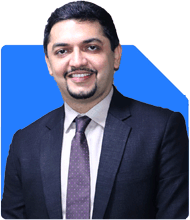
Mihir Tanna |1104 Answers |Ask -Follow
Tax Expert - Answered on Nov 02, 2023
Mihir Ashok Tanna, who works with a well-known chartered accountancy firm in Mumbai, has more than 15 years of experience in direct taxation.
He handles various kinds of matters related to direct tax such as PAN/ TAN application; compliance including ITR, TDS return filing; issuance/ filing of statutory forms like Form 15CB, Form 61A, etc; application u/s 10(46); application for condonation of delay; application for lower/ nil TDS certificate; transfer pricing and study report; advisory/ opinion on direct tax matters; handling various income-tax notices; compounding application on show cause for TDS default; verification of books for TDS/ TCS/ equalisation levy compliance; application for pending income-tax demand and refund; charitable trust taxation and compliance; income-tax scrutiny and CIT(A) for all types of taxpayers including individuals, firms, LLPs, corporates, trusts, non-resident individuals and companies.
He regularly represents clients before the income tax authorities including the commissioner of income tax (appeal).... more
He handles various kinds of matters related to direct tax such as PAN/ TAN application; compliance including ITR, TDS return filing; issuance/ filing of statutory forms like Form 15CB, Form 61A, etc; application u/s 10(46); application for condonation of delay; application for lower/ nil TDS certificate; transfer pricing and study report; advisory/ opinion on direct tax matters; handling various income-tax notices; compounding application on show cause for TDS default; verification of books for TDS/ TCS/ equalisation levy compliance; application for pending income-tax demand and refund; charitable trust taxation and compliance; income-tax scrutiny and CIT(A) for all types of taxpayers including individuals, firms, LLPs, corporates, trusts, non-resident individuals and companies.
He regularly represents clients before the income tax authorities including the commissioner of income tax (appeal).... more
Asked by Anonymous - Oct 24, 2023Hindi
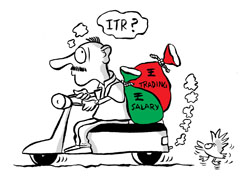
In the end of FY, my traded value in F&O option trading is Rs 80 lakh whereas my profit stands Rs 12 lakh. How will the income tax be calculated on this? If I have to pay any other tax on my traded value other than my income tax that is calculated on my profit? Request is to answer.
Ans: Income from derivatives for the transaction done through recognised stock exchange is non speculative business income and taxable at slab rate. Thus, in your case 12 lakhs will be taxable.
DISCLAIMER: The content of this post by the expert is the personal view of the rediffGURU. Users are advised to pursue the information provided by the rediffGURU only as a source of information to be as a point of reference and to rely on their own judgement when making a decision.
MoneyReply


You may like to see similar questions and answers below
Mihir Tanna |1104 Answers |Ask -Follow
Tax Expert - Answered on Nov 02, 2023


Ramalingam Kalirajan |11120 Answers |Ask -Follow
Mutual Funds, Financial Planning Expert - Answered on Aug 28, 2024



Samraat Jadhav |2569 Answers |Ask -Follow
Stock Market Expert - Answered on Feb 11, 2025
Mihir Tanna |1104 Answers |Ask -Follow
Tax Expert - Answered on Jun 15, 2025

Latest Questions
Ravi Mittal |717 Answers |Ask -Follow
Dating, Relationships Expert - Answered on Apr 08, 2026


Ramalingam Kalirajan |11120 Answers |Ask -Follow
Mutual Funds, Financial Planning Expert - Answered on Apr 07, 2026
Asked by Anonymous - Mar 27, 2026Hindi

35 male earning 100000 per month home loan outstanding principal 1080000 paying emi 21300 tenure 5.5 yrs still there my savings ppf monthly 10000 ssy for my daughter 10000 monthly mf 10000 nps 3500 fd 160000 as emergency fund rd 8000 monthly for daughter school fees
Monthly house expense 20000..my overall savings as of now ppf 4.5 lakh mf 1.5 lakh nps 2.5 lakh ssy 3lakhs epf 9.6 lakh my wife have share worth 4.5 lakhs.. Am i in the right path i have a 4 yr old daughter i have to save for her education and marriage .. Kindly suggest what more i can add
Ans: You are doing many things correctly for your age of 35. Your discipline in saving across multiple areas like retirement, daughter’s future, and emergency fund shows strong financial responsibility. With income of Rs 1,00,000 per month and structured savings already running, you are clearly on the right path.
Let me review your situation and guide what more can be added for your daughter’s education, marriage, and your long-term stability.
» Present Financial Strengths
– You already maintain retirement savings through EPF, NPS, and PPF
– You are saving separately for your daughter through SSY and RD
– You have mutual fund exposure for long-term wealth creation
– You maintain an emergency fund of Rs 1.6 lakh
– Your home loan balance is manageable and tenure left is only 5.5 years
– Your monthly household expense is controlled at Rs 20,000
– Your wife also holds investments worth Rs 4.5 lakh
This is a very balanced foundation for a young family.
Your total long-term retirement-oriented assets already include:
– EPF Rs 9.6 lakh
– PPF Rs 4.5 lakh
– NPS Rs 2.5 lakh
– Mutual fund Rs 1.5 lakh
This gives a strong starting retirement base.
» Emergency Fund Adequacy
Your emergency fund should ideally cover 6 months of expenses plus EMI.
Currently:
– EMI Rs 21,300
– Expenses Rs 20,000
So required safety buffer is around Rs 2.5 lakh.
You already have Rs 1.6 lakh. This is good. Increase it slowly to Rs 2.5 lakh and then stop adding more.
» Home Loan Strategy
Only 5.5 years left is excellent progress.
Continue EMI as planned.
Avoid prepayment unless:
– bonus income available
– or emergency fund already completed
– or retirement investments are running smoothly
Because your interest burden is already reducing.
» Daughter Education Planning
Your daughter is 4 years old. Education goal is about 14 years away. This is a long-term opportunity window.
Currently you are investing:
– SSY Rs 10,000 monthly
– RD Rs 8,000 monthly
SSY gives safety but limited growth. RD is mainly short-term support for school expenses.
For higher education planning:
Increase mutual fund SIP gradually by another Rs 5,000 to Rs 8,000 monthly dedicated only for education goal.
This will create strong growth over 14 years.
» Daughter Marriage Planning
Marriage goal is long-term and flexible.
SSY already supports this partially.
Instead of depending fully on SSY:
Add a separate mutual fund SIP of about Rs 3,000 to Rs 5,000 monthly in your wife’s name for marriage planning.
This improves diversification and flexibility.
» Retirement Planning Status
Your retirement investments already include:
– EPF
– PPF
– NPS
– Mutual fund SIP
This combination is excellent.
However retirement planning works best when equity exposure increases slowly over time.
Increase mutual fund SIP from Rs 10,000 to Rs 15,000 gradually over next 12 months if income allows.
This will significantly improve retirement strength.
» Insurance Protection Check (Very Important)
For a single-income family with child responsibility, protection is critical.
Ensure you have:
– pure term insurance covering at least Rs 1 crore
– family floater health insurance minimum Rs 10 lakh (separate from employer policy)
Without this protection, savings plans remain incomplete.
» Tax Efficiency Strength
Your structure already includes:
– EPF
– PPF
– NPS
– SSY
This is a strong tax-efficient portfolio.
Continue maintaining this mix.
» Investment Balance Observation
Your current savings distribution is slightly tilted towards safe instruments like:
– PPF
– SSY
– RD
– EPF
These provide stability but lower long-term growth.
Mutual fund exposure should increase slowly to improve wealth creation for:
– retirement
– daughter education
– inflation protection
A gradual increase is enough. No sudden change required.
» Monthly Cash Flow Improvement Suggestion
Your monthly structured savings already include:
– PPF Rs 10,000
– SSY Rs 10,000
– MF Rs 10,000
– NPS Rs 3,500
– RD Rs 8,000
Total saving discipline is excellent.
If future salary increases happen:
Direct at least 50% increment into mutual fund SIP increase.
This single habit can transform your financial future.
» Finally
Yes, you are clearly on the correct financial path.
To strengthen your plan further:
– Increase emergency fund to Rs 2.5 lakh
– Add education-focused mutual fund SIP
– Add marriage-focused SIP in wife’s name
– Gradually increase retirement SIP contribution
– Ensure strong term insurance and health insurance coverage
With this structure, your daughter’s future and your retirement both can become financially secure and comfortable.
Best Regards,
K. Ramalingam, MBA, CFP,
Chief Financial Planner,
www.holisticinvestment.in
https://www.linkedin.com/in/ramalingamcfp/
Let me review your situation and guide what more can be added for your daughter’s education, marriage, and your long-term stability.
» Present Financial Strengths
– You already maintain retirement savings through EPF, NPS, and PPF
– You are saving separately for your daughter through SSY and RD
– You have mutual fund exposure for long-term wealth creation
– You maintain an emergency fund of Rs 1.6 lakh
– Your home loan balance is manageable and tenure left is only 5.5 years
– Your monthly household expense is controlled at Rs 20,000
– Your wife also holds investments worth Rs 4.5 lakh
This is a very balanced foundation for a young family.
Your total long-term retirement-oriented assets already include:
– EPF Rs 9.6 lakh
– PPF Rs 4.5 lakh
– NPS Rs 2.5 lakh
– Mutual fund Rs 1.5 lakh
This gives a strong starting retirement base.
» Emergency Fund Adequacy
Your emergency fund should ideally cover 6 months of expenses plus EMI.
Currently:
– EMI Rs 21,300
– Expenses Rs 20,000
So required safety buffer is around Rs 2.5 lakh.
You already have Rs 1.6 lakh. This is good. Increase it slowly to Rs 2.5 lakh and then stop adding more.
» Home Loan Strategy
Only 5.5 years left is excellent progress.
Continue EMI as planned.
Avoid prepayment unless:
– bonus income available
– or emergency fund already completed
– or retirement investments are running smoothly
Because your interest burden is already reducing.
» Daughter Education Planning
Your daughter is 4 years old. Education goal is about 14 years away. This is a long-term opportunity window.
Currently you are investing:
– SSY Rs 10,000 monthly
– RD Rs 8,000 monthly
SSY gives safety but limited growth. RD is mainly short-term support for school expenses.
For higher education planning:
Increase mutual fund SIP gradually by another Rs 5,000 to Rs 8,000 monthly dedicated only for education goal.
This will create strong growth over 14 years.
» Daughter Marriage Planning
Marriage goal is long-term and flexible.
SSY already supports this partially.
Instead of depending fully on SSY:
Add a separate mutual fund SIP of about Rs 3,000 to Rs 5,000 monthly in your wife’s name for marriage planning.
This improves diversification and flexibility.
» Retirement Planning Status
Your retirement investments already include:
– EPF
– PPF
– NPS
– Mutual fund SIP
This combination is excellent.
However retirement planning works best when equity exposure increases slowly over time.
Increase mutual fund SIP from Rs 10,000 to Rs 15,000 gradually over next 12 months if income allows.
This will significantly improve retirement strength.
» Insurance Protection Check (Very Important)
For a single-income family with child responsibility, protection is critical.
Ensure you have:
– pure term insurance covering at least Rs 1 crore
– family floater health insurance minimum Rs 10 lakh (separate from employer policy)
Without this protection, savings plans remain incomplete.
» Tax Efficiency Strength
Your structure already includes:
– EPF
– PPF
– NPS
– SSY
This is a strong tax-efficient portfolio.
Continue maintaining this mix.
» Investment Balance Observation
Your current savings distribution is slightly tilted towards safe instruments like:
– PPF
– SSY
– RD
– EPF
These provide stability but lower long-term growth.
Mutual fund exposure should increase slowly to improve wealth creation for:
– retirement
– daughter education
– inflation protection
A gradual increase is enough. No sudden change required.
» Monthly Cash Flow Improvement Suggestion
Your monthly structured savings already include:
– PPF Rs 10,000
– SSY Rs 10,000
– MF Rs 10,000
– NPS Rs 3,500
– RD Rs 8,000
Total saving discipline is excellent.
If future salary increases happen:
Direct at least 50% increment into mutual fund SIP increase.
This single habit can transform your financial future.
» Finally
Yes, you are clearly on the correct financial path.
To strengthen your plan further:
– Increase emergency fund to Rs 2.5 lakh
– Add education-focused mutual fund SIP
– Add marriage-focused SIP in wife’s name
– Gradually increase retirement SIP contribution
– Ensure strong term insurance and health insurance coverage
With this structure, your daughter’s future and your retirement both can become financially secure and comfortable.
Best Regards,
K. Ramalingam, MBA, CFP,
Chief Financial Planner,
www.holisticinvestment.in
https://www.linkedin.com/in/ramalingamcfp/
Asked on - Apr 07, 2026 | Answered on Apr 07, 2026
Thank you sir
Ans: You're welcome! If you have any more questions or need further assistance, feel free to ask. Best wishes on your financial journey!
Best Regards,
K. Ramalingam, MBA, CFP,
Chief Financial Planner,
www.holisticinvestment.in
https://www.linkedin.com/in/ramalingamcfp/
Best Regards,
K. Ramalingam, MBA, CFP,
Chief Financial Planner,
www.holisticinvestment.in
https://www.linkedin.com/in/ramalingamcfp/
Ramalingam Kalirajan |11120 Answers |Ask -Follow
Mutual Funds, Financial Planning Expert - Answered on Apr 07, 2026


Ramalingam Kalirajan |11120 Answers |Ask -Follow
Mutual Funds, Financial Planning Expert - Answered on Apr 07, 2026

Ramalingam Kalirajan |11120 Answers |Ask -Follow
Mutual Funds, Financial Planning Expert - Answered on Apr 07, 2026


Ramalingam Kalirajan |11120 Answers |Ask -Follow
Mutual Funds, Financial Planning Expert - Answered on Apr 07, 2026

Ramalingam Kalirajan |11120 Answers |Ask -Follow
Mutual Funds, Financial Planning Expert - Answered on Apr 07, 2026

Ramalingam Kalirajan |11120 Answers |Ask -Follow
Mutual Funds, Financial Planning Expert - Answered on Apr 07, 2026

Ramalingam Kalirajan |11120 Answers |Ask -Follow
Mutual Funds, Financial Planning Expert - Answered on Apr 07, 2026


Ramalingam Kalirajan |11120 Answers |Ask -Follow
Mutual Funds, Financial Planning Expert - Answered on Apr 07, 2026

