Home > Money > Question
Need Expert Advice?Our Gurus Can Help
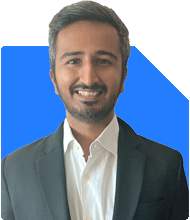
Vivek

Vivek Lala  |324 Answers  |Ask -

Tax, MF Expert - Answered on Sep 23, 2023

Vivek Lala has been working as a tax planner since 2018. His expertise lies in making personalised tax budgets and tax forecasts for individuals. As a tax advisor, he takes pride in simplifying tax complications for his clients using simple, easy-to-understand language.
Lala cleared his chartered accountancy exam in 2018 and completed his articleship with Chaturvedi and Shah. ... more

S Question by S on Jun 25, 2023Hindi
Listen
Money

I have invested in the following funds and require your advice on holding or Switching ----1) SBI Focused Equity fund Regular growth - 645 units @ Rs.227 purchased on 4th aug 2022,----2) SBI Blue Chip Fund Regular Growth - 822 units @ Rs.60.84 purchased on 4.8.22, ----3) SBI Multicap Fund Regular Plan Growth - 34953 units @ Rs.10.59 on 4.8.22,----4) HDFC Tax Saver Direct Plan Growth Option - One time Investment of Rs.40000/-on 9.3.20,----5) HDFC Developed World Indexes FundOf Fund - One time investment of RS.50000/- ON 21.10.21, ----6)HDFC Equity Savings Fund Direct Plan Growth--One time investment of Rs.70000/- on 21.10.21,----7) HDFC Nifty Next50Index Fund direct growth - One time investment of Rs.50000/- on 3.11.21

Ans: Hello, the selection of funds should have a goal attached to it. This investment style seems to be cluttered and not very definitive in terms of the goals it has. Do speak to an advisor / distributor in person for the same.
DISCLAIMER: The content of this post by the expert is the personal view of the rediffGURU. Users are advised to pursue the information provided by the rediffGURU only as a source of information to be as a point of reference and to rely on their own judgement when making a decision.
Money

You may like to see similar questions and answers below

Ramalingam

Ramalingam Kalirajan  |11039 Answers  |Ask -

Mutual Funds, Financial Planning Expert - Answered on May 17, 2024

Listen
Money
Sir good morning. I am 27 years old. I have been investing Rs 10000/- each in SBI Mid cap fund, Small cap Fund and Rs 10000 in ABSL Flexi cap fund and Rs 5000/- in HDFC Midcap funds. I may please be guided whether to continue or to switch to other funds. Thank you sir.
Ans: At 27, you're making proactive investment decisions, which is commendable. Let's review your current investment strategy and explore potential adjustments:

Assessing Your Current Portfolio
SBI Mid Cap Fund and Small Cap Fund: Mid-cap and small-cap funds offer growth potential but come with higher volatility. Consider your risk tolerance and investment horizon when evaluating these funds.

ABSL Flexi Cap Fund: Flexi-cap funds provide flexibility to invest across market capitalizations based on market conditions. They offer diversification and potential for growth.

HDFC Midcap Fund: Similar to SBI Mid Cap and Small Cap funds, HDFC Midcap Fund focuses on mid-cap stocks. Assess whether the overlap in mid-cap exposure across funds aligns with your diversification goals.

Considerations for Continuation or Switch
Performance: Evaluate the performance of your current funds relative to their benchmarks and peers. Consistent underperformance may warrant a review.

Fund Manager Track Record: Assess the track record and expertise of the fund managers managing your investments. Consistency in performance and adherence to investment objectives are key considerations.

Fund Objectives and Strategy: Ensure that the investment objectives and strategies of your funds align with your financial goals and risk profile.

Potential Actions
Review Fund Performance: Conduct a detailed analysis of the performance of each fund in your portfolio over different time periods.

Consult with a Financial Advisor: Consider consulting with a Certified Financial Planner (CFP) to review your investment strategy and explore alternative fund options based on your goals and risk tolerance.

Consider Diversification: Evaluate the need for diversification across asset classes and investment styles to mitigate risk and enhance long-term returns.

Conclusion
While your current investment strategy demonstrates a focus on growth-oriented funds, it's essential to periodically review your portfolio and make adjustments as needed. Assess the performance, objectives, and risk profile of your funds, and consider consulting with a financial advisor for personalized guidance.

Best Regards,

K. Ramalingam, MBA, CFP,
Chief Financial Planner,
www.holisticinvestment.in

..Read more

Ramalingam

Ramalingam Kalirajan  |11039 Answers  |Ask -

Mutual Funds, Financial Planning Expert - Answered on May 21, 2024

Listen
Money
Good morning sir. I am investing in SBI midcap, small cap and health care opportunities fund at the rate of Rs 10000 per month respectively and Rs 5000/- each in ICICI equity funds. Kindly suggest whether to contiue or to switch to other
Ans: It's great to see your proactive approach towards investing. Let's assess your current mutual fund investments and explore whether any adjustments are needed.

Reviewing Current Investments
Diversification Strategy
Your investment strategy reflects a diversified approach by investing in midcap, small cap, healthcare, and equity funds.

Performance Analysis
Evaluate the performance of your current funds against relevant benchmarks to gauge their effectiveness in meeting your financial goals.

Considerations for Continuation or Switching
Fund Performance
Assess the historical performance of each fund to determine if they consistently outperform their benchmarks.

Risk Appetite
Consider your risk tolerance and ensure your investment choices align with your risk appetite and financial goals.

Potential Action Steps
Consultation with a Certified Financial Planner
Seek guidance from a Certified Financial Planner (CFP) to review your investment portfolio comprehensively and ensure it aligns with your financial objectives.

Periodic Portfolio Review
Regularly review your investment portfolio to stay informed about market trends and make necessary adjustments based on changing economic conditions.

Final Recommendation
Stay Informed
Stay updated on market developments and seek professional advice when considering changes to your investment strategy.

By regularly reviewing your mutual fund portfolio and consulting with a Certified Financial Planner, you can make informed decisions to optimize your investments and work towards your financial goals.

Best Regards,

K. Ramalingam, MBA, CFP,

Chief Financial Planner,

www.holisticinvestment.in

..Read more

Ramalingam

Ramalingam Kalirajan  |11039 Answers  |Ask -

Mutual Funds, Financial Planning Expert - Answered on Jan 02, 2025

Listen
Money
I have been investing 3k each into the following funds "Tata Dividend Yield Fund Direct Plan - Growth (1 year),Tata Equity P/E Fund Direct Plan - Growth(4.5 years),Axis NIFTY Next 50 Index Fund Direct Growth(1 year),Canara Robeco Emerging Equities - Direct Growth(3 years),Mirae Asset Midcap Fund - Direct Plan(3 years),Nippon India Small Cap Fund(1 year). Should I continue with all these funds or do I need to switch any of these funds? If I need to switch, which funds needs to be switched and what will be your suggested funds to invest in for long term?
Ans: Your existing investments show a good diversification strategy. They span equity, mid-cap, small-cap, and thematic funds.

Let us assess these funds to identify gaps, overlaps, or potential for improvement.

Strengths of Your Portfolio
1. Diversification Across Market Segments

Investments include mid-cap, small-cap, and equity-diversified funds.
This reduces risk and ensures participation in broader market growth.
2. Focus on Emerging Opportunities

Investments in thematic funds add potential for long-term growth.
These align well with higher growth expectations over time.
3. Consistent Investment Approach

Regular SIPs promote disciplined investing.
This is crucial for building wealth over time.
Key Concerns Identified
1. High Overlap Between Funds

Multiple funds in similar categories lead to redundant investments.
This might dilute returns due to overlapping holdings.
2. Index Fund in the Portfolio

Index funds lack flexibility in volatile markets.
Actively managed funds can generate higher alpha through fund manager expertise.
3. Limited Exposure to Defensive Strategies

A defensive allocation like balanced or hybrid funds could enhance stability.
This is important to balance high-growth segments.
4. Uneven Time Frames Across Investments

Some funds have been held for shorter durations.
This may not allow the compounding benefits to materialise.
Recommendations for Portfolio Restructuring
1. Retain Well-Performing Funds

Funds with consistent performance should be continued.
Retain funds offering strong growth potential aligned with your goals.
2. Replace Redundant or Subpar Funds

Switch funds with overlapping objectives to avoid redundancy.
Consider diversified equity and mid-cap funds with proven performance records.
3. Exit Index Fund

Redeem your investment in the index fund.
Invest in actively managed funds for better long-term returns.
4. Add Hybrid or Balanced Funds

Introduce balanced advantage funds to stabilise your portfolio.
These funds provide a mix of equity growth and debt stability.
5. Focus on Regular Fund Investments Through CFP

Shift from direct funds to regular funds with CFP-guided investments.
This ensures expert monitoring and tailored portfolio adjustments.
Suggested Strategies for Long-Term Investments
1. Long-Term Wealth Creation Through Equity

Equity-oriented funds are ideal for higher returns over 7+ years.
Prioritise funds with a mix of large-cap and multi-cap exposure.
2. Stability Through Debt Allocation

Include debt-oriented funds for consistent returns in volatile times.
Aim for stability in case of market downturns.
3. Tactical Allocation for Emerging Opportunities

Allocate a smaller percentage to thematic or sectoral funds.
Limit exposure to manage risks effectively.
4. Periodic Portfolio Review

Assess your portfolio every 6 months to a year.
Adjust allocations based on market trends and fund performance.
Tax Considerations for Your Investments
LTCG above Rs 1.25 lakh on equity funds attracts 12.5% tax.
STCG is taxed at 20% for equity funds.
Tax-efficient planning ensures optimal returns from your investments.
Final Insights
Your portfolio is well-diversified but can be optimised for efficiency. Reducing redundancies, exiting index funds, and introducing hybrid strategies will add value. Work with a Certified Financial Planner for customised guidance and portfolio monitoring.

Best Regards,

K. Ramalingam, MBA, CFP,

Chief Financial Planner,

www.holisticinvestment.in
https://www.youtube.com/@HolisticInvestment

..Read more

Ramalingam

Ramalingam Kalirajan  |11039 Answers  |Ask -

Mutual Funds, Financial Planning Expert - Answered on Jan 02, 2026

Asked by Anonymous - Dec 31, 2025Hindi
Money
Hi Sir, I am 36 yrs old and sole earner for my family. I have invesed to the below fund. Please let me know if I need ot keep or switch to toher fund Company Name Invested Value Current Value ADITYA BIRLA SUN LIFE LARGE & MIDCAP FUND - GROWTH-REGULAR PLAN 108000.85 212244.39 ADITYA BIRLA SUN LIFE VALUE FUND- GROWTH 39999.97 86404.09 AXIS FOCUSED FUND REGULAR GROWTH 139999.39 220592.71 AXIS LARGE CAP FUND - REGULAR GROWTH 116999.43 210470.46 BANDHAN ELSS TAX SAVER FUND-GROWTH-(REGULAR PLAN) - ELSS 93999.7 245175.69 DSP LARGE & MID CAP FUND - REGULAR PLAN - GROWTH 112000.7 312263.14 DSP NATURAL RESOURCES AND NEW ENERGY FUND - REGULAR PLAN - GROWTH 20001.01 36110.83 HDFC HYBRID EQUITY FUND - REGULAR PLAN - GROWTH 103999.71 218909.41 INVESCO INDIA CONTRA FUND - REGULAR PLAN - GROWTH 10000 28126.93 MIRAE ASSET LARGE & MIDCAP FUND - REGULAR PLAN - GROWTH OPTION 174999.32 413582.62 NIPPON INDIA SMALL CAP FUND - GROWTH PLAN - GROWTH 44000.72 136380.4 SBI CONTRA FUND - REGULAR PLAN - GROWTH 20001 40208.04 SBI FLEXICAP FUND - REGULAR PLAN - GROWTH 12396.91 12350.91 SBI TECHNOLOGY OPPORTUNITIES FUND REGULAR GROWTH 168000.36 484539.65 SBI TECHNOLOGY OPPORTUNITIES FUND REGULAR IDCW 9743.98 15586.51
Ans: You have invested with discipline and patience.
Your consistency as a sole earner shows responsibility.
Your portfolio growth reflects long-term commitment.
This effort deserves appreciation and respect.

» Your Age and Family Responsibility Context
– You are thirty-six years old.
– You are the only earning member.
– Family security depends on your income.
– Job continuity cannot be assumed forever.
– Risk must be managed carefully.
– Growth and safety both matter now.

» Overall Portfolio Health Snapshot
– Your portfolio value has grown well.
– Many funds have delivered strong appreciation.
– You stayed invested through market cycles.
– This behaviour builds long-term wealth.
– The concern is structure, not performance.

» Number of Funds and Portfolio Complexity
– You hold many equity mutual funds.
– Several funds have similar investment styles.
– Overlap reduces real diversification.
– Too many funds increase confusion.
– Monitoring becomes emotionally tiring.
– Simpler portfolios work better long-term.

» Large and Mid Capital Exposure Review
– You hold multiple large and mid oriented funds.
– These funds invest in similar companies.
– Returns move together during cycles.
– Additional funds do not reduce risk much.
– One or two are sufficient.
– Consolidation will improve clarity.

» Large Capital Allocation Assessment
– Large cap exposure adds stability.
– It protects capital during corrections.
– Returns may look slower during bull markets.
– This category suits sole earners well.
– One strong large cap allocation is enough.

» Focused Fund Risk Understanding
– Focused funds hold limited stocks.
– Stock-specific risk is higher here.
– Returns depend on manager calls.
– Volatility can surprise investors.
– Exposure should remain limited.
– Do not make this a core holding.

» Value and Contra Style Exposure
– Value and contra strategies add balance.
– They perform well during market corrections.
– They lag during fast rallies.
– Holding one such style is healthy.
– Multiple similar styles are unnecessary.
– Simplicity improves conviction.

» ELSS Fund Role Clarification
– ELSS funds serve tax-saving purpose.
– Lock-in enforces discipline.
– Equity risk remains similar.
– One ELSS fund is sufficient.
– Additional ELSS funds add overlap.
– Use ELSS mainly for tax planning.

» Hybrid Equity Fund Importance
– Hybrid equity funds reduce volatility.
– They combine equity and debt exposure.
– They give smoother return experience.
– This suits sole earners.
– Your hybrid allocation is currently small.
– Increasing stability helps peace of mind.

» Small Cap Exposure Evaluation
– Small caps offer high growth potential.
– Volatility is extremely high.
– Drawdowns can be sharp.
– Emotional discipline is tested here.
– Exposure should be controlled.
– Avoid over-allocation as sole earner.

» Thematic and Sector Fund Concentration
– Technology sector exposure is high.
– Sector cycles can reverse suddenly.
– Past performance may not repeat.
– Sector funds need timing skills.
– SIP does not eliminate sector risk.
– Concentration increases portfolio volatility.

» Natural Resources and Energy Theme Review
– Commodity-linked themes depend on global cycles.
– Returns are uneven over long periods.
– Long underperformance phases are common.
– Allocation should remain very small.
– Avoid adding more money here.

» IDCW Option Holding Concern
– IDCW options distribute periodic income.
– These payouts are taxable.
– Compounding benefit reduces over time.
– Growth option suits wealth creation better.
– IDCW is not ideal at your age.

» Portfolio Overlap and Duplication Risk
– Many funds hold similar top companies.
– Overlap hides true risk exposure.
– Diversification looks higher than reality.
– Consolidation improves efficiency.
– Fewer funds increase confidence.

» Should You Keep All Existing Funds
– You need not exit everything immediately.
– Sudden exits trigger tax impact.
– Market timing risk increases.
– Gradual restructuring is safer.
– Retain core performing funds.

» Should You Switch to Other Funds
– Switching should have clear purpose.
– Switching for recent performance is risky.
– Focus on structure, not names.
– Reduce excess categories gradually.
– Add balance where required.

» Suggested Portfolio Direction Philosophy
– Core equity should be diversified.
– Stability should increase gradually.
– High-risk segments should reduce.
– Portfolio must suit sole earner role.
– Emotional comfort is important.

» Suggested Core Portfolio Structure
– Maintain limited diversified equity funds.
– Keep one large cap oriented exposure.
– Keep one flexi style exposure.
– Keep one value or contra style.
– Maintain controlled small-cap exposure.
– Add meaningful hybrid allocation.

» Why Actively Managed Funds Suit You
– Indian markets are inefficient.
– Stock selection adds value.
– Fund managers respond to market risks.
– They can hold cash when needed.
– Downside control improves experience.
– This suits family responsibility stage.

» Why Index Funds Are Avoided
– Index funds track markets blindly.
– They fall fully during corrections.
– No downside protection exists.
– No valuation-based decisions happen.
– Active funds manage risk better.
– Sole earners need this flexibility.

» Regular Funds and CFP Guidance Value
– Regular funds provide advisory support.
– Behaviour management avoids panic selling.
– Reviews help timely rebalancing.
– Direct funds lack guidance.
– Cost difference buys discipline.
– CFP involvement improves outcomes.

» Tax Impact Awareness While Rebalancing
– Equity fund exits attract capital gains tax.
– Long-term gains above Rs.1.25 lakh are taxed.
– The tax rate is twelve point five percent.
– Short-term gains face higher tax.
– Plan exits gradually.
– Avoid unnecessary churn.

» Emergency Fund Priority for Sole Earner
– Emergency fund is non-negotiable.
– Cover at least twelve months expenses.
– Keep it in safe instruments.
– This protects investments during crises.
– It ensures family stability.

» Insurance Protection Review
– Term insurance coverage must be adequate.
– Coverage should match dependents’ needs.
– Health insurance is essential.
– Medical inflation is high.
– Avoid mixing insurance and investments.

» SIP Strategy Going Forward
– Continue SIPs in selected funds.
– Stop adding to overlapping funds.
– Increase SIP with income growth.
– Time works strongly in your favour.

» Behavioural Discipline and Emotional Control
– Market noise creates fear.
– Frequent checking increases anxiety.
– Long-term focus builds confidence.
– Structure reduces emotional mistakes.
– Discipline protects wealth.

» Goal-Based Investing Importance
– Separate goals by time horizon.
– Short-term goals need safety.
– Long-term goals need equity.
– Mixing goals causes stress.
– Clarity improves discipline.

» Family Security and Peace of Mind
– Your role supports entire family.
– Stability matters more than aggressive returns.
– Balanced growth brings peace.
– Avoid unnecessary risk-taking.
– Sleep quality matters.

» Finally
– Your portfolio has grown well.
– Structure needs refinement, not overhaul.
– Gradual consolidation is the right path.
– Reduce excess thematic exposure.
– Increase stability slowly.
– Stay disciplined and patient.
– Regular reviews will protect progress.

Best Regards,

K. Ramalingam, MBA, CFP,

Chief Financial Planner,

www.holisticinvestment.in

https://www.youtube.com/@HolisticInvestment

..Read more

Latest Questions
Nayagam P

Nayagam P P  |10920 Answers  |Ask -

Career Counsellor - Answered on Feb 23, 2026

Career
Dear Sir I am looking seek guidance from you in preparing my son in clearing defence school entrance exams like Rashtriya military schools & sainik schools. I am aware of admission procedure and age eligibilty etc however I need help in knowing how to prepare for written exams followed up with an interview. This is for admission into 9th std. How to go about its preparation, are there any good coaching institiutes for class8 students who train them in clearing exam/interview etc. Are such coaching institutes available in cities like chennai etc... Thank you
Ans: Jignesh Sir, For Sainik Schools through AISSEE and Rashtriya Military Schools RMS admissions into 9th standard, your son needs to focus on the written exam first, which covers the Class 8 NCERT syllabus—AISSEE has 400 marks with Maths at 200 (algebra, geometry, and mensuration), plus 50 each in English, Intelligence/Reasoning, General Science, and Social Science, all MCQs in 2.5 hours; RMS is 200 marks split into English/Hindi/Social Science and Maths/Science papers. He should prepare smartly by studying NCERT books daily, solving past papers and mocks for timing, spending 40% of his time on Maths/Science, 30% on languages/reasoning, and 30% on GK/current affairs from newspapers, and grabbing the latest NTA AISSEE bulletin PDF from their site for exact details. After clearing the written, the interview (20-50 marks) checks personality, communication, leadership, GK, and why he wants military life—he must practice mocks at home, answer confidently on strengths, weaknesses, and current events with good eye contact and discipline. For coaching, especially in Chennai, check Asian Defence Academy's local branch for offline/online classes with materials and tests, or Sainik Global Academy; look at reviews and success rates, and verify via official school sites since good options like national chains exist there for Class 8 kids aiming to crack the exam plus interview. All the BEST for a Prosperous Future!

Follow RediffGURUS to Know More on 'Careers | Money | Health | Relationships'.

...Read more

Reetika

Reetika Sharma  |574 Answers  |Ask -

Financial Planner, MF and Insurance Expert - Answered on Feb 23, 2026

Asked by Anonymous - Jan 11, 2026Hindi
Money
Hi, I am co-operate employee earn 80 k monthly with 9274₹ monthly pf contribution. I have some investment as mentioned below All in lumpsum Quant small cap fund 45k Mirae asset elss 62k Quant large & mid 1.01 L Icici prudential infrastructure 1L Motilal oswal mid 70K Aditya Birla PSU equity 70k SBI contra 71k Lic jeevan umang(945) 20 years premium 20306₹ premium four times in year Hdfc sanchay plus premium 100297₹ yearly maturity 2035 Tata aia sampoorna raksha pro term plan 50 L 12 year premium 56k Niva bupa family health plan 3 member (me 34 wife 32 son 8 months) Share market equity investment 11L 3.5 lakh plot investment in village Let me know I am in good direction or need some restructuring Living in Pune yet not purchased flat
Ans: Hi,

As per your age and monthly income, you have invested quite a good amount till now. Let me guide you one-by-one:
- your emergency fund is missing. Have atleast 6 months worth expenses in FD or liquid funds for uncertain situations
- health insurance is good. Make sure cover is minimum 15 lakhs for a family of 3.
- take a term plan as you are the sole earning member. a term cover will protect your family in any uncertainty. Tata term plan of 50 lakhs is good but ideal cover for you is minimum 1 crore. Take one more policy worth 50lakhs.
- you've invested in various mutual funds, but they are quite concentrated and not recommended. Entire mutual fund investment need proper allocation and a plan
- you have LIC policy, HDFC Sanchay - make note that these policies give annual return of 4-5% over all their term and it is not recommended to buy such policies. If possible, surrender these and invest upcoming premiums and surrender amount in equity funds. And refrain from buying any such policy in the future.
- 11 lakhs invested in stocks, only recommended if you have good knowledge and have time to track, otherwise not recommended.
- plot in village - good, hold.

So overall, lic and hdfc policy needs to be surrendered.
And existing mutual funds need reallocation and proper strategical plan. Connect with a professional to start the same and avoid falling for random online tips.

Hence do consult a professional Certified Financial Planner - a CFP who can guide you with exact funds to invest in keeping in mind your age, requirements, financial goals and risk profile. A CFP periodically reviews your portfolio and suggest any amendments to be made, if required.

Let me know if you need more help.

Best Regards,
Reetika Sharma, Certified Financial Planner
https://www.instagram.com/cfpreetika/

...Read more

Dr Nagarajan J S K

Dr Nagarajan J S K   |2616 Answers  |Ask -

NEET, Medical, Pharmacy Careers - Answered on Feb 23, 2026

Career
My son is now doing internship in mbbs in india. As his father is in dubai he wants to continue his pg in medical in dubai.is any uk universities in uae to get indian recognition pg medical certificates and what is the procedure or exams he should follow?
Ans: Hi Lakshmi Madam,

I hope this message finds you well.

I would like to suggest that pursuing a postgraduate degree in medicine in Dubai may not be the best option. Compared to Dubai, India offers excellent facilities and a diverse patient population, providing a richer learning experience.

If pursuing medicine in Dubai is still being considered, here are some important details to keep in mind:

**Medical PG (Residency) in Dubai**
This is a competitive 4–5 year training program under the Dubai Health Authority (DHA) or Emirates Health Services (EHS), starting around October. To qualify, candidates must pass the Emirates Medical Residency Entrance Examination (EMREE), aiming for a score of at least 60%, with 80% or higher recommended. The program offers a paid salary.

**Key Aspects of Medical PG in Dubai:**

1. **Application Process:**
Applications open annually around January, with interviews (Multiple Mini Interviews - MMI) conducted in May. Candidates need to rank their preferred specialties, and a matching system similar to the US NBME is utilized.

2. **Entrance Exam (EMREE):**
The EMREE is the required entrance examination for the program.

3. **Eligibility:**
Applicants must hold an MBBS degree and provide evidence of completing a one-year internship.

4. **Documentation Required:**
Necessary documents include the Primary Source Verification (PSV) report, IELTS/TOEFL scores (if applicable), CV, and academic transcript.

5. **Competition:**
The competition is intense, with UAE nationals receiving priority in the selection process.

6. **Scope:**
A residency in Dubai is not recognized in India, although it can lead to further specialization or eligibility for Royal College exams.

7. **License Equivalency:**
All non-UAE qualifications must be attested by the UAE Embassy in the issuing country, followed by the Ministry of Foreign Affairs and the Ministry of Education in the UAE.

I advise you to carefully consider these factors. It may be more beneficial to complete the postgraduate degree in India instead.
BEST REGARDS.

...Read more

DISCLAIMER: The content of this post by the expert is the personal view of the rediffGURU. Investment in securities market are subject to market risks. Read all the related document carefully before investing. The securities quoted are for illustration only and are not recommendatory. Users are advised to pursue the information provided by the rediffGURU only as a source of information and as a point of reference and to rely on their own judgement when making a decision. RediffGURUS is an intermediary as per India's Information Technology Act.

Close  

You haven't logged in yet. To ask a question, Please Log in below
Login

A verification OTP will be sent to this
Mobile Number / Email

Enter OTP
A 6 digit code has been sent to

Resend OTP in120seconds

Dear User, You have not registered yet. Please register by filling the fields below to get expert answers from our Gurus
Sign up

By signing up, you agree to our
Terms & Conditions and Privacy Policy

Already have an account?

Enter OTP
A 6 digit code has been sent to Mobile

Resend OTP in120seconds

x