Home > Relationship > Question
Need Expert Advice?Our Gurus Can Help

Should I Join My Partner on a Solo Trip to the Kumbh Mela?

Kanchan

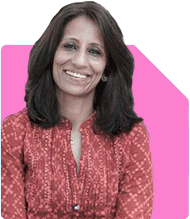
Kanchan Rai  |656 Answers  |Ask -

Relationships Expert, Mind Coach - Answered on Jan 15, 2025

Kanchan Rai has 10 years of experience in therapy, nurturing soft skills and leadership coaching. She is the founder of the Let Us Talk Foundation, which offers mindfulness workshops to help people stay emotionally and mentally healthy.
Rai has a degree in leadership development and customer centricity from Harvard Business School, Boston. She is an internationally certified coach from the International Coaching Federation, a global organisation in professional coaching.... more
Asked by Anonymous - Jan 13, 2025Hindi

Listen
Relationship

My partner and I are from different cultural backgrounds. She has always felt a strong spiritual connection to events like the Kumbh Mela. Earlier this year, while booking the tickets she had asked if I would like to join her as she is travelling solo. While I respect her beliefs, I refused to join because I am not a religious person. Now that she has booked her tickets, I am worried about her safety. Should I tell her to cancel her trip? I don't want her to think that I am disrespecting her choices or religion. Or should I just tag along and make her feel safe? How do I address these concerns and have a healthy conversation?

Ans: Start by having an honest conversation with her. Share your feelings about her safety in a caring and non-confrontational way. Let her know that your concern comes from a place of love and care, not from a lack of respect for her spiritual journey. It’s important to express that you understand her desire to attend the Kumbh Mela and that you support her connection to this event.

If you’re considering joining her, it could be a gesture of solidarity and support, even if you’re not personally invested in the spiritual aspect. However, it’s crucial to approach this as a way to share the experience together and ensure her safety, rather than as an obligation or with reluctance. If you decide to join her, communicate that you’re doing so because you want to be there for her, which could strengthen your relationship.

On the other hand, if you feel strongly about not attending due to personal beliefs, you can suggest other ways to support her. This might include discussing safety plans or staying in close communication while she’s there. This approach shows that you trust her decisions while still being there for her in a supportive way.

Ultimately, the conversation should aim to understand each other’s perspectives and find a solution that makes both of you feel comfortable and respected. Balancing your care for her safety with respect for her independence and beliefs is key to maintaining a healthy, supportive relationship.

You may like to see similar questions and answers below

Ravi

Ravi Mittal  |708 Answers  |Ask -

Dating, Relationships Expert - Answered on Dec 03, 2024

Asked by Anonymous - Dec 03, 2024Hindi
Listen
Relationship
Hello, my wife is Ugandan and I’m of English national, 30 years old and she’s 26, we met nearly a year ago and got married in uk with some of her friends and small family. We haven’t done kuchala (not sure if that’s correct spelling) yet and I’m feeling anxious for when the time comes. She said her family will kneel when they greet me and being white this is already stinging my moral (due to history). I also talked about moving in together before the meet the parents happen however she says she’s rather move in after? Currently this could take two years before going to Uganda, how should I proceed without overstepping her cultural beliefs as after all we are married and by my culture we should already be living together
Ans: Dear Anonymous,
It is very nice of you to be so considerate and sensitive while handling these cultural nuances. Let's discuss the kneeling tradition. It's a sign of respect and it's deeply rooted in Ugandan culture. While I understand your point of view, you also have to remember that it can have significant meaning to her and her family. I suggest you politely express your feelings and let her know why it is uncomfortable for you to see her family kneel. When you explain, mention how much her culture means to you as well. I am sure both of you can communicate and come to a compromise that makes you both happy. Just in case, they persist in following the ritual, just look at it as a gesture of love and respect and not submission.

About the moving in together part, in certain parts of the world, couples living together before the traditional wedding is not considered respectful. But since you are already married, you can try explaining to your wife how the living situation does not go against her cultural expectations. But if it is a really big deal for her and her family, consider seeing it from her perspective.

Communication is everything here. Look at every problem as a team; it's not your problem vs her problem. It's both of you vs the problems.

I hope this helps

..Read more

Latest Questions
Ramalingam

Ramalingam Kalirajan  |11059 Answers  |Ask -

Mutual Funds, Financial Planning Expert - Answered on Mar 11, 2026

Money
I am 36 years old and now I am getting in hand 60k staying at Bangalore .I have 18.5 lakhs in my bank account. Room rent 10k household expenses 12 k invested 10k in sip. Please guide me how to and where to invest this amount..layoff also going on in my it company. Please suggest for my safe future . I have a 3 year boy his health also not good .
Ans: Your situation shows responsibility and awareness. At age 36, earning Rs.60,000 per month, maintaining savings of Rs.18.5 lakhs, and already investing through SIP shows good financial discipline. Also, your concern about job stability and your child’s health shows that you are thinking about your family’s long-term security. With a few structured steps, you can strengthen your financial safety and future stability.

» Your Current Financial Position

– Monthly in-hand income: around Rs.60,000
– Rent: Rs.10,000
– Household expenses: Rs.12,000
– SIP investment: Rs.10,000
– Savings in bank: Rs.18.5 lakhs

This means you are living within your income and also saving regularly. That is a very positive starting point.

However, because there are layoffs in the IT sector and you also have family responsibilities, the focus should be on safety, stability, and long-term growth.

» Build a Strong Emergency Fund First

Job uncertainty and your child’s health condition make an emergency reserve very important.

– Keep around 9 to 12 months of expenses as emergency fund
– Your monthly expenses are roughly Rs.22,000 to Rs.25,000
– So maintaining around Rs.3 to 4 lakhs as emergency reserve is sensible

This money should stay in safe and liquid options so that you can access it immediately during job loss or medical needs.

Do not invest this emergency money in risky assets.

» Health Protection for Your Family

Since your child already has health concerns, health insurance becomes very important.

– Take a good family health insurance plan that covers you, your spouse, and your child
– Choose a policy with adequate coverage because medical costs in cities like Bangalore are high
– If your company provides health insurance, do not depend only on that because it stops when you leave the job

Medical protection protects your savings from getting wiped out.

» Use Your Rs.18.5 Lakhs Carefully

You do not need to invest the full amount immediately.

A balanced approach works better.

– Keep around Rs.3 to 4 lakhs as emergency fund
– Keep some amount in safe instruments for short-term needs
– Gradually deploy the remaining money into diversified mutual funds through a systematic transfer approach

This helps you avoid investing a large amount at the wrong market timing.

» Continue and Slowly Increase SIP Investments

You are already investing Rs.10,000 per month in SIP. That is a very good habit.

Over time, you can improve it.

– Increase SIP whenever salary increases
– Focus on diversified equity mutual funds for long-term wealth creation
– Keep your investment horizon at least 10 to 15 years

Equity mutual funds help beat inflation and build long-term wealth for goals like your child’s education.

Actively managed funds are helpful because professional fund managers analyse companies, manage risks, and adjust portfolios based on market conditions. This active management helps investors during uncertain markets.

» Create Separate Goals for Your Child

Your child is only 3 years old. This gives you a long time horizon.

You can create separate investments for:

– Child education
– Child health security
– Long-term family wealth

Starting early helps you accumulate wealth gradually without putting pressure on your monthly budget.

» Improve Career Security

Financial planning is not only about investments. Income stability is equally important.

– Upgrade your skills within the IT industry
– Maintain a secondary emergency skill or certification
– Build professional connections in your industry

This increases your chances of faster recovery even if layoffs happen.

» Avoid Risky Decisions Now

Because your income is moderate and job stability is uncertain, avoid:

– High-risk stock trading
– Investing entire savings in one asset class
– Sudden large investments without planning
– Borrowing money to invest

Your focus should be stability and disciplined growth.

» Work With a Structured Financial Plan

A proper financial plan helps align:

– emergency planning
– insurance protection
– goal-based investments
– tax planning
– retirement planning

A Certified Financial Planner can help structure these elements together so that every rupee you save works toward your long-term financial security.

» Finally

You are already on the right track. Many people at age 36 do not have Rs.18.5 lakhs in savings or a disciplined SIP habit. Your awareness about risk, family needs, and future planning is a strong foundation.

With a balanced approach of emergency protection, proper insurance, disciplined mutual fund investing, and career stability, you can build a safe and strong financial future for your family and your child.

Best Regards,

K. Ramalingam, MBA, CFP,
Chief Financial Planner,
www.holisticinvestment.in

https://www.linkedin.com/in/ramalingamcfp/

...Read more

Nayagam P

Nayagam P P  |10940 Answers  |Ask -

Career Counsellor - Answered on Mar 11, 2026

DISCLAIMER: The content of this post by the expert is the personal view of the rediffGURU. Investment in securities market are subject to market risks. Read all the related document carefully before investing. The securities quoted are for illustration only and are not recommendatory. Users are advised to pursue the information provided by the rediffGURU only as a source of information and as a point of reference and to rely on their own judgement when making a decision. RediffGURUS is an intermediary as per India's Information Technology Act.

Close  

You haven't logged in yet. To ask a question, Please Log in below
Login

A verification OTP will be sent to this
Mobile Number / Email

Enter OTP
A 6 digit code has been sent to

Resend OTP in120seconds

Dear User, You have not registered yet. Please register by filling the fields below to get expert answers from our Gurus
Sign up

By signing up, you agree to our
Terms & Conditions and Privacy Policy

Already have an account?

Enter OTP
A 6 digit code has been sent to Mobile

Resend OTP in120seconds

x