Home > Money > Question
Need Expert Advice?Our Gurus Can Help
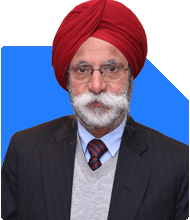
Purshotam

Purshotam Lal  | Answer  |Ask -

Financial Planner, MF and Insurance Expert - Answered on Oct 11, 2025

Purshotam Lal has over 38 years of experience in investment banking, mutual funds, insurance and wealth management.
He is an Association of Mutual Funds in India (AMFI)-registered mutual fund distributor, an Insurance Regulatory and Development Authority of India (IRDAI)-certified insurance advisor and founder of Finphoenix Services LLP.
He holds an MBA in finance from the Faculty of Management Studies (FMS), Delhi University and a chartered financial analyst (CFA) degree. He also holds certified associate of the Indian Institute of Bankers (CAIIB), fellow of the Insurance Institute of India (FIII) and National Institute of Securities Markets (NISM) certifications.... more
Asked by Anonymous - Sep 29, 2025Hindi

Money

I am retiring in 6 months time and have a corpus of 5.5 cr and would request to help in advising to get an income of 4 lacs per month request to help in various methods of placing the corpus

Ans: If you place in an annuity plan, you may not currently get an income of 4 lac per month but other option you can have to earn an income of 4 lacs per month, is by putting money in SWP (Systematic Withdrawal Plan) of aggressive hybrid MF or Balanced Advantage Fund although the returns in these funds are market linked and volatile. Please contact a certified financial advisor to choose the suitable option.
DISCLAIMER: The content of this post by the expert is the personal view of the rediffGURU. Users are advised to pursue the information provided by the rediffGURU only as a source of information to be as a point of reference and to rely on their own judgement when making a decision.
Money

You may like to see similar questions and answers below

Ramalingam

Ramalingam Kalirajan  |10870 Answers  |Ask -

Mutual Funds, Financial Planning Expert - Answered on Apr 20, 2024

Listen
Ramalingam

Ramalingam Kalirajan  |10870 Answers  |Ask -

Mutual Funds, Financial Planning Expert - Answered on May 08, 2024

Asked by Anonymous - Apr 14, 2024Hindi
Listen
Money
Hello Nikunj Sir, I am 46 years old govt salaried person and I looking to build a corpus of around 30 lacs. Pls guide or suggest me best funds.
Ans: Building a corpus of 30 lakhs is a feasible goal with disciplined investing over time. Considering your age and risk tolerance, here are some recommendations for mutual funds:
1. Large Cap Funds: These funds invest predominantly in large-cap stocks, offering stability and steady growth potential over the long term. They are suitable for conservative investors looking for lower risk exposure.
2. Balanced Funds: Also known as hybrid funds, these invest in a mix of equity and debt instruments, providing a balance between growth and stability. They can be suitable for investors seeking moderate risk exposure with the potential for capital appreciation.
3. Multi-Cap Funds: These funds invest across market capitalizations, including large-cap, mid-cap, and small-cap stocks. They offer diversification and the flexibility to adapt to changing market conditions, making them suitable for investors with a moderate risk appetite.
4. Debt Funds: These funds invest in fixed-income securities such as government bonds, corporate bonds, and money market instruments. They provide stability and regular income, making them suitable for conservative investors or those with a shorter time horizon.
Benefits of Actively Managed Funds:
1. Expertise of Fund Managers: Actively managed funds are overseen by experienced fund managers who analyze market trends, economic indicators, and company fundamentals to make informed investment decisions. Their expertise can potentially result in outperformance compared to passive index funds.
2. Flexibility and Customization: Actively managed funds have the flexibility to adapt to changing market conditions and capitalize on emerging opportunities. Fund managers can adjust portfolio allocations, sector exposure, and stock selection based on their market outlook and investment objectives.
3. Potential for Outperformance: Actively managed funds aim to generate alpha, or excess returns, by actively selecting securities that they believe will outperform the market. Through diligent research and analysis, fund managers seek to identify undervalued assets and capitalize on market inefficiencies to achieve superior returns for investors.
By considering these factors and consulting with a certified financial planner, you can build a well-diversified investment portfolio tailored to your financial goals and risk tolerance.

Best Regards,
K. Ramalingam, MBA, CFP,
Certified Financial Planner
www.holisticinvestment.in

..Read more

Ramalingam

Ramalingam Kalirajan  |10870 Answers  |Ask -

Mutual Funds, Financial Planning Expert - Answered on Jun 06, 2024

Asked by Anonymous - Jun 06, 2024Hindi
Money
Dear Sir I have earlier asked for corpus planning for retiring now at 55 years age. I have a monthly expenditure of 75k/month. My corpus is around 4 cr. Will this be sufficient and how do I deploy them.
Ans: Assessing Your Financial Situation
Congratulations on accumulating a corpus of Rs 4 crores. This is a significant achievement and a solid foundation for your retirement. At 55 years old, with a monthly expenditure of Rs 75,000, it’s essential to carefully plan your finances to ensure they last throughout your retirement.

Estimating Retirement Expenses
Understanding Your Monthly Expenditure
Your current monthly expenditure is Rs 75,000. To calculate your annual expenses, multiply this by 12, resulting in Rs 9 lakhs per year. It's crucial to consider inflation, typically around 6% per year in India, which will increase your expenses over time.

Projecting Future Expenses
Using an inflation rate of 6%, your annual expenses will rise. For instance, in 10 years, your annual expenditure will be approximately Rs 16.1 lakhs. Planning for at least 30 years of retirement, your expenses will significantly increase due to inflation.

Creating a Sustainable Withdrawal Plan
Safe Withdrawal Rate
A widely recommended strategy is the 4% rule, which suggests withdrawing 4% of your corpus annually. This approach aims to make your savings last for 30 years. However, considering inflation, a more conservative withdrawal rate might be prudent.

Calculating Annual Withdrawals
With a corpus of Rs 4 crores, a 4% annual withdrawal equates to Rs 16 lakhs per year. This comfortably covers your current annual expenses of Rs 9 lakhs, with room to account for future inflation.

Investment Strategy for Retirement
Diversifying Your Portfolio
Diversification is crucial to manage risk and ensure a steady income stream. Your portfolio should balance growth and income-generating investments.

Equity Mutual Funds: Allocate around 40% of your corpus to equity mutual funds for growth. These funds can help combat inflation and provide higher returns over the long term.

Debt Mutual Funds: Allocate about 40% to debt mutual funds. These funds offer stability and regular income, reducing overall portfolio risk.

Fixed Deposits and Bonds: Invest 20% in fixed deposits and bonds for guaranteed returns and capital preservation.

Generating Regular Income with SWP
A Systematic Withdrawal Plan (SWP) allows you to withdraw a fixed amount regularly from your mutual fund investments. This method provides a steady income stream while keeping your principal invested, potentially growing over time.

How SWP Works: You invest a lump sum in a mutual fund. Then, you set up an SWP to withdraw a fixed amount monthly. The remaining corpus continues to earn returns, balancing withdrawals and potential growth.

Benefits of SWP:

Steady Cash Flow: Provides a regular, predictable income stream.
Tax Efficiency: Only the capital gains part of your withdrawal is taxed, often resulting in lower tax liability compared to other investment options.
Flexibility: You can adjust the withdrawal amount or frequency based on your needs.
Implementing SWP:

Initial Investment: Start with a substantial initial investment in a balanced or equity-oriented mutual fund.
Withdrawal Amount: Determine a reasonable monthly withdrawal amount that aligns with your expenses, considering inflation and fund performance.
Review and Adjust: Regularly review the performance of your mutual fund and adjust the SWP if necessary to ensure sustainability.
Managing Risk and Ensuring Longevity
Rebalancing Your Portfolio
Regularly review and rebalance your portfolio to maintain the desired asset allocation. This helps manage risk and ensures your investments align with your financial goals.

Emergency Fund
Maintain an emergency fund covering at least 6 months of expenses. This fund should be easily accessible and kept in a high-interest savings account or liquid fund.

Planning for Healthcare
Health Insurance
Ensure you have adequate health insurance coverage. Medical expenses can be significant in retirement, and a robust health insurance policy will protect your savings.

Contingency Planning
Set aside a portion of your corpus specifically for healthcare and unexpected expenses. This ensures you’re prepared for any medical emergencies or unforeseen costs.

Tax Planning
Tax-Efficient Investments
Choose tax-efficient investment options like SCSS, and specific mutual funds to minimize your tax liability. Understanding the tax implications of your investments helps maximize your net returns.

Annual Tax Review
Conduct an annual review of your tax situation. This helps in optimizing your investment strategy and ensuring you make the most of available tax benefits.

Estate Planning
Will and Nomination
Prepare a will and ensure all your investments have the correct nominations. This ensures a smooth transfer of your assets to your heirs.

Power of Attorney
Consider appointing a trusted person as your power of attorney. This person can manage your financial affairs if you become unable to do so.

Reviewing and Adjusting Your Plan
Regular Financial Review
Review your financial plan regularly, at least once a year. This ensures your strategy remains aligned with your goals and market conditions.

Consulting a Certified Financial Planner
Consider consulting a Certified Financial Planner (CFP) for personalized advice. A CFP can help tailor your investment strategy to your specific needs and circumstances.

Scenario Analysis
Best-Case Scenario
In the best-case scenario, your investments perform well, and you withdraw a sustainable amount each year. Your corpus grows over time, even accounting for inflation and withdrawals.

Worst-Case Scenario
In the worst-case scenario, market downturns occur, or unexpected expenses arise. Your careful planning, diversification, and emergency fund will help mitigate these risks and ensure financial stability.

Long-Term Sustainability
Adjusting Withdrawals
If needed, adjust your withdrawal rate based on market performance and your expenses. Flexibility in withdrawals helps sustain your corpus over the long term.

Staying Informed
Stay informed about market trends, economic conditions, and changes in financial products. This knowledge helps make informed decisions and adapt your strategy as needed.

Considering Your Lifestyle
Enjoying Retirement
Ensure your financial plan allows you to enjoy your retirement. Allocate funds for travel, hobbies, and other activities that enhance your quality of life.

Social Security and Benefits
Check for any social security benefits or pensions you may be entitled to. These can supplement your income and reduce the pressure on your corpus.

Summarizing Your Plan
To summarize, your Rs 4 crore corpus can sustain your retirement if managed wisely. Focus on diversifying your investments, maintaining an emergency fund, and regularly reviewing your plan. Ensure you have adequate health insurance and consider tax-efficient investments. Flexibility and informed decision-making are key to a secure and enjoyable retirement.

Best Regards,

K. Ramalingam, MBA, CFP,

Chief Financial Planner,

www.holisticinvestment.in

..Read more

Ramalingam

Ramalingam Kalirajan  |10870 Answers  |Ask -

Mutual Funds, Financial Planning Expert - Answered on Aug 13, 2024

Money
hello sir, I am 51 years, I have a corpus of 1cr in mutual funds , 5 lacs in PPF , my PF is 25 lacs, KVP 10 lacs, monthly sip in mutual funds is 27000, daughter is employed and have set a side 40 lacs for her marriage , my son is still studies in Bcom hrs . 3rd years. have an agricultural land of worth 1 crores . Have three flats worth , 25 lacs 40 lacs and 80 lacs and the one i am living in is 20 lacs. I want to generate a corpus of 5cr at the age of 60. Apart from this I want to generte an extra income of around 1 lacs per month. from the age of 55. Prsently my income is 1lacs per month.
Ans: At 51, you have built a significant corpus. You’ve invested wisely in mutual funds, PPF, PF, KVP, and real estate. Your current situation includes:

Mutual Funds: Rs 1 crore, which is a substantial investment.

PPF: Rs 5 lakhs, a secure, tax-saving investment.

Provident Fund: Rs 25 lakhs, a reliable source of retirement income.

Kisan Vikas Patra (KVP): Rs 10 lakhs, providing safe and guaranteed returns.

Real Estate: Three flats worth Rs 25 lakhs, Rs 40 lakhs, and Rs 80 lakhs. Plus, the one you live in is worth Rs 20 lakhs.

Agricultural Land: Worth Rs 1 crore, a valuable asset.

You’ve also set aside Rs 40 lakhs for your daughter’s marriage, which is prudent planning. Your son is in his final year of B.Com, so his education is almost complete.

Assessment of Your Financial Goals
You have two main financial goals:

Building a Corpus of Rs 5 Crores by Age 60: This is your retirement goal.

Generating an Extra Income of Rs 1 Lakh per Month from Age 55: This will supplement your retirement.

Evaluating Your Investment Strategy
To achieve your goals, we need to assess and possibly enhance your current investment strategy.

Increasing Your SIP Contributions
Your current SIP of Rs 27,000 per month is good, but you may need to increase this amount to reach your Rs 5 crore target. Consider raising your SIP to Rs 50,000 or more. This will give your portfolio the boost it needs over the next 9 years.

Focus on Actively Managed Funds
It’s crucial to focus on actively managed mutual funds rather than index funds. Actively managed funds have the potential to outperform the market, especially over a long period. These funds are managed by experienced professionals who can make strategic decisions to maximize returns.

Review Your Asset Allocation
Your current allocation includes mutual funds, PPF, PF, KVP, and real estate. While these are good, it’s important to ensure your portfolio is well-diversified and aligned with your risk profile.

Equity Funds: Continue with your mutual fund investments, but ensure you are diversified across large-cap, mid-cap, and flexi-cap funds. This will balance risk and return.

Debt Funds: As you approach retirement, gradually increase your exposure to debt funds. These funds are less volatile and provide steady returns, which is essential for preserving capital as you near retirement.

Avoid Direct Funds: Direct funds may seem cost-effective, but regular funds offer the advantage of professional advice. Certified Financial Planners can guide you in selecting the best funds, tailored to your goals.

Consider Hybrid Funds
Hybrid funds, which invest in both equity and debt, can provide a balanced approach. They offer moderate growth with reduced risk, making them ideal as you get closer to retirement.

Generating an Extra Income of Rs 1 Lakh Per Month
To generate Rs 1 lakh per month from age 55, you need to create a reliable income stream.

Systematic Withdrawal Plans (SWPs)
SWPs from your mutual fund investments can provide a steady monthly income. This allows you to withdraw a fixed amount regularly, while the remaining investment continues to grow.

Dividend-Paying Mutual Funds
Consider investing in dividend-paying mutual funds. These funds distribute dividends regularly, providing you with an additional income stream. However, remember that dividends are subject to market performance and are not guaranteed.

Fixed Deposits and Debt Instruments
You can also consider placing a portion of your corpus in fixed deposits or debt instruments that provide regular interest income. While these offer lower returns, they are secure and can provide a steady income.

Tax Efficiency
As you plan for retirement, it’s important to keep tax efficiency in mind.

Long-Term Capital Gains (LTCG) Tax: Ensure your equity investments are held for more than one year to benefit from LTCG tax advantages.

Tax-Efficient Withdrawals: Plan your withdrawals in a tax-efficient manner. For example, SWPs are generally more tax-efficient than lump-sum withdrawals.

Managing Your Real Estate Assets
Your real estate assets are valuable, but they may not generate significant income unless sold or rented out. Since you’re not looking to invest further in real estate, consider the following:

Rent Out Your Flats: If you haven’t already, renting out your flats can provide additional monthly income. This income can be reinvested or saved for future needs.

Diversify Away from Real Estate: As you approach retirement, consider selling one or more properties. The proceeds can be reinvested in more liquid and income-generating assets like mutual funds or debt instruments.

Final Insights
You’ve done an excellent job of building a strong financial foundation. To reach your Rs 5 crore goal and generate Rs 1 lakh monthly income, consider increasing your SIP contributions, focusing on actively managed funds, and exploring hybrid and debt funds. Additionally, create a reliable income stream through SWPs, dividend-paying funds, and fixed deposits.

Keep in mind the importance of tax efficiency and gradually shift your focus from growth to capital preservation as you approach retirement. Regular reviews with a Certified Financial Planner will help you stay on track and adjust your strategy as needed.

Best Regards,

K. Ramalingam, MBA, CFP,

Chief Financial Planner,

www.holisticinvestment.in

..Read more

Latest Questions
Ravi

Ravi Mittal  |676 Answers  |Ask -

Dating, Relationships Expert - Answered on Dec 04, 2025

Asked by Anonymous - Dec 02, 2025Hindi
Relationship
My married ex still texts me for comfort. Because of him, I am unable to move on. He makes me feel guilty by saying he got married out of family pressure. His dad is a cardiac patient and mom is being treated for cancer. He comforts me by saying he will get separated soon and we will get married because he only loves me. We have been in a relationship for 14 years and despite everything we tried, his parents refused to accept me, so he chose to get married to someone who understands our situation. I don't know when he will separate from his wife. She knows about us too but she comes from a traditional family. She also confirmed there is no physical intimacy between them. I trust him, but is it worth losing my youth for him? Honestly, I am worried and very confused.
Ans: Dear Anonymous,
I understand how difficult it is to let go of a relationship you have built from scratch, but is it really how you want to continue? It really seems to be going nowhere. His parents are already in bad health and he married someone else for their happiness. Does it seem like he will be able to leave her? So many people’s happiness and lives depend on this one decision. I think it’s about time you and your BF have a clear conversation about the same. If he can’t give a proper timeline, please try to understand his situation. But also make sure he understands yours and maybe rethink this equation. It really isn’t healthy. You deserve a love you can have wholly, and not just in pieces, and in the shadows.

Hope this helps

...Read more

Mayank

Mayank Chandel  |2562 Answers  |Ask -

IIT-JEE, NEET-UG, SAT, CLAT, CA, CS Exam Expert - Answered on Dec 04, 2025

Career
My son will be appearing for JEE Main & JEE Advanced 2026 and will participate in JoSAA Counselling 2026. I request clarification regarding the GEN-EWS certificate date requirement for next year. I have already applied for an EWS certificate for current year 2025, and the application is under process. However, I am unsure whether this certificate will be accepted during JoSAA 2026, or whether candidates will be required to submit a fresh certificate for FY 2026–27 (issued on or after 1 April 2026). My concern is that if JoSAA requires a certificate issued after 1 April 2026, students will have only 1–1.5 months to complete the entire procedure, which is difficult considering normal government processing timelines. Also, during current JEE form filling, students are asked to upload a GEN-EWS certificate issued on or after 1 April 2025, or an application acknowledgement. This has created confusion among parents regarding which year’s certificate will finally be valid at the time of counselling. I request your kind guidance on: Which GEN-EWS certificate will be accepted for JoSAA Counselling 2026 — a certificate for FY 2025–26 (issued after 1 April 2025), or a new certificate for FY 2026–27 (issued after 1 April 2026)?
Ans: Hi
You need not worry about the EWS certificate. Even if you apply for the next year's certificate on 1 Apr 2026, the second session of JEE MAINS will still be held, followed by JEE ADVANCED, which will be held in May. JOSAA starts in June. so you will have 2 months in hand for fresh EWS certificate.

...Read more

DISCLAIMER: The content of this post by the expert is the personal view of the rediffGURU. Investment in securities market are subject to market risks. Read all the related document carefully before investing. The securities quoted are for illustration only and are not recommendatory. Users are advised to pursue the information provided by the rediffGURU only as a source of information and as a point of reference and to rely on their own judgement when making a decision. RediffGURUS is an intermediary as per India's Information Technology Act.

Close  

You haven't logged in yet. To ask a question, Please Log in below
Login

A verification OTP will be sent to this
Mobile Number / Email

Enter OTP
A 6 digit code has been sent to

Resend OTP in120seconds

Dear User, You have not registered yet. Please register by filling the fields below to get expert answers from our Gurus
Sign up

By signing up, you agree to our
Terms & Conditions and Privacy Policy

Already have an account?

Enter OTP
A 6 digit code has been sent to Mobile

Resend OTP in120seconds

x