Home > Money > Question
Need Expert Advice?Our Gurus Can Help
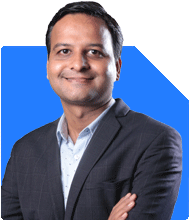
Purshotam

Purshotam Lal  | Answer  |Ask -

Financial Planner, MF and Insurance Expert - Answered on Oct 09, 2025

Purshotam Lal has over 38 years of experience in investment banking, mutual funds, insurance and wealth management.
He is an Association of Mutual Funds in India (AMFI)-registered mutual fund distributor, an Insurance Regulatory and Development Authority of India (IRDAI)-certified insurance advisor and founder of Finphoenix Services LLP.
He holds an MBA in finance from the Faculty of Management Studies (FMS), Delhi University and a chartered financial analyst (CFA) degree. He also holds certified associate of the Indian Institute of Bankers (CAIIB), fellow of the Insurance Institute of India (FIII) and National Institute of Securities Markets (NISM) certifications.... more
Asked by Anonymous - Sep 27, 2025Hindi

Money

Retiring With 5 cr at 44 as single male without any dependency. Annual expense Rs 16 lacs.

Ans: Good to know this. What is the question ?
DISCLAIMER: The content of this post by the expert is the personal view of the rediffGURU. Users are advised to pursue the information provided by the rediffGURU only as a source of information to be as a point of reference and to rely on their own judgement when making a decision.
Money

You may like to see similar questions and answers below

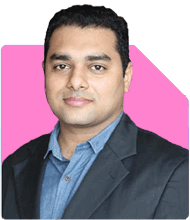
Ramalingam

Ramalingam Kalirajan  |10870 Answers  |Ask -

Mutual Funds, Financial Planning Expert - Answered on Jun 20, 2024

Asked by Anonymous - Jun 20, 2024Hindi
Money
Monthly salary(wife+me) : 2 lakhs Monthly EMI : 74K Mutual funds : 3 lakhs Index funds : 4 lakhs PF : 8 lakhs Properties: 1+ carore value(2 flats+1 plot) I am 33 years old, Wants to retire at 45 years
Ans: It's wonderful that you're planning to retire at 45 years old. Early retirement is a dream for many, and with the right plan, it's definitely achievable. Let’s review your current financial situation and create a detailed roadmap for your retirement.

Current Financial Snapshot
Combined Monthly Salary: Rs 2 lakhs
Monthly EMI: Rs 74,000
Mutual Funds: Rs 3 lakhs
Index Funds: Rs 4 lakhs
Provident Fund (PF): Rs 8 lakhs
Properties: Rs 1 crore+ (2 flats + 1 plot)
Setting Clear Financial Goals
You’re 33 now and aim to retire at 45, which gives you 12 years to build a substantial retirement corpus. Early retirement means you'll need a larger corpus to sustain your lifestyle for a longer period without active income.

Evaluating Your Expenses and Savings
First, it's important to assess your current and future expenses. Your current monthly EMI is Rs 74,000, which is a significant portion of your income. The remaining Rs 1,26,000 should cover your household expenses, savings, and investments. Here’s what you need to consider:

Household Expenses: Track your monthly household expenses meticulously.
Savings Rate: Aim to save and invest at least 30-40% of your monthly income.
Emergency Fund: Ensure you have an emergency fund that covers 6-12 months of expenses.
Investment Strategy
Given your goal, a diversified investment strategy is crucial. Let's explore various investment options:

Mutual Funds
Mutual funds are a great way to build wealth over time. Actively managed funds are preferable over index funds because they can potentially offer higher returns. An experienced fund manager can navigate market ups and downs better than a passive index fund.

Disadvantages of Index Funds
Index funds, though cost-effective, simply mirror the market. They do not outperform it. They also don't adapt to market conditions or changes in economic scenarios. Actively managed funds, on the other hand, strive to outperform the market through strategic asset allocation and stock selection.

Regular Funds through MFD with CFP
Investing through regular funds via an MFD with a CFP credential ensures you get professional advice and personalized service. Direct funds might seem cheaper, but you miss out on the valuable guidance that can help you optimize your portfolio.

Equity Investments
Equity investments are crucial for high returns. Though volatile, they have the potential to significantly grow your wealth. Consider allocating a substantial portion of your investments to equity mutual funds, especially those managed by reputable fund managers.

Debt Instruments
Debt instruments provide stability to your portfolio. These include fixed deposits, bonds, and government schemes. They offer lower returns compared to equities but are essential for reducing risk and ensuring steady income.

Retirement Corpus Calculation
Without diving into specific calculations, here’s how you can approach building your retirement corpus:

Expected Returns: Equities can offer returns around 10-12% annually, while debt instruments may offer around 6-7%.
Inflation: Consider inflation, which erodes purchasing power. Factor in an inflation rate of 6-7% annually.
Savings Rate: Increase your savings rate as your income grows. Direct any bonuses, increments, or windfalls towards your retirement fund.
Managing Your Debt
Your monthly EMI of Rs 74,000 is a significant commitment. Ensure your debt-to-income ratio remains healthy. Paying off high-interest loans quickly can free up more funds for investments. However, home loans often have lower interest rates and tax benefits, so balancing between paying off the loan and investing is key.

Building an Emergency Fund
An emergency fund is your financial safety net. It should be liquid and accessible, ideally kept in a high-interest savings account or a liquid fund. This fund should cover at least 6-12 months of your expenses, ensuring you can handle any unexpected financial challenges.

Insurance Planning
Adequate insurance is essential for financial security. Ensure you have sufficient life and health insurance. Avoid investment-cum-insurance policies like endowment or ULIPs, which often offer lower returns. Instead, opt for term insurance for life cover and invest the rest in mutual funds.

Tax Planning
Effective tax planning can save you a significant amount of money. Utilize tax-saving instruments like ELSS mutual funds, PPF, and NPS. These not only reduce your taxable income but also contribute to your long-term wealth accumulation.

Regular Portfolio Review
Your investment portfolio should be reviewed regularly. This ensures your investments are aligned with your goals and risk tolerance. Market conditions and personal circumstances change over time, and your investment strategy should adapt accordingly.

Retirement Planning
Retiring at 45 means planning for a longer retirement period. Ensure your investments are sustainable and can provide a steady income post-retirement. Consider the following:

Systematic Withdrawal Plan (SWP): This allows you to withdraw a fixed amount from your mutual fund investments regularly, ensuring a steady income.
Post-Retirement Income: Plan for sources of income that will support your lifestyle post-retirement.
Building Wealth with Consistency
Consistency is the key to building wealth. Regular investments, disciplined saving habits, and prudent financial decisions will help you achieve your retirement goal. Avoid the temptation of quick-rich schemes and stick to your long-term plan.

Final Insights
Retiring at 45 is a bold and achievable goal. Focus on a diversified investment strategy, manage your debts wisely, ensure adequate insurance coverage, and regularly review your portfolio. Consulting a Certified Financial Planner (CFP) can provide the expertise needed to navigate complex financial decisions and optimize your retirement planning.

Best Regards,

K. Ramalingam, MBA, CFP

Chief Financial Planner

www.holisticinvestment.in

..Read more

Ramalingam

Ramalingam Kalirajan  |10870 Answers  |Ask -

Mutual Funds, Financial Planning Expert - Answered on Feb 04, 2025

Asked by Anonymous - Jan 27, 2025Hindi
Listen
Money
Sir, I would be retiring this September after 32 years of service. Will have approx 1.6 crores as my fund when I get my dues from my company. I have my own house , well settled son and his family. My monthly expenses are approx 60 thousand .. health insurance about 70000 rupees per year.
Ans: You have planned well for your retirement. A structured approach will ensure financial security.

Understanding Your Financial Position
Retirement fund: Rs 1.6 crores

Own house: No rent or EMI burden

Monthly expenses: Rs 60,000

Annual health insurance: Rs 70,000

Well-settled son and family: No major financial dependencies

Ensuring a Stable Retirement Income
Your monthly expenses require a steady income source.

Fixed-income investments should cover essential costs.

A portion of funds should be in growth-oriented investments.

Emergency funds should cover at least 2 years of expenses.

Managing Your Retirement Corpus
Split your corpus into income, growth, and emergency funds.

Use safe instruments for regular withdrawals.

Keep some funds in liquid investments for flexibility.

Plan systematic withdrawals to avoid cash shortages.

Healthcare and Insurance Planning
Your health cover is adequate but should be reviewed.

Increase coverage if needed for future medical costs.

Keep funds separate for medical emergencies.

Consider critical illness cover if not already included.

Investment Strategy for Long-Term Stability
Fixed-income investments should provide stable returns.

Growth-oriented funds can help beat inflation.

Regular monitoring of investments is essential.

Avoid high-risk investments at this stage.

Estate and Legacy Planning
Ensure your will is updated and clear.

Nominate beneficiaries for all investments.

Keep financial records organized for easy access.

Discuss your plan with your family for transparency.

Final Insights
Your financial foundation is strong for a comfortable retirement.

A structured withdrawal plan is necessary.

Regular reviews will help maintain financial security.

Best Regards,

K. Ramalingam, MBA, CFP,

Chief Financial Planner,

www.holisticinvestment.in
https://www.youtube.com/@HolisticInvestment

..Read more

Ramalingam

Ramalingam Kalirajan  |10870 Answers  |Ask -

Mutual Funds, Financial Planning Expert - Answered on Feb 04, 2025

Asked by Anonymous - Jan 29, 2025Hindi
Listen
Money
I am a software professional aged 44+ with my wife( home maker) & 4.7 yr daughter. I am planning to retire at 45. I have 96 lacs in FD @7.25% rate for 10 years generating passive income of 45k every month. 9 lacs in shares, 21 lacs in mutual fund , 26 lacs in pf , land with valuation 50 lacs. I repaid all big debts like home loan. My current family expenses are 35k monthly.
Ans: You have built a strong financial base. Early retirement at 45 requires careful planning.

Analysing Your Current Financial Position
Fixed Deposits: Rs 96 lakh at 7.25% generating Rs 45,000 monthly.

Equity Investments: Rs 9 lakh in stocks and Rs 21 lakh in mutual funds.

Provident Fund: Rs 26 lakh secured for long-term growth.

Real Estate: Rs 50 lakh land value (not considered for cash flow).

No Liabilities: No major loans or EMIs.

Monthly Expenses: Rs 35,000 (manageable with current passive income).

Retirement Feasibility Check
Current passive income (Rs 45,000) covers monthly expenses (Rs 35,000).

Inflation will increase expenses over time.

Future medical and education costs need planning.

Stock and mutual fund investments can support long-term growth.

Investment Strategy for Early Retirement
Fixed Deposits
FDs provide stability but are taxable.

Inflation can reduce purchasing power over time.

Consider diversifying into better tax-efficient options.

Mutual Funds and Stocks
Mutual funds provide long-term growth.

SWP from mutual funds can provide tax-efficient monthly income.

Avoid selling all stocks; they offer inflation-beating returns.

Provident Fund
Keep it intact for long-term security.

Withdraw only if necessary.

Risk and Contingency Planning
Medical Emergencies: Ensure adequate health insurance.

Life Cover: Check if you need additional term insurance.

Emergency Fund: Keep at least 12 months of expenses in liquid assets.

Education and Future Expenses
Your daughter’s higher education will need planning.

Invest in child-focused mutual funds for long-term growth.

Avoid locking funds in non-liquid assets.

Final Insights
Your passive income supports current expenses.

Plan for inflation, medical needs, and future responsibilities.

Diversify investments for safety, growth, and tax efficiency.

Periodic reviews will ensure financial security.

Best Regards,

K. Ramalingam, MBA, CFP,

Chief Financial Planner,

www.holisticinvestment.in
https://www.youtube.com/@HolisticInvestment

..Read more

Ramalingam

Ramalingam Kalirajan  |10870 Answers  |Ask -

Mutual Funds, Financial Planning Expert - Answered on Feb 07, 2025

Asked by Anonymous - Jan 30, 2025Hindi
Listen
Money
I am 48 and need to retire by 50. Current corpus - agri only land 70 lacs Bank - 45 lacs FDs - 30 lacs NPS 25 lacs Stock Foreign - 30 lacs PPF 28 lacs PF - 70 lacs Expected salary next 2 years - 2.3 lacs per month Average Monthly expense between 80k to 1lac
Ans: Retiring at 50 is possible with structured financial planning. Your assets are well-distributed, but careful allocation is necessary for stability. Let’s evaluate your situation and create a sustainable withdrawal strategy.

Current Financial Position
Agricultural Land: Rs 70 lakh

Bank Balance: Rs 45 lakh

Fixed Deposits: Rs 30 lakh

NPS: Rs 25 lakh

Foreign Stocks: Rs 30 lakh

PPF: Rs 28 lakh

Provident Fund (PF): Rs 70 lakh

Total Liquid Assets (Excluding Land): Rs 2.28 crore

Expected Salary (Next 2 Years): Rs 2.3 lakh per month

Monthly Expenses: Rs 80,000 to Rs 1 lakh

Your net worth is strong. However, liquidity management and investment strategy must be planned carefully.

Key Financial Challenges
1. Ensuring a Regular Income Post-Retirement
Your current expenses are Rs 1 lakh per month.
After retirement, you need Rs 12 lakh annually.
This must be generated without depleting your corpus too soon.
Solution: Build a structured withdrawal plan from stable investment sources.

2. Managing Inflation Impact
At 6% inflation, monthly expenses will double in 12 years.
Your investment returns must outpace inflation.
Solution: Invest a portion in high-return options to maintain purchasing power.

3. Balancing Risk and Liquidity
Equity provides growth but is volatile.
Fixed-income instruments provide stability but lower returns.
A balance is essential for steady cash flow.
Solution: Allocate assets for short-term, mid-term, and long-term needs.

Retirement Corpus Allocation Strategy
1. Emergency Fund (Rs 25 Lakh)
Keep Rs 15 lakh in bank FD and Rs 10 lakh in a liquid fund.
This ensures liquidity for medical or unexpected expenses.
2. Short-Term Expenses (Next 5 Years)
Withdraw monthly income from low-risk instruments.
Use FDs, PPF, and debt mutual funds for this period.
This ensures stability while other assets grow.
3. Medium-Term Growth (5-10 Years)
Invest a portion in balanced mutual funds.
Keep funds in moderate-risk instruments to generate returns.
4. Long-Term Growth (10+ Years)
Maintain equity exposure for long-term wealth appreciation.
Use actively managed mutual funds instead of index funds.
Keep foreign stocks for global diversification.
Cash Flow Plan After Retirement
First 5 Years: Withdraw from FDs and debt funds.
5 to 10 Years: Withdraw from balanced funds and dividends.
Beyond 10 Years: Withdraw from long-term growth funds.
This staggered approach ensures financial security.

Additional Considerations
1. Managing Foreign Stocks
Keep foreign investments diversified.
Avoid over-dependence due to currency fluctuations.
2. NPS Withdrawal Strategy
NPS allows partial withdrawal at 50.
Plan lump sum withdrawals and annuity balance smartly.
3. Healthcare Planning
Health insurance must be enhanced for post-retirement security.
Keep a dedicated medical corpus aside.
Finally
Your financial base is strong, but structured withdrawals are necessary.

Allocate funds wisely to ensure a steady income.
Balance equity and fixed-income investments for stability.
Manage inflation risk by keeping a portion in growth assets.
Maintain liquidity for emergencies and health expenses.
A well-planned approach will help you retire comfortably at 50 without financial stress.

Best Regards,

K. Ramalingam, MBA, CFP

Chief Financial Planner

www.holisticinvestment.in
https://www.youtube.com/@HolisticInvestment

..Read more

Ramalingam

Ramalingam Kalirajan  |10870 Answers  |Ask -

Mutual Funds, Financial Planning Expert - Answered on Jul 09, 2025

Asked by Anonymous - Jun 27, 2025Hindi
Money
Hi sir, Myself Rajesh Vishwakarma Age 39 Take home salary 2.8 lacs 60k expenditure Emi 85k pending home loan of 65 lacs. Mutual fund 40k/ monthly Term insurance 19k/annum Health insurance 25k/annum NPS 50k/annum. Ppf balance 22lacs. How to retire at the age of 50 with corpus of 5cr.
Ans: Understanding Your Current Financial Snapshot

You are 39 years old now.

Retirement goal is set at age 50.

That gives you 11 years to build a Rs. 5 crore corpus.

Take-home monthly income is Rs. 2.8 lakhs.

Your monthly EMI is Rs. 85,000.

Monthly household expenses are Rs. 60,000.

You invest Rs. 40,000 monthly in mutual funds.

NPS contribution is Rs. 50,000 per year.

PPF balance is already Rs. 22 lakhs.

Term insurance and health insurance are in place.

Your income, expenses, and savings show strong discipline. This is a great starting point.

Evaluating Your Retirement Goal

You wish to accumulate Rs. 5 crores in 11 years.

You already have a solid base in PPF and mutual funds.

Your savings capacity can be increased further.

We need to optimise savings and investments together.

Corpus size depends on contribution, returns, and time.

Time is fixed. So focus on return and monthly contribution.

Loan Management Strategy

Outstanding loan of Rs. 65 lakhs is significant.

EMI of Rs. 85,000 takes a big share of your income.

Home loan should be closed before retirement.

Check loan tenure. Try to reduce the duration.

Consider prepayments when you get bonuses or surplus.

Don’t compromise mutual fund SIPs for prepayments.

Strike a balance between investment and debt repayment.

Avoid adding new loans until this is repaid.

Investment Efficiency and Asset Allocation

Monthly SIP of Rs. 40,000 is good. Can be improved.

You have a high risk appetite given your profile.

A mix of large-cap, flexi-cap and mid-cap funds helps.

Avoid small-cap overweight for now. Maintain diversification.

Don’t invest in direct funds without support.

Regular funds offer support from MFDs with CFP credential.

Direct plans lack personalised rebalancing and review.

Regular plans are better for consistent hand-holding.

Why Not Index Funds

Index funds follow the market passively.

They can underperform in volatile markets.

Actively managed funds try to outperform the index.

They are better during market corrections or side-ways trends.

Fund managers adjust portfolio based on market trends.

Index funds do not offer that advantage.

Stay invested in active mutual funds for now.

PPF Strategy Assessment

You already have Rs. 22 lakhs in PPF.

This is a great low-risk, tax-free component.

Continue annual contributions if possible.

Maximise yearly limit of Rs. 1.5 lakhs.

This gives assured returns with tax benefits.

Do not withdraw from PPF unless absolutely needed.

It can provide cushion in early retirement years.

Review of NPS Allocation

Annual contribution of Rs. 50,000 is decent.

NPS offers additional tax benefits under Sec 80CCD(1B).

Equity allocation in NPS should be reviewed yearly.

Try to keep 75% equity allocation if your risk permits.

Auto choice may reduce equity allocation with age.

Manual allocation gives more control.

Withdrawals are taxed partially. Plan accordingly.

Emergency Fund and Risk Cover

No mention of emergency fund in your note.

Keep Rs. 5–6 lakhs in liquid fund or savings.

It should cover 4–6 months of expenses and EMI.

Term cover of Rs. 19,000/year is good.

Ensure coverage is 15–20 times your annual income.

For Rs. 2.8 lakh monthly income, cover should be Rs. 1 crore+.

Health insurance is in place. Check if it covers family.

Also include top-up plans if budget allows.

Scope to Increase Investments

Your total monthly outflow is Rs. 1.85 lakhs.

You are left with approx. Rs. 95,000 per month.

From this, increase mutual fund SIPs by Rs. 20,000.

Use balance for emergency fund and prepayments.

Gradually raise SIPs every year as income rises.

Aim for Rs. 70,000 per month in SIPs over 3–4 years.

This helps you close the gap toward Rs. 5 crore.

Asset Allocation Guidance

Keep 70% in equity mutual funds.

20% in PPF, NPS and debt mutual funds.

10% in liquid fund or short-term fixed deposits.

Review allocation every year.

Shift some equity to hybrid or debt 2 years before retirement.

Withdrawal Strategy Post Retirement

Your monthly expense now is Rs. 60,000.

At age 50, it may rise to Rs. 1 lakh due to inflation.

Retirement corpus should provide Rs. 1 lakh/month.

Create 3 buckets post-retirement:

Bucket 1: Liquid funds for 3 years' expenses.

Bucket 2: Short-term debt for next 5 years.

Bucket 3: Balanced equity for long term.

Start Systematic Withdrawal Plan (SWP) after retirement.

Withdraw only what you need. Let rest stay invested.

Avoid full redemption at once.

How Mutual Fund Tax Rules Apply

Equity mutual funds have new tax rules.

LTCG above Rs. 1.25 lakh taxed at 12.5%.

STCG is taxed at 20%.

Debt mutual fund gains taxed as per your slab.

Use SWP to reduce tax impact after retirement.

Split redemption across years to stay below Rs. 1.25 lakh gain.

Always keep transaction records updated for tax filing.

Additional Suggestions for Retirement Goal

Review financial plan once every 6 months.

Increase SIPs annually as income grows.

Don’t mix insurance and investment.

If you hold ULIPs or LIC endowment plans, review return.

Surrender if return is below 6%. Reinvest in mutual funds.

Don’t chase exotic investment options.

Stay with time-tested and diversified funds.

Avoid real estate. It blocks capital and creates liquidity issues.

Instead, stay with financial assets for better control.

Finally

Your goal of Rs. 5 crore is realistic.

You have 11 years and a good base to start.

Increase mutual fund SIPs gradually to Rs. 70,000.

Prepay home loan but without sacrificing investments.

Secure emergency fund and increase insurance cover.

Align all assets with your retirement timeline.

Don’t ignore tax planning and withdrawal strategy.

Take help of MFDs with CFP certification.

They give personalised and goal-based advice.

Avoid DIY with direct funds for retirement planning.

Stay invested, stay disciplined, and review regularly.

Best Regards,
K. Ramalingam, MBA, CFP,
Chief Financial Planner,
www.holisticinvestment.in
https://www.youtube.com/@HolisticInvestment

..Read more

Latest Questions
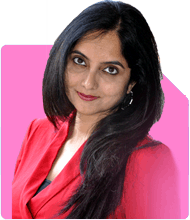
Ravi

Ravi Mittal  |676 Answers  |Ask -

Dating, Relationships Expert - Answered on Dec 04, 2025

Asked by Anonymous - Dec 02, 2025Hindi
Relationship
My married ex still texts me for comfort. Because of him, I am unable to move on. He makes me feel guilty by saying he got married out of family pressure. His dad is a cardiac patient and mom is being treated for cancer. He comforts me by saying he will get separated soon and we will get married because he only loves me. We have been in a relationship for 14 years and despite everything we tried, his parents refused to accept me, so he chose to get married to someone who understands our situation. I don't know when he will separate from his wife. She knows about us too but she comes from a traditional family. She also confirmed there is no physical intimacy between them. I trust him, but is it worth losing my youth for him? Honestly, I am worried and very confused.
Ans: Dear Anonymous,
I understand how difficult it is to let go of a relationship you have built from scratch, but is it really how you want to continue? It really seems to be going nowhere. His parents are already in bad health and he married someone else for their happiness. Does it seem like he will be able to leave her? So many people’s happiness and lives depend on this one decision. I think it’s about time you and your BF have a clear conversation about the same. If he can’t give a proper timeline, please try to understand his situation. But also make sure he understands yours and maybe rethink this equation. It really isn’t healthy. You deserve a love you can have wholly, and not just in pieces, and in the shadows.

Hope this helps

...Read more

Mayank

Mayank Chandel  |2562 Answers  |Ask -

IIT-JEE, NEET-UG, SAT, CLAT, CA, CS Exam Expert - Answered on Dec 04, 2025

Career
My son will be appearing for JEE Main & JEE Advanced 2026 and will participate in JoSAA Counselling 2026. I request clarification regarding the GEN-EWS certificate date requirement for next year. I have already applied for an EWS certificate for current year 2025, and the application is under process. However, I am unsure whether this certificate will be accepted during JoSAA 2026, or whether candidates will be required to submit a fresh certificate for FY 2026–27 (issued on or after 1 April 2026). My concern is that if JoSAA requires a certificate issued after 1 April 2026, students will have only 1–1.5 months to complete the entire procedure, which is difficult considering normal government processing timelines. Also, during current JEE form filling, students are asked to upload a GEN-EWS certificate issued on or after 1 April 2025, or an application acknowledgement. This has created confusion among parents regarding which year’s certificate will finally be valid at the time of counselling. I request your kind guidance on: Which GEN-EWS certificate will be accepted for JoSAA Counselling 2026 — a certificate for FY 2025–26 (issued after 1 April 2025), or a new certificate for FY 2026–27 (issued after 1 April 2026)?
Ans: Hi
You need not worry about the EWS certificate. Even if you apply for the next year's certificate on 1 Apr 2026, the second session of JEE MAINS will still be held, followed by JEE ADVANCED, which will be held in May. JOSAA starts in June. so you will have 2 months in hand for fresh EWS certificate.

...Read more

DISCLAIMER: The content of this post by the expert is the personal view of the rediffGURU. Investment in securities market are subject to market risks. Read all the related document carefully before investing. The securities quoted are for illustration only and are not recommendatory. Users are advised to pursue the information provided by the rediffGURU only as a source of information and as a point of reference and to rely on their own judgement when making a decision. RediffGURUS is an intermediary as per India's Information Technology Act.

Close  

You haven't logged in yet. To ask a question, Please Log in below
Login

A verification OTP will be sent to this
Mobile Number / Email

Enter OTP
A 6 digit code has been sent to

Resend OTP in120seconds

Dear User, You have not registered yet. Please register by filling the fields below to get expert answers from our Gurus
Sign up

By signing up, you agree to our
Terms & Conditions and Privacy Policy

Already have an account?

Enter OTP
A 6 digit code has been sent to Mobile

Resend OTP in120seconds

x