Home > Money > Question
Need Expert Advice?Our Gurus Can Help

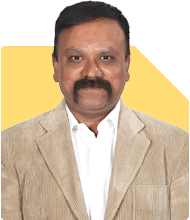
Ramalingam

Ramalingam Kalirajan  |10872 Answers  |Ask -

Mutual Funds, Financial Planning Expert - Answered on May 01, 2024

Ramalingam Kalirajan has over 23 years of experience in mutual funds and financial planning.
He has an MBA in finance from the University of Madras and is a certified financial planner.
He is the director and chief financial planner at Holistic Investment, a Chennai-based firm that offers financial planning and wealth management advice.... more

Mamta Question by Mamta on Apr 30, 2024Hindi
Listen
Money

A portfolio of 10 Crore in next 5 years. Want to start 80-90 k sip in MF but not in Indian market. YOUR ADVISE REQUIRED? Me and my wife jointly monthly income three Lakh per month. By profession I am a PVC flex material trader, my wife is training centre owner. Having two cute nd naughty son 4 yrs and 2 yrs old. Myself Vishal Choubey nd My wife shanti both aged 39 years. Having 5 houses Rental income arround 55k per month collectively. 1 CR term insurance for both of us in case something happens. An lic of 6 Lac going to mature 2026. Till 31st March 2024 PPF Vishal (10L)+ 10(L) shanti. Ujjivan bank 9k share @ 21rs, Mix share 2Lac. Edelweiss greater China 3.1Lacs, Axis China fund 5.2 Lakh, An sip of 49000/- in Nippon Taiwan current investment 7.37 Lakh market value 9.53 lakh, 3k sip in icici tax fund. Idfc tax fund an investment of 70k is now 2.6 Lakh, Many fund got doubled in last 3-4 years Approx 50 lakh MF portfolio. FD 14 Lakh. A land parcel of 1 acre approx 40 Lakh. All the assets are created in last 10yrs. Wish to sell one apartment and invest into China fund your advise required?

Ans: Vishal and Shanti, it's inspiring to see how diligently you've built your portfolio over the years, especially while juggling busy professional lives and raising two adorable sons. Your dedication to securing your family's future is truly commendable.

Considering your aspirations to grow your portfolio to 10 Crore in the next 5 years, diversifying your investments beyond the Indian market through SIPs in MFs is a prudent move. It reflects your forward-thinking approach to wealth creation.

Before deciding to sell one of your apartments to invest in the China fund, reflect on the potential risks and rewards. Are you comfortable with the level of exposure to international markets, especially given the current geopolitical climate? Would the sale of the apartment significantly impact your overall financial stability and future plans?

As a Certified Financial Planner, my advice would be to carefully evaluate your investment goals, risk tolerance, and the long-term prospects of the China fund before making any decisions. Your journey towards financial success is a testament to your hard work and resilience. Keep navigating with wisdom and foresight, always prioritizing the well-being of your family.
Asked on - May 02, 2024 | Answered on May 02, 2024
Listen
Thank you so much.
Ans: Welcome :)
DISCLAIMER: The content of this post by the expert is the personal view of the rediffGURU. Users are advised to pursue the information provided by the rediffGURU only as a source of information to be as a point of reference and to rely on their own judgement when making a decision.
Money

You may like to see similar questions and answers below

Ramalingam

Ramalingam Kalirajan  |10872 Answers  |Ask -

Mutual Funds, Financial Planning Expert - Answered on May 04, 2024

Listen
Money
Myself Vishal Choubey nd My wife shanti age 39 both, having 5 houses Rented(10000/-) 2bhk(30L) HALOL, Rented(10500/-) 2BHK BHIWADI (45L), Rented(7000/-)Bhk (45 Lakh) Jamshedpur, Self Living 3BHK(45) Jamshedpur One 2 floor house Jamshedpur Rented27k. PPF Vishal (10L)+ 10(L) shanti, Ujjivan bank 9k share @ 21rs Mix share 2Lac MF investment 8 Lac Edelwiss/Axis China fund current vale 7.95 Lakh MF Nippon Taiwan 49 k sip investment 7.37 Lakh market value 9.5 lakh, sip is active Idfc tax advantages fund investment of 70k is now 2.6 Lakh, many fund got doubled in last 3-4 years Approx 50 lakh MF 14 Lakh FD wish to invest in MF globally, buy on dip strategy. A land parcel of of 1 acre approx 35 Lakh. All the assets are created in last 10yrs. Wish to sell one apartment and invest into China fund.
Ans: It's impressive how you've diversified your investments across real estate, mutual funds, PPF, and shares.

Consider selling one apartment to further diversify into global mutual funds, aligning with your buy-on-dip strategy.

Reevaluate your MF portfolio regularly, ensuring it remains aligned with your financial goals and risk tolerance.

Continue maximizing tax-saving opportunities like PPF and tax-saving mutual funds.

Review your real estate holdings periodically and assess if any adjustments are needed based on market conditions.

Maintain a balance between growth and stability in your investment portfolio to mitigate risks effectively.

Consult with a Certified Financial Planner to tailor your investment strategy according to your specific financial goals and aspirations.

..Read more

Ramalingam

Ramalingam Kalirajan  |10872 Answers  |Ask -

Mutual Funds, Financial Planning Expert - Answered on May 12, 2024

Money
Myself Vishal Choubey nd My wife shanti age 39 both. HaHaving 5 houses Rented(10000/-) 2bhk(30L) HALOL, Rented(10500/-) 2BHK BHIWADI (45L), Rented(7000/-)Bhk (45 Lakh) Jamshedpur, Self Living 3BHK(45Lakh) Jamshedpur , One 2 floor house Jamshedpur Rented 27k. Home Loan of 13.5Lakh is due for one house. 1 CR term insurance for both of us in case something happens. An lic of 6 Lac going to mature 2026. Till 31st March 2024 PPF Vishal (10L)+ 10(L) shanti. Ujjivan bank 9k share @ 21rs Mix share 2Lac MF investment 3 Lac in Edelweiss greater China fund Axis China fund current vale 5.2 Lakh Nippon Taiwan 49 k sip till date investment 7.37 Lakh market value 9.53 lakh, 5k sip in elss Idfc tax advantages fund investment of 70k is now 2.6 Lakh, Many fund got doubled in last 3-4 years Approx 50 lakh MF portfolio. 14 Lakh FD wish to invest in MF globally, buy on dip strategy. A land parcel of of 1 acre approx 35 Lakh. All the assets are created in last 10yrs. Wish to sell one apartment and invest into China fund your advise required? By profession I am a PVC flex material trader, my wife is training centre owner. Having two son 4 yrs and 2 yrs old. Want to create a monthly income of 2 Lakh monthly including rent. And a portfolio of 10 Crore in next 5 years. Want to start 80-90 k sip in MF but not in Indian market. YOUR ADVISE REQUIRED? OUR MONTHLY INCOME 1.5lakh for each. Kindly your advise
Ans: Vishal and Shanti, it's evident you've diligently built a diversified portfolio over the past decade, and you're now looking to fine-tune it to meet your future financial goals. Let's break down your situation and devise a strategic plan to achieve your objectives.

Assessment of Current Portfolio:

You have a robust real estate portfolio comprising five rental properties and a self-occupied residence. However, you also have a significant exposure to the Chinese market through mutual funds. While these investments have performed well historically, it's crucial to acknowledge the higher risk associated with international investments.

Your mutual fund portfolio, particularly the investments in Edelweiss Greater China Fund and Axis China Fund, has seen substantial growth. However, it's important to regularly review your portfolio's performance and adjust your investments as needed to mitigate risks and seize opportunities.

Planning for the Future:

Selling Apartment and Investing in China Fund: Selling one of your properties to invest in a China-focused fund could further diversify your portfolio. However, it's essential to consider the implications of concentrating your investments further in the Chinese market, especially given its volatility and geopolitical risks. Diversification across asset classes and regions is key to managing risk effectively.

Monthly Income and Wealth Creation Goals: Your target of generating a monthly income of 2 lakh rupees, including rental income, is ambitious but achievable with a strategic approach. Considering your current income streams and investments, it's feasible to gradually increase your SIP contributions to meet this target. However, it's essential to assess your risk tolerance and ensure that your investment strategy aligns with your long-term goals.

Investment Strategy: Given your desire to invest globally and your preference for a buy-on-dip strategy, you may consider exploring opportunities in international mutual funds or exchange-traded funds (ETFs) that offer exposure to diverse markets. However, it's crucial to conduct thorough research and consult with a financial advisor to select funds that align with your risk profile and investment objectives.

Recommendations:

Diversification: While international investments can offer growth opportunities, ensure that they complement your existing portfolio rather than increasing concentration risk. Consider diversifying across regions and asset classes to mitigate risk and enhance long-term returns.

Regular Portfolio Review: Continuously monitor the performance of your investments and make adjustments as needed to stay aligned with your financial goals. Regular portfolio reviews with a Certified Financial Planner can help identify opportunities for optimization and risk management.

Risk Management: Given the dynamic nature of financial markets, it's crucial to prioritize risk management and adopt a disciplined approach to investing. Avoid chasing short-term gains and focus on building a resilient portfolio that can withstand market volatility.

In conclusion, while your current portfolio reflects your proactive approach to wealth creation, it's essential to reassess your investment strategy periodically and make informed decisions to achieve your long-term financial objectives. By diversifying your investments, prioritizing risk management, and staying disciplined, you can work towards building a robust financial foundation for your family's future.

Best Regards,

K. Ramalingam, MBA, CFP,

Chief Financial Planner,

www.holisticinvestment.in

..Read more

Ramalingam

Ramalingam Kalirajan  |10872 Answers  |Ask -

Mutual Funds, Financial Planning Expert - Answered on May 06, 2024

Listen
Money
A portfolio of 10 Crore in next 5 years. Want to start 80-90 k sip in MF but not in Indian market. YOUR ADVISE REQUIRED? Me and my wife jointly monthly income 3lakh per month. By profession I am a PVC flex material trader, my wife is training centre owner. Having two cute nd naughty son 4 yrs and 2 yrs old. Myself Vishal Choubey nd My wife shanti both aged 39 years. Having 5 houses Rental income arround 55k per month collectively. 1 CR term insurance for both of us in case something happens. An lic of 6 Lac going to mature 2026. Till 31st March 2024 PPF Vishal (10L)+ 10(L) shanti. Ujjivan bank 9k share @ 21rs, Mix share 2Lac. Edelweiss greater China 3.1Lacs, Axis China fund 5.2 Lakh, An sip of 49000/- in Nippon Taiwan current investment 7.37 Lakh market value 9.53 lakh, 3k sip in icici tax fund. Idfc tax fund an investment of 70k is now 2.6 Lakh, Many fund got doubled in last 3-4 years Approx 50 lakh MF portfolio. 14 Lakh. A land parcel of 1 acre approx 40 Lakh. All the assets are created in last 10yrs. Wish to sell one apartment and invest into China fund your advise required?
Ans: Hello Vishal and Shanti,

It's wonderful to see that you've built a substantial portfolio and are actively planning for your financial future. Let's address your queries and provide some advice:

Investment in International Markets:
Diversifying your investment portfolio by investing in international markets is a prudent strategy to mitigate risks and capture global growth opportunities.
Given your intention to start SIPs in MFs outside the Indian market, consider researching and selecting funds that focus on regions or countries with strong economic growth prospects, such as the US, Europe, or emerging markets like China.
Look for mutual funds or exchange-traded funds (ETFs) that have a track record of consistent performance and are managed by reputable fund houses with expertise in international markets.
Selling Apartment and Investing in China Fund:
Selling one of your apartments to invest in a China-focused fund can be a strategic move, provided you have thoroughly evaluated the risks and potential returns associated with investing in the Chinese market.
Consider factors such as geopolitical tensions, regulatory changes, and economic stability when making investment decisions in international markets.
Consult with a financial advisor to assess the suitability of this investment strategy based on your overall financial goals, risk tolerance, and investment horizon.
Reviewing Existing Investments:
Periodically review your existing investments, including MFs, shares, and other assets, to ensure they remain aligned with your financial objectives and risk profile.
Take advantage of opportunities to rebalance your portfolio and reallocate funds to assets that offer better growth prospects or align with your evolving financial goals.
Risk Management and Insurance:
Continue prioritizing risk management by maintaining adequate insurance coverage, such as your term insurance policies, to protect your family's financial well-being in case of unforeseen events.
Regularly assess your insurance needs and consider updating your coverage as your financial circumstances change over time.
Long-Term Financial Planning:
Given your joint monthly income, rental income from properties, and diverse investment portfolio, continue focusing on long-term financial planning to achieve your goal of building a portfolio worth 10 Crore in the next 5 years.
Monitor your progress towards this goal regularly and make adjustments as necessary to stay on track.
Overall, your proactive approach to financial planning and willingness to explore international investment opportunities bodes well for your financial future. Continue seeking expert advice and stay disciplined in executing your investment strategies.

..Read more

Ramalingam

Ramalingam Kalirajan  |10872 Answers  |Ask -

Mutual Funds, Financial Planning Expert - Answered on May 15, 2024

Listen
Money
A portfolio of 10 Crore in next 5 years. Want to start 80-90 k sip in MF but not in Indian market. YOUR ADVISE REQUIRED? Me and my wife jointly monthly income 3lakh per month. By profession I am a PVC flex material trader, my wife is training centre owner. Having two cute nd naughty son 4 yrs and 2 yrs old. Myself Vishal Choubey nd My wife shanti both aged 39 years. Having 5 houses Rental income arround 55k per month collectively. 1 CR term insurance for both of us in case something happens. An lic of 6 Lac going to mature 2026. Till 31st March 2024 PPF Vishal (10L)+ 10(L) shanti. Ujjivan bank 9k share @ 21rs, Mix share 2Lac. Edelweiss greater China 3.1Lacs, Axis China fund 5.2 Lakh, An sip of 49000/- in Nippon Taiwan current investment 7.37 Lakh market value 9.53 lakh, 3k sip in icici tax fund. Idfc tax fund an investment of 70k is now 2.6 Lakh, Many fund got doubled in last 3-4 years Approx 50 lakh MF portfolio. FD 14 Lakh. A land parcel of 1 acre approx 40 Lakh. All the assets are created in last 10yrs. Wish to sell one apartment and invest into China fund your advise required?
Ans: It's evident that you've diligently built a diversified portfolio over the past decade, encompassing various asset classes and investment vehicles. Now, aiming to expand your investment horizon beyond the Indian market through SIPs in mutual funds indicates a forward-thinking approach.

Assessing Current Financial Position:

Your joint monthly income of Rs. 3 lakh, along with rental income from five houses, provides a stable foundation for further investment endeavors. Additionally, having term insurance coverage of Rs. 1 crore ensures financial security for your family in unforeseen circumstances.

Evaluating Investment Portfolio:

Your existing investment portfolio comprises a mix of equity funds, shares, PPF, FDs, and real estate. Notably, your investments in international funds such as Nippon Taiwan and Axis China Fund reflect a willingness to diversify geographically.

Considering Selling Apartment to Invest in China Fund:

Selling one apartment to invest in a China-focused fund is a strategic decision that warrants careful consideration. Before proceeding, assess the potential impact on your overall asset allocation, risk profile, and liquidity needs.

Benefits of Investing in International Markets:

Investing in international markets offers diversification benefits, reducing portfolio risk associated with domestic market fluctuations. Exposure to rapidly growing economies like China can potentially enhance portfolio returns over the long term.

Risks and Considerations:

However, investing in international markets entails currency risk, geopolitical factors, and regulatory uncertainties specific to the target country. Conduct thorough research and consult with a Certified Financial Planner to evaluate these risks and determine suitability.

SIP Allocation and Fund Selection:

Allocating Rs. 80-90,000 monthly SIP towards international funds aligns with your goal of expanding investment horizons. Consider diversified international funds with exposure to developed and emerging markets, ensuring a balanced risk-return profile.

Review and Rebalance:

Regularly review your investment portfolio to ensure alignment with financial goals and risk tolerance. Rebalance asset allocation periodically to maintain diversification and optimize returns.

Conclusion:

Your proactive approach towards financial planning and willingness to explore international investment opportunities is commendable. Before selling the apartment, assess the potential impact on your overall portfolio and consult with a Certified Financial Planner for personalized advice tailored to your objectives.

Best Regards,

K. Ramalingam, MBA, CFP,

Chief Financial Planner,

www.holisticinvestment.in

..Read more

Ramalingam

Ramalingam Kalirajan  |10872 Answers  |Ask -

Mutual Funds, Financial Planning Expert - Answered on Oct 31, 2025

Money
Hello Sir. I am 42 year old NRI, working and living in UAE. I am regular investor in MF for past 4 year and already accumulated 27 Lakh in Investment with Current Value of 36.8 Lakh. I wanted to have 20 crore in my retirement corpus and 2 Crore for my Daughter Higher studies. Time line is next 20 year. My current SIP as follow: 1.HDFC Mid Cap Fund - 5000 Per Month 2. Nippon India Multicap Fund - 5000 Per Month 3. SBI Contra Fund - 5000 Per Month 4. Nippon India Small Cap Fund - 5000 Per Month 5. Kotak Multicap Fund - 5000 per Month 6. Samco Active Momentum Fund - 5000 Per Month 7. Mirae Asset Midcap Fund - 5000 Per Month 8. AXIS Silver ETF FOF - 5000 Per Month 9. HDFC Flexi Cap Fund - 10000 per month 10. Tata Gold ETF Fund of Fund - 5000 Per month 11. ICICI Prudential Passive Multi Asset FOF - 5000 Per Month 12. Nippon India MNC Fund - 5000 Per month 13. Aditya Birla Multi Asset Allocation Fund - 10000 Per month 14. HDFC Retirement Fund Equity Saving Fund - 10000 Per Month Total Mutual Fund SIP - 85000 Per Month ULIP Plans: 1. HDFC Life Click 2 Invest - FLEXI Cap & NIFty 500 Multi factor 50 Fund - 10000 Per month for next 5 year - 15 Year Policy - for my daughter Education. 2. Canara HSBC Ulip - Nifty 500 Multi Factor 50 Fund - 15000 per month for next 7 year - 20 Year Policy - for my daughter education. Besides 15000 per month recurring deposit to have lumpsum to investment for major market investment. Please let me know if it is enough to achieve my goal. I am planning to retire at the age of 65. My employer gratitude is currently at 35 lakh.
Ans: You have displayed excellent financial discipline. At age 42, you already have structured investments, clear goals, and consistent savings. Your focused SIP approach and clarity of purpose reflect deep commitment toward long-term wealth creation and family security. This foundation can easily grow into the life goals you have mentioned—Rs 20 crore for retirement and Rs 2 crore for your daughter’s education. With a few refinements, your portfolio can achieve these goals efficiently and with better control over risks.

» Understanding your current financial position

You are an NRI earning and living in the UAE, which gives you a tax advantage on your income. You already have Rs 36.8 lakh in investments and contribute Rs 85,000 per month through SIPs. Besides this, you have ULIPs worth Rs 25,000 per month and a recurring deposit of Rs 15,000 per month. That totals Rs 1,25,000 per month in structured savings. You also have an employer gratuity of Rs 35 lakh.

Your total investment experience of four years shows maturity in handling risk. You have used mutual funds well to accumulate wealth. The growth from Rs 27 lakh invested to Rs 36.8 lakh current value is a healthy outcome. It indicates proper fund selection and market discipline.

However, there are areas where your plan can become more efficient. You can simplify overlapping funds, review the ULIPs, and strengthen the asset allocation balance.

» Goal clarity and time horizon

You have two main goals:

Retirement corpus of Rs 20 crore in the next 20 years.

Education fund of Rs 2 crore for your daughter in the same period.

Both goals are long-term and growth-oriented. This means equity will remain your main wealth builder. The timeline gives you enough compounding years to benefit from equity markets. However, to meet both goals smoothly, your portfolio structure should avoid duplication and maintain clarity between goals.

» Review of existing mutual fund structure

Your current mutual fund portfolio has 14 SIPs across multiple categories—mid cap, small cap, multi cap, contra, flexi cap, multi asset, and thematic. While this shows diversification, it also brings overlap and dilution. You currently invest in too many funds with similar mandates. This can make your portfolio harder to monitor.

Having many funds doesn’t always mean higher diversification. It can reduce focus and cause repetition of the same stocks across schemes. Mid cap and multicap funds already offer diversification. You hold multiple funds in both categories. This duplication can lead to inefficiency.

Your portfolio has strong exposure to active equity funds, which is good. Actively managed funds are better than index funds because they use research-based stock selection. Fund managers actively manage risk and take advantage of sector opportunities. Index funds simply replicate the market and ignore valuation. They also cannot handle market corrections smartly. For long-term wealth creation, active funds remain superior.

However, you should trim the number of schemes and focus on fewer, high-conviction funds that align with each goal. Around six to eight funds are enough for your corpus size and SIP amount.

» Review of gold and multi-asset exposure

You invest in silver and gold ETFs and multi-asset funds. While diversification across asset classes is good, overexposure to precious metals can limit growth. Gold and silver are protection assets. They preserve value but do not grow fast. You have three different funds related to gold and multi-asset exposure. These can be merged or reduced to one or two.

Keeping 10% to 15% in such assets is enough. The rest should continue in equity to build the corpus. Multi-asset funds already include gold exposure, so adding separate gold ETFs duplicates that exposure.

» ULIP review and recommendation

You hold two ULIP plans for your daughter’s education—Rs 10,000 and Rs 15,000 per month. ULIPs combine insurance with investment, but they usually carry higher costs. Fund options are limited, and returns often trail good mutual funds. ULIPs also restrict flexibility in switching or withdrawing.

Since these ULIPs are still early, you may consider surrendering them and redirecting future premiums to mutual funds. You can use the existing balance once the lock-in period ends. By shifting that Rs 25,000 monthly contribution to well-chosen equity mutual funds, you will gain higher compounding potential and full liquidity. For long-term education goals, mutual funds are more efficient than ULIPs.

» Asset allocation and diversification

A proper asset allocation ensures smooth growth and safety. Based on your risk profile and goals, a suggested mix is:

70% in equity mutual funds (large, mid, and flexi-cap).

20% in hybrid and multi-asset funds.

10% in gold or fixed-income instruments for stability.

This blend gives growth from equity and protection from hybrid or debt allocation. Within equity, keep a balance between large-cap, mid-cap, and flexi-cap funds. Avoid having more than two funds in each category.

» SIP allocation and simplification plan

Currently, you are investing Rs 85,000 across too many schemes. Streamlining will make tracking easier and returns more efficient. You can consolidate the funds to around seven or eight strong performers spread across equity, hybrid, and gold categories. This approach will reduce overlap and simplify rebalancing later.

Do not invest directly without review. Direct mutual funds appear to save cost, but the absence of professional monitoring often leads to mistakes. Investors in direct plans may exit at wrong times or choose funds based on short-term past returns. That affects long-term wealth creation.

Investing through regular plans with a Certified Financial Planner ensures expert monitoring, periodic rebalancing, and emotional discipline during market volatility. The value of such guidance often outweighs the cost difference.

» Expected growth and corpus sufficiency

With your current monthly investments of Rs 1.25 lakh and existing corpus, your goals are within reach if you maintain consistency for the next 20 years. Equity mutual funds, managed actively and reviewed regularly, can deliver sufficient long-term growth to reach Rs 20 crore and Rs 2 crore goals.

However, inflation and currency movement should also be considered since you are an NRI. You may need to increase your SIP by 5% to 10% every year as income grows. This step-up approach will provide a margin of safety.

Avoid pausing or withdrawing SIPs even during market corrections. Those phases often give the best accumulation advantage.

» Emergency fund and liquidity for NRIs

As an NRI, maintaining liquidity in both India and UAE is important. Keep at least six months’ living expenses in an NRE savings account or liquid fund for emergencies. In India, you may also maintain a small emergency reserve in a low-volatility liquid mutual fund. This ensures easy access in case of family needs or sudden travel.

Do not use long-term investments for emergency purposes. That disrupts compounding and goal progress.

» Protection through insurance and family cover

Your investment portfolio is strong, but wealth protection is equally vital. You should have term insurance coverage of at least 15 times your annual income. This ensures your daughter’s education and family lifestyle remain secure in case of unforeseen events.

Buy a separate term plan in India rather than mixing insurance with ULIPs. Health insurance should cover both you and your family in India as well as UAE, depending on residence status. Add a top-up policy to cover major hospitalisation costs.

Avoid endowment or money-back policies. They offer poor returns and reduce flexibility. Term insurance and health cover are pure protection tools.

» Gratuity and retirement integration

Your current employer gratuity of Rs 35 lakh is a good foundation for your retirement fund. You can let it grow as a separate component. When you finally retire, you can integrate that amount with your retirement corpus. Do not use it for consumption before retirement.

At age 65, your corpus should provide inflation-protected income for 25 to 30 years. Systematic withdrawals from mutual funds will give more flexibility and tax efficiency than annuities. Annuities often provide low returns and restrict access to capital. A diversified mutual fund-based withdrawal plan allows better control and legacy planning.

» NRI-specific considerations

As an NRI investor, continue investing through NRE/NRO accounts in mutual funds that accept NRI participation. Keep track of FATCA and KYC compliance regularly. Use online tracking to monitor all folios in one place.

Ensure nomination and estate planning are updated for all investments. NRIs sometimes miss this step, which creates legal complications later. Create a Will in India covering all Indian assets. This helps your family access them without delay.

Also check your repatriation options for maturity proceeds when you eventually move back to India or retire elsewhere. Keep your financial records and folios in joint names where possible.

» Behavioural and psychological readiness

You have already shown great discipline by staying invested for four years and maintaining SIPs across multiple funds. Continue this patience. Avoid chasing short-term performance or frequent fund changes.

Market cycles will test your emotions, but the investor who stays consistent gains the most. Always remember that time in the market matters more than timing the market.

Increase your SIPs slowly with income growth. Even a small annual increment makes a big difference over 20 years. Focus on long-term goals, not short-term fluctuations.

» Final Insights

Your overall financial foundation is strong. You already save a significant part of your income, invest systematically, and have a clear vision for your daughter’s education and your retirement. With small refinements—simplifying mutual funds, reducing duplication, exiting ULIPs after lock-in, and maintaining annual reviews—you can easily reach your Rs 20 crore and Rs 2 crore goals within the next 20 years.

Continue your disciplined SIPs, step them up yearly, and keep your protection and liquidity in place. Avoid complex or unregulated products. Stay with actively managed mutual funds through Certified Financial Planner-guided regular plans.

You are on the right path. Just keep the discipline, patience, and clarity that you already have. Your financial independence and your daughter’s future education goals are well within reach.

Best Regards,

K. Ramalingam, MBA, CFP
Chief Financial Planner,

www.holisticinvestment.in

https://www.youtube.com/@HolisticInvestment

..Read more

Latest Questions
Ramalingam

Ramalingam Kalirajan  |10872 Answers  |Ask -

Mutual Funds, Financial Planning Expert - Answered on Dec 06, 2025

Asked by Anonymous - Dec 06, 2025Hindi
Money
Dear Sir/Ma'am, I need some guidance and advice for continuing my mutual fund investments. I am a 36 year old male, married, no kids yet and no debts/liabilities as such. I have couple of savings in PPF, NPS, Emergency funds and long term investing in direct stocks. I recently started below mentioned SIPs for long term to grow wealth. Request you to review the same and let me know if I should continue with the SIPs or need to rationalize. Kindly also advice on how to invest a lumpsum amount of around 6lacs. invesco small cap 2000 motilal oswal midcap 2700 parag parikh flexicap 3000 HDFC flexicap 3100 ICICI prudential largecap 3100 HDFC large and midcap 3100 HDFC gold etf FOF 2000 ICICI Pru equity and debt fund 3000 HDFC balanced advantage fund 3000 nippon india silver etf FOF 2000
Ans: You already built a solid foundation. Many investors delay planning. But you started early at 36. That gives you a strong advantage. You have no liabilities. You have long term thinking. You also have diversified savings like PPF, NPS, Emergency funds and direct stocks. That shows clarity and discipline. This approach builds wealth with less stress over time.

You also started systematic investments in equity funds. That is a positive step. Your selection covers multiple categories like large cap, mid cap, small cap, flexi cap, hybrid and precious metals. So the intent is right. You are trying to create a broad portfolio. That gives balance.

» Your Portfolio Composition Understanding
Your current SIP list includes:

Small cap

Mid cap

Flexi cap

Large cap

Large and mid cap

Hybrid category

Gold and Silver FoF

Equity and Debt allocation fund

Dynamic hybrid fund

This shows you are trying to cover many segments. But too many categories can create overlap. When there is overlap, you get confusion during review. It also makes portfolio discipline difficult. You may think you are diversified. But the holdings inside may repeat. That reduces efficiency.

Your portfolio now looks like:

Equity dominant

Hybrid for stability

Metals for hedge

So the broad direction is fine. But simplifying helps in long-term habit building.

» Fund Category Duplication
You hold:

Two flexi cap funds

One large and mid cap fund

One pure large cap fund

One mid cap fund

One small cap fund

Flexi cap funds already invest across large, mid, small. Then large and mid also overlaps. So the large cap exposure gets repeated. That may not add extra benefit. But it increases monitoring complexity.

So I suggest rationalising. Keep one fund per category in core. Keep satellite space for only high conviction.

» Core and Satellite Strategy
A structured portfolio follows core and satellite method.

Core portfolio should be:

Simple

Long term

Stable

Satellite portfolio can be:

High growth

Concentrated

Based on your thinking level, you can structure like this:

Core funds:

One large cap

One flexi cap

One hybrid equity and debt fund

One balanced advantage type fund

Satellite funds:

One mid cap

One small cap

One metal allocation if needed

This division gives clarity. You can continue SIPs with review every year. No need to stop and restart often. That reduces behavioural mistakes.

» Your Current SIP List Review with Suggested Streamlining

You can consider continuing:

One flexi cap

One large cap

One mid cap

One small cap

One balanced advantage

One equity and debt hybrid

You may reconsider keeping both flexi caps and both gold silver funds. One of each category is enough. Because too many funds do not increase returns. It complicates tracking.

Precious metal funds should not be more than 5 to 7 percent in your portfolio. This is because metals are hedge assets. They do not create compounding like equity. They act as protection during cycles. So keep them small.

» How to Use the Rs 6 Lakh Lump Sum
You asked about lump sum investing. This is important. Lump sum should not go fully into equity at one time. Markets move in cycles. So use a staggered method. You can invest the lump sum through STP (Systematic Transfer Plan). You can keep the amount in a liquid fund and set STP toward your chosen growth funds over 6 to 12 months.

This reduces timing risk. It also creates discipline. So your Rs 6 lakh can be deployed gradually. You may use 50% towards core equity funds and 30% toward satellite growth category. The remaining 20% can go into hybrid category. This gives balance and comfort.

» Regular Funds Over Direct Funds
One important point many investors miss. Direct funds look cheaper. But they demand deep knowledge, discipline, and behaviour control. Most investors lose more through emotional selling and wrong timing than they save on expense ratio.

With regular funds through a Mutual Fund Distributor with Certified Financial Planner qualification, you get guidance, structure and correction. The advisory discipline protects you during market extremes. That is more valuable than a small saving in expense ratio.

A personalised planner also tracks portfolio drift, rebalancing need and category shifts. So regular fund investing gives long-term benefit and behaviour coaching.

» Actively Managed Funds over Index or ETF
Some investors choose index funds or ETF thinking they are simple and cheap. But they ignore drawbacks.

Index funds or ETF will not avoid weak companies in the index. They will invest whether the company grows or struggles. There is no fund manager decision making. So when markets are at peak, index funds continue aggressive exposure. In downturns also they fall fully. There is no cushion.

Actively managed funds work with research teams. They can avoid bad sectors. They can shift allocation based on market and economy. Over long term, this gives better alpha and stability. So continuing with actively managed funds creates better wealth compounding.

» SIP Continuation Strategy
Once the rationalisation is done, continue SIPs every month without interruption. Pause and restart behaviour damages compounding power. SIP works best when you go through all market cycles. You benefit more during corrections because cost averaging works.

So continue SIP amount. You can also review SIP increase every year based on income. Increasing SIP by 10 to 15 percent every year helps you reach large corpus faster.

» Asset Allocation Based Approach
One key point in wealth creation is having the right asset mix. Equity gives growth. Hybrid gives balance. Metals give hedge. Debt gives safety. Your asset allocation should stay aligned to your risk profile and time horizon.

Since you are young and have long term horizon, higher equity allocation is fine. But as time moves, rebalancing is important. Rebalancing protects gains and restores allocation.

So review your asset allocation every year or during major life events like child birth, home buying or retirement planning.

» Behaviour Management
Many portfolios fail not due to bad funds. They fail due to bad decisions. Selling during correction. Stopping SIP when market falls. Chasing past return performance. These mistakes reduce wealth.

Your discipline so far is good. Continue to stay patient during volatility. Equity rewards patience and time.

» Financial Goals Clarity
Since you have no children now, you can decide your long-term goals. Typical goals may include:

Retirement

Future child education

Dream lifestyle purchase

Health care reserves

When goals are clear, investment purpose becomes stronger. So you can map each fund category to goal horizon. Short-term goals should not use equity. Long-term goals should use equity with hybrid support.

» Role of Review and Monitoring
Review once in a year is enough. Frequent review can create anxiety. Annual review helps check:

Fund performance

Expense drift

Category relevance

Allocation balance

Then adjust only if needed. This progress helps you stay confident and aligned.

» Taxation Awareness
Equity mutual funds taxation rules are:

Short term (below one year holding) taxable at 20 percent

Long term (above one year holding) gains above Rs 1.25 lakh taxable at 12.5 percent

Debt mutual funds are taxed as per your income slab.

So always hold equity funds for long term. That reduces tax impact and gives better growth.

» SIP Increase Plan
You can create a simple plan to increase SIP over time. For example:

Increase SIP at every salary increment

Increase SIP during bonus time

Use rewards or extra income for investing

This habit accelerates wealth. So by the time you reach 45 to 50 years, your investments could reach a strong level.

» Insurance and Protection
Before investing large, ensure you have term insurance and health insurance. If not already done, it is important. Insurance protects wealth. Without insurance, even a small medical event can impact investment plan. So review this part also. Since you are married, cover both.

» Wealth Behaviour Mindset
You are already disciplined. Just keep these simple principles:

Invest without stopping

Review once a year

Avoid funds overlap

Follow asset allocation

Avoid reacting to media noise

This helps you reach long term milestones.

» Finally
You are on the right track. Only fine tuning and simplification is needed. Your discipline is visible. Your portfolio will grow well with structure, patience and periodic review. Use the Rs 6 lakh with STP approach. And continue SIP with rationalised categories.

With time and consistency, wealth creation becomes effortless and peaceful. You just need to stay committed and avoid overthinking during market movements.

Best Regards,
K. Ramalingam, MBA, CFP,

Chief Financial Planner,

www.holisticinvestment.in

https://www.youtube.com/@HolisticInvestment

...Read more

Dr Dipankar

Dr Dipankar Dutta  |1837 Answers  |Ask -

Tech Careers and Skill Development Expert - Answered on Dec 05, 2025

Career
Dear Sir, I did my BTech from a normal engineering college not very famous. The teaching was not great and hence i did not study well. I tried my best to learn coding including all the technologies like html,css,javascript,react js,dba,php because i wanted to be a web developer But nothing seem to enter my head except html and css. I don't understand a language which has more complexities. Is it because of my lack of experience or not devoting enough time. I am not sure. I did many courses online and tried to do diplomas also abroad which i passed somehow. I recently joined android development course because i like apps but the teaching was so fast that i could not memorize anything. There was no time to even take notes down. During the course i did assignments and understood the code because i have to pass but after the course is over i tend to forget everything. I attempted a lot of interviews. Some of them i even got but could not perform well so they let me go. Now due to the AI booming and job markets in a bad shape i am re-thinking whether to keep studying or whether its just time waste. Since 3 years i am doing labour type of jobs which does not yield anything to me for survival and to pay my expenses. I have the quest to learn everything but as soon as i sit in front of the computer i listen to music or read something else. What should i do to stay more focused? What should i do to make myself believe confident. Is there still scope of IT in todays world? Kindly advise.
Ans: Your story does not show failure.
It shows persistence, effort, and desire to improve.

Most people give up.
You didn’t.
That means you will succeed — but with the right method, not the old one.

...Read more

DISCLAIMER: The content of this post by the expert is the personal view of the rediffGURU. Investment in securities market are subject to market risks. Read all the related document carefully before investing. The securities quoted are for illustration only and are not recommendatory. Users are advised to pursue the information provided by the rediffGURU only as a source of information and as a point of reference and to rely on their own judgement when making a decision. RediffGURUS is an intermediary as per India's Information Technology Act.

Close  

You haven't logged in yet. To ask a question, Please Log in below
Login

A verification OTP will be sent to this
Mobile Number / Email

Enter OTP
A 6 digit code has been sent to

Resend OTP in120seconds

Dear User, You have not registered yet. Please register by filling the fields below to get expert answers from our Gurus
Sign up

By signing up, you agree to our
Terms & Conditions and Privacy Policy

Already have an account?

Enter OTP
A 6 digit code has been sent to Mobile

Resend OTP in120seconds

x