Need Expert Advice?Our Gurus Can Help

Ramalingam Kalirajan |10893 Answers |Ask -Follow
Mutual Funds, Financial Planning Expert - Answered on Jul 08, 2025
Ramalingam Kalirajan has over 23 years of experience in mutual funds and financial planning.
He has an MBA in finance from the University of Madras and is a certified financial planner.
He is the director and chief financial planner at Holistic Investment, a Chennai-based firm that offers financial planning and wealth management advice.... more
He has an MBA in finance from the University of Madras and is a certified financial planner.
He is the director and chief financial planner at Holistic Investment, a Chennai-based firm that offers financial planning and wealth management advice.... more
 Question by Nasir on Jul 08, 2025Hindi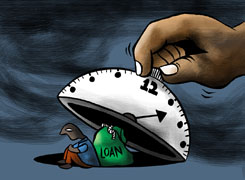
I have mortgage property loan of Rs. 30 lacs from chola mandalam finance and I have paid emi regularly till 14 months now i am unable pay my emi as i am suffering from financial crisis please help me and guide me
Ans: First, I appreciate your honesty in asking for help. Many hesitate during such tough times.
You’ve paid 14 EMIs regularly. That shows strong commitment. Now you are facing a temporary crisis.
This can happen to anyone. What matters is how you handle it now.
Let us look at the full situation from a 360-degree view and give you clear steps.
Immediate Actions You Must Take
Right now, your EMI is unpaid. Missing more payments will affect credit badly.
Take these steps without any delay:
Talk to Chola Mandalam immediately.
Don’t wait. Don’t ignore their calls.
Visit the nearest branch and speak to the loan manager.
Explain your situation clearly.
Carry documents or proofs showing financial stress – like job loss or business loss.
Ask for a restructure.
Request them to lower the EMI, extend loan term or give moratorium.
They may offer one-time settlement, but take it only if you can pay.
Avoid taking more loans to pay EMIs.
That will worsen the crisis.
Never give cheque bounce or default silently.
That invites legal action. Stay in touch with them.
Your honest approach can help you get some relief. Institutions respect genuine cases.
Options That May Be Offered by Chola Mandalam
Lenders have several options for borrowers in difficulty. Not all are declared openly.
You can request for any of the below, depending on your need:
EMI Moratorium:
A short break from payments (maybe 3–6 months).
Interest will still add up.
EMI Restructuring:
Your EMI is reduced and loan term is increased.
Total interest will be more, but EMI becomes affordable.
Temporary Interest-Only Payment:
You pay only interest for a few months. Then normal EMIs resume.
Used in genuine short-term problems.
One-Time Settlement:
If you can pay a lump sum, bank may accept lesser final amount.
But this harms your credit score. Use only if no other way.
Ask clearly and choose based on your affordability.
Assess Your Existing Financial Picture
Now let us check your finances from a full-angle view. Please consider these steps:
List all current loans.
If this is the only loan, pressure is less.
If there are other loans, then priority planning is needed.
List all income sources.
Salary, business, spouse income, rental, side work.
Even small income helps pay part of EMI.
List all expenses.
Remove non-essentials. Cancel or reduce subscriptions, luxury items.
Every rupee saved can go to EMI.
List your liquid assets.
Check if you have these:
Bank deposits
Emergency fund
Gold
Matured insurance
Any mutual funds or shares
Can you redeem any of these? Use only what is idle. Don’t disturb your full future planning.
If You Hold ULIP, Endowment or LIC Policies
You may have some insurance-cum-investment plans. If yes:
Check if surrender value is available.
Surrender and use that to clear EMIs or reduce loan.
Insurance returns are poor. Mutual funds are better long-term.
Use the money to settle or restructure your mortgage.
This will reduce pressure and bring peace.
Do Not Go for These Wrong Moves
Avoid these common mistakes. They seem helpful short term but are harmful:
Taking loan from credit card or personal loan – very high interest
Borrowing from friends or family without clarity – causes emotional stress
Selling good long-term investments in panic – check if loss is more
Ignoring bank notices – this will worsen legal action
Using apps or unregulated loan apps – dangerous harassment and high charges
Your solution must be safe, legal, and structured.
Can You Rent Out Part of Property?
If your mortgage property is a house, flat, or commercial space:
Check if part of it can be rented.
Even Rs.5000 to Rs.10000 monthly rent helps pay part of EMI.
You can also consider working from home if that reduces travel or office costs.
Explore Additional Income Sources
During crisis, every extra income counts. Try any of the below:
Tuition or online teaching
Part-time job or freelancing
Food or delivery services
Small resale or side business
Spouse’s contribution if possible
This may not solve full EMI but helps reduce stress.
Consider Selling the Property (Only if No Other Option)
If your income is gone for long term and loan is big, consider this:
Sell the mortgaged property, repay loan, and stay debt-free.
Use balance money for rent and basic needs.
Later, when finances improve, plan new asset creation.
Don’t see this as failure. It's wise decision-making. Mental peace is more important.
If Property is About to Go for Auction
If you get bank’s legal notice under SARFAESI Act:
Do not panic.
You still have 60 days to reply and stop auction.
Go to bank and give written application to settle or restructure.
Take legal help if needed.
Propose a buyer yourself, if you plan to sell.
Your cooperation helps the bank trust you and hold auction.
Impact on Credit Score and How to Handle It
If EMI default continues:
Your CIBIL score drops.
Future loans get difficult.
Co-applicant also suffers.
But with regular communication, settlement, or restructure – damage can be reduced.
After recovery, slowly rebuild credit by:
Paying small EMIs on time
Taking secured credit card
Using savings account-linked credit tools
Credit repair takes time. But can surely happen.
Avoid Investing Now Until You’re Stable
Even if someone suggests new investment to cover loss – please avoid now.
Don’t invest in:
Real estate
High return schemes
Stock tips or F&O
ULIPs or traditional insurance plans
Your current focus must be:
Stabilise cash flow
Repay debt safely
Secure basic family needs
Then plan long-term investments
When You Become Stable Again, Plan with Expert Help
Once this crisis is under control:
Build emergency fund again
Don’t over-borrow again
Invest in mutual funds through regular plans
Use a Certified Financial Planner to plan goals
You will come back stronger.
Finally
Talk to Chola Mandalam finance without delay
Request EMI pause, restructure or partial payment
Don’t ignore notices
Use only safe income and assets to repay
Avoid panic loans or investments
Sell property only if nothing else works
Rebuild slowly after stability
This phase is tough, but temporary. Stay strong and take calm steps.
Best Regards,
K. Ramalingam, MBA, CFP,
Chief Financial Planner,
www.holisticinvestment.in
https://www.youtube.com/@HolisticInvestment
You’ve paid 14 EMIs regularly. That shows strong commitment. Now you are facing a temporary crisis.
This can happen to anyone. What matters is how you handle it now.
Let us look at the full situation from a 360-degree view and give you clear steps.
Immediate Actions You Must Take
Right now, your EMI is unpaid. Missing more payments will affect credit badly.
Take these steps without any delay:
Talk to Chola Mandalam immediately.
Don’t wait. Don’t ignore their calls.
Visit the nearest branch and speak to the loan manager.
Explain your situation clearly.
Carry documents or proofs showing financial stress – like job loss or business loss.
Ask for a restructure.
Request them to lower the EMI, extend loan term or give moratorium.
They may offer one-time settlement, but take it only if you can pay.
Avoid taking more loans to pay EMIs.
That will worsen the crisis.
Never give cheque bounce or default silently.
That invites legal action. Stay in touch with them.
Your honest approach can help you get some relief. Institutions respect genuine cases.
Options That May Be Offered by Chola Mandalam
Lenders have several options for borrowers in difficulty. Not all are declared openly.
You can request for any of the below, depending on your need:
EMI Moratorium:
A short break from payments (maybe 3–6 months).
Interest will still add up.
EMI Restructuring:
Your EMI is reduced and loan term is increased.
Total interest will be more, but EMI becomes affordable.
Temporary Interest-Only Payment:
You pay only interest for a few months. Then normal EMIs resume.
Used in genuine short-term problems.
One-Time Settlement:
If you can pay a lump sum, bank may accept lesser final amount.
But this harms your credit score. Use only if no other way.
Ask clearly and choose based on your affordability.
Assess Your Existing Financial Picture
Now let us check your finances from a full-angle view. Please consider these steps:
List all current loans.
If this is the only loan, pressure is less.
If there are other loans, then priority planning is needed.
List all income sources.
Salary, business, spouse income, rental, side work.
Even small income helps pay part of EMI.
List all expenses.
Remove non-essentials. Cancel or reduce subscriptions, luxury items.
Every rupee saved can go to EMI.
List your liquid assets.
Check if you have these:
Bank deposits
Emergency fund
Gold
Matured insurance
Any mutual funds or shares
Can you redeem any of these? Use only what is idle. Don’t disturb your full future planning.
If You Hold ULIP, Endowment or LIC Policies
You may have some insurance-cum-investment plans. If yes:
Check if surrender value is available.
Surrender and use that to clear EMIs or reduce loan.
Insurance returns are poor. Mutual funds are better long-term.
Use the money to settle or restructure your mortgage.
This will reduce pressure and bring peace.
Do Not Go for These Wrong Moves
Avoid these common mistakes. They seem helpful short term but are harmful:
Taking loan from credit card or personal loan – very high interest
Borrowing from friends or family without clarity – causes emotional stress
Selling good long-term investments in panic – check if loss is more
Ignoring bank notices – this will worsen legal action
Using apps or unregulated loan apps – dangerous harassment and high charges
Your solution must be safe, legal, and structured.
Can You Rent Out Part of Property?
If your mortgage property is a house, flat, or commercial space:
Check if part of it can be rented.
Even Rs.5000 to Rs.10000 monthly rent helps pay part of EMI.
You can also consider working from home if that reduces travel or office costs.
Explore Additional Income Sources
During crisis, every extra income counts. Try any of the below:
Tuition or online teaching
Part-time job or freelancing
Food or delivery services
Small resale or side business
Spouse’s contribution if possible
This may not solve full EMI but helps reduce stress.
Consider Selling the Property (Only if No Other Option)
If your income is gone for long term and loan is big, consider this:
Sell the mortgaged property, repay loan, and stay debt-free.
Use balance money for rent and basic needs.
Later, when finances improve, plan new asset creation.
Don’t see this as failure. It's wise decision-making. Mental peace is more important.
If Property is About to Go for Auction
If you get bank’s legal notice under SARFAESI Act:
Do not panic.
You still have 60 days to reply and stop auction.
Go to bank and give written application to settle or restructure.
Take legal help if needed.
Propose a buyer yourself, if you plan to sell.
Your cooperation helps the bank trust you and hold auction.
Impact on Credit Score and How to Handle It
If EMI default continues:
Your CIBIL score drops.
Future loans get difficult.
Co-applicant also suffers.
But with regular communication, settlement, or restructure – damage can be reduced.
After recovery, slowly rebuild credit by:
Paying small EMIs on time
Taking secured credit card
Using savings account-linked credit tools
Credit repair takes time. But can surely happen.
Avoid Investing Now Until You’re Stable
Even if someone suggests new investment to cover loss – please avoid now.
Don’t invest in:
Real estate
High return schemes
Stock tips or F&O
ULIPs or traditional insurance plans
Your current focus must be:
Stabilise cash flow
Repay debt safely
Secure basic family needs
Then plan long-term investments
When You Become Stable Again, Plan with Expert Help
Once this crisis is under control:
Build emergency fund again
Don’t over-borrow again
Invest in mutual funds through regular plans
Use a Certified Financial Planner to plan goals
You will come back stronger.
Finally
Talk to Chola Mandalam finance without delay
Request EMI pause, restructure or partial payment
Don’t ignore notices
Use only safe income and assets to repay
Avoid panic loans or investments
Sell property only if nothing else works
Rebuild slowly after stability
This phase is tough, but temporary. Stay strong and take calm steps.
Best Regards,
K. Ramalingam, MBA, CFP,
Chief Financial Planner,
www.holisticinvestment.in
https://www.youtube.com/@HolisticInvestment
DISCLAIMER: The content of this post by the expert is the personal view of the rediffGURU. Users are advised to pursue the information provided by the rediffGURU only as a source of information to be as a point of reference and to rely on their own judgement when making a decision.
MoneyReply


You may like to see similar questions and answers below
Ramalingam Kalirajan |10893 Answers |Ask -Follow
Mutual Funds, Financial Planning Expert - Answered on Jul 17, 2024



Milind Vadjikar | Answer |Ask -Follow
Insurance, Stocks, MF, PF Expert - Answered on Dec 23, 2024

Ramalingam Kalirajan |10893 Answers |Ask -Follow
Mutual Funds, Financial Planning Expert - Answered on Mar 13, 2025
Latest Questions
Ramalingam Kalirajan |10893 Answers |Ask -Follow
Mutual Funds, Financial Planning Expert - Answered on Dec 15, 2025

Ramalingam Kalirajan |10893 Answers |Ask -Follow
Mutual Funds, Financial Planning Expert - Answered on Dec 15, 2025


Radheshyam Zanwar |6746 Answers |Ask -Follow
MHT-CET, IIT-JEE, NEET-UG Expert - Answered on Dec 15, 2025


Ramalingam Kalirajan |10893 Answers |Ask -Follow
Mutual Funds, Financial Planning Expert - Answered on Dec 15, 2025


Ramalingam Kalirajan |10893 Answers |Ask -Follow
Mutual Funds, Financial Planning Expert - Answered on Dec 15, 2025


Ramalingam Kalirajan |10893 Answers |Ask -Follow
Mutual Funds, Financial Planning Expert - Answered on Dec 15, 2025



Samraat Jadhav |2508 Answers |Ask -Follow
Stock Market Expert - Answered on Dec 15, 2025


Ramalingam Kalirajan |10893 Answers |Ask -Follow
Mutual Funds, Financial Planning Expert - Answered on Dec 15, 2025


Reetika Sharma |425 Answers |Ask -Follow
Financial Planner, MF and Insurance Expert - Answered on Dec 15, 2025


Radheshyam Zanwar |6746 Answers |Ask -Follow
MHT-CET, IIT-JEE, NEET-UG Expert - Answered on Dec 15, 2025