Home > Money > Question
Need Expert Advice?Our Gurus Can Help

Ramalingam

Ramalingam Kalirajan  |10878 Answers  |Ask -

Mutual Funds, Financial Planning Expert - Answered on Jul 06, 2024

Ramalingam Kalirajan has over 23 years of experience in mutual funds and financial planning.
He has an MBA in finance from the University of Madras and is a certified financial planner.
He is the director and chief financial planner at Holistic Investment, a Chennai-based firm that offers financial planning and wealth management advice.... more
Asked by Anonymous - Jun 20, 2024Hindi
Money

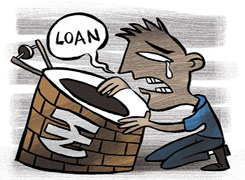
Sir my monthly salary is 20625 and I took a personal loan of 300000 lacs multiple loan app last 2 year and I have credit card also but with my daily expenses I couldn't pay the total emis and bills so I took some credit from cred application it's almost 1 lacs and now I'm unable to pay any of them as my salary is very low to pay so many emis I can't stop thinking about all this I'm facing anxiety and depression due to debts. I want to come out of this debt and get clean from all this problem. I want to save money and live a normal life. I couldn't share it with anyone also. My father us retired and he couldn't help me.

Ans: I truly understand how stressful financial difficulties can be. It's commendable that you're seeking help to resolve your debts and plan for a better future. Let's develop a comprehensive strategy to tackle your debts and set you on the path to financial stability.

Understanding Your Financial Situation
Firstly, it’s crucial to understand the full picture of your financial situation. Here’s what we know:

Monthly salary: Rs. 20,625
Personal loan: Rs. 3,00,000
Additional credit: Rs. 1,00,000
Total debt: Rs. 4,00,000
Monthly expenses are high, making it difficult to pay EMIs and bills.
Emotional and Mental Well-being
Debt and financial stress can lead to anxiety and depression. It's important to take care of your mental health. Try to talk to a trusted friend or family member about your situation. Sometimes, sharing your burden can make it feel lighter. Professional counseling can also be very helpful.

Immediate Steps to Manage Debt
1. Create a Detailed Budget
List all your monthly income and expenses. This will help you see where your money is going and identify areas where you can cut costs.

2. Prioritize Essential Expenses
Ensure that your basic needs such as food, rent, and utilities are covered first. Allocate funds for these before paying off debts.

3. Negotiate with Creditors
Contact your lenders and explain your situation. They might be willing to restructure your loans or provide a more manageable repayment plan. Some may even offer a temporary reduction in payments.

4. Avoid Taking More Loans
Stop taking new loans or using credit cards. This will only add to your debt and make the situation worse.

Debt Repayment Strategies
1. Debt Consolidation
Consider consolidating all your debts into one loan with a lower interest rate. This can simplify your payments and reduce the overall interest you pay.

2. Debt Snowball Method
Focus on paying off the smallest debts first while making minimum payments on larger ones. Once a small debt is cleared, move on to the next smallest. This method gives you a psychological boost as you see debts being eliminated.

3. Debt Avalanche Method
Prioritize paying off the debt with the highest interest rate first while making minimum payments on others. This method reduces the total interest you pay over time.

Boosting Your Income
1. Part-time Jobs or Freelancing
Look for opportunities to earn extra income through part-time jobs or freelancing. Even a small additional income can help reduce your debt faster.

2. Sell Unused Items
Consider selling items you no longer need. This can provide a quick influx of cash to put towards your debts.

Long-term Financial Planning
Once your immediate debts are under control, focus on building a stable financial future.

1. Emergency Fund
Start building an emergency fund to cover 3-6 months of expenses. This will provide a cushion for unexpected financial challenges.

2. Systematic Savings Plan
Begin saving a small portion of your income regularly. Even a small amount can grow over time through disciplined saving.

3. Avoid Unnecessary Spending
Be mindful of your spending habits. Prioritize needs over wants and avoid impulse purchases.

Investment Planning
After stabilizing your financial situation, consider investing to grow your wealth. Here's a simple guide on different investment options.

1. Mutual Funds
Mutual funds pool money from many investors to purchase securities. They offer diversification and professional management.

Equity Funds: Invest in stocks, providing high returns but with higher risk.
Debt Funds: Invest in bonds, offering stable returns with lower risk.
Hybrid Funds: Combine equity and debt, balancing risk and return.
2. Power of Compounding
Investing early allows you to benefit from compounding, where your earnings generate more earnings. This can significantly grow your wealth over time.

Disadvantages of Index Funds
Index funds aim to replicate the performance of a market index. Here are some drawbacks:

Lack of Flexibility: Cannot adapt to market changes.
Market Risk: Entirely exposed to market fluctuations.
Lower Returns: Often underperform actively managed funds.
Benefits of Actively Managed Funds
Actively managed funds are managed by professionals who make investment decisions to outperform the market.

Flexibility: Managers can adapt to market changes.
Potential for Higher Returns: Aim to beat the market.
Risk Management: Professional managers can mitigate risks.
Disadvantages of Direct Funds
Direct funds have no intermediary, potentially saving costs but have drawbacks:

Lack of Guidance: No professional advice.
Time-Consuming: Requires active management and monitoring.
Higher Risk: Without expert guidance, risk of poor decisions increases.
Benefits of Regular Funds Through CFP
Investing through a Certified Financial Planner (CFP) offers numerous advantages:

Professional Advice: Expert guidance on fund selection and portfolio management.
Regular Monitoring: Continuous review and adjustments to optimize returns.
Tailored Portfolio: Customized investment strategy to meet your specific goals.
Tax Planning
Effective tax planning can enhance your savings and investment returns.

1. Utilize Tax Deductions
Maximize deductions under sections like 80C through investments in PPF, ELSS, and other eligible instruments.

2. Health Insurance
Premiums paid for health insurance can be deducted under Section 80D, reducing your taxable income.

Estate Planning
Ensure your assets are distributed according to your wishes through proper estate planning.

1. Draft a Will
Clearly state how your assets should be distributed. This prevents legal complications and ensures your wishes are honored.

2. Appoint Nominees
Appoint nominees for your bank accounts, insurance policies, and investments. This simplifies the transfer of assets in case of your absence.

Final Insights
Financial challenges can be overwhelming, but with a structured approach, you can overcome them. Prioritize your debts, create a budget, and look for ways to boost your income. Once your debts are under control, focus on building a stable financial future through disciplined saving and investing.

Consult a Certified Financial Planner (CFP) for personalized advice and guidance. Stay disciplined, and remember, small steps can lead to significant progress.

Best Regards,

K. Ramalingam, MBA, CFP,

Chief Financial Planner,

www.holisticinvestment.in
DISCLAIMER: The content of this post by the expert is the personal view of the rediffGURU. Users are advised to pursue the information provided by the rediffGURU only as a source of information to be as a point of reference and to rely on their own judgement when making a decision.
Money

You may like to see similar questions and answers below

Ramalingam

Ramalingam Kalirajan  |10878 Answers  |Ask -

Mutual Funds, Financial Planning Expert - Answered on May 02, 2024

Listen
Money
Sir my monthly salary is 28000 and I took a personal loan of 5lacs last year and I have credit card also but with my daily expenses I couldn't pay the total emis and bills so I took some credit from cred application it's almost 3lacs and now I'm unable to pay any of them as my salary is very low to pay so many emis I can't stop thinking about all this I'm facing anxiety and depression due to debts. I want to come out of this debt and get clean from all this problem. I want to save money and live a normal life. I couldn't share it with anyone also. My father us retired and he couldn't help me.
Ans: I'm truly sorry to hear about the challenges you're facing with your debts, and I understand how overwhelming and stressful it can be. Please know that you're not alone, and there are steps you can take to work towards financial stability and peace of mind.

Assess Your Debts: Start by listing out all your debts, including personal loans, credit card dues, and any other outstanding amounts. Understanding the total amount owed and the interest rates associated with each debt is the first step towards managing them effectively.
Create a Budget: Evaluate your monthly income and expenses to create a realistic budget. Prioritize essential expenses such as food, rent, and utilities, and allocate any remaining funds towards debt repayment.
Communicate with Creditors: Reach out to your creditors to discuss your financial situation and explore options for repayment. They may be willing to negotiate a payment plan or offer assistance programs to help you manage your debts.
Explore Debt Consolidation: Consider consolidating your debts into a single loan with a lower interest rate, if possible. This can simplify your repayment process and potentially reduce the overall amount you owe.
Seek Professional Help: If you're feeling overwhelmed or unsure about how to proceed, consider seeking assistance from a financial counselor or debt management agency. They can provide guidance, support, and practical strategies for managing your debts and improving your financial situation.
Take Care of Your Mental Health: Remember to prioritize your mental health during this challenging time. Practice self-care techniques such as exercise, meditation, or talking to a trusted friend or therapist to help alleviate anxiety and depression associated with financial stress.
Lastly, please know that it's okay to ask for help, and reaching out for support is a positive step towards regaining control of your finances and your life. You have the strength and resilience to overcome these challenges, and with determination and perseverance, you can work towards a brighter financial future.

..Read more

Ramalingam

Ramalingam Kalirajan  |10878 Answers  |Ask -

Mutual Funds, Financial Planning Expert - Answered on Jun 11, 2024

Money
Hello Sir, My in hand salary is 98000 but loan EMIs and Credit Card bills are 1.75 lacs. I don't have have savings due to multiple medical issues in my family from the 3-4 years. Im heart patient as well. Can you please guide me the way to com out from my debts. Thanks
Ans: I appreciate your courage in sharing your situation. Managing financial stress, especially with health issues, is challenging. Let's create a practical plan to help you get out of debt and build a secure financial future.

Understanding Your Financial Situation
Monthly Income: Rs 98,000
Monthly Debt Obligations: Rs 1.75 lakhs
Savings: None due to medical expenses
Immediate Steps to Manage Debt
Assessing Your Debt
Total Debt: Calculate the total amount owed, including all loan EMIs and credit card bills.
Interest Rates: Identify the interest rates for each debt. Prioritize high-interest debts first.
Budgeting and Expense Management
Create a Budget: List all your essential monthly expenses (food, utilities, rent, etc.). Identify non-essential expenses that can be reduced or eliminated.
Track Spending: Use a notebook or an app to track every rupee spent. This will help you identify areas to cut costs.
Prioritizing Debt Repayment
High-Interest Debt First
Credit Cards: These often have the highest interest rates. Focus on paying more than the minimum due to reduce principal faster.
Personal Loans: Once high-interest debts are managed, focus on personal loans.
Debt Consolidation Options
Debt Consolidation Loan: Consider taking a personal loan to consolidate high-interest debts into a single loan with a lower interest rate.
Balance Transfer: Transfer your credit card balance to a card with a lower interest rate, if possible.
Negotiating with Creditors
Contact Creditors: Explain your financial situation to your creditors. Request lower interest rates or a temporary reduction in monthly payments.
Debt Settlement: If negotiation fails, consider debt settlement. This involves negotiating a lump sum payment that is less than the total amount owed.
Increasing Your Income
Exploring Additional Income Sources
Freelancing: Use skills like writing, graphic design, or tutoring to earn extra income. Platforms like Upwork and Freelancer can help.
Part-Time Jobs: Look for part-time work that fits your schedule. Delivery services, tutoring, or online customer support jobs can provide additional income.
Leveraging Existing Skills
Skill Enhancement: Invest time in enhancing skills that can increase your earning potential. Online courses on platforms like Coursera or Udemy can be helpful.
Networking: Connect with professionals in your field who can offer freelance opportunities or part-time work.
Managing Health and Finances
Health Insurance
Review Existing Policies: Ensure that you and your family have adequate health insurance coverage to reduce out-of-pocket medical expenses.
Government Schemes: Explore government health schemes that may offer assistance with medical costs.
Long-Term Financial Planning
Building an Emergency Fund
Start Small: Once debts are under control, start building an emergency fund. Aim for at least 3-6 months’ worth of living expenses.
Consistency: Contribute a small, consistent amount each month to this fund.
Investing for the Future
Mutual Funds: After stabilizing your finances, consider investing in mutual funds for long-term growth. Start with small SIPs (Systematic Investment Plans).
Professional Guidance: Consult a Certified Financial Planner to choose the right funds and investment strategy based on your risk profile and goals.
Addressing Emotional and Psychological Stress
Seeking Support
Family and Friends: Share your concerns with trusted family members or friends who can offer support and advice.
Counseling: Consider seeking help from a financial counselor or a therapist to manage stress and develop coping strategies.
Positive Mindset
Focus on Progress: Celebrate small milestones in your debt repayment journey. Each step brings you closer to financial freedom.
Stay Motivated: Remind yourself of your long-term goals, like owning a home or securing a stable financial future.
Exploring Government and NGO Assistance
Government Schemes
Debt Relief Programs: Research if there are any government debt relief programs available that you may qualify for.
Subsidies and Grants: Explore government subsidies or grants that can assist with medical expenses or other financial needs.
Non-Governmental Organizations
Financial Assistance: Some NGOs offer financial assistance or low-interest loans to individuals in financial distress.
Medical Aid: Look for NGOs that provide support for medical expenses.
Planning for a Sustainable Future
Education and Skill Development
Lifelong Learning: Continue learning and upgrading your skills to increase job opportunities and earning potential.
Certifications: Obtain certifications in your field to enhance your qualifications and career prospects.
Financial Literacy
Financial Education: Educate yourself on personal finance, budgeting, and investing. Books, online courses, and workshops can be valuable resources.
Smart Financial Decisions: Apply your knowledge to make informed financial decisions, avoiding high-interest debt and building savings.
Practical Tips for Financial Discipline
Avoiding High-Interest Debt
Credit Card Usage: Use credit cards sparingly and only if you can pay the full balance each month to avoid interest charges.
Loans: Avoid taking new loans unless absolutely necessary. Focus on repaying existing debts first.
Regular Financial Review
Monthly Check-In: Review your financial situation monthly. Adjust your budget and spending as needed to stay on track.
Annual Goals: Set annual financial goals and review your progress at the end of each year.
Final Insights
Getting out of debt while managing health issues is challenging, but it is possible with a structured plan and disciplined approach. Prioritize paying off high-interest debt first, consider debt consolidation, and explore additional income sources. Manage expenses carefully and seek professional advice to develop a sustainable financial strategy.

Invest in your skills and financial education to improve your long-term earning potential. Seek support from family, friends, and professional counselors to manage emotional stress. Utilize government schemes and NGO assistance to alleviate financial burdens.

Remember, every step you take towards financial stability is progress. Stay focused on your goals, maintain a positive mindset, and celebrate small achievements along the way. With determination and careful planning, you can overcome your financial challenges and build a secure and prosperous future.

Best Regards,

K. Ramalingam, MBA, CFP,

Chief Financial Planner,

www.holisticinvestment.in

..Read more

Ramalingam

Ramalingam Kalirajan  |10878 Answers  |Ask -

Mutual Funds, Financial Planning Expert - Answered on Aug 22, 2024

Asked by Anonymous - Jun 15, 2024Hindi
Money
Sir my monthly salary is 20625 and I took a personal loan of 300000 lacs multiple loan app last 2 year and I have credit card also but with my daily expenses I couldn't pay the total emis and bills so I took some credit from cred application it's almost 100000 lacs and now I'm unable to pay any of them as my salary is very low to pay so many emis I can't stop thinking about all this I'm facing anxiety and depression due to debts. I want to come out of this debt and get clean from all this problem. I want to save money and live a normal life. I couldn't share it with anyone also. My father us retired and he couldn't help me.
Ans: You’re facing a tough financial challenge, and it’s understandable. Managing multiple loans and credit card debts on a low salary is stressful. You’ve taken a loan of Rs. 3,00,000 and additional credit of Rs. 1,00,000, leading to overwhelming EMIs. Your daily expenses make it hard to manage these debts, causing anxiety and depression. Let's explore a plan to get you out of this situation and towards financial stability.

Prioritising Mental Health
First and foremost, your mental health is crucial. Financial stress can take a heavy toll. Please know that you’re not alone, and it’s okay to seek help. Talking to a trusted friend, family member, or professional can ease the burden. Remember, mental well-being is as important as financial stability.

Assessing Your Debts
Let’s break down your debts:

Personal Loans: Rs. 3,00,000
Credit Card Debt: Rs. 1,00,000
Your total debt stands at Rs. 4,00,000. Given your monthly salary of Rs. 20,625, this debt load is unsustainable. The first step is to understand the exact EMIs and interest rates associated with each loan and credit card.

Creating a Debt Repayment Plan
1. List All Debts

Write down all your debts with their respective EMIs, interest rates, and remaining balances. This helps you see the full picture.

2. Prioritise High-Interest Debts

Focus on paying off high-interest debts first, usually credit cards. These debts grow faster due to high interest, making them harder to repay if not tackled early.

3. Debt Consolidation

If possible, consolidate your loans. This means combining all your loans into one with a lower interest rate. It simplifies repayment and reduces the overall interest burden. Contact your bank for options. They may offer a consolidation loan.

4. Negotiate with Creditors

Approach your creditors and explain your situation. Sometimes, they can offer reduced EMIs, lower interest rates, or extend the loan tenure. This can ease your monthly payment burden.

5. Avoid Taking More Loans

It’s crucial to stop borrowing more money. Avoid any more personal loans or credit. Taking more loans will only worsen your financial situation.

6. Automate Payments

Set up automatic payments for your EMIs. This ensures that you don’t miss payments and incur late fees, which add to your debt.

Cutting Down Expenses
1. Create a Budget

List your essential expenses—rent, groceries, utilities—and allocate your salary accordingly. See where you can cut down unnecessary spending.

2. Reduce Discretionary Spending

Limit spending on non-essentials like dining out, entertainment, and shopping. Redirect this money towards paying off your debt.

3. Focus on Essentials

Stick to spending on essentials only. Avoid any luxury purchases until your financial situation improves.

Exploring Additional Income Sources
1. Part-Time Work

Consider taking up part-time or freelance work. Even a few extra hours a week can significantly increase your income, helping you pay off debts faster.

2. Sell Unnecessary Assets

If you have items at home that you no longer need—gadgets, furniture, etc.—consider selling them. The extra money can be used to pay off debts.

3. Rent Out Space

If you have extra space in your home, consider renting it out. This could bring in additional income to help with debt repayment.

Building an Emergency Fund
Even while paying off debts, it’s essential to build a small emergency fund. Start with a goal of Rs. 5,000. This fund is for unexpected expenses, so you don’t need to rely on credit cards or loans in emergencies.

Planning for the Future
1. Start Small Savings

Once you’ve stabilised your debt situation, start saving a small portion of your income. Even Rs. 500 a month can make a difference over time.

2. Invest Wisely

When you’re ready, consider investing in mutual funds through a Certified Financial Planner (CFP). Start with small SIPs. These offer better returns than traditional savings methods like FDs.

3. Focus on Long-Term Goals

Think about your long-term financial goals—buying a house, retirement, etc. Start planning for these once your debts are under control.

Final Insights
You’ve acknowledged your financial difficulties, which is the first step toward solving them. With a structured plan and disciplined approach, you can overcome this challenge. Focus on repaying high-interest debts first, reduce unnecessary expenses, and explore additional income sources. Building a small emergency fund and planning for future investments are also key steps.

Remember, there’s a way out of every problem. It might take time, but with persistence, you can regain control over your finances and live a stress-free life.

Best Regards,

K. Ramalingam, MBA, CFP,

Chief Financial Planner,

www.holisticinvestment.in

..Read more

Latest Questions
Dr Nagarajan J S K

Dr Nagarajan J S K   |2577 Answers  |Ask -

NEET, Medical, Pharmacy Careers - Answered on Dec 10, 2025

Asked by Anonymous - Dec 10, 2025Hindi
Ramalingam

Ramalingam Kalirajan  |10878 Answers  |Ask -

Mutual Funds, Financial Planning Expert - Answered on Dec 10, 2025

Asked by Anonymous - Dec 10, 2025Hindi
Money
I am 47 years old. I have started investing in mutual fund (SIP) only since last one year due to some financial obligations. Currently I am investing Rs.33K per month in various SIPS. The details are: Kotak Mahindra Market Growth (Rs. 1500), Aditya BSL Low Duration Growth (Rs. 1400), HDFC Mid-cap Growth (Rs. 12000), Nippon India Large Cap Growth (Rs. 3000), Bandhan small cap (Rs. 5000), Motilal Oswal Flexicap Growth (Rs. 5000), ICICI Pru Flexicap growth (Rs. 5000). I have also started to invest Rs. 1,50,000 per year in PPF since last year. Can I sustain if I retire by the age of 62?
Ans: I can help you with your retirement planning.
You have given a very detailed picture of your investments.
You have also shown strong intent to build wealth at 47.
This itself is a big positive start.

Your Current Efforts

– You started late due to obligations.
– That is understandable.
– You still took charge.
– You now invest Rs.33K every month.
– You also invest Rs.1,50,000 a year in PPF.
– You follow discipline.
– You follow consistency.
– These habits matter the most.
– These habits will help your retirement.
– You deserve appreciation for this foundation.

» Your Current Investment Mix

– You invest in various equity funds.
– You also invest in one low duration debt fund.
– You invest across mid cap, large cap, flexi cap, and small cap.
– This gives you some spread.
– You also invest in PPF.
– PPF gives safety.
– PPF gives steady growth.
– This mix creates balance.

– Please note one point.
– You hold direct plans.
– Direct plans look cheaper outside.
– But they are not always helpful for long-term investors.
– Many investors pick wrong funds.
– Many investors track markets wrongly.
– Many investors redeem at wrong times.
– This affects returns more than the saved expense ratio.
– Regular plans through a MFD with CFP support give guidance.
– Regular plans also help you stay on track.
– Behaviour gap is a major cost in direct funds.
– Thus regular plans with CFP support work better for long-term investors.
– They can correct mistakes.
– They can help with asset mix.
– They can help you stay steady during market drops.
– This gives higher final wealth than direct funds in most cases.

» Your Retirement Age Goal

– You plan to retire at 62.
– You are 47 now.
– You have 15 years left.
– Fifteen years is still a strong time line.
– You can allow compounding to work well.
– Your corpus can grow meaningfully by 62.
– You can also improve your savings rate during this time.

» Assessing If Your Current Plan Supports Retirement

– There are many parts to assess.
– You need to look at your saving rate.
– You need to look at your growth rate.
– You need to look at your future lifestyle cost.
– You need to look at inflation.
– You need to look at post-retirement income need.
– You need to see if your present plan matches this.

– Right now, your total yearly investment is:
– Rs.33K per month in SIP.
– That is Rs.3,96,000 per year.
– Plus Rs.1,50,000 in PPF each year.
– So your total yearly investment is Rs.5,46,000.
– This is a good number.
– This can help your retirement journey.

» Understanding Equity Funds in Your Mix

– You invest in mid cap.
– Mid cap can give good growth.
– Mid cap also carries higher swings.
– You invest in small cap.
– Small cap is the most volatile.
– It can give high returns if held for long.
– But it needs patience.
– You invest in large cap exposure.
– Large cap gives stability.
– You invest in flexi cap.
– Flexi cap funds adjust strategy.
– Flexi cap funds give managers more control.
– Active management is useful in Indian markets.
– Fund managers can shift between market caps.
– They can pick good sectors.
– This improves return potential.
– This is a benefit that index funds do not have.
– Index funds just copy the index.
– Index funds do not avoid weak companies.
– Index funds cannot take smart calls.
– Index funds also rise in cost whenever the index churns.
– Active funds can protect downside.
– Active funds can find better opportunities.
– This is helpful for long-term wealth building.
– So your move towards active funds is fine.

» Understanding PPF in Your Mix

– Your PPF adds stability.
– It gives assured growth.
– It also gives tax benefits.
– It builds a stable part of your retirement base.
– It reduces overall risk in your portfolio.
– It works well over long years.
– You have also chosen a steady long-term asset.
– This is beneficial for retirement.

» Gaps That Need Attention

– Your funds are scattered.
– You hold too many schemes.
– Each additional scheme overlaps with others.
– This reduces impact.
– It also becomes hard to track.
– You can reduce your scheme count.
– A more focused mix can give smoother progress.
– Rebalancing becomes easier.
– You can keep fewer funds but maintain asset spread.
– You can also map each fund to a purpose.

– You also need clarity about your retirement income need.
– Many investors skip this.
– You must know how much money you need per month at 62.
– You must add inflation.
– You must add health needs.
– You must also add lifestyle goals.

» Your Future Lifestyle Cost

– Your cost will rise with inflation.
– Inflation affects food, transport, medical needs.
– Medical inflation is higher than normal inflation.
– Retirement planning must consider this.
– You also need to consider family responsibilities.
– You must consider emergencies.
– You must also consider rising cost of daily life.
– This helps estimate the required retirement corpus.

» Your Future Corpus From Current Savings

– Without giving strict numbers, you can expect growth.
– You invest steadily.
– You invest for 15 years.
– Your equity portion can grow better over long time.
– Your PPF gives predictable growth.
– Your mix can create a decent retirement base.
– But you will need to increase your SIP over time.
– You can raise your SIP by 5% to 10% each year.
– Even small increases help.
– This builds a stronger corpus.
– Your final retirement amount becomes much higher.

» Need for Periodic Review

– Markets change.
– Life situations change.
– Your goals may shift.
– Your income may rise.
– Your responsibilities may change.
– Review every year.
– Adjust as needed.
– A Certified Financial Planner can help.
– This gives clarity.
– This gives structure.
– This gives confidence.
– You can reduce mistakes.
– You can follow proper asset allocation.

» Asset Allocation Approach for Smooth Growth

– You must decide your ideal equity percentage.
– You must decide your ideal debt percentage.
– If you take too much equity, risk increases.
– If you take too little equity, growth reduces.
– You must keep balance.
– It must match your risk comfort.
– It must support your retirement goal.
– Right allocation brings discipline.
– Rebalancing once a year helps.
– Rebalancing controls emotion.
– Rebalancing increases long-term returns.
– Rebalancing keeps your portfolio healthy.

» Importance of Staying Invested During Market Swings

– Markets move up and down.
– Swings are normal.
– Equity grows over long time.
– Equity needs patience.
– People often fear drops.
– They exit at wrong time.
– This hurts long-term wealth.
– You must stay steady.
– You must trust your long-term plan.
– You must follow guidance.
– This improves retirement success.

» Avoiding Common Mistakes

– Many investors pick funds based on recent returns.
– This is risky.
– Fund selection needs deeper view.
– Fund must match your risk.
– Fund must match your time horizon.
– Fund must have consistent process.
– Fund must show reliable pattern.
– Avoid sudden changes.
– Avoid chasing trends.
– Stay with a disciplined plan.
– This ensures better results.

– You must avoid mixing too many categories.
– Focused mix works better.
– Smaller set makes control easy.
– This reduces confusion.

– Do not rely on direct funds for long-term goals.
– Direct funds lack guided support.
– Behavioral mistakes cost more than the lower expense ratio.
– Regular plans help you stay invested.
– They help avoid panic.
– They help during reviews.
– They help create proper asset allocation.
– They help you use the fund in the right way.
– Investment discipline is more important than low cost.
– Regular plans with CFP support deliver this discipline.

» Inflation Protection Through Growth Assets

– Equity protects from inflation.
– PPF adds safety.
– Balanced mix protects your purchasing power.
– Retirement needs this balance.
– Long-term equity portion helps create a healthy corpus.
– This allows you to meet rising living cost.

» How to Strengthen Your Retirement Plan From Now

– Increase SIP every year.
– Even slight hikes help.
– Be consistent.
– Avoid stopping during market drops.
– Do a yearly check-up.
– Reduce scheme count.
– Keep a clear structure.
– Assign each fund a purpose.
– Build an emergency fund.
– This will protect your SIP flow.
– Continue PPF.
– It gives stability.
– It protects your long-term needs.

» Possibility of Sustaining Life After Retirement

– Yes, you can sustain.
– But it depends on three things:
– Your future living cost.
– Your total corpus at retirement.
– Your discipline during retirement.

– If you continue your present saving, your base will grow.
– If you raise your SIP each year, your base will grow faster.
– If you keep a proper asset mix, your base will grow safely.
– If you avoid emotional mistakes, your base will stay strong.
– If you review yearly, your plan will stay on track.

– So sustaining life after retirement is possible.
– You just need stronger structure.
– You also need steady guidance.
– This ensures confidence.

» Retirement Income Planning After Age 62

– Your retirement income must come from a mix.
– Part from equity.
– Part from debt.
– Part from stable instruments.
– Do not depend on one source.
– Plan your withdrawal pattern.
– Take small and stable withdrawals.
– Keep some equity even after retirement.
– This helps your corpus last longer.
– Do not shift everything to debt at retirement.
– That reduces growth too much.
– Balanced approach keeps your money alive.
– This supports your life for long years.

» Health and Emergency Preparedness

– Health costs rise fast.
– You must plan for it.
– Keep health insurance active.
– Keep top-up if needed.
– Keep separate emergency money.
– Do not depend on your investments during emergencies.
– Emergency fund protects your retirement portfolio.
– This keeps compounding intact.
– You can handle shocks with ease.

» Tax Awareness

– Be aware of mutual fund tax rules.
– Equity long-term gains above Rs.1.25 lakh per year are taxed at 12.5%.
– Equity short-term gains are taxed at 20%.
– Debt funds are taxed as per your slab.
– Plan redemptions wisely.
– Do not redeem often.
– Keep long-term horizon.
– This reduces tax impact.
– This helps wealth building.

» Summary of Your Retirement Possibility

– You have a good start.
– You have a workable time frame.
– You have a steady contribution.
– You must refine your portfolio.
– You must increase SIP yearly.
– You must reduce scheme count.
– You must follow asset allocation.
– You must stay disciplined.
– You must get yearly review from a CFP.
– If you follow these, you can reach a healthy retirement base.

» Final Insights

– You are on the right path.
– You have taken the key step by starting.
– You can still create a strong retirement corpus even at 47.
– Fifteen years is enough if you stay consistent.
– Your mix of equity and PPF is good.
– With discipline and structure, your future can stay secure.
– With yearly guidance, you can avoid mistakes.
– With increased SIP, you can boost your corpus.
– You can aim for a peaceful and confident retirement at 62.

Best Regards,
K. Ramalingam, MBA, CFP,
Chief Financial Planner,
www.holisticinvestment.in

https://www.youtube.com/@HolisticInvestment

...Read more

Ramalingam

Ramalingam Kalirajan  |10878 Answers  |Ask -

Mutual Funds, Financial Planning Expert - Answered on Dec 10, 2025

Money
I am 43 yrs old, have sip in Nifty 50 - 3500 Nifty next 50 - 3000 Nippon large cap - 3500 Hdfc midcap - 2500 Parag Flexicap - 3000 Tata small cap - 1300 Gold sip - 500 Hdfc debt fund - 700, lumsum of 10000 in motilal midcap and 20k in quant small cap. accumulated around 2.30 lakhs, started from June, 2024. But overall xirr is very less 3.11. Should I continue the above sips or which sips should be stopped?
Ans: You have started early in 2024, and you already built Rs 2.30 lakhs. This shows discipline. This shows patience. This gives you a good base for your future wealth.

Your XIRR looks low now. This is normal. You started only a few months back. SIPs show low return in the start. Markets move up and down. Early numbers look flat. They look small. They look discouraging. But they improve with time. They improve with longer SIP flow. So please stay calm. The start is always slow. The finish is always strong.

Your effort is strong. Your SIP list is wide. Your savings habit is good. You started at 43 years, but you still have good time to grow your wealth. Every disciplined month builds confidence. Your choices show that you want growth. You want stability. You want balance. This is a good sign.

» Current Portfolio Snapshot
You invest in many groups.

– You invest in Nifty 50.
– You invest in Nifty Next 50.
– You invest in a large cap fund.
– You invest in a midcap fund.
– You invest in a flexicap fund.
– You invest in a small cap fund.
– You invest in gold.
– You invest in a debt fund.
– You put lumpsum in a midcap and small cap fund.

This looks wide. But wide does not mean effective. You hold too many funds in similar areas. That gives duplication. That reduces clarity. That reduces control. You need sharper structure. You need cleaner lines.

» Why Your XIRR Is Low
Your XIRR is only 3.11%. This is normal. Here is why.

– SIP started in June 2024. Very new.
– SIP amount spread across many funds.
– Market volatility in 2024 made early returns look low.
– SIP returns always look weak in early days. They grow with time.

Low short-term return is not a sign of failure. It is not a sign to stop. It is only a sign of market timing. SIP is for long periods. Not for few months.

» Problem of Index Funds in Your Portfolio
You invest in Nifty 50 and Nifty Next 50. Both are index funds. Index funds follow a fixed rule. They copy the index. They do not use research. They do not use fund manager skill. They do not adjust during bad markets. They do not protect much in down cycles. They lock you into index ups and downs.

In India, active fund managers add value. They find better stocks. They exit weak stocks faster. They manage risk better. They use research teams. They use market cycles well. They often beat index returns over long periods.

Index funds look simple. But they lack decision power. They lack flexibility. They lack protection. They give average results. They track the market exactly. They cannot outperform it.

So index funds are not the best choice for your long-term goal. Active funds give more control and more upside over long years.

» Problem of Too Many Funds
You hold too many funds across the same categories. This creates overlap. Two different schemes may hold same stocks. You think you diversify. But you repeat exposure. This weakens your plan.

Too many funds also keep your attention scattered. It reduces discipline. You waste time comparing each fund. You feel lost. You feel uncertain.

Better to keep fewer funds but stronger funds.

» Problem of Direct Funds
If any of your funds are in direct plans, please take note. Direct plans look cheaper because they have lower expense ratio. But they do not give guidance. They do not give personalised strategy. They do not give support during market falls. They do not give behavioural guidance.

Many investors make wrong moves in market dips. They stop SIPs. They redeem at the wrong time. They switch funds too often. They chase returns. This reduces wealth.

Regular plans through a Certified Financial Planner keep you disciplined. They give structure. They give long-term guidance. They reduce errors. They reduce behaviour risk. This helps more than small cost savings.

Regular plans also offer better hand-holding for asset mix, review and goal clarity. This adds real value.

» Fund-by-Fund Assessment
Let me now look at each SIP.

Nifty 50 – This is an index fund. It is passive. It is rigid. Active large-cap funds do better in many years. You may stop this over time.

Nifty Next 50 – Another index fund. Very volatile. Very narrow. You may stop this too.

Nippon large cap – This is active. This is fine. It can stay.

HDFC midcap – This is active. Good long-term category. You can keep this.

Parag flexicap – Flexicap is versatile. Useful for long-term. You can keep this.

Tata small cap – Small caps can grow well. But they need patience. They also need limited allocation. You can keep, but maintain control.

Gold SIP – Small gold SIP is okay for safety.

HDFC debt fund – Debt brings stability. Small SIP is fine.

Lumpsum in midcap and small cap – Keep these invested. They will grow with cycles.

The two index funds are the most unnecessary parts of your plan. These can be stopped. These can be replaced with good active funds already in your system.

» Suggested Structure
You need a cleaner layout.

Keep one large cap active fund.

Keep one midcap active fund.

Keep one flexicap fund.

Keep one small cap fund.

Keep one debt fund.

Keep a small gold part.

This is enough. This gives balance. It gives clarity. It gives growth. It avoids overlap. It avoids confusion.

» SIP Continuation Guidance
Here is the simple view.

Continue your large cap SIP.

Continue your midcap SIP.

Continue your flexicap SIP.

Continue your small cap SIP.

Continue gold SIP.

Continue debt SIP in small proportion.

Stop the Nifty 50 SIP.

Stop the Nifty Next 50 SIP.

Move those two SIP amounts into your existing active funds. This gives you better long-term power.

» Behaviour and Patience
Your returns will not show big numbers for now. You need time. You need patience. You need consistency. SIP is not a race. SIP is a habit. SIP grows slowly. Then it grows big.

Do not judge your plan by the first few months. Judge it after many years. That is where SIP wins. That is where compounding works. That is where discipline shines.

» What Matters More Than Fund Names
The biggest cornerstones are:

Your discipline.

Your patience.

Your time in market.

Your stable SIP flow.

Your emotional stability.

These matter more than any fund selection. You are building them well.

» Asset Mix Guidance
Your mix of equity, debt and gold is good. But you should review this once a year. As you move closer to retirement, increase debt slowly. Reduce small cap slowly. This protects you. This stabilises your progress.

A Certified Financial Planner can help align your asset mix to your goals. This adds real value. This gives stronger structure.

» Taxation View
If you redeem equity funds in future, then keep the current rule in mind. Long-term capital gains above Rs 1.25 lakhs per year are taxed at 12.5%. Short-term gains are taxed at 20%. For debt funds, both gains are taxed as per your income slab.

This will matter only when you redeem. For now, your focus should be growth, not selling.

» Your Long-Term Wealth Path
You have good earnings years ahead. You have strong potential for growth. Your SIP habit is strong. You only need to clean your portfolio. You only need better structure. Then your money will grow well.

You can grow a meaningful corpus if you stay steady. You can even increase SIP when income grows. This gives faster results.

» Emotional Balance
Do not check returns every week. Do not check every month. Check once in six months. Check once in twelve months. SIP is a long game. Treat it like a long game.

Your small XIRR today does not decide your future. Your discipline decides it. You already have it.

» Step-by-Step Action Plan

Step 1: Stop Nifty 50 SIP.

Step 2: Stop Nifty Next 50 SIP.

Step 3: Keep all the remaining SIPs.

Step 4: Shift the stopped SIP amount into your existing large cap and flexicap funds.

Step 5: Continue gold and debt in small amounts.

Step 6: Review once a year with a Certified Financial Planner.

Step 7: Increase SIP amount slowly when income grows.

Step 8: Stay invested for long term.

Step 9: Do not judge returns too early.

Step 10: Keep your patience strong.

» Finally
Your foundation is strong. Your habit is disciplined. Your mix only needs refinement. Your returns will grow with time. Your portfolio will gain strength with consistency. Your path is steady. Your plan will reward you if you follow it with calm and clarity.

Best Regards,

K. Ramalingam, MBA, CFP,
Chief Financial Planner,
www.holisticinvestment.in

https://www.youtube.com/@HolisticInvestment

...Read more

DISCLAIMER: The content of this post by the expert is the personal view of the rediffGURU. Investment in securities market are subject to market risks. Read all the related document carefully before investing. The securities quoted are for illustration only and are not recommendatory. Users are advised to pursue the information provided by the rediffGURU only as a source of information and as a point of reference and to rely on their own judgement when making a decision. RediffGURUS is an intermediary as per India's Information Technology Act.

Close  

You haven't logged in yet. To ask a question, Please Log in below
Login

A verification OTP will be sent to this
Mobile Number / Email

Enter OTP
A 6 digit code has been sent to

Resend OTP in120seconds

Dear User, You have not registered yet. Please register by filling the fields below to get expert answers from our Gurus
Sign up

By signing up, you agree to our
Terms & Conditions and Privacy Policy

Already have an account?

Enter OTP
A 6 digit code has been sent to Mobile

Resend OTP in120seconds

x