Home > Money > Question
Need Expert Advice?Our Gurus Can Help

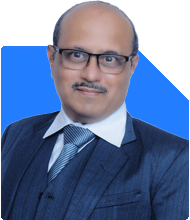
Ramalingam

Ramalingam Kalirajan  |10881 Answers  |Ask -

Mutual Funds, Financial Planning Expert - Answered on May 06, 2024

Ramalingam Kalirajan has over 23 years of experience in mutual funds and financial planning.
He has an MBA in finance from the University of Madras and is a certified financial planner.
He is the director and chief financial planner at Holistic Investment, a Chennai-based firm that offers financial planning and wealth management advice.... more

Vikesh Question by Vikesh on May 02, 2024Hindi

Listen
Money

I m 42 years old and took home loan of Rs. 58 lakh for 25 years with EMI of Rs. 47300p.m. my monthly income is 1.30 lakh. I can save Rs. 10-15000 pm. Please suggest me this saving amount 10-15000 should invest or deposit in home loan account.

Ans: It's commendable that you're looking to make the most of your savings to optimize your financial situation. Here are some considerations for your decision:

• Emergency Fund: Before deciding whether to invest or pay off your home loan, ensure you have an emergency fund set aside. This fund should cover at least 3-6 months' worth of living expenses to provide a financial buffer in case of unexpected events.

• Interest Rate on Home Loan: Evaluate the interest rate on your home loan. If the interest rate is relatively low compared to potential investment returns, it might make sense to invest your savings in avenues that offer higher returns.

• Investment Options: Explore investment options that align with your financial goals, risk tolerance, and investment horizon. Consider investing in mutual funds, SIPs, or other diversified investment vehicles that have the potential to generate higher returns over the long term.

• Loan Repayment: On the other hand, reducing your home loan principal by making additional payments can help you save on interest payments over the long term. It also brings you closer to becoming debt-free and owning your home outright, providing financial security and peace of mind.

• Balancing Act: You can strike a balance between investing and repaying your home loan. Allocate a portion of your savings towards investments to grow your wealth while directing the remaining amount towards making extra payments on your home loan principal.

• Consultation: Consider consulting with a Certified Financial Planner (CFP) to assess your overall financial situation and determine the best course of action based on your individual circumstances, financial goals, and risk appetite.

Ultimately, the decision to invest or pay off your home loan depends on various factors such as interest rates, investment returns, and personal financial goals. By carefully weighing your options and seeking professional advice, you can make informed decisions to optimize your financial well-being.
DISCLAIMER: The content of this post by the expert is the personal view of the rediffGURU. Users are advised to pursue the information provided by the rediffGURU only as a source of information to be as a point of reference and to rely on their own judgement when making a decision.
Money

You may like to see similar questions and answers below

Ramalingam

Ramalingam Kalirajan  |10881 Answers  |Ask -

Mutual Funds, Financial Planning Expert - Answered on May 02, 2024

Listen
Money
My monthly salary income is Rs.85,000/-. I have a housing loan of Rs 37.5 lakhs in SBI and am paying Rs 30,000 as EMI. This is the sixth year I am paying the loan. So far, I have paid Rs 8.5 lakhs towards the loan amount. Recently i have received an arrears of Rs.10 Lakhs. I am looking for a regular monthly income by investing Rs. 10 Lakhs. Should invest Rs. 10 Lakhs or make payment towards home loan. Please suggest.
Ans: Given your financial situation, it's important to consider various factors before making a decision.

Home Loan: Making a lump sum payment of Rs. 10 lakhs towards your home loan can significantly reduce the outstanding principal amount. This can lead to a reduction in the total interest paid over the remaining tenure of the loan and potentially shorten the loan duration. However, consider whether the interest rate on your home loan is higher than the potential returns from alternative investments.
Investment: Investing Rs. 10 lakhs to generate a regular monthly income is another option. You can explore investment avenues such as Fixed Deposits, Mutual Funds, or Bonds that offer regular interest or dividend payments. However, consider the risk-return profile of these investments and whether they align with your financial goals and risk tolerance.
Financial Goals: Evaluate your financial goals and priorities. If you prioritize reducing debt and becoming debt-free sooner, making a lump sum payment towards your home loan might be the right choice. On the other hand, if generating a regular monthly income is your primary goal, investing the Rs. 10 lakhs might be more suitable.
Consultation: Consider consulting with a Certified Financial Planner who can assess your overall financial situation, goals, and risk tolerance. They can provide personalized advice and help you make an informed decision based on your specific circumstances.
Ultimately, the decision depends on your individual financial objectives, risk tolerance, and overall financial health. Ensure you weigh the pros and cons of each option carefully before making a decision.

..Read more

Ramalingam

Ramalingam Kalirajan  |10881 Answers  |Ask -

Mutual Funds, Financial Planning Expert - Answered on May 14, 2025

Asked by Anonymous - May 13, 2025
Money
Dear Sir, I am 39 years old with a home loan of 14 lakhs outstanding. My EMI is Rs 37500 rs, and I have 4 years left in the tenure. My monthly income is 2.25 lakhs. I have mutual fund investments worth 24 lakhs, gold bond worth 3 lakhs, and a short term fixed deposit of 12 lakh as emergency fund which Is 12 month expense in case of emergency. Should I use some of my savings to prepay the home loans or continue paying EMIs and let my investments grow? Or can I lower my emi to 20000 rs from 37500 rs and use the remaining 17500 rs in equity investment.
Ans: You are 39 years old with a monthly income of Rs. 2.25 lakhs.
You have a home loan of Rs. 14 lakhs outstanding with an EMI of Rs. 37,500.
The loan tenure remaining is 4 years.
You have mutual fund investments worth Rs. 24 lakhs.
You hold gold bonds worth Rs. 3 lakhs.
You maintain a short-term fixed deposit of Rs. 12 lakhs as an emergency fund, covering 12 months of expenses.

Your financial discipline and foresight are commendable. Let's analyze your situation and explore the best course of action.

1. Home Loan Prepayment Considerations

Prepaying your home loan can reduce your interest burden.

With 4 years left, interest savings may be moderate.

Prepayment can provide psychological relief from debt.

It can also improve your credit score.

However, consider if prepayment charges apply.

Some banks may levy penalties for early closure.

Ensure you have sufficient liquidity post-prepayment.

Avoid dipping into your emergency fund for prepayment.

Evaluate if the interest saved outweighs potential investment returns.

2. Mutual Fund Investment Perspective

Your mutual fund corpus is substantial at Rs. 24 lakhs.

Equity mutual funds have historically offered 9-12% annual returns.

Staying invested can potentially yield higher returns than loan interest saved.

Mutual funds offer liquidity and flexibility.

They can be aligned with long-term financial goals.

Consider the tax implications of redeeming mutual funds.

Long-term capital gains above Rs. 1.25 lakh are taxed at 12.5%.

Short-term gains are taxed at 20%.

Evaluate if the net returns justify staying invested.

3. Emergency Fund Adequacy

Your emergency fund covers 12 months of expenses.

This is a robust safety net.

Ensure the fixed deposit is easily accessible.

Avoid using this fund for loan prepayment or investments.

Maintain this buffer for unforeseen circumstances.

4. Adjusting EMI and Redirecting Funds

Reducing EMI to Rs. 20,000 can free up Rs. 17,500 monthly.

Redirecting this amount to equity investments can build wealth.

Ensure that the extended loan tenure doesn't increase total interest significantly.

Consider the opportunity cost of lower EMI versus higher investment returns.

Align this strategy with your risk tolerance and financial goals.

5. Tax Implications and Benefits

Home loan interest payments qualify for tax deductions under Section 24(b).

Principal repayments are eligible under Section 80C.

Prepaying the loan may reduce these tax benefits.

Evaluate the net tax impact before making a decision.

Consult a tax professional for personalized advice.

6. Psychological and Emotional Factors

Being debt-free can provide peace of mind.

It reduces financial obligations and stress.

However, consider if this aligns with your long-term wealth-building goals.

Balance emotional satisfaction with financial prudence.

7. Final Insights

Maintain your emergency fund intact.

Evaluate the interest saved from prepayment versus potential investment returns.

Consider reducing EMI and investing the surplus if it aligns with your goals.

Ensure any decision supports your long-term financial objectives.

Regularly review your financial plan with a Certified Financial Planner.

Best Regards,

K. Ramalingam, MBA, CFP,

Chief Financial Planner,

www.holisticinvestment.in
https://www.youtube.com/@HolisticInvestment

..Read more

Ramalingam

Ramalingam Kalirajan  |10881 Answers  |Ask -

Mutual Funds, Financial Planning Expert - Answered on Jun 02, 2025

Asked by Anonymous - May 15, 2025Hindi
Money
Hi sir , I am 28 years old . I have a home loan with an outstanding amount of 70 lakhs, an EMI of 1 lakhs, and a remaining tenure of 9 years with 10% interest rate My current salary is 2 lakhs per month. But I would need at least 50 k apart from EMI for the home expenses. Please advise whether I should make a prepayment towards my loans or continue with my EMIs or should i invest remaining money in mutual funds live it for a longer tenture , later use the returns to pay off the loan ?
Ans: You are 28 years old and earning Rs. 2 lakhs monthly. You have a home loan of Rs. 70 lakhs with a high EMI of Rs. 1 lakh. Your interest rate is 10%, and 9 years are left. You also need Rs. 50,000 for your monthly living expenses.

Let me assess your financial situation from a 360-degree view. I will keep my explanation simple, practical, and in your best interest. Let us go point by point.


Assessing Your Present Situation

You earn Rs. 2 lakhs per month.


You pay Rs. 1 lakh as EMI.


You spend Rs. 50,000 on home expenses.


You are left with Rs. 50,000 as monthly surplus.


Your home loan interest is 10%, which is very high.


Your loan tenure is still 9 years, which is long.


You are just 28 years old, which is a strong advantage.


You have high earning years ahead of you.


Your saving discipline is already visible.


Appreciation to you for that.


Understand the Real Cost of Home Loan

10% interest on Rs. 70 lakhs is very costly.


Even if your EMI feels manageable now, the total interest is huge.


Over 9 years, you will pay lakhs in interest alone.


It eats into your wealth creation silently.


Paying this off slowly means losing compounding opportunity.


The earlier you reduce the loan, the more you save.


Especially in the first half of loan, interest is higher.


So prepayment now makes bigger difference than later.


Should You Use the Surplus for Prepayment?

Yes, partly.


Use a portion of Rs. 50,000 surplus monthly for prepayment.


Start with Rs. 30,000 to Rs. 35,000 per month.


Every small prepayment reduces interest and tenure.


Do not wait to collect a large amount.


Make frequent small prepayments.


Prefer reducing tenure over EMI in prepayment.


Tenure cut saves more interest than EMI cut.


Your first priority now is to reduce loan burden.


What About Mutual Fund Investment?

Yes, mutual funds are powerful tools.


They give good growth over long term.


But do not use mutual fund returns later to repay loan.


This strategy is risky and uncertain.


Mutual funds work best when used for long-term wealth creation.


Do not invest now just to exit for loan later.


That will break compounding and returns will be low.


Also, mutual funds carry short term market risk.


You may need money during market fall.


You may book loss or low returns.


That is why mutual funds are not a short-term loan payoff tool.


How Much to Allocate to Mutual Funds?

After Rs. 30,000 to Rs. 35,000 monthly for prepayment,


You can use remaining Rs. 15,000 to Rs. 20,000 for mutual funds.


Choose long term SIPs with at least 10-year view.


Do not stop SIPs mid-way unless emergency.


Mutual funds will grow your second wealth stream.


They are for goals like retirement, child future, etc.


Equity mutual funds give inflation-beating returns in long run.


Actively Managed Funds – Not Index Funds

Index funds only copy stock indices like Nifty or Sensex.


They don’t have expert management.


They don’t try to beat the market.


During market falls, index funds also fall.


They are not suited for people with goals and timelines.


They give average performance.


Actively managed funds have expert fund managers.


They try to beat the market actively.


They manage risk better in market cycles.


For someone like you, actively managed funds are better.


Regular Plans Through Certified Financial Planner

Many people prefer direct mutual funds.


They choose them to save commission cost.


But direct funds come without any expert guidance.


Wrong fund choice or bad timing can hurt returns.


No one reviews or rebalances your portfolio.


You may hold underperformers without knowing.


Instead, invest in regular plans through a Certified Financial Planner.


You will get proper selection, annual reviews, and exit timing help.


Planner will guide during market corrections and policy changes.


The value of advice is bigger than cost saved.


Emergency Fund and Protection First

Before investing or prepaying fully, keep safety money.


Set aside 6 months of expenses in a liquid fund.


This is your emergency fund.


Don’t use this for investing or loan repayment.


Also ensure proper health insurance for yourself.


Without medical cover, one hospital bill can shake finances.


If not covered, take health insurance now.


Avoid Real Estate and Gold for Investment

Buying more real estate to earn and repay loan is risky.


Real estate is not liquid.


Maintenance, legal issues, and delays make it worse.


Gold too does not grow fast.


Keep gold only for tradition or occasion.


Not as investment to pay loan or grow wealth.


Tax Planning Around Mutual Funds

Mutual funds now have new tax rules.


If you hold equity funds for more than 1 year,


Gains above Rs. 1.25 lakh are taxed at 12.5%.


Short-term gains are taxed at 20%.


Debt fund gains are taxed as per your slab.


Plan redemptions smartly to reduce taxes.


A Certified Financial Planner can help manage this.


Loan Interest vs. Investment Returns

Loan costs you 10% every year.


Mutual funds may give more over long term.


But in short term, returns are not guaranteed.


Hence, prepayment gives assured saving of 10%.


Mutual funds give long term growth.


A balance of both is best for you.


Step-Up Strategy for Future

As salary increases, increase your monthly investment.


Also increase your prepayment amount.


This keeps your loan period shorter.


You will save more interest over time.


You will also build wealth alongside.


Do not keep surplus idle in bank account.


Use it smartly for goals or loan cut.


Finally

You are young and earning well.


Use this early power wisely.


Keep investing monthly in mutual funds for long term goals.


Use surplus now to reduce high interest loan.


Do not depend on future mutual fund returns to close loan.


Instead build both side-by-side.


Create emergency fund and protect with insurance.


Don’t invest in index funds or direct funds.


Actively managed funds with Certified Planner is a better path.


Keep reviewing every year and adjust.


Discipline and consistency will help you grow and stay debt free.


You are on the right track. Stay focused.


Best Regards,
  
K. Ramalingam, MBA, CFP,
  
Chief Financial Planner,
  
www.holisticinvestment.in
https://www.youtube.com/@HolisticInvestment

..Read more

Ramalingam

Ramalingam Kalirajan  |10881 Answers  |Ask -

Mutual Funds, Financial Planning Expert - Answered on Jun 03, 2025

Asked by Anonymous - May 27, 2025Hindi
Money
Sir i have home loan of 33 lakhs. For 187 months. Emi is 35000 at 7.9 percentage interest. I have 4 lakhs emergency fund. 2 lakhs in gold coin and silver coin. 1 lakh in stocks and mutual fund. 1.5 lakhs ppf. My income is 1.90 lakhs per month. Personal loan of 2.40 lakhs at 5000 emi at 13.25 percentage. I feel if I have 10 lakhs emergency fund i can put full salary in loans. But then i feel let me divide and pay and save too. I am confused between saving , repaying for loans . If i do save i keep paying interest and if i pay loans then i dont have savings for furure . What should i do.
Ans: ou are doing your best. That’s a good thing.

You are handling income, loans, and savings together. That needs patience and smart steps.

Let us go point by point. I will give a clear plan with all angles covered.

Current Situation Summary
You earn Rs.1.90 lakhs every month. That gives you strength.

You have a home loan of Rs.33 lakhs. EMI is Rs.35,000. Interest is 7.9%.

Loan period is 187 months. That is about 15.5 years.

You also have a personal loan. Amount is Rs.2.40 lakhs. EMI is Rs.5,000.

Interest rate is 13.25%. That is high.

You hold Rs.4 lakhs as an emergency fund. That is a good starting point.

You own gold and silver coins worth Rs.2 lakhs.

These are not liquid, but still count as backup.

You have Rs.1 lakh in stocks and mutual funds. Also Rs.1.5 lakhs in PPF.

You Are at a Crossroad
You are thinking whether to pay off loans fast or save more.

This confusion is normal when income is good but loans are also there.

You want peace of mind. At the same time, you want to be prepared for future.

Let us assess both paths and arrive at the right mix.

Why Full Focus on Loan Repayment Can Hurt
Paying only loans and stopping savings may feel good at first.

But this creates long-term risk.

If any big expense comes, you will have no backup.

You may again take a personal loan. That cycle restarts.

It will feel like you are running, but not reaching anywhere.

Home loan is a long-term loan. EMI is manageable.

Interest rate is under 8%. So not very high.

You get tax benefit also on this loan.

Paying it early does not always save much.

Instead, slow and steady repayment is better.

Personal loan is different. Rate is very high.

No tax benefit also. That should be closed early.

That loan eats away your savings. Focus more on this one.

Why Only Saving and Not Paying Loans is Also Risky
If you delay loan repayment, interest keeps increasing your cost.

Personal loan interest is a drain. It eats returns from any investment.

You must close this early.

If you save but let loans stay, then mental stress continues.

You will always feel burdened.

So saving is good, but not at the cost of long-term peace.

What is a Balanced Way to Do Both?
You need a split approach. Half for loans. Half for savings.

We will now structure that properly.

Let’s first divide your monthly income.

Income Allocation Plan (Rs.1.90 lakhs per month)
Rs.35,000 – Home loan EMI

Fixed commitment. Continue this regularly.

Rs.5,000 – Personal loan EMI

Must continue for now. But we will clear this early.

Rs.20,000 – Emergency and short-term fund building

You already have Rs.4 lakhs in emergency.

Try to increase it to Rs.10 lakhs in next 2–3 years.

Keep Rs.20,000 every month for this.

Use safe and liquid options, not stocks or risky funds.

Rs.30,000 – For repaying personal loan faster

If you can set aside Rs.30,000 extra, personal loan will end in a few months.

Once this loan is closed, you free up Rs.5,000 EMI also.

That will help you breathe easier.

Rs.30,000 – For long-term savings

This can go into mutual funds and PPF.

You already have Rs.1.5 lakhs in PPF. Continue with it yearly.

Also build mutual fund SIP slowly. No need for high risk now.

Choose diversified funds through a Certified Financial Planner.

Avoid direct mutual funds. That route is risky without help.

Rs.10,000 – Gold and family needs

Don’t buy gold coins again. Use this only if needed for family.

Balance Rs.60,000 – Flexible buffer

This portion is for flexibility.

You can increase loan repayment or savings as needed.

You can also handle any sudden expense from here.

Loan Strategy in More Detail
Close the personal loan in 6 to 9 months

You can set aside Rs.30,000–35,000 extra every month.

This will help you close that Rs.2.4 lakh loan quickly.

Once closed, you save interest and feel lighter.

Continue home loan for now

Don’t prepay home loan aggressively.

Interest is moderate. Tax benefit is useful.

Prepaying it fully now may leave you with no savings.

Instead, review every 2–3 years and prepay partly if needed.

Emergency Fund Target
Your goal of Rs.10 lakhs is good.

You already have Rs.4 lakhs. Add Rs.20,000 monthly to reach Rs.10 lakhs.

Keep this fund in liquid assets. Not in gold or equity.

Emergency means instant access. Not locked or fluctuating value.

This fund gives you confidence. It is like your financial seatbelt.

Only when this is ready, you should think about any big prepayment.

Investment Strategy
PPF is a good long-term tool. Safe and tax-free.

You already have Rs.1.5 lakhs there. Continue yearly deposits.

Mutual funds will build wealth over 10–15 years.

Don’t pick funds yourself. Avoid direct mode.

There are too many options. You may choose wrong.

Work with a Certified Financial Planner. Go with regular mutual funds.

That way, someone monitors for you. Also helps adjust if your goals change.

Avoid index funds. They copy the market without judgement.

They include bad companies also.

Actively managed funds do better in uncertain markets.

A good manager knows when to exit weak stocks.

Start small SIPs. Rs.15,000 to Rs.30,000 monthly is enough.

Increase only after personal loan is closed and emergency fund is ready.

Gold Coins and Silver Coins
These are not ideal for long-term growth.

They don’t give interest or dividends.

They are not liquid also.

If you don’t plan to use them, consider selling and shifting to better options.

Don’t add more gold in this form.

Use gold only for family functions, not as savings.

What You Must Avoid
Don’t stop savings to pay full loan.

Future is always uncertain. You must stay ready.

Don’t invest in direct mutual funds without help.

You may lose more than you save in expense ratio.

Don’t go for insurance-cum-investment products.

They give low returns. Not useful for wealth building.

Don’t take new personal loans.

Try to save first. Then spend.

Cash Flow Freedom After One Year
Once personal loan ends, you save Rs.5,000 EMI.

Also the Rs.30,000 you used for its prepayment becomes free.

That’s Rs.35,000 now available monthly.

You can then increase your SIP and savings.

Slowly, you can even build a home loan part-prepayment fund.

Every two years, pay off a small chunk of principal.

This keeps EMI same but reduces loan term.

Finally
Your income is strong. That is your strength.

Your expenses are in control. That helps a lot.

Loans are there, but manageable.

If you split wisely between loan and saving, you will be fine.

You are not behind. You are already doing well.

What you need now is a clear system.

Your monthly income can build wealth and reduce loan stress.

All you need is balance and patience.

Don’t rush to close loans by killing savings.

Don’t save blindly while interest keeps draining you.

Take a smart middle path.

Let your money work both for today and for tomorrow.

That way, you will stay ready for life. With peace and progress.

Best Regards,
K. Ramalingam, MBA, CFP,
Chief Financial Planner,
www.holisticinvestment.in
https://www.youtube.com/@HolisticInvestment

..Read more

Ramalingam

Ramalingam Kalirajan  |10881 Answers  |Ask -

Mutual Funds, Financial Planning Expert - Answered on Jun 21, 2025

Money
Dear Sir,please note i ha e a home loan of 90 lkhs and 9.15 lakh car loan. Im earning 4 lakhs per month. Also the rent of flat is 1.05 lakhs. Invested 1 lakhs in stocks and 1 lakh in Mutual funds. I have 2 kids with a yearly expenditures of 8 lakhs.Kindly advise on how to save and where to save.
Ans: You have a high income, which is encouraging. At the same time, your home and car loans are quite significant. Your family responsibilities and lifestyle expenses also need strong planning.

Let’s now review your situation from every angle to create a sustainable saving and investment plan.

Understanding the Current Picture

Your gross income is Rs 4 lakhs monthly.

Your rental income is Rs 1.05 lakhs monthly.

This gives you a total monthly inflow of Rs 5.05 lakhs.

However, two large loans weigh on this cash inflow:

Home loan: Rs 90 lakhs

Car loan: Rs 9.15 lakhs

You've started investments in equity and mutual funds with Rs 1 lakh each. That’s a good beginning.

Your children’s annual cost is Rs 8 lakhs, around Rs 67,000 monthly. It’s essential to protect their needs through planned savings and not impulse expenses.

Cash Flow and Expense Discipline

Let's now focus on where your income is going.

You didn’t mention your monthly EMI amount. But for Rs 90 lakhs home loan, even with a long tenure, EMI could easily exceed Rs 80,000.

Car loan EMI would be another Rs 20,000 to Rs 25,000 minimum.

Add lifestyle and household expenses (excluding children) of Rs 1 lakh monthly.

That means your monthly outgo might be:

Home loan EMI: Rs 80,000

Car loan EMI: Rs 25,000

Household and lifestyle: Rs 1,00,000

Children’s expenses: Rs 67,000

Total monthly outgo = Around Rs 2.72 lakhs

This means you have around Rs 2.33 lakhs remaining (from Rs 5.05 lakhs total income).

This is a very healthy surplus.

Now let us focus on how to use this surplus for your future goals.

High-Priority Goals to Address

Before we talk about investing, fix these urgent gaps:

Emergency Fund: Minimum Rs 5 lakhs should be parked in liquid or ultra-short-term debt funds.

Term Insurance: If you don’t have a large-term insurance cover, take one today. It should be at least 10-15 times your annual income.

Health Insurance: A family floater of Rs 15 to 20 lakhs is important beyond your employer coverage.

These are not expenses. These are protection pillars for your family and future.

Action Plan for Loan Management

Home loan is a long-term burden. But it gives tax benefits and also serves as a forced savings tool. Yet, it is wise to reduce the burden gradually.

Car loan offers no tax benefit and is depreciating debt. Settle this early.

Suggestions:

Use your Rs 2.3 lakh surplus wisely each month.

First 3 months, build emergency fund of Rs 5 lakhs.

Then, from month 4 onwards, use Rs 75,000 each month to prepay car loan.

You can close car loan in about 12 months.

After car loan is cleared, use that Rs 75,000 monthly to partly prepay your home loan.

Keep Rs 1.5 lakhs monthly for investments once emergency and car loan are sorted.

This approach clears bad loan faster and lightens monthly EMI load without stress.

Building Your Investment Strategy

You are already invested in equity and mutual funds. But Rs 2 lakhs invested is just a start. You can do much more.

Please avoid direct stocks unless you have time and skill to monitor markets daily. Stick to mutual funds through a Certified Financial Planner (CFP).

Invest via regular plans through MFDs with CFP credential. Avoid direct funds.

Why? Let us explain:

Direct funds look cheaper but offer no human guidance.

You lose the benefit of rebalancing support and behaviour coaching.

Regular plans with CFP-MFD ensure your money is actively tracked.

You receive tax advice, review calls, goal updates, and exit planning.

Avoid index funds:

They blindly follow the market and don’t adjust to changing conditions. In volatile times, active funds outperform passive ones.

Also, index funds tend to carry heavy exposure to few large companies. This leads to concentration risk.

Active funds managed by skilled professionals give better long-term results with lower risk.

Where to Invest Monthly

Once emergency fund and car loan are handled, your monthly investable surplus will rise to Rs 2.25 lakhs.

Here’s a diversified way to deploy:

Rs 60,000 in large and flexi-cap funds

Rs 40,000 in mid and small cap funds

Rs 25,000 in hybrid equity funds

Rs 25,000 in balanced advantage or multi-asset funds

Rs 25,000 in debt funds or short duration

Rs 50,000 in goal-based child education funds

Balance your risk and time horizon with this mix.

Each of these can be regular plans with a CFP’s support. Review performance every 6 months.

Children’s Future Planning

Rs 8 lakhs annual cost now will rise steadily due to inflation.

Two major milestones to save for:

Higher education: Starts in 8-10 years

Marriage: Starts in 15-20 years

Start SIPs in child-focused mutual funds today.

You can allocate Rs 50,000 monthly across both kids.

Also consider a Sukanya Samriddhi Yojana if both are daughters.

Don’t rely on insurance policies for children’s future. They give poor returns and lock-in money.

If you already have any ULIPs or LIC endowments, please surrender and reinvest in mutual funds. Don’t mix insurance and investment.

Tax Planning Suggestions

You earn Rs 48 lakhs yearly (Rs 4 lakhs x 12).

Use Rs 1.5 lakhs 80C via PPF, ELSS, or EPF contributions.

Buy Rs 50,000 NPS to claim extra under Section 80CCD(1B).

Health insurance premiums can offer another Rs 25,000 to Rs 50,000 deduction.

Interest on home loan gives Rs 2 lakh deduction under 24(b).

Also claim HRA if applicable.

These strategies will reduce your tax outgo and enhance savings.

Sensible Investment Vehicles to Avoid

Please stay away from:

ULIPs: Low return, high cost

Endowment plans: Poor liquidity and low IRR

Annuities: Low returns, taxed heavily

Index funds: No flexibility, lack of downside protection

Direct mutual fund investments: No advice, no handholding, no goal clarity

Choose guided investing over low-cost isolation.

Use the power of compounding with support from certified professionals.

Build a Retirement Foundation Now

Though not your immediate priority, retirement planning must begin today.

With Rs 2.25 lakhs surplus monthly, you can allocate Rs 40,000 purely for retirement.

Invest in equity-oriented mutual funds with regular review and rebalancing.

Start with a 20-year horizon in mind. Build a Rs 5 crore plus retirement corpus without stress.

Monitoring and Review Strategy

Every investment decision must be reviewed every 6 months.

Also, every year review these:

Are you progressing towards child’s goals?

Is your debt coming down as planned?

Are your mutual fund SIPs performing better than benchmarks?

Is your asset allocation still matching your risk appetite?

A Certified Financial Planner can help monitor, report, and update your plan on time.

Don’t try to manage everything alone.

What You Should Immediately Do

Here’s a step-by-step to-do list:

Build Rs 5 lakhs emergency fund in 3 months

Review and buy personal term and health insurance

Start prepayment of car loan from month 4

Begin SIPs of Rs 1.5 lakhs monthly across mutual fund categories

Allocate Rs 50,000 for children’s education investments

Surrender any LIC, ULIP, or endowment plans if you hold

Avoid direct and index mutual fund plans

Choose regular funds via MFD with CFP

Keep Rs 40,000 monthly for retirement corpus

Conduct semi-annual reviews with a Certified Financial Planner

Finally

Your income gives you the power to live well and save wisely.

But loans, child responsibilities, and inflation demand discipline.

With a clear investment strategy, professional help, and patience, you will build long-term wealth.

Don’t chase random products. Choose clarity, consistency, and certified guidance.

Start early, stay focused, and involve your spouse too in planning.

You don’t need to take extreme risks. Even balanced steps can secure your future.

Best Regards,
K. Ramalingam, MBA, CFP,
Chief Financial Planner,
www.holisticinvestment.in
https://www.youtube.com/@HolisticInvestment

..Read more

Latest Questions
Nayagam P

Nayagam P P  |10854 Answers  |Ask -

Career Counsellor - Answered on Dec 14, 2025

Asked by Anonymous - Dec 12, 2025Hindi
Career
Hello, I am currently in Class 12 and preparing for JEE. I have not yet completed even 50% of the syllabus properly, but I aim to score around '110' marks. Could you suggest an effective strategy to achieve this? I know the target is relatively low, but I have category reservation, so it should be sufficient.
Ans: With category reservation (SC/ST/OBC), a score of 110 marks is absolutely achievable and realistic. Based on 2025 data, SC candidates qualified with approximately 60-65 percentile, and ST candidates with 45-55 percentile. Your target requires scoring just 37-40% marks, which is significantly lower than general category standards. This gives you a genuine advantage. Immediate Action Plan (December 2025 - January 2026): 4-5 Weeks. Week 1-2: High-Weightage Chapter Focus. Stop trying to complete the entire syllabus. Instead, focus exclusively on high-scoring chapters that carry maximum weightage: Physics (Modern Physics, Current Electricity, Work-Power-Energy, Rotation, Magnetism), Chemistry (Chemical Bonding, Thermodynamics, Coordination Compounds, Electrochemistry), and Maths (Integration, Differentiation, Vectors, 3D Geometry, Probability). These chapters alone can yield 80-100+ marks if practiced properly. Ignore topics you haven't studied yet. Week 2-3: Previous Year Questions (PYQs). Solve JEE Main PYQs from the last 10 years (2015-2025) for chapters you're studying. PYQs reveal question patterns and difficulty levels. Focus on understanding why answers are correct, not memorizing solutions. Week 3-4: Mock Tests & Error Analysis. Take 2-3 full-length mock tests weekly under timed conditions. This is crucial because mock tests build exam confidence, reveal time management weaknesses, and error analysis prevents repeated mistakes. Maintain an error notebook documenting every mistake—this becomes your revision guide. Week 4-5: Revision & Formula Consolidation. Create concise formula sheets for each subject. Spend 30 minutes daily reviewing formulas and key concepts. Avoid learning new topics entirely at this stage. Study Schedule (Daily): 7-8 Hours. Morning (5:00-7:30 AM): Physics concepts + 30 PYQs. Break (7:30-8:30 AM): Breakfast & rest. Mid-morning (8:30-11:00): Chemistry concepts + 20 PYQs. Lunch (11:00-1:00 PM): Full break. Afternoon (1:00-3:30 PM): Maths concepts + 30 PYQs. Evening (3:30-5:00 PM): Mock test or error review. Night (7:00-9:00 PM): Formula revision & weak area focus. Strategic Approach for 110 Marks: Attempt only confident questions and avoid negative marking by skipping difficult questions. Do easy questions first—in the exam, attempt all basic-level questions before attempting medium or hard ones. Focus on quality over quantity as 30 well-practiced questions beat 100 random questions. Master NCERT concepts as most JEE questions test NCERT concepts applied smartly. April 2026 Session Advantage. If January doesn't deliver desired results, April gives you a second chance with 3+ months to prepare. Use January as a practice attempt to identify weak areas, then focus intensively on those in February-March. Realistic Timeline: January 2026 target is 95-110 marks (achievable with focused 50% syllabus), while April 2026 target is 120-130 marks (with complete syllabus + experience). Your reservation benefit means you need only approximately 90-105 marks to qualify and secure admission to quality engineering colleges. Stop comparing yourself to general category cutoffs. Most Importantly: Consistency beats perfection. Study 6 focused hours daily rather than 12 distracted hours. Your 110-mark target is realistic—execute this plan with discipline. All the BEST for Your JEE 2026!

Follow RediffGURUS to Know More on 'Careers | Money | Health | Relationships'.

...Read more

Dr Dipankar

Dr Dipankar Dutta  |1840 Answers  |Ask -

Tech Careers and Skill Development Expert - Answered on Dec 13, 2025

Asked by Anonymous - Dec 12, 2025
Career
Dear Sir/Madam, I am currently a 1st year UG student studying engineering in Sairam Engineering College, But there the lack of exposure and strict academics feels so rigid and I don't like it that. It's like they don't gaf about skills but just wants us to memorize things and score a good CGPA, the only skill they want is you to memorize things and pass, there's even special class for students who don't perform well in academics and it is compulsory for them to attend or else the student and his/her parents needs to face authorities who lashes out. My question is when did engineering became something that requires good academics instead of actual learning and skill set. In sairam they provides us a coding platform in which we need to gain the required points for each semester which is ridiculous cuz most of the students here just look at the solution to code instead of actual debugging. I am passionate about engineering so I want to learn and experiment things instead of just memorizing, so I actually consider dropping out and I want to give jee a try and maybe viteee , srmjeee But i heard some people say SRM may provide exposure but not that good in placements. I may not be excellent at studies but my marks are decent. So gimme some insights about SRM and recommend me other colleges/universities which are good at exposure
Ans: First — your frustration is valid

What you are experiencing at Sairam is not engineering, it is rote-based credential production.

“When did engineering become memorizing instead of learning?”

Sadly, this shift happened decades ago in most Tier-3 private colleges in India.

About “coding platforms & points” – your observation is sharp

You are absolutely right:

Mandatory coding points → students copy solutions

Copying ≠ learning

Debugging & thinking are missing

This is pseudo-skill education — it looks modern but produces shallow engineers.

The fact that you noticed this in 1st year already puts you ahead of 80% students.

Should you DROP OUT and prepare for JEE / VITEEE / SRMJEEE?

Although VIT/SRM is better than Sairam Engineering College, but you may face the same problem. You will not face this type of problem only in some top IITs, but getting seat in those IITs will be difficult.
Instead of dropping immediately, consider:

???? Strategy:

Stay enrolled (degree security)

Reduce emotional investment in college rules

Use:

GitHub

Open-source projects

Hackathons

Internships (remote)

Hardware / software self-projects

This way:

College = formality

Learning = self-driven

Risk = minimal

...Read more

DISCLAIMER: The content of this post by the expert is the personal view of the rediffGURU. Investment in securities market are subject to market risks. Read all the related document carefully before investing. The securities quoted are for illustration only and are not recommendatory. Users are advised to pursue the information provided by the rediffGURU only as a source of information and as a point of reference and to rely on their own judgement when making a decision. RediffGURUS is an intermediary as per India's Information Technology Act.

Close  

You haven't logged in yet. To ask a question, Please Log in below
Login

A verification OTP will be sent to this
Mobile Number / Email

Enter OTP
A 6 digit code has been sent to

Resend OTP in120seconds

Dear User, You have not registered yet. Please register by filling the fields below to get expert answers from our Gurus
Sign up

By signing up, you agree to our
Terms & Conditions and Privacy Policy

Already have an account?

Enter OTP
A 6 digit code has been sent to Mobile

Resend OTP in120seconds

x