Home > Money > Question
Need Expert Advice?Our Gurus Can Help

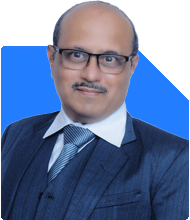
Ramalingam

Ramalingam Kalirajan  |10881 Answers  |Ask -

Mutual Funds, Financial Planning Expert - Answered on May 09, 2024

Ramalingam Kalirajan has over 23 years of experience in mutual funds and financial planning.
He has an MBA in finance from the University of Madras and is a certified financial planner.
He is the director and chief financial planner at Holistic Investment, a Chennai-based firm that offers financial planning and wealth management advice.... more
Asked by Anonymous - May 08, 2024Hindi

Listen
Money

Hi i am investing 48000 in sip monthly starting last 3 months ..sukanya samridi for kid monthly 12500 ..do not have any corpus... Plan to step sip by another 40 k in couple of months..aged 43 years...have term 1 c and otak smart life plan for kid for which I pay 1lac per year for 12 years payment term ...3 years completed.... Pf 22 lac and doing pf plus vpf close to 25000 per month...plan to sell an apt and can get 50 lac in couple of months... Have another apartment for later staying after retirement... Need to generate 4 crore for daughter education marriage and retirement in 8 years time... Please advice

Ans: It's great to see your proactive approach towards securing your daughter's future and planning for your retirement. Let's break down your financial situation and outline a strategy to achieve your goals.

Currently, you're investing ?48,000 monthly in SIPs and ?12,500 in Sukanya Samriddhi Yojana for your kid's future. Additionally, you have term insurance and a life plan for your child, along with a significant PF balance and regular contributions.

Considering your age and financial goals, it's commendable that you're taking steps to enhance your savings and investments. The upcoming sale of an apartment, along with your existing assets, provides a solid foundation to work with.

To generate a corpus of ?4 crore for your daughter's education, marriage, and your retirement in 8 years, we need to focus on optimizing your investments and maximizing returns.

With the additional funds from the apartment sale, consider increasing your SIP investments gradually to accelerate wealth accumulation. Diversify your portfolio across equity, debt, and other asset classes to mitigate risk and enhance returns.

Since you have a relatively short time frame of 8 years, it's essential to maintain a balanced approach to investing, prioritizing growth while safeguarding capital. Regular reviews with a Certified Financial Planner can help ensure your investment strategy remains aligned with your goals and risk tolerance.

Furthermore, continue contributing to your PF and explore other tax-efficient investment avenues to optimize your savings. Ensure adequate insurance coverage to protect your family's financial well-being in case of unforeseen events.

By staying disciplined in your savings and investments and making informed decisions, you're well-positioned to achieve your financial aspirations for your daughter's future and your retirement.

Best Regards,
K. Ramalingam, MBA, CFP,
Chief Financial Planner,
www.holisticinvestment.in
DISCLAIMER: The content of this post by the expert is the personal view of the rediffGURU. Users are advised to pursue the information provided by the rediffGURU only as a source of information to be as a point of reference and to rely on their own judgement when making a decision.
Money

You may like to see similar questions and answers below

Ramalingam

Ramalingam Kalirajan  |10881 Answers  |Ask -

Mutual Funds, Financial Planning Expert - Answered on May 17, 2024

Asked by Anonymous - May 07, 2024Hindi
Listen
Money
I am 34 years old living with my Parents, my wife and 3 yr old Son, I have invested around 75L through various FDs and Post office schemes, currently having a house loan of 45L for which I am paying EMI 35000 and extra amount each month around 25000 for past two years, planning to start to invest in SIP by this year to plan my retirement when I reach 50 years of age Could anyone please guide me for this. Currently having monthly salary 70,000 in hand.
Ans: Crafting a Financial Plan for Retirement and Wealth Accumulation
Assessing Your Current Financial Situation
At 34, you've demonstrated prudent financial habits by investing in FDs and Post Office schemes, along with diligently repaying your housing loan through regular EMIs and additional payments. With a stable monthly salary of 70,000 and a family to support, it's wise to plan for your long-term financial security.

Prioritizing Retirement Planning
Starting SIPs for retirement planning is a commendable step towards securing your financial future. Aim to allocate a portion of your monthly income towards equity-oriented mutual funds through SIPs to harness the power of compounding over the long term.

Determining Retirement Corpus
Calculate your desired retirement corpus based on your lifestyle expenses, inflation, and retirement age target of 50. Consider consulting with a Certified Financial Planner (CFP) to determine the appropriate corpus required to maintain your desired standard of living post-retirement.

Choosing Suitable Mutual Funds
Select a mix of equity mutual funds that align with your risk tolerance, investment horizon, and financial goals. Diversify your portfolio across large-cap, mid-cap, and multi-cap funds to balance risk and potential returns. Monitor fund performance regularly and make adjustments as needed.

Optimizing Debt Repayment
Continue making additional payments towards your housing loan to accelerate debt reduction and save on interest costs. Consider evaluating refinancing options or negotiating with your lender to lower your interest rate and shorten the loan tenure, if feasible.

Emergency Fund and Contingency Planning
Ensure you have an adequate emergency fund equivalent to 6-12 months' worth of living expenses to cover unforeseen circumstances or financial emergencies. Review your insurance coverage, including health, life, and property insurance, to protect your family's financial well-being.

Seeking Professional Advice
Consult with a Certified Financial Planner (CFP) to develop a comprehensive financial plan tailored to your specific needs and goals. A CFP can provide personalized advice, recommend suitable investment strategies, and help you navigate complex financial decisions.

Conclusion
By prioritizing retirement planning, optimizing debt repayment, and building a robust financial safety net, you can achieve your long-term financial goals and secure a comfortable retirement for yourself and your family. Stay disciplined in your savings and investment approach, and seek professional guidance to maximize your wealth accumulation potential.

Best Regards,

K. Ramalingam, MBA, CFP,
Chief Financial Planner,
www.holisticinvestment.in

..Read more

Ramalingam

Ramalingam Kalirajan  |10881 Answers  |Ask -

Mutual Funds, Financial Planning Expert - Answered on Oct 03, 2024

Money
I am 51 yr old , Staying in NCR (Rental); Old Parental House in Lucknow (Vacant, To be sold later, Approx Cost - 60 L); *18.90 L PA salary (In hand), Expenses 10.0L PA (Inclusive of House expenses, Electricity , House rent , Term Insurance Premium, Medical + super Top up Premium, Car Loan for next 32 month etc), 2 Term plan - 1.75 Cr (Cummulative SI) ; Daughter (1 no, 20 yrs) - Higher Education & Marriage, Son (1 No, 13 yrs) - Higher Education & Marriage; New house to purchase (In Lucknow in next 5-6 years after selling the exisitng Parental house , Budget: 75L - 85L);; * Investments : PPF (25th Term Running): 24 L ; Sukhanya (Daughter's) : 4.5L; Shares : 10.0 L. I also earn approx 1-2 Lacs from Interest + Dividends which is again reinvested in SIP. * Monthly investment is 72K in Mutual Fund SIP. SIP in Progress: DSP Elss D/G - 8000/- ; Nippon Mid Cap D/G - 5000/-; Nippon Multi Cap D/G - 8000/-; Parag Flexi Cap D/G - 5000/- ; Quant Elss D/G - 8000/- ; Mirae Elss D/G - 6000/- ; ICICI Pru Val Disc D/G - 7000/-; HDFC Def D/G - 5000/-; HDFC Flexi Cap D/G - 5000/-; HDFC Mfging D/g - 5000/-; HDFC Mid Cap opportunity D/G - 5000/- ; HDFC Top 100 D/G - 5000/- ; * SIP Completed lying dormant (Units available) : Axis Bluechip D/G - 4287 units; Axis Elss D/G - 8049 units; Axis Elss D/IDCW - 4342 units; Sundaram Mid Cap D/G - 1123 units; UTI Nifty 50 index D/G - 3021 units ; ABSL Frontline Equity D/G - 4763 units ; DSP Top 100 D/G - 2203 units ; HDFC Hybrid - 5862 units; HDFC Top 100 D/IDCW - 3640 units ; HSBC ELSS R/IDCW - 1840 units ; HSBC ELSS D/IDCW - 259 units ; ICICI Pru Bluechip D/G - 4267 units ; ICICI Pru Multi Asset D/G - 1775 units ; Mirae Large & Mid Cap D/G - 3395 units ; Mirae ELSS D/IDCW - 8861 units; Nippon Large Cap D/G - 9915 units; Nippn Elss D/IDCW - 12705 units ; Quantum Long Term Equity D/G - 9702 units; I have been Investing from 1998 onwards in SIP ; Till now total invested in SIP : 65L ; Current value is 1.84 Cr). My Wish List : To retire with approx 10CR after 9 years after fulfilling all my obligations; So please Suggest / Guide me , how to move forward with current investments or any restructure is reqd. Thanks in Advance.
Ans: You have built a solid financial foundation over the years. Your investments reflect careful planning and a long-term perspective. With a salary of Rs 18.90 lakhs per annum and expenses of Rs 10 lakhs annually, you have a good balance between income and spending. Your approach to saving and investing is commendable.

Your investments are diversified across various asset classes, including mutual funds, fixed deposits, and shares. This diversification helps reduce risk and enhances the potential for returns. Moreover, your existing investments in PPF and Sukanya Samriddhi Yojana indicate a commitment to secure savings for your children’s future.

Your current monthly SIP of Rs 72,000 in mutual funds is a proactive strategy. You've been investing in various schemes for several years, which has allowed your portfolio to grow substantially. With a total investment of Rs 65 lakhs in SIPs and a current value of Rs 1.84 crores, you’ve demonstrated remarkable discipline.

Evaluating Your Investment Strategy
Your investment strategy is multifaceted, but there are areas that could benefit from evaluation. Let’s break down your investments:

SIP Investments: You are currently investing in several mutual funds across different categories. This diversification is essential to balance risk and return. However, with multiple funds in the same category, there could be an overlap in holdings, leading to dilution of potential returns.

Dormant Units: You have several completed SIPs that are now dormant but hold units in various mutual funds. These funds need careful review to determine whether they are performing adequately. If some funds have not delivered desired returns, it may be time to redeem and reinvest in better-performing options.

Future Financial Goals: You have clear financial goals for your daughter and son regarding their higher education and marriage. Additionally, you plan to purchase a new house in Lucknow. These are significant financial commitments that require careful planning and allocation of resources.

Current Insurance Coverage: You have two term insurance plans with a cumulative sum insured of Rs 1.75 crores. This coverage is essential for your family’s financial security. However, it is crucial to ensure that this coverage is sufficient based on your family's future needs, especially considering your children’s education and marriage.

Optimizing Your Investment Portfolio
To achieve your goal of accumulating Rs 10 crore in the next 9 years, a focused investment approach is necessary. Here are strategies to optimize your portfolio:

Consolidate Your ELSS Funds
You are currently investing in multiple ELSS schemes, which offer tax benefits while providing potential for growth. However, having too many funds can dilute your investment and complicate your financial strategy.

Recommendation: Select one or two high-performing ELSS funds that have consistently demonstrated strong performance. Focus on funds managed by reputable fund houses with a proven track record. This consolidation will help simplify your portfolio and improve overall returns.
Focus on Growth-Oriented Investments
Given your 9-year investment horizon, you have the opportunity to take on more risk for potentially higher returns.

Recommendation: Consider increasing your allocation to growth-oriented mid-cap and small-cap funds. These funds often outperform large-cap funds over the long term. However, they can be volatile, so regular monitoring and rebalancing are essential.
Review Sectoral and Thematic Funds
While sectoral funds can offer high returns, they are also risky and may not provide consistent performance.

Recommendation: Evaluate the performance of your sectoral funds. If any of these funds are underperforming or not aligning with your long-term strategy, consider reducing your exposure. Redirect those investments into diversified large-cap or multi-cap funds. These funds generally offer a more balanced approach and can help reduce overall portfolio risk.
Optimize Dormant Units
Your completed SIPs have left you with units in various funds. While some of these funds may still be performing well, others might not meet your expectations.

Recommendation: Review the performance of your dormant units. If some funds have consistently underperformed, consider redeeming them and reallocating those funds into better-performing options. Ensure you are aware of the tax implications of any redemptions, particularly long-term capital gains tax.
Tax Implications of Mutual Fund Investments
Understanding the tax implications of your investments is critical in optimizing your portfolio.

Equity Mutual Funds: Long-term capital gains (LTCG) exceeding Rs 1.25 lakh are taxed at 12.5%. Short-term capital gains (STCG) are taxed at 20%. When redeeming mutual fund units, consider these tax implications, especially if you're redeeming large amounts.

Debt Mutual Funds: Both LTCG and STCG for debt funds are taxed according to your income tax slab. This means that these funds could increase your tax liability. When managing your portfolio, always factor in these tax implications to make more informed decisions.

Future Financial Goals and Their Impact
Daughter’s Higher Education and Marriage: Since your daughter is now 20, her higher education and marriage are approaching quickly. It's crucial to have a clear plan to fund these significant expenses.

Recommendation: Start earmarking specific funds for her education and marriage. You can consider redeeming some of your ELSS units after the lock-in period to provide funds for these needs. Additionally, you may want to consider a dedicated equity fund that targets these specific goals.

Son’s Higher Education and Marriage: You have a longer time frame for your son’s financial needs. This gives you a more extended period to invest in growth-oriented mutual funds, which can lead to substantial capital accumulation.

Recommendation: Keep investing in high-growth mutual funds for your son’s future needs. By the time he is ready for higher education, your investments should have appreciated significantly.

New House Purchase: Your plan to purchase a new house in Lucknow in the next 5-6 years is an important financial goal.

Recommendation: Start saving for the down payment now by allocating a portion of your current savings into liquid or short-term debt funds. This will ensure you have the necessary funds available when you sell your parental house and need to make the purchase.

Monthly Investment and Saving Strategies
To support your goal of accumulating Rs 10 crore in 9 years, here’s how to maximize your monthly investments:

Increase SIP Contributions: If possible, consider increasing your SIP contributions gradually. Even a modest increase can significantly enhance your investment corpus over time.

Emergency Fund: Maintain an emergency fund to cover at least 6-12 months of your expenses. This fund will ensure you do not need to liquidate investments during market downturns.

Reassess Monthly Expenses: Regularly review your monthly expenses to identify areas where you can cut costs. Any savings can be redirected to your investments.

Utilize Additional Income: The additional income you earn from interest and dividends should also be reinvested. Consider channeling this income into your SIPs or purchasing additional units in mutual funds that align with your long-term goals.

Insurance Coverage Assessment
Your current insurance coverage of Rs 1.75 crores is a good start, but you need to evaluate if it is adequate.

Recommendation: Assess the total future liabilities you would want to cover. This includes your children’s education and marriage expenses and any outstanding loans. If you feel the current coverage is insufficient, consider increasing your term insurance coverage.

Health Insurance: Ensure you have adequate health insurance coverage for you and your family. The medical expenses can be significant, especially in the event of emergencies.

Final Insights
Your disciplined approach to investing has positioned you well for a comfortable retirement. By making a few strategic adjustments, you can optimize your portfolio to achieve your goal of Rs 10 crore in 9 years.

Review Regularly: Conduct regular reviews of your investment portfolio. This will help you stay on track and adjust your strategy as market conditions change.

Stay Informed: Keep yourself informed about market trends and economic changes. Knowledge is a powerful tool in managing your investments effectively.

Seek Professional Guidance: If needed, consult with a Certified Financial Planner for personalized advice. They can provide insights tailored to your unique financial situation and goals.

Your existing investments, combined with a well-structured plan, can help you achieve your retirement goal while fulfilling your family obligations.

Stay committed to your financial plan, and take the necessary steps to ensure your family’s financial future is secure.

Best Regards,
K. Ramalingam, MBA, CFP
Chief Financial Planner
www.holisticinvestment.in
https://www.youtube.com/@HolisticInvestment

..Read more

Reetika

Reetika Sharma  |423 Answers  |Ask -

Financial Planner, MF and Insurance Expert - Answered on Oct 04, 2025

Asked by Anonymous - Sep 30, 2025Hindi
Money
I'm 39 years old. I've two kids(Elder son & younger daughter), 11yrs and 8yrs. My yearly take home salary is 24lacs. I've a home loan of 26k EMI and still 24.5lacs pending. Current property value is 70lacs. I'm getting rent of 12k from it. I have another property loan (Commercial building loan), EMI of 44lacs pending with EMI of 52.5k. I'm getting rental income of Rs 60k from this. Apart from this I have 10lacs local loan, for which I'm paying 27k everymonth. This local 10lac loan will be over in another 2yrs. I've just started a SIP few months ago for 16k (8k in ICICI thematic FOF & 8k in ICICI multi asset). I'm planning to start another SIP for 19k every month. I plan to afford 20lacs max for each kid for thier education. Also I guess I may need 75lacs for my daughters wedding and 25lacs for my son's wedding. I wish to retire at the age of 50. I also have Term insurance for 1.5crores. Can you please tell whether the SIP of 35k is enough or do I need to invest more every month?. Also can you please suggest category of fund which I have to invest based upon my need and time of requirement.
Ans: Hi,

You should have an emergency fund of 3-6 months worth expenses along with a health insurance as well.

SIP of 35k for 11 years will only give you 1 crore when you turn 50.

You need to invest to your full capacity to achieve an early retirement. Try to invest 50k per month with a step up of 10% to retire at 50.

For kid's marriage, start another SIP of 25000 for next 20 years. You will get 3 crores for marriage goal.

In both cases, choose equity mutual funds.
Your existing choice of 2 funds is not good. Choose large cap and multi cap fund to diversify and refrain from choosing any sectoral fund like thematic FOF. Take a professional guidance as doing it without professional's help can prove otherwise.

Hence do consult a professional Certified Financial Planner - a CFP who can guide you with exact funds to invest in keeping in mind your age, requirements, financial goals and risk profile.

Best Regards,
Reetika Sharma, Certified Financial Planner
https://www.instagram.com/cfpreetika/

..Read more

Purshotam

Purshotam Lal  | Answer  |Ask -

Financial Planner, MF and Insurance Expert - Answered on Oct 16, 2025

Asked by Anonymous - Sep 30, 2025Hindi
Money
I'm 39 years old. I've two kids(Elder son & younger daughter), 11yrs and 8yrs. My yearly take home salary is 24lacs. I've a home loan of 26k EMI and still 24.5lacs pending. Current property value is 70lacs. I'm getting rent of 12k from it. I have another property loan (Commercial building loan), EMI of 44lacs pending with EMI of 52.5k. I'm getting rental income of Rs 60k from this. Apart from this I have 10lacs local loan, for which I'm paying 27k everymonth. This local 10lac loan will be over in another 2yrs. I've just started a SIP few months ago for 16k (8k in ICICI thematic FOF & 8k in ICICI multi asset). I'm planning to start another SIP for 19k every month. I plan to afford 20lacs max for each kid for thier education. Also I guess I may need 75lacs for my daughters wedding and 25lacs for my son's wedding. I wish to retire at the age of 50. I also have Term insurance for 1.5crores. Can you please tell whether the SIP of 35k is enough or do I need to invest more every month?. Also can you please suggest category of fund which I have to invest based upon my need and time of requirement. I also have PF balance of around 16lacs and I contribute around 20k everymonth (EePF+ErPF). I have NPS for 5000/- pension.
Ans: As per the given information, per month available fund for investment is estimated to be Rs 42000 approx., considering household expenses of 40% (Rs 1.088 L) of your gross monthly earnings. Further the marriage cost may rise @ 8% inflation to Rs 277.50 L after 17 Years for daughter and Rs 73.43L for your son after 14 years. Since you wish to retire by age 50, your investments will stop at that age. To provide for that monthly Equity MF SIP of Rs 66K shall be required and 50K Equity MF SIP for Education is required for your daughter & son till your age 50. You currently has an MF SIP of 16K, which is much short of the target per month investment. Your PF balance is likely to accumulate at current interest rate of 8.25% pa with monthly contribution of 20K, to Rs 81 Lakh. Which is also too less for your comfortable retirement. Available options are to think of retirement age of 58 Years and also reduce your monthly household expenses, reduce provision for child marriages and also to increase monthly SIP every year by say 10% as your income rises. It is also suggested to take a good family floater health insurance policy. Good Luck.

Purshotam, CFP®, MBA, CAIIB, FIII
Certified Financial Planner
Insurance advisor
www.finphoenixinvest.com

..Read more

Latest Questions
Ramalingam

Ramalingam Kalirajan  |10881 Answers  |Ask -

Mutual Funds, Financial Planning Expert - Answered on Dec 12, 2025

Asked by Anonymous - Dec 11, 2025Hindi
Money
Dear sir This is regarding my mother's financials. She is 71 years old and she earns a pension of 31k p.m. She has FD's worth 60 lacs and earns interest income of Rs.25k. I wish to know if we can buy mutual funds worth 10 lacs by diverting funds from FD for better returns. She owns a house and does not have house rent commitment . She is currently investing 10k p.m in SIP . Now the lump sum investment of 5 lacs each is intended to be done in HDFC balanced advantage fund Direct Growth and ICICI Prudential balanced advantage fund . Please advise
Ans: You are caring about your mother’s future.
This shows deep responsibility.
Her financial base also looks strong today.
Her pension gives steady cash.
Her FD interest gives extra safety.
Her home is secure.
Her SIP shows healthy discipline.

» Her Present Financial Position
Your mother is 71.
Her age makes safety a key priority.
But some growth is also needed.

She gets Rs 31000 pension each month.
This covers most basic needs.
Her FD interest adds Rs 25000 per month.
So her total monthly inflow is near Rs 56000.
This is healthy at her age.

She owns her house.
She has no rent stress.
This gives great relief.

She has FD worth Rs 60 lakh.
This gives safe income.
She also runs a SIP of Rs 10000 per month.
This is a good step.
It keeps her connected to long-term growth.

Her total structure looks balanced.
She has safety.
She has income.
She has some growth exposure.
She has low liabilities.

This is a very stable base for her age.

» Understanding Her Risk Level
At age 71, risk must be low.
But risk cannot be zero.
Zero risk pushes money into FD only.
FD return stays low.
FD return sometimes falls after tax.
FD return often stays below inflation.

This reduces future buying power.
Inflation in India stays high.
Medical costs rise fast.
Home repair costs rise.
Daily needs rise.
So some growth is needed.

Balanced exposure gives stability.
Balanced allocation protects both sides.
She should not go too high on equity.
She should not avoid equity fully.
A middle path works best at this age.

Your idea of shifting Rs 10 lakh for growth is fine.
But the type of fund must be chosen well.
The plan must also follow her age.
Her risk must be respected.

» Impact of Growth Options at Her Age
Growth funds move with markets.
Markets move up and down.
These swings can disturb seniors.
But some controlled equity helps fight inflation.

Funds with mix of equity and debt help.
They adjust risk.
They protect capital better.
They manage volatility better.
They offer smoother experience.
They suit senior citizens more.

So a mild growth approach is healthy.
This gives better long-term value.
This gives inflation protection.
This reduces long-term stress.

Still, the fund choice must be careful.
And the plan style must be guided.

» Concerns With Direct Plans
You mentioned direct funds.
Direct funds seem cheap.
But cheap is not always better.

Direct funds give no guidance.
Direct funds give no review support.
Direct funds give no risk matching.
Direct funds need constant study.
Direct funds need skill.
Direct funds need time.

Many investors think direct plans save money.
But small savings can cause big losses.
Wrong choices reduce returns.
Wrong timing reduces gains.
Wrong exit increases tax.

Regular plans bring professional support through MFDs with CFP credentials.
They offer yearly reviews.
They track risk closely.
They guide corrections.
They support crisis moments.
They help in asset mix.
They help keep emotions stable.

This support is very helpful for seniors.
Your mother will not need to study markets.
She will not need to track cycles.
She will not need to worry about volatility.
She can stay calm.

So regular plans may suit her better.
The small extra fee is actually buying professional hand-holding.
This hand-holding protects wealth.
This reduces mistakes.
This brings long-term peace.

» Her Liquidity Need
At age 71, liquidity matters.
She must access money fast during emergencies.
Medical needs can arise.
Health cost can be sudden.
She must be ready.

FD gives quick access.
This is useful.
So FD should not be reduced too much.

Shifting Rs 10 lakh is acceptable.
But shifting more may reduce comfort.
She must always feel safe.
Her emotional comfort is important.

So Rs 10 lakh is the right level.
It keeps major FD corpus safe.
It keeps growth exposure controlled.

This balance supports her peace.

» Her Current SIP
She puts Rs 10000 per month in SIP.
This is positive.
This brings slow steady growth.
This builds long-term value.

She should continue this SIP.
She may reduce it later based on comfort.
But she should not stop it now.
This SIP adds inflation protection.
This SIP builds a small buffer.

A continuous SIP helps smooth markets.
It builds confidence.

» Income Stability for Her
Her pension covers needs.
Her FD interest adds comfort.
Her SIP invests for future needs.
Her home saves rent.

So she has stable income.
Her life standard is maintained.
Her risk level can stay low.

Her monthly cash flow is positive.
Her needs are covered.
So she need not worry about returns too much.
But a little growth is still healthy.

» Should She Shift Rs 10 Lakh From FD?
Yes, she can shift Rs 10 lakh.
This does not hurt her safety.
This does not shake her cash flow.
This supports inflation protection.

But the fund must be right.
The plan must match her age.
The risk must stay low.
The allocation must stay controlled.

A balanced strategy is better.
Smooth returns suit seniors.
Moderate risk suits her age.

Still, the fund must be in regular plan.
Direct plan may cause long-term risk.
Direct plans place the heavy load on the investor.
At her age, this stress is avoidable.
Regular plans give smoother support.

» Why Not Use the Specific Schemes Mentioned
The schemes you named are direct plans.
Direct plans give no support.
Direct plans leave all decisions to you.
Direct plans leave all risk checks on you.

Also, each fund has its own style.
Each adjusts differently.
You must check suitability.
You must review them yearly.
This needs time and skill.

For her age, this is not ideal.
A simple, guided, regular plan works better.

Also, some funds change risk levels fast.
Some increase equity without warning.
Some change style in market shifts.
This can disturb seniors.
She must stay with stable funds.
She must stay with guided models.

This protects her long-term peace.

» The Role of Actively Managed Funds
Actively managed funds suit Indian markets.
India grows fast.
Sectors rise and fall fast.
Many companies grow fast.
Many also fall fast.

Active managers study these shifts.
They adjust quicker.
They avoid weak sectors.
They add strong businesses.
They protect downside.
They enhance upside.

Index funds cannot do this.
Index funds copy indices.
Indices carry weak companies also.
Indices carry overpriced stocks.
Indices do not avoid bad phases.
Indices cannot change weight fast.
So index funds give no defensive shield.

Actively managed funds work harder.
They try to reduce shocks.
They try to smooth volatility.
This suits seniors more.

So an active regular plan through an MFD with CFP credentials is better for her.

» Tax Angle on Mutual Fund Redemption
Capital gain rules matter.
For equity funds, long-term gains above Rs 1.25 lakh have 12.5% tax.
Short-term gains have 20% tax.
Debt fund gains follow your tax slab.

Senior investors must plan exits well.
They must avoid excess tax shock.
They must stagger withdrawals.
They must redeem only when needed.

A guided regular plan helps avoid tax mistakes.
Direct funds offer no such guidance.

» Her Emergency Preparedness
At her age, emergency readiness is key.
She must have quick cash.
She must have easy access.
Her FD base helps this.

She has Rs 60 lakh in FD.
This is strong.
She should keep most of this.
Maybe an emergency bucket of Rs 5 to 10 lakh must stay fully liquid.

This brings peace.
This prevents panic.
This avoids forced redemption.

» Family Support System
You are involved.
This protects her retirement.
You can offer emotional help.
You can offer decision help.
This support makes her financial life safe.

Family support keeps stress low for seniors.
She will feel secure.
She will stay calm during market changes.

» How Her Future Years Can Stay Stable
She needs comfort.
She needs safety.
She needs liquidity.
She needs some growth.
She needs health cover.
She needs emotional peace.

A control-based plan helps:
– Keep most money in FD
– Keep some in balanced mutual funds
– Keep SIP running
– Keep money easily accessible
– Keep risk low
– Keep asset mix simple
– Keep tax impact low
– Keep reviews yearly

This keeps her retirement smooth.

» Built-In Protection for Senior Life
Her plan must also protect future risk.
Medical cost may rise.
Home repairs may occur.
Occasional family support may be needed.

So she must:
– Keep cash bucket
– Keep healthy insurance
– Keep documents updated
– Keep financial papers organised
– Keep digital and physical files safe

This brings long-term safety.

» Withdrawal Strategy
She may not need withdrawals now.
Her income covers expenses.
But she may need money in later years.

She should follow a layered method:

Short-term needs from FD

Medium needs from balanced funds

Long-term needs from SIP corpus

Emergency money from liquid FD

This spreads risk.
This avoids sudden losses.
This protects her capital.

» Assessing the Rs 10 Lakh Transfer
This transfer is fine.
But it must not go to direct plans.
It must go to regular plans.
Guided plans reduce mistakes.
Guided plans suit seniors.

Split into two funds is fine.
But avoid too much complexity.
Simple structure reduces stress.
Easy structure improves clarity.

So two regular plans through an MFD with CFP credentials is ideal.

» Final Insights
Your mother has a strong base.
Her pension is stable.
Her FD pool is healthy.
Her home reduces cost.
Her SIP adds growth.

Adding Rs 10 lakh into balanced mutual funds is a good idea.
But shift to regular plans with expert guidance.
Direct plans are not suitable for seniors.
They bring more risk.
They bring more complexity.
They bring more stress.

Regular plans bring reviews.
Regular plans match risk.
Regular plans reduce mistakes.
Regular plans suit her age.

Her future looks stable with this mix.
Her life can stay comfortable.
She can enjoy her senior years with peace.

Best Regards,
K. Ramalingam, MBA, CFP,
Chief Financial Planner,
www.holisticinvestment.in

https://www.youtube.com/@HolisticInvestment

...Read more

Ramalingam

Ramalingam Kalirajan  |10881 Answers  |Ask -

Mutual Funds, Financial Planning Expert - Answered on Dec 12, 2025

Asked by Anonymous - Dec 12, 2025Hindi
Money
Hi, I am 53 years with a wife and two children. My total savings comprising of MF, Shares, PDF,EPF, NPS & FD are approx. 3Cr. Our current monthly outgoing including SIPs is approximately 100000. Will the above savings amount be sufficient to sustain for the next 20 years?
Ans: You have managed to build Rs 3 Cr by age 53.
This shows steady discipline.
Your savings mix also looks balanced.
Your family seems stable.
Your cost control also looks fair.
This gives a good base for the next stage of life.

» Your Current Position
Your savings stand near Rs 3 Cr.
Your monthly outflow is near Rs 100000.
This includes your SIP amount also.
Your family has four members.
You have two children.
Your wife is with you.
You have a mixed pool across MF, shares, PF, EPF, NPS, and FD.
This mix brings both growth and stability.
This gives you a good base.

Your age is 53.
You have around 7 to 12 working years left.
This period is crucial.
Your decisions now shape the next 20 years.
Your savings rate also matters.
Your cost control also shapes the future.

Today’s numbers show you have a good foundation.
But sustainability depends on many factors.
We must study inflation, spending pattern, growth pattern, tax, risk level, health cost, and cash flow flexibility.

» Understanding the Cash Flow Stress
Your family spends around Rs 100000 today.
This includes SIP.
After retirement, SIP will stop.
But living costs will continue.
Costs increase each year.
Inflation can eat cash fast.
So we must ensure growth in wealth.
Slow growth can stress the corpus.
Fast growth brings more shocks.
So balance is key.

Rs 3 Cr looks large today.
But 20 years is long.
Inflation reduces buying power.
Medical costs also rise.
Family needs also shift.

Your money can last 20 years.
But it needs correct planning.
Blind use of the corpus will not help.
Proper flow matters.
Proper asset selection also matters.
You need steady growth.
You need low shocks.
You need stable income.

» Role of Growth Assets
Many families fear growth assets.
But growth assets are needed today.
Inflation is strong in India.
If money stays in FD only, it suffers.
FD return stays low.
Post-tax return stays even lower.
FD return does not beat inflation.
FD cannot support long-term plans.

Mutual funds bring better growth.
Actively managed funds bring better research.
They allow expert judgement.
They can handle market swings better.
They study sectors and businesses.
They adjust the portfolio.
They aim for more consistent returns.
This helps protect wealth.

Some people choose direct plans.
But direct plans need full time study.
They need skill.
They need discipline.
Most investors do not have the time.
Wrong choices can reduce returns.
Direct plans give no guidance.
Direct plans can reduce long-term peace.

Regular plans through an MFD with CFP credential give better support.
They help with reviews.
They help with corrections.
They help with rebalancing.
They help manage behaviour.
They save time and stress.

You already have MF exposure.
This is good.
You should keep this path.
Active fund management will help long-term stability.

» Role of Safety Assets
You have EPF, PPF, NPS, FD.
These give safety.
They give peace.
But they give lower return.
Too much safety reduces future income.
A mix of both is needed.

Safety assets give steady income.
But they do not grow fast.
They cannot support 20 years alone.
So balance must be kept.

» Assessing the Sustainability for 20 Years
Rs 3 Cr can support 20 years.
But it depends on:

Your retirement age

Your spending pattern

Your ability to reduce costs

Your asset mix

Your growth rate

Your inflation level

Your health cost

Your emergency needs

If your core expenses stay in control, your corpus can last.
If you invest well, your corpus can support you.
If you avoid panic, your wealth will grow.
Your children may also get settled.
Your own needs may reduce.

The key is proper planning.
Without planning, the corpus can shrink fast.
With planning, it will last long.

» Inflation Impact
Inflation is silent.
It eats buying power.
Costs double every few years.
Food rises.
Health rises.
Daily life rises.
School fees rise.
Lifestyle rises.

If your money grows slower than inflation, you lose power.
So growth assets must be part of the plan.
They help beat inflation.
They help protect lifestyle.
They help support long-term needs.

This is why active mutual funds stay useful.
They bring research-driven decisions.
They help fight inflation better.
They stay flexible.
They move with the economy.

» Evaluating Your Retirement Readiness
You stand near retirement zone.
You still have some working life.
You still earn.
You still save.
Your income supports your SIP.
This is good.
This is the right stage to improve planning.

Your SIP amount builds future cash.
Your insurance must be proper.
Your emergency fund must be strong.
Your health cover must be strong.

You have PF and NPS.
These give safety.
They bring stability.
They give steady return.
But they do not give high return.
Growth will come from MF and equity.

Your retirement readiness depends on:

Cash flow plan

Growth plan

Insurance plan

Medical cover plan

Long-term income plan

Withdrawal plan

When all parts align, you will stay secure.

» Withdrawal Strategy for the Future
When you retire, cash flow must stay smooth.
You cannot depend on FD alone.
You cannot depend only on EPF.
You cannot depend on one asset class.
You need a mix.

Your withdrawal should come from:

Some from safety assets

Some from growth assets

Some from periodic rebalancing

This helps you avoid panic selling.
This helps you maintain stability.
This protects your lifestyle.

Tax must also be managed.
Tax on equity MF has new rules.
Long-term gain above Rs 1.25 lakh has 12.5% tax.
Short-term gain has 20% tax.
Debt MF gain follows your tax slab.
These rules shape your withdrawal plan.
You must plan redemptions wisely.

» Health and Family Factors
Health cost is rising in India.
Hospital bills rise fast.
Health shocks drain savings.
So good health cover is needed.
Family needs must be studied.

Your children may still need some support.
Their education or marriage may need funds.
These costs must be planned early.
You should not dip into retirement money.
Clear planning avoids stress.

Your wife also needs future support.
Joint planning is better.
Shared decisions help discipline.

» Need for a Structured Review
A structured review every year is needed.
Your income may change.
Your savings may rise.
Your spending may shift.
Your goals may change.
Your risk level may shift.
Your family needs may change.

Review helps you stay on track.
Review helps catch issues early.
Review helps you correct mistakes.
Review brings peace.

A Certified Financial Planner can guide reviews.
This support builds confidence.
This reduces stress.
This brings clarity.

» How to Strengthen Your Position
You already stand strong.
But you can still improve.
Here are some steps to make your 20 years safer.

Keep your growth-safety mix balanced

Increase your SIP when income allows

Avoid direct plans if guidance needed

Use regular plans for proper support

Avoid real estate due to low returns

Increase your emergency fund

Improve your health cover

Avoid ULIP and mixed plans if you ever have them

Review your EPF and NPS allocation

Track your spending carefully

Plan for yearly rebalancing

Keep enough liquidity for short needs

Keep boredom decisions away

Stay invested even in tough times

Trust long-term compounding

Each step adds stability.
Your family will feel safe.

» Building a Strong Future Income Flow
Income must not come from one basket.
Income should come from:

MF SWP

PF interest

FD ladder

NPS withdrawal in a slow way

Equity redemption in a planned way

This spreads risk.
This spreads tax.
This spreads stress.

Staggered withdrawal helps peace.
Your money grows even while you spend.
Your corpus stays healthy.

» Maintaining Low Stress in Retirement
Retirement should be peaceful.
Money stress should be low.
Good planning ensures this.

Keep clear communication with your family.
Keep your files organised.
Keep your goals updated.
Keep calm during market swings.

Your corpus can support you.
Your strategy will shape your peace.

» Final Insights
Your Rs 3 Cr corpus is a strong base.
Your age gives you time to improve more.
Your monthly spending is manageable.
Your asset mix supports your future.

But planning is needed.
Cash flow must be aligned with inflation.
Growth assets must stay active.
Safety assets must be balanced.
Withdrawal must be planned wisely.
Health cost must be covered.
Risk must be contained.

With proper planning, your wealth can support the next 20 years.
Your family can live with comfort.
Your lifestyle can stay stable.
Your future can stay safe.

Best Regards,
K. Ramalingam, MBA, CFP,
Chief Financial Planner,
www.holisticinvestment.in

https://www.youtube.com/@HolisticInvestment

...Read more

Reetika

Reetika Sharma  |423 Answers  |Ask -

Financial Planner, MF and Insurance Expert - Answered on Dec 12, 2025

Money
Dear Sir, I am 60 yrs and just superannuated. I have no pension and the spread of corpus is as follows; - MF & Shares portfolio value is around 1 Cr. SWP of 40000/month initiated. But SIP of 20000/month is also on for next six months - FDs in bank is around 3. Cr and are in Quarterly pay-out interest - PPF of 20 Lac - RBI Bond of 16 lac half yearly interest pay out - PF 90 Lac not withdrawn so far as I can extend this with 1 yr. - Few SA pension 63000 per year Please do suggest if the above can give me expenses to meet 2.5 Lac/m for next 20 yrs Best regards,
Ans: Hi Deepa,

Overall your total networth is 5 crores (including PF, FD, MF, binds etc.) - we will break it into 4 crores (which can be used to fund your retirement) and 1 crore for emergencies.
If invested correctly, this 4 crores can fund you for 20 years and not more than that. You need to invest 4 crores so that they fetch you around 11-12% XIRR to fund your monthly expenses. Also withdraw your PF, liquidate 2 crores from FD and reinvest entirely.

Take the help of a professional who will design your portfolio keeping in mind your monthly requirements for the next 20 years.

Hence please consult a professional Certified Financial Planner - a CFP who can guide you with exact funds to invest in keeping in mind your age, requirements, financial goals and risk profile. A CFP periodically reviews your portfolio and suggest any amendments to be made, if required.

Let me know if you need more help.

Best Regards,
Reetika Sharma, Certified Financial Planner
https://www.instagram.com/cfpreetika/

...Read more

Reetika

Reetika Sharma  |423 Answers  |Ask -

Financial Planner, MF and Insurance Expert - Answered on Dec 12, 2025

Asked by Anonymous - Nov 08, 2025Hindi
Money
I am doing 2Lkh monthly SIP as following: 1. Parag Parikh flexi - 50K 2. Tata Small cap - 50K 3. Invesco India Small cap - 50K 4. Quant Mid cap - 20K 5. HDFC Index - 10K 6. Tata Nifty Midcap 150 momentum 50 index - 10K 7. Edelweiss US Tech FOF - 10K My wife is running 30K monthly SIP, 6K in each 1. Quant Small cap 2. Quant Flexi cap 3. Kotak Multi cap 4. JioBlackrock Nifty 50 index 5. JioBlackrock Flexi cap My dad also invest 30K in SIP monthly, 6K in each 1. Parag Parikh flexi 2. Axis small cap 3. Kotak flexi cap 4. Edelweiss mid cap 5. Tata nifty midcap 150 momentum 50 I am investing for retirement with 15 year horizon. Whereas my wife is investing for my daughter’s education and marriage - she is targeting to invest for 17 years (and keep invested till our daughter marriage). My father is 70 and has 15 year investment horizon - to pass on as a gift to his grandkids. Please evaluate the investment strategy.
Ans: Hi,

It is a very good habit and strategy to align your investments with your goals. You, your wife and your father are on the right track. However the funds you described are not in alignment with your goals and highly overlapped one.
It is always better to take the help of a professional when it comes to money.
A single mistake can break your portfolio. Please do work with a dedicated professional to correct your strategy.

Do consult a professional Certified Financial Planner - a CFP who can guide you with exact funds to invest in keeping in mind your age, requirements, financial goals and risk profile. A CFP periodically reviews your portfolio and suggest any amendments to be made, if required.

Let me know if you need more help.

Best Regards,
Reetika Sharma, Certified Financial Planner
https://www.instagram.com/cfpreetika/

...Read more

Ramalingam

Ramalingam Kalirajan  |10881 Answers  |Ask -

Mutual Funds, Financial Planning Expert - Answered on Dec 11, 2025

Asked by Anonymous - Dec 11, 2025Hindi
Money
Hello Sir, I am 56 yrs old with two sons, both married and settled. They are living on their own and managing their finances. I have around 2.5 Cr. invested in Direct Equity and 50L in Equity Mutual Funds. I have Another 50L savings in Bank and other secured investments. I am living in Delhi NCR in my owned parental house. I have two properties of current market worth of 2 Cr, giving a monthly rental of around 40K. I wish to retire and travel the world now with my wife. My approximate yearly expenditure on house hold and travel will be around 24 L per year. I want to know, if this corpus is enough for me to retire now and continue to live a comfortable life.
Ans: You have built a strong base. You have raised your sons well. They live independently. You and your wife now want a peaceful and enjoyable retired life. You have created wealth with discipline. You have no home loan. You live in your own house. This gives strength to your cash flow. Your savings across equity, mutual funds, and bank deposits show good clarity. I appreciate your careful preparation. You deserve a happy retired life with travel and comfort.

» Your Present Position
Your current financial position looks very steady. You hold direct equity of around Rs 2.5 Cr. You hold equity mutual funds worth Rs 50 lakh. You also have Rs 50 lakh in bank deposits and other secured savings. Your two rental properties add more comfort. You earn around Rs 40,000 per month from rent. You also live in your owned house in Delhi NCR. So you have no rent expense.

Your total net worth crosses Rs 5.5 Cr easily. This gives you a strong base for your retired life. You plan to spend around Rs 24 lakh per year for all expenses, including travel. This is reasonable for your lifestyle. Your savings can support this if planned well. You have built more than the minimum needed for a comfortable retired life.

» Your Key Strengths
You already enjoy many strengths. These strengths hold your plan together.

You have zero housing loan.

You have stable rental income.

You have children living independently.

You have a balanced mix of assets.

You have built wealth with discipline.

You have clear goals for travel and lifestyle.

You have strong liquidity with Rs 50 lakh in bank and secured savings.

These strengths reduce risk. They support a smooth retired life with less stress. They also help you handle inflation and medical costs better.

» Your Cash Flow Needs
Your yearly expense is around Rs 24 lakh. This includes travel, which is your main dream for retired life. A couple at your stage can keep this lifestyle if the cash flow is planned well. You need cash flow clarity for the next 30 years. Retirement at 56 can extend for three decades. So your wealth must support you for a long period.

Your rental income gives you around Rs 4.8 lakh per year. This covers almost 20% of your yearly spending. This reduces pressure on your investments. The rest can come from a planned withdrawal strategy from your financial assets.

You also have Rs 50 lakh in bank deposits. This acts as liquidity buffer. You can use this buffer for short-term and medium-term needs. You also have equity exposure. This can support long-term growth.

» Risk Capacity and Risk Need
Your risk capacity is moderate to high. This is because:

You own your home.

You have rental income.

Your children are financially independent.

You have large accumulated assets.

You have enough liquidity in bank deposits.

Your risk need is also moderate. You need growth because inflation will rise. Travel costs will rise. Medical costs will increase. Your lifestyle will change with age. Your equity portion helps you beat inflation. But your equity exposure must be managed well. You should avoid sudden large withdrawals from equity at the wrong time.

Your stability allows you to keep some portion in equity even during retired life. But you should avoid excessive risk through direct equity. Direct equity carries concentration risk. A balanced mix of high-quality mutual funds is safer in retired life.

» Direct Equity Risk in Retired Life
You hold around Rs 2.5 Cr in direct equity. This brings some concerns. Direct equity needs frequent tracking. It needs research. It carries single-stock risk. One mistake may reduce your capital. In retired life, you need stability, clarity, and lower volatility.

Direct funds inside mutual funds also bring challenges. Direct funds lack personalised support. Regular plans through a Mutual Fund Distributor with a Certified Financial Planner bring guidance and strategy. Regular funds also support better tracking and behaviour management in volatile markets. In retired life, proper handholding improves long-term stability.

Many people think direct funds save cost. But the value of advisory support through a CFP gives higher net gains over long periods. Direct plans also create more confusion in asset allocation for retirees.

» Mutual Funds as a Core Support
Actively managed mutual funds remain a strong pillar. They bring professional management and risk controls. They handle market cycles better than index funds. Index funds follow the market blindly. They do not help in volatile phases. They also offer no risk protection. They cannot manage quality of stocks.

Actively managed funds deliver better selection and risk handling. A retiree benefits from such active strategy. You should avoid index funds for a long retirement plan. You should prefer strong active funds under a disciplined review with a CFP-led MFD support.

» Why Regular Plans Work Better for Retirees
Direct plans give no guidance. Retired investors often face emotional decisions. Some panic during market fall. Some withdraw heavily during market rise. This harms wealth. Regular plan under a CFP-led MFD gives a relationship. It offers disciplined rebalancing. It improves long-term returns. It protects wealth from poor behaviour.

For retirees, the difference is huge. So shifting to regular plans for the mutual fund portion will help long-term stability.

» Your Withdrawal Strategy
A planned withdrawal strategy is key for your case. You should create three layers.

Short-Term Bucket
This comes from your bank deposits. This should hold at least 18 to 24 months of expenses. You already have Rs 50 lakh. This is enough to hold your short-term cash needs. You can use this for household costs and some travel. This avoids panic selling of equity during market downturn.

Medium-Term Bucket
This bucket can stay partly in low-volatility debt funds and partly in hybrid options. This should cover your next 5 to 7 years. This helps smoothen withdrawals. It gives regular cash flow. It reduces market shocks.

Long-Term Bucket
This can stay in high-quality equity mutual funds. This bucket helps beat inflation. This bucket helps fund your travel dreams in later years. This bucket also builds buffer for medical needs.

This three-bucket strategy protects your lifestyle. It also keeps discipline and clarity.

» Handling Property and Rental Income
Your properties give Rs 40,000 monthly rental. This helps your cash flow. You should maintain the property well. You should keep some funds aside for repairs. Do not depend fully on rental growth. Rental yields remain low. But your rental income reduces pressure on your investments. So keep the rental income as a steady support, not a primary source.

You should not plan more real estate purchase. Real estate brings low returns and poor liquidity. You already own enough. Holding more can hurt flexibility in retired life.

» Planning for Medical Costs
Medical costs rise faster than inflation. You and your wife need strong health coverage. You should maintain a reliable health insurance. You should also keep a medical fund from your bank deposits. You may keep around 3 to 4 lakh per year as a buffer for medical needs. Your bank savings support this.

Health coverage reduces stress on your long-term wealth. It also avoids large withdrawals from your growth assets.

» Travel Planning
Travel is your main dream now. You can plan your travel using your short-term and medium-term buckets. You can take funds annually from your liquidity bucket. You can avoid touching long-term equity assets for travel. This approach keeps your wealth stable.

You should plan travel for the next five years with a budget. You should adjust your travel based on markets and health. Do not use entire gains of equity for travel. Keep travel budget fixed. Add small adjustments only when needed.

» Inflation and Lifestyle Stability
Inflation will impact lifestyle. At Rs 24 lakh per year today, the cost may double in 12 to 14 years. Your equity exposure helps you beat this. But you need careful rebalancing. You also need disciplined review with a CFP-led MFD. This will help you manage inflation and maintain comfort.

Your lifestyle is stable because your children live independently. So your cash flow demand stays predictable. This makes your plan sustainable.

» Longevity Risk
Retirement at 56 means you may live till 85 or 90. Your plan should cover long years. Your total net worth of around Rs 5.5 Cr to Rs 6 Cr can support this. But you need a proper drawdown strategy. Avoid high withdrawals in early years. Keep your travel budget steady.

Do not depend on one asset class. A mix of debt and equity gives comfort. Keep your bank deposits as cushion.

» Succession and Estate Planning
Since you have two sons who are settled, you can plan a clear will. Clear distribution avoids conflict. You can also assign nominees across accounts. You can also review your legal papers. This gives peace to you and your family.

» Summary of Your Retirement Readiness
Based on your assets and cash flow, you are ready to retire. You have enough wealth. You have enough liquidity. You have enough income support from rent. You also have good asset mix. With proper planning, your lifestyle is comfortable.

You can retire now. But maintain a disciplined withdrawal strategy. Shift more reliance from direct equity into professionally managed mutual funds under regular plans. Keep your liquidity strong. Review once every year with a CFP.

Your wealth can support your travel dreams for many years. You can enjoy retired life with confidence.

» Finally
Your preparation is strong. Your intentions are clear. Your lifestyle needs are reasonable. Your assets support your dreams. With a balanced plan, steady review, and mindful spending, you can enjoy a comfortable retired life with your wife. You can travel the world without fear of running out of money. You deserve this peace and joy.

Best Regards,
K. Ramalingam, MBA, CFP,
Chief Financial Planner,
www.holisticinvestment.in

https://www.youtube.com/@HolisticInvestment

...Read more

DISCLAIMER: The content of this post by the expert is the personal view of the rediffGURU. Investment in securities market are subject to market risks. Read all the related document carefully before investing. The securities quoted are for illustration only and are not recommendatory. Users are advised to pursue the information provided by the rediffGURU only as a source of information and as a point of reference and to rely on their own judgement when making a decision. RediffGURUS is an intermediary as per India's Information Technology Act.

Close  

You haven't logged in yet. To ask a question, Please Log in below
Login

A verification OTP will be sent to this
Mobile Number / Email

Enter OTP
A 6 digit code has been sent to

Resend OTP in120seconds

Dear User, You have not registered yet. Please register by filling the fields below to get expert answers from our Gurus
Sign up

By signing up, you agree to our
Terms & Conditions and Privacy Policy

Already have an account?

Enter OTP
A 6 digit code has been sent to Mobile

Resend OTP in120seconds

x