Home > Money > Question
Need Expert Advice?Our Gurus Can Help
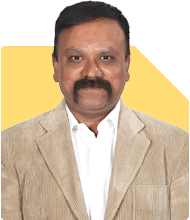
Naveenn

Naveenn Kummar  |235 Answers  |Ask -

Financial Planner, MF, Insurance Expert - Answered on Sep 04, 2025

Naveenn Kummar has over 16 years of experience in banking and financial services.
He is an Association of Mutual Funds in India (AMFI)-registered mutual fund distributor, an Insurance Regulatory and Development Authority of India (IRDAI)-licensed insurance advisor and a qualified personal finance professional (QPFP) certified by Network FP.
An engineering graduate with an MBA in management, he leads Alenova Financial Services under Vadula Consultancy Services, offering solutions in mutual funds, insurance, retirement planning and wealth management.... more

Himanshu Question by Himanshu on Aug 13, 2025Hindi

Money

Himanshu Asked on - Aug 11, 2025 Hi I am 43 me and wife earning 3.5 lcs per month with no kids we have a liability of 45 lacs housing loan and 2 car loan total of15 lacs Housing loan balance 33 lacs ( we paid 9 lacs as part payment in two years) and also increase our installments from 38000 to 50000 for the last 9 months and reduce our tenure from 20 years to now 09 years @7.6%per anum Expenses:- 50000 housing laon per month 29000 car loan per month 30000 house hold expenses including travel expenses etc.. 30 lakhs mediclaim insureace premium 25000 annually Investment:- 45000 mutual funds per month ( funds like multi assets,multi cap and large cap one or two funds in small cap,and flexi funds ) Lic premium annual around 2 lacs 65000 annually for term plan ( unit linked plan) of 50 lacs 1 lakhs in PPF 65 lakhs corpus in mutual funds (90% equity and 10% hybrid) 15 lakhs FD 40 lakhs worth gold (400 grm) apprx 1 flat worth 1 crore ( on loan paying 50k pm) 1 car loan is on floating ROI of 8% Want to build a corpus of minimum of 10 crores before 60 years of age and also want to travel the world.. How do we invest in more systametic manner so that we can grow our money and how much amount do we need more to invest to reach this target

Ans: Dear Himanshu,

Thank you for sharing detailed information about your finances and goals. Based on your current situation and your target of building a ?10 crore corpus by age 60, here’s a systematic approach you can follow.

1. Current Financial Snapshot

Income: ?3.5 lakh/month combined

Expenses: Housing loan EMI ?50k, car loans ?29k, household & travel ?30k

Investments: Mutual funds SIP ?45k/month (multi-cap, large-cap, flexi, small-cap), PPF ?1 L/year, MF corpus ?65 L (90% equity, 10% hybrid), FD ?15 L, gold ?40 L (400 gm), LIC & term insurance

Liabilities: Housing loan ?33 L (EMI ?50k, 9-year remaining at 7.6%), car loans ?15 L at 8% floating

2. Corpus Target Analysis

Current total assets: ~?2.35–2.4 Cr

Growth assumption: Equity 12% CAGR, debt 7% CAGR

Projection: With existing SIPs, your corpus may grow to ?5–5.5 Cr by 60 years.

Gap to target ?10 Cr: ~?4.5–5 Cr, which requires additional systematic investing.

3. Systematic Investment Approach

Increase SIPs: Consider additional ?50k–60k/month in diversified equity-oriented mutual funds.

Step-up SIPs: Increase SIPs yearly aligned with salary increments to accelerate corpus growth.

Portfolio diversification:

50–60% in large-cap and flexi-cap funds for stable growth

10–15% in mid-cap and small-cap funds for higher growth

10–15% in hybrid/debt funds for stability

10–15% in PPF or FDs for safe capital

5–10% in liquid funds for emergencies and travel

Debt Management: Prioritize prepayment of high-interest car loans if surplus cash arises. Housing loan prepayment is optional since EMI is already high.

Travel & short-term goals: Maintain a separate liquid fund or short-term debt fund for travel, avoiding disturbance to your retirement corpus.

4. Key Recommendations

Stick to a disciplined monthly investment plan with step-ups.

Maintain an emergency fund of 6–12 months of expenses.

Monitor your mutual fund portfolio annually and rebalance to maintain risk-adjusted allocations.

Consult a QPFP financial planner periodically to review progress and adjust SIPs or asset allocation if needed.

With this approach, disciplined investing, and annual portfolio review, you can systematically work toward your ?10 crore target by age 60 while keeping flexibility for lifestyle goals like travel.

Best regards,
Naveenn Kummar, BE, MBA, QPFP
Chief Financial Planner | AMFI Registered MFD
www.alenova.in
https://www.instagram.com/alenova_wealth
DISCLAIMER: The content of this post by the expert is the personal view of the rediffGURU. Users are advised to pursue the information provided by the rediffGURU only as a source of information to be as a point of reference and to rely on their own judgement when making a decision.
Money

You may like to see similar questions and answers below

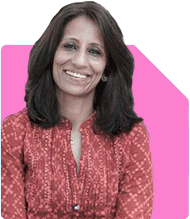
Ramalingam

Ramalingam Kalirajan  |10878 Answers  |Ask -

Mutual Funds, Financial Planning Expert - Answered on Jun 21, 2024

Money
HI. Myself Karthick aged 36 years. As a couple we are earning 2.5lacs per month with Two daughters. Currently we have 28k Home loan till 2039 and car loan of 10k per month. Investment portfolio RD-5000, SSY -5000, SIP 7000 LIC 10000 Physical Gold coins - 20 sovereigns. Both have been covered in NPS and working in Central Govt.sofar 28lacs maturity amount for each. We are sure that 4.5 CR as Lumpsump and 3.5 crore for monthly pension will come based on 9-15%returns for each. We are planning for Childs education and marriage expenses from the investment. Please clarify how to improve further
Ans: Hi Karthick,

I appreciate you reaching out for financial advice. You’re in a strong position with your combined income and existing investments. Let's dive into how you can further improve your financial situation.

Current Financial Overview
Your combined monthly income is Rs 2.5 lacs. That’s a solid foundation. Your monthly obligations include:

Home loan: Rs 28,000 (till 2039)

Car loan: Rs 10,000

Your investments include:

Recurring Deposit (RD): Rs 5,000 per month

Sukanya Samriddhi Yojana (SSY): Rs 5,000 per month

Systematic Investment Plan (SIP): Rs 7,000 per month

Life Insurance Corporation (LIC): Rs 10,000 per month

Physical Gold Coins: 20 sovereigns

Both of you are covered under National Pension Scheme (NPS) with a maturity amount of Rs 28 lacs each. You anticipate Rs 4.5 crore as a lump sum and Rs 3.5 crore for monthly pension returns.

Child's Education and Marriage Planning
Your primary goal is to plan for your daughters' education and marriage. Here’s how you can streamline and enhance your investment strategy to meet these goals:

Enhancing Existing Investments
1. Systematic Investment Plan (SIP)

You are currently investing Rs 7,000 per month in SIPs. Consider increasing this amount. SIPs offer the benefit of rupee cost averaging and compound interest. Diversify your SIPs across different funds to balance risk and returns.

2. Sukanya Samriddhi Yojana (SSY)

SSY is a good investment for your daughters’ future. It offers tax benefits and attractive interest rates. Ensure you continue this until it matures to maximize benefits.

Evaluating Insurance Plans
1. Life Insurance (LIC)

Evaluate your current LIC policy. Traditional LIC policies offer lower returns compared to mutual funds. If your LIC policy is an investment-cum-insurance plan, consider surrendering it and redirecting the funds into higher-yielding SIPs. Pure term insurance is more cost-effective for life coverage.

Increasing Your Investment Corpus
1. Increasing SIP Contributions

With your substantial monthly income, consider increasing your SIP contributions. SIPs in actively managed mutual funds can potentially offer better returns than other investment options. Avoid direct funds due to the complexities in managing them. Regular funds with guidance from a Certified Financial Planner (CFP) ensure professional management and better performance.

2. Recurring Deposits (RD)

RDs are safe but offer lower returns. Gradually reduce RD contributions and redirect funds to SIPs. This shift can significantly improve your overall returns over time.

Retirement Planning
1. National Pension Scheme (NPS)

NPS is a good retirement tool, providing tax benefits and a decent corpus. Ensure you continue contributing to it regularly. For better retirement planning, also consider other retirement-focused mutual funds which can offer higher returns.

Gold Investments
1. Physical Gold

You hold 20 sovereigns of gold. While gold is a safe investment, it does not generate regular income. Consider holding a portion of your gold in more liquid forms like Gold ETFs or Sovereign Gold Bonds. These forms offer better liquidity and sometimes interest income.

Emergency Fund
1. Establishing an Emergency Fund

Ensure you have an emergency fund covering at least 6-12 months of living expenses. This fund should be in a highly liquid and safe investment like a savings account or liquid mutual fund. This will provide a financial cushion against unexpected expenses or loss of income.

Diversification and Risk Management
1. Diversify Investments

Diversification reduces risk. Spread your investments across different asset classes such as equity, debt, and gold. This balance ensures stability and growth in your portfolio.

2. Risk Assessment

Regularly assess your risk tolerance. Your risk tolerance will change with age, financial goals, and responsibilities. Adjust your investment strategy accordingly.

Tax Planning
1. Efficient Tax Planning

Utilize tax-saving instruments under Section 80C, 80D, and others. Investments in ELSS funds, PPF, NPS, and health insurance can help reduce your taxable income. Efficient tax planning increases your investable surplus.

Children's Education Fund
1. Education Fund

Open a separate education fund for your daughters. Regularly invest in a mix of equity and debt mutual funds. Start early to benefit from the power of compounding. Monitor and adjust the fund based on market conditions and your financial situation.

Children's Marriage Fund
1. Marriage Fund

Similar to the education fund, start a dedicated marriage fund. Invest systematically in a mix of equity and debt instruments. Consider the time horizon and risk tolerance while planning.

Monitoring and Review
1. Regular Monitoring

Regularly monitor your investments. Ensure they align with your financial goals. Adjust allocations based on performance and changing goals.

2. Annual Review with CFP

Conduct an annual review with a Certified Financial Planner. This review will help in assessing your financial health, adjusting strategies, and ensuring you are on track to meet your goals.

Final Insights
You have a solid foundation with a good income and diverse investments. By increasing SIP contributions, evaluating insurance policies, diversifying investments, and efficient tax planning, you can significantly enhance your financial health. Regular monitoring and professional advice are key to staying on track.

Best Regards,

K. Ramalingam, MBA, CFP,

Chief Financial Planner,

www.holisticinvestment.in

..Read more

Ramalingam

Ramalingam Kalirajan  |10878 Answers  |Ask -

Mutual Funds, Financial Planning Expert - Answered on May 21, 2025

Asked by Anonymous - May 20, 2025
Money
Hi I am 43 me and wife earning 3 lcs per month with no kids we have a liability of 45 lacs housing loan and car loan of 8 lacs Housing loan balance 38 lacs ( we paid 5 lacs as part payment in two years) and also increase our installments from 38000 to 50000 for the last 5 months and reduce our tenure from 20 years to now 12 years Expenses:- 50000 housing laon per month 19000 car loan per month 30000 house hold expenses including travel expenses etc.. 30 lakhs mediclaim insurance premium 25000 annually Investment:- 35000 mutual funds per month ( funds like multi assets,multi cap and large cap one or two funds in small cap,and flexi funds ) Lic premium annual around 2 lacs 65000 annually premium for term plan ( unit linked plan) of 50 lacs 1 lakhs in PPF 50 lakhs corpus in mutual funds (90% equity and 10% hybrid) 15 lakhs FD 30 lakhs worth gold (300 grm) apprx 1 flat worth 1 crore ( on loan paying 50k pm) 10 lakh cash 3 lakh in savings Want to build a corpus of minimum of 10 crores befor 60 years of age How do invest in more systametic manner so that we can grow our money and how much amount do we need more to invest to reach this targetAnd another imp question is do I need to pay housing loan first so that I can save the intrest or kept the money in account as emergency fund. I am really confused Do I sell gold and pay loan ?? Do I break my FD ? What to do??
Ans: Appreciate your clarity and discipline with money. You are far ahead of many at your age. You already have a strong income, valuable assets, and good savings habits. Now let’s look at a complete 360° view of how to reach Rs. 10 crore target by 60.

We’ll go step by step with each area of your financial life.

Income and Cash Flow Overview
Monthly income of Rs. 3 lakhs is very healthy.

Loan EMIs total around Rs. 1.19 lakhs, approximately 40% of income.

Household expenses are just Rs. 30,000 – very efficient.

SIPs of Rs. 35,000 are a great start, but more growth investment is needed.

Scope exists to steadily increase investments each year.

Savings of Rs. 13 lakhs (FD + cash + savings) gives a solid buffer.

Actionable Insight:
Maintain a detailed monthly budget tracking income, expenses, EMIs, and surplus. Review it quarterly to stay in control.

Loan Repayment Strategy
Home loan of Rs. 38 lakh with Rs. 50,000 EMI and reduced tenure to 12 years – good progress.

Car loan of Rs. 8 lakh with Rs. 19,000 EMI.

Rs. 69,000/month in loan EMIs is manageable at your income level.

Recommendations:

Don’t rush to close home loan if interest is below 9% – you get tax benefits.

Prioritise closing the car loan if interest rate is high – it's not tax beneficial.

Avoid using FD or gold for loan repayment unless it’s an emergency.

Emergency Fund Evaluation
Rs. 10 lakh in cash + Rs. 3 lakh in savings is already strong.

With Rs. 15 lakh in FD, total emergency reserve is Rs. 28 lakh.

That’s more than sufficient; no need to expand emergency fund further.

Use sweep-in FD or split across multiple banks for liquidity and safety.

Insurance Assessment
Rs. 30 lakh health insurance is adequate – continue maintaining this.

Term insurance of Rs. 50 lakh via ULIP is too low.

Ideal cover should be around Rs. 4 crore (12x annual income).

Recommendations:

Take an independent term insurance plan of Rs. 3.5 crore.

Continue existing health cover.

Evaluate surrender of ULIP and LIC if returns are low (generally ~5%).

Redirect those premiums (Rs. 2.65 lakh annually) to mutual fund SIPs.

Investment Portfolio Review
Monthly Investments:

Rs. 35,000 into mutual funds (multi-cap, flexi-cap, small-cap, etc.)

Annual Contributions:

Rs. 1 lakh into PPF

Total Investment Corpus:

Rs. 50 lakh in mutual funds

Rs. 15 lakh in FD

Rs. 30 lakh in gold

Rs. 10 lakh in cash

Rs. 3 lakh in savings

Positives:

Strong equity exposure for long-term growth.

Balanced support from gold and FD.

Suggestions for Improvement:

Increase SIPs annually by at least 10%.

Limit small-cap exposure to 10-15%.

Gradually move from FD to debt mutual funds for better returns and tax-efficiency.

Surrender low-return policies (LIC, ULIP) and reinvest in growth-oriented funds.

Continue PPF contributions for safe, tax-free returns.

Realistic Path to Rs. 10 Crore by Age 60
You are 43 now, with 17 years to invest.

Current investment corpus is around Rs. 1.08 crore.

With Rs. 35,000 SIP, you might reach Rs. 2.5–3 crore by 60 – not enough.

To Reach Rs. 10 Crore Goal:

Gradually increase SIPs to Rs. 1 lakh/month in 5 years.

Reinvest proceeds from surrendering LIC/ULIP (Rs. 2.65 lakh annually).

Redirect EMI amounts (car loan, etc.) once loans are closed.

Make lump sum additions from bonuses or surplus income.

Mutual Fund Taxation Notes
From 2024, equity LTCG above Rs. 1.25 lakh taxed at 12.5%.

Short-term equity gains taxed at 20%.

Debt fund gains taxed as per slab.

Advice:

Avoid frequent withdrawals.

Use ultra-short term or debt funds for short- to medium-term needs.

Fund Selection Guidelines
Avoid direct funds unless you manage the portfolio yourself.

Use regular plans through a certified financial planner for guidance.

Avoid index funds if you seek alpha and personalized management.

Stick to a blend of active multi-cap, flexi-cap, and large-cap funds.

Suggested Asset Allocation
60% – Equity mutual funds

15% – Debt mutual funds

10% – Gold (already in place)

10% – Emergency fund (FD + cash)

5% – PPF

Annual Portfolio Rebalancing Recommended

Year-Wise Action Plan
Year 1–2:

Repay car loan using surplus or gold if needed.

Surrender LIC and ULIP; shift Rs. 2.65 lakh to mutual funds.

Take new term plan of Rs. 3.5 crore.

Increase SIPs to Rs. 50,000/month.

Year 3–5:

Redirect closed EMIs (Rs. 19,000) to SIPs.

Gradually move FD into debt mutual funds.

Add lump sum investments from annual bonuses.

Year 6–10:

Continue SIPs at Rs. 1 lakh/month.

Keep gold as is.

Rebalance asset allocation annually.

Final Insights
You are on the right track.

No need to sell gold or break FD prematurely.

Gradually increase SIPs and equity exposure.

Maintain emergency reserve.

Improve term cover and simplify insurance portfolio.

Avoid panic, follow the strategy, and review annually.

With this approach, you can confidently build Rs. 10 crore or more by 60 and ensure financial independence.

With better planning and yearly reviews, you will secure a strong retired life.


Best Regards,
?
K. Ramalingam, MBA, CFP,
?
Chief Financial Planner,
?
www.holisticinvestment.in
https://www.youtube.com/@HolisticInvestment

..Read more

Ramalingam

Ramalingam Kalirajan  |10878 Answers  |Ask -

Mutual Funds, Financial Planning Expert - Answered on Sep 08, 2025

Money
Hi I am 43 me and wife earning 3.5 lcs per month with no kids we have a liability of 45 lacs housing loan and 2 car loan total of15 lacs Housing loan balance 33 lacs ( we paid 9 lacs as part payment in two years) and also increase our installments from 38000 to 50000 for the last 9 months and reduce our tenure from 20 years to now 09 years @7.6%per anum Expenses:- 50000 housing laon per month 29000 car loan per month 30000 house hold expenses including travel expenses etc.. 30 lakhs mediclaim insureace premium 25000 annually Investment:- 45000 mutual funds per month ( funds like multi assets,multi cap and large cap one or two funds in small cap,and flexi funds ) Lic premium annual around 2 lacs 65000 annually for term plan ( unit linked plan) of 50 lacs 1 lakhs in PPF 65 lakhs corpus in mutual funds (90% equity and 10% hybrid) 15 lakhs FD 40 lakhs worth gold (400 grm) apprx 1 flat worth 1 crore ( on loan paying 50k pm) 1 car loan is on floating ROI of 8% Want to build a corpus of minimum of 10 crores before 60 years of age and also want to travel the world.. How do we invest in more systametic manner so that we can grow our money and how much amount do we need more to invest to reach this target
Ans: It is very good to see your clarity about goals and disciplined approach toward financial planning.
Earning Rs 3.5 lakh per month with no kids gives you a big advantage.
Your plan to grow wealth systematically and travel the world is achievable.
Let me explain the entire situation carefully and give a full 360-degree perspective.

» your current financial situation

– Your age is 43, and your wife is working.
– You have no kids, which reduces current financial responsibility.
– Your total monthly income is Rs 3.5 lakh.

– Housing loan balance is Rs 33 lakh.

EMI increased to Rs 50,000 per month.

Tenure reduced to 9 years from 20 years at 7.6% interest.

– Car loan outstanding is Rs 15 lakh.

EMI is Rs 29,000 per month.

One car loan is floating rate at 8%.

– Household expenses are around Rs 30,000 per month.

This includes travel and daily expenses.

You are living a comfortable but reasonable lifestyle.

– You have health insurance with Rs 30 lakh coverage.

Paid Rs 25,000 annually.

» your investments

– Monthly mutual fund SIP is Rs 45,000.

Investments include multi-assets, multi-cap, large-cap, small-cap, flexi-cap funds.

Current mutual fund corpus is Rs 65 lakh.
– Out of this, 90% is equity, and 10% is hybrid.

– You have Rs 15 lakh in fixed deposits.
– Gold worth about Rs 40 lakh (400 grams).
– You own one flat worth Rs 1 crore, under home loan.

EMI is Rs 50,000 per month.
– LIC premium is Rs 2 lakh annually (unit-linked plan).
– Term insurance of Rs 65,000 annually, covering Rs 50 lakh.
– You also contribute Rs 1 lakh annually into PPF.

Your overall asset base and disciplined savings are very good.
But a few important improvements are needed to build a corpus of Rs 10 crore.

» home and car loan assessment

– You are paying Rs 50,000 EMI for home loan.

This is aggressive but good, because tenure is now 9 years.
– Continue this, as early repayment helps save interest.

– Car loan of Rs 29,000 EMI is high.

Car loan should ideally be repaid fast.

Consider making prepayments to reduce outstanding faster.

– Car is a depreciating asset.

Do not take another car loan unless really essential.

Two cars are fine, but avoid increasing liabilities.

– Home loan is productive liability, because property value appreciates.
– Car loan is non-productive, best to repay faster.

» insurance coverage and LIC investment

– Your term plan of Rs 50 lakh is sufficient.

It protects family against unforeseen events.

– Health insurance of Rs 30 lakh is adequate for both.

– But your unit-linked insurance policy (ULIP) needs review.

ULIPs have high charges and poor returns.

They combine insurance and investment but are costlier than mutual funds.

– I strongly suggest you surrender the ULIP.

Use proceeds to invest in mutual funds.

This improves flexibility, lowers cost, and increases returns.

» mutual fund strategy

– You invest Rs 45,000 per month in mutual funds now.

Good mix of multi-asset, multi-cap, large-cap, small-cap, and flexi-cap.

– Actively managed funds are preferable.

They adapt based on market situations.

Index funds do not actively rebalance or protect in downturns.

Index funds purely track market indices without expert decision-making.

So they don’t offer good risk management.

– Direct mutual funds are also not ideal.

They lack professional monitoring and regular rebalancing.

MFD regular plans give expert CFP support.

They adjust asset allocation based on goals and market.

– Suggested systematic plan:

Rs 25,000 in multi-cap and large-cap funds for stability.

Rs 10,000 in mid-cap and small-cap funds for growth.

Rs 5,000 in aggressive hybrid funds for stability plus growth.

Rs 5,000 in balanced advantage funds to manage volatility.

– Over time, shift allocation toward safer assets like hybrids and debt funds.

As you approach age 60, reduce equity allocation gradually.

» target corpus and investment gap

– You aim for Rs 10 crore corpus by age 60.
– Current corpus:

Rs 65 lakh in mutual funds.

Rs 15 lakh in FD.

Rs 40 lakh in gold.

Property is worth Rs 1 crore.

– Your current net assets approx Rs 2.2 crore (ignoring liabilities).

House loan and car loan outstanding still reduce net worth.

– To reach Rs 10 crore in next 17 years:

Systematic investments must grow consistently.

Expected long-term return of equity mutual funds: 12-15% p.a.

Gold has limited long-term growth; better kept for emergencies or family events.

– Your current SIP of Rs 45,000 is good.

But to reach Rs 10 crore, you must invest more monthly.

– Suggested additional monthly investment:

At least Rs 1.5 lakh total (including current Rs 45,000).

Allocate:
– Rs 75,000 in equity mutual funds (multi-cap, mid-cap, large-cap).
– Rs 30,000 in hybrid funds (balanced advantage, aggressive hybrid).
– Rs 20,000 in debt mutual funds or PPF for stability.
– Rs 25,000 in liquid funds for emergencies.

This systematic investment approach builds a strong long-term corpus.
Your monthly contribution target should be around Rs 1.5 lakh.

» managing gold holdings

– Gold is good as a safety net.
– But avoid increasing gold holdings further as investments.
– It does not generate income or compounding returns.

– Gradually reduce gold holding (especially over 300 grams beyond the marriage corpus).

Use proceeds to repay jewel loans or invest in mutual funds.

» emergency fund strategy

– Emergency fund should cover 6 to 12 months expenses.

Around Rs 15 to 20 lakh based on your expenses.

– Keep it in liquid mutual funds or ultra-short-term debt funds.

Avoid keeping it in FDs or speculative swing trading.

» speculative investments like swing trading

– I see no mention of speculative trading now, which is good.
– Swing trading is risky and unsuitable for long-term wealth.
– Focus entirely on systematic mutual fund investments.

» tax planning

– For equity mutual funds, LTCG above Rs 1.25 lakh is taxed at 12.5%.
– STCG is taxed at 20%.
– Debt funds follow income tax slabs.

– Long-term investments reduce tax impact.

Hold equity funds for over 1 year.

– PPF offers tax-free growth.

Suitable for safe part of portfolio.

» goal of global travel

– Traveling the world is a great aspiration.
– Plan for travel as a separate goal.

Set aside specific SIPs or liquid funds for travel expenses.

– Example:

Rs 5,000 per month in liquid or short-term debt funds.

Build a corpus of Rs 20–30 lakh for global travel in 5–10 years.

» regular portfolio review

– Periodically review your portfolio.

Rebalance annually with a Certified Financial Planner.

Ensure asset allocation suits your age and goals.

– Shift gradually from equity to debt/hybrid after age 50.

This protects capital and reduces risk.

– Continue increasing SIPs as income grows.

Avoid reducing investments during market downturns.

» final insights

– Your financial discipline and clear goals are strengths.
– Prioritize repaying high-interest loans like car loan fast.
– Strongly surrender ULIP and reinvest in mutual funds.
– Maintain emergency fund in liquid form.
– Increase systematic mutual fund investments to Rs 1.5 lakh per month.

This helps target Rs 10 crore corpus by age 60.

– Focus on actively managed regular mutual funds.

Avoid index and direct funds.

– Gold should be held for specific purposes only.
– Plan global travel separately with dedicated savings.

– Continue simple lifestyle to increase savings capacity.
– Revisit plan yearly for adjustments.

Your thoughtful approach shows good financial awareness.
With disciplined actions, your 10 crore target is achievable.

Best Regards,
K. Ramalingam, MBA, CFP,
Chief Financial Planner,
www.holisticinvestment.in

https://www.youtube.com/@HolisticInvestment

..Read more

Ramalingam

Ramalingam Kalirajan  |10878 Answers  |Ask -

Mutual Funds, Financial Planning Expert - Answered on Aug 28, 2025

Asked by Anonymous - Aug 20, 2025Hindi
Money
Hi I'm 38 yrs of age. Having accumulated the below amount Esops 7 Lakhs Mutual funds 9.5 Lakhs Stocks 30 Lakhs PPF around 6.2 Lakhs EPF 7.5 Lakhs NPS 1.5 Lakhs Have a term and health insurance My Sip are regular which is of 30k every month Stocks 10k, NPS and PPF 6k each month, I have started to invest in Global equity Salary around 1.4 Lakhs. I have credit card liability around 25k which is cleared every month . No other debt. Have 3 lic policies . Single not planning on getting married for another 2 yrs I don't have an emergency fund Kindly advise how I can build this and also looking to retire at the age of 52 if I can achieve 6 crores and will it be okay if I get married after 2 yrs and still retire at that age
Ans: Your financial discipline is good.

Regular SIPs and diversified investments show commitment.

No big debt burden. That’s a strong positive.

Term and health cover give you protection. Very smart move.

Credit card cleared every month shows strong money habits.

Salary of Rs. 1.4 lakhs monthly gives good scope for savings.

You have created a solid foundation. This is commendable. But retirement at 52 with Rs. 6 crores needs sharp planning.

» Assessment of Current Investments

ESOPs: Rs. 7 lakhs. Good for growth but risky if concentrated.

Mutual funds: Rs. 9.5 lakhs. Reasonable but needs diversification.

Stocks: Rs. 30 lakhs. High exposure here creates volatility risk.

PPF: Rs. 6.2 lakhs. Provides safety but growth is low.

EPF: Rs. 7.5 lakhs. Good for retirement stability.

NPS: Rs. 1.5 lakhs. Still small; will grow slowly.

You also invest in global equity. This adds some diversification.

Monthly pattern:

SIP Rs. 30k is strong.

Stocks Rs. 10k may increase risk.

PPF and NPS Rs. 6k each adds safety but return is moderate.

» Gap Analysis

No emergency fund is a risk.

52 as retirement age means 14 years from now.

Target Rs. 6 crores corpus is big but possible.

Marriage in 2 years will change expenses.

Health inflation and lifestyle costs will rise.

Your stock-heavy portfolio creates risk for early retirement. Need balanced allocation.

» Emergency Fund Strategy

Build Rs. 6–9 lakhs emergency fund.

Keep 6 months of expenses in liquid funds or sweep FD.

Use part of bonus or ESOP encashment for this.

Do not touch this fund for investing.

Emergency fund protects you from loan dependency.

» Stock Exposure and Risks

Rs. 30 lakhs in direct stocks is high.

Stocks need active tracking. One wrong bet can hurt your plan.

Reduce concentration. Shift some money to mutual funds.

Actively managed funds give professional research advantage.

Index funds lack human intervention and fail in volatile phases.

Active funds can beat inflation and help achieve Rs. 6 crores faster.

» Mutual Fund Strategy

Increase mutual fund share.

Use diversified equity, flexi-cap, and mid-cap funds.

Regular plan through MFD with CFP ensures guidance and monitoring.

Direct funds often lack handholding and personalised advice.

Mistakes in asset mix and redemption timing cost big.

Regular plan gives service value worth paying for.

Keep SIPs growing by 8–10% yearly.

» Debt and Safety Allocation

PPF and EPF give stability. Continue these for tax benefits and safety.

Do not over-allocate to debt instruments. Growth will suffer.

Maintain about 20% in debt for stability.

» Global Equity

Small allocation is fine. But don’t overdo.

Keep under 10% of portfolio.

Currency risk can work both ways.

» NPS Contribution

Continue Rs. 6k monthly.

Gives extra tax benefit under 80CCD(1B).

But do not expect high flexibility here.

» LIC Policies

LIC traditional policies give low returns.

These block money for long periods.

Better surrender after checking surrender value and charges.

Reinvest in mutual funds for better compounding.

» Retirement Goal of Rs. 6 Crores

14 years is a short period for this goal.

With 10–11% return and higher SIPs, it is possible.

Increase SIP from Rs. 30k to Rs. 40k soon.

Grow SIP every year by 8–10%.

Avoid large idle money in savings or low-yield products.

Keep stock exposure under 35% for risk control.

» Marriage and Retirement Impact

Marriage will increase expenses.

May reduce investible surplus for some years.

But with disciplined increase in SIP, you can offset this.

Avoid lifestyle inflation after marriage.

Keep both partners aligned on financial goals.

» Insurance Review

Term insurance is good. Ensure cover is at least 15–20 times salary.

Health cover should be Rs. 10 lakhs or more.

Add super top-up plan for extra safety.

» Tax Planning

Use PPF, NPS for tax benefit.

ELSS in mutual funds also works well for tax and growth.

Stay aware of capital gains rules:

Equity MF LTCG above Rs. 1.25 lakh taxed at 12.5%.

STCG taxed at 20%.

Debt MF gains as per slab.

Plan withdrawals smartly during retirement.

» Lifestyle and Cash Flow Discipline

Increase SIPs every year.

Control discretionary spends.

Avoid new loans for luxury buys.

If ESOPs vest, book profit gradually and diversify.

» Final Insights

Build emergency fund first.

Reduce direct stock exposure. Shift some to mutual funds.

Continue SIPs and step-up yearly.

Surrender LIC policies and reinvest in growth options.

Keep balanced allocation for growth and safety.

Retirement at 52 with Rs. 6 crores is possible with higher commitment.

Marriage will not derail plan if discipline continues.

Get a CFP to review portfolio every year for course correction.

Best Regards,
K. Ramalingam, MBA, CFP,
Chief Financial Planner,
www.holisticinvestment.in

https://www.youtube.com/@HolisticInvestment

..Read more

Latest Questions
Dr Nagarajan J S K

Dr Nagarajan J S K   |2577 Answers  |Ask -

NEET, Medical, Pharmacy Careers - Answered on Dec 10, 2025

Asked by Anonymous - Dec 10, 2025Hindi
Ramalingam

Ramalingam Kalirajan  |10878 Answers  |Ask -

Mutual Funds, Financial Planning Expert - Answered on Dec 10, 2025

Asked by Anonymous - Dec 10, 2025Hindi
Money
I am 47 years old. I have started investing in mutual fund (SIP) only since last one year due to some financial obligations. Currently I am investing Rs.33K per month in various SIPS. The details are: Kotak Mahindra Market Growth (Rs. 1500), Aditya BSL Low Duration Growth (Rs. 1400), HDFC Mid-cap Growth (Rs. 12000), Nippon India Large Cap Growth (Rs. 3000), Bandhan small cap (Rs. 5000), Motilal Oswal Flexicap Growth (Rs. 5000), ICICI Pru Flexicap growth (Rs. 5000). I have also started to invest Rs. 1,50,000 per year in PPF since last year. Can I sustain if I retire by the age of 62?
Ans: I can help you with your retirement planning.
You have given a very detailed picture of your investments.
You have also shown strong intent to build wealth at 47.
This itself is a big positive start.

Your Current Efforts

– You started late due to obligations.
– That is understandable.
– You still took charge.
– You now invest Rs.33K every month.
– You also invest Rs.1,50,000 a year in PPF.
– You follow discipline.
– You follow consistency.
– These habits matter the most.
– These habits will help your retirement.
– You deserve appreciation for this foundation.

» Your Current Investment Mix

– You invest in various equity funds.
– You also invest in one low duration debt fund.
– You invest across mid cap, large cap, flexi cap, and small cap.
– This gives you some spread.
– You also invest in PPF.
– PPF gives safety.
– PPF gives steady growth.
– This mix creates balance.

– Please note one point.
– You hold direct plans.
– Direct plans look cheaper outside.
– But they are not always helpful for long-term investors.
– Many investors pick wrong funds.
– Many investors track markets wrongly.
– Many investors redeem at wrong times.
– This affects returns more than the saved expense ratio.
– Regular plans through a MFD with CFP support give guidance.
– Regular plans also help you stay on track.
– Behaviour gap is a major cost in direct funds.
– Thus regular plans with CFP support work better for long-term investors.
– They can correct mistakes.
– They can help with asset mix.
– They can help you stay steady during market drops.
– This gives higher final wealth than direct funds in most cases.

» Your Retirement Age Goal

– You plan to retire at 62.
– You are 47 now.
– You have 15 years left.
– Fifteen years is still a strong time line.
– You can allow compounding to work well.
– Your corpus can grow meaningfully by 62.
– You can also improve your savings rate during this time.

» Assessing If Your Current Plan Supports Retirement

– There are many parts to assess.
– You need to look at your saving rate.
– You need to look at your growth rate.
– You need to look at your future lifestyle cost.
– You need to look at inflation.
– You need to look at post-retirement income need.
– You need to see if your present plan matches this.

– Right now, your total yearly investment is:
– Rs.33K per month in SIP.
– That is Rs.3,96,000 per year.
– Plus Rs.1,50,000 in PPF each year.
– So your total yearly investment is Rs.5,46,000.
– This is a good number.
– This can help your retirement journey.

» Understanding Equity Funds in Your Mix

– You invest in mid cap.
– Mid cap can give good growth.
– Mid cap also carries higher swings.
– You invest in small cap.
– Small cap is the most volatile.
– It can give high returns if held for long.
– But it needs patience.
– You invest in large cap exposure.
– Large cap gives stability.
– You invest in flexi cap.
– Flexi cap funds adjust strategy.
– Flexi cap funds give managers more control.
– Active management is useful in Indian markets.
– Fund managers can shift between market caps.
– They can pick good sectors.
– This improves return potential.
– This is a benefit that index funds do not have.
– Index funds just copy the index.
– Index funds do not avoid weak companies.
– Index funds cannot take smart calls.
– Index funds also rise in cost whenever the index churns.
– Active funds can protect downside.
– Active funds can find better opportunities.
– This is helpful for long-term wealth building.
– So your move towards active funds is fine.

» Understanding PPF in Your Mix

– Your PPF adds stability.
– It gives assured growth.
– It also gives tax benefits.
– It builds a stable part of your retirement base.
– It reduces overall risk in your portfolio.
– It works well over long years.
– You have also chosen a steady long-term asset.
– This is beneficial for retirement.

» Gaps That Need Attention

– Your funds are scattered.
– You hold too many schemes.
– Each additional scheme overlaps with others.
– This reduces impact.
– It also becomes hard to track.
– You can reduce your scheme count.
– A more focused mix can give smoother progress.
– Rebalancing becomes easier.
– You can keep fewer funds but maintain asset spread.
– You can also map each fund to a purpose.

– You also need clarity about your retirement income need.
– Many investors skip this.
– You must know how much money you need per month at 62.
– You must add inflation.
– You must add health needs.
– You must also add lifestyle goals.

» Your Future Lifestyle Cost

– Your cost will rise with inflation.
– Inflation affects food, transport, medical needs.
– Medical inflation is higher than normal inflation.
– Retirement planning must consider this.
– You also need to consider family responsibilities.
– You must consider emergencies.
– You must also consider rising cost of daily life.
– This helps estimate the required retirement corpus.

» Your Future Corpus From Current Savings

– Without giving strict numbers, you can expect growth.
– You invest steadily.
– You invest for 15 years.
– Your equity portion can grow better over long time.
– Your PPF gives predictable growth.
– Your mix can create a decent retirement base.
– But you will need to increase your SIP over time.
– You can raise your SIP by 5% to 10% each year.
– Even small increases help.
– This builds a stronger corpus.
– Your final retirement amount becomes much higher.

» Need for Periodic Review

– Markets change.
– Life situations change.
– Your goals may shift.
– Your income may rise.
– Your responsibilities may change.
– Review every year.
– Adjust as needed.
– A Certified Financial Planner can help.
– This gives clarity.
– This gives structure.
– This gives confidence.
– You can reduce mistakes.
– You can follow proper asset allocation.

» Asset Allocation Approach for Smooth Growth

– You must decide your ideal equity percentage.
– You must decide your ideal debt percentage.
– If you take too much equity, risk increases.
– If you take too little equity, growth reduces.
– You must keep balance.
– It must match your risk comfort.
– It must support your retirement goal.
– Right allocation brings discipline.
– Rebalancing once a year helps.
– Rebalancing controls emotion.
– Rebalancing increases long-term returns.
– Rebalancing keeps your portfolio healthy.

» Importance of Staying Invested During Market Swings

– Markets move up and down.
– Swings are normal.
– Equity grows over long time.
– Equity needs patience.
– People often fear drops.
– They exit at wrong time.
– This hurts long-term wealth.
– You must stay steady.
– You must trust your long-term plan.
– You must follow guidance.
– This improves retirement success.

» Avoiding Common Mistakes

– Many investors pick funds based on recent returns.
– This is risky.
– Fund selection needs deeper view.
– Fund must match your risk.
– Fund must match your time horizon.
– Fund must have consistent process.
– Fund must show reliable pattern.
– Avoid sudden changes.
– Avoid chasing trends.
– Stay with a disciplined plan.
– This ensures better results.

– You must avoid mixing too many categories.
– Focused mix works better.
– Smaller set makes control easy.
– This reduces confusion.

– Do not rely on direct funds for long-term goals.
– Direct funds lack guided support.
– Behavioral mistakes cost more than the lower expense ratio.
– Regular plans help you stay invested.
– They help avoid panic.
– They help during reviews.
– They help create proper asset allocation.
– They help you use the fund in the right way.
– Investment discipline is more important than low cost.
– Regular plans with CFP support deliver this discipline.

» Inflation Protection Through Growth Assets

– Equity protects from inflation.
– PPF adds safety.
– Balanced mix protects your purchasing power.
– Retirement needs this balance.
– Long-term equity portion helps create a healthy corpus.
– This allows you to meet rising living cost.

» How to Strengthen Your Retirement Plan From Now

– Increase SIP every year.
– Even slight hikes help.
– Be consistent.
– Avoid stopping during market drops.
– Do a yearly check-up.
– Reduce scheme count.
– Keep a clear structure.
– Assign each fund a purpose.
– Build an emergency fund.
– This will protect your SIP flow.
– Continue PPF.
– It gives stability.
– It protects your long-term needs.

» Possibility of Sustaining Life After Retirement

– Yes, you can sustain.
– But it depends on three things:
– Your future living cost.
– Your total corpus at retirement.
– Your discipline during retirement.

– If you continue your present saving, your base will grow.
– If you raise your SIP each year, your base will grow faster.
– If you keep a proper asset mix, your base will grow safely.
– If you avoid emotional mistakes, your base will stay strong.
– If you review yearly, your plan will stay on track.

– So sustaining life after retirement is possible.
– You just need stronger structure.
– You also need steady guidance.
– This ensures confidence.

» Retirement Income Planning After Age 62

– Your retirement income must come from a mix.
– Part from equity.
– Part from debt.
– Part from stable instruments.
– Do not depend on one source.
– Plan your withdrawal pattern.
– Take small and stable withdrawals.
– Keep some equity even after retirement.
– This helps your corpus last longer.
– Do not shift everything to debt at retirement.
– That reduces growth too much.
– Balanced approach keeps your money alive.
– This supports your life for long years.

» Health and Emergency Preparedness

– Health costs rise fast.
– You must plan for it.
– Keep health insurance active.
– Keep top-up if needed.
– Keep separate emergency money.
– Do not depend on your investments during emergencies.
– Emergency fund protects your retirement portfolio.
– This keeps compounding intact.
– You can handle shocks with ease.

» Tax Awareness

– Be aware of mutual fund tax rules.
– Equity long-term gains above Rs.1.25 lakh per year are taxed at 12.5%.
– Equity short-term gains are taxed at 20%.
– Debt funds are taxed as per your slab.
– Plan redemptions wisely.
– Do not redeem often.
– Keep long-term horizon.
– This reduces tax impact.
– This helps wealth building.

» Summary of Your Retirement Possibility

– You have a good start.
– You have a workable time frame.
– You have a steady contribution.
– You must refine your portfolio.
– You must increase SIP yearly.
– You must reduce scheme count.
– You must follow asset allocation.
– You must stay disciplined.
– You must get yearly review from a CFP.
– If you follow these, you can reach a healthy retirement base.

» Final Insights

– You are on the right path.
– You have taken the key step by starting.
– You can still create a strong retirement corpus even at 47.
– Fifteen years is enough if you stay consistent.
– Your mix of equity and PPF is good.
– With discipline and structure, your future can stay secure.
– With yearly guidance, you can avoid mistakes.
– With increased SIP, you can boost your corpus.
– You can aim for a peaceful and confident retirement at 62.

Best Regards,
K. Ramalingam, MBA, CFP,
Chief Financial Planner,
www.holisticinvestment.in

https://www.youtube.com/@HolisticInvestment

...Read more

Ramalingam

Ramalingam Kalirajan  |10878 Answers  |Ask -

Mutual Funds, Financial Planning Expert - Answered on Dec 10, 2025

Money
I am 43 yrs old, have sip in Nifty 50 - 3500 Nifty next 50 - 3000 Nippon large cap - 3500 Hdfc midcap - 2500 Parag Flexicap - 3000 Tata small cap - 1300 Gold sip - 500 Hdfc debt fund - 700, lumsum of 10000 in motilal midcap and 20k in quant small cap. accumulated around 2.30 lakhs, started from June, 2024. But overall xirr is very less 3.11. Should I continue the above sips or which sips should be stopped?
Ans: You have started early in 2024, and you already built Rs 2.30 lakhs. This shows discipline. This shows patience. This gives you a good base for your future wealth.

Your XIRR looks low now. This is normal. You started only a few months back. SIPs show low return in the start. Markets move up and down. Early numbers look flat. They look small. They look discouraging. But they improve with time. They improve with longer SIP flow. So please stay calm. The start is always slow. The finish is always strong.

Your effort is strong. Your SIP list is wide. Your savings habit is good. You started at 43 years, but you still have good time to grow your wealth. Every disciplined month builds confidence. Your choices show that you want growth. You want stability. You want balance. This is a good sign.

» Current Portfolio Snapshot
You invest in many groups.

– You invest in Nifty 50.
– You invest in Nifty Next 50.
– You invest in a large cap fund.
– You invest in a midcap fund.
– You invest in a flexicap fund.
– You invest in a small cap fund.
– You invest in gold.
– You invest in a debt fund.
– You put lumpsum in a midcap and small cap fund.

This looks wide. But wide does not mean effective. You hold too many funds in similar areas. That gives duplication. That reduces clarity. That reduces control. You need sharper structure. You need cleaner lines.

» Why Your XIRR Is Low
Your XIRR is only 3.11%. This is normal. Here is why.

– SIP started in June 2024. Very new.
– SIP amount spread across many funds.
– Market volatility in 2024 made early returns look low.
– SIP returns always look weak in early days. They grow with time.

Low short-term return is not a sign of failure. It is not a sign to stop. It is only a sign of market timing. SIP is for long periods. Not for few months.

» Problem of Index Funds in Your Portfolio
You invest in Nifty 50 and Nifty Next 50. Both are index funds. Index funds follow a fixed rule. They copy the index. They do not use research. They do not use fund manager skill. They do not adjust during bad markets. They do not protect much in down cycles. They lock you into index ups and downs.

In India, active fund managers add value. They find better stocks. They exit weak stocks faster. They manage risk better. They use research teams. They use market cycles well. They often beat index returns over long periods.

Index funds look simple. But they lack decision power. They lack flexibility. They lack protection. They give average results. They track the market exactly. They cannot outperform it.

So index funds are not the best choice for your long-term goal. Active funds give more control and more upside over long years.

» Problem of Too Many Funds
You hold too many funds across the same categories. This creates overlap. Two different schemes may hold same stocks. You think you diversify. But you repeat exposure. This weakens your plan.

Too many funds also keep your attention scattered. It reduces discipline. You waste time comparing each fund. You feel lost. You feel uncertain.

Better to keep fewer funds but stronger funds.

» Problem of Direct Funds
If any of your funds are in direct plans, please take note. Direct plans look cheaper because they have lower expense ratio. But they do not give guidance. They do not give personalised strategy. They do not give support during market falls. They do not give behavioural guidance.

Many investors make wrong moves in market dips. They stop SIPs. They redeem at the wrong time. They switch funds too often. They chase returns. This reduces wealth.

Regular plans through a Certified Financial Planner keep you disciplined. They give structure. They give long-term guidance. They reduce errors. They reduce behaviour risk. This helps more than small cost savings.

Regular plans also offer better hand-holding for asset mix, review and goal clarity. This adds real value.

» Fund-by-Fund Assessment
Let me now look at each SIP.

Nifty 50 – This is an index fund. It is passive. It is rigid. Active large-cap funds do better in many years. You may stop this over time.

Nifty Next 50 – Another index fund. Very volatile. Very narrow. You may stop this too.

Nippon large cap – This is active. This is fine. It can stay.

HDFC midcap – This is active. Good long-term category. You can keep this.

Parag flexicap – Flexicap is versatile. Useful for long-term. You can keep this.

Tata small cap – Small caps can grow well. But they need patience. They also need limited allocation. You can keep, but maintain control.

Gold SIP – Small gold SIP is okay for safety.

HDFC debt fund – Debt brings stability. Small SIP is fine.

Lumpsum in midcap and small cap – Keep these invested. They will grow with cycles.

The two index funds are the most unnecessary parts of your plan. These can be stopped. These can be replaced with good active funds already in your system.

» Suggested Structure
You need a cleaner layout.

Keep one large cap active fund.

Keep one midcap active fund.

Keep one flexicap fund.

Keep one small cap fund.

Keep one debt fund.

Keep a small gold part.

This is enough. This gives balance. It gives clarity. It gives growth. It avoids overlap. It avoids confusion.

» SIP Continuation Guidance
Here is the simple view.

Continue your large cap SIP.

Continue your midcap SIP.

Continue your flexicap SIP.

Continue your small cap SIP.

Continue gold SIP.

Continue debt SIP in small proportion.

Stop the Nifty 50 SIP.

Stop the Nifty Next 50 SIP.

Move those two SIP amounts into your existing active funds. This gives you better long-term power.

» Behaviour and Patience
Your returns will not show big numbers for now. You need time. You need patience. You need consistency. SIP is not a race. SIP is a habit. SIP grows slowly. Then it grows big.

Do not judge your plan by the first few months. Judge it after many years. That is where SIP wins. That is where compounding works. That is where discipline shines.

» What Matters More Than Fund Names
The biggest cornerstones are:

Your discipline.

Your patience.

Your time in market.

Your stable SIP flow.

Your emotional stability.

These matter more than any fund selection. You are building them well.

» Asset Mix Guidance
Your mix of equity, debt and gold is good. But you should review this once a year. As you move closer to retirement, increase debt slowly. Reduce small cap slowly. This protects you. This stabilises your progress.

A Certified Financial Planner can help align your asset mix to your goals. This adds real value. This gives stronger structure.

» Taxation View
If you redeem equity funds in future, then keep the current rule in mind. Long-term capital gains above Rs 1.25 lakhs per year are taxed at 12.5%. Short-term gains are taxed at 20%. For debt funds, both gains are taxed as per your income slab.

This will matter only when you redeem. For now, your focus should be growth, not selling.

» Your Long-Term Wealth Path
You have good earnings years ahead. You have strong potential for growth. Your SIP habit is strong. You only need to clean your portfolio. You only need better structure. Then your money will grow well.

You can grow a meaningful corpus if you stay steady. You can even increase SIP when income grows. This gives faster results.

» Emotional Balance
Do not check returns every week. Do not check every month. Check once in six months. Check once in twelve months. SIP is a long game. Treat it like a long game.

Your small XIRR today does not decide your future. Your discipline decides it. You already have it.

» Step-by-Step Action Plan

Step 1: Stop Nifty 50 SIP.

Step 2: Stop Nifty Next 50 SIP.

Step 3: Keep all the remaining SIPs.

Step 4: Shift the stopped SIP amount into your existing large cap and flexicap funds.

Step 5: Continue gold and debt in small amounts.

Step 6: Review once a year with a Certified Financial Planner.

Step 7: Increase SIP amount slowly when income grows.

Step 8: Stay invested for long term.

Step 9: Do not judge returns too early.

Step 10: Keep your patience strong.

» Finally
Your foundation is strong. Your habit is disciplined. Your mix only needs refinement. Your returns will grow with time. Your portfolio will gain strength with consistency. Your path is steady. Your plan will reward you if you follow it with calm and clarity.

Best Regards,

K. Ramalingam, MBA, CFP,
Chief Financial Planner,
www.holisticinvestment.in

https://www.youtube.com/@HolisticInvestment

...Read more

Shalini

Shalini Singh  |180 Answers  |Ask -

Dating Coach - Answered on Dec 10, 2025

Asked by Anonymous - Dec 10, 2025Hindi

Relationship
Hi. I have been in a long distance relationship since 6 months,and i have known my boyfriend since 10 months. He is very understanding, caring,and honest person. He had already told everything about us for his parents and their parents agreed. We both are financially independent. I told my relationship to my parents and they are against it as my boyfriend is from lower caste, different region, not done his degree from a reputed college but a local engineering college, and his status. They are thinking about relatives, and society what will they say, about their pride, status, and all the respect they have earned uptill now will vanish because of my decision. My parents are very protective of me and have given me everything and like me a lot.They are saying its long distance you might have met only 15 times you don't see this person daily to judge his character. If you have known this person for atleast 2/3 years, with u meeting him daily it would be different. But the person i met is honest from the start. They are hurting daily because of my decision. I cant go against them and be happy.
Ans: 1. It is wonderful you have met someone special and in last 10 months you have met him 15 times which averages to meeting him 1.5 times a month. Is it possible to increase this and meet over every second weekend. Can you both travel once.

2. Parents are parents they worry and all parents are protective of their children as are yours. But if they are declining you because of caste etc then please question them asking them to give you an assurance that if they marry you to someone of their choice things will work - In reality there can be no assurance given for any relationship - found by you or introduced by parents as relationships need work by both...both need to grow up, both of you need to be happy individuals for relationship to work + if colleges were the deciding factor then we would not see divorces of those who married in the same caste or are from Stanford, MIT, IIT, IIMs, Inseads of the world.

Here is a suggestion/ recommendation
- meet his family
- get him to meet your parents
- let both set of parents meet

all the best

...Read more

DISCLAIMER: The content of this post by the expert is the personal view of the rediffGURU. Investment in securities market are subject to market risks. Read all the related document carefully before investing. The securities quoted are for illustration only and are not recommendatory. Users are advised to pursue the information provided by the rediffGURU only as a source of information and as a point of reference and to rely on their own judgement when making a decision. RediffGURUS is an intermediary as per India's Information Technology Act.

Close  

You haven't logged in yet. To ask a question, Please Log in below
Login

A verification OTP will be sent to this
Mobile Number / Email

Enter OTP
A 6 digit code has been sent to

Resend OTP in120seconds

Dear User, You have not registered yet. Please register by filling the fields below to get expert answers from our Gurus
Sign up

By signing up, you agree to our
Terms & Conditions and Privacy Policy

Already have an account?

Enter OTP
A 6 digit code has been sent to Mobile

Resend OTP in120seconds

x