Need Expert Advice?Our Gurus Can Help
With 1.7L debt & 35k pay, how do I support my family?

Ramalingam Kalirajan |10893 Answers |Ask -Follow
Mutual Funds, Financial Planning Expert - Answered on Jun 04, 2025
Ramalingam Kalirajan has over 23 years of experience in mutual funds and financial planning.
He has an MBA in finance from the University of Madras and is a certified financial planner.
He is the director and chief financial planner at Holistic Investment, a Chennai-based firm that offers financial planning and wealth management advice.... more
He has an MBA in finance from the University of Madras and is a certified financial planner.
He is the director and chief financial planner at Holistic Investment, a Chennai-based firm that offers financial planning and wealth management advice.... more
Asked by Anonymous - Jun 01, 2025Hindi
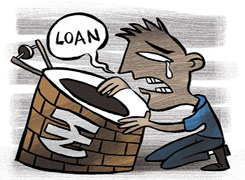
Hii sir I have a personal loan of 1 lakh and i have borrowed 70k from friends and family my salary is only 35000 in which i am paying 7k room rent and 8k EMI, I have a family to feed what should i do
Ans: You are strong to face your situation and ask for help.
Let us guide you with care, clarity, and practical steps.
We will review your income, loans, spending, and give a 360-degree solution.
Your Current Situation – Income and Obligations
Monthly salary is Rs 35,000.
Paying Rs 8,000 as EMI for Rs 1 lakh personal loan.
Room rent is Rs 7,000 per month.
You borrowed Rs 70,000 from friends and family.
You are supporting your family with limited income.
You are responsible and trying hard. That effort matters a lot.
Fixed Costs vs Available Income
Rent + EMI = Rs 15,000
Balance income = Rs 20,000
This Rs 20,000 must cover food, family needs, transport, school (if any), and savings.
This is tight, but not hopeless. It just needs strong decisions.
Immediate Action Plan – First 3 Months
Stop all non-essential expenses. Every rupee must count now.
Talk to your family openly. Let them support emotionally.
Reduce mobile bills, subscriptions, and luxury food spends.
Cook at home. Avoid travel and outings for now.
Postpone buying clothes, gadgets, or festival gifts.
Your goal is to build a Rs 5,000 surplus monthly.
Clear the Informal Loans First
Friends and family loans don’t charge interest.
But they affect relationships if delayed.
Use your surplus to repay Rs 5,000–7,000 monthly to them.
Target clearing this Rs 70,000 in 10–12 months.
Be honest with them and explain your plan.
Avoid taking more informal loans. That worsens things.
Negotiate Your Personal Loan EMI
Visit the bank or NBFC. Explain your hardship clearly.
Ask for tenure extension or lower EMI restructuring.
Even a Rs 2,000 EMI drop helps you breathe.
Avoid skipping EMIs without informing them. That affects credit badly.
If EMI becomes unmanageable, ask for temporary pause.
Banks do consider genuine cases, especially for salaried borrowers.
Increase Income — Even Small Addition Matters
Look for part-time jobs on weekends.
Consider teaching tuition if you are good at any subject.
If your spouse or sibling can work part-time, encourage them.
Try freelance or delivery work outside office hours.
Rs 5,000 extra monthly income changes your position a lot.
Even if temporary, it gives you breathing space.
Debt Traps to Avoid Right Now
Do not take new personal loans.
Avoid payday loan apps. They trap you in high-interest cycles.
Don’t swipe credit cards for cash or bills.
Don’t convert spends to EMI unless emergency.
If you have a credit card, repay in full always.
High-interest debt destroys your progress. Stay away for now.
Saving While in Debt – Smart and Realistic
Keep Rs 1,000–2,000 monthly in a separate savings account.
This acts as emergency buffer. Don’t touch it unless urgent.
Once you clear informal loan, increase this savings slowly.
Aim to build Rs 10,000–15,000 savings in a year.
Do not invest in mutual funds or gold until debt is cleared.
Safety comes before growth at this stage.
Health and Risk Protection – Do This Right Away
If your employer offers health insurance, ensure your family is covered.
If not, buy a Rs 5 lakh health cover for family.
Use a basic family floater. Keep premium below Rs 500/month.
Do not buy LIC or ULIPs now. They reduce cash flow badly.
Do not mix insurance with savings.
If you already have LIC or ULIP, surrender them and use to repay loans.
Mindset and Family Communication
You are doing your best. Be proud of your honesty.
Sit with your family and explain. They will adjust.
Avoid guilt or shame. This is a phase. Not permanent.
Stay calm and focused. Stress kills clarity.
Build the habit of noting every expense. Even Rs 10.
Awareness alone reduces monthly spending by 10–20%.
After 12 Months – Next Phase Planning
Aim to repay Rs 70,000 personal borrowings in one year.
Continue paying EMI consistently. Try prepayment if bonus comes.
Once clear, build Rs 30,000–50,000 emergency savings in next 6 months.
Then start SIP of Rs 1,000–2,000 monthly through Certified Financial Planner.
Use only regular plans with MFD guidance. Direct funds can confuse first-timers.
Don’t use index funds. They don’t protect capital during market fall.
Actively managed funds handle risk better and give consistent growth.
Step by step, you can move from debt to savings to investment.
If You Receive Bonus or Lump Sum
First clear all dues to friends and family.
Then repay some portion of personal loan.
Keep at least Rs 10,000 aside as emergency fund.
Only after this, think of small fixed deposit or SIP.
Don’t put in gold or property. Liquidity is key now.
Every decision must help you move forward, not sideways.
What Not to Do in This Situation
Don’t feel pressure to match others' lifestyle.
Don’t hide your struggle from family.
Don’t invest blindly because someone said “double in 3 years”.
Don’t use chit funds, MLM, or money chain schemes.
Don’t stop tracking your spending even if things improve.
Your biggest strength is your discipline and clarity.
Finally
You are not alone. Many go through this phase silently.
You are facing it head-on. That is strength.
Start with expense control. Build Rs 5,000 surplus monthly.
Repay friends and family on priority. Then personal loan.
Build Rs 15,000–30,000 savings in 12–18 months.
After that, start SIPs via Certified Financial Planner.
Avoid index funds, direct funds, and insurance-linked investments.
Health insurance is a must. Avoid real estate investments for now.
Track your spending. Review monthly. Appreciate progress.
You can stand again. You can move forward. One step at a time.
Best Regards,
K. Ramalingam, MBA, CFP,
Chief Financial Planner,
www.holisticinvestment.in
https://www.youtube.com/@HolisticInvestment
Let us guide you with care, clarity, and practical steps.
We will review your income, loans, spending, and give a 360-degree solution.
Your Current Situation – Income and Obligations
Monthly salary is Rs 35,000.
Paying Rs 8,000 as EMI for Rs 1 lakh personal loan.
Room rent is Rs 7,000 per month.
You borrowed Rs 70,000 from friends and family.
You are supporting your family with limited income.
You are responsible and trying hard. That effort matters a lot.
Fixed Costs vs Available Income
Rent + EMI = Rs 15,000
Balance income = Rs 20,000
This Rs 20,000 must cover food, family needs, transport, school (if any), and savings.
This is tight, but not hopeless. It just needs strong decisions.
Immediate Action Plan – First 3 Months
Stop all non-essential expenses. Every rupee must count now.
Talk to your family openly. Let them support emotionally.
Reduce mobile bills, subscriptions, and luxury food spends.
Cook at home. Avoid travel and outings for now.
Postpone buying clothes, gadgets, or festival gifts.
Your goal is to build a Rs 5,000 surplus monthly.
Clear the Informal Loans First
Friends and family loans don’t charge interest.
But they affect relationships if delayed.
Use your surplus to repay Rs 5,000–7,000 monthly to them.
Target clearing this Rs 70,000 in 10–12 months.
Be honest with them and explain your plan.
Avoid taking more informal loans. That worsens things.
Negotiate Your Personal Loan EMI
Visit the bank or NBFC. Explain your hardship clearly.
Ask for tenure extension or lower EMI restructuring.
Even a Rs 2,000 EMI drop helps you breathe.
Avoid skipping EMIs without informing them. That affects credit badly.
If EMI becomes unmanageable, ask for temporary pause.
Banks do consider genuine cases, especially for salaried borrowers.
Increase Income — Even Small Addition Matters
Look for part-time jobs on weekends.
Consider teaching tuition if you are good at any subject.
If your spouse or sibling can work part-time, encourage them.
Try freelance or delivery work outside office hours.
Rs 5,000 extra monthly income changes your position a lot.
Even if temporary, it gives you breathing space.
Debt Traps to Avoid Right Now
Do not take new personal loans.
Avoid payday loan apps. They trap you in high-interest cycles.
Don’t swipe credit cards for cash or bills.
Don’t convert spends to EMI unless emergency.
If you have a credit card, repay in full always.
High-interest debt destroys your progress. Stay away for now.
Saving While in Debt – Smart and Realistic
Keep Rs 1,000–2,000 monthly in a separate savings account.
This acts as emergency buffer. Don’t touch it unless urgent.
Once you clear informal loan, increase this savings slowly.
Aim to build Rs 10,000–15,000 savings in a year.
Do not invest in mutual funds or gold until debt is cleared.
Safety comes before growth at this stage.
Health and Risk Protection – Do This Right Away
If your employer offers health insurance, ensure your family is covered.
If not, buy a Rs 5 lakh health cover for family.
Use a basic family floater. Keep premium below Rs 500/month.
Do not buy LIC or ULIPs now. They reduce cash flow badly.
Do not mix insurance with savings.
If you already have LIC or ULIP, surrender them and use to repay loans.
Mindset and Family Communication
You are doing your best. Be proud of your honesty.
Sit with your family and explain. They will adjust.
Avoid guilt or shame. This is a phase. Not permanent.
Stay calm and focused. Stress kills clarity.
Build the habit of noting every expense. Even Rs 10.
Awareness alone reduces monthly spending by 10–20%.
After 12 Months – Next Phase Planning
Aim to repay Rs 70,000 personal borrowings in one year.
Continue paying EMI consistently. Try prepayment if bonus comes.
Once clear, build Rs 30,000–50,000 emergency savings in next 6 months.
Then start SIP of Rs 1,000–2,000 monthly through Certified Financial Planner.
Use only regular plans with MFD guidance. Direct funds can confuse first-timers.
Don’t use index funds. They don’t protect capital during market fall.
Actively managed funds handle risk better and give consistent growth.
Step by step, you can move from debt to savings to investment.
If You Receive Bonus or Lump Sum
First clear all dues to friends and family.
Then repay some portion of personal loan.
Keep at least Rs 10,000 aside as emergency fund.
Only after this, think of small fixed deposit or SIP.
Don’t put in gold or property. Liquidity is key now.
Every decision must help you move forward, not sideways.
What Not to Do in This Situation
Don’t feel pressure to match others' lifestyle.
Don’t hide your struggle from family.
Don’t invest blindly because someone said “double in 3 years”.
Don’t use chit funds, MLM, or money chain schemes.
Don’t stop tracking your spending even if things improve.
Your biggest strength is your discipline and clarity.
Finally
You are not alone. Many go through this phase silently.
You are facing it head-on. That is strength.
Start with expense control. Build Rs 5,000 surplus monthly.
Repay friends and family on priority. Then personal loan.
Build Rs 15,000–30,000 savings in 12–18 months.
After that, start SIPs via Certified Financial Planner.
Avoid index funds, direct funds, and insurance-linked investments.
Health insurance is a must. Avoid real estate investments for now.
Track your spending. Review monthly. Appreciate progress.
You can stand again. You can move forward. One step at a time.
Best Regards,
K. Ramalingam, MBA, CFP,
Chief Financial Planner,
www.holisticinvestment.in
https://www.youtube.com/@HolisticInvestment
DISCLAIMER: The content of this post by the expert is the personal view of the rediffGURU. Users are advised to pursue the information provided by the rediffGURU only as a source of information to be as a point of reference and to rely on their own judgement when making a decision.
MoneyReply


You may like to see similar questions and answers below
Ramalingam Kalirajan |10893 Answers |Ask -Follow
Mutual Funds, Financial Planning Expert - Answered on Jan 20, 2025
Ramalingam Kalirajan |10893 Answers |Ask -Follow
Mutual Funds, Financial Planning Expert - Answered on Jan 28, 2025


Ramalingam Kalirajan |10893 Answers |Ask -Follow
Mutual Funds, Financial Planning Expert - Answered on Jun 02, 2025


Naveenn Kummar |235 Answers |Ask -Follow
Financial Planner, MF, Insurance Expert - Answered on Sep 17, 2025

Latest Questions
Ramalingam Kalirajan |10893 Answers |Ask -Follow
Mutual Funds, Financial Planning Expert - Answered on Dec 15, 2025

Ramalingam Kalirajan |10893 Answers |Ask -Follow
Mutual Funds, Financial Planning Expert - Answered on Dec 15, 2025


Radheshyam Zanwar |6746 Answers |Ask -Follow
MHT-CET, IIT-JEE, NEET-UG Expert - Answered on Dec 15, 2025


Ramalingam Kalirajan |10893 Answers |Ask -Follow
Mutual Funds, Financial Planning Expert - Answered on Dec 15, 2025


Ramalingam Kalirajan |10893 Answers |Ask -Follow
Mutual Funds, Financial Planning Expert - Answered on Dec 15, 2025

Ramalingam Kalirajan |10893 Answers |Ask -Follow
Mutual Funds, Financial Planning Expert - Answered on Dec 15, 2025



Samraat Jadhav |2508 Answers |Ask -Follow
Stock Market Expert - Answered on Dec 15, 2025

Ramalingam Kalirajan |10893 Answers |Ask -Follow
Mutual Funds, Financial Planning Expert - Answered on Dec 15, 2025


Reetika Sharma |425 Answers |Ask -Follow
Financial Planner, MF and Insurance Expert - Answered on Dec 15, 2025


Radheshyam Zanwar |6746 Answers |Ask -Follow
MHT-CET, IIT-JEE, NEET-UG Expert - Answered on Dec 15, 2025