Home > Money > Question
Need Expert Advice?Our Gurus Can Help
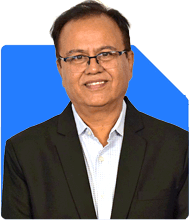
Sunil

Sunil Lala  | Answer  |Ask -

Financial Planner - Answered on Jul 15, 2025

Sunil Lala founded SL Wealth, a company that offers life and non-life insurance, mutual fund and asset allocation advice, in 2005. A certified financial planner, he has three decades of domain experience. His expertise includes designing goal-specific financial plans and creating investment awareness. He has been a registered member of the Financial Planning Standards Board since 2009.... more
Anurag Question by Anurag on Jul 12, 2025Hindi
Money

Sir, I am giving my financial portfolio, I am 33 years, married, no kids now( plan for 1 kid in future), MF- 1.4 Cr(70000 sip per month) Fd- 50 lakhs Ppf- 5 lakhs Epf+Nps- 60 lakhs Gold- 10 lakhs Immovable property- 75 lakhs Can I plan to retire early at age 42 years, what corpus will be good for rest 35 to 40 years? Present salary- 1.8 lakhs/month

Ans: Hi Anurag, you have a good portfolio in terms of value. In order to retire, what is more important to understand is your monthly expenses. Ideally, you should have about 15-16x of your annual expenses. Here, your allocation of money in FD, EPF+NPS of 1.1Cr is making ineffecient returns, you can have a better asset allocation keeping in mind the risk and return trade off. You can certainly retire 9 years from now, but I think I will need more details to guide you correctly. I would love to have a conversation with you, please visit www.slwealthsolutions.com to have a detailed discussion on the same.
Asked on - Jul 17, 2025 | Answered on Jul 18, 2025
Sir, I have mother & wife as dependents as of now, father is no more, monthly expenses is around 60000, my sister is a doctor, I have an own house inherited planning to get the house by 2030, presently paying EMI for house of 30000 per month, please suggest for my asset allocation
Ans: Anurag, your asset allocation depends a lot on your financial goals, your preferences which I think will be a long conversation and cannot be answered here in 2-3 lines. I would urge you to visit my website (mentioned in the trail answer) and we can have a detailed conversation about your scenario and come up with plan of action that best suits your requirements.
DISCLAIMER: The content of this post by the expert is the personal view of the rediffGURU. Users are advised to pursue the information provided by the rediffGURU only as a source of information to be as a point of reference and to rely on their own judgement when making a decision.
Money

You may like to see similar questions and answers below

Ramalingam

Ramalingam Kalirajan  |10893 Answers  |Ask -

Mutual Funds, Financial Planning Expert - Answered on Nov 26, 2024

Money
Hi my name is Somani, I have completed 39 years and planning to retire in my career, below are my current financial situation. Saving account: 5 Lac FD: 15 Lac, all maturing in 2026 Mutual fund: 28 Lac (current value: 36 Lac, Large cap: 50%, Mid cap: 26%, Small cap: 22%, Other: 2%) Gold Bonds: 3.5 Lac (current value: 6.85 Lac) Equity share: 26 Lac (current value: 47 Lac) NPS: current value: 6 Lac EPFO: 12.25 Lac PPF: 7.67 Lac Term Plan: 1 Cr Pension Plan after 60: 30k approx monthly Health insurance: 13 Lac whole family My wife is working and gets around 70k in hand Having one daughter, age is 8 year and studying in 2nd class My father is retired and below are his financial situation Pension: 45k approx per month FD: 1 cr Equity Share/Mutual fund/ Gold bonds: 1 cr approx Property: 80 Lac approx current valuation Own House: 1.75 cr - 2 cr current valuation Rental income: 18k approx per month Please guide me on above data, how much corpus I should have to have a peaceful retirement considering my current monthly expense around 1.25 Lac per month.
Ans: You have a strong and diverse financial foundation. Let us analyse it comprehensively.

Liquid Assets
Savings account balance of Rs 5 lakh offers immediate liquidity.

Fixed deposits worth Rs 15 lakh maturing in 2026 ensure mid-term stability.

Investments
Mutual fund portfolio of Rs 36 lakh is well-diversified across large, mid, and small caps.

Gold bonds with a current value of Rs 6.85 lakh add stability and hedge against inflation.

Equity shares valued at Rs 47 lakh showcase significant growth.

National Pension System (NPS) holding of Rs 6 lakh offers retirement-oriented savings.

Retirement Savings
EPFO corpus of Rs 12.25 lakh and PPF balance of Rs 7.67 lakh ensure steady long-term growth.

Term plan coverage of Rs 1 crore secures your family's future.

Family Support
Your wife’s monthly income of Rs 70,000 provides stability.

Your father’s solid financial base and Rs 45,000 pension ensure reduced dependency.

Estimating Retirement Corpus
Retirement planning requires addressing future expenses, inflation, and longevity.

Monthly Expense Analysis
Your current expenses of Rs 1.25 lakh per month are significant.

Adjust for post-retirement expenses like reduced work-related costs but increased healthcare spending.

Corpus Needed
For a peaceful retirement, aim for a corpus that generates Rs 1.25 lakh monthly for at least 30 years.

Factor in inflation at 6-7% annually to maintain purchasing power.

A corpus of Rs 12-15 crore is recommended for financial independence.

Strategic Recommendations
Step 1: Optimising Current Assets
Avoid excessive reliance on savings accounts and fixed deposits due to lower returns.

Reinvest FD maturity proceeds into higher-yielding instruments like mutual funds.

Step 2: Enhancing Mutual Fund Investments
Increase mutual fund allocation to Rs 50 lakh in a staggered manner.

Focus on actively managed funds for better performance over passive options like index funds.

Diversify further across asset classes and maintain a balance between equity and debt.

Step 3: Consolidating Gold and Equity
Gold bonds and equity shares have grown well.

Retain gold bonds for stability but monitor equity shares for market risks.

Systematically transfer gains from volatile equity to stable debt funds or hybrid funds.

Step 4: Strengthening Retirement-Specific Savings
Increase contributions to NPS for additional tax benefits and retirement growth.

Continue regular contributions to PPF, which is risk-free and tax-efficient.

Maintain EPFO balance, and avoid withdrawing unless necessary.

Step 5: Creating a Balanced Corpus for Child’s Education
Your daughter is 8 years old, and higher education expenses will occur in 10-12 years.

Allocate Rs 25 lakh into child education-focused mutual funds or debt-oriented funds.

Start an SIP to build this fund systematically.

Step 6: Managing Health and Insurance
Your health insurance coverage of Rs 13 lakh is good. Ensure it includes critical illness coverage.

Consider top-up plans to cover any significant medical expenses in the future.

Review your term plan periodically to ensure adequate coverage.

Optimising Your Father’s Financial Portfolio
Active and Passive Income
Your father’s Rs 45,000 monthly pension is stable.

Rental income of Rs 18,000 adds a small but regular inflow.

Investment Portfolio Management
Consolidate his Rs 1 crore equity/mutual fund portfolio to reduce risks post-retirement.

Diversify between equity, debt, and fixed-income instruments for balance.

Monitor FD renewals to ensure competitive interest rates.

Property Considerations
His property portfolio offers a mix of rental and non-income-generating assets.

Avoid liquidating assets unless it becomes necessary to meet financial needs.

Tax-Efficient Strategies
Use ELSS mutual funds to save taxes under Section 80C while building wealth.

NPS contributions provide tax benefits under Section 80CCD(1B).

Plan mutual fund redemptions carefully to minimise long-term and short-term capital gains taxes.

Finally
A peaceful retirement requires balancing current and future needs.

Build a robust corpus through diversified investments.

Review your portfolio annually and make adjustments with the guidance of a certified financial planner.

Stay disciplined and prioritise long-term financial security over short-term gains.

Best Regards,

K. Ramalingam, MBA, CFP,

Chief Financial Planner,
www.holisticinvestment.in
https://www.youtube.com/@HolisticInvestment

..Read more

Ramalingam

Ramalingam Kalirajan  |10893 Answers  |Ask -

Mutual Funds, Financial Planning Expert - Answered on Jul 29, 2025

Money
Sir, I am sharing my financial portfolio, my age is 33 years, married, no kids( planning for 1 kid in future) Mutual funds- 1.4 crore(equity)(sip 70k per month) Fd- 50 lakhs Ppf- 5 lakhs Epf- 40 lakhs Nps- 32 lakhs Gold- 10lakhs Immovable property- 70 lakhs Can I plan for early retirement from present job at age 42, what corpus will be good for early retirement?
Ans: ? Strong Start and Impressive Accumulation at a Young Age
– You are just 33 and have built a powerful financial base.
– Rs. 1.4 crore in equity mutual funds shows great discipline and long-term vision.
– A monthly SIP of Rs. 70,000 is excellent for wealth compounding.
– Rs. 50 lakhs in FD adds good safety and short-term liquidity.
– Rs. 40 lakhs in EPF and Rs. 5 lakhs in PPF add long-term protection.
– Rs. 32 lakhs in NPS builds future retirement safety with tax advantage.
– Rs. 10 lakhs in gold adds diversification.
– Immovable property is not recommended as a retirement asset due to low liquidity.

– Your awareness, savings habits, and planning mindset are truly rare and inspiring.
– At 33, this is a solid position for anyone dreaming of early retirement.

? Thinking of Early Retirement at 42
– You want to stop working in 9 years.
– This means planning for nearly 40 years without job income.
– Retirement from age 42 to 85 or 90 requires strong preparation.

– You must not only build a large enough corpus but also plan it wisely.
– Retirement at 60 needs less money than retirement at 42.
– Your money must work harder and longer for you.

? Key Factors to Decide Ideal Corpus for Early Retirement
– Monthly expenses after retirement are the key.
– Inflation adds pressure on long-term retired life.
– Higher inflation, longer life, and no active income increase required corpus.

– Medical expenses will rise as you grow older.
– Education expenses for child must be considered fully.
– One-time goals like house repairs, travel, or celebrations also matter.

– You may live another 45 to 50 years post-retirement.
– Your portfolio must support lifestyle and emergencies.

– As a broad estimation, your future corpus must replace 35–40 times your annual expenses.
– It should also provide for child education and medical reserves.

? Estimating Target Corpus by Age 42
– We assume monthly expenses of Rs. 75,000–Rs. 90,000 (post-retirement, inflation adjusted).
– For safe retirement at 42, your corpus must be around Rs. 6 to 7 crore.
– This should include all investment assets, excluding house and gold.

– Assets should be mostly in mutual funds, EPF, NPS, and some FD.
– The goal is to have growing and inflation-beating assets.
– Your current assets are around Rs. 2.77 crore (excluding property and gold).

– You are already on a good path.
– You need to continue building aggressively for the next 9 years.

? Assessment of Each Asset Class
– Mutual funds of Rs. 1.4 crore is the main driver of growth.
– Equity mutual funds grow faster than inflation if held long-term.
– Continue SIP of Rs. 70,000 without stopping.

– Use actively managed equity mutual funds.
– Index funds do not offer flexibility or fund manager expertise.
– They may not handle Indian market volatility well.

– Avoid direct mutual funds.
– Direct funds offer no personal advice or review support.
– Regular plans through MFD with CFP give proper tracking and corrections.

– EPF and NPS are long-term and tax-efficient.
– But they have restrictions in withdrawal.
– So they are not good for early income generation.

– Rs. 50 lakhs in FD is high.
– FD returns are taxable and below inflation.
– Shift part of FD to balanced mutual funds.

– PPF of Rs. 5 lakhs can grow slowly.
– Use it only as a conservative portion.
– Do not rely on PPF for regular income.

– Rs. 10 lakhs in gold is for diversification.
– Gold does not give regular income or stable growth.
– Avoid increasing gold beyond current value.

– Immovable property is not a liquid asset.
– Do not consider it for retirement cash flow.
– Maintenance cost and low rent make it inefficient.

? How to Structure Investments Going Forward
– For next 9 years, focus mainly on mutual funds.
– Use a proper mix of large, mid, and flexi-cap funds.
– Have some hybrid mutual funds as well.

– Use 70% of fresh monthly investment in equity funds.
– Put remaining 30% in debt or balanced funds for stability.
– Review portfolio every year with a Certified Financial Planner.

– If FD is not needed, move Rs. 25 lakhs from it gradually to mutual funds.
– Do not invest any more in real estate or gold.
– Keep your portfolio fully financial and flexible.

– Continue with EPF and NPS contributions till age 42.
– After 42, they can remain invested until retirement age.

– Build a medical buffer of Rs. 10–15 lakhs in liquid mutual funds.
– This is separate from your investment corpus.

– Create a child education fund goal separately.
– Estimate future education costs in today’s value.
– Plan mutual fund SIPs specifically for this goal.

? Withdrawal Planning After Age 42
– From age 42, you will need monthly income from investments.
– Do not redeem entire corpus at once.
– Use Systematic Withdrawal Plan (SWP) from mutual funds.

– SWP gives monthly income and keeps capital growing.
– It is tax-efficient and highly flexible.
– Use different mutual funds for different income phases.

– Equity mutual funds are ideal for early retirement income.
– Withdraw carefully to keep taxes low.

– Equity mutual fund LTCG above Rs. 1.25 lakh is taxed at 12.5%.
– STCG is taxed at 20%.
– Debt fund gains are taxed as per slab.

– Plan withdrawals across multiple funds to save tax.
– Don’t exhaust safe assets early.

– Use a Certified Financial Planner to create income buckets.
– Allocate different funds for early, mid, and later retirement phases.

? Medical and Insurance Planning
– Health expenses can grow faster than inflation.
– Keep a good health insurance cover for both you and your spouse.
– A base policy plus a top-up of Rs. 20–30 lakhs is recommended.

– Buy health insurance before age 40.
– Early buying means low premium and less exclusions.

– Build separate medical buffer in liquid mutual funds.
– Do not use retirement corpus for medical needs.

? Risk Management and Estate Planning
– Make nominations for all your investments and insurance.
– Write a Will by the age of 40.
– Update it every 5 years.

– Protect your portfolio from market panic.
– Avoid frequent fund switching.
– Stick to long-term strategy with regular reviews.

– Create clear goals for child’s education, retirement income, and lifestyle.
– Allocate funds separately and don’t mix short- and long-term goals.

? Key Action Points for You
– Continue Rs. 70,000 SIP with 70:30 equity-to-debt split.
– Move Rs. 25 lakhs from FD to mutual funds in phased manner.
– Build separate fund for medical needs and child education.
– Don’t depend on EPF, PPF, NPS for early income.
– Track and review portfolio every year.
– Stick to regular mutual funds with support from MFD and Certified Financial Planner.
– Avoid index funds, direct plans, annuities, and new real estate.

? Finally
– You are in a strong position already at just 33 years.
– You can achieve early retirement at 42 with smart planning.

– Build Rs. 6–7 crore investment corpus by that time.
– Use mutual funds as your main engine for growth and future income.

– Ensure all financial goals have proper fund allocation.
– Use SWP after retirement to generate monthly income.

– Stay focused, review yearly, and maintain financial discipline.
– With proper guidance, early retirement is possible without stress.

– You have the mindset, consistency, and savings habit to succeed.
– Your future is bright and well within your control.

Best Regards,
K. Ramalingam, MBA, CFP,
Chief Financial Planner,
www.holisticinvestment.in
https://www.youtube.com/@HolisticInvestment

..Read more

Naveenn

Naveenn Kummar  |235 Answers  |Ask -

Financial Planner, MF, Insurance Expert - Answered on Sep 18, 2025

Asked by Anonymous - Sep 13, 2025Hindi
Money
I want to plan my retirement Currently I am 39 years and wife of same age Daughter is 7 year old Family take home salary is around 2.9 lakh per month Home loan with emi of 82lakh and 160 months remaining Total mf aroung 45 lakh Stocks about 45 lakh And pf ppf around 50 lakh Bank account n fd 10 lakh Monhtly expense around 60k excluding emi What can be my retirements corpus if I want to retire afeter 8 years Will maintain same life style Also to mention current sip around 60 k per month And pf 27k combined
Ans: Dear Sir/Madam,

You are 39 years old with a family (wife, 7-year-old daughter). Current portfolio and finances:

Mutual Funds: ?45 lakhs

Stocks: ?45 lakhs

PF + PPF: ?50 lakhs

Bank + FD: ?10 lakhs

Home loan outstanding: ?82 lakhs (EMI ongoing, 160 months remaining)

Monthly take-home salary: ?2.9 lakh

Monthly expenses (excluding EMI): ?60,000

Current SIP: ?60,000 per month

PF contribution: ?27,000 combined

Goal: Retire in 8 years (age 47) maintaining current lifestyle.

Estimated Retirement Corpus:

Assuming current lifestyle and 5% inflation, monthly expenses at retirement would be approx. ?1.2–1.3 lakh per month.

For a safe withdrawal rate of 4%, a corpus of around ?3.5–4 crore would be required.

Suggested Action Plan:

Maintain equity allocation of 60–65% (Mutual Funds + Stocks) and 35–40% in debt (PPF, FD, PF) for balanced growth.

Continue SIPs aggressively (?60k per month) and consider increasing every year with increments to combat inflation.

Home loan: Continue EMI, avoid prepayment unless surplus cash exceeds emergency and investment requirements.

Keep at least 12 months’ expenses in liquid funds as an emergency reserve.

Review portfolio annually and rebalance to maintain risk allocation.

As retirement nears, gradually shift 20–30% of equity into debt funds for stability.

Next Steps:

Consult a QPFP financial planner for detailed cash flow, budgeting, and retirement goal planning.

Ensure insurance coverage (term + health) is adequate for family protection.

Mutual Fund investments are subject to market risks. Read all scheme related documents carefully before investing.

Best regards,
Naveenn Kummar, BE, MBA, QPFP
Chief Financial Planner | AMFI Registered MFD
https://members.networkfp.com/member/naveenkumarreddy-vadula-chennai

..Read more

Latest Questions
Nitin

Nitin Narkhede  |113 Answers  |Ask -

MF, PF Expert - Answered on Dec 15, 2025

Money
I am 44 age having son 8yrs., having Health Cover plan, I have MF 12lacs+ Investments in direct Equity MF (Large+MID+Small+Digital fund) +Post Investment 7lacs, PPF 7Lacs + PPF 5Lacs, Wife & Me both have total SIP Investments Total of Rs. 20,000 SIP and PPF 5000p.m. planning for 10-11Years, I want, child Edu 30lacs + Retirement Plan 70,000 p.m. + Health cover after 10-11 years till life age 80. Pls. Advice above plan is ok?. and Please don't share my Deatils to anyone or display any where. Thanks in advance.
Ans: You are 44 years old with an 8-year-old son and have already built a strong financial base through mutual funds, direct equity, PPF, post office schemes, and regular SIPs. Your current investments include around ?12 lakh in mutual funds, ?7 lakh in post office savings, ?12 lakh combined in PPF accounts, and ongoing SIPs of ?20,000 per month, along with ?5,000 monthly PPF contributions. You also have health insurance in place, which is a major positive.

Your key goals are funding your child’s education (?30 lakh in 10–11 years), securing retirement income of ?70,000 per month, and ensuring lifelong health coverage up to age 80. With a 10–11 year horizon, your education goal is achievable by allocating about ?15,000–?18,000 per month to equity-oriented mutual funds and gradually shifting to debt funds closer to the goal. For retirement, a corpus of roughly ?1.6–?1.8 crore is required, and your current savings put you on track, though a small increase in SIPs during income growth years will strengthen the plan. Maintain a balanced asset allocation, increase protection via a super top-up health plan later, and stay disciplined to achieve all goals.
Regards, Nitin Narkhede -Founder, Prosperity Lifestyle Hub,
Free webinar https://bit.ly/PLH-Webinar

...Read more

Nitin

Nitin Narkhede  |113 Answers  |Ask -

MF, PF Expert - Answered on Dec 15, 2025

Asked by Anonymous - Dec 15, 2025Hindi
Money
Hi, i am now 29 and i am seriously in debt trap. My salary is only 35k but i am kind of messed up in payday loans which are not offering more than 30 days. So due to which i have to repay by taking loan against a loan. In this way i could see my repayment has become 3X of my monthly salary. Please suggest me what to do. I am feeling embarassed, as my family members doesnt know this. I need help and suggestions on how to overcome this. Even if i apply for debt consolidation, everytime i am getting rejected due to high obligations. Help me to get out frob payday loans..
Ans: Dear Friends,
You are facing a payday-loan debt trap, which is stressful but solvable. The most important step is to stop taking any new loans or rollovers immediately, as they worsen the situation. List all existing loans with amounts, due dates, and penalties to regain control. Contact each lender and request hardship support such as penalty freezes, installment plans, or settlements—many lenders agree when approached honestly. If possible, close all payday loans using one safer option like a salary advance, employer loan, NBFC loan, or limited family support, as a single structured loan is better than multiple high-cost ones. Share your situation with one trusted person to reduce emotional pressure. Follow a strict short-term budget focusing only on essentials and direct any extra income toward loan closure. Avoid absconding, illegal lenders, or using credit cards for cash. With discipline and negotiation, recovery is achievable within 12–18 months. Regards, Nitin Narkhede -Founder, Prosperity Lifestyle Hub,
Free webinar https://bit.ly/PLH-Webinar

...Read more

Ramalingam

Ramalingam Kalirajan  |10893 Answers  |Ask -

Mutual Funds, Financial Planning Expert - Answered on Dec 15, 2025

Asked by Anonymous - Dec 15, 2025Hindi
Money
Good Morning Sir, I am having a Mutual Fund portfolio of 3.7 Crores, Savings account balance in India of 10 lacs, and PPF/Sukanya Samriddhi/NPS of around 30 lacs. My savings account in UAE has about 30 lacs. I have lost my job and am currently trying to get one. We will be in the UAE till July so that my daughter can complete her school year. If I get a job by then, it will be great; but if not, will I be able to retire with these funds? Please assume that the UAE savings account will be depleted by July during relocation. Kindly suggest.
Ans: Your financial discipline over many years deserves appreciation.
You stayed invested with patience.
You built wealth across countries.
This foundation gives you real confidence now.

» Current Life Stage and Context
– You are facing temporary job loss.
– You are still financially independent.
– UAE stay continues till July.
– Relocation costs are already planned.
– This phase needs calm decisions.
– Fear is natural, but clarity matters.

» Family Responsibilities Snapshot
– You have a school-going daughter.
– Education continuity is a priority.
– Stability for the child matters emotionally.
– Your planning already reflects responsibility.
– This strengthens your overall position.

» Asset Position Review
– Mutual fund portfolio is Rs.3.7 Crores.
– Indian savings account holds Rs.10 lacs.
– Long-term savings total about Rs.30 lacs.
– UAE savings will reduce to zero.
– Home ownership lowers future expenses.
– Net worth remains strong even after relocation.

» Liquidity and Cash Comfort
– Indian savings give immediate support.
– Mutual funds provide large liquidity.
– Withdrawals can be staggered wisely.
– Forced selling is avoidable.
– This protects capital during volatility.

» Job Loss Impact Assessment
– Income disruption affects confidence.
– It does not erase financial strength.
– You have time to decide.
– Rushed retirement decisions harm outcomes.
– Temporary gaps need flexible planning.

» Can You Retire If Job Does Not Come
– Retirement is possible with discipline.
– It requires expense control.
– It needs structured withdrawals.
– Lifestyle choices become important.
– Emotional readiness is equally critical.

» Early Retirement Reality Check
– Retirement at mid-forties is early.
– Corpus must last many decades.
– Inflation will work continuously.
– Growth assets cannot be abandoned.
– Balance is more important than returns.

» Role of Mutual Funds Going Forward
– Mutual funds remain core growth assets.
– Equity exposure should stay meaningful.
– Allocation should become more balanced.
– Risk control becomes more important now.
– Portfolio reviews must be regular.

» Why Actively Managed Funds Suit You
– Active funds respond to market stress.
– Fund managers adjust sector exposure.
– Valuation discipline is applied.
– Index funds fall fully with markets.
– Passive exposure increases drawdown risk.
– Active management supports smoother retirement.

» Managing Equity Volatility During Retirement
– Sudden market falls can hurt withdrawals.
– Selling equity during crashes damages corpus.
– Withdrawal planning must protect equity.
– Buffer assets reduce stress.
– This approach improves sustainability.

» Importance of Stable Assets
– Stable assets support monthly expenses.
– They reduce emotional reactions.
– They protect during market corrections.
– They fund short-term needs.
– This gives peace of mind.

» Role of Government-Backed Savings
– PPF and similar provide safety.
– Returns are predictable.
– Liquidity rules must be respected.
– These should not fund early expenses.
– They act as long-term protection.

» Expense Planning After Returning to India
– Living in owned home lowers costs.
– India expenses are lower than UAE.
– Lifestyle inflation must be avoided.
– Spending discipline extends corpus life.
– Regular tracking becomes essential.

» Education Planning for Your Daughter
– Education costs will rise steadily.
– This goal cannot face market risk alone.
– Dedicated allocation is required.
– Avoid mixing education money with retirement.
– Separate mental buckets improve clarity.

» Tax Considerations During Withdrawals
– Equity mutual fund withdrawals attract capital gains tax.
– Long-term gains above Rs.1.25 lakh are taxed.
– Short-term gains attract higher tax.
– Withdrawal sequencing reduces tax burden.
– Proper planning avoids unnecessary taxes.

» Health and Protection Planning
– Health insurance must be adequate.
– Employer cover may stop.
– Medical inflation is severe.
– Health costs can derail plans.
– Protection safeguards your corpus.

» Psychological Readiness for Retirement
– Retirement is not only financial.
– Loss of routine can disturb balance.
– Purpose keeps mind active.
– Part-time work can help.
– Engagement supports mental health.

» Semi-Retirement as a Practical Option
– Consulting reduces withdrawal pressure.
– Flexible work gives confidence.
– Income extends corpus life.
– Market volatility becomes easier to handle.
– This option offers balance.

» Time Advantage You Still Have
– You still have working years.
– One job changes everything positively.
– Corpus continues to compound.
– Do not rush permanent decisions.
– Allow time for clarity.

» Mistakes to Avoid Now
– Avoid panic selling.
– Avoid drastic asset changes.
– Avoid chasing guaranteed returns.
– Avoid emotional decisions.
– Stability protects wealth.

» Role of a Certified Financial Planner
– Helps structure withdrawals.
– Aligns assets with goals.
– Manages risk during uncertainty.
– Protects child education goals.
– Provides clarity and confidence.

» Final Insights
– Your financial base is strong.
– Retirement is possible with discipline.
– Job income adds comfort, not necessity.
– Balanced asset allocation is essential.
– Active fund management suits this stage.
– Emotional calm will protect decisions.
– Structured planning ensures long-term peace.

Best Regards,

K. Ramalingam, MBA, CFP,

Chief Financial Planner,

www.holisticinvestment.in

https://www.youtube.com/@HolisticInvestment

...Read more

Ramalingam

Ramalingam Kalirajan  |10893 Answers  |Ask -

Mutual Funds, Financial Planning Expert - Answered on Dec 15, 2025

Asked by Anonymous - Dec 15, 2025Hindi
Money
Good Morning Sir, I am having a Mutual Fund portfolio of 3.7 Crores, Savings account balance in India of 10 lacs, and PPF/Sukanya Samriddhi/NPS of around 30 lacs. My savings account in UAE has about 30 lacs. I have lost my job and am currently trying to get one. We will be in the UAE till July so that my daughter can complete her school year. If I get a job by then, it will be great; but if not, will I be able to retire with these funds? Please assume that the UAE savings account will be depleted by July during relocation. I have my own apartment in Delhi and present age is 46 with daughter age is 13 Kindly suggest.
Ans: Your discipline over years deserves appreciation.
You built wealth across phases.
You avoided lifestyle inflation.
You planned even while abroad.
This gives you strength now.
Job loss does not erase past discipline.

» Current Life Situation Assessment
– You are 46 years old.
– Your daughter is 13 years old.
– You are temporarily without income.
– UAE stay continues till July.
– Relocation costs are already considered.
– Emotional stress is natural now.

» Asset Snapshot and Financial Base
– Mutual fund portfolio is Rs.3.7 Crores.
– Indian savings account holds Rs.10 lacs.
– Long-term government-backed savings are Rs.30 lacs.
– UAE savings of Rs.30 lacs will deplete.
– You own a Delhi apartment.
– No mention of liabilities exists.

» Net Worth Strength Perspective
– Financial assets remain very strong.
– Market-linked assets dominate wealth.
– Liquidity exists even after relocation.
– Home ownership reduces living pressure.
– This is a solid base.
– Many retirees have far less.

» Employment Gap Impact Review
– Job loss impacts cash flow.
– It does not destroy wealth.
– Time gap creates anxiety.
– Planning reduces fear.
– Your corpus buys time.
– Decisions must remain calm.

» Key Question You Are Asking
– Can I retire if job fails.
– Can corpus last lifelong.
– Can child education be protected.
– Can lifestyle be sustained.
– Can risk be managed.
– These are valid concerns.

» Retirement Age and Horizon View
– Retirement at 46 is early.
– Life expectancy is long.
– Corpus must last decades.
– Inflation will work continuously.
– Growth assets remain essential.
– Protection planning becomes critical.

» Expense Reality After India Return
– Living in owned home helps.
– Rent expense becomes zero.
– India costs are lower than UAE.
– School expenses will continue.
– Lifestyle moderation may be required.
– Flexibility improves sustainability.

» Child Education Responsibility
– Daughter is 13 now.
– Higher education remains ahead.
– Education costs will rise.
– This cannot be compromised.
– Planning must ring-fence this goal.
– Separate allocation is necessary.

» Current Liquidity Comfort
– Indian savings give short-term support.
– Mutual funds give long-term strength.
– PPF and similar give safety.
– Liquidity is adequate now.
– Emergency comfort exists.
– Panic actions are avoidable.

» Can You Retire Immediately
– Technically possible with discipline.
– Practically requires lifestyle alignment.
– Emotionally may feel uncomfortable.
– Job income adds safety.
– Partial work may help.
– Full stop is not mandatory.

» Semi-Retirement as a Middle Path
– Consulting work can reduce pressure.
– Part-time roles give confidence.
– Income reduces withdrawal stress.
– Corpus continues compounding.
– Psychological comfort improves.
– This is often ideal.

» Withdrawal Risk Awareness
– Early retirement faces sequence risk.
– Market downturns can hurt withdrawals.
– Timing matters greatly.
– Structured withdrawal planning is critical.
– Random redemptions harm corpus.
– Discipline protects longevity.

» Mutual Fund Portfolio Role
– Mutual funds remain growth engine.
– They must be managed actively.
– Asset allocation matters more now.
– Aggression should slowly reduce.
– Quality focus becomes key.
– Overlapping exposure must be reviewed.

» Why Active Management Matters Now
– Active funds adjust during downturns.
– Valuations are monitored.
– Risk is controlled dynamically.
– Index exposure falls fully.
– Drawdowns can be harsh.
– Active oversight suits retirees better.

» Debt Allocation Importance
– Debt provides stability.
– Debt funds withdrawals calmly.
– Debt avoids forced equity selling.
– It smoothens cash flow.
– Peace of mind improves.
– Balance is essential now.

» Role of Government-Backed Savings
– PPF and similar give safety.
– They provide predictability.
– Liquidity rules must be respected.
– They support capital protection.
– Keep them untouched longer.
– They act as anchor.

» Managing Market Volatility Emotionally
– Job loss increases fear.
– Markets amplify emotions.
– Avoid reacting to headlines.
– Follow pre-set plan.
– Review annually only.
– Emotional discipline is wealth.

» Tax Awareness During Withdrawals
– Equity withdrawals attract capital gains tax.
– Long-term gains above Rs.1.25 lakh are taxed.
– Short-term gains attract higher tax.
– Withdrawal sequencing matters.
– Tax efficiency improves longevity.
– Planning avoids surprises.

» What You Should Avoid Now
– Avoid panic selling.
– Avoid liquidating entire equity.
– Avoid chasing guaranteed returns.
– Avoid lending informally.
– Avoid untested products.
– Simplicity protects capital.

» Health and Insurance Angle
– Health cover must be strong.
– Job-linked cover may end.
– Family protection is critical.
– Medical inflation is high.
– Review coverage immediately.
– This safeguards corpus.

» Lifestyle Adjustment Reality
– Retirement needs conscious spending.
– Wants must be filtered.
– Needs must be secured.
– Child education stays priority.
– Travel plans may adjust.
– Control gives confidence.

» Psychological Side of Early Retirement
– Identity loss may occur.
– Work gives structure.
– Social engagement matters.
– Purpose prevents anxiety.
– Financial independence is not idleness.
– Mental planning is vital.

» Time as Your Biggest Asset
– You still have years.
– Corpus can still grow.
– One good job changes picture.
– Do not rush decisions.
– Allow six to twelve months.
– Calm thinking improves outcomes.

» Role of a Certified Financial Planner
– Helps structure withdrawals.
– Aligns assets with life stages.
– Prevents emotional mistakes.
– Reviews asset allocation.
– Protects child goals.
– Adds clarity in uncertainty.

» Final Insights
– Your financial base is strong.
– Immediate retirement is possible with discipline.
– Job income adds safety and comfort.
– Semi-retirement is a balanced option.
– Child education must be ring-fenced.
– Active fund management suits your stage.
– Liquidity and debt bring stability.
– Patience and structure will protect your future.

Best Regards,

K. Ramalingam, MBA, CFP,

Chief Financial Planner,

www.holisticinvestment.in

https://www.youtube.com/@HolisticInvestment

...Read more

Ramalingam

Ramalingam Kalirajan  |10893 Answers  |Ask -

Mutual Funds, Financial Planning Expert - Answered on Dec 15, 2025

Money
45 years of age, self employed. I am selling my flat and after paying all taxes/capital gains should have roughly about 70 lakhs to invest. I already have 65 lakhs in MF, 95 lakhs portfolio in equity and also have couple more real estate properties where i fetch about 1 lakh.per month rental income. My monthly earning currently is irratic and annually around 10-12lakhs. No EMI , LOANS ETC. outgoing are SIP OF 60000, anything surplus I invest in equity. Child is 8 years and his education, future education, current fees all are made up for as mentioned and my wife together do SIP OF 110000 towards the same. My question is my wife and my investments are all exposed to MF AND equity. NO FD, NO OTHER diversified investments. So this income from sale of flat, do we invest in markets again or any other options are available. We have no liabilities , hence can take medium to agressive risks .
Ans: Your discipline and clarity deserve appreciation.
You have built assets patiently.
You avoided unnecessary debt wisely.
Your questions show maturity and foresight.
This is a strong financial position already.
Now refinement matters more than expansion.

» Your Current Financial Strength
– You are 45 years old.
– You are self-employed with flexibility.
– Annual income is irregular but healthy.
– No loans or EMIs exist.
– Rental income provides stability.
– This is a strong base.

» Asset Overview and Balance
– Mutual fund exposure is significant.
– Direct equity exposure is also large.
– Real estate exposure already exists.
– Child education planning is well handled.
– SIP discipline is excellent.
– Overall net worth is strong.

» Liquidity and Cash Flow Position
– Rental income gives steady monthly cash.
– Business income is uneven.
– SIP commitments are comfortably met.
– Surplus is invested regularly.
– Liquidity buffer needs assessment.
– Emergency comfort matters for self-employed.

» Risk Capacity Versus Risk Comfort
– Risk capacity is clearly high.
– Risk comfort also seems high.
– However concentration risk exists.
– Markets dominate portfolio exposure.
– Volatility impact must be evaluated.
– Diversification is the real concern.

» Understanding Concentration Risk
– Equity and mutual funds move together.
– Market downturns affect both sharply.
– Psychological stress can increase.
– Liquidity may dry temporarily.
– Long-term returns remain good.
– But timing risk exists.

» Your Core Question Clarified
– You are not asking about returns.
– You are asking about balance.
– You want intelligent diversification.
– You want risk-managed growth.
– You want capital protection layers.
– This is correct thinking.

» Should the Rs.70 Lakhs Enter Markets Fully
– Putting all again into markets increases concentration.
– It magnifies timing risk.
– Even strong investors need balance.
– Markets may not always cooperate.
– Partial allocation is sensible.
– Phased deployment is wiser.

» Importance of Staggered Investment
– Lump sum market entry carries timing risk.
– Volatility can impact short-term value.
– Phased investing smoothens entry.
– Emotion management improves.
– Decision quality stays high.
– Discipline matters even for experienced investors.

» Role of Debt-Oriented Instruments
– Debt provides stability to portfolio.
– Debt reduces overall volatility.
– Debt supports rebalancing later.
– Debt gives liquidity comfort.
– Returns are predictable.
– Peace of mind improves decision making.

» Why Some Debt Exposure Is Necessary
– You are self-employed.
– Income is irregular.
– Markets can fall anytime.
– Debt cushions lifestyle needs.
– Avoid forced equity selling.
– This protects long-term wealth.

» Debt Mutual Funds Perspective
– Debt funds offer flexibility.
– They are more tax-efficient than fixed deposits.
– Liquidity is better.
– Suitable for medium-term goals.
– Risk varies by fund quality.
– Selection must be conservative.

» Avoiding Fixed Deposits Blindly
– Fixed deposits lock money.
– Tax efficiency is poor.
– Returns barely beat inflation.
– Liquidity may have penalties.
– Better alternatives exist.
– Structure matters more than familiarity.

» Hybrid and Balanced Allocation Thought
– Hybrid funds mix growth and stability.
– Volatility remains controlled.
– Suitable for capital protection.
– Good parking for part capital.
– Helps rebalancing automatically.
– Useful during uncertain markets.

» Why Actively Managed Funds Suit You
– Active managers adjust with cycles.
– Valuations matter to them.
– Sector rotation is managed.
– Downside protection improves.
– Concentration risk reduces.
– Passive exposure lacks this flexibility.

» Disadvantages of Index Exposure
– Index follows markets blindly.
– No valuation control exists.
– Drawdowns are full impact.
– Recovery takes patience.
– Emotional stress increases.
– Active management adds value here.

» Existing Equity Portfolio Review Thought
– Equity exposure is already high.
– Additional equity should be selective.
– Avoid duplication across holdings.
– Style diversification matters.
– Avoid over-aggression now.
– Capital preservation gains importance.

» Asset Allocation Direction Suggested
– Equity should still remain majority.
– Debt should act as stabiliser.
– Allocation must be intentional.
– Not reactive to market moods.
– Review annually.
– Adjust gradually with age.

» Emergency and Opportunity Fund
– Self-employed professionals need buffers.
– At least one year expenses covered.
– This avoids panic during downturns.
– Opportunity buying also becomes possible.
– Confidence improves decision making.
– Liquidity brings power.

» Role of Alternative Strategies
– Avoid unregulated products.
– Avoid opaque structures.
– Simplicity works best.
– Transparency builds trust.
– Liquidity should not be compromised.
– Focus on controllable risks.

» Tax Efficiency Awareness
– Capital gains planning matters.
– Phased investing helps tax management.
– Debt funds taxed per slab.
– Equity taxed on withdrawal.
– Withdrawal planning matters later.
– Structure supports efficiency.

» Retirement Planning Angle
– Retirement is still distant.
– But preparation must start.
– Equity will power long-term growth.
– Debt will stabilise income later.
– Balanced build-up helps future SWP.
– This foresight is valuable.

» Child Goal Already Secured
– Education planning is strong.
– SIP discipline is excellent.
– No need to disturb this.
– Avoid overlapping investments.
– Keep child goal separate.
– This reduces confusion later.

» Behavioural Discipline Strength
– You already invest consistently.
– You avoid panic actions.
– You reinvest surplus logically.
– This is rare.
– Maintain this strength.
– Do not complicate unnecessarily.

» What Not to Do With Rs.70 Lakhs
– Do not rush entire amount.
– Do not chase trending assets.
– Do not over-diversify blindly.
– Do not keep idle long-term.
– Do not ignore risk layering.
– Avoid emotional decisions.

» Suggested Deployment Philosophy
– Divide money by purpose.
– Some for stability.
– Some for growth.
– Some for liquidity.
– Invest gradually.
– Review annually.

» Role of a Certified Financial Planner
– Helps structure allocation.
– Prevents overexposure mistakes.
– Aligns with life goals.
– Manages behavioural risks.
– Reviews objectively.
– Adds long-term value.

» Final Insights
– Your financial base is strong.
– Concentration risk is the key concern.
– Full market reinvestment needs caution.
– Partial debt allocation improves balance.
– Phased investing reduces timing risk.
– Active management suits your profile.
– Liquidity buffer is essential.
– Structured diversification will protect and grow wealth.

Best Regards,

K. Ramalingam, MBA, CFP,

Chief Financial Planner,

www.holisticinvestment.in

https://www.youtube.com/@HolisticInvestment

...Read more

Ramalingam

Ramalingam Kalirajan  |10893 Answers  |Ask -

Mutual Funds, Financial Planning Expert - Answered on Dec 15, 2025

Money
I am 54 years old, my monthly salary is 40 K, my liability 6 lakhs loan liability and personal from 2 lakhs in ICICI bank, and 5000 two wheeler loan from hdfc and another loan of Rs, 35000 from LIC Policy pledged. I invested Rs. 58000 in stocks and Rs. 15000 in mutual funds and I have owned a residential house in kochi, Kerala No Other Savings. Pls. advise to how can I some savings at the age of 60
Ans: You have shown courage by asking this question honestly.
Many people avoid facing numbers at this age.
You are taking responsibility now.
That itself is a strong positive step.
There is still time to improve outcomes.
With discipline, progress is possible.

» Current Age and Time Availability
– You are 54 years old now.
– Retirement planning window is around six years.
– Time is limited but not over.
– Focus must shift to stability and control.
– Aggressive risks should reduce gradually.
– Consistency matters more than return chasing.

» Income Position Assessment
– Monthly salary is Rs.40,000.
– Income appears fixed and predictable.
– Salary growth may be limited now.
– Planning should assume stable income only.
– Avoid depending on uncertain future hikes.
– Savings must come from discipline.

» Expense Awareness and Reality
– Expenses were not detailed fully.
– Loans indicate cash flow pressure.
– Lifestyle spending must be reviewed honestly.
– Small savings matter at this stage.
– Leakages need strict control.
– Tracking expenses becomes critical now.

» Loan and Liability Overview
– Total loan burden is significant.
– Personal loan of Rs.6 lakh exists.
– Additional Rs.2 lakh personal loan exists.
– Two-wheeler loan EMI of Rs.5,000 runs.
– LIC policy loan of Rs.35,000 exists.
– Multiple loans increase stress.

» Interest Cost Impact
– Personal loans carry high interest.
– Two-wheeler loan also costs more.
– LIC policy loan reduces policy benefits.
– High interest erodes future savings.
– Loan control must be first priority.
– Returns cannot beat high interest easily.

» Asset Position Overview
– Residential house in Kochi is owned.
– House gives living security.
– No rental income assumed currently.
– House should not be sold for retirement.
– Emotional and practical value is high.
– Treat it as safety asset.

» Investment Snapshot
– Equity stock investment is Rs.58,000.
– Mutual fund investment is Rs.15,000.
– Total financial investments are very low.
– This limits compounding benefits.
– However, starting now still helps.
– Even small steps matter.

» Liquidity and Emergency Status
– No clear emergency fund exists.
– Loans indicate past emergencies.
– Lack of emergency fund causes borrowing.
– This cycle must stop.
– Emergency fund is foundation.
– Without it, savings break repeatedly.

» Priority Reset Required
– Retirement savings come after stability.
– First priority is cash flow control.
– Second priority is loan reduction.
– Third priority is emergency fund.
– Fourth priority is retirement investing.
– Order matters greatly now.

» Debt Reduction Strategy Importance
– Reducing loans gives guaranteed returns.
– Emotional relief also improves discipline.
– Fewer EMIs free monthly cash.
– Cash can redirect to savings.
– Retirement planning needs free cash flow.
– Debt blocks future progress.

» Which Loan to Target First
– Focus on highest interest loan first.
– Personal loans usually cost the most.
– Two-wheeler loan can follow.
– LIC policy loan should close early.
– Policy value should recover.
– Avoid new borrowing strictly.

» LIC Policy Review
– LIC policy is pledged currently.
– This reduces maturity value.
– Many LIC policies give low returns.
– Insurance and investment are mixed here.
– Such policies hurt retirement efficiency.
– Review purpose of this policy carefully.

» Action on LIC Policy
– If LIC is investment-oriented, reconsider.
– Surrender may free funds.
– Loan can be cleared using surrender value.
– Remaining amount can rebuild savings.
– Policy continuation must justify benefits.
– Emotional attachment should be avoided.

» Emergency Fund Creation
– Emergency fund should cover basic expenses.
– Target at least six months needs.
– Start with small monthly amount.
– Keep it separate from investments.
– This prevents future borrowing.
– Stability improves mental peace.

» Retirement Goal Reality Check
– Retirement age is close.
– Corpus building time is short.
– Expectations must stay realistic.
– Focus on supplementary income creation.
– Avoid risky return promises.
– Capital protection becomes important.

» Role of Equity at This Stage
– Equity still has a role.
– But exposure must be limited.
– Volatility can hurt near retirement.
– Balanced approach is needed.
– Equity for growth.
– Debt for stability.

» Mutual Fund Strategy Thought Process
– Mutual funds offer flexibility.
– SIP helps discipline monthly savings.
– Actively managed funds suit this phase.
– Fund managers adjust risk dynamically.
– This protects downside better.
– Index funds lack such control.

» Why Index Funds Are Risky Now
– Index funds fall fully with markets.
– No protection during market crashes.
– Near retirement, recovery time is less.
– Emotional panic risk increases.
– Active funds manage risk better.
– Stability matters more than matching index.

» Direct Funds Versus Regular Funds
– Direct funds need strong self-discipline.
– Wrong fund choice can hurt badly.
– No guidance during market stress.
– Regular funds offer support.
– Certified Financial Planner guidance helps.
– Behaviour management is crucial now.

» Monthly Savings Possibility
– Even Rs.3,000 matters now.
– Start small but stay consistent.
– Increase amount after loan closure.
– Automate savings immediately after salary.
– Avoid waiting for surplus.
– Surplus never comes automatically.

» Expense Rationalisation Steps
– Review subscriptions and discretionary spends.
– Reduce non-essential expenses.
– Delay lifestyle upgrades.
– Focus on needs over wants.
– Every saved rupee counts.
– Discipline builds confidence.

» Asset Allocation Approach
– Majority should be stable assets.
– Smaller portion in growth assets.
– Avoid concentration risk.
– Do not chase trending stocks.
– Consistency beats speculation.
– Preservation becomes key now.

» Stock Investment Review
– Existing stocks need careful review.
– Avoid frequent trading.
– High risk stocks should reduce gradually.
– Capital protection matters now.
– Reinvest proceeds wisely.
– Emotional decisions must stop.

» Retirement Income Planning Thought
– Retirement income must be predictable.
– Monthly cash flow is required.
– Capital should last longer.
– Avoid lump sum withdrawals.
– Planning must support longevity.
– Health costs may rise later.

» Health Insurance Importance
– Medical expenses rise with age.
– Adequate health insurance is essential.
– This protects retirement savings.
– Avoid policy gaps.
– Review coverage annually.
– Health shocks destroy savings fast.

» Tax Efficiency Consideration
– Tax should be considered carefully.
– Mutual funds offer tax efficiency.
– Gains taxed only on withdrawal.
– Equity gains have specific rules.
– Debt gains taxed as per slab.
– Planning reduces unnecessary tax.

» Behavioural Discipline Required
– Market volatility will test patience.
– Avoid panic selling.
– Avoid greed-driven buying.
– Stick to chosen path.
– Annual review is sufficient.
– Emotional control is critical.

» Role of Side Income
– Explore small side income options.
– Skill-based work can help.
– Even small extra income helps.
– Direct it fully into savings.
– Do not increase lifestyle.
– Purpose is retirement security.

» Family Communication
– Family should know limitations.
– Set realistic expectations together.
– Avoid financial surprises later.
– Transparency reduces stress.
– Shared responsibility helps discipline.
– Support improves success chances.

» Common Mistakes to Avoid
– Chasing high return promises.
– Ignoring debt problem.
– Using retirement money for emergencies.
– Frequent portfolio changes.
– Delaying action further.
– Comparing with others.

» Psychological Aspect
– Guilt about late start is normal.
– Do not dwell on past.
– Focus on controllable actions now.
– Small wins build confidence.
– Progress matters more than perfection.
– Hope must stay alive.

» What Success Looks Like Now
– Reduced debt burden.
– Emergency fund in place.
– Regular monthly savings habit.
– Controlled risk exposure.
– Predictable retirement income support.
– Peace of mind.

» Final Insights
– You are late but not helpless.
– Debt reduction is first priority.
– Emergency fund is essential.
– LIC policy needs careful review.
– Mutual funds can support retirement.
– Active management suits your stage.
– Discipline matters more than amount.
– With steady effort, improvement is possible.

Best Regards,

K. Ramalingam, MBA, CFP,

Chief Financial Planner,

www.holisticinvestment.in

https://www.youtube.com/@HolisticInvestment

...Read more

Ramalingam

Ramalingam Kalirajan  |10893 Answers  |Ask -

Mutual Funds, Financial Planning Expert - Answered on Dec 15, 2025

Money
can anyone suggest some good mutual funds to invest ?
Ans: It is good you are asking this question.
Many people invest blindly without understanding.
Your intent shows responsibility and awareness.
This is the right starting point.
Mutual funds work best with clarity.
I appreciate your willingness to learn.

» Understanding the Real Question
– You are not asking for returns alone.
– You are asking for safety and growth.
– You want confidence in decisions.
– You want fewer mistakes.
– This mindset is very important.
– Mutual funds need goal-based thinking.

» Why “Good Mutual Funds” Is a Relative Term
– There is no single best fund.
– Suitability matters more than popularity.
– Age changes risk tolerance.
– Income stability matters.
– Time horizon matters greatly.
– Emotional comfort also matters.

» Role of a Certified Financial Planner
– A Certified Financial Planner matches funds to goals.
– Random suggestions often fail.
– Personal context decides suitability.
– Fund selection is not guessing.
– It is a structured process.
– Guidance prevents costly mistakes.

» First Step Before Choosing Any Fund
– Identify your goal clearly.
– Short term goals differ from long term.
– Retirement goals need stability.
– Wealth creation needs patience.
– Emergency money should stay separate.
– Mixing goals creates confusion.

» Importance of Time Horizon
– Less than three years needs safety.
– Three to seven years needs balance.
– More than seven years allows growth focus.
– Time absorbs market volatility.
– Longer time reduces risk.
– Short time increases uncertainty.

» Understanding Risk Properly
– Risk is not loss alone.
– Risk is emotional panic also.
– Wrong fund causes sleepless nights.
– Panic selling destroys wealth.
– Right fund keeps you calm.
– Calm investors earn better returns.

» Why Actively Managed Funds Matter
– Markets change constantly.
– Companies rise and fall.
– Active managers track these changes.
– They reduce exposure during stress.
– They increase quality holdings.
– This flexibility protects capital.

» Disadvantages of Index Funds
– Index funds blindly follow markets.
– No downside protection exists.
– Full fall happens during crashes.
– Recovery takes time.
– Near goals, this hurts badly.
– Active funds manage risk better.

» Importance of Asset Allocation
– Do not put everything in equity.
– Debt provides stability.
– Equity provides growth.
– Balance reduces volatility.
– Allocation should change with age.
– This improves long-term success.

» Equity Mutual Fund Categories Explained
– Large-focused funds invest in stable companies.
– Mid-focused funds aim higher growth.
– Smaller companies bring higher volatility.
– Flexi-style funds adjust across sizes.
– Balanced style funds mix debt and equity.
– Each serves a different purpose.

» When to Use Large-Focused Equity Funds
– Suitable for conservative investors.
– Suitable for beginners.
– Suitable near retirement.
– Volatility remains lower.
– Growth is steady.
– Confidence remains higher.

» When to Use Mid-Focused Equity Funds
– Suitable for longer horizons.
– Suitable for moderate risk takers.
– Returns can be higher.
– Falls can be sharp sometimes.
– Requires patience.
– SIP helps manage volatility.

» When to Use Smaller Company Focused Funds
– Only for long horizons.
– Only for high risk tolerance.
– Not suitable near goals.
– Volatility is very high.
– Returns fluctuate widely.
– Allocation should be limited.

» Role of Flexi-Style Equity Funds
– Managers move across market sizes.
– They respond to valuations.
– They reduce concentration risk.
– Suitable for uncertain markets.
– Good core holding.
– Useful across life stages.

» Balanced Style Funds Explained
– Mix of equity and debt exists.
– Volatility is lower.
– Returns are smoother.
– Suitable for conservative investors.
– Suitable near retirement.
– Provides income stability.

» Debt Mutual Fund Understanding
– Debt funds invest in fixed income instruments.
– Returns are more stable.
– Risk depends on credit quality.
– Short duration suits safety needs.
– Long duration suits interest rate cycles.
– Selection must be careful.

» Why Debt Funds Matter
– They reduce overall portfolio risk.
– They provide predictable returns.
– They help during market crashes.
– They support regular withdrawals.
– They improve sleep quality.
– They bring balance.

» Tax Aspect Awareness
– Equity gains have holding period rules.
– Long term equity gains have lower tax.
– Short term gains attract higher tax.
– Debt gains taxed as per slab.
– Holding period planning reduces tax.
– Withdrawal planning matters.

» SIP Versus Lump Sum
– SIP builds discipline.
– SIP reduces timing risk.
– Lump sum suits surplus money.
– Market timing is difficult.
– SIP suits salaried investors.
– Consistency matters more than timing.

» Why Regular Funds Are Better for Most
– Regular funds provide guidance.
– Behaviour management is included.
– Review support is available.
– Panic decisions are reduced.
– CFP guidance adds value.
– Cost difference is justified often.

» Disadvantages of Direct Funds
– No handholding during volatility.
– Wrong allocation mistakes occur.
– Investors panic during falls.
– Discipline breaks easily.
– Mistakes cost more than savings.
– Support matters more than cost.

» Portfolio Construction Principles
– Limit number of funds.
– Avoid duplication.
– Diversify across styles.
– Align funds with goals.
– Review annually only.
– Avoid frequent changes.

» How Many Funds Are Enough
– Too many funds confuse tracking.
– Four to six funds are enough.
– Each fund must have a role.
– Overlapping funds reduce efficiency.
– Simplicity improves discipline.
– Control improves results.

» Common Mistakes Investors Make
– Chasing recent performance.
– Following social media tips.
– Switching frequently.
– Investing without goals.
– Ignoring asset allocation.
– Stopping SIP during downturns.

» Behaviour Is More Important Than Funds
– Good behaviour beats good products.
– Staying invested matters most.
– Panic destroys compounding.
– Patience builds wealth.
– Discipline creates results.
– Confidence grows over time.

» Role of Review and Rebalancing
– Portfolio needs periodic review.
– Life changes need adjustments.
– Risk increases with market rise.
– Rebalancing restores balance.
– Annual review is enough.
– Over-monitoring creates stress.

» Age-Based Allocation Thought
– Younger investors can take higher equity.
– Middle age needs balanced approach.
– Near retirement needs stability.
– Allocation must reduce risk gradually.
– This protects capital.
– Longevity risk increases later.

» Emotional Side of Investing
– Fear and greed influence decisions.
– Market news creates panic.
– Discipline reduces emotional damage.
– Guidance provides reassurance.
– Staying calm is crucial.
– Long-term view wins.

» Importance of Emergency Fund
– Emergency fund protects investments.
– It avoids forced selling.
– Keep it separate from mutual funds.
– Liquidity matters here.
– Peace of mind improves discipline.
– This is foundation step.

» Goal-Based Investing Is Key
– Each goal needs its own strategy.
– Education goals differ from retirement.
– Short goals need safety.
– Long goals allow growth.
– Mixing goals causes confusion.
– Structure brings clarity.

» Final Insights
– Good mutual funds depend on your goals.
– Actively managed funds suit most investors.
– Asset allocation matters more than fund names.
– Discipline beats market timing.
– Guidance reduces costly mistakes.
– Start with clarity and patience.
– Stay consistent and review annually.
– This approach builds long-term wealth.

Best Regards,

K. Ramalingam, MBA, CFP,

Chief Financial Planner,

www.holisticinvestment.in

https://www.youtube.com/@HolisticInvestment

...Read more

Ramalingam

Ramalingam Kalirajan  |10893 Answers  |Ask -

Mutual Funds, Financial Planning Expert - Answered on Dec 15, 2025

Asked by Anonymous - Dec 15, 2025Hindi
Money
My friend age is 39 salary is 70000 loan 100000 with 1200 EMI had 5.5 lakh pf and yearly lic policies of 45000 had own house worth 40 lakhs and one land worth 15 lakhs nearly son age is 4 how to invest for education
Ans: Your friend has taken a responsible step by thinking early.
Planning for a child’s education shows care and foresight.
Starting now gives strong advantage.
Time is the biggest strength here.
This deserves appreciation and encouragement.

» Family and Life Stage Assessment
– Your friend is 39 years old.
– Child is only 4 years old.
– Education goal is 14 to 18 years away.
– This gives long investment runway.
– Long horizon allows growth focus.
– Early planning reduces pressure later.

» Income and Stability Review
– Monthly salary is Rs.70,000.
– Income seems stable currently.
– EMI burden is very low.
– Loan amount is manageable.
– Cash flow pressure appears limited.
– This supports long-term investing.

» Existing Asset Overview
– Provident fund value is Rs.5.5 lakh.
– Own house provides residential security.
– Land holding adds balance sheet strength.
– Physical assets already exist.
– Education funding should stay financial.
– Avoid mixing goals with properties.

» Current Liability Position
– Loan amount is only Rs.1 lakh.
– EMI is Rs.1,200 monthly.
– Debt stress is minimal.
– No urgent prepayment pressure exists.
– Liquidity remains comfortable.
– This supports regular investments.

» Child Education Cost Reality
– Education costs rise faster than inflation.
– Higher education costs are unpredictable.
– Foreign education increases costs sharply.
– Professional courses cost much more.
– Planning should assume higher expenses.
– Conservative assumptions protect future.

» Time Horizon Advantage
– Child has 14 plus years.
– Long horizon favours equity exposure.
– Short-term volatility becomes irrelevant.
– Compounding works best over time.
– Discipline matters more than timing.
– Starting early reduces monthly burden.

» Goal Segregation Importance
– Education goal must stay separate.
– Retirement goals should not mix.
– House and land should remain untouched.
– Education money needs liquidity later.
– Clear buckets avoid confusion.
– This brings clarity and focus.

» Provident Fund Role Clarification
– PF is meant for retirement.
– Avoid using PF for education.
– PF offers safety, not flexibility.
– Withdrawal later affects retirement comfort.
– Let PF compound peacefully.
– Education should have its own plan.

» LIC Policy Assessment
– LIC policies are long-term commitments.
– Many LIC policies give low returns.
– Education goal needs higher growth.
– Insurance and investment should not mix.
– Review policy purpose carefully.
– Education planning needs efficiency.

» Action on LIC Policies
– If LIC is investment oriented, review seriously.
– Such policies often underperform inflation.
– Education goal needs stronger growth engine.
– Consider surrender after policy review.
– Redirect money into mutual funds.
– This improves goal probability.

» Risk Capacity Versus Risk Appetite
– Income stability supports equity exposure.
– Child’s age supports growth focus.
– Emotional comfort still matters.
– Portfolio should avoid extreme swings.
– Balance reduces regret during downturns.
– Discipline ensures long-term success.

» Asset Allocation Thought Process
– Education goal allows higher equity allocation.
– Small debt portion adds stability.
– Allocation should change near goal.
– Gradual de-risking protects corpus.
– No sudden changes later.
– Planning must be dynamic.

» Why Mutual Funds Fit Education Goals
– Mutual funds offer growth potential.
– They allow disciplined monthly investing.
– SIP suits salary earners well.
– Flexibility exists for top-ups.
– Liquidity is available when needed.
– Transparency improves understanding.

» Importance of Active Management
– Active funds manage downside risks.
– Fund managers respond to market changes.
– Education corpus cannot afford blind tracking.
– Index investing lacks downside control.
– Active approach suits long-term goals.
– Flexibility is critical here.

» Why Index Funds Are Not Ideal
– Index funds follow markets mechanically.
– They fall fully during market crashes.
– No protection during extreme volatility.
– Education timeline cannot wait always.
– Active funds adjust allocations actively.
– This reduces emotional stress.

» Monthly Investment Discipline
– SIP builds habit and discipline.
– Small amounts grow meaningfully over time.
– Step-up SIP improves future corpus.
– Salary growth supports step-up.
– Consistency matters more than amount.
– Missed months reduce compounding.

» Emergency Fund Before Education Investing
– Emergency fund should exist first.
– At least six months expenses recommended.
– This avoids breaking education investments.
– Emergencies are unpredictable.
– Financial shocks derail long-term plans.
– Stability supports discipline.

» Insurance Protection Check
– Adequate term insurance is critical.
– Child’s education depends on income.
– Insurance protects goal continuity.
– Medical insurance protects savings.
– Without protection, plans collapse.
– Risk management comes first.

» Tax Efficiency Perspective
– Education investing should consider tax.
– Mutual funds offer tax-efficient growth.
– Tax applies only on realised gains.
– Equity gains have specific rules.
– Planning improves post-tax outcomes.
– Tax should not drive decisions alone.

» Behavioural Aspects of Education Planning
– Market corrections will happen.
– Panic reactions harm long-term goals.
– Education planning needs patience.
– Annual review is enough.
– Avoid daily portfolio tracking.
– Trust the process.

» Role of Land and House
– House provides living security.
– Land is illiquid for education needs.
– Avoid selling assets for education.
– Forced sales reduce value.
– Education funds must be liquid.
– Separate assets reduce stress.

» Periodic Review and Rebalancing
– Review education plan yearly.
– Increase investments with income growth.
– Reduce risk near goal.
– Shift gradually to safer assets.
– Avoid last-minute surprises.
– Discipline ensures success.

» Child Education Milestones Planning
– School education costs come first.
– Graduation costs come later.
– Post-graduation may need larger funds.
– Plan for multiple stages.
– Avoid lump-sum burden later.
– Stagger planning reduces stress.

» Emotional Satisfaction Aspect
– Education planning gives confidence.
– Parents sleep better with clarity.
– Child benefits from better choices.
– Financial clarity improves family harmony.
– Less stress improves health.
– Planning improves overall life quality.

» Role of Certified Financial Planner
– Personalised planning improves outcomes.
– Risk comfort differs per family.
– Cash flow analysis matters.
– Goal prioritisation avoids conflicts.
– Periodic guidance improves discipline.
– Holistic approach protects all goals.

» Common Mistakes to Avoid
– Starting too late.
– Relying only on LIC policies.
– Using PF for education.
– Chasing high returns blindly.
– Ignoring inflation impact.
– Avoiding reviews.

» Long-Term Discipline Reminder
– Education planning is a marathon.
– Short-term noise should be ignored.
– Time corrects many mistakes.
– Discipline beats intelligence here.
– Patience builds strong corpus.
– Calmness protects decisions.

» Final Insights
– Your friend has strong starting position.
– Early planning gives big advantage.
– Child’s age supports growth focus.
– Mutual funds suit education goals well.
– LIC policies need careful review.
– Insurance protection is essential.
– Discipline and reviews ensure success.
– With proper structure, education goals are achievable.

Best Regards,

K. Ramalingam, MBA, CFP,

Chief Financial Planner,

www.holisticinvestment.in

https://www.youtube.com/@HolisticInvestment

...Read more

DISCLAIMER: The content of this post by the expert is the personal view of the rediffGURU. Investment in securities market are subject to market risks. Read all the related document carefully before investing. The securities quoted are for illustration only and are not recommendatory. Users are advised to pursue the information provided by the rediffGURU only as a source of information and as a point of reference and to rely on their own judgement when making a decision. RediffGURUS is an intermediary as per India's Information Technology Act.

Close  

You haven't logged in yet. To ask a question, Please Log in below
Login

A verification OTP will be sent to this
Mobile Number / Email

Enter OTP
A 6 digit code has been sent to

Resend OTP in120seconds

Dear User, You have not registered yet. Please register by filling the fields below to get expert answers from our Gurus
Sign up

By signing up, you agree to our
Terms & Conditions and Privacy Policy

Already have an account?

Enter OTP
A 6 digit code has been sent to Mobile

Resend OTP in120seconds

x