Home > Money > Question
Need Expert Advice?Our Gurus Can Help
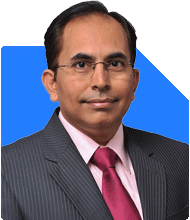
Janak

Janak Patel  |71 Answers  |Ask -

MF, PF Expert - Answered on May 20, 2025

Janak Patel is a certified financial planner accredited by the Financial Planning Standards Board, India.
He is the CEO and founder of InfiniumWealth, a firm that specialises in designing goal-specific financial plans tailored to help clients achieve their life goals.
Janak holds an MBA degree in finance from the Welingkar Institute of Management Development and Research, Mumbai, and has over 15 years of experience in the field of personal finance. ... more
Asked by Anonymous - May 17, 2025

I have 20 Lakhs as Loan with Tenure of about 3.5 years..I have Mutual investment worth 3.5 Lakhs, FD 1.3L, PPF 1.3L, NPS 2L, EPF 5.5L...I get Monthly Salary of 1.1L , out of which 65k goes to EMI...What is best I can do

Ans: Hi,

As the loan tenure is only 3.5 years, I suggest you continue with your EMI's.
The Investments you have are well diversified but you are invested more towards Debt (FS, PPF, part of NPS and EPF). I assume your Mutual fund investment will include Equity based schemes. So review the % allocation to Equity part of the overall portfolio.

I would suggest you increase the Equity based investments and achieve a ratio that is more appropriate for you. Typically a thumb rule to follow is 100-your age = equity % of your portfolio.

This will help you grow your corpus to a respectable amount without taking too much risk and also help to beat inflation over time.

Thanks & Regards
Janak Patel
Certified Financial Planner.
DISCLAIMER: The content of this post by the expert is the personal view of the rediffGURU. Users are advised to pursue the information provided by the rediffGURU only as a source of information to be as a point of reference and to rely on their own judgement when making a decision.
Money

You may like to see similar questions and answers below

Ramalingam

Ramalingam Kalirajan  |10870 Answers  |Ask -

Mutual Funds, Financial Planning Expert - Answered on May 22, 2024

Listen
Money
Hi sir i have the loan of 16 lac and income of 54k with monthly emi of 40k how to mangae all???
Ans: Managing a high EMI on a modest income can be challenging. Your current loan of ?16 lakhs with an EMI of ?40,000 on a ?54,000 income requires careful financial planning. Here’s how to manage your finances effectively.

Understanding Your Financial Situation
Income and Expenses
Your monthly income is ?54,000, with an EMI of ?40,000. This leaves you with ?14,000 for all other expenses. This tight margin necessitates a strategic approach.

Loan Details
A loan of ?16 lakhs with a high EMI consumes a significant portion of your income. Evaluating options to reduce the EMI can provide some relief.

Steps to Manage Your Loan and Finances
Budgeting
Track Expenses
Start by tracking all your expenses. Identify areas where you can cut costs. Every rupee saved can help ease your financial burden.

Create a Monthly Budget
Create a detailed budget. Prioritize essential expenses like food, utilities, and transport. Allocate a portion of your income towards savings, even if it's small.

Reducing EMI Burden
Loan Restructuring
Consider restructuring your loan. Extending the loan tenure can reduce the EMI, though it might increase the total interest paid.

Negotiating with Lenders
Talk to your lender about reducing the interest rate. Even a slight reduction can lower your EMI. Lenders may offer better terms based on your repayment history.

Additional Income Sources
Part-Time Jobs
Explore opportunities for part-time work or freelance jobs. This additional income can help cover expenses and reduce reliance on loans.

Monetize Skills
If you have specific skills or hobbies, consider monetizing them. Teaching, consulting, or online gigs can provide extra income.

Managing Expenses
Reduce Non-Essential Spending
Cut down on non-essential expenses like dining out, subscriptions, and luxury items. Focus on saving and reducing debt.

Use Budget-Friendly Alternatives
Opt for budget-friendly alternatives for daily needs. Buying in bulk, using discounts, and choosing generic brands can save money.

Emergency Fund
Building an Emergency Fund
Allocate a small portion of your income to build an emergency fund. This fund can cover unexpected expenses without impacting your EMI payments.

Utilizing Existing Savings
If you have existing savings, consider using a portion to pay down the loan. Reducing the principal can lower your EMI.

Professional Financial Advice
Consulting a Certified Financial Planner
Seek advice from a Certified Financial Planner. They can provide tailored solutions to manage your loan and improve your financial health.

Debt Management Programs
Consider enrolling in a debt management program. These programs can negotiate better terms with lenders and provide structured repayment plans.

Investment Strategies
Systematic Investment Plans (SIPs)
Consider starting a SIP in a mutual fund. Even a small investment can grow over time and provide financial stability.

Benefits of Regular Mutual Funds
Investing through a Mutual Fund Distributor (MFD) with CFP credentials offers guidance and personalized advice, optimizing your investments.

Avoid Direct Mutual Funds
Direct mutual funds have lower expense ratios but lack advisory services. Regular funds through an MFD provide support and better decision-making.

Financial Discipline
Regular Review
Regularly review your financial situation. Adjust your budget and repayment strategy based on your progress and changes in circumstances.

Set Financial Goals
Set short-term and long-term financial goals. Having clear objectives can motivate you to save and manage your expenses better.

Stress Management
Stay Positive
Financial stress can be overwhelming. Stay positive and focused on your goals. Small steps can lead to significant improvements over time.

Seek Support
Talk to family and friends for support. They can provide emotional backing and sometimes practical advice or assistance.

Conclusion
Managing a high EMI on a modest income is challenging but achievable with careful planning. By budgeting wisely, reducing expenses, seeking additional income, and consulting a Certified Financial Planner, you can navigate this period successfully. Regularly review your financial situation and adjust your strategies as needed to ensure long-term stability and peace of mind.

Best Regards,

K. Ramalingam, MBA, CFP,

Chief Financial Planner,

www.holisticinvestment.in

..Read more

Ramalingam

Ramalingam Kalirajan  |10870 Answers  |Ask -

Mutual Funds, Financial Planning Expert - Answered on Jun 21, 2025

Asked by Anonymous - Jun 10, 2025Hindi
Money
Sir, I have 36 lac of personal loan (70k/ month) and 30 lac of personal loan (30k/ month EMI) . My salary is 1.30 lac and I have MF 9 lac Please advise
Ans: Present Situation Overview

You shared clear numbers. Thank you for transparency.

Two personal loans equal Rs 66 lakh total.

Monthly EMIs sum to Rs 1 lakh.

Net salary is Rs 1.30 lakh each month.

Liquid mutual funds stand at Rs 9 lakh.

Disposable income after EMIs is near Rs 30,000.

High debt takes big salary share.

Cash?flow stress looks serious yet manageable with discipline.

Cash Flow Stress Test

Work out detailed monthly budget right now.

Track every rupee for three months.

Split costs into must?have and good?to?have.

Must?have list: rent, food, utilities, medicines, premiums.

Good?to?have list: eating out, new gadgets, holidays, gifting.

Aim to cap non?essential spends below Rs 5,000 monthly.

Redirect saved cash toward emergency fund first.

Bring family on board early.

Use free budgeting apps or simple notebooks.

Review progress each Sunday night.

Risk Protection Shield

Check life cover against outstanding loans.

Term insurance cover should beat loan size plus goals.

If not sufficient, buy extra term cover today.

Premium small versus peace of mind.

Maintain existing health insurance without lapses.

Add personal accident cover if missing.

Insurance cost fits inside essential budget.

Protection first; growth later.

Emergency Reserve Strategy

Absence of cushion forces costly borrowings.

Target four months expense buffer soon.

Your expense means Rs 1.6 lakh reserve.

Use liquid or ultra?short debt funds for reserve.

Fund reserve by channeling yearly bonus, gifts, tax refunds.

Pause new risky investments until buffer ready.

Keep reserve only for true emergencies.

Refill reserve quickly after use.

Debt Reduction Roadmap

Personal loans carry high rates, often 13%–20%.

Reducing them gives guaranteed risk?free return.

Step one: speak with banks on rate reduction.

Check if balance transfer offers lower rates.

Consolidate both loans into one secured loan if possible.

Use salary overdraft or top?up mortgage if existing property.

Negotiate longer tenure to cut EMI pressure initially.

Target paying extra principal once cash flow eases.

Any cashback, bonus, side income should attack principal.

Do not stop EMIs under any condition.

Automate EMI payments to avoid penalties.

Avoid additional consumer loans until debts clear.

Mutual Fund Portfolio Review

Rs 9 lakh can support debt strategy.

First, confirm fund type and exit load terms.

Check if gains exist above Rs 1.25 lakh limit yearly.

Equity fund LTCG above this attracts 12.5% tax.

Short?term equity gains taxed flat 20%.

Debt fund gains taxed by your slab.

Redemption may still save money if loan rate high.

Consider partial redemption keeping emergency fund intact.

Keep at least Rs 1.6 lakh reserve after redemption.

Shift remaining MF to goal?based SIPs later.

Avoid abrupt full exit; plan phased redemption.

Income Enhancement Ideas

Explore upskilling for salary hike.

Short courses in data, cloud, or AI pay quickly.

Check freelancing platforms for weekend gigs.

Turn hobbies into small income streams online.

Negotiate yearly appraisal with documented achievements.

Seek relocation allowance or hardship allowance if applicable.

Check employee tax?free benefits like meal cards.

Use company stock purchase plans wisely.

Side income can go straight toward loan prepayment.

Expense Management Tactics

Audit subscriptions: music, OTT, gym, apps.

Cancel unused ones now.

Cook meals weekdays; limit restaurants to birthdays.

Share rides or use metro for daily travel.

Shop groceries online under discount codes.

Buy generic medicines when doctor allows.

Plan yearly festivals with set budget envelopes.

Gift handmade items, saving cash and adding warmth.

Delay phone upgrades until loans finish.

Review electricity plan; choose lower slab tariff.

Tax Efficiency Plan

Max out EPF and VPF contributions if employer allows.

Use Section 80C with term insurance premium, EPF, PPF.

Avoid locking money in high?cost insurance?investment mixes.

Use Section 80D for health insurance premium deduction.

Claim house rent allowance by collecting rent receipts.

Submit tax proofs timely to payroll team.

Adjust VPF rate depending on liquidity needs.

Maintain digital file of all tax papers.

Any tax refund should reduce loan principal immediately.

Stay aware of future tax rule changes yearly.

Behavioural Guardrails

Build monthly habit of paying yourself first.

Automate transfer to reserve on salary day.

Avoid comparing lifestyle with peers on social media.

Celebrate small wins, like first extra Rs 50,000 principal paid.

Use visual tracker on fridge for loan balance.

Practice gratitude to keep spending urges low.

Revisit goals sheet each quarter with partner.

Keep meeting with Certified Financial Planner yearly.

Family Goal Alignment

Discuss goals openly with spouse or parents.

Explain debt burden and needed sacrifices.

Assign responsibilities: spouse tracks groceries; you track utilities.

Set family No?Spend weekend challenge each month.

Involve children in saving games if applicable.

Celebrate debt milestones with simple home treats.

Family unity speeds journey and lowers stress.

Monitoring and Review Schedule

End of each month: compare budget versus actual.

End of each quarter: calculate outstanding loan balances.

Mid?year: review insurance adequacy.

Year?end: plan tax saving for next year early.

Annual meeting with Certified Financial Planner.

Adjust plan for salary raises or life events.

Update emergency fund target for inflation yearly.

Keep all financial documents scanned and cloud?stored.

Career Continuity Planning

Life uncertainty can harm loan servicing badly.

Build professional network actively on LinkedIn.

Attend industry events or webinars each quarter.

Keep updated resume ready always.

Learn new tools relevant to your field yearly.

Consider alternate career path if automation threatens role.

Secure corporate medical cover for family even when job switches.

Seek roles offering pay plus variable bonus.

Variable bonus can accelerate debt payoff.

Credit Score Maintenance

Timely EMI boosts credit score each month.

Keep credit card utilisation under 30% limit.

Pay credit card bill in full before due date.

Check credit report twice a year for errors.

Dispute any wrong entry immediately online.

Good score reduces future loan interest burden.

Long Term Investment Re?Start

Once loans fall below Rs 20 lakh, restart SIP.

Begin with Rs 5,000 monthly into diversified equity funds.

Increase SIP 10% yearly with raises.

Avoid sector funds or thematic fads.

Choose regular plans through MFD with CFP qualification.

MFD service fee covers hand?holding and paperwork.

Regular plan cost is small versus guidance benefits.

Direct funds lack timely alerts and emotional support.

MFD can assist with tax?optimal redemption scheduling.

Keep SIP aligned with specific future goals.

Goal Setting Framework

Short term goal: build Rs 1.6 lakh reserve in six months.

Medium term goal: clear smaller loan in three years.

Long term goal: clear second loan in five years.

Post debt goal: build retirement corpus steadily.

Write goals on paper and review monthly.

Attach target date and reason beside each goal.

Strong reasons push consistent actions.

Psychological Well?being

Debt can cause anxiety and sleep issues.

Practise daily 10?minute meditation morning and night.

Exercise thrice a week for endorphin boost.

Talk with spouse or friend when stress peaks.

Avoid splitting personal relationships due to money strain.

Seek professional counsellor if anxiety persists.

Child Education Preparation

If you have kids, open Sukanya or PPF early.

Small monthly deposits suffice now.

Larger funding resumes after loans settle.

Keep separate account name for each child.

Do not dip into child fund for adult expenses.

Possible Windfall Handling

You may receive arrears, incentives, or inheritance.

Allocate 50% of windfall to loan prepayment.

Allocate 30% to emergency fund top?up.

Allocate 20% for small family celebration.

This keeps morale high without harming plan.

Digital Safety Steps

Use strong passwords and two?factor login for bank apps.

Never share OTPs on calls.

Update phone security patches regularly.

Phishing loss now hurts loan plan severely.

Checklist for Immediate Action

Prepare complete household budget this weekend.

Organise insurance papers and nominee details.

Contact loan officers Monday seeking rate reduction.

Evaluate partial MF redemption for debt cut.

Start separate emergency fund account now.

Schedule Certified Financial Planner meeting within two weeks.

Set calendar reminders for review dates yearly.

Finally

You already took brave step by seeking help.

High debt looks heavy but not unstoppable.

Discipline, planning, and family support can win.

Build protection and reserve before tackling principal.

Prepay loans with every extra rupee earned.

Revive investments after debt burden eases.

Stay focus on goals, review, and adapt.

Your future self will enjoy debt?free mornings soon.

Best Regards,

K. Ramalingam, MBA, CFP,

Chief Financial Planner,

www.holisticinvestment.in
https://www.youtube.com/@HolisticInvestment

..Read more

Ramalingam

Ramalingam Kalirajan  |10870 Answers  |Ask -

Mutual Funds, Financial Planning Expert - Answered on Jul 12, 2025

Asked by Anonymous - Jul 12, 2025Hindi
Money
Hi My monthly in hand salary is 84k My loans emi are more than 70 k What to do
Ans: ? Understand the seriousness of your EMI burden
– Your EMI is more than Rs.70,000.
– Your take-home is Rs.84,000.
– This means more than 80% goes in repaying loans.
– This is a very high debt-to-income ratio.
– It leaves very little for your monthly needs.
– Saving and investing becomes almost impossible.
– This can affect your peace of mind and stability.

? Start with identifying the types of loans
– List all loans with EMI and balance.
– Note the interest rate and tenure for each.
– This includes personal loans, credit card dues, car loans, etc.
– Check which loan has the highest interest rate.
– This step gives full clarity on your debt structure.

? Avoid any new loans or expenses for now
– Don’t take more loans to handle current EMIs.
– That will only increase your burden.
– Avoid using credit cards for EMI or cash withdrawal.
– Stop or pause any high-cost spending.
– No gadgets, no travel, no luxury expenses.

? Build a basic household budget immediately
– Track every rupee of your monthly spending.
– Separate must-have expenses from avoidable ones.
– Rent, groceries, medicines, utilities – keep these.
– Remove online shopping, OTT, dining out, weekend trips.
– Live very simple for the next 12–18 months.

? Find options to reduce your EMI load
– Try negotiating lower interest rate with lender.
– Use balance transfer to reduce EMI.
– Banks give lower rate for good credit scores.
– Extend loan tenure to lower monthly EMI.
– This increases total interest, but gives relief now.

? Try part-prepayment of small loans
– If any loan has low balance, try prepaying it.
– Use bonus, PF loan, family support if needed.
– Start with highest interest loan.
– That will save more in long run.

? Explore debt consolidation with proper advice
– Sometimes combining loans into one can help.
– But only do this if interest rate is lower.
– You must study terms carefully.
– Don’t go for informal lenders or apps.
– Only use regulated NBFCs or banks.

? Emergency fund is missing – create it gradually
– With such tight cash flow, emergency fund is vital.
– You can’t handle job loss without it.
– Aim for Rs.25,000 to Rs.50,000 first.
– Slowly grow it to 3 months of EMI and needs.
– Park it in safe liquid instruments.

? Investment should be paused temporarily
– Right now your focus is loan reduction.
– Investments can wait for 6–12 months.
– Clear debt and build stability first.
– Later, you can invest for goals.

? Avoid insurance-linked investments
– If you hold any ULIP, endowment or money-back plans, exit now.
– These give poor returns and have high charges.
– They reduce your liquidity and flexibility.
– Shift to pure term plan for protection.
– Invest separately in mutual funds later.

? Surrender and re-invest policies if applicable
– If you have LIC or similar policy, review it.
– If it is not term insurance, check surrender value.
– Exit non-performing plans and reinvest in mutual funds.
– Mutual funds are flexible and goal-based.

? Resume investments once cash flow improves
– Start small SIPs only when your EMI is manageable.
– Use actively managed mutual funds for better returns.
– Index funds look cheap, but have limits.
– Index funds don’t beat the market.
– Active funds try to give better than average return.

? Why index funds are not suitable for your case
– Index funds follow market blindly.
– They do not adjust based on risk or time horizon.
– They may underperform during crashes.
– You need customised growth, not average returns.
– Active funds managed by experts offer more.

? Mutual fund route – regular plan with MFD and CFP
– Don’t go for direct funds on your own.
– Direct funds give no hand-holding or guidance.
– Choosing wrong fund can cause loss.
– MFD + CFP can guide based on your goals.
– They help monitor and rebalance regularly.

? Focus on income stability and skill improvement
– Parallel to loan control, work on job stability.
– Upgrade skills in your domain.
– Learn tools, certifications or soft skills.
– Job loss or salary cut can worsen your loan problem.
– Keep improving yourself every 6 months.

? Plan for goals once loans are under control
– After 1–2 years, plan for these goals:
– Emergency fund
– Child education
– Retirement
– Home down payment (only if within budget)
– Prioritise retirement even if child is small.
– Don’t depend on property or pension in future.

? Always protect your family with insurance
– Term insurance is needed if you have dependents.
– Rs.50L to Rs.1Cr cover is ideal.
– Premium is low and benefit is high.
– Also, get health insurance for entire family.
– Don’t rely on company medical policy alone.

? Don't panic or lose confidence
– Many people face such debt situations.
– It’s a phase, not the end.
– Proper budgeting and planning can solve it.
– Stay disciplined and committed.
– One year of effort can change everything.

? Create a 3-step action plan from today
– Step 1: Review all EMIs and spending.
– Step 2: Try restructuring or partial prepayment.
– Step 3: Build emergency fund and resume SIP later.

? Stay away from high-risk or quick return plans
– Avoid crypto, trading, Ponzi apps or get-rich schemes.
– You can’t solve debt through speculation.
– Safety and liquidity matter more now.

? Keep reviewing your plan every 3 months
– Sit with a Certified Financial Planner regularly.
– Share updates and revise your goals.
– Consistency in execution is more important than speed.
– Financial freedom takes time but is possible.

? Finally
– Focus now is on survival and regaining balance.
– Once done, you can restart your investment journey.
– With planning and patience, you can still build wealth.
– You already took the first step by asking.
– Take action now, even if small.

Best Regards,
K. Ramalingam, MBA, CFP,
Chief Financial Planner,
www.holisticinvestment.in
https://www.youtube.com/@HolisticInvestment

..Read more

Ramalingam

Ramalingam Kalirajan  |10870 Answers  |Ask -

Mutual Funds, Financial Planning Expert - Answered on Aug 28, 2025

Money
I have a emi of 59k per month for 64 Month..(interest rate 7.6) my salary is 95k Should I lower the emi or tenure by preparing? I have saving of 3L(emergency fund) I also want to start mutual fund sip please suggest a fund
Ans: You are thinking in the right direction. Managing EMI, savings, and investments together shows clarity. Keeping an emergency fund of Rs. 3 lakh is also wise. Many people ignore this step. You have taken care of it. That gives you safety during unexpected times.

» Understanding Your Current Situation
You earn Rs. 95,000 per month. Your EMI is Rs. 59,000. That is a big share of income. Your EMI tenure left is 64 months. Interest rate is 7.6%. You also want to start a mutual fund SIP. This is good because investing early matters. But you must balance EMI and investment well.

» Should You Lower EMI or Tenure?
You have two options: reduce EMI or reduce tenure. Reducing EMI will improve cash flow now. But it will increase interest paid in long term. Reducing tenure needs higher EMI or lump sum prepayment. This will save big on interest cost. So, if you can afford, prepay to reduce tenure, not EMI. Lower EMI should be last choice because it delays debt freedom.

» How Prepayment Helps You
Prepayment brings peace. It reduces outstanding faster. Your interest burden comes down. Even a small prepayment every year can save lakhs in interest. With your income, check if you can use yearly bonus or extra cash for prepayment. This keeps EMI same but tenure becomes shorter. That is the best way.

» Should You Start SIP Now?
Yes, SIP is important. But timing matters when EMI is high. First priority is to ensure cash flow is safe. You already have an emergency fund of Rs. 3 lakh. That is good. Do not use that for prepayment. It is your safety net. If after EMI and expenses you still save Rs. 10,000 or more, start SIP. Even Rs. 5,000 monthly SIP is good to begin. Later increase SIP when EMI is gone.

» Selecting the Right Type of Mutual Fund
You asked for fund suggestion. But let us first decide category. Your goal seems long term because EMI ends in 5 years. So, start with equity-oriented mutual funds. They give growth and beat inflation. For a balanced start, choose actively managed diversified funds. Avoid direct plans because they lack expert support. Regular plan through a Certified Financial Planner gives guidance and rebalancing.

» Why Not Direct Plans?
Direct plans look cheap on expense ratio. But they do not give personal advice. Investors make mistakes without expert review. Mistakes cost more than saved expense. Regular plans through CFP with MFD give handholding. They monitor portfolio and adjust when needed. This avoids panic in market falls.

» Why Not Index Funds?
Some people suggest index funds. But index funds just copy the index. They cannot control risk during falls. They do not beat the market. Actively managed funds can outperform and manage downside better. In retirement planning and wealth creation, this is helpful.

» SIP Allocation Strategy
Start small now. Focus on stability and growth. You can choose:

One large and mid-cap fund for steady growth.

One flexi-cap fund for allocation freedom.

One hybrid aggressive fund for balanced risk.
Avoid sector funds or thematic funds now. They are risky for beginners. Increase SIP after EMI ends. You can target Rs. 40,000 to Rs. 50,000 SIP then. That builds strong corpus.

» Emergency Fund Adequacy
Your Rs. 3 lakh emergency fund equals about 3 months’ expenses. That is okay. Try to increase it to 6 months gradually. Do this before you start high SIP. Safety first. Keep emergency money in liquid mutual fund or savings account, not in equity.

» Tax and Cash Flow Planning
Your EMI and SIP will run together for 64 months. Check if you get tax benefit on home loan under section 80C and 24(b). That reduces tax and increases savings. For SIP, choose growth option for long term compounding. Do not select dividend because it disturbs compounding.

» Risk Management for Next Few Years
Your main risk is high EMI share. So, keep investments flexible. Do not lock in money in long lock-in schemes like ELSS now unless you need tax benefit. Focus on liquidity and growth together. Avoid taking any new loans until EMI ends.

» Action Plan Step by Step

Continue EMI regularly.

Use bonus or extra income for prepayment to reduce tenure.

Keep emergency fund safe.

Start small SIP of Rs. 5,000 to Rs. 10,000 in equity mutual funds.

Increase SIP after EMI is cleared.

Review plan every year with Certified Financial Planner.

» Finally
You are already in a good position because you think smart. Do not lower EMI. Reduce tenure through prepayment when possible. Start SIP now but keep it small. Use equity funds for long-term growth. Keep emergency fund safe and sufficient. Stay disciplined and review yearly. This will help you become debt-free and build wealth together.

Best Regards,

K. Ramalingam, MBA, CFP,

Chief Financial Planner,

www.holisticinvestment.in

https://www.youtube.com/@HolisticInvestment

..Read more

Latest Questions
Ravi

Ravi Mittal  |676 Answers  |Ask -

Dating, Relationships Expert - Answered on Dec 04, 2025

Asked by Anonymous - Dec 02, 2025Hindi
Relationship
My married ex still texts me for comfort. Because of him, I am unable to move on. He makes me feel guilty by saying he got married out of family pressure. His dad is a cardiac patient and mom is being treated for cancer. He comforts me by saying he will get separated soon and we will get married because he only loves me. We have been in a relationship for 14 years and despite everything we tried, his parents refused to accept me, so he chose to get married to someone who understands our situation. I don't know when he will separate from his wife. She knows about us too but she comes from a traditional family. She also confirmed there is no physical intimacy between them. I trust him, but is it worth losing my youth for him? Honestly, I am worried and very confused.
Ans: Dear Anonymous,
I understand how difficult it is to let go of a relationship you have built from scratch, but is it really how you want to continue? It really seems to be going nowhere. His parents are already in bad health and he married someone else for their happiness. Does it seem like he will be able to leave her? So many people’s happiness and lives depend on this one decision. I think it’s about time you and your BF have a clear conversation about the same. If he can’t give a proper timeline, please try to understand his situation. But also make sure he understands yours and maybe rethink this equation. It really isn’t healthy. You deserve a love you can have wholly, and not just in pieces, and in the shadows.

Hope this helps

...Read more

Mayank

Mayank Chandel  |2562 Answers  |Ask -

IIT-JEE, NEET-UG, SAT, CLAT, CA, CS Exam Expert - Answered on Dec 04, 2025

Career
My son will be appearing for JEE Main & JEE Advanced 2026 and will participate in JoSAA Counselling 2026. I request clarification regarding the GEN-EWS certificate date requirement for next year. I have already applied for an EWS certificate for current year 2025, and the application is under process. However, I am unsure whether this certificate will be accepted during JoSAA 2026, or whether candidates will be required to submit a fresh certificate for FY 2026–27 (issued on or after 1 April 2026). My concern is that if JoSAA requires a certificate issued after 1 April 2026, students will have only 1–1.5 months to complete the entire procedure, which is difficult considering normal government processing timelines. Also, during current JEE form filling, students are asked to upload a GEN-EWS certificate issued on or after 1 April 2025, or an application acknowledgement. This has created confusion among parents regarding which year’s certificate will finally be valid at the time of counselling. I request your kind guidance on: Which GEN-EWS certificate will be accepted for JoSAA Counselling 2026 — a certificate for FY 2025–26 (issued after 1 April 2025), or a new certificate for FY 2026–27 (issued after 1 April 2026)?
Ans: Hi
You need not worry about the EWS certificate. Even if you apply for the next year's certificate on 1 Apr 2026, the second session of JEE MAINS will still be held, followed by JEE ADVANCED, which will be held in May. JOSAA starts in June. so you will have 2 months in hand for fresh EWS certificate.

...Read more

DISCLAIMER: The content of this post by the expert is the personal view of the rediffGURU. Investment in securities market are subject to market risks. Read all the related document carefully before investing. The securities quoted are for illustration only and are not recommendatory. Users are advised to pursue the information provided by the rediffGURU only as a source of information and as a point of reference and to rely on their own judgement when making a decision. RediffGURUS is an intermediary as per India's Information Technology Act.

Close  

You haven't logged in yet. To ask a question, Please Log in below
Login

A verification OTP will be sent to this
Mobile Number / Email

Enter OTP
A 6 digit code has been sent to

Resend OTP in120seconds

Dear User, You have not registered yet. Please register by filling the fields below to get expert answers from our Gurus
Sign up

By signing up, you agree to our
Terms & Conditions and Privacy Policy

Already have an account?

Enter OTP
A 6 digit code has been sent to Mobile

Resend OTP in120seconds

x