Home > Money > Question
Need Expert Advice?Our Gurus Can Help

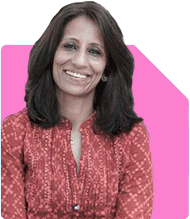
Ramalingam

Ramalingam Kalirajan  |10876 Answers  |Ask -

Mutual Funds, Financial Planning Expert - Answered on Jul 10, 2025

Ramalingam Kalirajan has over 23 years of experience in mutual funds and financial planning.
He has an MBA in finance from the University of Madras and is a certified financial planner.
He is the director and chief financial planner at Holistic Investment, a Chennai-based firm that offers financial planning and wealth management advice.... more
Asked by Anonymous - Jul 02, 2025Hindi

Money

I'm retired from offshore jobs since last 10 years.age is 76. Ihave invested around 3cr.in equity 1.5 cr.in mutual funds Have a ppf 1cr.next year,extended for 5 years this year Have own house at chandigarh No loans Want suggestion to organize properly Have liability of paying around 90lakh in future

Ans: Understanding Your Current Financial Landscape
You have built a good financial base over the years.

Your age is 76, and you are retired for the last 10 years.

Your key assets include equity shares of around Rs 3 crore and mutual funds of Rs 1.5 crore.

You also have a PPF account of Rs 1 crore, extended for five years this year.

Your primary residence is your own house in Chandigarh.

Importantly, you have no outstanding loans.

However, you have a future financial liability of around Rs 90 lakh.

Analysing the Nature of Your Investments
Your equity investment of Rs 3 crore carries high market volatility.

Equity is best for long-term wealth creation, but risk tolerance at your age is limited.

The mutual fund portfolio of Rs 1.5 crore offers a mix of diversification and growth.

However, at this stage, your mutual fund portfolio should be reviewed for risk exposure.

Your PPF of Rs 1 crore is a safe, government-backed investment.

It offers stable tax-free returns and suits your retirement profile.

Assessing the Future Rs 90 Lakh Liability
This Rs 90 lakh future liability is a serious obligation.

You have not shared when and how this liability will occur.

If the liability is due soon, funds should be kept in low-risk options.

If the liability is beyond five years, a moderate investment approach can work.

Your total investment corpus is over Rs 5.5 crore.

So, meeting the Rs 90 lakh liability is achievable with careful planning.

Priority 1: Liquidity Planning for the Rs 90 Lakh Obligation
Keep around Rs 1 crore in low-risk, highly liquid investments.

This can be in bank deposits, liquid mutual funds, or ultra-short-term funds.

This ensures the future Rs 90 lakh liability is met without market risk.

Do not keep such funds in equity or long-term mutual funds.

Priority 2: Rebalancing the Equity and Mutual Fund Portfolio
Your equity portfolio of Rs 3 crore is high for your age.

At 76, capital preservation is more important than growth.

You may consider reducing your direct equity exposure significantly.

Shift proceeds into conservative hybrid mutual funds through a Certified Financial Planner.

Avoid index funds as they simply copy the market.

Actively managed funds offer better downside protection.

Active funds are managed by experts who change strategy during market falls.

Priority 3: Evaluate Mutual Funds - Move to Regular Plans Through CFP
You are holding Rs 1.5 crore in mutual funds.

If they are direct plans, please re-evaluate them.

Direct plans give lower expense ratio but no expert guidance.

Regular plans through a Mutual Fund Distributor (MFD) with CFP qualification offer guidance.

A CFP helps monitor your risk, rebalance your portfolio, and help with tax planning.

Regular plans provide handholding in volatile markets.

The difference in returns is justified by the quality of advice and peace of mind.

Priority 4: Review Your PPF Strategy
Your PPF account of Rs 1 crore is well-placed.

PPF offers tax-free, assured returns and no market risk.

Continue this investment as a stable part of your portfolio.

You may use annual interest for your expenses if needed.

Priority 5: Building a Cash Flow for Monthly Expenses
You have not mentioned your monthly living expenses.

Set aside funds to generate monthly income.

Use a mix of SWP from debt mutual funds, PPF interest, and FD interest.

Avoid withdrawing from equity for day-to-day needs.

Priority 6: Taxation on Mutual Fund Withdrawals
Please remember the new tax rules on mutual funds.

For equity mutual funds, long-term gains above Rs 1.25 lakh are taxed at 12.5%.

Short-term equity gains are taxed at 20%.

For debt mutual funds, all gains are taxed as per your tax slab.

Withdraw strategically with tax efficiency in mind.

A CFP can help you structure withdrawals to minimise taxes.

Priority 7: Don’t Rely Solely on Equity at This Stage
Equity creates wealth in the long term.

But, at your stage, wealth protection matters more.

Equity can fluctuate 30% to 40% in market downturns.

Such fluctuations may affect your peace of mind.

Gradually reduce equity to a much lower proportion.

Priority 8: Stay Away from Real Estate for Investment
Though you own your house, avoid investing further in real estate.

Real estate is illiquid and difficult to sell quickly when needed.

It has maintenance hassles and no guaranteed returns.

Focus instead on mutual funds and debt instruments which offer liquidity.

Priority 9: Avoid Index Funds in Your Situation
Index funds only mirror the market without any protection in downturns.

They don’t have a fund manager making active decisions.

In your life stage, downside protection is critical.

Actively managed funds adjust the portfolio during volatile times.

This reduces losses during market falls.

Your peace of mind is worth the slightly higher costs of active funds.

Priority 10: Avoid Annuities in Retirement
Annuities lock your funds with low returns.

They are illiquid and cannot meet sudden large expenses.

You lose flexibility to adjust to new needs.

Better to create income from mutual funds and debt funds.

This allows more flexibility and better returns.

Priority 11: Estate Planning is Essential
At 76, estate planning is important.

Prepare a Will to distribute your wealth smoothly.

This avoids future disputes and protects your legacy.

Nominate family members in all your financial investments.

Update nominations where missing or outdated.

Priority 12: Have a Financial Plan for Health Expenses
Health expenses can be unpredictable in older age.

Keep funds aside for medical emergencies.

Maintain a separate health emergency fund in a bank account.

Ensure your health insurance is adequate and active.

If you have not reviewed it recently, please do so now.

Priority 13: Creating a Low-Risk, Diversified Portfolio
Keep a mix of liquid funds, conservative hybrid funds, and debt mutual funds.

Liquid funds will handle immediate needs.

Conservative hybrid funds balance stability and moderate growth.

Debt funds can give better returns than FDs for medium-term needs.

Use an experienced CFP to design this portfolio mix.

Priority 14: Keep Regular Reviews Every Year
Even after retirement, periodic portfolio reviews are important.

Your future liabilities, health, and income needs may change.

A Certified Financial Planner can track this and make adjustments.

Don’t leave the portfolio unmanaged.

Ongoing management prevents unnecessary risks.

Priority 15: Protect Yourself From Emotional Investing
At your age, news about market ups and downs may cause worry.

Having a CFP on your side avoids emotional decision-making.

A CFP will advise you to stay calm during market turbulence.

This reduces chances of panic selling at the wrong time.

Priority 16: Plan for Required Minimum Withdrawals
Your investments must support your lifestyle.

Plan for systematic withdrawals to cover monthly and annual expenses.

Avoid random withdrawals, which deplete wealth faster.

A well-planned Systematic Withdrawal Plan (SWP) helps maintain cash flow.

It also avoids sudden large capital gains in one year.

Priority 17: Future Proofing Against Inflation
Even at 76, inflation erodes your wealth.

Therefore, part of your portfolio should be in growth-oriented mutual funds.

Conservative hybrid and balanced advantage funds are suitable options.

They give growth with less volatility than pure equity.

Priority 18: Aligning Your Portfolio with Risk Capacity
At 76, your risk capacity is naturally lower.

Hence, your portfolio should be aligned with that risk capacity.

A safer portfolio avoids big losses during market falls.

Still, moderate growth is needed to fight inflation and preserve wealth.

Priority 19: Don’t Keep Idle Cash
Keeping large idle cash is not wise.

It loses value due to inflation.

Park idle cash in liquid mutual funds or short-term debt funds.

These give better returns with safety and liquidity.

Priority 20: Create a Systematic Giving Plan (If Desired)
If you wish to donate to causes, plan systematically.

Allocate a fixed amount yearly for charity.

This avoids sudden depletion of wealth.

Balance your giving with your family’s future needs.

Priority 21: Involve Family in Financial Matters
Discuss your financial matters with your family.

Let them know about your plans, investments, and future wishes.

This ensures they can manage things smoothly if needed.

Keep them informed about your Certified Financial Planner’s contact.

Priority 22: Don’t Depend on Any One Investment
Avoid over-relying on any single asset class.

A balanced approach between debt, hybrid funds, and some equity is better.

Diversification spreads the risk and improves long-term stability.

Priority 23: Review PPF Extension Periodically
PPF extension is for five years at a time.

Review whether to extend again after five years.

If you don’t need the money, keep extending.

It continues giving safe, tax-free returns.

Finally
Your financial foundation is strong, with no loans and multiple assets.

But asset allocation must now focus on capital protection and liquidity.

Address your Rs 90 lakh liability with low-risk funds.

Gradually reduce equity exposure as it carries market risks.

Use actively managed mutual funds, not index funds or direct funds.

Regular funds through a CFP give better guidance and risk management.

Estate planning, tax efficiency, and regular reviews are now vital.

Partner with a Certified Financial Planner for a 360-degree solution.

Best Regards,

K. Ramalingam, MBA, CFP,

Chief Financial Planner,

www.holisticinvestment.in
https://www.youtube.com/@HolisticInvestment
DISCLAIMER: The content of this post by the expert is the personal view of the rediffGURU. Users are advised to pursue the information provided by the rediffGURU only as a source of information to be as a point of reference and to rely on their own judgement when making a decision.
Money

You may like to see similar questions and answers below
Ramalingam

Ramalingam Kalirajan  |10876 Answers  |Ask -

Mutual Funds, Financial Planning Expert - Answered on Jun 29, 2024

Money
I am 37 years old with annual earning of 63 lacs before taxes. I have invested 25 lacs in stock market so far and have 12 lacs in PPF. I am investing 2 lacs per month in SIP and have 2 housing loans in Mumbai with total accumulated outstanding balance of 90 lacs. I have 62 lacs of liquid money currently parked in overdraft home loan accounts having yearly home loan interest of 9.8%. I am paying approx 60 k pm interest in total for my two housing loans. I have balance of 50 lacs in provident fund with monthly increase of 56 k. Also, I am earning 17k pm from rental income. I have term plan of 2.8 cr and wife have term plan of 1 cr with life time cover. I have few medical plans with full family + parents coverage. I have 6 year old daughter and planning for her sibling this year. I am a proud sanatani living minimalist and healthy lifestyle and don't really have much spending other than basic needs. At my retirement, I would still prefer to have earnings of 5 lacs per month using various sources. I want to retire at 55 with close to 60 cr so that my children can live happily after me! Also, I am planning for a world tour in my 40 and can spend upto 5 lacs per year for next 10 years. I have been very aggressive and risk taking investor so far. I have been able to get returns at the rate of 45% cagr by picking the right security at right time. However, given my age is now 37, I want advice on how can I effectively distribute my investment to reduce the risk and still being able to get 25%+ annual return on my capital. It will be great if I can measure advice and not a monologue of details available on internet. I respect skilled people who talk to the point and who are successful in their own life. Email me at krunal --dot-- iq --at-- gmail.com if you think you can be a good financial advisor for my use case.
Ans: You're in a solid financial position with a healthy income and diverse investments. Your annual earnings of Rs 63 lacs, substantial stock market investments, PPF, SIP contributions, housing loans, and provident fund show a well-rounded portfolio. It's impressive to see your planning and discipline. Your goals for retirement and your children’s future reflect your dedication to financial security.

You're currently 37 years old and aiming to retire at 55 with close to Rs 60 cr. This goal is ambitious but achievable with the right strategy. Let's analyze your current investments and suggest adjustments to help you achieve this goal.

Investment Portfolio Assessment

You've been aggressive in your investments, achieving remarkable returns. However, as you approach 40, balancing risk and return becomes crucial. Here’s an evaluation of your current investments:

Stock Market Investments: Rs 25 lacs.
PPF: Rs 12 lacs.
SIP Contributions: Rs 2 lacs per month.
Housing Loans: Rs 90 lacs outstanding balance.
Overdraft Home Loan Accounts: Rs 62 lacs at 9.8% interest.
Provident Fund: Rs 50 lacs, growing by Rs 56k monthly.
Rental Income: Rs 17k per month.
Liquid Money: Rs 62 lacs in overdraft accounts.
Term Plans and Medical Coverage: Comprehensive coverage for the family.
Your diversified portfolio is a strong foundation. The key now is to optimize for both growth and stability. Here are some detailed strategies:

Risk and Return Considerations

Your current 45% CAGR is exceptional but challenging to sustain. Aiming for 25% returns is still ambitious. Here’s a breakdown of realistic expectations and strategies to balance risk and return:

Equity Mutual Funds: While direct stock investments can yield high returns, consider equity mutual funds managed by skilled fund managers. They can provide diversified exposure and professional management. Expect around 12-15% returns, which balances risk better than individual stock picking.

Investing in equity mutual funds allows you to leverage the expertise of fund managers. They actively manage the portfolio, selecting stocks that have the potential for growth. This diversification reduces the risk associated with individual stock investments.

Actively Managed Funds vs Index Funds: Actively managed funds can outperform index funds due to skilled fund managers identifying opportunities and managing risks. Index funds, though lower cost, mirror the market and may not deliver the high returns you seek. Regular funds through a Certified Financial Planner can offer better support and tailored advice.

Actively managed funds involve a more hands-on approach, where fund managers actively select stocks and adjust the portfolio to maximize returns. This active management can lead to higher returns compared to index funds, which simply track the market index. Additionally, investing through a Certified Financial Planner ensures you receive personalized advice tailored to your financial goals.

Debt Instruments: Include high-quality debt funds to stabilize your portfolio. They provide lower but stable returns, balancing the high risk of equity investments. Aim for around 7-9% returns here.

Debt instruments, such as government bonds, corporate bonds, and high-quality debt funds, offer stability to your portfolio. They are less volatile than equities and provide a steady income stream. This stability is essential, especially as you approach retirement and seek to preserve your capital.

PPF and Provident Fund: Continue your investments in these for tax-free, risk-free returns. They offer steady growth and can act as a safety net.

Public Provident Fund (PPF) and Provident Fund (PF) are excellent options for risk-free returns. They offer tax benefits under Section 80C and provide a guaranteed return. These funds should be a part of your retirement planning to ensure a stable income post-retirement.

SIP Strategy: Your Rs 2 lacs monthly SIP is a robust strategy. Diversify across large-cap, mid-cap, and small-cap funds to balance risk and reward.

Systematic Investment Plans (SIPs) help in disciplined investing and rupee cost averaging. By investing a fixed amount regularly, you buy more units when prices are low and fewer units when prices are high. This strategy reduces the impact of market volatility on your investments. Diversifying your SIPs across large-cap, mid-cap, and small-cap funds ensures you capture growth across different segments of the market.

Housing Loans and Overdraft Accounts

Your Rs 62 lacs parked in overdraft home loan accounts helps reduce interest outgo. Here are some considerations:

Prepayment of Loans: With Rs 90 lacs in outstanding loans, prepaying can reduce your interest burden. This is especially beneficial at your current 9.8% interest rate. Prepayment can be a strategic move to save on interest costs and reduce the overall loan tenure.

Prepaying your housing loans can significantly reduce the total interest paid over the loan tenure. With interest rates at 9.8%, prepayment can lead to substantial savings. However, ensure that prepayment does not attract any penalties and that you still maintain enough liquidity for emergencies.

Emergency Fund: Ensure you maintain a sufficient emergency fund. Your liquid money in overdraft accounts is useful, but some should be kept in a more accessible form, like a high-interest savings account. This ensures you have liquidity without affecting your investment strategy.

An emergency fund is crucial for financial security. It should cover at least 6-12 months of your living expenses. Keeping a portion of your liquid money in an easily accessible form ensures that you can handle any unforeseen expenses without disrupting your investment plans.

Rental Income and Future Investments

Your Rs 17k monthly rental income is a steady stream. Consider these points:

Real Estate Exposure: Avoid increasing your real estate exposure further. It’s illiquid and can tie up significant capital. Instead, focus on investments that offer better liquidity and growth potential.

Real estate investments are not easily liquidated and can require substantial capital for maintenance and taxes. Diversifying into more liquid investments such as mutual funds or stocks ensures you have access to your funds when needed and can capitalize on growth opportunities.

Reinvestment: Reinvest rental income into diversified mutual funds. This enhances growth potential and liquidity. By reinvesting your rental income, you can leverage the power of compounding, further boosting your portfolio’s growth.

Reinvesting your rental income into diversified mutual funds not only helps in capital appreciation but also provides better liquidity. This strategy ensures your money works for you, generating returns over time through compounding.

Insurance and Coverage

Your term plans and medical coverage are crucial for family security. Here’s how to optimize:

Term Plan: Your Rs 2.8 cr and your wife’s Rs 1 cr coverage is substantial. Ensure it’s reviewed periodically to match inflation and financial needs. As your financial responsibilities grow, it’s essential to adjust your coverage accordingly.

Regularly reviewing your term insurance coverage ensures that it aligns with your current financial situation and future responsibilities. As your income and financial obligations increase, adjusting your coverage provides adequate protection for your family in case of unforeseen events.

Medical Insurance: Comprehensive coverage for your family and parents is essential. Review policies to ensure they cover rising medical costs and offer cashless hospitalization. Given the rising healthcare costs, having adequate medical insurance is vital to avoid financial strain.

With healthcare costs on the rise, having comprehensive medical insurance is crucial. Ensure your policy covers critical illnesses, hospitalization, and offers cashless services. This reduces the financial burden in case of medical emergencies and ensures quality healthcare for your family.

Retirement Planning

Aiming for Rs 60 cr by 55 for a Rs 5 lacs monthly income is ambitious but achievable with disciplined investing. Here’s a strategy:

Diversified Portfolio: Maintain a mix of equity, debt, and alternative investments. As you approach retirement, shift towards safer investments. This approach ensures that you continue to grow your wealth while minimizing risk.

Diversifying your portfolio across different asset classes helps in managing risk and optimizing returns. As you near retirement, gradually shift towards safer investments like debt funds and government securities to preserve your capital.

Regular Reviews: Regularly review your portfolio with a Certified Financial Planner to stay on track. Adjust based on market conditions and life changes. Regular reviews help in staying aligned with your goals and making necessary adjustments.

Financial markets are dynamic, and regular reviews ensure your investment strategy remains relevant. A Certified Financial Planner can provide insights and adjustments based on market trends and your changing financial goals.

World Tour and Lifestyle

Planning a Rs 5 lacs annual expenditure for a world tour is wonderful. Here’s how to manage it:

Travel Fund: Create a dedicated travel fund. Invest in liquid funds for easy access and moderate returns. This ensures that you can enjoy your travels without impacting your long-term investment goals.

A dedicated travel fund ensures that your travel plans do not interfere with your long-term financial goals. Liquid funds offer moderate returns and easy access, making them ideal for short-term goals like travel.

Minimalist Lifestyle: Your minimalist lifestyle helps save significantly. Continue this approach, focusing spending on experiences and essentials. This frugal approach will help in saving more and investing wisely.

A minimalist lifestyle reduces unnecessary expenses and allows you to save more. By focusing on essential needs and experiences, you can enhance your savings and invest in growth-oriented assets.

Final Insights

Your financial planning is commendable. Balancing risk and return is key as you approach 40. Here’s a summary:

Diversify across equity mutual funds, debt funds, and safe instruments like PPF. This diversified approach ensures a balanced risk-reward ratio.

Continue your SIP strategy and reinvest rental income wisely. SIPs help in rupee cost averaging and disciplined investing.

Prepay housing loans to reduce interest burden. This saves on interest costs and reduces financial stress.

Maintain adequate insurance and emergency funds. Adequate coverage and an emergency fund provide financial security.

Regularly review your portfolio with a Certified Financial Planner. Regular reviews help in staying on track and achieving your financial goals.

Your disciplined approach and clear goals are your strengths. Stay focused, make informed decisions, and your financial future will be secure and prosperous.

Best Regards,

K. Ramalingam, MBA, CFP,

Chief Financial Planner,

www.holisticinvestment.in

..Read more

Ramalingam

Ramalingam Kalirajan  |10876 Answers  |Ask -

Mutual Funds, Financial Planning Expert - Answered on Jul 27, 2024

Asked by Anonymous - Jul 20, 2024Hindi
Listen
Money
Hello Sir, I am 32 yrs old, Engineer, Married, expecting 1st kid by nxt yr, Parents getting pension of 50k. Income: 60k in Hand + 20-30k (perks separate) Needs: 25k max Investments: Saving account: 60k Emergency fund: For 12 months+ (2.5 lacs)- returns 5.5-6% RoR EPF: 0 ULIP funds: 3 lacs (CV 4.6 lacs, 10 years left) 60k/yr 1Cr Term Plan + 10 lacs critical illness cover (5 yrs left) 36k/yr Assets: Owns a 3 Bhk flat with own income Ancestral property (value 20 lacs approx, 2 Floored house- expected rent 15k/mnth in next 1 yr) Gold: 90-100 gms Own a car & a 2 wheeler X No health insurance for self & wife till 35 yrs of age Goals: Plz guide me for: 1. Early retirement by the age of 50 yrs. 2. Investment strategy for SIP, PPF, RBI Bond funds, mutual funds, SGBs or any other funds which you find suitable. 3. Buying a term plan of 1-2cr for my wife. 4. Buying a house as per my wants @ 43 yrs (PV in 2024: 70-80 lacs) 5. Build a corpus for kids higher education & marraige Thanks & Regards
Ans: Current Financial Situation
Age: 32 years old

Profession: Engineer

Family: Married, expecting first child next year

Parents: Receiving a pension of Rs. 50k

Income: Rs. 60k in hand + Rs. 20-30k perks

Needs: Rs. 25k max

Investments:

Saving account: Rs. 60k
Emergency fund: Rs. 2.5 lakhs (12 months+)
ULIP funds: Rs. 3 lakhs (Current value Rs. 4.6 lakhs, 10 years left, Rs. 60k/year)
Term Plan: Rs. 1 crore + Rs. 10 lakhs critical illness cover (5 years left, Rs. 36k/year)
Assets:

Owns a 3 BHK flat with own income
Ancestral property (value Rs. 20 lakhs, 2-floored house, expected rent Rs. 15k/month in next year)
Gold: 90-100 grams
Own a car & a 2-wheeler
Insurance: No health insurance for self and wife till 35 years of age

Financial Goals
Early retirement by age 50.
Investment strategy for SIP, PPF, RBI Bond funds, mutual funds, SGBs, or any other suitable funds.
Buy a term plan of Rs. 1-2 crore for wife.
Buy a house at age 43 (PV in 2024: Rs. 70-80 lakhs).
Build a corpus for child’s higher education and marriage.
Assessment of Current Strategy
Emergency Fund
You have a good emergency fund. This is a crucial safety net.

ULIP Funds
Your ULIP has a high cost. Consider moving to more efficient investment options.

Term Insurance
Your current term plan is good. Consider adding more coverage.

Ancestral Property
The expected rent will provide a steady income stream.

Gold
Gold is a stable asset but consider other investment avenues for growth.

Recommendations for Improvement
Health Insurance
Immediate Action: Get health insurance for yourself and your wife. This protects against unforeseen medical expenses.
Investment Strategy
SIP in Mutual Funds:

Diversified Equity Funds: Start SIPs in diversified equity mutual funds. These funds have high growth potential.
Allocation: Consider investing Rs. 15-20k monthly in SIPs.
PPF:

Tax Benefits: PPF is a good tax-saving instrument. It provides stable, risk-free returns.
Contribution: Start contributing Rs. 1.5 lakhs annually to PPF.
RBI Bonds and SGBs:

RBI Bonds: Invest in RBI Bonds for safe, long-term returns.
Sovereign Gold Bonds (SGBs): Invest in SGBs for additional gold exposure with interest.
Mutual Funds:

Actively Managed Funds: Prefer actively managed funds over index funds for better returns.
Diversification: Invest in a mix of large-cap, mid-cap, and small-cap funds.
Term Insurance for Wife
Coverage: Buy a term plan of Rs. 1-2 crore for your wife. This ensures financial security.
Future House Purchase
Savings Plan: Start saving for the house you want to buy at age 43.
Investment: Allocate a portion of your monthly savings to a dedicated house fund.
Child’s Education and Marriage Corpus
Education: Start an SIP dedicated to your child’s education. Aim for a mix of equity and debt funds.
Marriage: Similarly, start a separate SIP for your child’s marriage expenses.
Additional Recommendations
Review and Adjust:

Annual Review: Regularly review your investments. Adjust based on performance and goals.
Diversify Portfolio:

Reduce ULIP: Consider moving funds from ULIP to mutual funds for better growth.
Balanced Portfolio: Ensure a balanced mix of equity, debt, and other assets.
Tax Planning:

Maximize Benefits: Use tax-saving instruments like PPF, ELSS, and NPS.
Final Insights
Your current strategy is a good start. Health insurance is a must. Diversify your investments through SIPs, PPF, RBI Bonds, and SGBs.

Consider adding more term insurance for your wife. Plan for future house purchase and child’s education/marriage by starting dedicated SIPs.

Review and adjust your portfolio annually. Ensure a balanced mix of assets for growth and security.

Best Regards,

K. Ramalingam, MBA, CFP

Chief Financial Planner

www.holisticinvestment.in

..Read more

Ramalingam

Ramalingam Kalirajan  |10876 Answers  |Ask -

Mutual Funds, Financial Planning Expert - Answered on Jul 31, 2024

Asked by Anonymous - Jul 30, 2024Hindi
Listen
Money
Hi, I'm 47 years old who has retired this year. However I have started something on my own which would take atleast a couple of years to show results. I'm invested in MF (2.5Cr), Equities (25L), FD 60L, Cash in Hand (25L), PF (45L), NSC (18LL), SGB (4L), SSY (20L) I have a daughter pursuing her 12th and plans. I have a home loan of 11L (14K/month EMI) and couple of vacant sites (1.5Cr each). I would like your advice on how do I manage my funds.
Ans: Congratulations on starting your own venture. Managing your funds effectively is crucial to support your new business and secure your financial future. Here’s a structured plan to help you manage your funds wisely.

Current Financial Situation
Age: 47 years

Mutual Funds: Rs. 2.5 crores

Equities: Rs. 25 lakhs

Fixed Deposit (FD): Rs. 60 lakhs

Cash in Hand: Rs. 25 lakhs

Provident Fund (PF): Rs. 45 lakhs

National Savings Certificate (NSC): Rs. 18 lakhs

Sovereign Gold Bonds (SGB): Rs. 4 lakhs

Sukanya Samriddhi Yojana (SSY): Rs. 20 lakhs

Home Loan: Rs. 11 lakhs (EMI: Rs. 14,000 per month)

Vacant Sites: Rs. 1.5 crores each (2 sites)

Daughter: Pursuing 12th grade

Investment Review
1. Mutual Funds

Diversification: Ensure your mutual fund portfolio is diversified across various sectors and market caps.

Active Management: Consider actively managed funds. They offer better returns than index funds due to professional management.

Debt Management
2. Home Loan

Prepayment: Use some of your cash in hand to prepay the home loan. This will reduce your monthly EMI burden.
Emergency Fund
3. Cash in Hand

Liquidity: Keep a portion as an emergency fund. It should cover at least 6-12 months of expenses.

Allocation: Allocate the rest to short-term instruments for better returns than just holding cash.

Investment Strategy
4. Fixed Deposit

Safety: FDs offer safety but lower returns. Consider moving some funds to higher-yield investments.

Partial Allocation: Keep some funds in FDs for safety, but diversify the rest.

Growth Investments
5. Equities

Potential: Equities have the potential for high returns but come with higher risk.

Regular Monitoring: Keep a regular check on your equity investments. Adjust based on market conditions.

6. National Savings Certificate (NSC)

Security: NSCs are secure but offer fixed returns.

Hold: Continue holding NSCs as part of your secure investment strategy.

7. Sovereign Gold Bonds (SGB)

Hedge: SGBs are good as a hedge against inflation.

Hold: Retain your SGBs for long-term benefits.

Retirement Planning
8. Provident Fund (PF)

Long-Term Security: PF is crucial for your retirement corpus.

Contribution: Ensure you continue contributing to your PF.

Child's Education
9. Sukanya Samriddhi Yojana (SSY)

Secure Future: SSY is a great way to secure your daughter’s future education and marriage expenses.

Continue Investment: Keep contributing to SSY for the maximum benefit.

Real Estate
10. Vacant Sites

No Recommendation: While not recommending further real estate investment, consider these sites as part of your asset portfolio.
Final Insights
Balancing safety and growth is key. Regularly review and adjust your investments as needed. Seek guidance from a certified financial planner to tailor a plan specific to your needs.

Best Regards,

K. Ramalingam, MBA, CFP,

Chief Financial Planner,

www.holisticinvestment.in

..Read more

Latest Questions
Shalini

Shalini Singh  |180 Answers  |Ask -

Dating Coach - Answered on Dec 10, 2025

Asked by Anonymous - Dec 10, 2025Hindi
Relationship
Hi. I have been in a long distance relationship since 6 months,and i have known my boyfriend since 10 months. He is very understanding, caring,and honest person. He had already told everything about us for his parents and their parents agreed. We both are financially independent. I told my relationship to my parents and they are against it as my boyfriend is from lower caste, different region, not done his degree from a reputed college but a local engineering college, and his status. They are thinking about relatives, and society what will they say, about their pride, status, and all the respect they have earned uptill now will vanish because of my decision. My parents are very protective of me and have given me everything and like me a lot.They are saying its long distance you might have met only 15 times you don't see this person daily to judge his character. If you have known this person for atleast 2/3 years, with u meeting him daily it would be different. But the person i met is honest from the start. They are hurting daily because of my decision. I cant go against them and be happy.
Ans: 1. It is wonderful you have met someone special and in last 10 months you have met him 15 times which averages to meeting him 1.5 times a month. Is it possible to increase this and meet over every second weekend. Can you both travel once.

2. Parents are parents they worry and all parents are protective of their children as are yours. But if they are declining you because of caste etc then please question them asking them to give you an assurance that if they marry you to someone of their choice things will work - In reality there can be no assurance given for any relationship - found by you or introduced by parents as relationships need work by both...both need to grow up, both of you need to be happy individuals for relationship to work + if colleges were the deciding factor then we would not see divorces of those who married in the same caste or are from Stanford, MIT, IIT, IIMs, Inseads of the world.

Here is a suggestion/ recommendation
- meet his family
- get him to meet your parents
- let both set of parents meet

all the best

...Read more

Naveenn

Naveenn Kummar  |234 Answers  |Ask -

Financial Planner, MF, Insurance Expert - Answered on Dec 09, 2025

Money
Dear Naveen Sir, I am 55 Years old and have five more years in superannuation. My monthly take home is approx. 6 Lacs PM . I have accumulated 2 Cr. in MF , 1.5 Cr in PF , 1 Cr FD and NPS and LIC put all together will be approx 50 Lacs and payout will start from 2028 onwards. I have just booked one 4 BHK and take home loan which is construction linked plan . Possession will be in 2029. My Daughter and Son are on Marriage age but both are also earning handsomely as they are in 30% bracket of IT . Have parental property approx 1.5 Cr which i will get in due course of the time. Monthly expenses are approx 1 Lacs only . Please suggest the way forward for next 5 Years .....how and where i start investing ....
Ans: Dear Sir
For a comprehensive QPFP level financial planning and retirement assessment we request the following details. These inputs will allow financial planner to prepare an accurate inflation-adjusted roadmap covering risk protection, income stability, investment strategy and long-term financial security.
________________________________________
1. Personal and Family Details
Your age and planned retirement year.
Spouse’s age, working status and future income expectations.
Number of dependents and their financial reliance on you.
Any major medical conditions in the family.
________________________________________
2. Parents’ Health and Financial Dependence
Current health condition of parents.
Do they have their own medical insurance cover.
Sum insured and type of policy.
Any critical illness or pre-existing conditions.
Monthly financial support you provide to them if any.
Expected future medical or caretaker expenses.
________________________________________
3. Income and Cash Flow
Monthly take home income.
Expected increments or bonuses for the next five years.
Monthly household expense structure.
Existing EMIs and financial commitments.
Monthly surplus available for investments.
Any expenses expected to rise due to inflation or lifestyle changes.
________________________________________
4. Home Loan and Liabilities
Sanctioned home loan amount, interest rate and tenure.
Current disbursement status under construction linked plan.
Your plan for EMI servicing and part-prepayment.
Any other loans or financial liabilities.
________________________________________
5. Real Estate Profile
Is this 4 BHK your first home or do you own other properties.
Any rental income from existing properties.
Purpose of the new 4 BHK after retirement for self, parents or children.
Your plan for the parental house. Retain, sell or rent.
Where you plan to settle post retirement.
________________________________________
6. Investment Portfolio
Current mutual fund corpus and category-wise split.
SIP amounts and investment horizon.
PF, EPF, PPF and other retirement scheme balances.
Fixed deposit amounts, maturity periods and ownership structure for DICGC protection.
NPS allocations Tier 1 and Tier 2.
LIC policies with surrender value and maturity year.
Any bonds, NCDs, PMS, private equity or invoice discounting exposure.
________________________________________
7. Emergency Preparedness
Current emergency fund value.
Loan facility available against MF or FD.
Any credit line for medical or sudden expenses.
________________________________________
8. Insurance Protection (Self and Spouse)
Term insurance coverage and policy details.
Health insurance sum assured and insurer.
Top-up or super top-up cover details.
Critical illness and accident cover status.
Adequacy of insurance after accounting for inflation.
________________________________________
9. Children’s Goals and Planning
Are you contributing financially to your children's planning.
Any corpus set aside for their marriage.
Children’s own investment and insurance setup.
Any future goals involving them.
________________________________________
10. Retirement Vision and Income Planning
Expected retirement lifestyle and monthly cost adjusted for inflation.
Your preferred retirement income structure
SWP from mutual funds
Annuity or pension products
PF interest
NPS annuity
Rental income
Plans to monetise or downsize real estate if needed.
Any travel, medical or lifestyle goals post retirement.
________________________________________
11. Estate and Succession Planning
Will availability and last update date.
Nominations across MF, PF, NPS, FD, LIC, demat and bank accounts.
Any instructions for asset distribution.
________________________________________
Next Step
Only Once you share these details, financial planner can prepare a complete five year roadmap covering asset allocation, inflation-adjusted corpus projections, loan strategy, insurance adequacy, medical preparedness, pension and SWP planning, liquidity management and post-retirement income stability.


Disclaimer / Guidance:
The above analysis is generic in nature and based on limited data shared. For accurate projections — including inflation, tax implications, pension structure, and education cost escalation — it is strongly advised to consult a qualified QPFP/CFP or Mutual Fund Distributor (MFD). They can help prepare a comprehensive retirement and goal-based cash flow plan tailored to your unique situation.
Financial planning is not only about returns; it’s about ensuring peace of mind and aligning your money with life goals. A professional planner can help you design a safe, efficient, and realistic roadmap toward your ideal retirement.

Best regards,
Naveenn Kummar, BE, MBA, QPFP
Chief Financial Planner | AMFI Registered MFD
https://members.networkfp.com/member/naveenkumarreddy-vadula-chennai
044-31683550

...Read more

Ramalingam

Ramalingam Kalirajan  |10876 Answers  |Ask -

Mutual Funds, Financial Planning Expert - Answered on Dec 09, 2025

Money
Im aged 40 years and my husband is aged 48 years. We have one son aged 8 years and daughter aged 12 years. We both are in business. What should be the ideal corpus to meet their education at the age of 18 years for both children? Present business income we can save Rs.50000 pm
Ans: You are thinking early. That itself is a smart step. Many parents postpone planning and later struggle with loans. You are not in that situation. So appreciate your approach.

You asked about ideal corpus for higher education. Education cost is rising fast. So planning early avoids financial pressure later.

You have two kids. Your daughter is 12. Your son is 8. You have around six years for your daughter and around ten years for your son. With this time frame, you need a proper structured plan.

» Understanding Future Education Cost

Education inflation in India is high. It is increasing year after year. Even professional courses are becoming costly. College fees, hostel fees, books, digital tools and transportation also add cost.

You need to consider this inflation. Higher education cost will not remain at today’s value. It will grow.

So if today a standard undergraduate program costs around a few lakhs, in six to ten years the cost may go much higher. That is why estimating corpus should consider this future cost.

You don’t need exact numbers today. You need a target range to plan. A comfortable range gives clarity.

» Typical Cost Structure for Higher Education

Higher education cost depends on:

– Private or government institution
– Course type
– City or abroad option
– Duration

For engineering, medical, management or technology courses, cost goes higher. For government colleges the cost is lower but seats are limited. Private colleges are more accessible but expensive.

So planning based only on government college assumption may create funding gaps. Planning based on private college range gives safer margin.

» Suggested Corpus for Both Children

For your daughter, considering next six years gap and inflation, a target range should be higher. For your son, you have more time. So his corpus can grow better because compounding works more with time.

For a comfortable education corpus that covers most course possibilities, many families plan for a higher number. It gives flexibility to choose better college without stress.

So you can aim for a larger goal for both children like this:

– Daughter: Target a strong education fund for next six years
– Son: Target a similar or slightly higher fund for the next ten years because future costs may be higher

You may not need the whole amount if your child chooses a less expensive route. But having extra cushion gives peace.

» Your Savings Ability

You mentioned you can save Rs.50000 monthly. That is a strong saving capacity. But this saving should not go entirely to a single goal. You will also need future retirement planning, emergency fund and other life goals.

Still, a reasonable portion of this amount can be allocated towards education planning. Some families divide savings based on urgency and time horizon. Since daughter’s goal is near, she may need a more stable allocation.

Your son’s goal is long term. So his part can stay in growth asset for longer.

» Choosing the Right Investment Style

A long term goal like your son’s education needs equity exposure. Equity gives better potential for long term growth. It beats inflation better than fixed deposits.

But for your daughter, pure equity can create risk because goal is nearer. Market fluctuations may affect final corpus. So she needs a balanced asset mix.

So investment approach must be different for both.

» Asset Allocation Strategy

For your daughter with six year horizon:

– Higher allocation to a balanced type category
– Some allocation to equity through diversified categories
– Step down equity allocation in final three years

This structure protects capital in later years.

For your son with ten year horizon:

– Higher equity allocation at start
– Continue systematic investing
– Reduce risk allocation gradually closer to goal period

This helps growth and protection.

» Avoiding Wrong Investment Products

Parents often buy traditional insurance plans or children policies for education. These policies give low returns. They lock money and reduce wealth creation potential.

So avoid purely insurance based products for education goals. Insurance is separate. Investment is separate. This separation creates clarity and better growth.

If you already hold any ULIP or investment insurance product, it may not be efficient. Only if you have such policies then you may review and consider if surrender is needed and reinvest in mutual funds. If you don’t have such policies, no need to worry.

» Role of Actively Managed Mutual Funds

For long term goals, actively managed mutual funds offer better flexibility and expert management. They are designed to outperform inflation. A regular plan through a mutual fund distributor with CFP support helps with guidance. They also track your goal and give advice in volatile phases.

Direct funds look cheaper on expense ratio. But they lack advisory support. Long term investors often make emotional mistakes in direct investing. They stop SIPs or switch wrong schemes. So advisory backed investing avoids costly behaviour mistakes.

Index funds look simple and low cost. But they only follow the market. They don’t protect during corrections. There is no strategy or research. Actively managed funds adjust holdings based on market research and valuation. For life goals like education, smoother growth and strategy are needed.

So regular plan with advisory support helps you avoid unnecessary emotional decisions.

» Importance of Systematic Investing

A fixed monthly SIP gives discipline. It also benefits from market volatility. When markets fall, SIP buys more units. In rise phase, the value grows.

A structured SIP helps both goals. For daughter, SIP should shift towards low volatility funds slowly. For son, SIP can run longer in growth-oriented funds before reducing risk.

Your contribution amount may change based on future business income. But start now with whatever comfortable.

» Protecting the Goal With Insurance

Since you both are running business, income stability may fluctuate. So ensuring life security is important. Term insurance is the right option. It is low cost and high coverage.

This ensures child’s education is protected even if income stops.

Medical insurance also matters. A medical emergency should not break education savings.

» Reviewing the Plan Periodically

A fixed plan is good. But markets and life conditions change. So review once every twelve months.

Points to review:

– Are SIPs running on time?
– Is allocation suitable for goal year?
– Any need to shift from equity to safer category?
– Any tax planning advantage needed?

But avoid checking portfolio every week. Frequent checking creates stress.

» Education Goal Withdrawal Plan

As the daughter’s goal comes close:

– Stop SIP in high risk category
– Start shifting profit to debt type fund over systematic transfers
– Keep final year money in safe option like liquid category

Same formula should be applied for your son when his goal approaches.

This protects against last minute market crash.

» Emotional Side of Planning

Education is an emotional goal. Parents feel pressure to provide the best. But planning removes fear.

Saving consistently gives confidence. Having a plan helps avoid panic decisions. It also brings clarity of future expense.

This planning sets financial discipline for your children as well.

» Taxation Factors

When redeeming funds for education, tax rules will apply. For equity fund withdrawals, long term capital gains above exemption are taxed at 12.5% as per current rules. For short term within one year, tax is higher.

For debt investments, gains are taxed as per your tax slab.

So plan the withdrawal timing to reduce tax.

Tax planning near goal year is very important.

» What You Can Do Next

– Start separate investments for each child
– Use SIP for disciplined investing
– Choose growth-oriented asset for son
– Choose balanced and phased investment approach for daughter
– Review allocation yearly
– Protect the goal with insurance cover

Following these steps helps achieve the target corpus smoothly.

» Finally

You are already thinking in the right direction. You have time for both goals. You also have a good saving frequency. So you can build a strong education fund without stress.

Your children’s future will be secure if you continue with a structured and disciplined plan.

Stay consistent with your savings. Make investment choices carefully. Review and adjust calmly over time.

This journey will help you reach your ideal corpus for both children.

Best Regards,

K. Ramalingam, MBA, CFP,

Chief Financial Planner,

www.holisticinvestment.in

https://www.youtube.com/@HolisticInvestment

...Read more

Ramalingam

Ramalingam Kalirajan  |10876 Answers  |Ask -

Mutual Funds, Financial Planning Expert - Answered on Dec 09, 2025

Asked by Anonymous - Dec 09, 2025Hindi
Money
Hi Sir, Regarding recent turmoils in global economic situation and trends, Trump's tariffs, relentless FII selling, should I be worried about midcap, large&midcap funds that I have in my mutual fund portfolio? I have been investing from last 4 years and want to invest for next 10 years only. And then plan to retire and move to SWP. I'm targeting a 10%-11% return eventually. And I don't want to make lower returns than FD's. Is now the time to switch from midcap, laege&midcap to conservative, large, flexi funds? Please suggest.
Ans: You have asked the right question at the right time. Many investors panic only after damage happens. You are thinking ahead. That is a strong habit.

You also have clarity about your goal, time horizon and expected returns. This mindset will help you handle market noise better.

» Current Market Sentiment and Global Events
The global economy is seeing stress. There are trade decisions, tariff announcements, and geopolitical issues. Foreign institutional investors are selling. News flow looks negative.
These events can cause short term volatility. Midcaps and small caps usually react faster during these phases. Even large caps show some stress.
But markets have seen many crises in the past. Elections, governments, conflicts, pandemics, financial crashes and tariff wars are not new events. Markets always recover over time.
Short term movements are unpredictable. Long term wealth creation depends more on patience and asset allocation.

» Your Time Horizon Matters More Than Market Noise
You have been investing for 4 years. You plan to invest for the next 10 years. That means your remaining maturity is long term.
For a 10 year goal, equity is suitable. Midcap and large and midcap funds are designed for long term investors. They are not meant for short periods.
If your time horizon is short, it is valid to worry about downside risk. But with 10 more years ahead, temporary volatility is normal and expected.
Short term fear should not drive long term decisions.

» Should You Switch to Conservative or Large Cap Now?
Switching based on panic or temporary news is not ideal. When you switch now, you lock the current lower value permanently. You also miss the recovery phase.
Large cap and flexi cap funds offer stability. But they also deliver lower growth potential during bull runs compared to midcaps.
Midcaps usually fall deeper when markets drop. But they also recover faster and often outperform in the next cycle.
Switching now may protect emotions but may reduce long term wealth creation.

» Target Return of 10% to 11% is Reasonable
Aiming for 10%-11% return with a 10 year investment horizon is realistic.
Fixed deposits now offer around 6.5% to 7.5%. After tax, the return becomes lower.
Equity funds have potential to generate better returns compared to FD over a long tenure. Midcap allocation contributes to this return potential.
So moving fully to conservative funds may reduce your ability to beat inflation comfortably.

» Impact of FII Selling
FII selling creates pressure on the market. But domestic investors including SIP flows are strong today. India is seeing strong structural growth.
Retail investors, mutual funds and systematic flows act as stabilizers.
FII selling is temporary and cyclical. It is not a permanent trend.

» Economic Slowdowns Create Opportunities
Corrections make valuations reasonable. This can benefit long term SIP investors.
During downturns, your SIP buys more units. During recovery, these units grow.
This mechanism works best in volatile categories like midcaps.
Stopping SIP or switching during dips blocks this benefit.

» Midcap Cycles Are Natural
Midcap funds move in cycles. They have phases of strong growth followed by correction. The correction phase is painful but temporary.
Every cycle contributes to future upside. Staying invested during all phases is important.
Many investors exit during downturns and enter again after markets rise. This behaviour produces lower returns than the mutual fund performance.

» Role of Portfolio Balance
Instead of exiting fully, review your asset allocation. You can hold a mix of:
– Large cap
– Flexi cap
– Midcap
– Large and midcap
This gives stability and growth potential.
Midcap should not be more than a suitable percentage for your age and risk tolerance. Since you are 36, some meaningful midcap exposure is fine.
If midcap exposure is very high, you can reduce slightly and move that portion to flexi cap or large cap funds slowly through a systematic transfer. Do not do a lump sum shift during panic.

» Behavioural Discipline Matters More Than Fund Selection
Market cycles test investor patience. Consistency in SIP and holding through declines builds wealth.
Most investors do not fail due to bad funds. They fail due to fear-based decisions.
Your approach should be systematic, not emotional.

» Do Not Compare with FD Frequently
FD gives predictable return. Equity gives volatile but higher potential return.
Comparing FD returns every time the market falls leads to wrong decisions.
FD is for safety. Equity is for growth. They serve different purposes.
Your retirement plan and SWP plan depends on growth. Only equity can provide that growth.

» Should You Change Strategy Because Retirement is 10 Years Away?
Now is not the time to exit growth segments. You are still in accumulation phase.
When you reach the last 3 years before retirement, then reducing equity exposure step by step is required.
At that stage, a glide path helps preserve gains. That time has not yet come.
So continue building wealth now.

» Market Timings and Shifts Rarely Work
Many investors try to predict markets. Most of them fail.
Switching based on news looks logical. But news and market timing rarely align.
Staying consistent with your asset allocation gives better results than frequent changes.

» Portfolio Review Approach
You can follow these steps:
– Continue SIPs in all categories
– Avoid stopping based on short term fears
– If midcap allocation is above comfort level, shift only small portion gradually
– Review allocation once in a year, not every month
This structured approach prevents emotional decisions.

» Tax Rules Matter When Switching
Switching between equity funds involves tax impact.
Short term capital gains tax is higher.
Long term capital gains above the exemption limit are taxed at 12.5%.
Switching without purpose can create avoidable tax leakage.
This reduces your compounding.

» When to Worry?
You need to reconsider only if:
– Your goal horizon becomes short
– Your risk appetite changes
– Your allocation becomes unbalanced
Not because of headlines or temporary corrections.

» Your Retirement SWP Plan
Once your accumulation phase is completed, you can shift to:
– Conservative hybrid
– Flexi cap
– Balanced allocation
This will support a smoother SWP.
But this transition should happen only closer to the retirement start date. Not now.

» SIP is Designed for Turbulent Years
SIP works best when markets are volatile. The hardest years for emotions are the most powerful for compounding.
Your long term discipline is your strategy.
Do not interrupt it.

» What You Should Do Now
– Stay invested
– Continue SIP
– Avoid panic selling
– Review allocation once a year
– Use a steady plan, not reactions
This will help you reach your target return range.

» Finally
You are on the right path. The current volatility is temporary. Your 10 year horizon gives enough time for recovery and growth.
Switching right now based on fear may reduce your future returns. Staying invested and continuing SIPs is the sensible approach.
Your goal of better return than FD is realistic. Equity can deliver that with patience.
Stay calm and systematic.
Best Regards,
K. Ramalingam, MBA, CFP,
Chief Financial Planner,
www.holisticinvestment.in
https://www.youtube.com/@HolisticInvestment

...Read more

Radheshyam

Radheshyam Zanwar  |6740 Answers  |Ask -

MHT-CET, IIT-JEE, NEET-UG Expert - Answered on Dec 09, 2025

DISCLAIMER: The content of this post by the expert is the personal view of the rediffGURU. Investment in securities market are subject to market risks. Read all the related document carefully before investing. The securities quoted are for illustration only and are not recommendatory. Users are advised to pursue the information provided by the rediffGURU only as a source of information and as a point of reference and to rely on their own judgement when making a decision. RediffGURUS is an intermediary as per India's Information Technology Act.

Close  

You haven't logged in yet. To ask a question, Please Log in below
Login

A verification OTP will be sent to this
Mobile Number / Email

Enter OTP
A 6 digit code has been sent to

Resend OTP in120seconds

Dear User, You have not registered yet. Please register by filling the fields below to get expert answers from our Gurus
Sign up

By signing up, you agree to our
Terms & Conditions and Privacy Policy

Already have an account?

Enter OTP
A 6 digit code has been sent to Mobile

Resend OTP in120seconds

x