Home > Money > Question
Need Expert Advice?Our Gurus Can Help
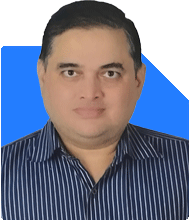
Naveenn

Naveenn Kummar  |241 Answers  |Ask -

Financial Planner, MF, Insurance Expert - Answered on Dec 09, 2025

Naveenn Kummar has over 16 years of experience in banking and financial services.
He is an Association of Mutual Funds in India (AMFI)-registered mutual fund distributor, an Insurance Regulatory and Development Authority of India (IRDAI)-licensed insurance advisor and a qualified personal finance professional (QPFP) certified by Network FP.
An engineering graduate with an MBA in management, he leads Alenova Financial Services under Vadula Consultancy Services, offering solutions in mutual funds, insurance, retirement planning and wealth management.... more

Surander Question by Surander on Dec 08, 2025Hindi

Money

Dear Naveen Sir, I am 55 Years old and have five more years in superannuation. My monthly take home is approx. 6 Lacs PM . I have accumulated 2 Cr. in MF , 1.5 Cr in PF , 1 Cr FD and NPS and LIC put all together will be approx 50 Lacs and payout will start from 2028 onwards. I have just booked one 4 BHK and take home loan which is construction linked plan . Possession will be in 2029. My Daughter and Son are on Marriage age but both are also earning handsomely as they are in 30% bracket of IT . Have parental property approx 1.5 Cr which i will get in due course of the time. Monthly expenses are approx 1 Lacs only . Please suggest the way forward for next 5 Years .....how and where i start investing ....

Ans: Dear Sir
For a comprehensive QPFP level financial planning and retirement assessment we request the following details. These inputs will allow financial planner to prepare an accurate inflation-adjusted roadmap covering risk protection, income stability, investment strategy and long-term financial security.
________________________________________
1. Personal and Family Details
Your age and planned retirement year.
Spouse’s age, working status and future income expectations.
Number of dependents and their financial reliance on you.
Any major medical conditions in the family.
________________________________________
2. Parents’ Health and Financial Dependence
Current health condition of parents.
Do they have their own medical insurance cover.
Sum insured and type of policy.
Any critical illness or pre-existing conditions.
Monthly financial support you provide to them if any.
Expected future medical or caretaker expenses.
________________________________________
3. Income and Cash Flow
Monthly take home income.
Expected increments or bonuses for the next five years.
Monthly household expense structure.
Existing EMIs and financial commitments.
Monthly surplus available for investments.
Any expenses expected to rise due to inflation or lifestyle changes.
________________________________________
4. Home Loan and Liabilities
Sanctioned home loan amount, interest rate and tenure.
Current disbursement status under construction linked plan.
Your plan for EMI servicing and part-prepayment.
Any other loans or financial liabilities.
________________________________________
5. Real Estate Profile
Is this 4 BHK your first home or do you own other properties.
Any rental income from existing properties.
Purpose of the new 4 BHK after retirement for self, parents or children.
Your plan for the parental house. Retain, sell or rent.
Where you plan to settle post retirement.
________________________________________
6. Investment Portfolio
Current mutual fund corpus and category-wise split.
SIP amounts and investment horizon.
PF, EPF, PPF and other retirement scheme balances.
Fixed deposit amounts, maturity periods and ownership structure for DICGC protection.
NPS allocations Tier 1 and Tier 2.
LIC policies with surrender value and maturity year.
Any bonds, NCDs, PMS, private equity or invoice discounting exposure.
________________________________________
7. Emergency Preparedness
Current emergency fund value.
Loan facility available against MF or FD.
Any credit line for medical or sudden expenses.
________________________________________
8. Insurance Protection (Self and Spouse)
Term insurance coverage and policy details.
Health insurance sum assured and insurer.
Top-up or super top-up cover details.
Critical illness and accident cover status.
Adequacy of insurance after accounting for inflation.
________________________________________
9. Children’s Goals and Planning
Are you contributing financially to your children's planning.
Any corpus set aside for their marriage.
Children’s own investment and insurance setup.
Any future goals involving them.
________________________________________
10. Retirement Vision and Income Planning
Expected retirement lifestyle and monthly cost adjusted for inflation.
Your preferred retirement income structure
SWP from mutual funds
Annuity or pension products
PF interest
NPS annuity
Rental income
Plans to monetise or downsize real estate if needed.
Any travel, medical or lifestyle goals post retirement.
________________________________________
11. Estate and Succession Planning
Will availability and last update date.
Nominations across MF, PF, NPS, FD, LIC, demat and bank accounts.
Any instructions for asset distribution.
________________________________________
Next Step
Only Once you share these details, financial planner can prepare a complete five year roadmap covering asset allocation, inflation-adjusted corpus projections, loan strategy, insurance adequacy, medical preparedness, pension and SWP planning, liquidity management and post-retirement income stability.


Disclaimer / Guidance:
The above analysis is generic in nature and based on limited data shared. For accurate projections — including inflation, tax implications, pension structure, and education cost escalation — it is strongly advised to consult a qualified QPFP/CFP or Mutual Fund Distributor (MFD). They can help prepare a comprehensive retirement and goal-based cash flow plan tailored to your unique situation.
Financial planning is not only about returns; it’s about ensuring peace of mind and aligning your money with life goals. A professional planner can help you design a safe, efficient, and realistic roadmap toward your ideal retirement.

Best regards,
Naveenn Kummar, BE, MBA, QPFP
Chief Financial Planner | AMFI Registered MFD
https://members.networkfp.com/member/naveenkumarreddy-vadula-chennai
044-31683550
Asked on - Dec 10, 2025 | Answered on Dec 10, 2025
1. Personal and Family details:- My Age is 55 and July 2030 I will be superannuate 2. My wife is having business but very notional return , however her share in land and building vvalue is approx.-50 Lacs . 3. No Major health issue ( I have taken Health policy and GTL ) Parents :- They are independent and drawing handsome pension and living happily without depending upon us 4. Take Hoe salary is 5 Lacs which will increase 10% YOY in next 5 years. 5. Monthly expenses :- Rent of House 40 K , EMI 30 K and 50 K regular exp. 6. Monthly surplus :- 2 to 2.5 Lacs PM 7. Home Loan :- Just started EMI which will increase gradually and in 2030 at the time of possession of house it will be 1.2 Lac PM and than 40K rent will also nullify 8. Post Retirement :- Will settle in NCR where I will have own 4 BHK . 9. Investment Portfolio:- FD (Self and Family ) :- 1 Cr. Mutual Fund :- ( Daughter :- 1 Cr. Wife 1 Cr and self 50 Lacs ) and having Blue chip shares in the name of all three aprrox cost 50 Lacs PF :- have 85 Lacs and will reach approx. 1.5 in 2030 NPS :- Tier -1 Account where I have 20 Lacs now and every year deposit 2 Lacs . LIC :- Self and family :- from 2028 onwards will get start payout … approx. 15 Lac every year from 2028 to 2033. HDFC Jeevan Sanchay :- Will start from 2030 onwards @1.75 Lacs PA . ICICI Signature will get Mature in 2027 ( 7 Years Policy) Family is fully protected with Health Insurance Policy ( Self Son and daughter are covered GTL policy also) Parental Properties :- Approx 1.5 Cr will be ( 75 Lacs in the name of wife and 50 Lacs on my name as per will ) Children :- Both Children are independent and son is managing his portfolio by own having CTC 50 Lacs age is 27 Yers. Working with MNC . Daughter has just started with Government Hospital ( MD Pediatrics ) drawing 20 Lacs PA as of now . Daughter in law ( Under discussion ) is also in the 25-40 Lacs band. Future Road map: - Want to increase corpus up to 10 Cr and also want to book one more flat in the name of my son/daughter. Buy Agriculture land where I want to start my organic food business.
Ans: thanks for taking time , we cannot plan over chat and give holistic solutions
it is strongly advised to consult a qualified QPFP/CFP or Mutual Fund Distributor (MFD). They can help prepare a comprehensive retirement and goal-based cash flow plan tailored to your unique situation. Financial planning is not only about returns; it’s about ensuring peace of mind and aligning your money with life goals. A professional planner can help you design a safe, efficient, and realistic roadmap toward your ideal retirement.
Best regards,
Naveenn Kummar,
BE, MBA, QPFP Chief Financial Planner | AMFI Registered MFD
Nism certfied Retirement Planner
https://members.networkfp.com/member/naveenkumarreddy-vadula-chennai
044-31683550
DISCLAIMER: The content of this post by the expert is the personal view of the rediffGURU. Users are advised to pursue the information provided by the rediffGURU only as a source of information to be as a point of reference and to rely on their own judgement when making a decision.
Money

You may like to see similar questions and answers below

Ramalingam

Ramalingam Kalirajan  |10978 Answers  |Ask -

Mutual Funds, Financial Planning Expert - Answered on Aug 01, 2024

Asked by Anonymous - Jul 28, 2024Hindi
Listen
Money
Hi Vivek, I am 45 year old. Myself and wife together earning 2.3L p.m. We have kids of aged 11 years and 3 years. Our monthly expenses are around 90K. We have home loan of 75L with 80k EMI for a tenure of 13 years and need to pay 30L for our new property in one year period. We have 50L worth apartment, 40L in PPF, 55L in PF, 20L in NPS, 40L in MF, 10L in stocks and 10L in ULIPs. We have monthly MF SIP of 40K and 10K pm for term and health insurances. We are expecting around 1cr expenses for children education till their graduation.We want to retire in next 10 years with 1L monthly income. Please advice on how to invest and plan for our future.
Ans: Existing Financial Position
Sources of Income and Expenses:

Monthly income: 2.3 lakhs
Monthly expenditure: Rs 90,000
Home loan EMI: Rs 80,000 (13 years tenure)
Probable payment towards new property: Rs 30 lakhs (can be within one year)
Assets and Investments:

Apartment value: Rs 50 lakhs
PPF: Rs 40 lakhs
PF: Rs 55 lakhs
NPS: Rs 20 lakhs
Mutual Funds: Rs 40 lakhs
Shares and Stocks: Rs 10 lakhs
ULIPs: Rs 10 lakhs
Insurance:

Insurance premium payment by month: Rs 10,000 (Term and Health Insurance)
SIP:

Monthly SIP: Rs 40,000
Education Expenses:

Child's education expense : Rs 1 crore
Retirement Goals
Retirement Plan:

Retirement age: 55 years
Desired monthly income post-retirement: Rs 1 lakh
Analysis and Recommendations
Debt Management:

Firstly, try to repay the home loan.
If possible, prepay the loan to lessen interest burden.
Investment Strategy:

Continue with existing SIPs.
If possible, increase SIPs to enlarge the corpus.
Diversification:

Your investments are very well diversified.
There needs to be a balance between equity and debt.
Education Fund:

Set aside a dedicated fund for children's education.
Use a mix of PPF, mutual funds, and fixed deposits.
Emergency Fund:

Maintain an emergency fund equivalent to 6-12 months of expenses.
Use liquid funds or a savings account for this purpose.
Retirement Corpus:

Calculate the required corpus for Rs 1 lakh monthly income.
Take into consideration inflation and healthcare costs.
Health and Term Insurance:

Take stock of your insurance coverage
Ensure that it is adequate to cover possible medical expenses.
Action Plan
Increase SIPs:

Gradually increase the amount of the monthly SIP.
Mix of large-cap, mid-cap and balanced funds.
Education of Children:

Allocate some mutual funds for education.
Child-specific education plans can be invested in if they are better in terms of returns.
Prepayment of Home Loan:

Utilize excess income and bonus for pre-paying the home loan.
The burden on the tenure and interest decreases.
Regular Review:

Yearly review of your financial plan
Investments alter with the market condition and change in goals.
Final Takeaways
You are doing well on the financial front. Now, increase your SIPs and try to prepay on your home loan. Diversify your portfolio appropriately with adequate insurance coverage. Such disciplined planning with periodic reviews will help you achieve retirement goals.

Best Regards,

K. Ramalingam, MBA, CFP

Chief Financial Planner,

www.holisticinvestment.in

..Read more

Ramalingam

Ramalingam Kalirajan  |10978 Answers  |Ask -

Mutual Funds, Financial Planning Expert - Answered on Oct 14, 2024

Asked by Anonymous - Oct 14, 2024Hindi
Money
My salary 2.4 lac per month. I am 42 my wife and two son comprising of my family. One son is in 5th standard and other yet to start education. I have 2 house emis of 1.6 lacs of which one generates rent of 40k per month. Have around 50 lacs in investment comprising of 20lac in ppf and rest in stocks and sips and mfs. Only have company health insurance and no term insurance. Schooling cost is 1.2 lacs per annum. Rest expenses includes holiday every 6 months and daily needs. Please help me sort out investment to ensure I can generate enough to retire in next 10 years?
Ans: You have a solid foundation, and it’s commendable that you are managing two home loans while balancing various investments. Your monthly salary of Rs 2.4 lakhs and an EMI burden of Rs 1.6 lakhs shows you are carrying significant financial responsibility. However, generating Rs 40,000 from rent is helping reduce the impact of your EMIs.

Key highlights:

Monthly salary: Rs 2.4 lakhs
Two house EMIs: Rs 1.6 lakhs
Rent: Rs 40,000 per month
Investment portfolio: Rs 50 lakhs (Rs 20 lakhs in PPF, rest in stocks, SIPs, and MFs)
Annual schooling cost: Rs 1.2 lakhs
Other expenses: Holiday every 6 months, daily needs
No term insurance
Company health insurance only
While you have done well to invest Rs 50 lakhs, the lack of term insurance and the heavy EMI burden may be areas for improvement. Your goal of retiring in 10 years is achievable, but some adjustments will be necessary to optimize your portfolio and secure a comfortable future.

Investment Strategy Review
Let’s break down your current investments to better align them with your retirement goal in the next 10 years.

PPF (Public Provident Fund) - Rs 20 Lakhs
The PPF is a safe, long-term investment with tax benefits, but its returns are relatively modest. Over the next 10 years, this will continue to grow at a steady pace.

Action Plan:

Keep contributing to your PPF but avoid putting additional large sums.
PPF should be treated as part of your safe, low-risk portfolio.
Stocks, SIPs, and Mutual Funds (Rest of Rs 30 Lakhs)
Your exposure to equities through stocks and mutual funds will help you generate growth, but it needs diversification and regular review. SIPs in actively managed funds are ideal for long-term goals like retirement.

Action Plan:

Actively managed mutual funds: Ensure that the mutual funds you are invested in are diversified across sectors and are actively managed.
Avoid direct funds: Regular funds provide better tracking and advice from an MFD with CFP credentials, which is crucial for your long-term planning.
Review your stock portfolio: Individual stocks carry more risk than mutual funds. It is wise to regularly assess performance and sell off underperforming stocks.
Balance with debt funds: Include some debt funds for stability, especially as you approach your retirement goal.
Rental Income from Property
Your rental income of Rs 40,000 per month is a significant contributor to offset your EMIs. While real estate is not recommended as a new investment option, your existing property generating income can support your cash flow needs.

Action Plan:

Rent reassessment: Ensure you are getting market rent or consider raising it over time to adjust for inflation.
No additional real estate investments: Avoid tying more capital into real estate. Focus on growing your financial portfolio instead.
Critical Areas for Improvement
1. Lack of Term Insurance
It’s essential to secure your family’s future in case of any unexpected event. Currently, you do not have term insurance, which is a vital part of any financial plan.

Action Plan:

Immediate term insurance: Buy a term plan covering at least 10-12 times your annual income. This will ensure your family is financially secure if something happens to you.
2. Health Insurance Coverage
You rely on company-provided health insurance. This is risky, as you may lose coverage if you switch jobs or retire early. Having separate family health insurance will ensure consistent protection.

Action Plan:

Buy individual health insurance: Get family floater health insurance with adequate coverage for your entire family, ensuring lifelong renewability.
Supplemental critical illness cover: Consider adding critical illness coverage to protect against major health expenses.
3. EMI Management
You have significant EMIs totaling Rs 1.6 lakhs per month. While one property generates rental income, the overall EMI burden is high. Managing this will be crucial for freeing up cash flow for further investments.

Action Plan:

Prepay EMIs: Any surplus income should go toward prepaying your loans, starting with the one without rental income. Reducing this burden will ease your cash flow.
No additional loans: Avoid taking on any further debt to ensure your financial plan stays on track.
Retirement Planning
You aim to retire in 10 years, at age 52. With your current lifestyle and goals, your investments will need to provide enough to cover your post-retirement expenses. Here’s a strategy to ensure a comfortable retirement:

1. Estimate Future Expenses
Your current schooling costs are Rs 1.2 lakhs per year, and other living expenses include vacations and daily needs. Over the next 10 years, expenses will increase due to inflation, and you must account for these future costs when planning your retirement.

Action Plan:

Create a detailed budget: Track all your current expenses and project them for the next 10 years, considering inflation. This will give you a clearer picture of your financial needs after retirement.
2. Build a Retirement Corpus
With 10 years to go, you will need to create a solid retirement corpus. The Rs 50 lakhs you currently have, along with further investments, will need to grow substantially. Here’s how to optimize this growth:

Action Plan:

Increase SIP contributions: Start contributing more to your SIPs as soon as your EMI burden reduces. A higher SIP contribution in actively managed mutual funds will provide better growth potential over the next decade.
Diversify investments: Include a mix of large-cap, mid-cap, and flexi-cap funds to ensure a balanced risk-return profile. Actively managed funds, especially those recommended by a certified financial planner, will perform better than index funds or ETFs.
Regular portfolio review: Work with a certified financial planner to review your portfolio annually. Ensure your funds are performing as expected and make necessary adjustments.
3. Plan for Post-Retirement Income
After retirement, you will need a reliable source of income to meet your monthly expenses. Your investments must be structured to provide regular income, adjusted for inflation.

Action Plan:

Systematic Withdrawal Plans (SWP): Set up SWPs in mutual funds to provide a regular, inflation-adjusted income post-retirement.
Emergency Fund: Set aside a portion of your corpus in a liquid fund for emergencies. This will ensure you don’t have to liquidate long-term investments prematurely.
Final Insights
To achieve your goal of retiring in 10 years, you will need to fine-tune your investment strategy and reduce your EMI burden. Your current investments, while substantial, require diversification and a focus on growth-oriented funds.

Additionally, securing term insurance and individual health insurance is critical for protecting your family’s future. By prepaying your loans and increasing SIP contributions over time, you will be better positioned to build a retirement corpus capable of supporting your post-retirement lifestyle.

Finally, always remember that regular reviews with a certified financial planner are key to staying on track and adjusting for any changes in your financial situation.

Best Regards,

K. Ramalingam, MBA, CFP,

Chief Financial Planner,

www.holisticinvestment.in

https://www.youtube.com/@HolisticInvestment

..Read more

Ramalingam

Ramalingam Kalirajan  |10978 Answers  |Ask -

Mutual Funds, Financial Planning Expert - Answered on Jun 02, 2025

Money
Respected sir, I'm vijay. working in central government office as sr.accountant. I'm 38 years old with 2 children. Elder son age 8 years and younger daughter age 5 years old. my present home pay salary 72000 per month after deductions. PLI - 4000, NPS - 10% of my basic + DA deductions are from salary itself. PLI going to be end @ 2031. PLI policy amount 10 lakhs. It may comes more than 20 lakhs after maturity. 12000/- paying for short term loan for my flat which will close in 2 years. I was stayed in tier 1 city but came tier 2 city now and I won't get any transfers hereafter too because I refused my promotion.. I purchased a flat recently which I'm paying 35000 as EMI. I've 12500/- SSY for my daughter. Initially (2021) started with 6000 but increased after 2 years to 12500. I've 1 crore Term insurance and my office provides health insurance (CGHS). I want to start investment for my daughter and son so please inform how to start investment hereafter for my children further studies. My wife also housewife so please let me know how to invest for my children future.
Ans: You have a stable job and good benefits, which is a strong base for your family’s financial planning. Let’s assess your current situation and suggest a 360-degree investment plan for your children’s education and future needs.

Current Income and Expense Assessment
Your net salary is Rs. 72,000 per month after deductions.

You contribute to PLI and NPS directly from salary, which is good for discipline.

PLI maturity expected around 2031 with a corpus likely above Rs. 20 lakhs.

You have a short-term loan for flat repayment with Rs. 12,000 EMI closing in 2 years.

Current home loan EMI is Rs. 35,000, a sizeable outgoing.

You are also paying Rs. 12,500 monthly in children’s savings scheme for your daughter.

Your wife is a housewife, so sole income responsibility is on you.

Existing Insurance and Protection
Your term insurance cover of Rs. 1 crore is adequate for family protection.

Office health insurance (CGHS) covers medical expenses, good for emergencies.

Review health insurance limits and top-up options as children grow.

Adequate insurance reduces financial stress if unforeseen events occur.

Children’s Education and Future Financial Needs
Children are aged 8 and 5, meaning education expenses will start soon.

Higher education and related costs in tier 2 or tier 1 city could be significant.

Your current contribution to daughter’s savings is Rs. 12,500 monthly.

No similar savings mentioned yet for your son.

It is important to start and maintain systematic investments for both children.

Investment Planning for Children’s Education
Start separate systematic investment plans (SIPs) for each child.

Allocate based on age and expected education timeline.

For elder child (8 years), medium-term investments for 10 years.

For younger child (5 years), longer-term investments for 13-15 years.

SIPs provide rupee cost averaging and compound returns over time.

Focus on actively managed equity mutual funds for growth portion.

Equity funds have potential to beat inflation over 10-15 years.

Avoid index funds as they lack flexibility and may underperform in volatile markets.

Use regular mutual funds through a Certified Financial Planner for professional monitoring.

Balancing Risk and Time Horizon
Younger child’s investment can have higher equity exposure due to longer time.

Older child’s investment should gradually move towards safer assets as time nears.

Mix equity with debt or balanced funds for risk management.

Debt funds provide stability and reduce portfolio volatility near goal.

Maximising Benefits of Government Savings Schemes
Continue contributions to children’s savings scheme for tax benefits and safety.

Consider government schemes as part of the overall portfolio, not sole investment.

Government schemes usually have lower returns than equity funds but add stability.

Post Loan Repayment Strategy
After short-term loan closure in 2 years, redirect Rs. 12,000 towards children’s investments.

Consider increasing monthly SIP amount after EMI reduces to build corpus faster.

Maintain home loan EMI as long as manageable without compromising savings.

Emergency Fund and Liquidity
Maintain emergency fund equivalent to 6 months of expenses for household.

Keep emergency fund liquid in safe instruments.

This fund safeguards family during income disruptions.

Tax Planning and Investment Efficiency
Use tax saving investments to optimise income tax liabilities.

Your NPS and PLI contributions already provide some tax relief.

Children’s education funds do not have direct tax benefits but are important goals.

Invest systematically in tax-efficient instruments.

Equity mutual funds have capital gains tax; keep this in mind during withdrawals.

Expense Management and Budgeting
Track monthly expenses and identify saving opportunities.

Prioritise goals: loan repayment, emergency fund, children’s education corpus.

Avoid increasing expenses drastically with current liabilities.

Maintain financial discipline to achieve targets smoothly.

Role of a Certified Financial Planner
Engage with a Certified Financial Planner for personalized monitoring.

CFPs help in fund selection, portfolio review, and risk management.

They also help in adjusting plans based on changing circumstances.

Regular reviews ensure investments align with goals and market conditions.

Behavioral Tips for Investment Success
Start early and stay consistent with investments.

Avoid panic withdrawals during market downturns.

Resist temptation to chase short-term market trends.

Focus on long-term goals and compounding benefits.

Family financial conversations help in aligning priorities.

Final Insights
Your financial discipline is strong; loan repayment and insurance in place.

Start SIPs for both children, adjusted for age and horizon.

Balance equity and debt to match risk tolerance and timelines.

Use government schemes as supplementary but not sole investment.

Increase investment amounts as loan burden reduces.

Keep emergency fund intact for security.

Regular reviews with a Certified Financial Planner will improve outcomes.

Best Regards,

K. Ramalingam, MBA, CFP,

Chief Financial Planner,

www.holisticinvestment.in

https://www.youtube.com/@HolisticInvestment

..Read more

Ramalingam

Ramalingam Kalirajan  |10978 Answers  |Ask -

Mutual Funds, Financial Planning Expert - Answered on Jun 05, 2025

Money
Hi Sir, I am 40 year old, married with 3 kids, (ages: 8,4,1). I have invested around 2 Cr but all in real estate. Invested around 7 lakhs in mutual funds and ulip. Want to retire at 45. Until 5 years I can invest 2 lakhs per month from now. Please advice this upcoming investment and if my earlier real estate investment is to be rearranged. My monthly expense now is inr 50,000. Awaiting your valuable advice
Ans: Based on your inputs, here is a detailed, 360-degree assessment and action plan prepared in a simple yet professional language, following your structure and preferences.

Life Stage and Goals
You are 40 years old and married.

You have 3 children: 8, 4 and 1 years old.

You plan to retire at 45. So, only 5 years left.

You can invest Rs. 2 lakh every month for 5 years.

Your current monthly expense is Rs. 50,000.

This is a high-priority case that needs strong action and clarity.

Current Asset Allocation
Real estate investment totals around Rs. 2 crore.

Only Rs. 7 lakh invested in mutual funds and ULIP.

Your portfolio is heavily real estate-focused.

This creates low liquidity and low diversification.

It also affects flexibility and access to funds.

Issue With Overinvestment in Real Estate
Real estate is illiquid. You can’t sell quickly.

Real estate returns are slow and depend on market cycle.

Rental income is low. Maintenance and taxes are high.

No regular compounding like mutual funds.

Resale demand is often unpredictable.

This asset class lacks agility, which is vital before retirement.

You must rebalance your portfolio gradually.

Start planning partial exit from real estate.

Convert some assets into financial products.

Problems With ULIP and What To Do
You have some money in ULIP and mutual funds.

ULIPs are mixed products. Returns are low and charges are high.

Lock-in is long. Transparency is poor.

You cannot change strategy freely.

If the ULIP is not tax heavy to exit now, surrender it.

Switch that amount into goal-specific mutual funds.

Only do this with the help of a Certified Financial Planner.

How to Use Rs. 2 Lakh Monthly Investment for 5 Years
You have a strong capacity to invest Rs. 2 lakh monthly.

This must be fully optimised.

Invest through SIPs and STPs in diversified mutual funds.

Always use regular plans via a certified MFD under CFP supervision.

Avoid direct plans. They seem cheaper but give less guidance.

Direct plans do not provide emotional support during market crashes.

Regular plans help maintain discipline and avoid panic withdrawals.

Avoiding Index Funds
Many suggest index funds for simplicity.

But index funds lack downside protection.

No expert handles the portfolio actively.

They just copy the market. No smart decision-making.

Actively managed funds outperform during volatile times.

Use large-cap, mid-cap and hybrid actively managed mutual funds.

Choose only consistent and transparent fund houses.

Key Investment Strategy From Now Onwards
Break your monthly Rs. 2 lakh into buckets:

Long term equity funds: Rs. 90,000

Aggressive hybrid funds: Rs. 60,000

Debt/short-term funds: Rs. 30,000

Gold fund or ETF: Rs. 20,000

(Optional: Use STP if investing lump sum from real estate proceeds.)

Link each investment to your goal:

Retirement corpus

Children’s higher education

Emergency fund

Passive income creation

Keep a clear timeline for each goal.

Building Emergency and Liquidity Reserve
You must keep Rs. 10 to 15 lakh in liquid or short-term funds.

This acts as your emergency buffer.

Don't depend on property for emergency needs.

Property cannot be sold fast. That puts your family at risk.

Keep this fund always accessible but separate from investments.

Child's Education and Family Protection
With 3 kids, education cost will rise fast.

Start 3 separate SIPs for each child's future.

Use child-friendly hybrid funds or flexi-cap funds.

Keep a term insurance cover of at least Rs. 2 crore.

Don't rely on ULIP or endowment plans for protection.

Health insurance for the whole family must be Rs. 25 to 30 lakh.

Upgrade the coverage as the kids grow.

What to Do With Existing Real Estate Assets
Start reviewing the resale value of at least one property.

Exit from 25% to 30% of the portfolio.

Use that to build your investment base.

Remaining real estate can be kept if it gives rental income.

But no new real estate investment from now onwards.

Focus completely on financial assets for retirement planning.

Tax Planning Points You Must Keep in Mind
Mutual fund capital gains have changed recently:

LTCG above Rs. 1.25 lakh in equity funds taxed at 12.5%.

STCG taxed at 20%.

Debt fund gains taxed as per income slab.

ULIP surrender gains may be taxable.

Get proper advice from a tax CA or CFP before exiting.

Creating Retirement Corpus in 5 Years
Rs. 2 lakh monthly for 5 years = Rs. 1.2 crore investment.

You also have Rs. 2 crore locked in real estate.

If you reallocate Rs. 1 crore from real estate to mutual funds…

You will have Rs. 2.2 crore in financial instruments by age 45.

With growth, this could become close to Rs. 3 crore or more.

It will not reach Rs. 5 crore unless returns are very high.

So, plan to work part-time after 45 to reduce pressure.

Or reduce expenses below Rs. 50,000 to stretch retirement fund.

Finally
You have good income and high savings ability.

But portfolio is not balanced.

Heavy real estate exposure is risky and inflexible.

Rebalance slowly but consistently.

Surrender low-yield policies. Avoid ULIP, direct plans, and index funds.

Use only regular mutual funds guided by a CFP-backed MFD.

Focus on equity funds, hybrid funds, and gold.

Plan every investment with a timeline and target.

Start exit strategy from real estate early.

Keep insurance and emergency fund up to date.

This is how you can build a solid base for a happy retired life.

Best Regards,

K. Ramalingam, MBA, CFP,

Chief Financial Planner,

www.holisticinvestment.in

https://www.youtube.com/@HolisticInvestment

..Read more

Latest Questions
Nayagam P

Nayagam P P  |10885 Answers  |Ask -

Career Counsellor - Answered on Jan 22, 2026

Asked by Anonymous - Jan 20, 2026Hindi
Career
I want to study in iiser. But thing is they don't have standalone msc physics program. Iiser Tvm does have but it is very very far from my home. My parents won't let me go that far. And if i opt for iiser intg phd in physics, i am uncertain i really want to switch to phd just right after msc. I mean would like to think and give time before starting phd. If I chose msc exit option, i'm afraid I won't get recommendations letters from professors or everyone will think me I chose this program just to get stipend. I have plan to do phd but not right after msc. I want to take up a academic job first to stabilize myself and family. But if msc is done from a good college that will give me credibility. Please guide me.
Ans: You face a genuine but resolvable tension between research excellence, geographic accessibility, PhD timing flexibility, and family economic stability. The good news: multiple legitimate pathways exist that address all four constraints simultaneously. Each option offers research-calibre education, institutional credential recognition, and support for your deferred PhD model—where you complete MSc, stabilize family through 2-3 years academic employment, then pursue PhD from a strengthened position. Let's explore your three best options. Option 1: IISER Integrated PhD (Nearest Accessible Campus with Legitimate MSc Exit) - IISER Integrated PhD programs at Pune, Mohali, or Tirupati offer research-intensive physics education where institutional policy explicitly permits voluntary MSc exit after completing 2-year coursework and 5th-6th semester research projects. Your fear about professor judgment regarding early exit is unfounded because thousands of IISER students exit annually with MSc degrees—it's normalized institutional practice, not stigmatized failure. The IISER MSc credential, even with a documented PhD-exit trajectory, remains nationally recognized and highly competitive for academic job market entry. By combining IISER's prestigious brand credibility with your preferred sequencing (MSc → two to three years academic employment → PhD), you address all constraints: geographic flexibility through campus selection, legitimate PhD deferral through institutional exit policy, credential strength through IISER reputation, and family stabilization through employment phase before doctoral commitment. Pursuing this pathway requires: first, identifying which IISER campus (Pune, Mohali, or Tirupati) is geographically accessible from your home; second, preparing strongly for the IISER Aptitude Test; third, explicitly stating in your admission interview that you intend strategic career sequencing (MSc exit after research phase, employment period, then later PhD)—which demonstrates mature planning, not weak commitment; fourth, performing excellently in coursework and research projects to secure strong faculty recommendations; fifth, leveraging your MSc credential to apply for academic positions at colleges, universities, or research institutions like ISRO, DRDO, TIFR; and sixth, after three years professional stability and family consolidation, pursuing PhD from significantly strengthened research background. The unique advantage is that IISER provides a fellowship (Rs.35,000–60,000 monthly) covering relocation costs, allowing gradual family adjustment while building your independent research profile. Option 2: Harish-Chandra Research Institute (HRI) Standalone MSc Physics - Harish-Chandra Research Institute in Prayagraj, Uttar Pradesh, recently launched a standalone MSc Physics program taught directly by faculty members who are Padma Bhushan, Dirac Medal, and Bhatnagar Award recipients—ensuring internationally recognized research mentorship without integrated PhD pressure. The profound advantage here is that MSc is the terminal degree by design, eliminating any concern about "incompleteness" or exit stigma entirely; you're pursuing exactly what you intend from day one. The Prayagraj location in central North India is likely far more geographically accessible than distant southern IISER campuses, addressing your family's relocation constraints meaningfully. HRI's standalone structure naturally accommodates your preferred timeline: complete two-year MSc, pursue two to three years academic employment (leveraging HRI's faculty network connections with universities and research institutions), then undertake PhD from a professionally stabilized position. The research-calibre faculty mentorship ensures that HRI MSc graduates are positioned competitively for both immediate academic positions and future doctoral admissions at premier institutions globally. During your two-year MSc, you'll engage in directed research projects with world-class theoretical physicists in string theory, particle physics, quantum information, and astrophysics—building both technical competence and publication records. Your faculty advisors will provide recommendations unambiguously endorsing your research capabilities and employment readiness without any concern about "only pursuing MSc." Post-MSc, the HRI alumni network facilitates transitions to positions at IISc Bangalore, TIFR Mumbai, IISER campuses, central universities, or research agencies like BARC, DRDO, and ISRO. The financial structure offers affordable living costs compared to metro IISERs, reducing family economic burden. After securing teaching or research positions, typically within 2–3 years you'll have sufficient stability, savings, and professional experience to pursue PhD at premier institutions—with your HRI MSc credential and employment background making you exceptionally competitive for scholarships and selective admissions. Option 3: IIT Madras MSc Physics with Research-Track Employment Pathway - IIT Madras MSc Physics offers a two-year research-calibre program with fifty-four seats and ninety-five percent placement rate specifically in research institutions—directly supporting your academic employment objective without any integrated PhD pressure or ambiguity. Admission occurs through CUET-PG (Common University Entrance Test), which is widely accessible and geographically neutral. The program's unique strength is its direct recruitment ecosystem: ISRO, DRDO, BARC, TIFR, and CSIR-affiliated research institutes conduct campus interviews seeking MSc graduates for research officer and senior research fellow positions, with starting salaries of Rs.35,000–50,000 monthly and clear pathways to scientific positions. While this represents lower initial compensation than industry placement, it's directly aligned with your research-academic career objective and provides government job security, pension benefits, and sabbatical possibilities for later doctoral study. During your two-year MSc, you'll complete rigorous coursework in quantum mechanics, statistical mechanics, and electromagnetic theory alongside advanced electives in particle physics, condensed matter, or astrophysics—your choice depending on research interests. The research project component (thirty credits) is structured with faculty mentors who maintain active research grants and publications, ensuring recommendations carry weight for future opportunities. Critically, IIT Madras faculty networks include connections with academic institutions across India, facilitating pathways to assistant professor positions if research institution employment leads you in that direction. The Chennai location provides a major metropolitan ecosystem: proximity to ICTS (International Center for Theoretical Studies), ISRO Satish Dhawan Space Centre (fifty kilometers away), and diverse professional networking opportunities. After two years MSc completion, you'll transition into documented research institution employment (ISRO or DRDO roles offering clear progression), allowing three years of family economic consolidation, household stabilization, and professional credibility building. Your government position during this phase provides income certainty your family requires while you accumulate research credentials and professional maturity. The post-employment PhD application, supported by both IIT Madras MSc credentials and three years institutional research experience, positions you exceptionally strongly for doctoral admission at IITs, IISERs, IISc, or international universities—with research background making you far more competitive than MSc-direct applicants. Your core anxieties—about professor judgment, credential legitimacy, and PhD deferral competitiveness—are psychologically understandable but empirically unfounded. All three pathways are institutionally legitimate, research-credible, and professionally respected. Your MSc-to-employment-to-PhD sequencing is increasingly normative and enhances, not diminishes, doctoral applications. Choose the pathway nearest your home and execute with excellence; credential recognition and career progression will follow naturally. All the BEST for Your Prosperous Future!

Follow RediffGURUS to Know More on 'Careers | Money | Health | Relationships'.

...Read more

Ramalingam

Ramalingam Kalirajan  |10978 Answers  |Ask -

Mutual Funds, Financial Planning Expert - Answered on Jan 22, 2026

Asked by Anonymous - Jan 21, 2026Hindi
Money
Hi sir, i have around 10 lakhs loan which i initially bought for investing in bitcoin and lost 10 lakhs in the bitcoin scam. To repay my online loan EMI i took new loans which were short term ones which have high interest. 30k loan approved I used to get 26k credited and the repayment amount was 51k. My monthly salary is 50 and my emi payment was more than 1.5 lakhs, I'm trapped in debt and enrolled with lawyer anel for assistance. I missed 3 repayments and had to take expert help but now I thought to check if lawyer panel can really help me with this or not. To recover and get relief from debts i checked for loan consolidation and top loan but no banks are ready to help me with this. Hence I thought to go for loan settlement with the help of lawyer panel. Please suggest whether this is the right step. I have monthly family expenses for around 25k
Ans: I truly appreciate your honesty and courage in sharing this situation. Accepting the mistake, stopping further damage, and asking for help are the most important steps. Many people fall into such debt traps silently. You are choosing to face it, and that itself gives hope.

» Understanding your current financial reality
– Your monthly income is around Rs 50,000
– Family expenses are about Rs 25,000, which are essential and cannot be cut deeply
– EMI burden crossing Rs 1.5 lakh was never sustainable and was bound to collapse
– High-interest short-term online loans are designed in a way that keeps borrowers trapped
– What happened was not poor planning alone, but a structure meant to exploit urgency

» About the bitcoin loss and debt spiral
– The loss is painful, but it is already done and cannot be reversed
– Chasing recovery through fresh loans made the problem bigger
– Taking new loans to pay old EMIs is a classic debt spiral sign
– The most important thing now is to stop taking any new loan, fully and permanently

» Is loan settlement the right step in your case
– When income is not sufficient even for basic expenses plus EMIs, settlement becomes a practical option
– Banks rejecting consolidation clearly shows repayment capacity is broken for now
– Loan settlement is usually the last option, but sometimes it is the right option
– It gives breathing space when repayment has already failed
– It is not a moral failure; it is a financial reset tool

» Role of lawyer panel or debt assistance firms
– Such panels can help in negotiation, documentation, and dealing with recovery pressure
– They can slow down harassment and bring structure to communication
– However, they cannot erase loans magically or protect credit score fully
– You must clearly understand their fees, timeline, and written scope of work
– Never sign blank papers or give full control without transparency

» Important risks you must be aware of before settlement
– Credit score will be damaged for some years
– Future loans will be difficult or costly in the short to medium term
– Settlement requires discipline to save lump sums as agreed
– Any missed commitment during settlement can restart pressure

» What you must immediately stop doing
– Stop all new loans, apps, or borrowing from friends
– Stop believing any promise of “easy recovery” or “quick repair”
– Do not invest or trade with borrowed money again
– Do not hide calls or messages; route everything through one channel

» Cash flow survival plan for the next 12–24 months
– Protect your Rs 25,000 family expense without guilt
– Keep basic living stable; stress-free mind helps recovery
– Whatever remains from salary should go only toward settlement savings
– No investments, no trading, no shortcuts during this phase

» Emotional side and mindset reset
– Guilt and fear are natural but should not control decisions
– This phase is about damage control, not wealth creation
– Once debts are settled and income stabilises, rebuilding is possible
– Many financially strong people today have gone through such low points

» What comes after debt relief
– First priority will be emergency savings
– Then gradual rebuilding of credit discipline
– Only later, slow and controlled investing through proper guidance
– For now, survival and stability are success

» Finally
– Given your income, expenses, and failed repayment structure, loan settlement is a reasonable step
– Lawyer panel can help, but only with full clarity and strict self-control
– Accept temporary credit score damage to protect long-term life stability
– This phase will pass if you stay disciplined and patient
– Financial recovery is slow, but it is absolutely possible

Best Regards,

K. Ramalingam, MBA, CFP,

Chief Financial Planner,

www.holisticinvestment.in

https://www.youtube.com/@HolisticInvestment

...Read more

Ramalingam

Ramalingam Kalirajan  |10978 Answers  |Ask -

Mutual Funds, Financial Planning Expert - Answered on Jan 22, 2026

Asked by Anonymous - Jan 22, 2026Hindi
Money
The gold price today in Bangalore is significantly higher than it was a few months ago, with 22K gold priced at around Rs 15,000 per gram, compared to nearly Rs 12,000 to Rs 13,000 per gram earlier this year. I’m 39 years old, with an ongoing home loan of Rs 42 lakh, upcoming children’s education costs that could easily cross Rs 25 lakh in the next 5 years, and long-term retirement planning for the next 20 to 25 years. At these levels, does it really make sense to invest in gold now, or would increasing EPFO contributions (currently yielding ~8–8.25%) or equity mutual funds targeting 10 to 12% long-term returns be a better strategy? How should someone in this age group practically balance physical gold (jewellery), digital gold or ETFs, EPFO, and traditional savings without stretching their finances or taking on unnecessary risk?
Ans: You are asking a very relevant and mature question at the right age. Your clarity about home loan pressure, children’s education needs, and long retirement horizon shows good financial awareness. That itself is a strong base.

» Gold at current price levels – emotional comfort vs financial role
– Gold prices moving from Rs 12,000–13,000 to around Rs 15,000 per gram can create fear of “missing out”
– Gold should not be judged by recent price movement but by its role in your full financial life
– Gold is not an income-producing asset; it does not give interest, dividend, or cash flow
– At higher price levels, future returns from gold may remain uneven and slow for long periods
– For a 39-year-old with big goals ahead, gold should be a stabiliser, not a growth engine

» Physical gold – where it fits and where it does not
– Jewellery is more of a cultural and family asset, not a pure investment
– Making charges, wastage, and resale deductions reduce actual return
– Physical gold makes sense only for planned family needs like weddings or customs
– Avoid buying jewellery with the idea of wealth creation or education funding
– Keep physical gold exposure limited so it does not lock cash unnecessarily

» Digital gold and gold ETFs – risks many investors ignore
– Digital gold and gold ETFs depend on market liquidity and tracking accuracy
– Prices may not always move exactly in line with physical gold
– There is no control over exit timing during volatile market phases
– Holding gold in demat form adds market risk without giving income benefit
– Gold ETFs do not solve long-term wealth needs like education or retirement

» Why gold should be capped in your overall allocation
– Gold works best as protection, not as a return generator
– Too much gold can slow down overall portfolio growth
– For someone with 20–25 years to retirement, growth assets matter more
– Keeping gold exposure moderate helps balance emotions and stability
– This approach avoids regret both during market highs and lows

» EPFO – your silent strength in the portfolio
– EPFO gives steady, tax-efficient, and low-risk growth
– It brings discipline without daily market stress
– Increasing EPFO contribution improves retirement certainty
– EPFO suits long holding periods and capital safety needs
– It acts as a strong foundation asset, especially with a home loan running

» Equity mutual funds – still relevant even at market highs
– Equity markets will always look “high” at different points in time
– Long holding periods smooth out short-term volatility
– Actively managed equity funds adjust to market conditions better than index funds
– Index funds blindly follow markets and fall fully during corrections
– Active funds aim to protect downside and capture opportunities across cycles

» Why actively managed funds are better than index funds
– Index funds have no flexibility during market stress
– They carry full market risk with no risk management layer
– Active funds can reduce exposure to weak sectors
– Fund managers respond to earnings changes and valuation concerns
– Over long periods, this adaptability supports smoother wealth creation

» Education goals – keep them protected and time-aligned
– Children’s education is a non-negotiable goal
– Avoid risky concentration or emotional assets for this purpose
– Equity mutual funds with gradual risk reduction work better here
– Gold should not be the primary asset for education planning
– Stability and visibility matter more than price excitement

» Home loan vs investments – practical balance
– Do not stretch monthly cash flow chasing all options at once
– Keep EMIs comfortable so investments continue smoothly
– Avoid aggressive gold buying while a large loan is running
– Controlled debt and steady investing work better together
– Peace of mind is also a financial return

» Traditional savings – role and limits
– Bank savings and deposits are for liquidity, not growth
– Keep only emergency and short-term needs here
– Excess money parked here loses value over time
– Do not mix safety money with long-term goals
– Clear separation brings discipline

» Finally
– At current gold prices, avoid heavy fresh allocation
– Keep gold limited and purpose-driven, not return-driven
– Strengthen EPFO for stability and retirement certainty
– Use actively managed equity mutual funds for growth needs
– Balance safety, growth, and emotions without stretching finances
– This steady approach builds confidence across all life stages

Best Regards,

K. Ramalingam, MBA, CFP,

Chief Financial Planner,

www.holisticinvestment.in

https://www.youtube.com/@HolisticInvestment

...Read more

Ramalingam

Ramalingam Kalirajan  |10978 Answers  |Ask -

Mutual Funds, Financial Planning Expert - Answered on Jan 21, 2026

Asked by Anonymous - Jan 21, 2026Hindi
Money
I’m a 35-year-old salaried professional aiming to build a long-term investment portfolio over the next 10 years, with a monthly investment budget of around Rs 15,000. I'm tempted to buy silver as an investment because silver prices today (Rs 330 per gram) look much more 'affordable' than gold prices today approx 15000 per gram). But I also know that price per gram doesn’t reflect actual returns when comparing silver vs gold investment performance. Is viewing silver as a cheaper investment option a mental trap for small investors, or does investing in silver genuinely offer better upside potential in the long run?
Ans: You are thinking in the right direction. You are questioning the price tag, not getting carried away by it. This itself shows maturity and long-term thinking. Many investors do not pause at this stage. You deserve appreciation for that clarity.

» Price per gram versus wealth creation reality
– Seeing silver at Rs 330 per gram and gold at around Rs 15,000 per gram creates a strong emotional pull
– Our mind feels silver is “cheap” and gold is “expensive”
– This is a mental shortcut, not an investment logic
– Wealth grows by percentage return over time, not by how many grams we can buy
– One gram at Rs 100 that grows slowly can underperform one gram at Rs 10,000 that grows steadily

» Why silver looks attractive but behaves differently
– Silver has a dual role: precious metal and industrial metal
– Industrial demand makes silver prices volatile and cyclical
– When the economy slows, silver demand can fall sharply
– This leads to long periods of price stagnation
– For a salaried professional with monthly investing, such swings can test patience

» Gold and silver are not growth assets
– Both gold and silver do not create earnings or cash flow
– Their value depends mainly on demand, inflation fear, and currency movement
– Over long periods, they protect purchasing power but rarely multiply wealth
– Expecting strong upside from silver over 10 years is usually unrealistic
– This is especially true when the goal is disciplined monthly investing

» Is silver a mental trap for small investors
– Yes, for many investors it is
– “I can buy more grams” gives psychological comfort
– But comfort does not equal better returns
– Silver often underperforms expectations when held for long durations
– Storage cost, purity issues, and liquidity challenges further reduce actual benefit

» Does silver have any role at all
– Silver can be used as a small diversification tool
– It should never be the core of a long-term portfolio
– Allocation should be limited and purpose-driven
– Treat it as a hedge, not a growth engine
– Overexposure can slow overall portfolio progress

» Better alignment with your 10-year goal
– At age 35, your biggest strength is time
– Regular monthly investing suits growth-oriented assets
– Actively managed equity mutual funds suit this phase well
– Active fund managers can adapt to market changes and protect downside
– This flexibility matters more than metal price movements

» Why market-linked metal products are not ideal substitutes
– They closely track metal prices without adding value
– No active decision-making or downside control
– Returns depend only on price cycles
– This makes long-term compounding weak
– Actively managed funds aim to grow wealth, not just track prices

» Risk, emotion, and discipline
– Silver prices can move sharply up and down
– Such movement can tempt investors to time the market
– Timing mistakes hurt long-term results
– Simple, steady investing works better than reacting to metal prices
– Discipline matters more than affordability

» Tax and liquidity awareness
– Physical silver has making charges and selling spreads
– Tax treatment can reduce post-tax returns
– Liquidity is not always smooth during urgent needs
– These frictions are often ignored at the buying stage

» 360-degree portfolio thinking
– Your Rs 15,000 monthly budget is a powerful habit
– Focus on assets that reward time and consistency
– Use metals only as support, not as drivers
– Growth assets should do the heavy lifting
– Review allocation periodically with a Certified Financial Planner

» Final Insights
– Silver looking affordable is largely a mental illusion
– Long-term wealth is built by return quality, not unit price
– Silver does not offer reliable long-term upside for salaried investors
– Limited exposure is fine, dependency is not
– Staying focused on growth-oriented investing will serve your 10-year goal far better

Best Regards,

K. Ramalingam, MBA, CFP,

Chief Financial Planner,

www.holisticinvestment.in

https://www.youtube.com/@HolisticInvestment

...Read more

DISCLAIMER: The content of this post by the expert is the personal view of the rediffGURU. Investment in securities market are subject to market risks. Read all the related document carefully before investing. The securities quoted are for illustration only and are not recommendatory. Users are advised to pursue the information provided by the rediffGURU only as a source of information and as a point of reference and to rely on their own judgement when making a decision. RediffGURUS is an intermediary as per India's Information Technology Act.

Close  

You haven't logged in yet. To ask a question, Please Log in below
Login

A verification OTP will be sent to this
Mobile Number / Email

Enter OTP
A 6 digit code has been sent to

Resend OTP in120seconds

Dear User, You have not registered yet. Please register by filling the fields below to get expert answers from our Gurus
Sign up

By signing up, you agree to our
Terms & Conditions and Privacy Policy

Already have an account?

Enter OTP
A 6 digit code has been sent to Mobile

Resend OTP in120seconds

x