Home > Career > Question
Need Expert Advice?Our Gurus Can Help

Assistant Manager to Manager: How to Prepare for Promotion in Retail?
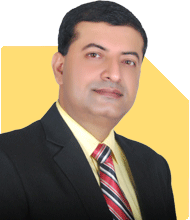
Inderpaul

Inderpaul Singh  | Answer  |Ask -

Leadership Coach - Answered on Feb 05, 2025

Major Inderpaul Singh (retired) served in the Indian Army for eight years.
In the year 2008, he moved to the corporate sector and worked with Century Plyboards for 14 years, specialising in people management and organisation improvement interventions.
He is currently employed as a partner with Amishrit Terrene Pvt Ltd, an IT solutions start-up located in Mohali, Punjab.
A certified life coach, he also helps students and individuals handle challenges in their personal and professional lives.
He holds a commerce degree from DAV College, Amritsar, and a post-graduate diploma in business administration from Symbiosis, Pune. ... more
Asked by Anonymous - Feb 04, 2025Hindi

Listen
Career

I’m 30, working as an assistant manager in a retail chain in Mumbai. Recently, I’ve been given more responsibilities but I feel unsure about leading a larger team. I want to give my best and prove myself worthy of a promotion. What should I focus on to prepare for managerial role?

Ans: Hello
I assume you would already have some supervisory experience since you have been working in a managerial position. But yes the dynamics of handling a larger work force may be bit different. Each person will have a different leadership style suited to his/her personality & work needs. Since I am unaware of your exact job, deliverables, span of control, hierarchy etc. I am giving a general template to be an effective team lead:- 1) Know your team well - the importance of this one element cannot be over-emphasized enough, while simple it may look, most people fail to get this piece right & hence struggle. Knowing doesn't just mean names but in depth understanding of each team members' background, family, education, strengths/weaknesses so on so forth. This is the building block for effective leadership. 2) List out clear & unique deliverables for each member - A person cannot act clearly if the goals are ambiguous in the first place. Put ample effort to clearly enunciate the job roles. 3) Avoid micro management - This one element keeps most people from becoming an effective leader. As you go up in span, you need to be liberal in giving up the manual controls & instead put robust systems to take care such as reviews, reports etc. 4) Regular & quality feedback sessions - Feedback sessions should be regular, objective & should focus on real improvement inputs rather nit picking mistakes/making personal comments. 5) Reward/Recognition - Instant reward/acknowledgement of good work/performance (something as simple as weekly recognition in a group meet goes a long way in building performance culture). 6) Managing Poor Performance - Equally important is to effectively manage poor performers by having a structured performance improvement plans (PIPs) & exit process for laggards . Transparency & objectivity are the keys here.

As true for most skills, team management skills also evolve with time & a person continues to get better at it with experience with regular and honest retrospection/introspection of situations/actions/outcomes.

All the Best !
Career

You may like to see similar questions and answers below
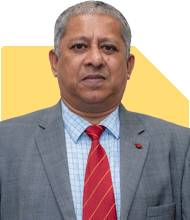
Shekhar

Shekhar Kumar  | Answer  |Ask -

Leadership, HR Expert - Answered on May 09, 2024

Listen
Career
Hi Sir, I have 12 years of experience, I have started as a team lead and now advancing to be a manager soon with a new organization, but I do not have enough expertise and looking for a starting point. Kindly suggest on leadership and managerial courses (including even the required softskills). I would appreciate 1 to 1 coaching as well.
Ans: Congratulations on your career advancement! Transitioning into a managerial role can be both exciting and challenging, but there are numerous courses and resources available to help you develop the leadership and managerial skills necessary for success. Here are some suggestions for leadership and managerial courses, as well as options for 1-to-1 coaching. MDPs provide comprehensive training in various aspects of management, including leadership development, team building, communication skills, and conflict resolution. Look for programs offered by reputable business schools or professional training organizations. Many business schools offer executive education programs specifically designed for mid-career professionals transitioning into leadership roles. These programs cover topics such as strategic leadership, organizational behavior, change management, and decision-making. Obtaining a PMP certification can enhance your project management skills and prepare you for effectively managing teams and projects in your managerial role. The certification covers areas such as project planning, execution, monitoring, and closing. Consider hiring an executive coach who specializes in leadership development and managerial effectiveness. An executive coach can provide personalized guidance, feedback, and support to help you navigate the challenges of your new role and accelerate your professional growth. Seek out experienced leaders within your organization or industry who can serve as mentors and provide valuable insights and advice as you transition into your managerial role. A mentorship relationship can be a valuable source of support and learning throughout your career journey. Many organizations offer professional development programs that include 1-to-1 coaching or mentoring as part of their leadership development initiatives. Take advantage of these opportunities to receive personalized guidance and support from experienced leaders within your organization. By investing in your leadership and managerial development through courses, workshops, and coaching, you'll be better equipped to excel in your new role and drive positive outcomes for your team and organization. Remember to approach your learning journey with an open mind, a willingness to learn and adapt, and a commitment to continuous improvement.

..Read more

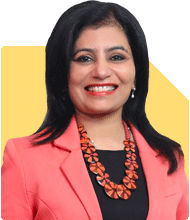
Archana

Archana Deshpande  | Answer  |Ask -

Image Coach, Soft Skills Trainer - Answered on Jul 16, 2025

Asked by Anonymous - Jul 02, 2025Hindi
Career
I have recently been promoted from a software engineer to a team lead, but I feel underprepared to lead people. I struggle with delegation, giving feedback, and handling team conflict. Since I've always been in a technical role, this people-facing responsibility feels overwhelming. How can I build leadership presence, develop emotional intelligence, and manage teams effectively while still learning the ropes?
Ans: Hi!!
First and foremost… congratulations you are the team lead now! The top management has seen the spark of a leader in you and chosen you to lead, it is now your turn to see yourself as a leader!

Don’t beat yourself up so much, you are new to this… it will take come time for you to learn the ropes of leadership! Ideally you should have been trained for role and then they should have given you the responsibility.

All your struggles of leading, delegating, giving feedback, managing conflict are learnable skills!
Developing leadership presence requires time and efforts. You need to master your Visual presence, your Vocal and Verbal communication and so much more!
I have tailor-made solutions to all that you want to learn under the umbrella of Leadership skills!
It can’t be taught by answering your question here in a few sentences!
Let’s help you be the leader you want to be!!
Learning leadership presence, develop emotional intelligence, mange conflict and your team effectively will require you to spend time and energy on learning these skills so that, you be that leader, who people will look up to!!
Leave a message on instagram @ lifeskillswitharchana and let’s see how we can help you!

..Read more

Latest Questions
Ramalingam

Ramalingam Kalirajan  |10848 Answers  |Ask -

Mutual Funds, Financial Planning Expert - Answered on Nov 17, 2025

Money
Dear Sir, What is the best % of SWP one can think of from Portfolio value. I am retired now and have say 1 Cr as MF and Share portfolio. I want to go for 40000 SWP per month thereby making 4.8% as SWP. If this is good to have this for 15 yrs
Ans: Your question shows great care for your financial future. Many retirees ignore this step. You have already taken a wise move. You want steady income. You want safety. You want long life for your money. These are very important points. I truly appreciate your clarity.

» Understanding your present plan
Your idea is simple. You have Rs 1 crore. You want Rs 40000 each month. This means Rs 4.8 lakh each year. That is 4.8 percent of your money. This is not very high. This is not very low. It sits in the middle range. Many retirees try for 7 or 8 percent. That can put pressure on the portfolio. Your 4.8 percent is more reasonable. It supports discipline. It keeps stress low.

Your idea is for 15 years. That is a good time frame. It gives space for your funds to grow. It gives time for market cycles. It also gives time for inflation adjustments.

» Why withdrawal rate matters
Your SWP rate decides how long your money will last. A high rate can drain funds soon. A very low rate may not support your monthly needs. Your 4.8 percent sits well. It balances life needs and portfolio health.

When you draw money from a mixed portfolio, the growth side helps refill your withdrawn money. The stability side helps reduce fall during bad years. This mix helps the SWP stay steady.

» Why a proper structure is important
A SWP is not only a monthly withdrawal. It is a full system. The system needs planning. It needs regular reviews. It needs a clear asset split. It needs a cushion for weak market years.

If you set this structure well now, your SWP can stay safe. Your money can stretch for many years. You can keep peace of mind.

» The importance of a balanced mix
Your portfolio may hold equity funds, hybrid funds, and debt funds. A clear mix reduces risk. It gives smooth cash flow. Equity gives growth. Debt gives steady flow. Hybrid gives balance.

Because you want monthly income for 15 years, you need a balance that supports steady SWP. A pure equity plan can shake too much. A pure debt plan may not grow at a good pace. A balanced mix is ideal.

» Equity funds need careful use
Some investors put large money in equity for SWP. This can work in strong markets. This can fail in weak markets. Your SWP must survive both market moods. That is why pure equity for SWP is not safe.

Also, you should prefer actively managed funds over index funds for long SWP. Index funds follow the index blindly. They do not manage risk actively. They cannot adjust to market cycles. Actively managed funds have a professional fund manager. A skilled manager helps in limiting risk in low years. This helps protect principal in SWP years. This support is not present in index funds.

» Debt funds form the stabiliser
Debt funds bring peace to the portfolio. They help during bad market years. They help the SWP stay steady. Because debt funds follow market rates, they work as the anchor. For SWP, this anchor is very helpful.

If you use direct debt funds, you must remember that direct funds need more tracking. They need active reviews by you. Many retired investors find this hard. Regular plans taken through a qualified Mutual Fund Distributor with CFP skill provide guidance. Regular plans also give handholding. This handholding helps avoid wrong exits.

» How to view your Rs 40000 monthly need
You may need some money for basic needs. You may need some money for health care. You may need some money for family support. You may need some money for personal comfort. Rs 40000 per month seems a balanced number.

It does not put too much pressure on the money. It is not a very heavy load. It fits well with a Rs 1 crore fund.

» Inflation needs attention
Inflation will rise. Costs will rise. Your need will rise. Your SWP should rise slowly over time. You cannot fix your SWP for 15 years at one number. That may reduce your buying power.

A small rise every two or three years will help you beat inflation. This rise must be slow. It must match your portfolio growth.

» Risk of sharp market falls
Sharp falls can disturb SWP. A sudden big drop in equity value can pull down your portfolio. This may cause you to withdraw when market is low. That is not good. To fix this, you need enough stability in your mix.

A proper allocation in debt funds and hybrid funds can reduce this issue. You will get smoother cash flow. You will not have to worry about market news every day.

» Role of emergency money
Please keep an emergency amount. Keep this aside. Do not include it in your SWP plan. You may need money for urgent health needs. You may need money for home needs. Emergency funds help you avoid sudden selling.

A good emergency fund gives peace. It protects your SWP from sudden shocks.

» Tax rules for withdrawals
Every SWP withdrawal may include some gains. Tax will apply based on the type of fund and the gain period. This tax can have impact on net flow. You must plan for this in your withdrawal design.

Equity fund rules:

Gains under one year are short-term. These are taxed at 20 percent.

Gains above one year are long-term. Long-term gains above Rs 1.25 lakh are taxed at 12.5 percent.

Debt fund rules:

Both short-term and long-term gains are taxed as per your tax slab.

This tax part should not scare you. A proper plan can reduce the tax burden. A planned SWP can help you manage gains carefully.

» Why a Certified Financial Planner helps
You may handle small things by yourself. But retirement planning is delicate. One wrong move can disturb the whole plan. A Certified Financial Planner gives a clear road map. He helps you set the best mix. He reviews the plan every year. He adjusts the plan for market and life events.

This guidance is very useful in SWP because SWP needs discipline.

» Why not consider real estate
Some retirees think of using real estate for income. But real estate needs heavy work. It needs tenant work. It needs repair work. It needs legal care. It gives lumpy income. It gives no steady flow. So it is not fit for SWP planning.

Your present goal is steady income. Real estate will not give this.

» Why not consider annuities
Annuities give fixed income. But they lock your money. They give low returns. They do not beat inflation well. They reduce flexibility. For these reasons, they are not ideal for your long-term income.

Your idea of SWP with balanced mix is better.

» Keeping your portfolio healthy for 15 years
To keep your portfolio safe for 15 years, you must follow some habits:

Review every year with a Certified Financial Planner.

Adjust asset mix if needed.

Increase SWP amount slowly.

Reduce SWP for one or two years if markets fall very deep.

Protect your money from emotional moves.

Keep a two-year buffer in a low-risk fund.

Keep your growth part running for long.

These habits help your money last for the full 15-year horizon.

» Regular review helps you adapt
Markets will change. Your health may change. Your needs may change. A yearly review will help align your plan. It will help spot issues early. It will help guide the next year’s SWP.

Without reviews, even good plans can fail.

» Why a two-year cushion helps
A cushion fund is a simple idea. Keep two years of SWP in a low-risk debt fund. This money helps you draw income even in bad market years. You will not need to sell equity in weak phases. This protects your overall money. This makes your SWP more stable.

This cushion fund is an extra shield. It supports your 15-year income plan.

» Role of diversification
Your SWP works best when your portfolio is spread well. A spread can include:

Actively managed equity funds.

Hybrid funds.

Debt funds.

This spread reduces risk. It gives smoothness. It supports long-term income.

Avoid using too many funds. Keep it simple. A small number of quality funds is better.

» How your 4.8 percent looks in practice
A 4.8 percent withdrawal rate is comfortable for a 15-year horizon. If you follow discipline, your money will not face heavy pressure. If your portfolio grows at a steady pace, your principal will not erode fast. Even if growth shifts between years, the mixed structure will protect you.

Your plan is workable. It is sensible. It is future-friendly.

» Mistakes to avoid
Here are some mistakes you should avoid:

Do not chase high-return funds.

Do not raise SWP sharply in one year.

Do not keep too much money in equity.

Do not stop reviews.

Do not shift funds often without reason.

Do not look at direct plans if you prefer guidance.

These mistakes can disturb your portfolio health. Your SWP may suffer.

» Why not use direct funds if you need support
Direct plans give lower cost. But they give no guidance. Retired investors often need guidance. They need reviews. They need discipline. A regular plan through a qualified Mutual Fund Distributor with CFP skill gives support. It prevents panic reactions. This support is valuable in low market years.

» Healthy mindset for SWP
Try to see your SWP as a long journey. It needs calm mind. It needs steady steps. It needs slow corrections. It needs patience. If you stay steady, your SWP will stay healthy. You will enjoy peace.

» Practical steps you can start now
You may start with these steps:

Set clear needs for each year.

Fix a proper asset split.

Create a cushion fund for two years.

Start SWP from a low-risk fund or hybrid fund.

Keep equity for growth.

Add small hikes in SWP every few years.

This system supports long-term income.

» How your plan supports a joyful retired life
Your plan helps you live with comfort. It gives predictable cash flow. It gives you freedom from worry. It gives you clarity. You can focus on health, family, and peace. You do not need to watch markets each day.

Your retirement life becomes balanced.

» Final Insights
Your idea of taking Rs 40000 per month from a Rs 1 crore portfolio at 4.8 percent is workable. It fits well for a 15-year horizon. It supports your income. It protects your money if you set a balanced mix. You must follow steady reviews. You must keep a small cushion. You must avoid risky moves.

With these practices, your SWP plan can stay healthy for many years. Your future can stay peaceful and steady. You have already taken the right first step. Your clarity gives your plan strong power.

Best Regards,
K. Ramalingam, MBA, CFP,
Chief Financial Planner,
www.holisticinvestment.in

https://www.youtube.com/@HolisticInvestment

...Read more

Dr Nagarajan J S K

Dr Nagarajan J S K   |2567 Answers  |Ask -

NEET, Medical, Pharmacy Careers - Answered on Nov 17, 2025

Asked by Anonymous - Nov 17, 2025Hindi
Career
Is it worthwhile being an mbbs only doctor in India or is pg necessary as somebody who cannot toil 24-36 hours (as is the case with hospital duties) and is not well adequate for working under somebody and then do you still have to study after mbbs to level up or will you be contented with just mbbs. Pls don't answer objectively i really need to see the real picture
Ans: Hi Dr.
Recently, I've seen many different comments on social media suggesting that finding a job after completing an MBBS is very difficult, with some graduates even working as delivery boys.

I believe MBBS is one of the few courses that allows for immediate entrepreneurship after graduation, while other fields often require additional support to start a business. Many medical shop owners are willing to provide a small space for consultations, which is not typically an option for graduates in other disciplines.

If you are financially constrained, it may be wise to stop after completing your MBBS degree for the time being. However, pursuing a postgraduate degree (PG) significantly increases your opportunities, including potential roles in the pharmaceutical industry. Without a PG, your options may be limited. It's akin to the difference between a normal grocery store and a supermarket: completing a PG can lead to positions in corporate medical hospitals.

Initially, you might consider working at a smaller practice or in the government sector before pursuing higher education. While having an MBBS degree allows you to offer consultations, having a PG provides you with more credibility and knowledge. Understand your strengths and weaknesses, and don’t worry about others—proceed based on your own abilities and circumstances.
BEST WISHES.

...Read more

Dr Nagarajan J S K

Dr Nagarajan J S K   |2567 Answers  |Ask -

NEET, Medical, Pharmacy Careers - Answered on Nov 17, 2025

Asked by Anonymous - Nov 15, 2025Hindi
Career
I have passed 12th from Maharashtra state board in 2023 ( as regular candidate ) and also gave improvement exam in Feb 2024 but I am not satisfied with my result can I give 12th board exam again from Maharashtra board as a private candidate 17 no. Form ??? I am already 12th passed so Is it illegal to appear from 17 no. Form ?
Ans: Hi,
Hi, what are your future plans? Please share so I can suggest a solution for you.
best regards

...Read more

Ramalingam

Ramalingam Kalirajan  |10848 Answers  |Ask -

Mutual Funds, Financial Planning Expert - Answered on Nov 17, 2025

Asked by Anonymous - Nov 15, 2025Hindi
Money
Hi Experts, Help me plan for my family, including how to take services of a certified financial planner and their fee structure/charges. I am 35 years old, married with 2 daughters. Want to plan for their studies and self and spouse's retirement, assuming post retirement life of 15-20 years at then inflation rate. - I have 2 apartments, one paid for, one with 21L loan. Both 3bhk, and in Bangalore. - I have mutual funds portfolio of 36L (across multiple direct funds - 15% debt, mostly equity) - 5L in stocks, in core sectors (metal, industries etc) - approx 40L in PPF - SSY for elder kid, not started for younger one, but not very regular with contributions due to other liabilities - 65L in employer company stocks (I might switch employers but will leave the corpus to grow) - Health insurance.
Ans: You already did many right things at a young age. Your savings show clear care for your family. Your goals also show deep clarity. I appreciate your intent to build a strong long-term plan. You already created a very good base. Now you only need one clear roadmap that links every asset and goal.

Your Present Strengths
Your savings show smart thinking.
Your mix of assets is already wide.
You built strong discipline at age 35.
You planned for both kids.
You hold equity, debt, PPF, SSY, and employer stock.
You also hold two apartments.
You already use insurance.
These things give you very strong base power.
This base helps you plan the next 25 to 40 years.
This base also helps control risk in your later years.
Many people start late.
You are far ahead of them.

» Your Key Family Goals
Your main goals are clear.
You aim for kids’ education.
You aim for retirement.
Clarity like this helps a lot.
Your goals are long term.
Long term goals need stable plans.
Stable plans grow well with time.
You also want to manage liabilities.
This is also important.
Good planning here gives peace.
Your present age offers long compounding time.

» Understanding Your Current Assets
Let me read your assets with a calm view.

– You have two apartments. One is debt-free. One has Rs 21 lakh loan.
– You have Rs 36 lakh in mutual funds. You hold direct plans.
– You have Rs 5 lakh in stocks.
– You have Rs 40 lakh in PPF.
– You have SSY for elder daughter.
– You have employer RSU holding of around Rs 65 lakh.
– You have health insurance.

Your position is strong but not balanced.
Your money is not fully aligned with your goals yet.
A structured plan from now will bring strong clarity.

» Why Direct Mutual Funds May Not Suit Long-Term Family Goals
You hold direct mutual funds now.
Direct funds look cheaper.
But they need deep monitoring.
They need review of risk shifts.
They need review of performance cycles.
They also need sharp discipline during bad years.
Many investors lack time for such review.
Direct funds also offer no handholding.
You face all stress alone.
You also manage fund moves alone.
Wrong timing moves hurt long-term wealth.
Direct funds many times lead to wrong exits.
Direct funds can also lead to poor rebalancing.
These issues reduce your long-term wealth.

Regular funds through an MFD with CFP credential help reduce these risks.
You get structured reviews.
You get expert rebalancing.
You get behavioural guidance.
You get allocation support.
You get peace.
This support reduces mistakes.
Fewer mistakes mean more wealth for your family.

» Why Actively Managed Funds May Suit You Better
Your equity plan is long term.
Actively managed funds can adjust to market cycles.
They move between sectors.
They help lower downside risk in tough phases.
They seek better alpha.
Index funds cannot do this.
Index funds stay fixed.
Index funds buy both good and weak companies.
Index funds hold stressed sectors also.
Index funds give no flexibility.
Index funds also see high concentration risk in some indices.
Your goals need more smart risk control.
Actively managed funds help you do that.
This can improve long-term results.

» Reading Your Liabilities
Your only major loan is Rs 21 lakh.
This is not high for your income stage.
The key part is to keep EMI smooth.
Avoid pushing too fast.
Do not break your investment flow.
A balanced EMI and SIP mix works best.

» Kids’ Education Planning
You have two daughters.
Their costs rise with inflation.
This means you need long-term systematic plan.
These actions help:

– Keep SSY for elder daughter.
– Start one systematic plan for younger daughter also.
– Use mix of equity and debt for both.
– Use PPF partly for long-term support.
– Keep regular contributions small but steady.

This steady effort matters more than big jumps.
Kids’ education goals need at least 10 to 15 years.
So use mostly equity for growth.
Use a small part in debt for stability.

» Retirement Planning Strategy for You and Your Spouse
You have long time left to retirement.
This time gives power to equity allocation.
You also have PPF.
PPF adds safety.
Your retirement plan must cover 15 to 20 years of post-retirement life.
This needs inflation-adjusted planning.

Use these steps:

– Keep part of portfolio in actively managed equity funds.
– Keep debt for safety, not for returns.
– Continue PPF to add more secure base.
– Reduce exposure to employer stock slowly.
– Do not depend on employer stock for retirement.
– Build a separate retirement portfolio with strong diversification.

Retirement must not depend on one risky asset.
Retirement must not depend only on equity.
Retirement must not depend only on debt.
Use mix.
Use rebalancing.
Use review.

» Understanding Risk in Employer Stock Holding
You hold Rs 65 lakh in employer stock.
This is a big part of your wealth.
This creates concentration risk.
If the company faces issues, your wealth can fall.
You may switch jobs also.
So reduce this risk slowly.
Do not sell all at once.
Sell in small parts.
Shift the money to diversified funds.
This makes your long-term goals more safe.

» Your Real Estate Position
You already have two apartments.
Both are in Bangalore.
You do not need more property.
Real estate also locks money.
You already have enough exposure.
Future investments should not go into real estate.

» Building a Strong Asset Allocation Framework
A clear asset allocation gives you more clarity.
It helps your goals stay on track.
It also controls risk well.

Use these long-term steps:

– Give equity more share for growth.
– Give debt enough share for stability.
– Keep PPF as long-term safety tool.
– Keep kids’ education with separate planned buckets.
– Do not mix retirement and education funds.

Each goal gets its own plan.
This brings more order to your money.

» Systematic Investing for Smooth Growth
SIPs help you a lot.
You can use them to build each goal.
Use equity SIPs for long-term goals.
Use debt SIPs for stability.
Use slow and steady flow.
Try not to stop SIPs during market falls.
Falls help you buy cheap units.
Cheap units mean better long-term returns.

» Building Emergency and Protection Layers
Emergency fund is key.
Keep at least six months of expenses in safe place.
This protects your SIPs.
This also protects your long-term goals.
You already have health insurance.
Keep it updated.
Health costs can disrupt your plans.
Insurance helps avoid that.

» 360 Degree View of Your Full Plan
Your whole plan must work like one system.
Each goal must connect to proper assets.
Your loans must fit your cash flow.
Your savings must match your risk ability.
Your insurance must protect your savings.
Your kids’ plan must not disturb retirement.
Your retirement plan must not disturb kids’ plan.
Your portfolio must stay calibrated.
Your funds must stay reviewed.
Your behaviour must stay calm.
This is the real 360 degree planning.

A Certified Financial Planner helps align all of these.
This gives you one clear map for all goals.

» How to Work With a Certified Financial Planner
A Certified Financial Planner studies your goals.
The planner studies cash flow.
The planner reads your behaviour pattern.
The planner checks your risk level.
The planner designs asset allocation.
The planner selects right categories for you.
The planner reviews your plan each year.
The planner adjusts your portfolio when needed.
You get a complete service, not only fund selection.
You get a whole plan for your family.

» Why a Certified Financial Planner Adds Great Value
A planner helps avoid emotional mistakes.
Such mistakes reduce wealth.
A planner helps with rebalancing.
Rebalancing is key for safety and returns.
A planner handles asset mapping.
A planner keeps all goals aligned.
A planner helps you plan taxes.
A planner gives holistic guidance.
A planner gives discipline.
Discipline builds wealth.

A planner also tracks fund cycles.
A planner guides during market noise.
A planner keeps your plan steady.

This support helps your family’s long-term safety.

» Cash Flow Restructuring for Your Case
You have loan EMI.
You have investments.
You have kids’ expenses.
You need a clean cash flow map.
Use these steps:

– Fix monthly SIPs first.
– Keep EMI below safe limit.
– Keep emergency fund safe.
– Keep kids’ plan steady.
– Keep retirement SIP steady.
– Do not dip into long-term investments.

This pattern builds strong wealth.

» Insurance and Risk Protection
Health insurance is good.
But check if coverage is large enough.
Health costs grow each year.
A good health cover saves you from big shocks.

Also check life cover.
It must match income and goals.
Life cover must protect your family if something happens.
Do not use investment-linked policies.
Pure term cover is better.
It is simple.
It is clear.
It protects well.

» Tax Planning Across Assets
Use tax benefits from PPF.
Use tax benefits from SSY.
Use tax benefits from home loan.
Use long-term gains wisely when selling funds.

New tax rules apply:
Equity LTCG above Rs 1.25 lakh is taxed at 12.5%.
Equity STCG is taxed at 20%.
Debt funds are taxed as per your slab.

Plan sales with help of a Certified Financial Planner.
This helps keep taxes low.

» Finally
You already built a strong base.
You only need refined structure now.
Your goals are clear.
Your family needs long-term safety.
Your savings can meet those goals.
You need right alignment.
You need right fund mix.
You need expert review.
You need behavioural guidance.
These steps take you to peace and stability.

A Certified Financial Planner helps you bring all parts together.
This gives you a 360 degree family solution.
This gives you clarity for many years.
This gives your kids secure paths.
This gives you and your spouse a calm retired life.

You already have good strength.
With the right planning guidance, you can move even faster.

Best Regards,

K. Ramalingam, MBA, CFP,

Chief Financial Planner,

www.holisticinvestment.in

https://www.youtube.com/@HolisticInvestment

...Read more

DISCLAIMER: The content of this post by the expert is the personal view of the rediffGURU. Investment in securities market are subject to market risks. Read all the related document carefully before investing. The securities quoted are for illustration only and are not recommendatory. Users are advised to pursue the information provided by the rediffGURU only as a source of information and as a point of reference and to rely on their own judgement when making a decision. RediffGURUS is an intermediary as per India's Information Technology Act.

Close  

You haven't logged in yet. To ask a question, Please Log in below
Login

A verification OTP will be sent to this
Mobile Number / Email

Enter OTP
A 6 digit code has been sent to

Resend OTP in120seconds

Dear User, You have not registered yet. Please register by filling the fields below to get expert answers from our Gurus
Sign up

By signing up, you agree to our
Terms & Conditions and Privacy Policy

Already have an account?

Enter OTP
A 6 digit code has been sent to Mobile

Resend OTP in120seconds

x