Home > Career > Question
Need Expert Advice?Our Gurus Can Help

CA student aiming for CFA, MBA, and entrepreneurship - What career path to choose?
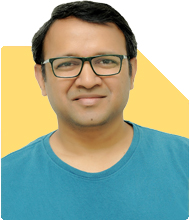
Patrick

Patrick Dsouza  |1454 Answers  |Ask -

CAT, XAT, CMAT, CET Expert - Answered on Feb 18, 2025

Patrick Dsouza is the founder of Patrick100.
Along with his wife, Rochelle, he trains students for competitive management entrance exams such as the Common Admission Test, the Xavier Aptitude Test, Common Management Admission Test and the Common Entrance Test.
They also train students for group discussions and interviews.
Patrick has scored in the 100 percentile six times in CAT. He achieved the first rank in XAT twice, in CET thrice and once in the Narsee Monjee Management Aptitude Test.
Apart from coaching students for MBA exams, Patrick and Rochelle have trained aspirants from the IIMs, the Jamnalal Bajaj Institute of Management Studies and the S P Jain Institute of Management Studies and Research for campus placements.
Patrick has been a panellist on the group discussion and panel interview rounds for some of the top management colleges in Mumbai.
He has graduated in mechanical engineering from the Motilal Nehru National Institute of Technology, Allahabad. He has completed his masters in management from the Jamnalal Bajaj Institute of Management Studies, Mumbai.... more

kamalv8 Question by kamalv8 on Dec 02, 2024Hindi

Listen
Career

Hello sir. Im pursuing CA, currently at CA inter level. I want to study CFA level1, MBA finance after i became a CA while doing a job. Im thinking making a 10 year plan as an employee from the moment i became a CA, after that I'll be doing my own business. In that 10 year period i want to earn as much as possible with no breaks and working overtime. What kind of a path or roles or domains i should focus on one step after the other.

Ans: Highest paying jobs in the industry are in Private Equity, VC funds, Investment Banking, Consulting. Once you finish your CA can do MBA in Finance from one of the top colleges to target companies in these sectors.
Career

You may like to see similar questions and answers below
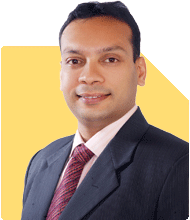
Mayank

Mayank Kumar  | Answer  |Ask -

Education Expert - Answered on Jun 10, 2024

Asked by Anonymous - Apr 25, 2024Hindi
Listen
Career
Hey mayank I will be giving ca foundation soon But I have heard a lot of negative things about the ca course which I indirectly found true Can you guide what manner I should pursue And what career switch are available in future with this stream I want to make career in finance . I am 17 would appreciate your guidance Thanks.
Ans: Hi, CA is a great career path to pursue, and I'm glad you're thinking ahead about your career. While it is good to be aware of the challenges associated with the CA course, it also helps you make a clear decision and prepare accordingly. Yes, CA is a tough exam to crack, requires a long-term commitment and consistent effort. However, you should reflect on your interests and long-term career goals. Ensure that a career in finance aligns with your passion and vision for the future.

Additionally you should also:
Research and learn more about the various roles and opportunities available to CAs. This will help you understand if these align with your career aspirations.
Talk to current CAs and industry professionals to get a realistic understanding of the career path. This will provide insights into the daily responsibilities and challenges faced by CAs. This should help you gain the clarity you require.

Furthermore, it is good to have a plan B as well. CA qualification provides a solid foundation to move into various other fields:
MBA in Finance: Many CAs pursue an MBA to pivot towards higher managerial roles or specialised finance roles.
CFA (Chartered Financial Analyst): Specialising further in investment management.
Data Analytics: Leveraging your financial knowledge in data science and analytics roles through instant skill-up courses
Law: Some CAs also pursue law degrees to specialize in corporate law, taxation law, or financial regulations.
Teaching and Academia: Sharing your knowledge by becoming a lecturer or professor in finance and accounting.

By addressing these challenges with a strategic and well-informed approach, you can better prepare for your future.
All the best to you :)

..Read more

Nayagam P

Nayagam P P  |10943 Answers  |Ask -

Career Counsellor - Answered on Nov 11, 2024

Asked by Anonymous - Oct 20, 2024Hindi
Listen
Career
Hello Sir/Ma’am, I needed some genuine advice for getting a grab on my career. I am currently working as an 'Accountant' in a CA firm. Since passing my school, I wanted to become a Chartered Accountant. I pursued this course jn tje year 2018 along side my graduation in B.com (Hons.) . I cleared the CA Foundation exam November 2018 attempt but I have been struggling to clear CA Intermediate exams since the year 2019. Meanwhile, I completed my MBA (Finance) from distance and got a job in a CA firm but the salary is not promising. As I started to prepare for my CA exams again, I took a leave for 3 months from my office for the upcoming CA Inter exams in January 2025. Now the problem is that while I was focusing on my exam preparation, I had to urgently attend a crucial personal matter. This was regarding my marriage. I had to introduce my family to my boyfriend's. Since my boyfriend os much older, his.parents want me to get married to him.as soon as possible. Me , my boyfriend and my family however handled this situation and asked his parents to wait until January 2025. Ever since then I am not able to focus on my studies as I used to. I know the situation is difficult but it is my dream to become a CA. Could you please help me to bring back my focus ?
Ans: Your scenario is complicated since you must balance CA preparation, career obligations, and marriage obligations. This planned strategy will help you recover focus and advance toward becoming a Chartered Accountant:

1) Change Your Mindset. Accept that life disruptions arise and your focus may wander during personal struggles. Remember that you can recover. Reclaim Your Purpose: Recall why getting a CA is important for your career. 2) Make a Flexible Study Plan. Adjust your study regimen to maximize time given your exam and personal obligations. 3) 12) Focus Methods
Pomodoro Method: Focused 25-minute sessions with 5-minute breaks.
Visualization: Imagine passing CA Inter and pursuing your dream.
4) Daily Study Goals: Break concepts into manageable parts. Set aside 3–4 hours for dedicated study daily. 5) Focus on Weaknesses: Study subjects you've difficulty with. Practice with prior papers and simulated examinations to simulate the real exam. 6) Utilize Support: Talk to your family and boyfriend about your problems. Their understanding and support can reduce emotional stress.
7) Mentors and Study Groups: Attend a CA study group or hire a mentor for help and accountability.
8) If possible try to avail the services of professional coaching or counseling to manage your stress and focus. 9) Address Distractions. Define limits: Inform both families of your study regimen and exam relevance. Digital detox: Limit social media and other digital distractions that lower productivity.
10) Mental Health and Self-Care. Physical Health: Exercise and a balanced diet improve attention.
Mental Health: Meditation and mindfulness reduce anxiety and improve focus.
11) Post-Exam Plans: After January 2025 tests, assess Career Growth: Passing the examinations will boost your career opportunities. Alternatively, you might retake the exam or pursue other finance qualifications. Have Plan B & Plan C also.
12) Planning Marriage: Make sure both families support your marriage timeline and job goals.

With careful planning and support, CA preparation, work, and personal life can be balanced. Focus on each day and remember that long-term ambitions are worth the short-term sacrifices.

All the BEST for Your Prosperous Future.

To know more on ‘ Careers | Education | Jobs’, ask / follow Us here in RediffGURUS.

..Read more

Latest Questions
Ramalingam

Ramalingam Kalirajan  |11062 Answers  |Ask -

Mutual Funds, Financial Planning Expert - Answered on Mar 14, 2026

Money
I am 61, minimalist with no bad habits in the life style of NO PILL; NO ILL. Now, the market is down and NAV falls down. my investments are comfortably positive even in the negative market. becuase the investment started very early and unis purchased at very low price. Now, the question is should I withdraw the funds; a portion of profit and invest in the downward trend so that I will get more units and i will not loose the capital because I am planning to withdraw only the portion of the profits. Please guide me should I need to reshuffle by withdrawing and re investing ..!!
Ans: Your disciplined lifestyle and long investing journey are truly inspiring. Starting early and holding investments patiently has created a comfortable cushion for you. Even when the market is falling, your portfolio remains positive. That itself shows the power of long-term investing.

Now your question is about withdrawing profit and reinvesting during the market fall. Let us examine this carefully.

» Understanding What You Are Trying To Do

Your idea is:

– Withdraw only the profit portion
– Reinvest when NAV is lower
– Get more units
– Protect original capital

This approach looks logical on the surface. But in practice it becomes very difficult to execute consistently.

» The Challenge of Timing the Market

To succeed in this strategy two things must happen correctly.

– You must sell at the right time
– You must reinvest at the correct lower level

Predicting market movement precisely is extremely difficult. Even experienced investors struggle with this.

If markets suddenly recover after you redeem, you may lose the opportunity of further growth.

» Impact of Taxes on Withdrawal

Whenever you redeem equity mutual funds:

– Long term capital gains above Rs 1.25 lakh are taxed at 12.5%
– Short term capital gains are taxed at 20%

So withdrawing profit may trigger tax liability. This reduces the benefit of trying to buy more units.

Frequent reshuffling can quietly reduce long-term wealth.

» Your Age and Investment Objective

At 61, your goal should shift slightly.

Earlier the focus was:

– Maximum growth

Now the focus should be:

– Capital protection
– Controlled growth
– Income stability

So instead of frequent buying and selling, gradual portfolio balance is more suitable.

» A Better Approach for Your Situation

Rather than timing the market, consider this approach:

– Keep the core long-term equity investments untouched
– If equity allocation has grown very large, slowly shift small portion into safer assets
– Continue enjoying compounding from existing units purchased at low prices

This maintains growth while protecting accumulated wealth.

» Systematic Withdrawal Planning

If you need regular income later:

– You can withdraw small amounts periodically
– This reduces market timing risk
– Portfolio continues to grow while providing income

This is usually more comfortable for retired investors.

» Emotional Discipline

Your biggest strength so far has been patience.

The temptation to reshuffle during market movements often disturbs long-term success.

Many investors lose wealth not because of bad investments but because of unnecessary switching.

» Finally

Since your investments were made early and units were bought at very low prices, the best strategy is usually to stay invested and allow compounding to continue.

Avoid frequent profit booking and reinvestment based on market movements.

Instead:

– Maintain a balanced asset allocation
– Protect capital gradually
– Allow long-term equity investments to keep growing

Your disciplined journey has already created strong financial security. Preserving that strength is now more important than trying to capture short-term opportunities.

Best Regards,

K. Ramalingam, MBA, CFP,

Chief Financial Planner,

www.holisticinvestment.in

https://www.youtube.com/@HolisticInvestment

...Read more

Ramalingam

Ramalingam Kalirajan  |11062 Answers  |Ask -

Mutual Funds, Financial Planning Expert - Answered on Mar 14, 2026

Money
I am a retired doctor with 1lac pension kindly suggest to invest 30000per month
Ans: Your disciplined habit of investing even after retirement is very encouraging. With a pension of Rs 1 lakh per month, planning to invest Rs 30,000 shows that you are thinking about preserving and growing your wealth in a structured manner.

At this stage of life, the focus should be balanced between safety, regular growth, and liquidity.

» Understanding Your Financial Stage

You are a retired professional receiving steady pension income.

This means:

– Your regular expenses are already supported
– Investment goal is wealth preservation and moderate growth
– Liquidity for health and family needs is important

So the investment approach should be balanced and not aggressive.

» Emergency and Medical Reserve

Before starting monthly investment, ensure:

– At least 12 months of expenses kept in safe liquid instruments
– Adequate health insurance coverage

Medical expenses increase with age. Having a dedicated medical reserve prevents disturbance to investments.

» Balanced Investment Approach

For a retired person, full equity exposure is not suitable. But avoiding equity completely also reduces growth.

A balanced structure is ideal.

For the Rs 30,000 monthly investment:

– Around Rs 15,000 in actively managed diversified equity mutual funds
– Around Rs 10,000 in short duration or conservative debt mutual funds
– Around Rs 5,000 in gold allocation for diversification

This structure provides growth with stability.

» Importance of Actively Managed Funds

Actively managed mutual funds are suitable because:

– Fund managers actively select strong companies
– They adjust portfolio when market conditions change
– Aim to generate better returns than the market

This professional management helps investors who prefer not to monitor markets regularly.

» Investment Horizon and Liquidity

Even after retirement, investments can continue for 10 to 15 years.

So:

– Continue SIP regularly
– Review portfolio once every year
– Keep sufficient liquidity for emergencies

Avoid locking large amounts into instruments with long lock-in periods.

» Tax Awareness

If you redeem equity mutual funds:

– Long term capital gains above Rs 1.25 lakh taxed at 12.5%
– Short term gains taxed at 20%

Debt mutual fund gains are taxed as per your income tax slab.

Planning withdrawals carefully can reduce tax impact.

» Finally

Your plan to invest Rs 30,000 monthly is a strong step toward maintaining financial independence.

A balanced portfolio with equity, debt, and gold can help:

– Preserve your wealth
– Provide moderate growth
– Maintain liquidity for future needs

Regular review with a Certified Financial Planner can ensure that your investments remain aligned with your lifestyle and health needs during retirement.

Best Regards,

K. Ramalingam, MBA, CFP,

Chief Financial Planner,

www.holisticinvestment.in

https://www.youtube.com/@HolisticInvestment

...Read more

DISCLAIMER: The content of this post by the expert is the personal view of the rediffGURU. Investment in securities market are subject to market risks. Read all the related document carefully before investing. The securities quoted are for illustration only and are not recommendatory. Users are advised to pursue the information provided by the rediffGURU only as a source of information and as a point of reference and to rely on their own judgement when making a decision. RediffGURUS is an intermediary as per India's Information Technology Act.

Close  

You haven't logged in yet. To ask a question, Please Log in below
Login

A verification OTP will be sent to this
Mobile Number / Email

Enter OTP
A 6 digit code has been sent to

Resend OTP in120seconds

Dear User, You have not registered yet. Please register by filling the fields below to get expert answers from our Gurus
Sign up

By signing up, you agree to our
Terms & Conditions and Privacy Policy

Already have an account?

Enter OTP
A 6 digit code has been sent to Mobile

Resend OTP in120seconds

x