Home > Relationship > Question
Need Expert Advice?Our Gurus Can Help

Stuck in My Job at 42: Should I Quit Without a New Plan?
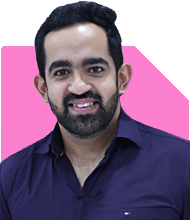
Aamish

Aamish Dhingra  | Answer  |Ask -

Life Coach - Answered on Mar 06, 2025

Aamish Dhingra is a life coach, educationalist and founder of Cocoweave Coaching International, which provides professional training to empower individuals and organisations.
With over seven years of experience in human resources, he specialises in corporate training, life coaching services and team coaching. His expertise lies in solving complex problems, leading innovative projects and delivering impactful solutions that drive growth and transformation.
Aamish completed his BBA (bachelor of business administration) from Amity University and MBA from Jamia Hamdard University, both in Noida.
He holds a PCC (professional certified coach) certification from the International Coaching Federation, USA, and a credentialed practitioner of coaching certification from the International Coach Guild, Australia.... more
Asked by Anonymous - Mar 04, 2025Hindi
Listen

Relationship

I am 42. I feel stuck and miserable in my current job. There is no growth or motivation to work. I want to quit, but I'm struggling to understand what I actually want to do for a new job. Should I still go ahead and quit?

Ans: Feeling stuck at 42 isn’t unusual, but quitting without a plan won’t necessarily fix things. The real question is - what’s actually making you feel this way? Is it the work itself, the environment, or something else? If it’s about growth, have you actively tried pushing for opportunities, or does it just feel like a dead end? What conversations have you had about it? When it comes to quitting, what’s your plan for what comes next? Do you have clarity on where you want to go, or is it more about escaping your current situation? If staying feels unbearable, how can you create space for yourself while figuring things out? How much time do you need to explore your options before making a decision?
The answer isn’t just quitting - it’s clarity. So, where do you start?

Wishing you success,
Aamish Dhingra
ICF-PCC Certified Life Coach
Co-Founder, Cocoweave Coaching International, Delhi

You may like to see similar questions and answers below

Career

Career Coach  | Answer  |Ask -

Workplace Expert - Answered on Apr 16, 2024

Asked by Anonymous - Apr 15, 2024Hindi
Listen
Career
I am 42, and frustrated with my job. Is it okay if I quit my job at this age? I am a BCom graduate with 17 years of experience in accounting and finance. I have some savings. What else should I consider before resigning from my current job? I am currently single and stay with my retired parents.
Ans: Hey there,

Feeling stuck in your career can be as frustrating as getting stuck behind a slow-moving tractor on a narrow road. But fear not, because your situation is not as bleak as it may seem.

Firstly, let's address the age factor. At 42, you're like a fine wine - seasoned, mature, and ready to be savored. Age is just a number, and it certainly shouldn't dictate your career decisions. Many successful individuals have reinvented themselves and achieved great heights later in life. So, if you're feeling the urge to shake things up, don't let the digits on your birth certificate hold you back.

Now, onto the big question - should you quit your job? Well, it's like contemplating whether to ditch a leaky boat for a sturdier vessel. It all depends on your circumstances, aspirations, and tolerance for soggy socks.

Considering your background in accounting and finance, you've got a solid foundation to build upon. But before you bid adieu to your current gig, here are a few things to ponder:

1. Financial Assessment: Take a deep dive into your savings and financial commitments. Ensure you have a comfortable buffer to tide you over during your transition period. It's like balancing your books - make sure the numbers add up before making any drastic moves.

2. Skills and Interests: Reflect on your passions and skill set. Are there areas within accounting and finance that ignite your enthusiasm? Or perhaps you've been eyeing a completely different field? It's never too late to explore new horizons or pivot towards a career that aligns with your interests.

3. Networking: Dust off your LinkedIn profile and start connecting with industry professionals. Networking is the secret sauce to unlocking hidden opportunities and gaining valuable insights. Attend events, join online communities, and don't shy away from reaching out to people for informational interviews. Remember, relationships are like investments - they yield returns when nurtured.

4. Career Goals: Define your career objectives and chart out a roadmap to achieve them. Whether it's climbing the corporate ladder, starting your own venture, or embracing a portfolio career, clarity of purpose will steer you in the right direction. Set SMART goals - Specific, Measurable, Achievable, Relevant, and Time-bound - and watch your career aspirations come to life.

5. Support System: Lean on your support system for guidance and encouragement. Your retired parents can offer valuable insights and emotional support during this transitional phase. Having a strong support network is like having a trusty co-pilot - they'll help navigate the turbulence and celebrate your victories along the way.

Remember, life is too short to be stuck in a job that doesn't spark joy. So, muster up your courage, trust your instincts, and embark on this new chapter with gusto. Who knows, the best may be yet to come!

Wishing you smooth sailing and endless opportunities on your career journey!

Cheers!

..Read more

Shekhar

Shekhar Kumar  | Answer  |Ask -

Leadership, HR Expert - Answered on May 01, 2024
Asked by Anonymous - Apr 30, 2024Hindi
Listen
Career
Hi, I am a mechanical engineer and having been working in the field of power plant from last 12 years. I don't enjoy my work now and feel that I am not meant for this job as I see no growth in my career. I'm 36 now and can't think of anything new as I don't think I can't enter into a new field at this age. No one will prefer me. What should I do?
Ans: Feeling stuck in your current career path is a common experience, but it's important to remember that it's never too late to make a change. Take some time to reflect on your skills, interests, values, and strengths. Consider what aspects of your current job you enjoy and what you would like to do differently in your next career move. Research other career paths and industries that align with your interests and transferable skills. Look for opportunities where your mechanical engineering background and experience in power plants could be valuable, such as in renewable energy, sustainability, project management, or technical sales. Identify any gaps in your skills or knowledge that may be necessary for transitioning to a new field. Consider taking courses, certifications, or workshops to acquire new skills or enhance existing ones. Many online platforms offer flexible learning options that you can pursue while still working. Reach out to your professional network, including colleagues, mentors, former classmates, and industry contacts. Inform them of your career interests and ask for advice, informational interviews, or referrals to potential employers or opportunities in your desired field. Evaluate whether pursuing additional education, such as a master's degree or specialized certification, would be beneficial for your career transition. Some programs offer opportunities for mid-career professionals to gain new skills and credentials. Look for volunteer or internship opportunities in your target industry or field. This can be a valuable way to gain hands-on experience, expand your network, and test out whether a new career path is the right fit for you before making a full transition.

..Read more

Latest Questions
Ramalingam

Ramalingam Kalirajan  |10879 Answers  |Ask -

Mutual Funds, Financial Planning Expert - Answered on Dec 11, 2025

Asked by Anonymous - Dec 11, 2025Hindi
Money
Hello Sir, I am 56 yrs old with two sons, both married and settled. They are living on their own and managing their finances. I have around 2.5 Cr. invested in Direct Equity and 50L in Equity Mutual Funds. I have Another 50L savings in Bank and other secured investments. I am living in Delhi NCR in my owned parental house. I have two properties of current market worth of 2 Cr, giving a monthly rental of around 40K. I wish to retire and travel the world now with my wife. My approximate yearly expenditure on house hold and travel will be around 24 L per year. I want to know, if this corpus is enough for me to retire now and continue to live a comfortable life.
Ans: You have built a strong base. You have raised your sons well. They live independently. You and your wife now want a peaceful and enjoyable retired life. You have created wealth with discipline. You have no home loan. You live in your own house. This gives strength to your cash flow. Your savings across equity, mutual funds, and bank deposits show good clarity. I appreciate your careful preparation. You deserve a happy retired life with travel and comfort.

» Your Present Position
Your current financial position looks very steady. You hold direct equity of around Rs 2.5 Cr. You hold equity mutual funds worth Rs 50 lakh. You also have Rs 50 lakh in bank deposits and other secured savings. Your two rental properties add more comfort. You earn around Rs 40,000 per month from rent. You also live in your owned house in Delhi NCR. So you have no rent expense.

Your total net worth crosses Rs 5.5 Cr easily. This gives you a strong base for your retired life. You plan to spend around Rs 24 lakh per year for all expenses, including travel. This is reasonable for your lifestyle. Your savings can support this if planned well. You have built more than the minimum needed for a comfortable retired life.

» Your Key Strengths
You already enjoy many strengths. These strengths hold your plan together.

You have zero housing loan.

You have stable rental income.

You have children living independently.

You have a balanced mix of assets.

You have built wealth with discipline.

You have clear goals for travel and lifestyle.

You have strong liquidity with Rs 50 lakh in bank and secured savings.

These strengths reduce risk. They support a smooth retired life with less stress. They also help you handle inflation and medical costs better.

» Your Cash Flow Needs
Your yearly expense is around Rs 24 lakh. This includes travel, which is your main dream for retired life. A couple at your stage can keep this lifestyle if the cash flow is planned well. You need cash flow clarity for the next 30 years. Retirement at 56 can extend for three decades. So your wealth must support you for a long period.

Your rental income gives you around Rs 4.8 lakh per year. This covers almost 20% of your yearly spending. This reduces pressure on your investments. The rest can come from a planned withdrawal strategy from your financial assets.

You also have Rs 50 lakh in bank deposits. This acts as liquidity buffer. You can use this buffer for short-term and medium-term needs. You also have equity exposure. This can support long-term growth.

» Risk Capacity and Risk Need
Your risk capacity is moderate to high. This is because:

You own your home.

You have rental income.

Your children are financially independent.

You have large accumulated assets.

You have enough liquidity in bank deposits.

Your risk need is also moderate. You need growth because inflation will rise. Travel costs will rise. Medical costs will increase. Your lifestyle will change with age. Your equity portion helps you beat inflation. But your equity exposure must be managed well. You should avoid sudden large withdrawals from equity at the wrong time.

Your stability allows you to keep some portion in equity even during retired life. But you should avoid excessive risk through direct equity. Direct equity carries concentration risk. A balanced mix of high-quality mutual funds is safer in retired life.

» Direct Equity Risk in Retired Life
You hold around Rs 2.5 Cr in direct equity. This brings some concerns. Direct equity needs frequent tracking. It needs research. It carries single-stock risk. One mistake may reduce your capital. In retired life, you need stability, clarity, and lower volatility.

Direct funds inside mutual funds also bring challenges. Direct funds lack personalised support. Regular plans through a Mutual Fund Distributor with a Certified Financial Planner bring guidance and strategy. Regular funds also support better tracking and behaviour management in volatile markets. In retired life, proper handholding improves long-term stability.

Many people think direct funds save cost. But the value of advisory support through a CFP gives higher net gains over long periods. Direct plans also create more confusion in asset allocation for retirees.

» Mutual Funds as a Core Support
Actively managed mutual funds remain a strong pillar. They bring professional management and risk controls. They handle market cycles better than index funds. Index funds follow the market blindly. They do not help in volatile phases. They also offer no risk protection. They cannot manage quality of stocks.

Actively managed funds deliver better selection and risk handling. A retiree benefits from such active strategy. You should avoid index funds for a long retirement plan. You should prefer strong active funds under a disciplined review with a CFP-led MFD support.

» Why Regular Plans Work Better for Retirees
Direct plans give no guidance. Retired investors often face emotional decisions. Some panic during market fall. Some withdraw heavily during market rise. This harms wealth. Regular plan under a CFP-led MFD gives a relationship. It offers disciplined rebalancing. It improves long-term returns. It protects wealth from poor behaviour.

For retirees, the difference is huge. So shifting to regular plans for the mutual fund portion will help long-term stability.

» Your Withdrawal Strategy
A planned withdrawal strategy is key for your case. You should create three layers.

Short-Term Bucket
This comes from your bank deposits. This should hold at least 18 to 24 months of expenses. You already have Rs 50 lakh. This is enough to hold your short-term cash needs. You can use this for household costs and some travel. This avoids panic selling of equity during market downturn.

Medium-Term Bucket
This bucket can stay partly in low-volatility debt funds and partly in hybrid options. This should cover your next 5 to 7 years. This helps smoothen withdrawals. It gives regular cash flow. It reduces market shocks.

Long-Term Bucket
This can stay in high-quality equity mutual funds. This bucket helps beat inflation. This bucket helps fund your travel dreams in later years. This bucket also builds buffer for medical needs.

This three-bucket strategy protects your lifestyle. It also keeps discipline and clarity.

» Handling Property and Rental Income
Your properties give Rs 40,000 monthly rental. This helps your cash flow. You should maintain the property well. You should keep some funds aside for repairs. Do not depend fully on rental growth. Rental yields remain low. But your rental income reduces pressure on your investments. So keep the rental income as a steady support, not a primary source.

You should not plan more real estate purchase. Real estate brings low returns and poor liquidity. You already own enough. Holding more can hurt flexibility in retired life.

» Planning for Medical Costs
Medical costs rise faster than inflation. You and your wife need strong health coverage. You should maintain a reliable health insurance. You should also keep a medical fund from your bank deposits. You may keep around 3 to 4 lakh per year as a buffer for medical needs. Your bank savings support this.

Health coverage reduces stress on your long-term wealth. It also avoids large withdrawals from your growth assets.

» Travel Planning
Travel is your main dream now. You can plan your travel using your short-term and medium-term buckets. You can take funds annually from your liquidity bucket. You can avoid touching long-term equity assets for travel. This approach keeps your wealth stable.

You should plan travel for the next five years with a budget. You should adjust your travel based on markets and health. Do not use entire gains of equity for travel. Keep travel budget fixed. Add small adjustments only when needed.

» Inflation and Lifestyle Stability
Inflation will impact lifestyle. At Rs 24 lakh per year today, the cost may double in 12 to 14 years. Your equity exposure helps you beat this. But you need careful rebalancing. You also need disciplined review with a CFP-led MFD. This will help you manage inflation and maintain comfort.

Your lifestyle is stable because your children live independently. So your cash flow demand stays predictable. This makes your plan sustainable.

» Longevity Risk
Retirement at 56 means you may live till 85 or 90. Your plan should cover long years. Your total net worth of around Rs 5.5 Cr to Rs 6 Cr can support this. But you need a proper drawdown strategy. Avoid high withdrawals in early years. Keep your travel budget steady.

Do not depend on one asset class. A mix of debt and equity gives comfort. Keep your bank deposits as cushion.

» Succession and Estate Planning
Since you have two sons who are settled, you can plan a clear will. Clear distribution avoids conflict. You can also assign nominees across accounts. You can also review your legal papers. This gives peace to you and your family.

» Summary of Your Retirement Readiness
Based on your assets and cash flow, you are ready to retire. You have enough wealth. You have enough liquidity. You have enough income support from rent. You also have good asset mix. With proper planning, your lifestyle is comfortable.

You can retire now. But maintain a disciplined withdrawal strategy. Shift more reliance from direct equity into professionally managed mutual funds under regular plans. Keep your liquidity strong. Review once every year with a CFP.

Your wealth can support your travel dreams for many years. You can enjoy retired life with confidence.

» Finally
Your preparation is strong. Your intentions are clear. Your lifestyle needs are reasonable. Your assets support your dreams. With a balanced plan, steady review, and mindful spending, you can enjoy a comfortable retired life with your wife. You can travel the world without fear of running out of money. You deserve this peace and joy.

Best Regards,
K. Ramalingam, MBA, CFP,
Chief Financial Planner,
www.holisticinvestment.in

https://www.youtube.com/@HolisticInvestment

...Read more

Dr Nagarajan J S K

Dr Nagarajan J S K   |2577 Answers  |Ask -

NEET, Medical, Pharmacy Careers - Answered on Dec 10, 2025

Asked by Anonymous - Dec 10, 2025Hindi
DISCLAIMER: The content of this post by the expert is the personal view of the rediffGURU. Investment in securities market are subject to market risks. Read all the related document carefully before investing. The securities quoted are for illustration only and are not recommendatory. Users are advised to pursue the information provided by the rediffGURU only as a source of information and as a point of reference and to rely on their own judgement when making a decision. RediffGURUS is an intermediary as per India's Information Technology Act.

Close  

You haven't logged in yet. To ask a question, Please Log in below
Login

A verification OTP will be sent to this
Mobile Number / Email

Enter OTP
A 6 digit code has been sent to

Resend OTP in120seconds

Dear User, You have not registered yet. Please register by filling the fields below to get expert answers from our Gurus
Sign up

By signing up, you agree to our
Terms & Conditions and Privacy Policy

Already have an account?

Enter OTP
A 6 digit code has been sent to Mobile

Resend OTP in120seconds

x