Home > Money > Question
Need Expert Advice?Our Gurus Can Help
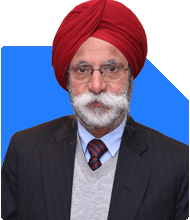
Purshotam

Purshotam Lal  | Answer  |Ask -

Financial Planner, MF and Insurance Expert - Answered on Sep 19, 2025

Purshotam Lal has over 38 years of experience in investment banking, mutual funds, insurance and wealth management.
He is an Association of Mutual Funds in India (AMFI)-registered mutual fund distributor, an Insurance Regulatory and Development Authority of India (IRDAI)-certified insurance advisor and founder of Finphoenix Services LLP.
He holds an MBA in finance from the Faculty of Management Studies (FMS), Delhi University and a chartered financial analyst (CFA) degree. He also holds certified associate of the Indian Institute of Bankers (CAIIB), fellow of the Insurance Institute of India (FIII) and National Institute of Securities Markets (NISM) certifications.... more

Rohan Question by Rohan on Sep 12, 2025Hindi
Money

What is the solution to below problem for any middle class person earning 1-1.5 lacs per month owning just a parental home without getting into a loan trap , with monthly expense of 80-85k on basic necessities. 1) Children education and coaching money ? 2.) Children marriage money ? 3.) Funds for self and spouse after retirement to not have dependency on children ? 4.) Money to plan an annual trip in India ? 5.) Money to eat outside food on weekends? 6.) Money to contribute to SIP, PPF , Sukanya,LIC ? 7.) Money to invest even a very small amount in gold/silver ?

Ans: These are very genuine queries and good financial planning aspirations. It is better to hire any Certified Financial Planner so that they will understand all your life goals and accordingly based on your earnings or future earnings, suggest a well laid out financial plan. Better to keep financial planning report in writing with you as well financial planner agreeing to it. The financial plan should also be reviewed periodically vis a vis actual implementation.
DISCLAIMER: The content of this post by the expert is the personal view of the rediffGURU. Users are advised to pursue the information provided by the rediffGURU only as a source of information to be as a point of reference and to rely on their own judgement when making a decision.
Money

You may like to see similar questions and answers below

Ramalingam

Ramalingam Kalirajan  |10870 Answers  |Ask -

Mutual Funds, Financial Planning Expert - Answered on Jul 07, 2025

Asked by Anonymous - Jul 07, 2025Hindi
Money
We are a working couple(35 & 34 yrs) having two children's aged 7 and 2.5 yrs. Our combined monthly income is 2.25L. We are managing a home loan (resale property bought 5 years back) and also support my spouse family. Below is the summary of our monthly financial commitments & Investments. -- Home loan EMI (Outstanding loan 14L) - 19,400 --Additional Principal prepayment - 22,000 -- LIC Premium - 24,000 (includes Jeevan labh for both, Jeevan Anand for self, Jeevan Tarun for kids) -- Term insurance Self - 1,700 -- Mutual Fund investment - 25,000 (across Mid, large & Flexi cap) -- Gold savings - 17,000 -- PPF & SSA - 28,000 -- House rent - 7,000 -- Support to Spouse family - 16,000 -- Maid Salary - 11,000 -- Elder child schooling - 8,000 -- General Living expense - 40,000 (Includes groceries, utilities, petrol, recharge, food etc.) Also have emergency fund for 6 months. Corporate health insurance and not self. We need your suggestion that are we going in correct path? Is there any others to invest? We seek financial advice in tax saving & grow money. We have RD, NSC etc., but all the interest earned from this source are added in our income slab. Need suggestion on this. Also we have plan to buy a car and villa in chennai? Is it advisable to buy? Please advice. Thanks in advance.
Ans: Family and Income Snapshot
Working couple, aged 35 and 34 years.

Two children, aged 7 years and 2.5 years.

Combined monthly income of Rs. 2.25 lakh.

Home loan EMI and prepayment ongoing.

Family support and LIC premiums included.

Monthly savings and investments already happening.

You are on the right path in many areas. Let’s now review each key part and improve wherever possible.

1. Loan Management and Debt Strategy
You are managing your home loan well.

EMI: Rs. 19,400 is manageable with your income.

Prepayment of Rs. 22,000 is excellent.

Outstanding loan of Rs. 14 lakh is moderate.

You are reducing interest cost steadily.

Suggestions:

Continue prepayments only if you have surplus funds.

Don't stretch yourself thin to close it early.

Maintain liquidity while reducing loan.

If interest rate is under 9%, prepay slowly.

2. Life Insurance and LIC Policies
You are spending Rs. 24,000 per month on LIC premiums.

You hold Jeevan Labh, Jeevan Anand, and Jeevan Tarun.

These are traditional endowment plans.

Key Issues:

Returns from such plans are low (around 4–5% only).

Insurance and investment are mixed. This is inefficient.

Long-term lock-in reduces liquidity.

Suggestions:

Do a policy-by-policy surrender review.

Calculate paid-up value and surrender value.

Compare with potential mutual fund returns.

If surrendering makes sense, redirect to equity mutual funds.

For children’s education, mutual funds give better growth.

3. Term Insurance and Risk Cover
Rs. 1,700 for term insurance is excellent.

Term insurance is a must-have.

Ensure the cover is at least 15–20 times your annual income.

If your income is Rs. 27 lakh annually, target Rs. 2–3 crore cover.

Ensure your spouse also has term cover.

Health Insurance:

You depend on corporate health insurance.

Corporate cover alone is not enough.

Buy a personal health policy for the full family.

Add critical illness cover for both adults.

4. Mutual Fund Investments
Rs. 25,000 per month is allocated to mutual funds.

Invested across mid, large, and flexi-cap categories.

You are taking a smart equity exposure for long-term growth.

Suggestions:

Check for overlap across funds.

Keep 1 fund per category only.

Prefer regular plans through MFD with CFP credential.

Direct plans lack ongoing support and guidance.

Don't track NAV or short-term returns too often.

Avoid index funds. Why?

Index funds mimic markets blindly.

No downside protection in market crashes.

No fund manager actively guiding investments.

Actively managed funds can outperform in volatile markets.

5. Gold Investment
You invest Rs. 17,000 in gold monthly.

This is a high allocation to gold.

Gold should be 5–10% of overall portfolio.

Suggestions:

Reduce monthly gold investment.

Gold doesn’t generate income.

Use gold for diversification, not growth.

Redirect part of gold savings to equity or hybrid funds.

6. PPF and SSA
Rs. 28,000 monthly to PPF and Sukanya Samriddhi Account.

Excellent long-term tax-saving approach.

SSA is good for girl child goals.

PPF helps in safe and tax-free corpus building.

Suggestions:

Maintain PPF and SSA as fixed income components.

Avoid putting too much here.

Combine with equity mutual funds for better growth.

7. Family Support and Expenses
You support spouse’s family with Rs. 16,000 monthly.

This is an honourable commitment.

Budget this as a fixed non-negotiable item.

Ensure it does not affect your core savings.

Maid salary and general expenses are reasonable.

Rs. 11,000 for maid and Rs. 40,000 for living costs are fine.

Keep tracking monthly expenses and tweak wherever needed.

Consider using a budgeting app or planner.

8. Emergency Fund and Safety Net
You have an emergency fund for 6 months.

This is perfect.

Keep it in a liquid mutual fund or savings account.

Refill it whenever used.

It protects your core investments from early withdrawal.

9. Children’s Education Planning
Your children are young.

Education goal is 10–15 years away.

Continue Sukanya Samriddhi for your girl child.

For both kids, use equity mutual funds for higher returns.

Avoid child ULIPs or insurance-based investment.

Suggestions:

Create SIPs with goal-linked investing.

One SIP per child education goal.

Prefer flexi-cap or large & mid cap categories.

10. RD, NSC, and Taxation
You mentioned RD and NSC investments.

RD and NSC are taxable every year.

Interest is added to your income.

This reduces post-tax return.

Suggestions:

Avoid RD, NSC for long-term goals.

Prefer ELSS mutual funds for 80C benefits.

ELSS has 3-year lock-in and equity returns.

Plan to use PPF + ELSS + SSA for 80C fully.

11. Tax Saving Ideas
You can save more tax legally.

Use full Rs. 1.5 lakh under Section 80C.

Use Rs. 50,000 under Section 80CCD(1B) via NPS (optional).

Home loan interest gives deduction under Section 24(b).

Ensure HRA is declared properly.

Suggestions:

Invest in ELSS SIP monthly.

Keep PPF, SSA, and term insurance under 80C.

Use proper documentation and Form 16 check at year-end.

12. Real Estate – Car and Villa Plans
You want to buy a car and villa in Chennai.

Car Purchase Suggestions:

Go for it only if your emergency fund is complete.

Don’t take long car loans.

Avoid luxury or oversized vehicles.

Buy within 6–8 months’ worth of salary.

Villa Purchase Suggestions:

Do not buy villa as an investment.

Buy only if it is a primary home or retirement need.

Real estate requires high upfront cost.

Illiquid, high maintenance, low rental yield.

Important Points:

Compare EMI vs rent before buying villa.

Don’t stretch finances with 2 home loans.

If needed, delay the villa plan for 3–5 years.

13. Financial Discipline and Monthly Allocation
You are already doing many things right.

Here’s a smart monthly structure:

Loan EMI: Rs. 19,400

Prepayment (only if surplus): Rs. 10,000

LIC (till review): Rs. 24,000

Term insurance: Rs. 1,700

Mutual Fund SIPs: Rs. 30,000

Gold: Rs. 5,000 only

PPF + SSA: Rs. 28,000

ELSS SIP: Rs. 5,000

Rent: Rs. 7,000

Family support: Rs. 16,000

School: Rs. 8,000

Expenses: Rs. 40,000

Emergency Fund (monthly top-up if needed): Rs. 5,000

14. Suggested Action Plan
In the next 30 days:

Do LIC policy review with surrender value.

Reduce gold monthly savings.

Stop RD, NSC and shift to ELSS or hybrid funds.

In next 3–6 months:

Build SIPs for child education goals.

Top up emergency fund.

Take family health cover.

Yearly:

Do a tax-saving review in Dec-Jan.

Rebalance mutual fund portfolio.

Check asset allocation (debt vs equity).

Increase SIPs based on salary hikes.

Finally
You have a strong base already.

There is room to optimise for better growth.

Equity mutual funds should be your core investment.

Reduce insurance-linked investments and move to pure risk cover.

Use PPF, SSA, and ELSS smartly to save tax.

Don’t buy villa unless it’s your primary need.

Review your plan every 6 months with an expert.

For personal goal-specific help, consult a Certified Financial Planner. Or you can also connect with me through my website for detailed planning.

Best Regards,
K. Ramalingam, MBA, CFP
Chief Financial Planner
www.holisticinvestment.in
https://www.youtube.com/@HolisticInvestment

..Read more

Ramalingam

Ramalingam Kalirajan  |10870 Answers  |Ask -

Mutual Funds, Financial Planning Expert - Answered on Aug 02, 2025

Asked by Anonymous - Jul 09, 2025Hindi
Money
We are a working couple(35 & 34 yrs) having two children's aged 7 and 2.5 yrs. Our combined monthly income is 2.25L. We are managing a home loan (resale property bought 5 years back) and also support my spouse family. Below is the summary of our monthly financial commitments & Investments. -- Home loan EMI (Outstanding loan 14L) - 19,400 --Additional Principal prepayment - 22,000 -- LIC Premium - 24,000 (includes Jeevan labh for both, Jeevan Anand for self, Jeevan Tarun for kids) -- Term insurance Self - 1,700 -- Mutual Fund investment - 25,000 (across Mid, large & Flexi cap) -- Gold savings - 17,000 -- PPF & SSA - 28,000 -- House rent - 7,000 -- Support to Spouse family - 16,000 -- Maid Salary - 11,000 -- Elder child schooling - 8,000 -- General Living expense - 40,000 (Includes groceries, utilities, petrol, recharge, food etc.) Also have emergency fund for 6 months. Corporate health insurance and not self. We need your suggestion that are we going in correct path? Is there any others to invest? We seek financial advice in tax saving & grow money. We have RD, NSC etc., but all the interest earned from this source are added in our income slab. Need suggestion on this. Also we have plan to buy a car and villa/flay in chennai? Is it advisable to buy now? Please advice. Thanks in advance.
Ans: – You both are managing your money well.
– Strong income of Rs.2.25 lakh per month is a great start.
– Clear budgeting, investments, and family support reflect strong financial discipline.
– Having an emergency fund already in place is excellent.
– Supporting spouse’s family is thoughtful and responsible.

»Review of Key Financial Commitments
– Home loan EMI is manageable at Rs.19,400 per month.
– Prepaying Rs.22,000 monthly towards loan is appreciable.
– Loan outstanding is only Rs.14 lakh, which is almost done.
– LIC premium of Rs.24,000 is high compared to benefits.
– Mutual fund SIP of Rs.25,000 is a good habit.
– Rs.28,000 into PPF and SSA ensures fixed safe savings.
– Gold savings of Rs.17,000 is on the higher side.
– Living expenses and child’s education are well within limits.
– Family support of Rs.16,000 is a fixed responsibility.

»Review of Life Insurance
– Jeevan Labh, Jeevan Anand and Jeevan Tarun are traditional policies.
– These mix insurance and investment in one product.
– Return from these is very low, mostly 4–5% yearly.
– They are not suitable for wealth creation.
– Term plan is a better option for pure protection.
– Please review surrender value of LIC policies.
– If losses are minimal, consider surrender and reinvest in mutual funds.
– Reinvest proceeds in regular mutual funds through a Certified Financial Planner.
– Avoid any further investment in endowment or combo plans.

»Home Loan Strategy
– Rs.14 lakh outstanding is small.
– You are paying Rs.22,000 extra principal monthly.
– This will close your loan very soon.
– That is a good goal to complete within 12–15 months.
– After closing, redirect EMI and prepayment amount into investments.
– Do not prepay at the cost of future planning.
– Consider full repayment only after children’s funds are set.

»Mutual Fund Investment
– Rs.25,000 monthly SIP is a solid step.
– Continue investing in mid, large and flexi-cap actively managed funds.
– Avoid index funds as they lack flexibility in market corrections.
– Index funds just copy indices and do not actively manage risk.
– Actively managed funds perform better in Indian markets.
– Direct plans should also be avoided.
– Regular plans via MFD ensure CFP-backed support.
– You get annual review, goal tracking and personalised advice.
– Increase SIP by Rs.3,000 every year.
– Use these funds for retirement and kids' education.

»Gold Investment Strategy
– Rs.17,000 monthly into gold is on the higher side.
– Gold gives no income and low long-term returns.
– It also lacks compounding like mutual funds.
– Keep gold allocation under 10% of your portfolio.
– Reduce gold savings to Rs.5,000 monthly.
– Redirect Rs.12,000 monthly into equity funds.

»PPF and SSA Contributions
– Rs.28,000 monthly into PPF and SSA is safe and tax-efficient.
– But returns are fixed and slow for wealth growth.
– SSA is good for girl child’s education and marriage.
– PPF is suitable as a debt portion of retirement.
– But avoid exceeding Rs.1.5 lakh yearly combined to claim 80C.
– Any more investment above 80C cap gives no tax benefit.
– Balance your allocations for returns, liquidity and tax efficiency.

»Review of RD, NSC, and Other Instruments
– RD and NSC are low-interest, taxable instruments.
– Interest is fully added to income and taxed.
– They offer no indexation or compounding advantage.
– Do not increase investment in NSC or RD.
– Shift focus to mutual funds for tax-efficiency and higher returns.
– Mutual fund LTCG up to Rs.1.25 lakh is tax-free.
– Above that, it is taxed at 12.5%.
– Short-term gains are taxed at 20%.
– Debt fund gains are taxed as per income slab.
– Plan redemptions to minimise tax impact.

»Tax Planning Suggestions
– Use full Rs.1.5 lakh under 80C with PPF, SSA, ELSS.
– ELSS mutual funds have 3-year lock-in.
– They offer tax savings and equity growth.
– Use regular ELSS plans through a Certified Financial Planner.
– Avoid NPS if liquidity and flexibility matter to you.
– Take tax benefit on health insurance under Section 80D.
– Consider Section 24 (interest) if still paying home loan interest.
– Use Section 80G for donations to save tax.

»Children’s Education Planning
– Elder child is already in school.
– Begin dedicated SIPs tagged for each child’s education.
– Use 8–12 year horizon for elder child goal.
– Choose hybrid funds for education within 10 years.
– For younger child, equity fund SIPs are ideal.
– Keep education planning separate from retirement investments.
– Review portfolio every year to ensure growth matches target.

»Emergency Fund and Protection
– Emergency fund already in place is perfect.
– Keep it equal to 6–9 months of expenses.
– Use liquid mutual funds for storing this.
– Corporate health insurance is not enough.
– Take personal family floater health insurance of Rs.10 lakh.
– Add super top-up if needed in future.
– Buy accident cover for both partners.

»Real Estate Purchase Decision
– Buying a villa or flat now is not ideal.
– It will block a large part of your savings.
– Real estate gives low returns and no liquidity.
– Rent is only Rs.7,000 now.
– Keep renting till children’s education and retirement are on track.
– After retirement corpus and goals are funded, plan for home.
– Do not buy real estate for investment purpose.

»Car Purchase Decision
– Do not buy a car on loan.
– If necessary, buy a car under Rs.8 lakh with down payment.
– Do not let EMI exceed Rs.10,000 monthly.
– Consider a pre-owned car to reduce cost.
– Delay car purchase by one year if possible.
– Use that year to boost investments.

»Behavioural Strategy and Lifestyle Control
– Maintain monthly budget tracking.
– Keep increasing SIPs annually.
– Don’t chase highest returns or hot funds.
– Keep emotional decisions away from money.
– Involve both spouses in investment discussions.
– Teach basic financial skills to children slowly.
– Celebrate savings progress regularly.

»Finally
– You both are managing your finances responsibly.
– Priorities are clear and plans are steady.
– Restructure gold, LIC, and RD investments.
– Increase equity exposure through mutual funds.
– Avoid buying real estate now.
– Ensure tax planning is aligned with long-term goals.
– With Certified Financial Planner support, Rs.10 crore corpus is realistic.
– Your journey is strong, focused, and hopeful.

Best Regards,
K. Ramalingam, MBA, CFP,
Chief Financial Planner,
www.holisticinvestment.in
https://www.youtube.com/@HolisticInvestment

..Read more

Ramalingam

Ramalingam Kalirajan  |10870 Answers  |Ask -

Mutual Funds, Financial Planning Expert - Answered on Sep 22, 2025

Asked by Anonymous - Sep 21, 2025Hindi
Money
Dear Sir, I am 42 years old. Married and may also be parents someday ( trying). We do not have any substantial savings as on date. 2 home loans of 48lacs and 56 lacs with respective emis of 43k and 32k as of now. Rent rs 16k and a car loan of 6.3k. CC Usage upto 15k per month averagely. Also a combined (wife) monthly salary of 2.6 lakhs, and considerng overall monthly expenses of 50k (outer) request you to pls suggest some aggresive saving n investment options. We do have some 500 gms of gold ornaments if they cld be of any help in maximizing investment savings. Thanking you Sincerely.
Ans: You have shared your details with openness. That shows your intent to improve. I truly appreciate this. You both have good income strength. That is a big advantage. With careful planning, your financial stress can be reduced. You can also build wealth for future family goals.

Let me explain step by step from all angles.

» Current financial position

– You and your wife together earn Rs 2.6 lakhs monthly.
– Home loans total around Rs 1.04 crores.
– EMI burden is Rs 43k + Rs 32k + Rs 6.3k = about Rs 81.3k.
– Rent income gives Rs 16k relief.
– Credit card usage is Rs 15k monthly.
– Household expenses are about Rs 50k.
– Gold holdings of 500 grams are available.

This shows you have a heavy EMI load but also strong earning capacity. Your main challenge is lack of savings so far.

» Cash flow review

– Salary Rs 2.6 lakhs.
– Minus EMIs about Rs 81k.
– Minus household Rs 50k.
– Minus credit card Rs 15k.
– Balance is still above Rs 1.1 lakhs.

This is a strong surplus. But if not channelled properly, it will vanish in unplanned use. You must capture this balance in disciplined savings.

» Handling credit card usage

Credit card is useful only if fully paid monthly. Carrying balances increases interest above 30% yearly. This is dangerous for your financial health. Fix a strict limit. Keep monthly use within Rs 5k–6k only. Replace lifestyle purchases with cash or UPI. Credit card is not income. It is only a tool.

» Gold ornaments

500 grams gold ornaments can give financial cushion. But emotional attachment may stop you from selling. Best is to keep them as family assets. Do not use them for trading. If there is extreme need, use them for loan against gold at low rate. But avoid pledging for lifestyle spending.

» Emergency fund

Right now you have no savings. That is risky. First step is to create an emergency fund. Keep at least 6 months’ expenses. This will cover EMIs and household if income is interrupted. Keep it in safe and liquid place like savings plus account or short deposit.

» Insurance protection

– You both need term insurance equal to 15 times annual income.
– Health insurance is also must even if employer gives cover.
– These will protect your family and loans.
– Without insurance, all planning may collapse if something happens.

» Home loans

Your total home loan of 1.04 crore is big. But EMIs are manageable because of your income. Do not rush to prepay aggressively now. Balance saving and investing is better. Once investments grow, you can partly prepay later. That gives peace as well as wealth.

» Investment planning

Your risk tolerance is higher because of young age. But no savings so far means you must start quickly. Aggressive does not mean careless. Aggressive means higher equity allocation but still disciplined.

– Use mutual funds through a Certified Financial Planner and MFD.
– Regular plan is better. Direct plan may seem cheaper but guidance is missing.
– Without expert guidance, investors commit mistakes like wrong timing, panic selling, wrong fund mix.
– Regular plans with CFP monitoring give better long-term results.

– Actively managed funds are better than index funds.
– Index funds copy an index blindly. They cannot adjust to market changes.
– They also fail during long sideways markets.
– Active funds are managed by professionals. They identify opportunities, change weightage, protect downside.
– Over long periods, this gives more value.

» Step-by-step saving structure

– Emergency fund first: 6 months of expenses.
– Term and health insurance next.
– Then start SIPs for long-term wealth.
– Allocate more to equity funds for higher growth.
– Keep some allocation in debt funds for stability.
– Use gold only as backup, not as core investment.

» Discipline in savings

Make SIPs automatic after salary credit. Do not wait till month end. This captures surplus before lifestyle spending. Saving should come first, spending later. You can easily commit Rs 80k–1 lakh monthly into SIPs.

» Retirement planning

Even though you are 42, you can still build retirement wealth. If you start disciplined investing now, next 18 years can compound. Retirement is your biggest goal. Give it top priority.

» Child planning

You mentioned planning for parenthood. Child education costs are high. Plan SIPs specifically for that goal. Keep it separate from retirement. Early start reduces future stress.

» Behavioural control

You must protect yourself from emotional mistakes. Do not try risky trading. Do not invest in tips or speculative ideas. Stick to planned SIPs. Consistency builds wealth, not random actions.

» Tax awareness

Mutual funds have tax benefits but also rules.
– Equity fund long-term gains above Rs 1.25 lakh are taxed at 12.5%.
– Short-term gains are taxed at 20%.
– Debt fund gains are taxed as per your slab.
This tax efficiency makes funds better than FDs.

» Role of Certified Financial Planner

A CFP helps you design exact asset allocation. They guide on fund selection, risk level, insurance needs, retirement planning, child education, tax planning, estate planning. Regular review with a CFP keeps your plan on track.

» Lifestyle control

Your income is high. But lifestyle creep is possible. Keep monthly expenses fixed. Avoid luxury purchases till savings habit is strong. Simple living now will give big freedom later.

» Psychological peace

Stress comes when finances feel out of control. With clear structure, stress reduces. With emergency fund, insurance, SIPs, and controlled expenses, you will feel secure. Financial peace is possible for you.

» Finally

– You and your wife are in a strong position due to good income.
– Your EMIs are high but still manageable.
– Immediate focus must be on emergency fund and insurance.
– Then commit 80k to 1 lakh into mutual fund SIPs monthly.
– Choose actively managed funds with support of CFP and MFD.
– Avoid direct plans, index funds, annuities, and speculative trading.
– Use gold as backup, not as regular investment.
– Keep strict control on credit card usage.
– Plan separately for retirement and child education.
– Maintain discipline every month without fail.

Your journey has a good base. You can still create wealth and stability. With small changes now, you can live stress-free and achieve your future goals.

Best Regards,

K. Ramalingam, MBA, CFP,

Chief Financial Planner,

www.holisticinvestment.in

https://www.youtube.com/@HolisticInvestment

..Read more

Latest Questions
Ravi

Ravi Mittal  |676 Answers  |Ask -

Dating, Relationships Expert - Answered on Dec 04, 2025

Asked by Anonymous - Dec 02, 2025Hindi
Relationship
My married ex still texts me for comfort. Because of him, I am unable to move on. He makes me feel guilty by saying he got married out of family pressure. His dad is a cardiac patient and mom is being treated for cancer. He comforts me by saying he will get separated soon and we will get married because he only loves me. We have been in a relationship for 14 years and despite everything we tried, his parents refused to accept me, so he chose to get married to someone who understands our situation. I don't know when he will separate from his wife. She knows about us too but she comes from a traditional family. She also confirmed there is no physical intimacy between them. I trust him, but is it worth losing my youth for him? Honestly, I am worried and very confused.
Ans: Dear Anonymous,
I understand how difficult it is to let go of a relationship you have built from scratch, but is it really how you want to continue? It really seems to be going nowhere. His parents are already in bad health and he married someone else for their happiness. Does it seem like he will be able to leave her? So many people’s happiness and lives depend on this one decision. I think it’s about time you and your BF have a clear conversation about the same. If he can’t give a proper timeline, please try to understand his situation. But also make sure he understands yours and maybe rethink this equation. It really isn’t healthy. You deserve a love you can have wholly, and not just in pieces, and in the shadows.

Hope this helps

...Read more

Mayank

Mayank Chandel  |2562 Answers  |Ask -

IIT-JEE, NEET-UG, SAT, CLAT, CA, CS Exam Expert - Answered on Dec 04, 2025

Career
My son will be appearing for JEE Main & JEE Advanced 2026 and will participate in JoSAA Counselling 2026. I request clarification regarding the GEN-EWS certificate date requirement for next year. I have already applied for an EWS certificate for current year 2025, and the application is under process. However, I am unsure whether this certificate will be accepted during JoSAA 2026, or whether candidates will be required to submit a fresh certificate for FY 2026–27 (issued on or after 1 April 2026). My concern is that if JoSAA requires a certificate issued after 1 April 2026, students will have only 1–1.5 months to complete the entire procedure, which is difficult considering normal government processing timelines. Also, during current JEE form filling, students are asked to upload a GEN-EWS certificate issued on or after 1 April 2025, or an application acknowledgement. This has created confusion among parents regarding which year’s certificate will finally be valid at the time of counselling. I request your kind guidance on: Which GEN-EWS certificate will be accepted for JoSAA Counselling 2026 — a certificate for FY 2025–26 (issued after 1 April 2025), or a new certificate for FY 2026–27 (issued after 1 April 2026)?
Ans: Hi
You need not worry about the EWS certificate. Even if you apply for the next year's certificate on 1 Apr 2026, the second session of JEE MAINS will still be held, followed by JEE ADVANCED, which will be held in May. JOSAA starts in June. so you will have 2 months in hand for fresh EWS certificate.

...Read more

DISCLAIMER: The content of this post by the expert is the personal view of the rediffGURU. Investment in securities market are subject to market risks. Read all the related document carefully before investing. The securities quoted are for illustration only and are not recommendatory. Users are advised to pursue the information provided by the rediffGURU only as a source of information and as a point of reference and to rely on their own judgement when making a decision. RediffGURUS is an intermediary as per India's Information Technology Act.

Close  

You haven't logged in yet. To ask a question, Please Log in below
Login

A verification OTP will be sent to this
Mobile Number / Email

Enter OTP
A 6 digit code has been sent to

Resend OTP in120seconds

Dear User, You have not registered yet. Please register by filling the fields below to get expert answers from our Gurus
Sign up

By signing up, you agree to our
Terms & Conditions and Privacy Policy

Already have an account?

Enter OTP
A 6 digit code has been sent to Mobile

Resend OTP in120seconds

x