Home > Money > Question
Need Expert Advice?Our Gurus Can Help
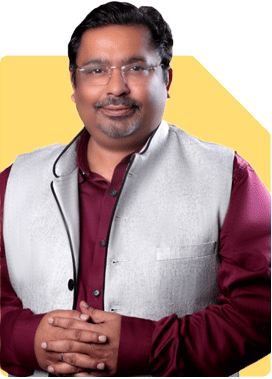
Omkeshwar

Omkeshwar Singh  | Answer  |Ask -

Head, Rank MF - Answered on Dec 07, 2021

Mutual Fund Expert... more

Subodh Question by Subodh on Dec 07, 2021Hindi

Listen
Money

I want to start fresh with mutual fund investments.

Can you please guide me as to which mutual funds should I buy and of which company and category?

I am more interested in a one time investment and can consider a few for SIP. Does SIP have any end time defined or I can stop any time?

I want to invest around Rs 2 lakhs to start with.

Please let me know which should be bought and how.

I don't want to go via brokers as much as possible to avoid their fees but it doesn't harm me if it benefits in some way. 

Ans: You may consider a few funds from below:

  1. Axis ESG Equity Fund (Growth)
  2. DSP Focus Fund (Growth)
  3. ICICI Prudential US Bluechip Equity Fund (Growth)
  4. Parag Parikh Flexi Cap Fund (Growth)
  5. SBI Magnum Global Fund (Growth)
  6. DSP Quant Fund (Growth)

 A one-time investment at the present level is not advisable; it's better to do SIP or STP.

You may stop the SIP anytime.

It's better to take the services of mutual funds distributor if doing it yourself is not possible. 

DISCLAIMER: The content of this post by the expert is the personal view of the rediffGURU. Users are advised to pursue the information provided by the rediffGURU only as a source of information to be as a point of reference and to rely on their own judgement when making a decision.
Money

You may like to see similar questions and answers below

Ramalingam

Ramalingam Kalirajan  |10881 Answers  |Ask -

Mutual Funds, Financial Planning Expert - Answered on Aug 29, 2024

Asked by Anonymous - Aug 26, 2024Hindi
Money
i am 25 years old and want to invest and start SIP of rs.25000 for 10 year at least.I have other source of income too so i am able use these Rs. 25000 a months a without much worry. i am willing to take a risk in small cap too. Could u please suggest me best Mutual funds.
Ans: You’re 25 years old and have a stable income that allows you to invest Rs 25,000 monthly without much concern. You plan to invest this amount for at least 10 years, and you’re open to taking risks, including in small-cap funds. This is a strong foundation for building wealth over time. Let’s discuss how to maximize your investments and align them with your risk appetite and financial goals.

Understanding Your Risk Appetite
At 25, you have a long investment horizon. This allows you to take on more risk, particularly in small-cap funds. However, balancing your portfolio with a mix of fund categories will help mitigate risks while optimizing returns.

Benefits of Small-Cap Funds
High Growth Potential: Small-cap funds can deliver significant returns due to their potential for growth. They invest in companies with smaller market capitalizations, which can grow rapidly.

Volatility: These funds are volatile. While they offer high returns, they can also experience sharp declines. Therefore, your ability to withstand market fluctuations is crucial.

Importance of Diversification
While you’re willing to take risks, diversifying your investments across different types of funds is essential. This strategy helps spread risk and can improve your chances of achieving your financial goals.

Diversified Equity Funds
Balanced Exposure: Diversified equity funds invest in large, mid, and small-cap companies. This blend allows for steady growth while providing exposure to the higher returns of smaller companies.

Risk Management: These funds can cushion the impact of market downturns on your portfolio, balancing the high volatility of small-cap funds.

Flexi-Cap Funds
Flexibility: Flexi-cap funds give fund managers the freedom to invest across all market capitalizations. This allows them to adjust the portfolio based on market conditions, maximizing returns while managing risk.

Potential for Growth: These funds can offer strong returns by shifting investments between large, mid, and small-cap stocks, depending on where the best opportunities lie.

Active vs. Index Funds
You should avoid index funds and opt for actively managed funds. Active funds have the potential to outperform their benchmarks, especially in a dynamic market like India’s.

Disadvantages of Index Funds
Limited Upside: Index funds simply track a market index. They do not aim to beat the market, which limits your potential returns.

Lack of Downside Protection: In a market downturn, index funds fall as much as the market does. Actively managed funds, on the other hand, can protect against losses by rebalancing their portfolios.

Role of a Certified Financial Planner (CFP)
Investing through a Mutual Fund Distributor (MFD) with a CFP credential can be beneficial. They offer personalized advice, helping you select the right funds based on your goals and risk tolerance.

Disadvantages of Direct Funds
Lack of Guidance: Direct funds save you money on expense ratios, but they require you to make all investment decisions on your own. Without expert guidance, you may miss out on opportunities or make poor investment choices.

Long-Term Impact: Investing through an MFD with CFP credentials ensures your portfolio is aligned with your long-term goals. They provide ongoing support, helping you stay on track and adjust your investments as needed.

Strategic Allocation of Your SIPs
Now, let’s consider how to allocate your Rs 25,000 monthly SIP across different types of funds. This approach will maximize your returns while managing risk effectively.

Small-Cap Funds
High Allocation: Given your risk tolerance and long-term horizon, you could allocate a significant portion of your SIPs to small-cap funds. These funds can offer substantial returns, particularly if you remain invested through market cycles.
Diversified Equity Funds
Moderate Allocation: Allocate a portion of your SIPs to diversified equity funds. These funds will balance your portfolio, providing steady growth while exposing you to the potential of mid and small-cap stocks.
Flexi-Cap Funds
Flexibility: Consider investing in flexi-cap funds, which allow fund managers to adapt to market conditions. This flexibility can enhance your portfolio’s performance, especially during volatile periods.
Long-Term Wealth Creation
Your decision to invest Rs 25,000 monthly for 10 years demonstrates a commitment to long-term wealth creation. The power of compounding will play a significant role in helping you achieve your financial goals.

Power of Compounding
Growth Over Time: The longer you stay invested, the more your investments will benefit from compounding. By reinvesting your returns, you’ll earn returns on your returns, accelerating your wealth creation.

Discipline: Regular SIPs ensure that you remain disciplined in your investing, regardless of market conditions. This approach smooths out the impact of market volatility and helps you accumulate wealth consistently.

Monitoring and Adjusting Your Portfolio
Regular monitoring of your portfolio is essential to ensure it remains aligned with your financial goals. Adjustments may be needed based on market conditions, changes in your risk tolerance, or life events.

Annual Reviews
Portfolio Rebalancing: Conduct an annual review of your investments. Rebalance your portfolio if needed, ensuring it remains diversified and aligned with your long-term objectives.

Risk Management: As you approach the end of your investment horizon, gradually shift your portfolio towards lower-risk assets. This strategy will help preserve your capital while still generating returns.

Final Insights
You’re off to a strong start by committing to a Rs 25,000 SIP for 10 years. By diversifying your investments, focusing on actively managed funds, and working with a CFP, you can maximize your returns while managing risk effectively. Remember to monitor your portfolio regularly and make adjustments as needed. This disciplined approach will help you achieve your long-term financial goals and build substantial wealth over time.

Best Regards,

K. Ramalingam, MBA, CFP,

Chief Financial Planner,

www.holisticinvestment.in

..Read more

Ramalingam

Ramalingam Kalirajan  |10881 Answers  |Ask -

Mutual Funds, Financial Planning Expert - Answered on Dec 02, 2024

Asked by Anonymous - Dec 01, 2024Hindi
Listen
Money
I’m 42 years old and want to invest and start SIP of Rs 30000 for next 10 to 15 years.please suggest me best mutual funds.
Ans: Your decision to start a SIP of Rs. 30,000 for 10–15 years is commendable. A disciplined approach like this can build significant wealth over time. Let us explore a structured plan for mutual fund investments.

Benefits of Investing Through SIP
1. Systematic Wealth Accumulation
SIP enables regular and disciplined investments.

It avoids the need to time the market.

2. Rupee Cost Averaging
It averages out the purchase cost during market volatility.

This leads to better returns over the long term.

3. Power of Compounding
Regular investments for 10–15 years magnify compounding benefits.

Compounding multiplies wealth, especially with consistent contributions.

Diversifying Across Mutual Fund Categories
1. Equity Mutual Funds
Suitable for long-term wealth creation.

Ideal for your 10–15 years horizon.

Actively managed equity funds offer better performance than index funds.

2. Hybrid Mutual Funds
Balance between equity and debt components.

Provides stability in volatile markets.

Suitable for moderate-risk investors seeking steady returns.

3. Small-Cap and Mid-Cap Funds
Potential for high growth over the long term.

Best suited for investors with high-risk tolerance.

Avoid overexposure to reduce portfolio risks.

4. Large-Cap Funds
Invest in well-established companies with stable performance.

Lower risk compared to mid- or small-cap funds.

Ideal for consistent growth and reduced portfolio volatility.

Avoiding Index and Direct Funds
1. Disadvantages of Index Funds
Lack of flexibility as they mimic the market index.

Cannot adapt to sudden market changes.

Actively managed funds aim to outperform the market.

2. Disadvantages of Direct Funds
No personalised guidance for portfolio review and rebalancing.

Regular funds through an MFD with a CFP ensure professional advice.

Assistance in aligning your investments with changing goals and markets.

Recommended Investment Allocation
1. High-Growth Allocation
Invest 50% in equity mutual funds with diversified exposure.

Focus on large-cap and multi-cap funds for long-term stability.

2. Moderate-Risk Allocation
Allocate 30% to hybrid mutual funds for balance and stability.

These funds manage risk better during volatile phases.

3. Selective High-Risk Allocation
Allocate 20% to mid- and small-cap funds for aggressive growth.

Review performance regularly and rebalance when needed.

Tax Implications for Mutual Fund Investments
1. Equity Mutual Funds
Long-Term Capital Gains (LTCG) above Rs 1.25 lakh taxed at 12.5%.

Short-Term Capital Gains (STCG) taxed at 20%.

2. Hybrid and Debt Mutual Funds
LTCG and STCG taxed as per your income tax slab.

Choose debt funds only if aligned with specific short-term goals.

Strategies to Maximise SIP Benefits
1. Regular Portfolio Review
Review fund performance every 6–12 months.

Align portfolio with market conditions and personal goals.

2. Increase SIP Gradually
Use the step-up SIP method to increase investment over time.

This enhances returns as income grows.

3. Reinvest Returns
Reinvest dividends and returns for compounding benefits.

Avoid withdrawing prematurely to achieve goals.

Managing Your Risk and Expectations
1. Diversify Investments
Avoid putting all funds into one category or type.

Balance between growth, stability, and risk management.

2. Stay Patient
SIP works best when given time to grow.

Avoid reacting to short-term market fluctuations.

Finally
Your goal of investing Rs. 30,000 in SIP is achievable with the right strategy. Focus on equity and hybrid funds for optimal returns. Work with a Certified Financial Planner to ensure your investments stay aligned with your goals. Review periodically and stay disciplined for the best outcomes.

Best Regards,

K. Ramalingam, MBA, CFP,

Chief Financial Planner,

www.holisticinvestment.in

https://www.youtube.com/@HolisticInvestment

..Read more

Latest Questions
Dr Dipankar

Dr Dipankar Dutta  |1840 Answers  |Ask -

Tech Careers and Skill Development Expert - Answered on Dec 13, 2025

Asked by Anonymous - Dec 12, 2025
Career
Dear Sir/Madam, I am currently a 1st year UG student studying engineering in Sairam Engineering College, But there the lack of exposure and strict academics feels so rigid and I don't like it that. It's like they don't gaf about skills but just wants us to memorize things and score a good CGPA, the only skill they want is you to memorize things and pass, there's even special class for students who don't perform well in academics and it is compulsory for them to attend or else the student and his/her parents needs to face authorities who lashes out. My question is when did engineering became something that requires good academics instead of actual learning and skill set. In sairam they provides us a coding platform in which we need to gain the required points for each semester which is ridiculous cuz most of the students here just look at the solution to code instead of actual debugging. I am passionate about engineering so I want to learn and experiment things instead of just memorizing, so I actually consider dropping out and I want to give jee a try and maybe viteee , srmjeee But i heard some people say SRM may provide exposure but not that good in placements. I may not be excellent at studies but my marks are decent. So gimme some insights about SRM and recommend me other colleges/universities which are good at exposure
Ans: First — your frustration is valid

What you are experiencing at Sairam is not engineering, it is rote-based credential production.

“When did engineering become memorizing instead of learning?”

Sadly, this shift happened decades ago in most Tier-3 private colleges in India.

About “coding platforms & points” – your observation is sharp

You are absolutely right:

Mandatory coding points → students copy solutions

Copying ≠ learning

Debugging & thinking are missing

This is pseudo-skill education — it looks modern but produces shallow engineers.

The fact that you noticed this in 1st year already puts you ahead of 80% students.

Should you DROP OUT and prepare for JEE / VITEEE / SRMJEEE?

Although VIT/SRM is better than Sairam Engineering College, but you may face the same problem. You will not face this type of problem only in some top IITs, but getting seat in those IITs will be difficult.
Instead of dropping immediately, consider:

???? Strategy:

Stay enrolled (degree security)

Reduce emotional investment in college rules

Use:

GitHub

Open-source projects

Hackathons

Internships (remote)

Hardware / software self-projects

This way:

College = formality

Learning = self-driven

Risk = minimal

...Read more

Kanchan

Kanchan Rai  |646 Answers  |Ask -

Relationships Expert, Mind Coach - Answered on Dec 12, 2025

Asked by Anonymous - Dec 07, 2025Hindi
Relationship
Dear Madam, I was a bright student during my school days and my plan was to become a civil servant but that did not succeed even after several attempts. With the advise of my brother i went ahead and pursued Masters at a normal university in Sydney. I did internship and continued staying with my job though it wasn't my field of study. After that what came as a shock was my brother's divorce. We don't know what is the actual issue till date but I tried a lot to fix the gap by talking to his ex-wife but they were very orthodox. I couldn't see my brother suffer because he had planned and arranged so much for her. I had no choice then so i try to harm his ex-wife by spoiling her reputation thinking she will come back for him. In the mean time i got married to a girl who was her relative too thinking my wife can help us in some case but she turned out to be completely in the opposite direction. She was probably convinced by my brother's ex-wife or their relatives that she is not coming back. Even then my brother tried to go meet his ex-wife through many channels. My wife did not help him at all in any aspect. Finally the divorced happened and everything ended. Now we have sought several proposals but nothing seem to be a good fit for him. Most of the girls whom we met on matrimonial sites are fake profiles with something hidden or falsely represented. I would say my brother escaped all this. But we are worried about his life now as he is already in his 40's and he seem to be struggling for a good job and finance. He is very picky probably but doesn't talk much to all of us. Sometimes he even says the game is over so no point looking at a second marriage. My wife and he fought once when he visited us because she didn't want him in our house and she created a fight putting me in the front. After that he stopped coming to our house or see us or talk to us. Things even gets worse sometimes when her brother comes and visits us and stays at our house which my parents don't like. My parents argue that your brother was not allowed to stay for few months then how come her brother is allowed for several months. What kind of partiality is that? I feel i could not do anything for him despite the fact that he is my only brother. He is good at heart and looked after me when i went abroad financially and even came to meet me few times. I tried to send him money, gifts but he is still the same. He communicates with our parents but not with me nor my wife anymore. Kindly give us a good advise.
Ans: Your brother’s distance is not a rejection of you. It is his way of protecting himself. He went through a difficult marriage, an emotional collapse, and then watched people around him — including you — react out of desperation to fix things for him. Even though your intentions came from love, he may have associated those actions with more pain and pressure. When a person has been wounded, silence feels safer than conversation. His withdrawal simply means he is tired, not that he dislikes you.
You also need to understand that the guilt you are carrying is heavier than it needs to be. You tried to intervene in his marriage because you wanted to protect him, not because you wanted to cause harm. Looking back now, with more maturity and clarity, you see the mistakes, but at that time, you were acting out of fear and love. This is why it’s important to forgive yourself instead of punishing yourself over and over.
The conflict between your wife and your brother only added another layer of stress, because it forced you into choosing sides. Your wife reacted emotionally, your brother pulled away, your parents questioned the imbalance — and in the middle of all this, you lost your sense of peace. But their disagreements are not failures on your part. They are the natural result of people operating from insecurity, fear, and past hurt.
What needs to happen now is a shift in your role. You cannot continue trying to solve everything for everyone. You cannot carry your brother’s marriage, your wife’s fears, and your parents’ judgments all at once. It’s time to step out of the role of rescuer and step into the role of a grounded, calm brother who offers presence, not solutions.
Rebuilding your bond with your brother will not come from pushing proposals, sending gifts, or trying to fix his life. It will come from offering him emotional safety. A simple message, expressing that you are sorry for any hurt, that you care for him, and that you are available whenever he feels ready, will speak louder than any effort to arrange his future. Once you send such a message, the healthiest thing you can do is give him space. Sometimes relationships repair themselves in silence, when pressure is removed.
And for yourself, healing begins when you stop believing that every problem in the family rests on your shoulders. You have given more than enough over the years. Now you deserve emotional rest. You deserve peace. You deserve to feel like a brother, not a crisis manager.
Your brother may take time, but distance does not erase love. When he feels safe, he will come closer again. Your responsibility is not to force that moment, but to make sure you are emotionally steady and ready when it happens.

...Read more

DISCLAIMER: The content of this post by the expert is the personal view of the rediffGURU. Investment in securities market are subject to market risks. Read all the related document carefully before investing. The securities quoted are for illustration only and are not recommendatory. Users are advised to pursue the information provided by the rediffGURU only as a source of information and as a point of reference and to rely on their own judgement when making a decision. RediffGURUS is an intermediary as per India's Information Technology Act.

Close  

You haven't logged in yet. To ask a question, Please Log in below
Login

A verification OTP will be sent to this
Mobile Number / Email

Enter OTP
A 6 digit code has been sent to

Resend OTP in120seconds

Dear User, You have not registered yet. Please register by filling the fields below to get expert answers from our Gurus
Sign up

By signing up, you agree to our
Terms & Conditions and Privacy Policy

Already have an account?

Enter OTP
A 6 digit code has been sent to Mobile

Resend OTP in120seconds

x