Home > Money > Question
Need Expert Advice?Our Gurus Can Help

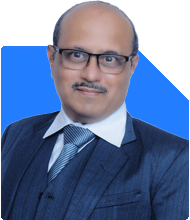
Ramalingam

Ramalingam Kalirajan  |10881 Answers  |Ask -

Mutual Funds, Financial Planning Expert - Answered on Jun 20, 2025

Ramalingam Kalirajan has over 23 years of experience in mutual funds and financial planning.
He has an MBA in finance from the University of Madras and is a certified financial planner.
He is the director and chief financial planner at Holistic Investment, a Chennai-based firm that offers financial planning and wealth management advice.... more
Pankaj Question by Pankaj on Jun 06, 2025Hindi
Money

Hello, I am Pankaj Shet aged 41 yrs, Currently i am having home loan of 74 lacs with total emi of 80 k. Credit card dues of around 100000/-. Currently i am drawing salary of 2 lacs. per month. I am having 29 lacs in PF, 23 lacs in NPS, 7 lacs in MF and Stocks and 5 lacs liquid cash. Kindly give me financial plan for my future and child education. I have two sons 8 and 13 years old

Ans: You’ve built a solid base with legal investments and employment. You’ve also taken on liabilities responsibly. Now let’s create a practical, step-by-step plan to strengthen your financial position, fund your children’s future, and ease your journey toward long-term stability.

Current Financial Overview
Age: 41 years

Salary: Rs?2 lakh/month

Home loan EMI: Rs?80,000/month for Rs?74 lakh

Credit card dues: Rs?1 lakh (monthly clearing required)

Assets:

PF: Rs?29 lakh

NPS: Rs?23 lakh

MF & Stocks: Rs?7 lakh (likely direct or hybrid)

Cash: Rs?5 lakh (liquid buffer)

Children: Sons aged 8 and 13

You have built up retirement assets in PF/NPS and equity exposure in stocks/Mutual Funds. Your cash buffer is also decent. But your high EMI and interest charges need urgent attention.

1. Emergency Fund Enhancement and Liquidity Management
You have Rs?5 lakh in liquid cash, which is a good foundation.

Maintain this as a formal emergency fund for 6 months of expenses.

Instead of keeping in savings account, consider ultra-short debt or liquid mutual funds.

This gives slightly better returns while providing liquidity.

Do not dip into this fund unless urgent, to avoid returning to debt.

Rising EMIs and the credit card burden make this buffer essential for financial security.

2. Credit Card Dues – Get This Under Control Now
You have Rs?1 lakh in unpaid credit card due.

This debt costs 36–48% interest yearly.

Your first action should be to clear this balance before month-end.

If needed, take a one-time relief personal loan at lower interest to clear it.

Then, pay the credit card bill fully every month to avoid charges.

This step alone can save you huge interest costs immediately.

3. Home Loan Approach – Strategically Reduce EMI Burden
Your EMI of Rs?80,000 is a large component of your monthly commitment.

Once your credit card debt is cleared, redirect surplus to EMI or investment.

Consider reducing EMI rather than tenure by refinancing, if it reduces monthly outgo.

Best option: Save lumps on prepayment when annual bonus arrives.

Even prepaying Rs 2–3 lakh per year can reduce tenure and interest significantly.

Continue with auto-debits and never let EMI slip.

Your goal is to reduce EMI pressure, freeing money for investments and stability.

4. Use PF and NPS Holdings Purposefully
You hold Rs?29 lakh in EPF and Rs?23 lakh in NPS.

These are retirement-focused and cannot be accessed easily before retirement.

PF gives assured returns and NPS offers equity exposure with tax benefits.

Continue contributing but don't rely on them for short-term goals.

Understand that NPS depends on active fund managers, so performance can vary.

These accounts should remain long-term pillars of retirement planning.

5. Credit Management – Avoiding New Debts
Your EMI already charges 40% of your monthly income.

Stop taking new loans unless absolutely needed.

Keep credit cards to one or two and pay off monthly.

Avoid using EMI options on credit cards as they come with hidden fees.

Focus on debt reduction before adding new financial commitments.

6. Build Goal-Specific Investments in Mutual Funds
You currently hold Rs?7 lakh in mutual funds and direct stocks.

Direct stocks are risky without guidance.

Equal or better returns can come from equity mutual funds with lower risk.

Begin a new monthly SIP of Rs?10,000–15,000, once credit card and EMI are manageable.

Invest through regular plans via an MFD with CFP, not direct plans.

Active funds offer professional rebalancing and behavioural support across market cycles.

Suggested principles:

Large-cap or hybrid funds for stable growth

Flexi-cap funds for core equity exposure

Mid/small-cap funds with moderate allocation for long-term growth

Review and rebalance every 6 months through your CFP.

7. Children’s Education Planning – Two Goals, Two Strategies
You have two sons aged 8 and 13. Education costs loom in the next 5–10 years.

For the 13-year-old son:

School fees now; likely college abroad option after school.

Keep education corpus in hybrid or short-term debt funds that focus on stability.

If corpus exists already, maintain it; avoid shifting prematurely to equity.

For the 8-year-old son:

Target 10–15 years for higher education corpus.

Use equity mutual funds (actively managed) through SIP

Begin SIP of Rs?5,000–7,000 per month

Around age 15–16, gradually shift to hybrid funds to conserve corpus

Keep separate folios for each child to reduce confusion and ease goal tracking.

8. Insurance – Protecting Your Family’s Future
You haven’t mentioned life or health insurance yet.

Term life insurance: You and spouse need at least 15 times annual income (Rs?60–70 lakh each).

Health insurance: Family cover of Rs?10–15 lakh to cover medical emergencies.

Critical illness rider: Adds more protection if needed.

Avoid LIC endowment or ULIP policies—they lock in money with poor returns.

Proper insurance prevents financial setback due to illness or death, protecting your family's future.

9. Leverage Tax Benefits and Financial Products
Maximise tax savings through Section 80C—present in PF, PPF, insurance premium.

Health premiums and tax exemptions on home loan interest also help reduce net tax.

As mutual fund value grows, manage taxation smartly at exit time.

Withhold earnings only as needed to minimise tax impact.

Tax-efficient planning helps free up more money for your goals.

10. Financial Review and Discipline – Build a Routine
Set a financial habit pattern:

Quarterly review with a Certified Financial Planner

Track SIP performance

Adjust asset allocation

Assess debt reduction progress

Evaluate insurance adequacy

Plan for bonus usage or big expenses

Living within means while paying down debt and investing needs careful planning and discipline.

Final Insights
You have strong savings and financial awareness. Do not let current debt hold you back.

Start here:

Pay your credit card debt immediately.

Maintain and slightly increase your liquid buffer.

Use home loan prepayments or refinancing to ease EMI pressure.

Set up monthly SIPs in active funds via CFP-led advice.

Build child-specific education funds using equity and hybrid funds.

Secure your spouse and children with proper term and health insurance.

Review and update your strategy every 6–12 months.

With steady action, you can convert current assets and income into a safe and prosperous future for yourself and your children.

Best Regards,
K. Ramalingam, MBA, CFP
Chief Financial Planner
www.holisticinvestment.in
https://www.youtube.com/@HolisticInvestment
DISCLAIMER: The content of this post by the expert is the personal view of the rediffGURU. Users are advised to pursue the information provided by the rediffGURU only as a source of information to be as a point of reference and to rely on their own judgement when making a decision.
Money

You may like to see similar questions and answers below

Ramalingam

Ramalingam Kalirajan  |10881 Answers  |Ask -

Mutual Funds, Financial Planning Expert - Answered on May 28, 2025

Asked by Anonymous - May 27, 2025
Money
Hi Sir, My self age 40 having an monthly income of 6 lakhs per annum with an home loan of 24 lakhs with EMI of 22k. Need a good financial plan to secure my family life and secure my 2 children education. They are 7 and 1 year old. I have a saving of 15 lakh which needs to invest wisely to secure my future . Please suggest your valuable inputs.
Ans: You are 40 years old. You have two children. One is 7 years old and another is 1 year old. You are earning Rs. 6 lakhs per year. You are paying Rs. 22,000 EMI per month on a Rs. 24 lakh home loan. You have Rs. 15 lakh in savings. You want to secure your family and children’s education. This is a very important step. You are thinking ahead. That is truly good and thoughtful.

Let us now take a complete view of your financial life. Let us make a structured and wise plan. We will look at:

Household security and financial protection

Debt handling and home loan

Ideal asset allocation from your Rs. 15 lakh savings

Monthly investments for long term wealth

Education planning for both children

Retirement planning for yourself

Role of Certified Financial Planner in this journey

Final suggestions for your financial safety and peace

Household Protection Is The First Step
Please ensure you have a health insurance of minimum Rs. 10 lakh

Cover should include your wife and both children also

Government cover or employer cover is not always enough

Take a personal family floater health cover separately

Hospital expenses can derail all your savings

Term insurance is equally important now

You must take a pure term life insurance

Choose a sum assured of 15 to 20 times your annual income

You are earning Rs. 6 lakh yearly

Your term cover must be at least Rs. 90 lakh to Rs. 1.2 crore

It will cost only Rs. 8000 to Rs. 12,000 per year approx

Do not take investment linked insurance like ULIPs or endowment

Those mix protection and investment and give poor results

If you already have such policies, check their returns

If returns are low, surrender them now and reinvest smartly

Health and term covers are base of financial security

Without these, your family’s future is always at risk

Home Loan And EMI Assessment
Your home loan EMI is Rs. 22,000 per month

That is Rs. 2.64 lakh per year on Rs. 6 lakh salary

EMI to income ratio is around 44% now

It is slightly high considering your other goals

Do not increase loan or take more loans now

Avoid buying second property or vehicle on loan

Check if interest rate is high – above 9% is costly now

If so, you can explore refinancing or part prepayment

Use bonus or yearly savings to reduce principal slowly

But do not use entire Rs. 15 lakh savings for loan repayment

We will keep that for important goals and wealth building

Investment Of Rs. 15 Lakh Savings
This is your main capital now

You must split this with proper thinking and goal view

First, keep Rs. 2 lakh aside as emergency fund

Park it in a liquid mutual fund or short term debt fund

This will cover 6 to 8 months of expenses

Next, use Rs. 1 lakh to buy term and health insurance

Now balance Rs. 12 lakh can be invested wisely

Do not invest in direct mutual funds yourself

Direct funds do not give any guidance or review support

People often make wrong fund selections on their own

Without Certified Financial Planner support, many miss goals

Invest only in regular mutual funds with guidance support

You will pay small fee, but peace and results are better

Do not invest in index funds also

Index funds do not have active managers to protect downside

When markets fall, they fall directly with no protection

Active mutual funds adjust strategy as per market and economy

They can beat index and save losses better

Let us now see how to invest this Rs. 12 lakh amount

Investment Plan For Rs. 12 Lakh
Divide the amount into short, medium, and long-term parts

For short term (3 years), allocate Rs. 2 lakh in balanced funds

For medium term (3–7 years), keep Rs. 4 lakh in hybrid equity funds

For long term (7+ years), invest Rs. 6 lakh in flexi cap mutual funds

Invest in regular plans via SIP + STP route

SIP means monthly investing slowly in long term funds

STP means shifting lump sum slowly to SIP over 6–9 months

This reduces risk of entering market at wrong time

Do not put all money in one go. Spread it properly

Monthly Investment Plan For Your Future
Apart from lump sum, monthly investment is important

Try to invest Rs. 5,000 to Rs. 10,000 monthly in SIP

Start small now and increase slowly every year

Use SIPs in hybrid, flexi cap, and large cap mutual funds

If possible, invest extra savings or bonuses yearly

Avoid recurring deposits or post office for long term wealth

They give poor returns and do not beat inflation

Children Education Planning
Your elder child is 7 years old now

College education will start in 10–11 years from now

Assume cost of Rs. 25–30 lakh minimum in future

Your younger child is 1 year old

His education will start after 16–17 years

Both education goals need planned SIPs now

Allocate Rs. 3 lakh from your savings to elder child education

Invest this in hybrid equity fund and continue SIP monthly

For younger child, assign Rs. 2 lakh from savings

Put in flexi cap fund and continue SIP for 15 years

As college years come closer, move funds to safer debt funds

Do not depend on loans or scholarships alone

Planning now gives stress-free education years later

Retirement Planning For Yourself
Many people ignore retirement at your age

But retirement planning must start now

You must be self-dependent after age 60

Pension or family support is not guaranteed today

Set aside Rs. 2 lakh from your Rs. 12 lakh corpus for retirement

Invest in hybrid and equity funds with 15–20 year view

Continue monthly SIP in separate retirement bucket

Avoid NPS if you are not comfortable with 60 years lock-in

Mutual funds give more flexibility and better liquidity

Add yearly bonus also to this goal as top-up

Review progress every 2 years with a Certified Financial Planner

Why Certified Financial Planner Support Is Must
You are managing many goals together now

Family protection, loan, children education, retirement all need balance

You need guidance to avoid over-risk or under-investing

CFP brings structure, plan, and experience into your decisions

CFP helps in goal mapping and asset allocation

You get reviews every year and portfolio corrections when needed

You do not fall into emotional or herd investing

With CFP support, you stay focused and stress-free

CFP also helps with tax saving, capital gain handling, and fund switches

Tax Treatment For Investments
Equity mutual funds held over 1 year have LTCG

LTCG above Rs. 1.25 lakh taxed at 12.5%

Less than 1 year gains taxed at 20% as STCG

Debt mutual funds gains taxed as per your slab

Track all redemptions and gains properly

Certified Financial Planner can help optimise tax planning too

Finally
You are thinking long term for your family

That is the most important step at age 40

You have Rs. 15 lakh savings now

Use it carefully across multiple goals

Create emergency, insurance, and investment pillars first

Avoid risky options like index funds, direct funds, or ULIPs

Do not buy second property as investment

Avoid annuities. They lock money and give low return

Use mutual funds smartly for growth and safety balance

Link each fund to a goal like education or retirement

Do yearly review and fund change if needed

Trust Certified Financial Planner for steady growth

Keep your family protected and future peaceful

Best Regards,

K. Ramalingam, MBA, CFP,

Chief Financial Planner,

www.holisticinvestment.in
https://www.youtube.com/@HolisticInvestment

..Read more

Nitin

Nitin Narkhede  | Answer  |Ask -

MF, PF Expert - Answered on Jul 02, 2025

Money
Hello sir, i am 41 years old. Currently drawing inhamd salary of 1.8 lacs per month. Currently i am possessing two properties with EMI of 80000 per month. Currently i am having monthly sip of 6000/- per month in MF . Also i having 28 lacs corpos in EPF and 23 lacs in NPS. I have 7 lacs in liquid cash and around 7 lacs in shares and MF. I have two sons (8 and 13 yrs) Kindly provide me financial plan for futire education of kids and loan repayment at the earliest
Ans: Hi Pankaj, you're on a solid financial foundation with ?1.8L monthly income, ?28L in EPF, ?23L in NPS, and some investments in mutual funds and stocks. However, with ?80K EMI and limited SIPs, it's time to refocus. First, allocate ?4L from your ?7L cash as an emergency fund and use ?3L toward home loan prepayment if no penalties apply. Start goal-based SIPs of ?15K/month for your sons' education (ages 13 and 8) in diversified equity funds like PPFAS Flexicap or HDFC Hybrid Equity. Gradually increase SIPs each year. Review and optimise your NPS allocation towards equity to benefit from long-term growth. Ensure that you and your family are adequately insured beyond your employer's health plans. Avoid pausing investments to repay loans unless necessary. With consistent investing and smart cash flow management, you can achieve debt freedom and fund your children’s education without financial stress. You’re in control—now just stay disciplined.

Regards, Nitin Narkhede -Founder, Prosperity Lifestyle Hub,
Free webinar https://bit.ly/PLH-Webinar

..Read more

Ramalingam

Ramalingam Kalirajan  |10881 Answers  |Ask -

Mutual Funds, Financial Planning Expert - Answered on Jul 30, 2025

Money
Hi sir, I m 41 years old. I am working in a private company with salary 75000/- pm + accomodation provided by company. I have one child(boy) in 2nd standard. My current portfolio is MF(SIP 15000 pm) - 20 lakh, PF - 4 Lakh, Others - 2 lakh in company's society Group term insurance by company- 50 lakh + 10 lakh by company society, Mediclaim - 10 lakh annually including family. I have term insurance of 1 crore. I have already build my own house at native with no loan. I am the only child of my parents & having one married sister. I have a car loan of 8 lakh with monthly emi 15000/- pm remaining 5 years tenure. Please suggest for better financial planning keeping in view of son's higher education & retirement life.
Ans: Appreciate your planning efforts at this stage. You have already built a strong base.

There is good discipline in your SIP, insurance cover, and emergency readiness.

Now we will look at your finances in full circle. We will keep the focus on your child’s higher education and your retirement.

Let us review each area with proper structure.

? Current Income and Expense Picture

– Salary is Rs. 75,000 per month. Company gives accommodation, which saves rent.

– Car loan EMI is Rs. 15,000. SIP is Rs. 15,000. Total outflow: Rs. 30,000.

– Remaining Rs. 45,000 covers living expenses, savings, child’s needs, and any extra spends.

– No rental income or side business mentioned. So only one source of income for now.

– Important to build second source of income in future, either passive or flexible.

? Emergency Reserve and Contingency Cover

– You haven’t mentioned your emergency fund. You should build at least Rs. 4 to 5 lakh.

– This covers 6 months of living + EMI + SIP expenses.

– Park this in liquid mutual fund or short-duration debt fund.

– Don’t use this for any investment or goal. Keep it separate and untouched.

– This gives peace of mind in job change or emergency medical need.

? Review of Life Insurance Coverage

– Group term by company: Rs. 50 lakh. Society: Rs. 10 lakh. Own cover: Rs. 1 crore.

– Total Rs. 1.6 crore cover. This is decent but may not be sufficient long-term.

– You are 41 now. Your son’s full dependency is for another 17–18 years.

– Ideal cover should be 12x to 15x your annual income plus loan liabilities.

– Re-evaluate your term insurance after 2 years. Increase by 50% if needed.

– Keep personal term insurance as main cover. Don’t rely on group term fully.

? Health Insurance Protection

– Rs. 10 lakh mediclaim for family is good.

– Check if it includes critical illness cover. If not, take Rs. 10 lakh critical illness plan.

– Health costs are rising. Avoid over-dependence on company coverage.

– Consider super top-up plan of Rs. 15 lakh with Rs. 10 lakh deductible.

– This will cover major hospital bills with minimal premium increase.

? Mutual Fund SIP and Wealth Building

– Rs. 15,000 SIP monthly. Portfolio value is Rs. 20 lakh. This is a strong start.

– Your SIP should be diversified across large-cap, flexi-cap, and balanced advantage.

– Do not hold momentum or thematic funds for long term goals.

– Increase SIP by 10% every year to beat inflation and reach bigger corpus.

– Avoid direct funds. Invest through regular plans with Certified Financial Planner support.

– Direct funds need time and research. Without that, wrong choices may affect growth.

– A Certified Financial Planner-backed MFD gives asset allocation advice and monitoring.

– This improves your success ratio for long-term wealth generation.

? Car Loan and Liability Review

– Outstanding loan: Rs. 8 lakh. EMI: Rs. 15,000. Tenure: 5 years.

– Interest cost is high for car loans. If possible, prepay in parts.

– But do not stop SIPs to prepay. Balance is needed.

– Use bonuses or incentives to make part-payments yearly.

– Do not take personal loans or consumer durable loans. Avoid EMI traps.

– Focus on being debt-free before age 50. That gives freedom and more retirement savings.

? Planning for Son’s Higher Education

– Your son is in 2nd standard. You have about 10–12 years to plan his college.

– Based on current trends, higher education costs can be Rs. 25 to 40 lakh.

– Start goal-specific SIP of Rs. 10,000 to Rs. 12,000 per month from now.

– Choose 1 flexi-cap, 1 large & mid-cap, and 1 balanced advantage fund.

– Increase SIP by 10% every year for better corpus growth.

– Review this goal yearly with your planner. Track progress and adjust if needed.

– Avoid using existing corpus for this goal. It will affect your retirement fund.

? Retirement Planning Roadmap

– You have 19 years left for retirement at age 60.

– Your PF balance is Rs. 4 lakh. SIPs and MFs: Rs. 20 lakh.

– Start separate retirement SIP of Rs. 10,000 to Rs. 15,000 per month.

– Invest this in a mix of large-cap, hybrid aggressive, and flexi-cap funds.

– Retirement corpus needed will be approx. Rs. 2.5 crore to Rs. 3 crore (inflation adjusted).

– Increase SIP annually by 10%. Delay retirement by 2–3 years if corpus falls short.

– After age 50, slowly reduce equity and shift to debt and hybrid funds.

– Don’t depend only on EPF and gratuity. Market-linked returns will beat inflation.

– At retirement, do not opt for annuity. Use SWP from mutual funds and laddered FD.

? Asset Allocation and Portfolio Review

– Present allocation is MF + PF + society savings. No gold or debt allocation mentioned.

– Asset allocation for your age should be 60% equity, 30% debt, 10% cash/gold.

– Add debt funds or arbitrage funds for short term and stability.

– Gold can be 5% in form of gold ETFs or sovereign gold bonds.

– Avoid index funds. They do not outperform in Indian market over full cycles.

– Actively managed funds give better returns with fund manager research advantage.

– Index funds have no downside protection or human strategy in crashes.

? Future Financial Milestones to Track

– Build Rs. 40–50 lakh for son’s higher education by age 17.

– Build Rs. 2.5–3 crore retirement fund by age 60.

– Create emergency fund of Rs. 5 lakh in next 6 months.

– Maintain health and term cover. Review both every 3 years.

– Pay off car loan early. Do not buy new car on EMI after this.

– Increase income by building skills or part-time work over next 5 years.

– Prepare will and nomination for all accounts by age 45.

? Tax Planning Considerations

– Continue with EPF contribution. Also invest in ELSS for Section 80C benefit.

– Avoid over-investment in insurance for tax. Focus on goal-linked MF SIPs.

– Use tax harvesting in mutual funds to reduce capital gains every year.

– Do not invest only for tax-saving purpose. Invest for goal first, tax second.

– Keep track of capital gains on MF. New tax rule:

STCG in equity funds taxed at 20%.

LTCG above Rs. 1.25 lakh taxed at 12.5%.

Debt fund gains taxed as per your income slab.

? Family Protection and Estate Planning

– You are the only child of parents. Ensure you have joint accounts where needed.

– Nominate your spouse or son for all MF, PF, insurance and bank accounts.

– Prepare a basic Will after age 45. Keep it updated every 5 years.

– If your parents are dependent, include health coverage for them too.

– Teach financial basics to your wife. She should know key documents and process.

? Monthly Action Plan

– Review SIP allocation with Certified Financial Planner every 6 months.

– Increase SIP by 10% yearly.

– Start separate SIP for education and retirement.

– Build Rs. 5 lakh emergency fund in 6 months.

– Avoid direct stocks, ULIPs, or endowment plans.

– Pay part car loan using yearly bonus or FD maturity.

– Consolidate mutual funds to 5–6 best schemes only.

– Avoid holding more than 1 savings account.

– Invest yearly bonus or incentives in retirement SIP or debt fund.

? Finally

– You are off to a great start. Your goals are clear and achievable.

– You have low debt, basic protection, and consistent investment habit.

– Now the focus must be on goal alignment, step-by-step review, and regular SIP growth.

– Involve a Certified Financial Planner to track each goal and adjust path yearly.

– This will ensure that both your retirement and your son’s future are well protected.

– Keep your plan simple, disciplined and long-term focused.

– You are building lasting security for your family. Keep going strong.

Best Regards,
K. Ramalingam, MBA, CFP,
Chief Financial Planner,
www.holisticinvestment.in
https://www.youtube.com/@HolisticInvestment

..Read more

Ramalingam

Ramalingam Kalirajan  |10881 Answers  |Ask -

Mutual Funds, Financial Planning Expert - Answered on Sep 23, 2025

Asked by Anonymous - Sep 18, 2025Hindi
Money
Im 35 years old with 2 baby boys of 4 and 1 year old. Monthly salary of 2.74lakh. Monthly home loan emi of 86k and 79 emis pending. Monthly SIP of 20k with 20% step up and started 1 year back. PPF of 1.5lakh yearly and completed 10years. LIC Jeevan Labh with 2.28lakh yearly premium with maturity on 2047 with 1.3cr and 50lkh sum assured. Monthly 20k to gold scheme for ornamental gold. PF of 15k monthly. Health insurance topup of 30lakh. Term insurance from office and sum assured from lic jeevan labh. Please suggest on financial planning for kids education and early retirement.
Ans: You are doing very well with your planning. Managing salary, expenses, investments, and family needs together is a big achievement. Providing quality education to two young boys is your dream, and early retirement is a powerful goal. Your efforts so far set a strong foundation.

» Salary, EMI, and Expenses

Your salary is Rs.2.74 lakh monthly. This gives financial strength. Outgoings are significant. The home loan EMI is Rs.86,000 per month and 79 EMIs are left. This is a long commitment. After EMI, balance income must manage family, lifestyle, and invest for future.

» SIP Strategy and Growth

Monthly SIP of Rs.20,000 begun one year ago is a solid step. You plan a yearly step-up of 20%. Increasing SIP each year is crucial for building greater wealth. This habit helps beat inflation. SIPs work best with discipline and growth rate.

» Children’s Education Planning

Both boys are very young. Education costs rise at 10% to 12% each year. The final amounts for higher studies will be much higher than today's costs. Regular SIPs in mutual funds, combined with annual step-ups, provide growth. Mutual funds give inflation-beating returns, unlike fixed deposits. Do not use index funds for this goal. Index funds often lag market and cannot deliver higher-than-average returns. Actively managed funds have experts making smart choices for growth. Stay focused on long duration, careful increase every year.

Long-term savings like PPF also help here. PPF is safe, and you have completed 10 years already. Continue to use PPF as a backup corpus. For short-term school expenses, keep a safe reserve in bank or liquid funds for timely withdrawal.

» Gold Scheme and Family Wealth

Rs.20,000 monthly for ornamental gold is a big saving. Gold helps in traditions, gifting, and weddings. But gold is not wealth-creating for education or retirement. It does not earn income or beat inflation regularly. Continue gold savings as part of family tradition. Do not depend on this for education goals.

» PF and PPF

Employee PF of Rs.15,000 each month adds future corpus. It supports retirement, health emergencies, and job uncertainty. Public Provident Fund (PPF) yearly contribution of Rs.1.5 lakh builds steady, moderate growth. PPF is tax-free at maturity, so it helps reduce risk. However, PPF return is capped, and below inflation most times. SIP in mutual funds gives long-term wealth, and PPF gives safe, backup corpus for emergencies.

» Life Insurance Policies

You have LIC Jeevan Labh, with yearly premium of Rs.2.28 lakh. Maturity is Rs.1.3 crore in 2047, with Rs.50 lakh sum assured. This is a mix of investment and insurance. Such policies often give lower returns than mutual funds. If you can secure pure term plan separately, it may be better to surrender the investment-cum-insurance policy and reinvest that yearly premium in mutual funds. Mutual funds over 20 years give higher compounding growth. Insurance-cum-investment plans are costly and returns are moderate. By switching premium to a mutual fund SIP, you build bigger corpus for children’s education and retirement.

» Insurance Protection

You have office term insurance and LIC sum assured. Top-up health insurance of Rs.30 lakh is strong. Health care costs rise fast, so keeping this protection is wise. For life coverage, pure term insurance is best. It provides full protection at low cost. Check if your sum assured is at least 10-12 times your annual salary for safe family security. If not, increase pure term coverage.

» Debt Management

Home loan is the largest outgoing now. 79 EMIs means over 6 years left. Try to close it earlier by prepaying principal if possible. Any yearly bonus or increments can be partially used for early repayment. Reducing loan tenure gives freedom quicker, and lets you push more money towards investments for retirement and education. But only prepay if no penalty and if cashflow permits.

» Inflation and Future Expense

Children’s education will be expensive. Rs.10 lakh studies today can cost Rs.30-40 lakh in 15 years. Overseas studies can be Rs.50 lakh to Rs.1 crore. Always plan for inflation, do not use current statistics for future needs. For education, start targeted SIPs with goal-based planning. Increase SIP every year using step-up formula. For retirement, budget for Rs.1 lakh per month in today’s value for expenses, adjusted upward yearly.

» Early Retirement Plan

Early retirement requires a solid corpus. It means stopping work before usual 60 years. You need to generate income for more years without job. Keep increasing investments regularly. Use mutual funds (not index funds) for higher growth and active management. PPF and PF give smaller, slow increase, so do not depend on them for retirement. Do yearly review and asset allocation shift as you approach retirement age.

» Asset Allocation for Security

For future security, balance between growth, stability and liquidity is needed. For now, stay tilted towards equity, actively managed funds for growth. As you get closer to retirement, shift step-by-step to debt for safety. Active management gives better returns, dynamic allocation, risk protection against market falls. Index funds have no expert intervention. In turbulent markets, they fall as much as the market does. Actively managed funds protect your wealth from big dips and poor performing sectors.

» Emergency Fund

Keep a liquid emergency fund for sudden expenses. Three to six months’ living cost in liquid funds or bank is good. Use this only if needed, do not touch main investments. This keeps family safe during health or job crisis.

» SIP Continued and Stepped-Up

Every year raise your SIP by at least 20%. With increments, push more into investment, using disciplined step-up approach. Compounding on increased base over each year multiplies future wealth. Missed years cannot be matched later, so make every year count.

» Kids’ Key Education Milestones

Build education funds for each child’s higher studies. Plan for undergraduate by 15 years, postgraduate by 20 years. Start separate SIP bucket or goal for each milestone. Review progress yearly, increase contributions if needed. Protect goal from short-term market risk as milestone date approaches by shifting gradually to safer funds.

» LIC Jeevan Labh Surrender – Should You?

Investment-cum-insurance policies often give limited returns vs mutual funds. Surrendering after 2 years of premiums paid is allowed. Switch premium amount to mutual funds for targeted growth. With mutual funds, you can monitor, adjust, and increase contributions to meet children’s education and retirement needs better. Regular plans via MFD and Certified Financial Planner provide advice, discipline, and after-sales support, unlike direct plans which miss this support.

» Avoid Direct Funds Pitfall

Direct funds miss guidance and regular portfolio checkup. Mistakes can be costly, especially in complex markets or volatile years. Regular plans with MFD and Certified Financial Planner provide advice, systematic review, and tailored support. Guidance keeps all goals on track, protects you from bypassing key milestones or making emotional choices. In direct funds, investor is alone with research and paperwork, which causes missed opportunities or costly errors.

» Taxation – New Rules

Equity mutual funds – long-term capital gain above Rs.1.25 lakh is taxed at 12.5%. Short-term capital gain is taxed at 20%. Debt mutual funds are taxed as per your tax slab, whether short or long term. PPF is tax-free. Factor tax when planning withdrawals and final corpus.

» Step-by-Step Yearly Action

– Do annual review of all goals
– Increase SIP by 20% each year
– Push surplus into kids’ education SIPs
– Prepay home loan if cashflow allows
– Check insurance adequacy and increase coverage if required
– Keep an emergency fund aside and never touch main investments
– Close LIC Jeevan Labh and reinvest premium in mutual funds via Certified Financial Planner
– Separate gold for family traditions, not for retirement or education goals

» Finally

Your structured efforts are very powerful. Continue SIPs and keep increasing each year. Plan targeted goals for each child and retirement. Surrender LIC investment-insurance policy and focus on wealth creation through mutual funds. Ensure Insurance protection stays strong. Review each milestone regularly. This approach gives your family future security and achieves early retirement dream with confidence and peace.

Best Regards,

K. Ramalingam, MBA, CFP,

Chief Financial Planner,

www.holisticinvestment.in
https://www.youtube.com/@HolisticInvestment

..Read more

Latest Questions
Dr Dipankar

Dr Dipankar Dutta  |1839 Answers  |Ask -

Tech Careers and Skill Development Expert - Answered on Dec 13, 2025

Asked by Anonymous - Dec 12, 2025
Career
Dear Sir/Madam, I am currently a 1st year UG student studying engineering in Sairam Engineering College, But there the lack of exposure and strict academics feels so rigid and I don't like it that. It's like they don't gaf about skills but just wants us to memorize things and score a good CGPA, the only skill they want is you to memorize things and pass, there's even special class for students who don't perform well in academics and it is compulsory for them to attend or else the student and his/her parents needs to face authorities who lashes out. My question is when did engineering became something that requires good academics instead of actual learning and skill set. In sairam they provides us a coding platform in which we need to gain the required points for each semester which is ridiculous cuz most of the students here just look at the solution to code instead of actual debugging. I am passionate about engineering so I want to learn and experiment things instead of just memorizing, so I actually consider dropping out and I want to give jee a try and maybe viteee , srmjeee But i heard some people say SRM may provide exposure but not that good in placements. I may not be excellent at studies but my marks are decent. So gimme some insights about SRM and recommend me other colleges/universities which are good at exposure
Ans: First — your frustration is valid

What you are experiencing at Sairam is not engineering, it is rote-based credential production.

“When did engineering become memorizing instead of learning?”

Sadly, this shift happened decades ago in most Tier-3 private colleges in India.

About “coding platforms & points” – your observation is sharp

You are absolutely right:

Mandatory coding points → students copy solutions

Copying ≠ learning

Debugging & thinking are missing

This is pseudo-skill education — it looks modern but produces shallow engineers.

The fact that you noticed this in 1st year already puts you ahead of 80% students.

Should you DROP OUT and prepare for JEE / VITEEE / SRMJEEE?

Although VIT/SRM is better than Sairam Engineering College, but you may face the same problem. You will not face this type of problem only in some top IITs, but getting seat in those IITs will be difficult.
Instead of dropping immediately, consider:

???? Strategy:

Stay enrolled (degree security)

Reduce emotional investment in college rules

Use:

GitHub

Open-source projects

Hackathons

Internships (remote)

Hardware / software self-projects

This way:

College = formality

Learning = self-driven

Risk = minimal

...Read more

Kanchan

Kanchan Rai  |646 Answers  |Ask -

Relationships Expert, Mind Coach - Answered on Dec 12, 2025

Asked by Anonymous - Dec 07, 2025Hindi
Relationship
Dear Madam, I was a bright student during my school days and my plan was to become a civil servant but that did not succeed even after several attempts. With the advise of my brother i went ahead and pursued Masters at a normal university in Sydney. I did internship and continued staying with my job though it wasn't my field of study. After that what came as a shock was my brother's divorce. We don't know what is the actual issue till date but I tried a lot to fix the gap by talking to his ex-wife but they were very orthodox. I couldn't see my brother suffer because he had planned and arranged so much for her. I had no choice then so i try to harm his ex-wife by spoiling her reputation thinking she will come back for him. In the mean time i got married to a girl who was her relative too thinking my wife can help us in some case but she turned out to be completely in the opposite direction. She was probably convinced by my brother's ex-wife or their relatives that she is not coming back. Even then my brother tried to go meet his ex-wife through many channels. My wife did not help him at all in any aspect. Finally the divorced happened and everything ended. Now we have sought several proposals but nothing seem to be a good fit for him. Most of the girls whom we met on matrimonial sites are fake profiles with something hidden or falsely represented. I would say my brother escaped all this. But we are worried about his life now as he is already in his 40's and he seem to be struggling for a good job and finance. He is very picky probably but doesn't talk much to all of us. Sometimes he even says the game is over so no point looking at a second marriage. My wife and he fought once when he visited us because she didn't want him in our house and she created a fight putting me in the front. After that he stopped coming to our house or see us or talk to us. Things even gets worse sometimes when her brother comes and visits us and stays at our house which my parents don't like. My parents argue that your brother was not allowed to stay for few months then how come her brother is allowed for several months. What kind of partiality is that? I feel i could not do anything for him despite the fact that he is my only brother. He is good at heart and looked after me when i went abroad financially and even came to meet me few times. I tried to send him money, gifts but he is still the same. He communicates with our parents but not with me nor my wife anymore. Kindly give us a good advise.
Ans: Your brother’s distance is not a rejection of you. It is his way of protecting himself. He went through a difficult marriage, an emotional collapse, and then watched people around him — including you — react out of desperation to fix things for him. Even though your intentions came from love, he may have associated those actions with more pain and pressure. When a person has been wounded, silence feels safer than conversation. His withdrawal simply means he is tired, not that he dislikes you.
You also need to understand that the guilt you are carrying is heavier than it needs to be. You tried to intervene in his marriage because you wanted to protect him, not because you wanted to cause harm. Looking back now, with more maturity and clarity, you see the mistakes, but at that time, you were acting out of fear and love. This is why it’s important to forgive yourself instead of punishing yourself over and over.
The conflict between your wife and your brother only added another layer of stress, because it forced you into choosing sides. Your wife reacted emotionally, your brother pulled away, your parents questioned the imbalance — and in the middle of all this, you lost your sense of peace. But their disagreements are not failures on your part. They are the natural result of people operating from insecurity, fear, and past hurt.
What needs to happen now is a shift in your role. You cannot continue trying to solve everything for everyone. You cannot carry your brother’s marriage, your wife’s fears, and your parents’ judgments all at once. It’s time to step out of the role of rescuer and step into the role of a grounded, calm brother who offers presence, not solutions.
Rebuilding your bond with your brother will not come from pushing proposals, sending gifts, or trying to fix his life. It will come from offering him emotional safety. A simple message, expressing that you are sorry for any hurt, that you care for him, and that you are available whenever he feels ready, will speak louder than any effort to arrange his future. Once you send such a message, the healthiest thing you can do is give him space. Sometimes relationships repair themselves in silence, when pressure is removed.
And for yourself, healing begins when you stop believing that every problem in the family rests on your shoulders. You have given more than enough over the years. Now you deserve emotional rest. You deserve peace. You deserve to feel like a brother, not a crisis manager.
Your brother may take time, but distance does not erase love. When he feels safe, he will come closer again. Your responsibility is not to force that moment, but to make sure you are emotionally steady and ready when it happens.

...Read more

Ramalingam

Ramalingam Kalirajan  |10881 Answers  |Ask -

Mutual Funds, Financial Planning Expert - Answered on Dec 12, 2025

Asked by Anonymous - Dec 11, 2025Hindi
Money
Dear sir This is regarding my mother's financials. She is 71 years old and she earns a pension of 31k p.m. She has FD's worth 60 lacs and earns interest income of Rs.25k. I wish to know if we can buy mutual funds worth 10 lacs by diverting funds from FD for better returns. She owns a house and does not have house rent commitment . She is currently investing 10k p.m in SIP . Now the lump sum investment of 5 lacs each is intended to be done in HDFC balanced advantage fund Direct Growth and ICICI Prudential balanced advantage fund . Please advise
Ans: You are caring about your mother’s future.
This shows deep responsibility.
Her financial base also looks strong today.
Her pension gives steady cash.
Her FD interest gives extra safety.
Her home is secure.
Her SIP shows healthy discipline.

» Her Present Financial Position
Your mother is 71.
Her age makes safety a key priority.
But some growth is also needed.

She gets Rs 31000 pension each month.
This covers most basic needs.
Her FD interest adds Rs 25000 per month.
So her total monthly inflow is near Rs 56000.
This is healthy at her age.

She owns her house.
She has no rent stress.
This gives great relief.

She has FD worth Rs 60 lakh.
This gives safe income.
She also runs a SIP of Rs 10000 per month.
This is a good step.
It keeps her connected to long-term growth.

Her total structure looks balanced.
She has safety.
She has income.
She has some growth exposure.
She has low liabilities.

This is a very stable base for her age.

» Understanding Her Risk Level
At age 71, risk must be low.
But risk cannot be zero.
Zero risk pushes money into FD only.
FD return stays low.
FD return sometimes falls after tax.
FD return often stays below inflation.

This reduces future buying power.
Inflation in India stays high.
Medical costs rise fast.
Home repair costs rise.
Daily needs rise.
So some growth is needed.

Balanced exposure gives stability.
Balanced allocation protects both sides.
She should not go too high on equity.
She should not avoid equity fully.
A middle path works best at this age.

Your idea of shifting Rs 10 lakh for growth is fine.
But the type of fund must be chosen well.
The plan must also follow her age.
Her risk must be respected.

» Impact of Growth Options at Her Age
Growth funds move with markets.
Markets move up and down.
These swings can disturb seniors.
But some controlled equity helps fight inflation.

Funds with mix of equity and debt help.
They adjust risk.
They protect capital better.
They manage volatility better.
They offer smoother experience.
They suit senior citizens more.

So a mild growth approach is healthy.
This gives better long-term value.
This gives inflation protection.
This reduces long-term stress.

Still, the fund choice must be careful.
And the plan style must be guided.

» Concerns With Direct Plans
You mentioned direct funds.
Direct funds seem cheap.
But cheap is not always better.

Direct funds give no guidance.
Direct funds give no review support.
Direct funds give no risk matching.
Direct funds need constant study.
Direct funds need skill.
Direct funds need time.

Many investors think direct plans save money.
But small savings can cause big losses.
Wrong choices reduce returns.
Wrong timing reduces gains.
Wrong exit increases tax.

Regular plans bring professional support through MFDs with CFP credentials.
They offer yearly reviews.
They track risk closely.
They guide corrections.
They support crisis moments.
They help in asset mix.
They help keep emotions stable.

This support is very helpful for seniors.
Your mother will not need to study markets.
She will not need to track cycles.
She will not need to worry about volatility.
She can stay calm.

So regular plans may suit her better.
The small extra fee is actually buying professional hand-holding.
This hand-holding protects wealth.
This reduces mistakes.
This brings long-term peace.

» Her Liquidity Need
At age 71, liquidity matters.
She must access money fast during emergencies.
Medical needs can arise.
Health cost can be sudden.
She must be ready.

FD gives quick access.
This is useful.
So FD should not be reduced too much.

Shifting Rs 10 lakh is acceptable.
But shifting more may reduce comfort.
She must always feel safe.
Her emotional comfort is important.

So Rs 10 lakh is the right level.
It keeps major FD corpus safe.
It keeps growth exposure controlled.

This balance supports her peace.

» Her Current SIP
She puts Rs 10000 per month in SIP.
This is positive.
This brings slow steady growth.
This builds long-term value.

She should continue this SIP.
She may reduce it later based on comfort.
But she should not stop it now.
This SIP adds inflation protection.
This SIP builds a small buffer.

A continuous SIP helps smooth markets.
It builds confidence.

» Income Stability for Her
Her pension covers needs.
Her FD interest adds comfort.
Her SIP invests for future needs.
Her home saves rent.

So she has stable income.
Her life standard is maintained.
Her risk level can stay low.

Her monthly cash flow is positive.
Her needs are covered.
So she need not worry about returns too much.
But a little growth is still healthy.

» Should She Shift Rs 10 Lakh From FD?
Yes, she can shift Rs 10 lakh.
This does not hurt her safety.
This does not shake her cash flow.
This supports inflation protection.

But the fund must be right.
The plan must match her age.
The risk must stay low.
The allocation must stay controlled.

A balanced strategy is better.
Smooth returns suit seniors.
Moderate risk suits her age.

Still, the fund must be in regular plan.
Direct plan may cause long-term risk.
Direct plans place the heavy load on the investor.
At her age, this stress is avoidable.
Regular plans give smoother support.

» Why Not Use the Specific Schemes Mentioned
The schemes you named are direct plans.
Direct plans give no support.
Direct plans leave all decisions to you.
Direct plans leave all risk checks on you.

Also, each fund has its own style.
Each adjusts differently.
You must check suitability.
You must review them yearly.
This needs time and skill.

For her age, this is not ideal.
A simple, guided, regular plan works better.

Also, some funds change risk levels fast.
Some increase equity without warning.
Some change style in market shifts.
This can disturb seniors.
She must stay with stable funds.
She must stay with guided models.

This protects her long-term peace.

» The Role of Actively Managed Funds
Actively managed funds suit Indian markets.
India grows fast.
Sectors rise and fall fast.
Many companies grow fast.
Many also fall fast.

Active managers study these shifts.
They adjust quicker.
They avoid weak sectors.
They add strong businesses.
They protect downside.
They enhance upside.

Index funds cannot do this.
Index funds copy indices.
Indices carry weak companies also.
Indices carry overpriced stocks.
Indices do not avoid bad phases.
Indices cannot change weight fast.
So index funds give no defensive shield.

Actively managed funds work harder.
They try to reduce shocks.
They try to smooth volatility.
This suits seniors more.

So an active regular plan through an MFD with CFP credentials is better for her.

» Tax Angle on Mutual Fund Redemption
Capital gain rules matter.
For equity funds, long-term gains above Rs 1.25 lakh have 12.5% tax.
Short-term gains have 20% tax.
Debt fund gains follow your tax slab.

Senior investors must plan exits well.
They must avoid excess tax shock.
They must stagger withdrawals.
They must redeem only when needed.

A guided regular plan helps avoid tax mistakes.
Direct funds offer no such guidance.

» Her Emergency Preparedness
At her age, emergency readiness is key.
She must have quick cash.
She must have easy access.
Her FD base helps this.

She has Rs 60 lakh in FD.
This is strong.
She should keep most of this.
Maybe an emergency bucket of Rs 5 to 10 lakh must stay fully liquid.

This brings peace.
This prevents panic.
This avoids forced redemption.

» Family Support System
You are involved.
This protects her retirement.
You can offer emotional help.
You can offer decision help.
This support makes her financial life safe.

Family support keeps stress low for seniors.
She will feel secure.
She will stay calm during market changes.

» How Her Future Years Can Stay Stable
She needs comfort.
She needs safety.
She needs liquidity.
She needs some growth.
She needs health cover.
She needs emotional peace.

A control-based plan helps:
– Keep most money in FD
– Keep some in balanced mutual funds
– Keep SIP running
– Keep money easily accessible
– Keep risk low
– Keep asset mix simple
– Keep tax impact low
– Keep reviews yearly

This keeps her retirement smooth.

» Built-In Protection for Senior Life
Her plan must also protect future risk.
Medical cost may rise.
Home repairs may occur.
Occasional family support may be needed.

So she must:
– Keep cash bucket
– Keep healthy insurance
– Keep documents updated
– Keep financial papers organised
– Keep digital and physical files safe

This brings long-term safety.

» Withdrawal Strategy
She may not need withdrawals now.
Her income covers expenses.
But she may need money in later years.

She should follow a layered method:

Short-term needs from FD

Medium needs from balanced funds

Long-term needs from SIP corpus

Emergency money from liquid FD

This spreads risk.
This avoids sudden losses.
This protects her capital.

» Assessing the Rs 10 Lakh Transfer
This transfer is fine.
But it must not go to direct plans.
It must go to regular plans.
Guided plans reduce mistakes.
Guided plans suit seniors.

Split into two funds is fine.
But avoid too much complexity.
Simple structure reduces stress.
Easy structure improves clarity.

So two regular plans through an MFD with CFP credentials is ideal.

» Final Insights
Your mother has a strong base.
Her pension is stable.
Her FD pool is healthy.
Her home reduces cost.
Her SIP adds growth.

Adding Rs 10 lakh into balanced mutual funds is a good idea.
But shift to regular plans with expert guidance.
Direct plans are not suitable for seniors.
They bring more risk.
They bring more complexity.
They bring more stress.

Regular plans bring reviews.
Regular plans match risk.
Regular plans reduce mistakes.
Regular plans suit her age.

Her future looks stable with this mix.
Her life can stay comfortable.
She can enjoy her senior years with peace.

Best Regards,
K. Ramalingam, MBA, CFP,
Chief Financial Planner,
www.holisticinvestment.in

https://www.youtube.com/@HolisticInvestment

...Read more

Ramalingam

Ramalingam Kalirajan  |10881 Answers  |Ask -

Mutual Funds, Financial Planning Expert - Answered on Dec 12, 2025

Asked by Anonymous - Dec 12, 2025Hindi
Money
Hi, I am 53 years with a wife and two children. My total savings comprising of MF, Shares, PDF,EPF, NPS & FD are approx. 3Cr. Our current monthly outgoing including SIPs is approximately 100000. Will the above savings amount be sufficient to sustain for the next 20 years?
Ans: You have managed to build Rs 3 Cr by age 53.
This shows steady discipline.
Your savings mix also looks balanced.
Your family seems stable.
Your cost control also looks fair.
This gives a good base for the next stage of life.

» Your Current Position
Your savings stand near Rs 3 Cr.
Your monthly outflow is near Rs 100000.
This includes your SIP amount also.
Your family has four members.
You have two children.
Your wife is with you.
You have a mixed pool across MF, shares, PF, EPF, NPS, and FD.
This mix brings both growth and stability.
This gives you a good base.

Your age is 53.
You have around 7 to 12 working years left.
This period is crucial.
Your decisions now shape the next 20 years.
Your savings rate also matters.
Your cost control also shapes the future.

Today’s numbers show you have a good foundation.
But sustainability depends on many factors.
We must study inflation, spending pattern, growth pattern, tax, risk level, health cost, and cash flow flexibility.

» Understanding the Cash Flow Stress
Your family spends around Rs 100000 today.
This includes SIP.
After retirement, SIP will stop.
But living costs will continue.
Costs increase each year.
Inflation can eat cash fast.
So we must ensure growth in wealth.
Slow growth can stress the corpus.
Fast growth brings more shocks.
So balance is key.

Rs 3 Cr looks large today.
But 20 years is long.
Inflation reduces buying power.
Medical costs also rise.
Family needs also shift.

Your money can last 20 years.
But it needs correct planning.
Blind use of the corpus will not help.
Proper flow matters.
Proper asset selection also matters.
You need steady growth.
You need low shocks.
You need stable income.

» Role of Growth Assets
Many families fear growth assets.
But growth assets are needed today.
Inflation is strong in India.
If money stays in FD only, it suffers.
FD return stays low.
Post-tax return stays even lower.
FD return does not beat inflation.
FD cannot support long-term plans.

Mutual funds bring better growth.
Actively managed funds bring better research.
They allow expert judgement.
They can handle market swings better.
They study sectors and businesses.
They adjust the portfolio.
They aim for more consistent returns.
This helps protect wealth.

Some people choose direct plans.
But direct plans need full time study.
They need skill.
They need discipline.
Most investors do not have the time.
Wrong choices can reduce returns.
Direct plans give no guidance.
Direct plans can reduce long-term peace.

Regular plans through an MFD with CFP credential give better support.
They help with reviews.
They help with corrections.
They help with rebalancing.
They help manage behaviour.
They save time and stress.

You already have MF exposure.
This is good.
You should keep this path.
Active fund management will help long-term stability.

» Role of Safety Assets
You have EPF, PPF, NPS, FD.
These give safety.
They give peace.
But they give lower return.
Too much safety reduces future income.
A mix of both is needed.

Safety assets give steady income.
But they do not grow fast.
They cannot support 20 years alone.
So balance must be kept.

» Assessing the Sustainability for 20 Years
Rs 3 Cr can support 20 years.
But it depends on:

Your retirement age

Your spending pattern

Your ability to reduce costs

Your asset mix

Your growth rate

Your inflation level

Your health cost

Your emergency needs

If your core expenses stay in control, your corpus can last.
If you invest well, your corpus can support you.
If you avoid panic, your wealth will grow.
Your children may also get settled.
Your own needs may reduce.

The key is proper planning.
Without planning, the corpus can shrink fast.
With planning, it will last long.

» Inflation Impact
Inflation is silent.
It eats buying power.
Costs double every few years.
Food rises.
Health rises.
Daily life rises.
School fees rise.
Lifestyle rises.

If your money grows slower than inflation, you lose power.
So growth assets must be part of the plan.
They help beat inflation.
They help protect lifestyle.
They help support long-term needs.

This is why active mutual funds stay useful.
They bring research-driven decisions.
They help fight inflation better.
They stay flexible.
They move with the economy.

» Evaluating Your Retirement Readiness
You stand near retirement zone.
You still have some working life.
You still earn.
You still save.
Your income supports your SIP.
This is good.
This is the right stage to improve planning.

Your SIP amount builds future cash.
Your insurance must be proper.
Your emergency fund must be strong.
Your health cover must be strong.

You have PF and NPS.
These give safety.
They bring stability.
They give steady return.
But they do not give high return.
Growth will come from MF and equity.

Your retirement readiness depends on:

Cash flow plan

Growth plan

Insurance plan

Medical cover plan

Long-term income plan

Withdrawal plan

When all parts align, you will stay secure.

» Withdrawal Strategy for the Future
When you retire, cash flow must stay smooth.
You cannot depend on FD alone.
You cannot depend only on EPF.
You cannot depend on one asset class.
You need a mix.

Your withdrawal should come from:

Some from safety assets

Some from growth assets

Some from periodic rebalancing

This helps you avoid panic selling.
This helps you maintain stability.
This protects your lifestyle.

Tax must also be managed.
Tax on equity MF has new rules.
Long-term gain above Rs 1.25 lakh has 12.5% tax.
Short-term gain has 20% tax.
Debt MF gain follows your tax slab.
These rules shape your withdrawal plan.
You must plan redemptions wisely.

» Health and Family Factors
Health cost is rising in India.
Hospital bills rise fast.
Health shocks drain savings.
So good health cover is needed.
Family needs must be studied.

Your children may still need some support.
Their education or marriage may need funds.
These costs must be planned early.
You should not dip into retirement money.
Clear planning avoids stress.

Your wife also needs future support.
Joint planning is better.
Shared decisions help discipline.

» Need for a Structured Review
A structured review every year is needed.
Your income may change.
Your savings may rise.
Your spending may shift.
Your goals may change.
Your risk level may shift.
Your family needs may change.

Review helps you stay on track.
Review helps catch issues early.
Review helps you correct mistakes.
Review brings peace.

A Certified Financial Planner can guide reviews.
This support builds confidence.
This reduces stress.
This brings clarity.

» How to Strengthen Your Position
You already stand strong.
But you can still improve.
Here are some steps to make your 20 years safer.

Keep your growth-safety mix balanced

Increase your SIP when income allows

Avoid direct plans if guidance needed

Use regular plans for proper support

Avoid real estate due to low returns

Increase your emergency fund

Improve your health cover

Avoid ULIP and mixed plans if you ever have them

Review your EPF and NPS allocation

Track your spending carefully

Plan for yearly rebalancing

Keep enough liquidity for short needs

Keep boredom decisions away

Stay invested even in tough times

Trust long-term compounding

Each step adds stability.
Your family will feel safe.

» Building a Strong Future Income Flow
Income must not come from one basket.
Income should come from:

MF SWP

PF interest

FD ladder

NPS withdrawal in a slow way

Equity redemption in a planned way

This spreads risk.
This spreads tax.
This spreads stress.

Staggered withdrawal helps peace.
Your money grows even while you spend.
Your corpus stays healthy.

» Maintaining Low Stress in Retirement
Retirement should be peaceful.
Money stress should be low.
Good planning ensures this.

Keep clear communication with your family.
Keep your files organised.
Keep your goals updated.
Keep calm during market swings.

Your corpus can support you.
Your strategy will shape your peace.

» Final Insights
Your Rs 3 Cr corpus is a strong base.
Your age gives you time to improve more.
Your monthly spending is manageable.
Your asset mix supports your future.

But planning is needed.
Cash flow must be aligned with inflation.
Growth assets must stay active.
Safety assets must be balanced.
Withdrawal must be planned wisely.
Health cost must be covered.
Risk must be contained.

With proper planning, your wealth can support the next 20 years.
Your family can live with comfort.
Your lifestyle can stay stable.
Your future can stay safe.

Best Regards,
K. Ramalingam, MBA, CFP,
Chief Financial Planner,
www.holisticinvestment.in

https://www.youtube.com/@HolisticInvestment

...Read more

DISCLAIMER: The content of this post by the expert is the personal view of the rediffGURU. Investment in securities market are subject to market risks. Read all the related document carefully before investing. The securities quoted are for illustration only and are not recommendatory. Users are advised to pursue the information provided by the rediffGURU only as a source of information and as a point of reference and to rely on their own judgement when making a decision. RediffGURUS is an intermediary as per India's Information Technology Act.

Close  

You haven't logged in yet. To ask a question, Please Log in below
Login

A verification OTP will be sent to this
Mobile Number / Email

Enter OTP
A 6 digit code has been sent to

Resend OTP in120seconds

Dear User, You have not registered yet. Please register by filling the fields below to get expert answers from our Gurus
Sign up

By signing up, you agree to our
Terms & Conditions and Privacy Policy

Already have an account?

Enter OTP
A 6 digit code has been sent to Mobile

Resend OTP in120seconds

x