Home > Money > Question
Need Expert Advice?Our Gurus Can Help

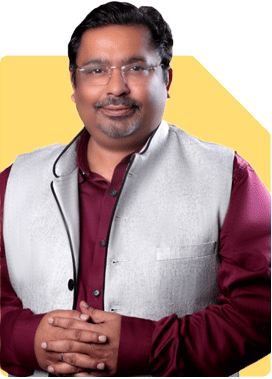
Ramalingam

Ramalingam Kalirajan  |10881 Answers  |Ask -

Mutual Funds, Financial Planning Expert - Answered on Apr 25, 2024

Ramalingam Kalirajan has over 23 years of experience in mutual funds and financial planning.
He has an MBA in finance from the University of Madras and is a certified financial planner.
He is the director and chief financial planner at Holistic Investment, a Chennai-based firm that offers financial planning and wealth management advice.... more
Asked by Anonymous - Mar 19, 2024Hindi

Listen
Money

Hello Sir.I am 30 year old from Kolkata,I have been investing in Mutual Fund for SIP of Rs.5000/- monthly since October 2021 with a plan for long term investment.My Portfolio has this equity diversification i.e.Axis Focused 25 Fund Direct Plan Growth,Mirae Asset Large and Mid Cap- Direct Growth plan,Nippon India Small Cap Fund Direct plan growth,HSBC Small Cap fund Direct growth plan and SBI Small Cap Fund Direct Plan Growth. All these all together have accumulated alongwith profit and loss amount of Rs.152000/- .Now whether can i withdraw profit amount only and invest in lumpsum to different fund manager without stopping existing SIP? Also suggest me good portfolio with good return over long term.Please Sir Thanks and Regards Praveen Das

Ans: Hello Praveen,

It's great to see your proactive approach towards long-term investing at 30. Building a diversified equity portfolio through SIPs reflects a disciplined savings habit and a focus on wealth creation.

Regarding your query about withdrawing the profit amount and investing it lumpsum in a different fund without stopping the existing SIPs, it's absolutely feasible. You can choose to reinvest the profit amount in a lumpsum in a different fund manager while continuing your SIPs. However, before making any changes, consider the tax implications and exit load, if any, on the profit amount.

Now, for suggesting a portfolio with good returns over the long term, it's essential to have a balanced approach with exposure to various market segments. Given your existing holdings, you might consider adding a large-cap or flexi-cap fund to provide stability to your portfolio. Additionally, having exposure to international funds or thematic funds can provide diversification and potentially enhance returns.

A Certified Financial Planner can offer personalized advice, analyzing your risk profile, financial goals, and investment horizon. They can guide you on optimizing your portfolio, ensuring a mix of funds that align with your objectives and risk tolerance.

Remember, investing is a journey, and staying invested with a long-term perspective while periodically reviewing and rebalancing your portfolio can help you achieve your financial goals. Best wishes on your investment journey!
Asked on - Apr 28, 2024 | Answered on Apr 29, 2024
Listen
Thank you so much sir.
Ans: Welcome :)
DISCLAIMER: The content of this post by the expert is the personal view of the rediffGURU. Users are advised to pursue the information provided by the rediffGURU only as a source of information to be as a point of reference and to rely on their own judgement when making a decision.
Money

You may like to see similar questions and answers below
Omkeshwar

Omkeshwar Singh  | Answer  |Ask -

Head, Rank MF - Answered on Jul 23, 2020

Money
I have following MFs (Growth) in my portfolio for some of them SIP is executed currently per month and for others SIP duration has expired. Am a long term investor with preference to SIP, kindly guide if I need to withdraw from one fund for investment in other fund and if the funds for which am paying SIP amount is to be continued or stopped. 1. Aditya Birla Sun Life Equity advantage Fund 2. BNP Paribas Midcap 3. DSP Equity Opportunities Fund 4. DSP Midcap Fund 5. DSP US Flexible Equity Fund 6. Franklin India Ultra Short Bond Fund 7. HDFC Equity Fund 8. HDFC Hybrid Equity Fund 9. HDFC Mid-Cap Opportunities Fund 10. HDFC Small Cap Fund 11. ICICI Prudential Infrastructure Fund 12. ICICI Prudential US Bluechip Fund 13. Invesco India Contra Fund 14. Kotak Emerging Equity Fund 15. Kotak Standard Multicap Fund 16. L&T Emerging Business Fund 17. L&T India Value Fund 18. L&T Midcap Fund 19. Mirae Asset Focused Fund 20. Mirae Asset Large Cap Fund 21. Motilal Oswal Multicap 35 Fund 22. Nippon India Growth 23. Nippon India Liquid Fund 24. Nippon India Power & Infra Fund 25. Principal Emerging Bluechip Fund 26. SBI Bluechip Fund 27. Tata Digital India Fund 28. Tata Equity PE Fund 29. Axis Blue-chip Fund Monthly SIP amounting 27000 is going for below funds (they are included in above details): 1. DSP US Flexible Equity Fund - 1500 2. Mirae Asset Focused Fund - 2000 3. Tata Digital India Fund - 1500 4. ICICI Prudential US Bluechip Fund - 1500 5. DSP US Flexible Equity Fund - 1500 6. BNP Paribas Midcap - 4000 7. HDFC Small Cap Fund - 4000 8. Kotak Emerging Equity Fund - 4000 9. L&T Midcap Fund - 4000 10. Nippon India Growth – 4000
Ans: TOO MANY FUNDS – not more than 4-6 schemes should be consolidated into.

Name of the Fund Category RankMF Star Rating Recommendation
1. Aditya Birla Sun Life Equity advantage Fund  Equity - Large & Mid Cap Fund 2 SmartSwitch to Axis Opportunities Fund - Growth
2. BNP Paribas Midcap Equity - Mid Cap Fund 1 SmartSwitch to DSP Mid Cap Growth
3. DSP Equity Opportunities Fund Equity - Large & Mid Cap Fund 2 SmartSwitch to Axis Opportunities Fund - Growth
4. DSP Midcap Fund Equity - Mid Cap Fund 4 Continue
5. DSP US Flexible Equity Fund FoFs (Overseas) 4 Continue
6. Franklin India Ultra Short Bond Fund Debt Ultra Short Wind up Scheme
7. HDFC Equity Fund Equity - Multi Cap Fund 2 SmartSwitch to UTI Equity Fund - Growth
8. HDFC Hybrid Equity Fund Hybrid - Aggressive Hybrid Fund 5 Continue
9. HDFC Mid-Cap Opportunities Fund Equity - Mid Cap Fund 2 SmartSwitch to DSP Mid Cap Growth
10. HDFC Small Cap Fund Equity - Small Cap Fund 1 SmartSwitch to Axis ESG Fund  Growth
11. ICICI Prudential Infrastructure Fund Equity - Sectoral Fund - Infrastructure 1 Avoid Sectoral Funds, SmartSwitch to UTI Equity Fund - Growth
12. ICICI Prudential US Bluechip Fund Equity - Thematic Fund - Global 4 Continue
13. Invesco India Contra Fund Equity - Contra Fund 2 SmartSwitch to Axis ESG Fund  Growth
14. Kotak Emerging Equity Fund Equity - Mid Cap Fund 3 SmartSwitch to DSP Mid Cap Growth
15. Kotak Standard Multicap Fund Equity - Multi Cap Fund 2 SmartSwitch to UTI Equity Fund - Growth
16. L&T Emerging Business Fund Equity - Small Cap Fund 2 SmartSwitch to Axis ESG Fund  Growth
17. L&T India Value Fund Equity - Value Fund 2 SmartSwitch to Axis ESG Fund  Growth
18. L&T Midcap Fund Equity - Mid Cap Fund 2 SmartSwitch to DSP Mid Cap Growth
19. Mirae Asset Focused Fund Equity - Focused Fund 4 Continue
20. Mirae Asset Large Cap Fund Equity - Large Cap Fund 3 SmartSwitch to Uti Mastershare Unit Scheme - Growth Plan
21. Motilal Oswal Multicap 35 Fund Equity - Multi Cap Fund 4 Continue
22. Nippon India Growth Equity - Mid Cap Fund 2 SmartSwitch to DSP Mid Cap Growth
23. Nippon India Liquid Fund Debt - Liquid Fund 5 Continue
24. Nippon India Power & Infra Fund Equity - Sectoral Fund - Energy & Power 1 Avoid Sectoral Funds, SmartSwitch to UTI Equity Fund - Growth
25. Principal Emerging Bluechip Fund Equity - Large & Mid Cap Fund 4 Continue
26. SBI Bluechip Fund Equity - Large Cap Fund 3 SmartSwitch to Uti Mastershare Unit Scheme - Growth Plan
27. Tata Digital India Fund Equity - Thematic Fund - Other 3 continue
28. Tata Equity PE Fund Equity - Value Fund 3 SmartSwitch to Axis ESG Fund  Growth
29. Axis Blue-chip Fund Equity - Large Cap Fund 4 Continue
 
1. DSP US Flexible Equity Fund - 1500 FoFs (Overseas) 4 Continue
2. Mirae Asset Focused Fund - 2000 Equity - Focused Fund 4 Continue
3. Tata Digital India Fund - 1500 Equity - Thematic Fund - Other 3 continue
4. ICICI Prudential US Bluechip Fund - 1500 Equity - Thematic Fund - Global 4 Continue
5. DSP US Flexible Equity Fund - 1500 FoFs (Overseas) 4 Continue
6. BNP Paribas Midcap - 4000 Equity - Mid Cap Fund 1 SmartSwitch to DSP Mid Cap Growth
7. HDFC Small Cap Fund - 4000 Equity - Small Cap Fund 1 SmartSwitch to Axis ESG Fund  Growth
8. Kotak Emerging Equity Fund - 4000 Equity - Mid Cap Fund 3 SmartSwitch to DSP Mid Cap Growth
9. L&T Midcap Fund - 4000 Equity - Mid Cap Fund 2 SmartSwitch to DSP Mid Cap Growth
10. Nippon India Growth – 4000 Equity - Mid Cap Fund 2 SmartSwitch to DSP Mid Cap Growth

..Read more

Ramalingam

Ramalingam Kalirajan  |10881 Answers  |Ask -

Mutual Funds, Financial Planning Expert - Answered on May 26, 2024

Asked by Anonymous - Oct 20, 2023Hindi
Listen
Money
sir, I have invested through SIP in Mirae Asset emerging blue chip fund,(current value 3.5 lakhs) Aditya Birla Sunlife 96 tax relief(current value2.50lakhs), Axis long term Equity fund(current value 1.8 lakhs), Canara Robeco Equity tax saver fund(current value 1.20 lakhs), Sundaram Diversified equity (Current value 1.lakh) and i have stopped SIP 3 years back in all these funds and not withdrawn any amount. suggest to keep the amount in these funds as it is or withdraw and invest lumpsum in some other funds
Ans: Assessing Your Mutual Fund Portfolio for Optimal Growth

Current Portfolio Overview:

Your current mutual fund portfolio comprises several funds across different categories, including Mirae Asset emerging blue chip fund, Aditya Birla Sunlife 96 tax relief, Axis long term Equity fund, Canara Robeco Equity tax saver fund, and Sundaram Diversified equity.

Evaluation of Current Investments:

Your portfolio demonstrates a diversified approach, spanning both large-cap and tax-saving funds.

Assessment of Fund Performance:

Mirae Asset Emerging Blue Chip Fund: This fund has shown consistent performance historically and may continue to deliver good returns over the long term.

Aditya Birla Sunlife 96 Tax Relief: As a tax-saving fund, it offers the dual benefit of tax savings under Section 80C and potential capital appreciation.

Axis Long Term Equity Fund: This ELSS fund has a track record of delivering robust returns and can be considered for long-term wealth creation.

Canara Robeco Equity Tax Saver Fund: Similar to other ELSS funds, it offers tax benefits along with the potential for capital appreciation.

Sundaram Diversified Equity Fund: This fund focuses on diversified equity investments and aims to generate wealth over the long term.

Recommendations:

Review Fund Performance: Evaluate the performance of each fund against its benchmark and peers to ensure it aligns with your investment objectives.

Consider Market Conditions: Assess the current market conditions and economic outlook to gauge the potential performance of your funds in the future.

Consult a Certified Financial Planner: Seek guidance from a Certified Financial Planner (CFP) to review your investment strategy and make informed decisions based on your financial goals, risk tolerance, and investment horizon.

Consolidate and Rebalance: Consider consolidating your mutual fund holdings to streamline your portfolio and reduce overlap. Rebalance your portfolio periodically to maintain an optimal asset allocation mix.

Stay Invested for the Long Term: Avoid making impulsive decisions based on short-term market fluctuations. Stay invested for the long term to benefit from the power of compounding and potential wealth creation.

Final Thoughts:

In conclusion, maintaining a well-diversified mutual fund portfolio is essential for long-term wealth creation. Regularly monitor your investments, review fund performance, and seek professional advice to make informed decisions aligned with your financial goals.

Best Regards,

K. Ramalingam, MBA, CFP,

Chief Financial Planner,

www.holisticinvestment.in

..Read more

Ramalingam

Ramalingam Kalirajan  |10881 Answers  |Ask -

Mutual Funds, Financial Planning Expert - Answered on May 30, 2024

Asked by Anonymous - Oct 25, 2023Hindi
Listen
Money
sir, I have invested through SIP in Mirae Asset emerging blue chip fund,(current value 3.5 lakhs) Aditya Birla Sunlife 96 tax relief(current value2.50lakhs), Axis long term Equity fund(current value 1.8 lakhs), Canara Robeco Equity tax saver fund(current value 1.20 lakhs), Sundaram Diversified equity (Current value 1.lakh) and i have stopped SIP 3 years back in all these funds and not withdrawn any amount. suggest to keep the amount in these funds as it is or withdraw and invest lumpsum in some other funds
Ans: Your dedication to investing and the discipline to not withdraw funds is commendable. Let's assess your current portfolio and make informed decisions about the next steps.

Current Portfolio Overview

You have invested in a mix of large-cap, tax-saving, and diversified equity funds. The current value of your investments totals Rs 10.2 lakhs. Stopping SIPs three years ago and holding onto these investments shows patience and long-term thinking.

Evaluating Existing Funds

Mirae Asset Emerging Bluechip Fund: This fund has a good track record and strong performance in the mid-cap segment.

Aditya Birla Sun Life Tax Relief 96: A well-established ELSS fund with consistent returns.

Axis Long Term Equity Fund: Another strong performer in the ELSS category with good returns.

Canara Robeco Equity Tax Saver Fund: Known for its balanced approach in the ELSS category.

Sundaram Diversified Equity Fund: Provides diversification but may not be performing as well as other funds.

Assessing Fund Performance and Strategy

Review the performance of each fund over the last three years. Compare them to their benchmarks and peer funds. Consider the following steps based on this assessment:

Continuing with High Performers

Keep the funds that have shown consistent performance and align with your risk tolerance. These include Mirae Asset Emerging Bluechip, Aditya Birla Sun Life Tax Relief 96, and Axis Long Term Equity.

Re-evaluating Underperformers

Funds like Sundaram Diversified Equity should be re-evaluated. If they consistently underperform, consider switching to better-performing funds.

Lump Sum Investment Strategy

If you decide to switch underperforming funds, invest the proceeds as a lump sum in well-performing funds. Consider the following options:

Diversifying with Large-Cap and Balanced Funds

Invest in large-cap and balanced funds for stability and steady growth. These funds provide less volatility and consistent returns.

Sectoral and Thematic Funds

While sectoral funds can offer high returns, they come with higher risk. Consider them for a small portion of your portfolio.

Advantages of Actively Managed Funds

Actively managed funds adapt to market changes and aim to outperform benchmarks. Professional management can enhance returns compared to passive index funds.

Disadvantages of Index Funds

Index funds merely track market indices and may not perform well during market downturns. They lack the adaptability of actively managed funds.

Benefits of Investing Through a Certified Financial Planner

A Certified Financial Planner provides tailored advice and professional oversight. This ensures your portfolio aligns with your financial goals and risk tolerance.

Disadvantages of Direct Funds

Direct funds have lower expense ratios but lack professional guidance. Investing through a certified planner ensures informed decision-making and portfolio management.

Periodic Review and Rebalancing

Regularly review your portfolio's performance. Rebalancing ensures your investments stay aligned with your financial goals and market conditions. This approach optimises returns and manages risks effectively.

Creating a Comprehensive Financial Plan

Consider other financial aspects like emergency funds, insurance, and tax planning. A holistic financial plan ensures a secure and well-rounded approach to wealth creation.

Monitoring Market Trends

Stay informed about market trends and economic factors. This knowledge helps you make timely adjustments to your investments, maximising returns and mitigating risks.

Conclusion

Your disciplined investment strategy and diversified portfolio are commendable. With regular review and professional guidance, you can optimise your investments and achieve your financial goals.

Best Regards,

K. Ramalingam, MBA, CFP,

Chief Financial Planner,

www.holisticinvestment.in

..Read more

Ramalingam

Ramalingam Kalirajan  |10881 Answers  |Ask -

Mutual Funds, Financial Planning Expert - Answered on May 17, 2024

Asked by Anonymous - Mar 19, 2024Hindi
Listen
Money
Hello Sir.I am 30 year old from Kolkata,I have been investing in Mutual Fund for SIP of Rs.5000/- monthly since October 2021 with a plan for long term.My Portfolio has this equity diversification i.e.Axis Focused 25 Fund Direct Plan Growth,Mirae Asset Large and Mid Cap- Direct Growth plan,Nippon India Small Cap Fund Direct plan growth,HSBC Small Cap fund Direct growth plan and SBI Small Cap Fund Direct Plan Growth. All these all together have accumulated alongwith profit and loss amount of Rs.152000/- .Now whether can i withdraw profit amount only and invest in lumpsum to different fund manager without stopping existing SIP?Kindly review my portfolio
Ans: It's great to see your commitment to long-term investing through SIPs. Let's review your portfolio and assess your idea of withdrawing profits for lump sum investment.

Current Portfolio Analysis
Your portfolio has a strong equity diversification, including focused, large and mid-cap, and small-cap funds. This approach spreads risk and capitalizes on growth opportunities across market segments.

Axis Focused 25 Fund Direct Plan Growth
Focused funds invest in a limited number of stocks, offering potential for high returns but also higher risk. This fund is good for investors who can handle volatility for higher returns.

Mirae Asset Large and Mid Cap Fund Direct Growth Plan
This fund balances stability from large-cap stocks and growth potential from mid-cap stocks. It's a solid choice for long-term growth with moderate risk.

Nippon India Small Cap Fund Direct Plan Growth, HSBC Small Cap Fund Direct Growth Plan, SBI Small Cap Fund Direct Plan Growth
Small-cap funds invest in smaller companies with high growth potential but also higher risk. Having multiple small-cap funds increases exposure to this segment, which can be beneficial for aggressive growth but also adds volatility.

Your strategy shows a keen understanding of diversification and long-term investing. Continuing SIPs while considering strategic reallocation reflects a thoughtful approach. Your dedication to building a robust portfolio is commendable.

Evaluating the Idea of Withdrawing Profits
Withdrawing profits to reinvest in different funds can be a good strategy. It allows you to rebalance your portfolio and take advantage of new opportunities without interrupting your SIPs.

Advantages of Your Strategy
Rebalancing: Reallocating profits can help maintain your desired asset allocation. This ensures your portfolio remains aligned with your risk tolerance and investment goals.

Seizing Opportunities: Investing in new funds or sectors can enhance diversification and potential returns. It allows you to capitalize on emerging market trends and opportunities.

Locking in Gains: Taking profits from high-performing funds can lock in gains. This can reduce the risk of future market volatility eroding your returns.

Considerations for Portfolio Adjustment
While reallocating profits, keep these points in mind:

Diversification: Ensure your new investments maintain or enhance your portfolio's diversification. Avoid over-concentration in any single sector or market segment.

Risk Management: Balance your portfolio to reflect your risk tolerance. Consider blending high-risk, high-reward investments with more stable, conservative options.

Fund Selection: Choose funds with a proven track record and a strong management team. Look for consistency in performance and alignment with your investment objectives.

Disadvantages of Direct Funds
Investing directly in funds without professional guidance can be challenging. Regular funds through a Certified Financial Planner (CFP) offer benefits like expert advice and tailored strategies. Direct funds might lack the personalized attention and insights that a CFP provides.

Recommendations for Reinvesting Profits
Consider these types of funds for reinvestment:

Large Cap Funds: These funds provide stability and steady growth. They invest in well-established companies with strong market positions.

Flexi Cap Funds: Flexi cap funds offer flexibility by investing across market capitalizations. They balance growth potential and risk.

Hybrid Funds: Hybrid funds dynamically allocate between equity and debt. They offer balanced growth and reduced volatility, suitable for moderate risk profiles.

Conclusion
Your current portfolio is well-diversified and aligned with long-term growth strategies. Reallocating profits to new funds can enhance diversification and lock in gains. Ensure you maintain a balanced and diversified portfolio that reflects your risk tolerance and investment goals.

Best Regards,

K. Ramalingam, MBA, CFP,

Chief Financial Planner,

www.holisticinvestment.in

..Read more

Latest Questions
Nayagam P

Nayagam P P  |10854 Answers  |Ask -

Career Counsellor - Answered on Dec 14, 2025

Asked by Anonymous - Dec 12, 2025Hindi
Career
Hello, I am currently in Class 12 and preparing for JEE. I have not yet completed even 50% of the syllabus properly, but I aim to score around '110' marks. Could you suggest an effective strategy to achieve this? I know the target is relatively low, but I have category reservation, so it should be sufficient.
Ans: With category reservation (SC/ST/OBC), a score of 110 marks is absolutely achievable and realistic. Based on 2025 data, SC candidates qualified with approximately 60-65 percentile, and ST candidates with 45-55 percentile. Your target requires scoring just 37-40% marks, which is significantly lower than general category standards. This gives you a genuine advantage. Immediate Action Plan (December 2025 - January 2026): 4-5 Weeks. Week 1-2: High-Weightage Chapter Focus. Stop trying to complete the entire syllabus. Instead, focus exclusively on high-scoring chapters that carry maximum weightage: Physics (Modern Physics, Current Electricity, Work-Power-Energy, Rotation, Magnetism), Chemistry (Chemical Bonding, Thermodynamics, Coordination Compounds, Electrochemistry), and Maths (Integration, Differentiation, Vectors, 3D Geometry, Probability). These chapters alone can yield 80-100+ marks if practiced properly. Ignore topics you haven't studied yet. Week 2-3: Previous Year Questions (PYQs). Solve JEE Main PYQs from the last 10 years (2015-2025) for chapters you're studying. PYQs reveal question patterns and difficulty levels. Focus on understanding why answers are correct, not memorizing solutions. Week 3-4: Mock Tests & Error Analysis. Take 2-3 full-length mock tests weekly under timed conditions. This is crucial because mock tests build exam confidence, reveal time management weaknesses, and error analysis prevents repeated mistakes. Maintain an error notebook documenting every mistake—this becomes your revision guide. Week 4-5: Revision & Formula Consolidation. Create concise formula sheets for each subject. Spend 30 minutes daily reviewing formulas and key concepts. Avoid learning new topics entirely at this stage. Study Schedule (Daily): 7-8 Hours. Morning (5:00-7:30 AM): Physics concepts + 30 PYQs. Break (7:30-8:30 AM): Breakfast & rest. Mid-morning (8:30-11:00): Chemistry concepts + 20 PYQs. Lunch (11:00-1:00 PM): Full break. Afternoon (1:00-3:30 PM): Maths concepts + 30 PYQs. Evening (3:30-5:00 PM): Mock test or error review. Night (7:00-9:00 PM): Formula revision & weak area focus. Strategic Approach for 110 Marks: Attempt only confident questions and avoid negative marking by skipping difficult questions. Do easy questions first—in the exam, attempt all basic-level questions before attempting medium or hard ones. Focus on quality over quantity as 30 well-practiced questions beat 100 random questions. Master NCERT concepts as most JEE questions test NCERT concepts applied smartly. April 2026 Session Advantage. If January doesn't deliver desired results, April gives you a second chance with 3+ months to prepare. Use January as a practice attempt to identify weak areas, then focus intensively on those in February-March. Realistic Timeline: January 2026 target is 95-110 marks (achievable with focused 50% syllabus), while April 2026 target is 120-130 marks (with complete syllabus + experience). Your reservation benefit means you need only approximately 90-105 marks to qualify and secure admission to quality engineering colleges. Stop comparing yourself to general category cutoffs. Most Importantly: Consistency beats perfection. Study 6 focused hours daily rather than 12 distracted hours. Your 110-mark target is realistic—execute this plan with discipline. All the BEST for Your JEE 2026!

Follow RediffGURUS to Know More on 'Careers | Money | Health | Relationships'.

...Read more

Dr Dipankar

Dr Dipankar Dutta  |1840 Answers  |Ask -

Tech Careers and Skill Development Expert - Answered on Dec 13, 2025

Asked by Anonymous - Dec 12, 2025
Career
Dear Sir/Madam, I am currently a 1st year UG student studying engineering in Sairam Engineering College, But there the lack of exposure and strict academics feels so rigid and I don't like it that. It's like they don't gaf about skills but just wants us to memorize things and score a good CGPA, the only skill they want is you to memorize things and pass, there's even special class for students who don't perform well in academics and it is compulsory for them to attend or else the student and his/her parents needs to face authorities who lashes out. My question is when did engineering became something that requires good academics instead of actual learning and skill set. In sairam they provides us a coding platform in which we need to gain the required points for each semester which is ridiculous cuz most of the students here just look at the solution to code instead of actual debugging. I am passionate about engineering so I want to learn and experiment things instead of just memorizing, so I actually consider dropping out and I want to give jee a try and maybe viteee , srmjeee But i heard some people say SRM may provide exposure but not that good in placements. I may not be excellent at studies but my marks are decent. So gimme some insights about SRM and recommend me other colleges/universities which are good at exposure
Ans: First — your frustration is valid

What you are experiencing at Sairam is not engineering, it is rote-based credential production.

“When did engineering become memorizing instead of learning?”

Sadly, this shift happened decades ago in most Tier-3 private colleges in India.

About “coding platforms & points” – your observation is sharp

You are absolutely right:

Mandatory coding points → students copy solutions

Copying ≠ learning

Debugging & thinking are missing

This is pseudo-skill education — it looks modern but produces shallow engineers.

The fact that you noticed this in 1st year already puts you ahead of 80% students.

Should you DROP OUT and prepare for JEE / VITEEE / SRMJEEE?

Although VIT/SRM is better than Sairam Engineering College, but you may face the same problem. You will not face this type of problem only in some top IITs, but getting seat in those IITs will be difficult.
Instead of dropping immediately, consider:

???? Strategy:

Stay enrolled (degree security)

Reduce emotional investment in college rules

Use:

GitHub

Open-source projects

Hackathons

Internships (remote)

Hardware / software self-projects

This way:

College = formality

Learning = self-driven

Risk = minimal

...Read more

DISCLAIMER: The content of this post by the expert is the personal view of the rediffGURU. Investment in securities market are subject to market risks. Read all the related document carefully before investing. The securities quoted are for illustration only and are not recommendatory. Users are advised to pursue the information provided by the rediffGURU only as a source of information and as a point of reference and to rely on their own judgement when making a decision. RediffGURUS is an intermediary as per India's Information Technology Act.

Close  

You haven't logged in yet. To ask a question, Please Log in below
Login

A verification OTP will be sent to this
Mobile Number / Email

Enter OTP
A 6 digit code has been sent to

Resend OTP in120seconds

Dear User, You have not registered yet. Please register by filling the fields below to get expert answers from our Gurus
Sign up

By signing up, you agree to our
Terms & Conditions and Privacy Policy

Already have an account?

Enter OTP
A 6 digit code has been sent to Mobile

Resend OTP in120seconds

x