Home > Money > Question
Need Expert Advice?Our Gurus Can Help

Stuck at 58: Can't Withdraw EPS Despite Superannuation
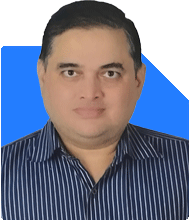
Milind

Milind Vadjikar  | Answer  |Ask -

Insurance, Stocks, MF, PF Expert - Answered on Nov 08, 2024

Milind Vadjikar is an independent MF distributor registered with Association of Mutual Funds in India (AMFI) and a retirement financial planning advisor registered with Pension Fund Regulatory and Development Authority (PFRDA).
He has a mechanical engineering degree from Government Engineering College, Sambhajinagar, and an MBA in international business from the Symbiosis Institute of Business Management, Pune.
With over 16 years of experience in stock investments, and over six year experience in investment guidance and support, he believes that balanced asset allocation and goal-focused disciplined investing is the key to achieving investor goals.... more
Asked by Anonymous - Nov 08, 2024Hindi
Listen
Money

I have completed 58 years of age. Still working in one company. All Total have completed only 6.3 years of service as per PF contribution. My current company has superannuated me in EPFO. I am unable to withdraw my EPS amount as option of Form 10c is not showing. I spoke to EPFO office they say that you have to apply online only. Pls help how to proceed. Thanks & regards.

Ans: Hello;

You need to fill composite claim form (aadhar) for processing your withdrawal online.

Best wishes;
DISCLAIMER: The content of this post by the expert is the personal view of the rediffGURU. Users are advised to pursue the information provided by the rediffGURU only as a source of information to be as a point of reference and to rely on their own judgement when making a decision.
Money

You may like to see similar questions and answers below

Ramalingam

Ramalingam Kalirajan  |10881 Answers  |Ask -

Mutual Funds, Financial Planning Expert - Answered on Apr 23, 2024

Listen
Money
hi, i have worked 5 different companies starting from 01.02.1992 to 31.08.2012 and contributed to PF as per the policy. i have passbook of PF account but only amount of last company is reflecting in the passbook. I have withdrawn EPF balance but EPS part is still not withdrawn from any company. my last company has not updated the records from previous companies, . i am getting 58 years next on 29042024. i have account with EPFO and UAN. How can i get the amount accumulated or get the scheme certificate or start pension at reduced rates...i am working with a company but not registered with PF.
Ans: Given your situation, consolidating and tracking your EPF contributions and benefits can be a bit challenging but certainly manageable. Here’s a step-by-step guide to help you navigate this:

Consolidation of UAN: If you have a UAN (Universal Account Number), ensure that all your previous PF accounts are linked to it. You can do this by logging into the EPFO portal and checking the 'Manage' tab under 'For Employees'. If your previous companies have not linked your UAN to their establishment IDs, you can request them to do so.
Transfer of EPF: Use the EPFO's online transfer portal to transfer the EPF accumulations from your previous accounts to your current PF account. This will consolidate all your PF accumulations into one account, making it easier to manage and track.
EPS (Employee Pension Scheme): Since you have not withdrawn the EPS contributions from any of your previous employers, you can apply for a scheme certificate through your current employer. A scheme certificate provides details of your service and contributions and can be used to avail pension benefits at the age of 58.
Pension at Reduced Rates: If you opt for pension before attaining the age of 58, it would be at a reduced rate. However, if you choose to defer it, your pension amount will increase. You can apply for a reduced pension through your current employer or directly with the EPFO after completing Form 10D.
Contact EPFO: If you face any issues or discrepancies in your PF accounts, reach out to the EPFO regional office or helpdesk. Provide them with the necessary details and documents, including your UAN, PF account numbers, and service details with each employer.
Consult a Financial Advisor: Given the complexities involved in EPF and EPS, consulting a financial advisor or a retirement planner can be beneficial. They can guide you through the process, help you understand the implications of withdrawing or transferring your EPF and EPS accumulations, and assist you in making informed decisions regarding your retirement benefits.
Remember, it's essential to keep track of your EPF and EPS contributions and benefits to ensure you maximize your retirement benefits and make informed decisions. Taking proactive steps now can help you secure a comfortable retirement.

..Read more

R P

R P Yadav  | Answer  |Ask -

HR, Workspace Expert - Answered on Feb 29, 2024

Listen
Money
Sir thank you for your prompt reply. I have the following queries: 1. As I have completed 10 years of service, can I still withdraw complete EPS amount. 2. For getting pension immediately after retirement as I understand I need to fill form 10D. Can this form be filed online also. 3. After I retire when should I submit the form 10D to EPFO Office to start getting pension. 4. I would be retiring on 30th April 2024 so for how many years can I earn interest on my EPF Account without withdrawing it and what would be my last date by which I should apply for the claim. 5. While applying for the EPF Account after the maximum extended period possible can I apply for the claim online. Thanking you in advance.
Ans: Certainly! Let’s address your queries regarding the Employees’ Pension Scheme (EPS) and the process for pension withdrawal:

EPS Withdrawal After 10 Years of Service:
If you have completed less than 10 years of service or have attained the age of 58 years (whichever is earlier), you are eligible for lump-sum withdrawal from your EPS account.
However, if you have completed 10 or more years of service, you cannot withdraw the EPS amount. Instead, you can opt for a Scheme Certificate by filling Form 10C along with the Composite Claim Form (Aadhaar or Non-Aadhaar).
The Scheme Certificate allows you to transfer your pension benefits if you join another employment later.
Pension will be paid to you after attaining the age of 58 years123.
Filing Form 10D for Immediate Pension:
To receive pension immediately after retirement, you need to fill Form 10D.
Unfortunately, Form 10D cannot be filed online. You’ll need to submit it physically to the EPFO Office.
Submission of Form 10D:
After your retirement, submit Form 10D to the EPFO Office to initiate the process of receiving pension.
Ensure that you complete all necessary documentation accurately.
Interest on EPF Account:
Until you decide to withdraw your EPF amount, it continues to earn interest.
As of now, the interest rate is determined by the EPFO and is subject to change periodically.
Since you are retiring on 30th April 2024, you can continue earning interest until you decide to claim your EPF.
Claiming EPF Account After Maximum Extended Period:
After the maximum extended period (usually 3 years of inactivity), you can still apply for EPF withdrawal.
While the process may not be available online, you can submit the necessary forms physically to the EPFO Office.
Remember to consult with your employer or the EPFO directly for any specific details related to your individual case. Best wishes for your retirement!

..Read more

Ramalingam

Ramalingam Kalirajan  |10881 Answers  |Ask -

Mutual Funds, Financial Planning Expert - Answered on May 08, 2024

Listen
Money
Hi Sir, I have stopped EPF contributions wef Sept 23 due to end of my regular job at age of 57. Do I need to withdraw exactly as soon as I complete 58? Or I can park the money in EPFO to earn interest and withdraw when I require later? Do I need to
Ans: You're making prudent considerations regarding your EPF contributions. Let's discuss your options:
Withdrawal Timing:
• You have the flexibility to withdraw your EPF balance after the age of 58, as per EPFO regulations. There's no mandatory requirement to withdraw immediately upon turning 58. You can choose to keep the funds parked in your EPF account to continue earning interest until you require them.
Interest Earnings:
• By leaving your EPF balance untouched, you can benefit from accruing interest on your savings. EPF offers competitive interest rates, providing an opportunity for your funds to grow over time. This approach can be particularly advantageous if you don't have an immediate need for the funds and wish to capitalize on their earning potential.
Withdrawal Considerations:
• While you have the option to retain your EPF balance and withdraw it at a later date, it's essential to evaluate your financial goals and liquidity needs. Consider factors such as your retirement plans, anticipated expenses, and other sources of income. If you foresee a need for funds in the near future, withdrawing from your EPF account may be a viable option.
Financial Planning:
• As you navigate this decision, consider consulting with a Certified Financial Planner (CFP) who can provide personalized guidance based on your specific financial situation and goals. A CFP can help you assess the pros and cons of retaining your EPF balance versus withdrawing it, taking into account factors such as taxation, inflation, and investment alternatives.
In summary, you have the flexibility to decide when to withdraw your EPF balance after the age of 58. While retaining the funds in your EPF account allows you to continue earning interest, it's essential to weigh this option against your financial needs and objectives. By carefully evaluating your circumstances and seeking professional advice, you can make an informed decision that aligns with your long-term financial well-being.

..Read more

Latest Questions
Dr Dipankar

Dr Dipankar Dutta  |1839 Answers  |Ask -

Tech Careers and Skill Development Expert - Answered on Dec 13, 2025

Asked by Anonymous - Dec 12, 2025
Career
Dear Sir/Madam, I am currently a 1st year UG student studying engineering in Sairam Engineering College, But there the lack of exposure and strict academics feels so rigid and I don't like it that. It's like they don't gaf about skills but just wants us to memorize things and score a good CGPA, the only skill they want is you to memorize things and pass, there's even special class for students who don't perform well in academics and it is compulsory for them to attend or else the student and his/her parents needs to face authorities who lashes out. My question is when did engineering became something that requires good academics instead of actual learning and skill set. In sairam they provides us a coding platform in which we need to gain the required points for each semester which is ridiculous cuz most of the students here just look at the solution to code instead of actual debugging. I am passionate about engineering so I want to learn and experiment things instead of just memorizing, so I actually consider dropping out and I want to give jee a try and maybe viteee , srmjeee But i heard some people say SRM may provide exposure but not that good in placements. I may not be excellent at studies but my marks are decent. So gimme some insights about SRM and recommend me other colleges/universities which are good at exposure
Ans: First — your frustration is valid

What you are experiencing at Sairam is not engineering, it is rote-based credential production.

“When did engineering become memorizing instead of learning?”

Sadly, this shift happened decades ago in most Tier-3 private colleges in India.

About “coding platforms & points” – your observation is sharp

You are absolutely right:

Mandatory coding points → students copy solutions

Copying ≠ learning

Debugging & thinking are missing

This is pseudo-skill education — it looks modern but produces shallow engineers.

The fact that you noticed this in 1st year already puts you ahead of 80% students.

Should you DROP OUT and prepare for JEE / VITEEE / SRMJEEE?

Although VIT/SRM is better than Sairam Engineering College, but you may face the same problem. You will not face this type of problem only in some top IITs, but getting seat in those IITs will be difficult.
Instead of dropping immediately, consider:

???? Strategy:

Stay enrolled (degree security)

Reduce emotional investment in college rules

Use:

GitHub

Open-source projects

Hackathons

Internships (remote)

Hardware / software self-projects

This way:

College = formality

Learning = self-driven

Risk = minimal

...Read more

Kanchan

Kanchan Rai  |646 Answers  |Ask -

Relationships Expert, Mind Coach - Answered on Dec 12, 2025

Asked by Anonymous - Dec 07, 2025Hindi
Relationship
Dear Madam, I was a bright student during my school days and my plan was to become a civil servant but that did not succeed even after several attempts. With the advise of my brother i went ahead and pursued Masters at a normal university in Sydney. I did internship and continued staying with my job though it wasn't my field of study. After that what came as a shock was my brother's divorce. We don't know what is the actual issue till date but I tried a lot to fix the gap by talking to his ex-wife but they were very orthodox. I couldn't see my brother suffer because he had planned and arranged so much for her. I had no choice then so i try to harm his ex-wife by spoiling her reputation thinking she will come back for him. In the mean time i got married to a girl who was her relative too thinking my wife can help us in some case but she turned out to be completely in the opposite direction. She was probably convinced by my brother's ex-wife or their relatives that she is not coming back. Even then my brother tried to go meet his ex-wife through many channels. My wife did not help him at all in any aspect. Finally the divorced happened and everything ended. Now we have sought several proposals but nothing seem to be a good fit for him. Most of the girls whom we met on matrimonial sites are fake profiles with something hidden or falsely represented. I would say my brother escaped all this. But we are worried about his life now as he is already in his 40's and he seem to be struggling for a good job and finance. He is very picky probably but doesn't talk much to all of us. Sometimes he even says the game is over so no point looking at a second marriage. My wife and he fought once when he visited us because she didn't want him in our house and she created a fight putting me in the front. After that he stopped coming to our house or see us or talk to us. Things even gets worse sometimes when her brother comes and visits us and stays at our house which my parents don't like. My parents argue that your brother was not allowed to stay for few months then how come her brother is allowed for several months. What kind of partiality is that? I feel i could not do anything for him despite the fact that he is my only brother. He is good at heart and looked after me when i went abroad financially and even came to meet me few times. I tried to send him money, gifts but he is still the same. He communicates with our parents but not with me nor my wife anymore. Kindly give us a good advise.
Ans: Your brother’s distance is not a rejection of you. It is his way of protecting himself. He went through a difficult marriage, an emotional collapse, and then watched people around him — including you — react out of desperation to fix things for him. Even though your intentions came from love, he may have associated those actions with more pain and pressure. When a person has been wounded, silence feels safer than conversation. His withdrawal simply means he is tired, not that he dislikes you.
You also need to understand that the guilt you are carrying is heavier than it needs to be. You tried to intervene in his marriage because you wanted to protect him, not because you wanted to cause harm. Looking back now, with more maturity and clarity, you see the mistakes, but at that time, you were acting out of fear and love. This is why it’s important to forgive yourself instead of punishing yourself over and over.
The conflict between your wife and your brother only added another layer of stress, because it forced you into choosing sides. Your wife reacted emotionally, your brother pulled away, your parents questioned the imbalance — and in the middle of all this, you lost your sense of peace. But their disagreements are not failures on your part. They are the natural result of people operating from insecurity, fear, and past hurt.
What needs to happen now is a shift in your role. You cannot continue trying to solve everything for everyone. You cannot carry your brother’s marriage, your wife’s fears, and your parents’ judgments all at once. It’s time to step out of the role of rescuer and step into the role of a grounded, calm brother who offers presence, not solutions.
Rebuilding your bond with your brother will not come from pushing proposals, sending gifts, or trying to fix his life. It will come from offering him emotional safety. A simple message, expressing that you are sorry for any hurt, that you care for him, and that you are available whenever he feels ready, will speak louder than any effort to arrange his future. Once you send such a message, the healthiest thing you can do is give him space. Sometimes relationships repair themselves in silence, when pressure is removed.
And for yourself, healing begins when you stop believing that every problem in the family rests on your shoulders. You have given more than enough over the years. Now you deserve emotional rest. You deserve peace. You deserve to feel like a brother, not a crisis manager.
Your brother may take time, but distance does not erase love. When he feels safe, he will come closer again. Your responsibility is not to force that moment, but to make sure you are emotionally steady and ready when it happens.

...Read more

Ramalingam

Ramalingam Kalirajan  |10881 Answers  |Ask -

Mutual Funds, Financial Planning Expert - Answered on Dec 12, 2025

Asked by Anonymous - Dec 11, 2025Hindi
Money
Dear sir This is regarding my mother's financials. She is 71 years old and she earns a pension of 31k p.m. She has FD's worth 60 lacs and earns interest income of Rs.25k. I wish to know if we can buy mutual funds worth 10 lacs by diverting funds from FD for better returns. She owns a house and does not have house rent commitment . She is currently investing 10k p.m in SIP . Now the lump sum investment of 5 lacs each is intended to be done in HDFC balanced advantage fund Direct Growth and ICICI Prudential balanced advantage fund . Please advise
Ans: You are caring about your mother’s future.
This shows deep responsibility.
Her financial base also looks strong today.
Her pension gives steady cash.
Her FD interest gives extra safety.
Her home is secure.
Her SIP shows healthy discipline.

» Her Present Financial Position
Your mother is 71.
Her age makes safety a key priority.
But some growth is also needed.

She gets Rs 31000 pension each month.
This covers most basic needs.
Her FD interest adds Rs 25000 per month.
So her total monthly inflow is near Rs 56000.
This is healthy at her age.

She owns her house.
She has no rent stress.
This gives great relief.

She has FD worth Rs 60 lakh.
This gives safe income.
She also runs a SIP of Rs 10000 per month.
This is a good step.
It keeps her connected to long-term growth.

Her total structure looks balanced.
She has safety.
She has income.
She has some growth exposure.
She has low liabilities.

This is a very stable base for her age.

» Understanding Her Risk Level
At age 71, risk must be low.
But risk cannot be zero.
Zero risk pushes money into FD only.
FD return stays low.
FD return sometimes falls after tax.
FD return often stays below inflation.

This reduces future buying power.
Inflation in India stays high.
Medical costs rise fast.
Home repair costs rise.
Daily needs rise.
So some growth is needed.

Balanced exposure gives stability.
Balanced allocation protects both sides.
She should not go too high on equity.
She should not avoid equity fully.
A middle path works best at this age.

Your idea of shifting Rs 10 lakh for growth is fine.
But the type of fund must be chosen well.
The plan must also follow her age.
Her risk must be respected.

» Impact of Growth Options at Her Age
Growth funds move with markets.
Markets move up and down.
These swings can disturb seniors.
But some controlled equity helps fight inflation.

Funds with mix of equity and debt help.
They adjust risk.
They protect capital better.
They manage volatility better.
They offer smoother experience.
They suit senior citizens more.

So a mild growth approach is healthy.
This gives better long-term value.
This gives inflation protection.
This reduces long-term stress.

Still, the fund choice must be careful.
And the plan style must be guided.

» Concerns With Direct Plans
You mentioned direct funds.
Direct funds seem cheap.
But cheap is not always better.

Direct funds give no guidance.
Direct funds give no review support.
Direct funds give no risk matching.
Direct funds need constant study.
Direct funds need skill.
Direct funds need time.

Many investors think direct plans save money.
But small savings can cause big losses.
Wrong choices reduce returns.
Wrong timing reduces gains.
Wrong exit increases tax.

Regular plans bring professional support through MFDs with CFP credentials.
They offer yearly reviews.
They track risk closely.
They guide corrections.
They support crisis moments.
They help in asset mix.
They help keep emotions stable.

This support is very helpful for seniors.
Your mother will not need to study markets.
She will not need to track cycles.
She will not need to worry about volatility.
She can stay calm.

So regular plans may suit her better.
The small extra fee is actually buying professional hand-holding.
This hand-holding protects wealth.
This reduces mistakes.
This brings long-term peace.

» Her Liquidity Need
At age 71, liquidity matters.
She must access money fast during emergencies.
Medical needs can arise.
Health cost can be sudden.
She must be ready.

FD gives quick access.
This is useful.
So FD should not be reduced too much.

Shifting Rs 10 lakh is acceptable.
But shifting more may reduce comfort.
She must always feel safe.
Her emotional comfort is important.

So Rs 10 lakh is the right level.
It keeps major FD corpus safe.
It keeps growth exposure controlled.

This balance supports her peace.

» Her Current SIP
She puts Rs 10000 per month in SIP.
This is positive.
This brings slow steady growth.
This builds long-term value.

She should continue this SIP.
She may reduce it later based on comfort.
But she should not stop it now.
This SIP adds inflation protection.
This SIP builds a small buffer.

A continuous SIP helps smooth markets.
It builds confidence.

» Income Stability for Her
Her pension covers needs.
Her FD interest adds comfort.
Her SIP invests for future needs.
Her home saves rent.

So she has stable income.
Her life standard is maintained.
Her risk level can stay low.

Her monthly cash flow is positive.
Her needs are covered.
So she need not worry about returns too much.
But a little growth is still healthy.

» Should She Shift Rs 10 Lakh From FD?
Yes, she can shift Rs 10 lakh.
This does not hurt her safety.
This does not shake her cash flow.
This supports inflation protection.

But the fund must be right.
The plan must match her age.
The risk must stay low.
The allocation must stay controlled.

A balanced strategy is better.
Smooth returns suit seniors.
Moderate risk suits her age.

Still, the fund must be in regular plan.
Direct plan may cause long-term risk.
Direct plans place the heavy load on the investor.
At her age, this stress is avoidable.
Regular plans give smoother support.

» Why Not Use the Specific Schemes Mentioned
The schemes you named are direct plans.
Direct plans give no support.
Direct plans leave all decisions to you.
Direct plans leave all risk checks on you.

Also, each fund has its own style.
Each adjusts differently.
You must check suitability.
You must review them yearly.
This needs time and skill.

For her age, this is not ideal.
A simple, guided, regular plan works better.

Also, some funds change risk levels fast.
Some increase equity without warning.
Some change style in market shifts.
This can disturb seniors.
She must stay with stable funds.
She must stay with guided models.

This protects her long-term peace.

» The Role of Actively Managed Funds
Actively managed funds suit Indian markets.
India grows fast.
Sectors rise and fall fast.
Many companies grow fast.
Many also fall fast.

Active managers study these shifts.
They adjust quicker.
They avoid weak sectors.
They add strong businesses.
They protect downside.
They enhance upside.

Index funds cannot do this.
Index funds copy indices.
Indices carry weak companies also.
Indices carry overpriced stocks.
Indices do not avoid bad phases.
Indices cannot change weight fast.
So index funds give no defensive shield.

Actively managed funds work harder.
They try to reduce shocks.
They try to smooth volatility.
This suits seniors more.

So an active regular plan through an MFD with CFP credentials is better for her.

» Tax Angle on Mutual Fund Redemption
Capital gain rules matter.
For equity funds, long-term gains above Rs 1.25 lakh have 12.5% tax.
Short-term gains have 20% tax.
Debt fund gains follow your tax slab.

Senior investors must plan exits well.
They must avoid excess tax shock.
They must stagger withdrawals.
They must redeem only when needed.

A guided regular plan helps avoid tax mistakes.
Direct funds offer no such guidance.

» Her Emergency Preparedness
At her age, emergency readiness is key.
She must have quick cash.
She must have easy access.
Her FD base helps this.

She has Rs 60 lakh in FD.
This is strong.
She should keep most of this.
Maybe an emergency bucket of Rs 5 to 10 lakh must stay fully liquid.

This brings peace.
This prevents panic.
This avoids forced redemption.

» Family Support System
You are involved.
This protects her retirement.
You can offer emotional help.
You can offer decision help.
This support makes her financial life safe.

Family support keeps stress low for seniors.
She will feel secure.
She will stay calm during market changes.

» How Her Future Years Can Stay Stable
She needs comfort.
She needs safety.
She needs liquidity.
She needs some growth.
She needs health cover.
She needs emotional peace.

A control-based plan helps:
– Keep most money in FD
– Keep some in balanced mutual funds
– Keep SIP running
– Keep money easily accessible
– Keep risk low
– Keep asset mix simple
– Keep tax impact low
– Keep reviews yearly

This keeps her retirement smooth.

» Built-In Protection for Senior Life
Her plan must also protect future risk.
Medical cost may rise.
Home repairs may occur.
Occasional family support may be needed.

So she must:
– Keep cash bucket
– Keep healthy insurance
– Keep documents updated
– Keep financial papers organised
– Keep digital and physical files safe

This brings long-term safety.

» Withdrawal Strategy
She may not need withdrawals now.
Her income covers expenses.
But she may need money in later years.

She should follow a layered method:

Short-term needs from FD

Medium needs from balanced funds

Long-term needs from SIP corpus

Emergency money from liquid FD

This spreads risk.
This avoids sudden losses.
This protects her capital.

» Assessing the Rs 10 Lakh Transfer
This transfer is fine.
But it must not go to direct plans.
It must go to regular plans.
Guided plans reduce mistakes.
Guided plans suit seniors.

Split into two funds is fine.
But avoid too much complexity.
Simple structure reduces stress.
Easy structure improves clarity.

So two regular plans through an MFD with CFP credentials is ideal.

» Final Insights
Your mother has a strong base.
Her pension is stable.
Her FD pool is healthy.
Her home reduces cost.
Her SIP adds growth.

Adding Rs 10 lakh into balanced mutual funds is a good idea.
But shift to regular plans with expert guidance.
Direct plans are not suitable for seniors.
They bring more risk.
They bring more complexity.
They bring more stress.

Regular plans bring reviews.
Regular plans match risk.
Regular plans reduce mistakes.
Regular plans suit her age.

Her future looks stable with this mix.
Her life can stay comfortable.
She can enjoy her senior years with peace.

Best Regards,
K. Ramalingam, MBA, CFP,
Chief Financial Planner,
www.holisticinvestment.in

https://www.youtube.com/@HolisticInvestment

...Read more

Ramalingam

Ramalingam Kalirajan  |10881 Answers  |Ask -

Mutual Funds, Financial Planning Expert - Answered on Dec 12, 2025
Asked by Anonymous - Dec 12, 2025Hindi
Money
Hi, I am 53 years with a wife and two children. My total savings comprising of MF, Shares, PDF,EPF, NPS & FD are approx. 3Cr. Our current monthly outgoing including SIPs is approximately 100000. Will the above savings amount be sufficient to sustain for the next 20 years?
Ans: You have managed to build Rs 3 Cr by age 53.
This shows steady discipline.
Your savings mix also looks balanced.
Your family seems stable.
Your cost control also looks fair.
This gives a good base for the next stage of life.

» Your Current Position
Your savings stand near Rs 3 Cr.
Your monthly outflow is near Rs 100000.
This includes your SIP amount also.
Your family has four members.
You have two children.
Your wife is with you.
You have a mixed pool across MF, shares, PF, EPF, NPS, and FD.
This mix brings both growth and stability.
This gives you a good base.

Your age is 53.
You have around 7 to 12 working years left.
This period is crucial.
Your decisions now shape the next 20 years.
Your savings rate also matters.
Your cost control also shapes the future.

Today’s numbers show you have a good foundation.
But sustainability depends on many factors.
We must study inflation, spending pattern, growth pattern, tax, risk level, health cost, and cash flow flexibility.

» Understanding the Cash Flow Stress
Your family spends around Rs 100000 today.
This includes SIP.
After retirement, SIP will stop.
But living costs will continue.
Costs increase each year.
Inflation can eat cash fast.
So we must ensure growth in wealth.
Slow growth can stress the corpus.
Fast growth brings more shocks.
So balance is key.

Rs 3 Cr looks large today.
But 20 years is long.
Inflation reduces buying power.
Medical costs also rise.
Family needs also shift.

Your money can last 20 years.
But it needs correct planning.
Blind use of the corpus will not help.
Proper flow matters.
Proper asset selection also matters.
You need steady growth.
You need low shocks.
You need stable income.

» Role of Growth Assets
Many families fear growth assets.
But growth assets are needed today.
Inflation is strong in India.
If money stays in FD only, it suffers.
FD return stays low.
Post-tax return stays even lower.
FD return does not beat inflation.
FD cannot support long-term plans.

Mutual funds bring better growth.
Actively managed funds bring better research.
They allow expert judgement.
They can handle market swings better.
They study sectors and businesses.
They adjust the portfolio.
They aim for more consistent returns.
This helps protect wealth.

Some people choose direct plans.
But direct plans need full time study.
They need skill.
They need discipline.
Most investors do not have the time.
Wrong choices can reduce returns.
Direct plans give no guidance.
Direct plans can reduce long-term peace.

Regular plans through an MFD with CFP credential give better support.
They help with reviews.
They help with corrections.
They help with rebalancing.
They help manage behaviour.
They save time and stress.

You already have MF exposure.
This is good.
You should keep this path.
Active fund management will help long-term stability.

» Role of Safety Assets
You have EPF, PPF, NPS, FD.
These give safety.
They give peace.
But they give lower return.
Too much safety reduces future income.
A mix of both is needed.

Safety assets give steady income.
But they do not grow fast.
They cannot support 20 years alone.
So balance must be kept.

» Assessing the Sustainability for 20 Years
Rs 3 Cr can support 20 years.
But it depends on:

Your retirement age

Your spending pattern

Your ability to reduce costs

Your asset mix

Your growth rate

Your inflation level

Your health cost

Your emergency needs

If your core expenses stay in control, your corpus can last.
If you invest well, your corpus can support you.
If you avoid panic, your wealth will grow.
Your children may also get settled.
Your own needs may reduce.

The key is proper planning.
Without planning, the corpus can shrink fast.
With planning, it will last long.

» Inflation Impact
Inflation is silent.
It eats buying power.
Costs double every few years.
Food rises.
Health rises.
Daily life rises.
School fees rise.
Lifestyle rises.

If your money grows slower than inflation, you lose power.
So growth assets must be part of the plan.
They help beat inflation.
They help protect lifestyle.
They help support long-term needs.

This is why active mutual funds stay useful.
They bring research-driven decisions.
They help fight inflation better.
They stay flexible.
They move with the economy.

» Evaluating Your Retirement Readiness
You stand near retirement zone.
You still have some working life.
You still earn.
You still save.
Your income supports your SIP.
This is good.
This is the right stage to improve planning.

Your SIP amount builds future cash.
Your insurance must be proper.
Your emergency fund must be strong.
Your health cover must be strong.

You have PF and NPS.
These give safety.
They bring stability.
They give steady return.
But they do not give high return.
Growth will come from MF and equity.

Your retirement readiness depends on:

Cash flow plan

Growth plan

Insurance plan

Medical cover plan

Long-term income plan

Withdrawal plan

When all parts align, you will stay secure.

» Withdrawal Strategy for the Future
When you retire, cash flow must stay smooth.
You cannot depend on FD alone.
You cannot depend only on EPF.
You cannot depend on one asset class.
You need a mix.

Your withdrawal should come from:

Some from safety assets

Some from growth assets

Some from periodic rebalancing

This helps you avoid panic selling.
This helps you maintain stability.
This protects your lifestyle.

Tax must also be managed.
Tax on equity MF has new rules.
Long-term gain above Rs 1.25 lakh has 12.5% tax.
Short-term gain has 20% tax.
Debt MF gain follows your tax slab.
These rules shape your withdrawal plan.
You must plan redemptions wisely.

» Health and Family Factors
Health cost is rising in India.
Hospital bills rise fast.
Health shocks drain savings.
So good health cover is needed.
Family needs must be studied.

Your children may still need some support.
Their education or marriage may need funds.
These costs must be planned early.
You should not dip into retirement money.
Clear planning avoids stress.

Your wife also needs future support.
Joint planning is better.
Shared decisions help discipline.

» Need for a Structured Review
A structured review every year is needed.
Your income may change.
Your savings may rise.
Your spending may shift.
Your goals may change.
Your risk level may shift.
Your family needs may change.

Review helps you stay on track.
Review helps catch issues early.
Review helps you correct mistakes.
Review brings peace.

A Certified Financial Planner can guide reviews.
This support builds confidence.
This reduces stress.
This brings clarity.

» How to Strengthen Your Position
You already stand strong.
But you can still improve.
Here are some steps to make your 20 years safer.

Keep your growth-safety mix balanced

Increase your SIP when income allows

Avoid direct plans if guidance needed

Use regular plans for proper support

Avoid real estate due to low returns

Increase your emergency fund

Improve your health cover

Avoid ULIP and mixed plans if you ever have them

Review your EPF and NPS allocation

Track your spending carefully

Plan for yearly rebalancing

Keep enough liquidity for short needs

Keep boredom decisions away

Stay invested even in tough times

Trust long-term compounding

Each step adds stability.
Your family will feel safe.

» Building a Strong Future Income Flow
Income must not come from one basket.
Income should come from:

MF SWP

PF interest

FD ladder

NPS withdrawal in a slow way

Equity redemption in a planned way

This spreads risk.
This spreads tax.
This spreads stress.

Staggered withdrawal helps peace.
Your money grows even while you spend.
Your corpus stays healthy.

» Maintaining Low Stress in Retirement
Retirement should be peaceful.
Money stress should be low.
Good planning ensures this.

Keep clear communication with your family.
Keep your files organised.
Keep your goals updated.
Keep calm during market swings.

Your corpus can support you.
Your strategy will shape your peace.

» Final Insights
Your Rs 3 Cr corpus is a strong base.
Your age gives you time to improve more.
Your monthly spending is manageable.
Your asset mix supports your future.

But planning is needed.
Cash flow must be aligned with inflation.
Growth assets must stay active.
Safety assets must be balanced.
Withdrawal must be planned wisely.
Health cost must be covered.
Risk must be contained.

With proper planning, your wealth can support the next 20 years.
Your family can live with comfort.
Your lifestyle can stay stable.
Your future can stay safe.

Best Regards,
K. Ramalingam, MBA, CFP,
Chief Financial Planner,
www.holisticinvestment.in

https://www.youtube.com/@HolisticInvestment

...Read more

DISCLAIMER: The content of this post by the expert is the personal view of the rediffGURU. Investment in securities market are subject to market risks. Read all the related document carefully before investing. The securities quoted are for illustration only and are not recommendatory. Users are advised to pursue the information provided by the rediffGURU only as a source of information and as a point of reference and to rely on their own judgement when making a decision. RediffGURUS is an intermediary as per India's Information Technology Act.

Close  

You haven't logged in yet. To ask a question, Please Log in below
Login

A verification OTP will be sent to this
Mobile Number / Email

Enter OTP
A 6 digit code has been sent to

Resend OTP in120seconds

Dear User, You have not registered yet. Please register by filling the fields below to get expert answers from our Gurus
Sign up

By signing up, you agree to our
Terms & Conditions and Privacy Policy

Already have an account?

Enter OTP
A 6 digit code has been sent to Mobile

Resend OTP in120seconds

x