Home > Money > Question
Need Expert Advice?Our Gurus Can Help

How Can I Sell Debt Mutual Funds in 2028 to Offset Property Purchase?

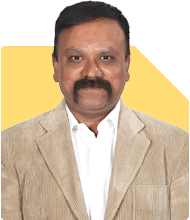
Milind

Milind Vadjikar  | Answer  |Ask -

Insurance, Stocks, MF, PF Expert - Answered on Sep 09, 2024

Milind Vadjikar is an independent MF distributor registered with Association of Mutual Funds in India (AMFI) and a retirement financial planning advisor registered with Pension Fund Regulatory and Development Authority (PFRDA).
He has a mechanical engineering degree from Government Engineering College, Sambhajinagar, and an MBA in international business from the Symbiosis Institute of Business Management, Pune.
With over 16 years of experience in stock investments, and over six year experience in investment guidance and support, he believes that balanced asset allocation and goal-focused disciplined investing is the key to achieving investor goals.... more

Sandeep Question by Sandeep on Sep 05, 2024Hindi

Listen
Money

I bought an apartment in December 2023 (date of agreement) and will take possession in May 2028. I make payments based on the builder's periodic demands every two to three months. To help cover some of these costs, I'm considering selling the debt mutual funds I acquired in July 2021. What should be the best timeframe to sell the debt mutual funds to offset the profits made against purchase of property?

Ans: You can sell it now since these holdings qualify under LTCG timeframe. Also Sec 54 F of Income tax Act allows transfer of LT capital gain from non real estate assets to buy real estate one year before or two year after sale of the non RE asset.

If you own two or more houses already then this benefit is not applicable.
Asked on - Sep 09, 2024 | Answered on Sep 09, 2024
Listen
I am not sure which date will be considered as the house purchase date as this is an under-construction property. Will it be the Agreement date or Possession date?
Ans: As per recent judgement of IT appellate tribunal, date of possession is considered as the date of acquisition of the new property.
Asked on - Sep 10, 2024 | Answered on Sep 11, 2024
Listen
Two questions. 1. Agreement date and possession date has more than 4 years of time gap. Will that be a problem? 2. If possession date is the acquisition date, can I offset the LTCG against any direct payments made to the builder made in the 2 year timeframe before the possession date?
Ans: Yes the judgement clearly points towards it however to be on safe side it would be prudent if you consult a CA and seek his documented advice stating so!!
DISCLAIMER: The content of this post by the expert is the personal view of the rediffGURU. Users are advised to pursue the information provided by the rediffGURU only as a source of information to be as a point of reference and to rely on their own judgement when making a decision.
Money

You may like to see similar questions and answers below

Ramalingam

Ramalingam Kalirajan  |10879 Answers  |Ask -

Mutual Funds, Financial Planning Expert - Answered on May 06, 2024

Asked by Anonymous - Apr 06, 2024Hindi
Listen
Money
I have 36L in mutual fund SIP with 38%xirr, 10L in equity, recently have taken loan of 40L with 9.5%int. to purchase property I need advice should I sell mutual funds/equity and repay loans or should I continue with SIP
Ans: Considering your financial situation, it's essential to weigh the pros and cons of each option before making a decision. Here are some factors to consider:

Loan Repayment: Repaying the loan of 40 lakhs with a 9.5% interest rate is crucial to avoid accumulating excessive interest payments over time. By repaying the loan early, you can reduce the overall interest burden and free up cash flow for other financial goals.
Mutual Fund SIPs: Your mutual fund SIPs have provided a healthy return of 38% XIRR, indicating good growth potential. However, continuing with SIPs while carrying a high-interest loan may not be the most efficient use of your funds. It's important to assess whether the returns from your SIPs outweigh the interest cost of the loan.
Equity Investments: Equity investments can be volatile in the short term but tend to offer higher returns over the long term. If your equity investments are performing well and you have a longer investment horizon, you may consider holding onto them, especially if you believe they will outperform the loan interest rate.
Financial Goals: Evaluate your financial goals and priorities. If repaying the loan enables you to achieve other important goals such as financial security, peace of mind, or future investments, it may be worth considering.
Risk Tolerance: Consider your risk tolerance and comfort level with debt. Carrying a significant amount of debt can increase financial stress and limit your flexibility in the future. Assess whether you are comfortable managing both the loan and investment risks simultaneously.
Consult a Financial Planner: Given the complexity of your situation, it's advisable to consult with a Certified Financial Planner (CFP) who can provide personalized advice based on your specific circumstances, goals, and risk profile. A financial planner can help you evaluate the trade-offs and make an informed decision aligned with your long-term financial well-being.
Ultimately, the decision to sell mutual funds/equity to repay the loan or continue with SIPs depends on various factors, including your financial goals, risk tolerance, investment horizon, and current market conditions. Take the time to carefully assess your options and seek professional guidance if needed to make the best decision for your financial future.

..Read more

Ramalingam

Ramalingam Kalirajan  |10879 Answers  |Ask -

Mutual Funds, Financial Planning Expert - Answered on Jul 29, 2024

Listen
Money
Sir - In regular growth MFs what could be the ideal period ( in years ) for parking the investment?
Ans: An ideal investment period for regular growth mutual funds is crucial. It ensures optimal returns. It also aligns with your financial goals.

Short-Term Investment Period
A short-term period is less than 3 years. This is not ideal for regular growth mutual funds. The market is volatile. Short-term investments might not perform well.

Medium-Term Investment Period
A medium-term period is between 3 to 5 years. This period is better. It allows your investment to grow. It also mitigates some market volatility. However, it might not maximize returns.

Long-Term Investment Period
A long-term period is 5 years or more. This is the best for regular growth mutual funds. The longer you stay invested, the higher the potential returns. Compounding works best over a long period. Market volatility evens out over time.

Benefits of Long-Term Investment
Higher Returns: Long-term investments typically yield higher returns.

Compounding: Compounding benefits increase over time.

Reduced Volatility: Long-term investments are less affected by market volatility.

Tax Efficiency: Long-term investments might be more tax-efficient due to lower capital gains tax rates.

Factors to Consider
Financial Goals: Align your investment period with your financial goals.

Risk Tolerance: Assess your risk tolerance before deciding the investment period.

Market Conditions: Consider current market conditions. Long-term investments can withstand market fluctuations better.

Professional Insight
Investing for the long term in regular growth mutual funds is wise. It aligns with achieving substantial financial goals. Examples include retirement or children's education.

Active vs. Passive Management
Actively Managed Funds: These funds have professional managers. They aim to outperform the market. Regular monitoring and adjustments are made.

Passively Managed Funds (Index Funds): These funds aim to replicate market indices. They are less flexible. They might not outperform the market. They also do not adjust to market changes promptly.

Disadvantages of Index Funds
Limited Growth: Index funds may not achieve high growth.

Lack of Flexibility: They do not adapt to market conditions.

Potential Underperformance: They might underperform actively managed funds.

Advantages of Regular Funds through MFD with CFP Credential
Professional Management: Regular funds managed by professionals.

Expert Guidance: Certified Financial Planners provide expert advice.

Optimal Returns: These funds aim to maximize returns through active management.

Final Insights
For regular growth mutual funds, a long-term investment period of 5 years or more is ideal. It maximizes returns, benefits from compounding, and reduces the impact of market volatility. Align your investment horizon with your financial goals and risk tolerance. Choose actively managed funds for optimal growth and flexibility. Seek guidance from a Certified Financial Planner to make informed decisions.

Best Regards,

K. Ramalingam, MBA, CFP

Chief Financial Planner

www.holisticinvestment.in

..Read more

Ramalingam

Ramalingam Kalirajan  |10879 Answers  |Ask -

Mutual Funds, Financial Planning Expert - Answered on Jan 16, 2025

Money
Hi,I am currently 38 years of age & NRI. I had brought a property in 2012 for 35 lacs and cleared the loan in 2022. Eventually I paid in total 48lacs on the same (+interest). Currently that property is almost at the same price of 35lacs which didnt appreciate due to many other factors/challenges in the neighbourhood. I want to know if its wise to sell this property (curently at a loss of 18lacs) and invest in Mutual funds as lump sum? I do have MF savings of 16lacs so far and do around 25k per month. Let me know which MF to select if we decide to invest the fund due to selling of loss asset
Ans: You have invested Rs. 35 lakhs in a property, cleared the loan in 2022, and paid a total of Rs. 48 lakhs, including interest. The property value has not appreciated as expected, and is currently worth Rs. 35 lakhs. You are considering selling this property at a loss of Rs. 18 lakhs and investing the proceeds in mutual funds.

Key Points to Consider

Loss on Property Investment: The property is currently not providing any significant returns and the market value remains stagnant. While real estate often provides long-term growth, factors such as location, neighborhood challenges, and market conditions can impact its appreciation.

Mutual Funds as an Alternative: Mutual funds, particularly equity funds, can offer a higher potential for growth over time. However, they come with volatility. Over a long-term horizon (10+ years), they tend to outperform traditional investments like real estate.

Current Mutual Fund Investments: You already have Rs. 16 lakhs in mutual funds and are investing Rs. 25,000 monthly. This shows a healthy commitment to growing your wealth through equity markets.

Evaluating the Option to Sell the Property

Opportunity Cost: By holding onto the property, you risk tying up Rs. 35 lakhs in an asset that is not appreciating. The potential growth from mutual funds could help you achieve better returns over time, especially if you are in your prime earning years and looking at a long-term investment horizon.

Tax Implications: Selling the property at a loss may allow you to offset some future capital gains tax on other investments. However, do note that any losses on property investments are not directly tax-deductible against other income sources like mutual funds.

Risk Diversification: By moving out of real estate, you can diversify your portfolio and reduce concentration risk. Mutual funds can give you exposure to multiple sectors and asset classes, which is not possible with a single property investment.

Recommended Approach for Investing the Proceeds

If you decide to sell the property and invest the proceeds in mutual funds, here are some suggestions for allocating your Rs. 35 lakhs and Rs. 16 lakhs savings:

Debt Mutual Funds (20-30% of Total Investment):

These provide stability to your portfolio, especially during market downturns.
You could allocate Rs. 7-10 lakhs to high-quality corporate bond funds or dynamic bond funds.
Debt funds are less volatile but give reasonable returns compared to traditional fixed deposits.
Equity Mutual Funds (50-60% of Total Investment):

Since you are looking for long-term growth, equity funds would form the core of your portfolio.
Diversifying across large-cap, mid-cap, and flexi-cap funds will offer you a balanced mix of growth and stability.
Invest around Rs. 18-21 lakhs in well-managed actively managed funds.
Avoid direct plans; opting for regular plans through an MFD with a CFP credential ensures better fund selection, timely advice, and rebalancing.
Hybrid Funds (10-20% of Total Investment):

These funds invest in both equity and debt, offering a balance between growth and stability.
You can allocate Rs. 3.5-7 lakhs to balanced advantage funds or multi-asset allocation funds.
These are suitable for those who seek equity exposure but with reduced risk due to the debt component.
Why Actively Managed Funds Over Index Funds?

Flexibility: Actively managed funds can adapt to changing market conditions. Fund managers actively pick stocks based on their analysis, which can result in higher returns during volatile periods.

Risk Management: Active managers can reduce risk by making tactical decisions, such as moving to safer stocks in a downturn or adding high-growth stocks in a bull market.

Tax Efficiency: Active fund managers often follow tax-efficient strategies like capital gain management, which could help optimize your tax liabilities over time.

Higher Returns Potential: While index funds track the market, actively managed funds can outperform by selecting high-quality stocks and bonds that are expected to outperform in the market.

How to Approach the Investment Horizon?

Investment Horizon of 10-15 Years: With this long-term horizon, your focus should be on growth rather than short-term fluctuations. Equity funds have historically given significant returns over 10+ years, and you should expect similar outcomes.

Regular Review: Even though you are investing for the long term, it is important to periodically review your portfolio. You should consider rebalancing it based on market performance, asset allocation, and financial goals.

Final Insights

Selling the property at a loss could free up funds for better diversification and higher growth opportunities. Investing in mutual funds gives you the opportunity to access a wider range of assets and sectors, reducing risk and increasing the chances of long-term wealth accumulation. By strategically allocating across debt, equity, and hybrid funds, you can balance risk and growth.

This approach will better align with your financial goals, providing you with more flexibility and potentially higher returns.

Best Regards,
K. Ramalingam, MBA, CFP
Chief Financial Planner
www.holisticinvestment.in
https://www.youtube.com/@HolisticInvestment

..Read more

Ramalingam

Ramalingam Kalirajan  |10879 Answers  |Ask -

Mutual Funds, Financial Planning Expert - Answered on Sep 29, 2025

Money
Sir, I want to sell my equity based mutual funds gradually and invest the total sale proceeds to buy a residential plot and construct a house on it and complete in a period of 2-3 years to save my LTCG. I own one house already. Will it be the right way? Please guide.
Ans: You are thinking deeply about your money and future comfort. That deserves real appreciation. Many people sell mutual funds without planning. You are at least looking for a structured approach.

» Nature of Your Idea
You plan to sell equity mutual funds. Then use proceeds for a plot and house. You already own one house. Your reason is to save long-term capital gains tax. The time frame is 2–3 years.

» Tax Rule Understanding
Equity mutual funds have special tax rules. Gains above Rs.1.25 lakh in a year are taxed at 12.5%. Short-term gains are taxed at 20%. Selling gradually across years reduces sudden tax burden. But exemption through house purchase is tricky. Tax benefits on house are not always available when you already own one. This risk needs careful understanding.

» Real Estate as a Strategy
You want to buy land and construct a house. Real estate often feels safe. But it comes with hidden costs. Stamp duty, registration, approval charges, property tax, and maintenance reduce actual return. Liquidity is also poor. If you need money, selling land or house takes time. Prices may not always grow as expected. Real estate also locks capital in one asset. This reduces flexibility.

» Equity Mutual Funds vs Property
Equity mutual funds provide growth with liquidity. You can redeem partly when required. Professional fund managers handle your money. Your investment is spread across many companies. Risk is shared. Property investment concentrates risk in one location. Growth depends only on that local market. For a 2–3 year horizon, equity funds may look volatile. But better options exist in mutual funds for short to medium time.

» Risk in Your Plan
Your plan has execution risk. Buying land takes time. Approvals may delay. Construction may not complete in 3 years. Tax benefit depends on completion timelines. Any delay can spoil exemption. If property market is slow, you may feel stuck. Selling mutual funds with proper tax planning may be safer than rushing into property.

» Alternative Approach
Instead of moving into property, you can reinvest in mutual funds. Hybrid or debt-oriented funds give stability for 2–3 years. Equity allocation can be reduced to lower volatility. Tax planning can be done by systematic withdrawals. Using mutual funds, you get flexibility, liquidity, and lower costs. Money remains available if new goals arise.

» Tax Efficient Strategy with Mutual Funds
If you redeem gradually, you can manage tax slabs. Every year, you can use Rs.1.25 lakh exemption on equity long-term gains. Rest can be reinvested in safe funds. This creates liquidity and saves tax partly. A Certified Financial Planner can design withdrawal plans matching your tax bracket. You need not risk everything for tax saving alone.

» Why Tax Saving Should Not Drive Decision
Decisions should not be only for saving tax. If you invest in something unsuitable, bigger damage happens. For example, buying property only for tax relief may reduce liquidity. Mutual funds already have favourable tax treatment. Equity gains are taxed lower than other income. So chasing property just for exemption may not be wise.

» Your Need of Second House
Ask yourself – do you really need another house? You already own one. Second house may not give regular cash flow. It only blocks money. If you rent it, rent yield is usually low. Maintenance will eat rent. If it stays empty, it becomes a liability. Mutual funds can instead give structured monthly income. This suits retired or nearing-retirement needs better.

» Hidden Opportunity Cost
Locking money in property stops you from using better investment options. Equity, hybrid, and debt mutual funds can give growth plus liquidity. They can be adjusted as per market and personal needs. Property cannot be adjusted once bought. That opportunity cost must be weighed.

» Emotional Comfort vs Practical Reality
Many people feel emotional satisfaction owning property. It feels visible and permanent. But financial comfort comes from liquidity, steady income, and inflation protection. Mutual funds can give all three. Property may give only emotional comfort but not financial comfort.

» Diversification Angle
Right now, you already hold one house. Buying another reduces diversification. It increases exposure to one asset class. Proper diversification needs equity, debt, and some property. But putting all into property breaks the balance. Mutual funds allow flexible diversification. You can adjust mix anytime.

» Withdrawal Planning from Mutual Funds
If you need money in 2–3 years, you can use Systematic Withdrawal Plan. It gives you monthly cash flow. Tax impact is also lower compared to rent from property. You keep control on capital. With property, cash flow is uncertain.

» Family and Legacy Planning
If you plan legacy, mutual funds are easy. Nomination ensures smooth transfer. Property transfer creates paperwork and legal hassles. Children may not prefer maintaining two houses. They may prefer liquid assets. Mutual funds give flexibility for them.

» Role of Certified Financial Planner
You should review with a Certified Financial Planner. They will analyse your tax position. They will check liquidity needs. They will design asset allocation. They will provide a 360-degree plan. This will reduce risk of wrong decisions.

» Steps You Can Consider Instead
– Continue in equity funds partly for growth.
– Shift part to hybrid and debt funds for stability.
– Use gradual redemption to save tax year by year.
– Create a systematic withdrawal plan for income.
– Keep liquidity for emergencies.
– Review every year with a planner.

» Finally
Your idea of selling funds and building a second house is not the best way. It may not save as much tax as you hope. It reduces diversification and increases risk. Better to use mutual funds themselves for stability, growth, liquidity, and tax efficiency. With right planning, you can save tax and also keep flexibility. Mutual funds will serve you better than locking into real estate.

Best Regards,

K. Ramalingam, MBA, CFP,

Chief Financial Planner,

www.holisticinvestment.in

https://www.youtube.com/@HolisticInvestment

..Read more

Latest Questions
Ramalingam

Ramalingam Kalirajan  |10879 Answers  |Ask -

Mutual Funds, Financial Planning Expert - Answered on Dec 11, 2025

Asked by Anonymous - Dec 11, 2025Hindi
Money
Hello Sir, I am 56 yrs old with two sons, both married and settled. They are living on their own and managing their finances. I have around 2.5 Cr. invested in Direct Equity and 50L in Equity Mutual Funds. I have Another 50L savings in Bank and other secured investments. I am living in Delhi NCR in my owned parental house. I have two properties of current market worth of 2 Cr, giving a monthly rental of around 40K. I wish to retire and travel the world now with my wife. My approximate yearly expenditure on house hold and travel will be around 24 L per year. I want to know, if this corpus is enough for me to retire now and continue to live a comfortable life.
Ans: You have built a strong base. You have raised your sons well. They live independently. You and your wife now want a peaceful and enjoyable retired life. You have created wealth with discipline. You have no home loan. You live in your own house. This gives strength to your cash flow. Your savings across equity, mutual funds, and bank deposits show good clarity. I appreciate your careful preparation. You deserve a happy retired life with travel and comfort.

» Your Present Position
Your current financial position looks very steady. You hold direct equity of around Rs 2.5 Cr. You hold equity mutual funds worth Rs 50 lakh. You also have Rs 50 lakh in bank deposits and other secured savings. Your two rental properties add more comfort. You earn around Rs 40,000 per month from rent. You also live in your owned house in Delhi NCR. So you have no rent expense.

Your total net worth crosses Rs 5.5 Cr easily. This gives you a strong base for your retired life. You plan to spend around Rs 24 lakh per year for all expenses, including travel. This is reasonable for your lifestyle. Your savings can support this if planned well. You have built more than the minimum needed for a comfortable retired life.

» Your Key Strengths
You already enjoy many strengths. These strengths hold your plan together.

You have zero housing loan.

You have stable rental income.

You have children living independently.

You have a balanced mix of assets.

You have built wealth with discipline.

You have clear goals for travel and lifestyle.

You have strong liquidity with Rs 50 lakh in bank and secured savings.

These strengths reduce risk. They support a smooth retired life with less stress. They also help you handle inflation and medical costs better.

» Your Cash Flow Needs
Your yearly expense is around Rs 24 lakh. This includes travel, which is your main dream for retired life. A couple at your stage can keep this lifestyle if the cash flow is planned well. You need cash flow clarity for the next 30 years. Retirement at 56 can extend for three decades. So your wealth must support you for a long period.

Your rental income gives you around Rs 4.8 lakh per year. This covers almost 20% of your yearly spending. This reduces pressure on your investments. The rest can come from a planned withdrawal strategy from your financial assets.

You also have Rs 50 lakh in bank deposits. This acts as liquidity buffer. You can use this buffer for short-term and medium-term needs. You also have equity exposure. This can support long-term growth.

» Risk Capacity and Risk Need
Your risk capacity is moderate to high. This is because:

You own your home.

You have rental income.

Your children are financially independent.

You have large accumulated assets.

You have enough liquidity in bank deposits.

Your risk need is also moderate. You need growth because inflation will rise. Travel costs will rise. Medical costs will increase. Your lifestyle will change with age. Your equity portion helps you beat inflation. But your equity exposure must be managed well. You should avoid sudden large withdrawals from equity at the wrong time.

Your stability allows you to keep some portion in equity even during retired life. But you should avoid excessive risk through direct equity. Direct equity carries concentration risk. A balanced mix of high-quality mutual funds is safer in retired life.

» Direct Equity Risk in Retired Life
You hold around Rs 2.5 Cr in direct equity. This brings some concerns. Direct equity needs frequent tracking. It needs research. It carries single-stock risk. One mistake may reduce your capital. In retired life, you need stability, clarity, and lower volatility.

Direct funds inside mutual funds also bring challenges. Direct funds lack personalised support. Regular plans through a Mutual Fund Distributor with a Certified Financial Planner bring guidance and strategy. Regular funds also support better tracking and behaviour management in volatile markets. In retired life, proper handholding improves long-term stability.

Many people think direct funds save cost. But the value of advisory support through a CFP gives higher net gains over long periods. Direct plans also create more confusion in asset allocation for retirees.

» Mutual Funds as a Core Support
Actively managed mutual funds remain a strong pillar. They bring professional management and risk controls. They handle market cycles better than index funds. Index funds follow the market blindly. They do not help in volatile phases. They also offer no risk protection. They cannot manage quality of stocks.

Actively managed funds deliver better selection and risk handling. A retiree benefits from such active strategy. You should avoid index funds for a long retirement plan. You should prefer strong active funds under a disciplined review with a CFP-led MFD support.

» Why Regular Plans Work Better for Retirees
Direct plans give no guidance. Retired investors often face emotional decisions. Some panic during market fall. Some withdraw heavily during market rise. This harms wealth. Regular plan under a CFP-led MFD gives a relationship. It offers disciplined rebalancing. It improves long-term returns. It protects wealth from poor behaviour.

For retirees, the difference is huge. So shifting to regular plans for the mutual fund portion will help long-term stability.

» Your Withdrawal Strategy
A planned withdrawal strategy is key for your case. You should create three layers.

Short-Term Bucket
This comes from your bank deposits. This should hold at least 18 to 24 months of expenses. You already have Rs 50 lakh. This is enough to hold your short-term cash needs. You can use this for household costs and some travel. This avoids panic selling of equity during market downturn.

Medium-Term Bucket
This bucket can stay partly in low-volatility debt funds and partly in hybrid options. This should cover your next 5 to 7 years. This helps smoothen withdrawals. It gives regular cash flow. It reduces market shocks.

Long-Term Bucket
This can stay in high-quality equity mutual funds. This bucket helps beat inflation. This bucket helps fund your travel dreams in later years. This bucket also builds buffer for medical needs.

This three-bucket strategy protects your lifestyle. It also keeps discipline and clarity.

» Handling Property and Rental Income
Your properties give Rs 40,000 monthly rental. This helps your cash flow. You should maintain the property well. You should keep some funds aside for repairs. Do not depend fully on rental growth. Rental yields remain low. But your rental income reduces pressure on your investments. So keep the rental income as a steady support, not a primary source.

You should not plan more real estate purchase. Real estate brings low returns and poor liquidity. You already own enough. Holding more can hurt flexibility in retired life.

» Planning for Medical Costs
Medical costs rise faster than inflation. You and your wife need strong health coverage. You should maintain a reliable health insurance. You should also keep a medical fund from your bank deposits. You may keep around 3 to 4 lakh per year as a buffer for medical needs. Your bank savings support this.

Health coverage reduces stress on your long-term wealth. It also avoids large withdrawals from your growth assets.

» Travel Planning
Travel is your main dream now. You can plan your travel using your short-term and medium-term buckets. You can take funds annually from your liquidity bucket. You can avoid touching long-term equity assets for travel. This approach keeps your wealth stable.

You should plan travel for the next five years with a budget. You should adjust your travel based on markets and health. Do not use entire gains of equity for travel. Keep travel budget fixed. Add small adjustments only when needed.

» Inflation and Lifestyle Stability
Inflation will impact lifestyle. At Rs 24 lakh per year today, the cost may double in 12 to 14 years. Your equity exposure helps you beat this. But you need careful rebalancing. You also need disciplined review with a CFP-led MFD. This will help you manage inflation and maintain comfort.

Your lifestyle is stable because your children live independently. So your cash flow demand stays predictable. This makes your plan sustainable.

» Longevity Risk
Retirement at 56 means you may live till 85 or 90. Your plan should cover long years. Your total net worth of around Rs 5.5 Cr to Rs 6 Cr can support this. But you need a proper drawdown strategy. Avoid high withdrawals in early years. Keep your travel budget steady.

Do not depend on one asset class. A mix of debt and equity gives comfort. Keep your bank deposits as cushion.

» Succession and Estate Planning
Since you have two sons who are settled, you can plan a clear will. Clear distribution avoids conflict. You can also assign nominees across accounts. You can also review your legal papers. This gives peace to you and your family.

» Summary of Your Retirement Readiness
Based on your assets and cash flow, you are ready to retire. You have enough wealth. You have enough liquidity. You have enough income support from rent. You also have good asset mix. With proper planning, your lifestyle is comfortable.

You can retire now. But maintain a disciplined withdrawal strategy. Shift more reliance from direct equity into professionally managed mutual funds under regular plans. Keep your liquidity strong. Review once every year with a CFP.

Your wealth can support your travel dreams for many years. You can enjoy retired life with confidence.

» Finally
Your preparation is strong. Your intentions are clear. Your lifestyle needs are reasonable. Your assets support your dreams. With a balanced plan, steady review, and mindful spending, you can enjoy a comfortable retired life with your wife. You can travel the world without fear of running out of money. You deserve this peace and joy.

Best Regards,
K. Ramalingam, MBA, CFP,
Chief Financial Planner,
www.holisticinvestment.in

https://www.youtube.com/@HolisticInvestment

...Read more

Dr Nagarajan J S K

Dr Nagarajan J S K   |2577 Answers  |Ask -

NEET, Medical, Pharmacy Careers - Answered on Dec 10, 2025

Asked by Anonymous - Dec 10, 2025Hindi

DISCLAIMER: The content of this post by the expert is the personal view of the rediffGURU. Investment in securities market are subject to market risks. Read all the related document carefully before investing. The securities quoted are for illustration only and are not recommendatory. Users are advised to pursue the information provided by the rediffGURU only as a source of information and as a point of reference and to rely on their own judgement when making a decision. RediffGURUS is an intermediary as per India's Information Technology Act.

Close  

You haven't logged in yet. To ask a question, Please Log in below
Login

A verification OTP will be sent to this
Mobile Number / Email

Enter OTP
A 6 digit code has been sent to

Resend OTP in120seconds

Dear User, You have not registered yet. Please register by filling the fields below to get expert answers from our Gurus
Sign up

By signing up, you agree to our
Terms & Conditions and Privacy Policy

Already have an account?

Enter OTP
A 6 digit code has been sent to Mobile

Resend OTP in120seconds

x