Home > Money > Question
Need Expert Advice?Our Gurus Can Help
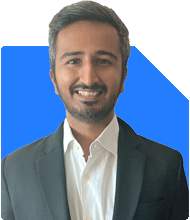
Mihir

Mihir Tanna  |1090 Answers  |Ask -

Tax Expert - Answered on Feb 15, 2023

Mihir Ashok Tanna, who works with a well-known chartered accountancy firm in Mumbai, has more than 15 years of experience in direct taxation.
He handles various kinds of matters related to direct tax such as PAN/ TAN application; compliance including ITR, TDS return filing; issuance/ filing of statutory forms like Form 15CB, Form 61A, etc; application u/s 10(46); application for condonation of delay; application for lower/ nil TDS certificate; transfer pricing and study report; advisory/ opinion on direct tax matters; handling various income-tax notices; compounding application on show cause for TDS default; verification of books for TDS/ TCS/ equalisation levy compliance; application for pending income-tax demand and refund; charitable trust taxation and compliance; income-tax scrutiny and CIT(A) for all types of taxpayers including individuals, firms, LLPs, corporates, trusts, non-resident individuals and companies.
He regularly represents clients before the income tax authorities including the commissioner of income tax (appeal).... more

Ani Question by Ani on Feb 01, 2023Hindi
Listen
Money

For an annual income of 30 lakhs and with 80C deduction of 1.5 lakhs PPF and nothing much on other deductions. Which regime would be better?

Ans: For person earning income of 30 lakhs and deduction of PPF of 1.5 lacs, tax liability under old regime will be Rs.667500 and under new tax regime it will be Rs.600000 as per Budget proposal for FY 23-24. So new tax regime more beneficial as all tax benefits are not taken.
DISCLAIMER: The content of this post by the expert is the personal view of the rediffGURU. Users are advised to pursue the information provided by the rediffGURU only as a source of information to be as a point of reference and to rely on their own judgement when making a decision.
Money

You may like to see similar questions and answers below

Latest Questions
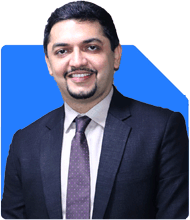
Ramalingam

Ramalingam Kalirajan  |10897 Answers  |Ask -

Mutual Funds, Financial Planning Expert - Answered on Dec 17, 2025

Asked by Anonymous - Dec 17, 2025Hindi
Money
I have taken 1Cr personal loan and started a teading business. My personal loan EMI is Rs 2.6laks. 25 laks top line business in trading with 4 % margin. After this successful completion of 3 years Took a business loan of 2cr and invested in a stone manufacturing took this plant on lease ,this unit run for a six months and because of land dispute it is stopped producing. Through this new investment nothing coming as return moreover now I am paying EMI OF 7.61 lakhs from my 1cr trading business. Right now my creditors is Rs 1.5 cr and debtors is 1.3 cr. New manufacturing debtors recovery only is Rs1cr but takes 6months time. Pls give your valuable suggestions to handle the loans ,EMI and business and cash flow.
Ans: Your courage in sharing full details deserves appreciation.
You took bold risks to grow business scale.
Your intent was growth, not speculation.
Now control and survival matter more than expansion.

» Current Situation Snapshot
– Multiple loans with heavy EMIs exist.
– Cash flow stress is severe.
– One business is active.
– One business is stalled.
– Recovery timing mismatch is hurting liquidity.

» Understanding the Core Problem
– EMI outflow is very high.
– Cash inflow is delayed.
– Capital is blocked in receivables.
– One unit produces zero income.
– Debt servicing depends on one business.

» Emotional Stability First
– Stress clouds financial judgement.
– Panic decisions worsen outcomes.
– Calm thinking improves options.
– Problems are solvable step by step.
– You still have working businesses.

» Trading Business Reality Check
– Trading business generates steady turnover.
– Margin is predictable.
– Cash cycle is shorter.
– This is your lifeline currently.
– Protect this business at any cost.

» Manufacturing Unit Reality Check
– Unit is currently non operational.
– Legal issue stopped production.
– Fixed costs may still continue.
– Loan obligation remains active.
– This unit is draining cash.

» Immediate Priority Definition
– Survival over growth.
– Liquidity over profitability.
– Debt control over expansion.
– Stability over optimism.
– Time is your biggest ally now.

» EMI Burden Assessment
– Personal loan EMI is heavy.
– Business loan EMI is heavier.
– Combined EMI exceeds comfortable cash flow.
– This imbalance cannot continue long.
– Intervention is required urgently.

» Creditor and Debtor Position
– Creditors amount is Rs 1.5 Cr.
– Debtors amount is Rs 1.3 Cr.
– Recovery is delayed.
– Timing mismatch causes pressure.
– Working capital is blocked.

» Recovery From Manufacturing Debtors
– Rs 1 Cr expected in six months.
– This is critical cash inflow.
– Recovery certainty matters.
– Legal enforceability must be checked.
– Follow up must be aggressive.

» Cash Flow Timing Mismatch
– EMIs are monthly fixed.
– Receivables are uncertain and delayed.
– This gap creates default risk.
– Managing timing is crucial.
– Income alone is not enough.

» First Action: Stop All New Investments
– No new business expansion now.
– No additional borrowing.
– No fresh capital deployment.
– Preserve every rupee.
– Focus only on stability.

» Second Action: Ring Fence Trading Business
– Separate trading cash flows clearly.
– Do not divert trading funds.
– Trading business pays EMIs currently.
– Protect working capital strictly.
– This business keeps you alive.

» Third Action: Manufacturing Unit Decision
– Assess legal resolution timeline.
– If delay exceeds viability, exit planning starts.
– Emotional attachment must be avoided.
– Sunk cost should not guide decisions.
– Cash bleeding must stop.

» Manufacturing Unit Exit Strategy
– Explore lease termination options.
– Negotiate with lender for restructuring.
– Offer temporary moratorium if possible.
– Present genuine hardship facts.
– Banks prefer resolution over default.

» Loan Restructuring Importance
– Restructuring is not failure.
– It is a survival tool.
– Approach lenders proactively.
– Show recovery plan clearly.
– Silence worsens lender trust.

» Personal Loan Restructuring
– Personal loans carry highest interest.
– EMI is choking cash flow.
– Request tenure extension.
– Request EMI reduction temporarily.
– Partial prepayment later can be planned.

» Business Loan Restructuring
– Business loan is large.
– Manufacturing stoppage justifies relief.
– Seek moratorium or reduced EMI.
– Submit legal dispute documents.
– Banks understand external disruptions.

» Using Expected Rs 1 Cr Recovery
– Do not spend emotionally.
– Allocate wisely before receipt.
– Priority is EMI reduction.
– Second priority is creditor settlement.
– Third priority is liquidity buffer.

» Allocation Discipline for Recovery Amount
– Clear highest interest dues first.
– Reduce monthly EMI burden permanently.
– Avoid reinvestment temptation.
– Keep cash buffer intact.
– Stability comes before growth.

» Creditor Negotiation Strategy
– Creditors prefer payment certainty.
– Open communication builds trust.
– Offer structured settlement timelines.
– Avoid hiding information.
– Transparency reduces legal escalation.

» Debtor Recovery Acceleration
– Follow up weekly.
– Use legal notices if required.
– Offer small discounts for early payment.
– Faster cash is better than delayed full amount.
– Liquidity beats accounting profits.

» Expense Control Measures
– Reduce personal expenses temporarily.
– Avoid lifestyle inflation.
– Delay non essential purchases.
– Family support is important now.
– This phase is temporary.

» Psychological Trap to Avoid
– Do not chase losses.
– Do not over trade.
– Do not take fresh high interest loans.
– Do not rely on hope alone.
– Discipline beats optimism.

» Risk Management Going Forward
– Avoid concentration in one income source.
– Avoid leverage driven expansion.
– Build cash buffers always.
– Scale only after stabilisation.
– Lessons here are valuable.

» Role of Insurance Policies
– If any investment linked policies exist.
– Review surrender values carefully.
– Liquidity may matter more now.
– Policy loans increase stress.
– Protection and investment must be separated.

» Long Term Financial Health Vision
– First goal is debt reduction.
– Second goal is cash stability.
– Third goal is controlled growth.
– Wealth creation comes later.
– Survival creates future opportunities.

» Family Communication
– Share situation honestly with family.
– Emotional support improves resilience.
– Joint decisions reduce stress.
– Isolation worsens burden.
– You are not alone.

» Time Based Plan Approach
– Next three months focus on liquidity.
– Next six months focus on restructuring.
– Next year focus on debt reduction.
– Growth planning comes later.
– Structured thinking reduces anxiety.

» What Success Looks Like Now
– EMIs aligned with cash flow.
– No overdue payments.
– Trading business protected.
– Manufacturing exposure limited.
– Stress levels reduced.

» Final Insights
– You are facing a cash flow crisis.
– This is not a failure.
– Your assets and skills still exist.
– Immediate control actions can stabilise.
– Restructuring is essential, not optional.
– Protect your profitable business first.
– Use recoveries wisely, not emotionally.
– Patience with discipline will restore balance.

Best Regards,

K. Ramalingam, MBA, CFP,

Chief Financial Planner,

www.holisticinvestment.in

https://www.youtube.com/@HolisticInvestment

...Read more

Ramalingam

Ramalingam Kalirajan  |10897 Answers  |Ask -

Mutual Funds, Financial Planning Expert - Answered on Dec 17, 2025

Asked by Anonymous - Dec 16, 2025Hindi
Money
Dear sir, i have choose sbi retire smart plus 10 years policy. Premium 6lak per annum for 4 years i paid. What happened if i complete the Premium should i wait till maturity. Or surrender after 5 years lock in period. Is it good to be patience till maturity or i will loss money due to inflation.
Ans: Your honesty in asking this question deserves appreciation.
You already paid large premiums with discipline.
That shows commitment to retirement planning.
Now clarity is more important than patience alone.

» Understanding What You Have Chosen
– This is an investment linked insurance policy.
– Insurance and investment are combined here.
– Charges are high in early years.
– Transparency is limited.
– Returns depend on internal fund performance.

» Premium Commitment Review
– You committed Rs.6 lakhs yearly.
– You already paid for four years.
– Total paid amount is significant.
– Cash flow pressure matters here.
– Every rupee must work efficiently.

» Lock-in and Surrender Reality
– Lock-in period is five years.
– Surrender before lock-in causes heavy loss.
– After lock-in, surrender value improves.
– However charges still continue.
– Patience alone does not remove inefficiency.

» Cost Structure Impact
– Mortality charges reduce returns yearly.
– Policy administration charges continue.
– Fund management charges apply separately.
– These reduce compounding power.
– Inflation impact becomes severe.

» Inflation Risk Explanation
– Inflation reduces real value yearly.
– Long holding needs strong growth.
– Such policies give moderate growth.
– Real returns may become negative.
– Retirement needs inflation beating growth.

» Return Expectation Reality
– Projected returns often look attractive.
– Actual returns depend on net allocation.
– Charges reduce effective returns.
– Volatility affects maturity value.
– Expectations must be realistic.

» Insurance and Investment Mixing Issue
– Insurance needs certainty.
– Investments need flexibility.
– Mixing both creates compromise.
– Neither objective is fully met.
– This is a structural weakness.

» Maturity Waiting Option Assessment
– Waiting till maturity avoids surrender loss.
– But opportunity cost remains high.
– Funds remain locked inefficiently.
– Growth may not beat inflation.
– Time lost cannot be recovered.

» Surrender After Lock-in Assessment
– Surrender after five years reduces penalty.
– You regain flexibility of funds.
– Capital can be reallocated better.
– Long term efficiency improves.
– This option deserves serious thought.

» Emotional Attachment Trap
– Past payments create attachment.
– This is a sunk cost.
– Future decisions should be rational.
– Focus on remaining years.
– Do not protect wrong choices.

» Comparison With Pure Investment Options
– Pure investments have lower costs.
– Flexibility is higher.
– Transparency is better.
– Goal alignment is clearer.
– Long term outcomes improve.

» Role of Actively Managed Mutual Funds
– Professional fund managers manage risk.
– Portfolio is reviewed continuously.
– Expenses are lower comparatively.
– Liquidity is superior.
– Compounding works better.

» Why Regular Mutual Fund Route Helps
– Guidance avoids emotional mistakes.
– Asset allocation stays aligned.
– Reviews happen systematically.
– Behavioural discipline improves.
– Long term results stabilise.

» Tax Efficiency Perspective
– Insurance tax benefit looks attractive.
– But returns matter more.
– Low returns waste tax advantage.
– Efficient growth offsets tax cost.
– Net outcome matters finally.

» Retirement Time Horizon Consideration
– Retirement corpus needs growth now.
– Capital protection comes later.
– Inefficient products delay growth.
– Time is precious.
– Every year counts.

» Cash Flow Stress Check
– High premium affects liquidity.
– Emergencies need ready funds.
– Lock-in restricts access.
– Stress impacts peace of mind.
– Simpler structure reduces stress.

» What Patience Really Means
– Patience is good with right products.
– Patience cannot fix poor structure.
– Long holding does not guarantee success.
– Quality matters more than duration.
– Review is wisdom, not impatience.

» When Continuing May Make Sense
– If surrender value is very low.
– If nearing maturity period.
– If cash flow is comfortable.
– If goals are already funded.
– Otherwise review is essential.

» When Exit Is Better
– If inflation erosion is clear.
– If returns lag alternatives.
– If flexibility is needed.
– If retirement gap exists.
– If charges dominate growth.

» 360 Degree Recommendation Thought Process
– Protect what is already paid.
– Avoid further inefficiency.
– Improve future return potential.
– Maintain adequate insurance separately.
– Align investments with retirement goal.

» Insurance Planning Clarity
– Insurance should cover risk only.
– Sum assured must be adequate.
– Premium should be minimal.
– Investment should remain separate.
– This gives clarity and control.

» Behavioural Discipline Going Forward
– Avoid pressure selling products.
– Ask cost related questions.
– Demand transparency.
– Review annually.
– Stay goal focused.

» Final Insights
– You acted responsibly by asking now.
– Product structure is not ideal.
– Inflation risk is real.
– Waiting till maturity may disappoint.
– Surrender after lock-in deserves evaluation.
– Reallocation can improve outcomes.
– Retirement planning needs efficiency.
– Timely correction shows maturity.

Best Regards,

K. Ramalingam, MBA, CFP,

Chief Financial Planner,

www.holisticinvestment.in

https://www.youtube.com/@HolisticInvestment

...Read more

Ramalingam

Ramalingam Kalirajan  |10897 Answers  |Ask -

Mutual Funds, Financial Planning Expert - Answered on Dec 17, 2025

Money
Dear rediffGuru, I am 48 year having private job, I have started MF investment from 2017 and currently monthly SIP 50K as below. I want to have corpus of 2.5 Cr at the age of 58. Please advice me if any changes/increase need in below SIP. 1. Nippon India small cap -Growth Rs 5,000 2. Sundaram Mid Cap fund Regular plan-Growth Rs 5,000 3.ICICI Prudential Small Cap- Growth Rs 10,000 4. ICICI Prudential Large Cap fund-Growth Rs 5,000 5. ICICI Prudential Balanced Adv. fund-Growth Rs 5,000 6. DSP Small Cap fund Regular Growth Rs 5,000 7. Nippn India Pharma Fund- Growth Rs 5,000 8. SBI focused Fund Regular plan- Growth Rs 5,000 9. SBI Dynamic Asset Allocation Active FoF-Regular-Growth Rs 5,000
Ans: Your discipline since 2017 deserves real appreciation.
You stayed invested for many years.
You already think long term.
This habit creates wealth over time.

» Your Goal Clarity
– You want Rs.2.5 Crores by age fifty-eight.
– You have ten years left.
– Time is still supportive.
– Regular investing helps greatly.
– Clarity itself improves outcomes.

» Present Investment Effort
– Monthly SIP is Rs.50,000.
– Investments are fully market linked.
– Exposure is mainly equity oriented.
– Risk appetite looks high.
– Commitment level is good.

» Portfolio Structure Observation
– Too many funds exist.
– Categories are repeating often.
– Small companies exposure is heavy.
– Sector exposure is present.
– Portfolio looks cluttered.

» Small Company Funds Concentration
– Many funds invest in smaller businesses.
– These funds give high returns sometimes.
– They also fall sharply during stress.
– Volatility increases with age.
– This needs careful control.

» Mid and Large Company Exposure
– Mid company exposure is moderate.
– Large company exposure looks limited.
– Large companies provide stability.
– Stability matters nearing retirement.
– Balance is essential now.

» Sector Focus Risks
– Sector funds depend on one theme.
– Performance cycles are unpredictable.
– Long underperformance periods happen.
– SIP discipline becomes difficult.
– Allocation should be limited.

» Dynamic Allocation Exposure
– Asset allocation funds manage equity levels.
– They help reduce downside risk.
– They suit late career investors.
– Allocation size matters.
– One such fund is enough.

» Over Diversification Concern
– Many funds dilute impact.
– Monitoring becomes difficult.
– Overlap increases silently.
– Returns may disappoint.
– Simplicity improves control.

» Suitability for Ten Year Horizon
– Ten years is medium term.
– Aggressive risk needs moderation.
– Capital protection gains importance.
– Drawdowns hurt goals.
– Adjustments are timely now.

» Expected Corpus Reality Check
– Rs.50,000 SIP alone may fall short.
– Market returns are uncertain.
– Inflation eats purchasing power.
– Increasing SIP helps.
– Step-up becomes very important.

» Importance of SIP Increase
– Income generally rises with age.
– SIP should rise yearly.
– Even small increases help.
– This supports target achievement.
– Discipline matters more than returns.

» Asset Allocation Improvement
– Equity should remain primary.
– Debt exposure should slowly increase.
– Stability increases closer to goal.
– This reduces panic risk.
– Allocation needs yearly review.

» Why Active Management Matters
– Actively managed funds adjust portfolios.
– Fund managers handle valuation risks.
– They exit overheated stocks.
– Index funds fall fully with markets.
– Passive funds offer no protection.

» Disadvantages of Index Investing
– No downside control exists.
– Full market falls are painful.
– Retirement timing risk increases.
– Investor emotions suffer.
– Active funds suit your stage better.

» Why Regular Plans Help
– Guidance improves behaviour.
– Rebalancing happens on time.
– Panic decisions reduce.
– Long term discipline strengthens.
– Cost difference is justified.

» Monitoring and Review Discipline
– Annual review is essential.
– Performance alone is insufficient.
– Risk alignment must be checked.
– Goal progress should be tracked.
– Reviews avoid surprises later.

» Tax Awareness During Accumulation
– Equity gains face capital gains tax.
– Long-term gains have exemptions.
– Short-term gains cost more.
– Holding period matters.
– Churning should be avoided.

» Emergency and Protection Planning
– Emergency fund is important.
– Job risk always exists.
– Insurance coverage should be adequate.
– Medical costs rise fast.
– Protection safeguards investments.

» Retirement Age Shift Possibility
– Retirement may shift slightly.
– Working longer reduces pressure.
– Even two extra years help.
– Flexibility increases success.
– Keep this option open.

» Behavioural Discipline Importance
– Market falls test patience.
– SIP continuity builds wealth.
– Stopping SIP hurts goals.
– Emotions damage returns.
– Discipline protects outcomes.

» Key Portfolio Refinement Direction
– Reduce fund count gradually.
– Avoid repeated category exposure.
– Increase large company allocation.
– Limit sector exposure.
– Maintain one dynamic allocation option.

» SIP Amount Enhancement Guidance
– Increase SIP annually.
– Use bonuses wisely.
– Direct increments into SIPs.
– This bridges corpus gap.
– Consistency beats timing.

» Goal Tracking Approach
– Review goal progress yearly.
– Adjust SIP if needed.
– Markets change yearly.
– Plans must adapt.
– Static plans fail often.

» Role of a Certified Financial Planner
– Helps align risk with age.
– Simplifies portfolio structure.
– Ensures tax efficiency.
– Supports emotional discipline.
– Improves goal probability.

» Final Insights
– Your investing habit is strong.
– Goal clarity is impressive.
– Portfolio needs simplification.
– Risk needs gradual control.
– SIP increase is necessary.
– Active funds suit your stage.
– Discipline will decide success.
– Time is still on your side.

Best Regards,

K. Ramalingam, MBA, CFP,

Chief Financial Planner,

www.holisticinvestment.in

https://www.youtube.com/@HolisticInvestment

...Read more

DISCLAIMER: The content of this post by the expert is the personal view of the rediffGURU. Investment in securities market are subject to market risks. Read all the related document carefully before investing. The securities quoted are for illustration only and are not recommendatory. Users are advised to pursue the information provided by the rediffGURU only as a source of information and as a point of reference and to rely on their own judgement when making a decision. RediffGURUS is an intermediary as per India's Information Technology Act.

Close  

You haven't logged in yet. To ask a question, Please Log in below
Login

A verification OTP will be sent to this
Mobile Number / Email

Enter OTP
A 6 digit code has been sent to

Resend OTP in120seconds

Dear User, You have not registered yet. Please register by filling the fields below to get expert answers from our Gurus
Sign up

By signing up, you agree to our
Terms & Conditions and Privacy Policy

Already have an account?

Enter OTP
A 6 digit code has been sent to Mobile

Resend OTP in120seconds

x