Home > Money > Question
Need Expert Advice?Our Gurus Can Help

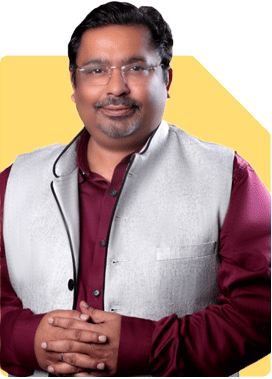
Ramalingam

Ramalingam Kalirajan  |10842 Answers  |Ask -

Mutual Funds, Financial Planning Expert - Answered on Jun 25, 2024

Ramalingam Kalirajan has over 23 years of experience in mutual funds and financial planning.
He has an MBA in finance from the University of Madras and is a certified financial planner.
He is the director and chief financial planner at Holistic Investment, a Chennai-based firm that offers financial planning and wealth management advice.... more

Rajeev Question by Rajeev on Jun 17, 2024Hindi

Money

Sir, My age is 40. I have a family with Mom, Dad, 2 daughters aged 13 years and my wife. I am the only source for income in my family. I am a business person and average monthly profit is approx 2 to 3 lakhs. There are lots of ups and downs in the business and profits are not consistant. So I am doing daily SIP of 5000 in HDFC Top 100 growth. Till date the MF is approx 9 lakhs. I have purchased a flat of Rs 1cr. With an home loan of 40 lakhs. Current EMI is 35000, tenure 20 years started last year. I have taken 2 health insurance policies, one for my mom and dad and another for us. Total yearly premium is 1.25 lakhs. My monthly expenses are approx 1.5 lakhs. I am bit worried about Daughters higher education as they wish to pursue MBBS. Secondly I need to save for my retirement. I wish to retire at 55. Please suggest if I am on right track or I need to change my investment patterns?

Ans: It's great to see your proactive approach towards securing your family's future. Managing finances for a family with varying needs can be challenging, especially when running a business with fluctuating income. Let's evaluate your current financial situation and devise a strategy to achieve your goals, particularly focusing on your daughters' education and your retirement plan.

Current Financial Situation
Monthly Income and Expenses
Average Monthly Profit: Rs 2 to 3 lakhs.
Monthly Expenses: Rs 1.5 lakhs.
EMI: Rs 35,000 for home loan.
Daily SIP: Rs 5,000 in HDFC Top 100 growth.
Health Insurance Premium: Rs 1.25 lakhs per year.
Assets and Liabilities
Mutual Fund Investment: Approx Rs 9 lakhs.
Home Value: Rs 1 crore with Rs 40 lakhs loan.
Health Insurance: Two policies covering the family.
Financial Goals
Daughters' Higher Education: Aim for MBBS, requiring substantial funds.
Retirement: Wish to retire at age 55.
Evaluating Current Investment Patterns
Daily SIP in HDFC Top 100 Growth
Benefits: Regular investment, rupee cost averaging, potential for high returns.
Concerns: Single fund exposure increases risk, need for diversification.
Home Loan and EMI
Home Loan: Rs 40 lakhs with a Rs 35,000 monthly EMI over 20 years.
Interest Burden: Long tenure increases interest cost, affecting cash flow.
Diversification: Mitigating Risks and Enhancing Returns
Mutual Funds: Broadening Horizons
Equity Funds: Diversify beyond HDFC Top 100 to include mid-cap and small-cap funds for growth.
Debt Funds: Include for stability and consistent returns, reducing overall risk.
Hybrid Funds: Mix of equity and debt for balanced growth and stability.
Systematic Investment Plan (SIP) Strategy
Monthly SIP: Instead of daily SIPs, consider monthly SIPs in diversified funds.
Allocation: Spread Rs 1.5 lakhs monthly investment across multiple funds.
Review and Adjust: Regularly review fund performance and adjust as needed.
Education Planning: Securing Your Daughters' Future
Estimating Costs for MBBS
Current Costs: Private medical colleges can cost Rs 50 lakhs to Rs 1 crore.
Inflation Adjustment: Factor in education inflation, typically 8-10% annually.
Education Fund: Building a Corpus
Dedicated SIPs: Start dedicated SIPs for education planning, considering time horizon and risk appetite.
Balanced Allocation: Mix of equity and debt to ensure growth and stability.
Education Loans: An Alternative
Low-Interest Education Loans: Consider for bridging gaps in funding.
Tax Benefits: Interest on education loans is tax-deductible.
Retirement Planning: Ensuring a Comfortable Future
Retirement Corpus: Estimation
Current Lifestyle: Rs 1.5 lakhs monthly expenses, adjusting for inflation.
Corpus Required: Calculate based on desired retirement age, life expectancy, and inflation.
Building the Corpus: Strategic Investments
Equity Exposure: Higher equity exposure for growth in the early years.
Gradual Shift: Move to debt funds as retirement approaches to secure capital.
Regular Review: Adjust portfolio to stay aligned with goals.
Pension Plans: A Steady Income Stream
Pension Funds: Invest in pension funds for regular income post-retirement.
Annuities: Consider annuities for guaranteed income, despite not recommending them as a primary option.
Managing Health Insurance: Ensuring Comprehensive Coverage
Adequate Sum Insured: Ensure health insurance covers all potential medical costs.
Annual Review: Review and adjust coverage based on family health needs and inflation.
Emergency Fund: A Safety Net
Liquid Assets: Maintain an emergency fund covering 6-12 months of expenses.
Investment Vehicles: Keep in high-liquidity instruments like savings accounts or liquid mutual funds.
Final Insights
Regular Monitoring and Adjustments
Review Periodically: Regularly review and adjust your financial plan.
Adapt to Changes: Stay flexible to adapt to market changes and personal circumstances.
Professional Guidance
Certified Financial Planner (CFP): Consider consulting a CFP for personalized advice.
Continuous Learning: Stay informed about financial products and market trends.
Your proactive approach is commendable, and with a few strategic adjustments, you can confidently secure your family's future and achieve your financial goals.

Best Regards,

K. Ramalingam, MBA, CFP,

Chief Financial Planner,

www.holisticinvestment.in
DISCLAIMER: The content of this post by the expert is the personal view of the rediffGURU. Users are advised to pursue the information provided by the rediffGURU only as a source of information to be as a point of reference and to rely on their own judgement when making a decision.
Money

You may like to see similar questions and answers below
Ramalingam

Ramalingam Kalirajan  |10842 Answers  |Ask -

Mutual Funds, Financial Planning Expert - Answered on Jul 16, 2024

Listen
Money
Sir, My age is 40. I have a family with Mom, Dad, 2 daughters aged 13 years and my wife. I am the only source for income in my family. I am a business person and average monthly profit is approx 2 to 3 lakhs. There are lots of ups and downs in the business and profits are not consistant. So I am doing daily SIP of 5000 in HDFC Top 100 growth. Till date the MF is approx 9 lakhs. I have purchased a flat of Rs 1cr. With an home loan of 40 lakhs. Current EMI is 35000, tenure 20 years started last year. I have taken 2 health insurance policies, one for my mom and dad and another for us. Total yearly premium is 1.25 lakhs. My monthly expenses are approx 1.5 lakhs. I am bit worried about Daughters higher education as they wish to pursue MBBS. Secondly I need to save for my retirement. I wish to retire at 55. Please suggest if I am on right track or I need to change my investment patterns?
Ans: Current Financial Overview

You have a monthly profit of Rs 2-3 lakhs from your business, but it fluctuates. You have a daily SIP of Rs 5000 in HDFC Top 100 growth, amounting to Rs 9 lakhs till now. You have a home loan of Rs 40 lakhs with an EMI of Rs 35,000 for 20 years. Your monthly expenses are around Rs 1.5 lakhs, and you have two health insurance policies with a total annual premium of Rs 1.25 lakhs.

Goals and Concerns

Daughters' Higher Education: Both daughters wish to pursue MBBS.
Retirement Planning: Aim to retire at age 55.
Education Planning

Estimate Costs: MBBS education can be expensive. Estimate the total cost considering tuition, books, and other expenses.

Dedicated Education Fund: Start a dedicated SIP for your daughters’ education. Consider a combination of equity and debt mutual funds for stability and growth.

Retirement Planning

Current Investments: Your daily SIP in HDFC Top 100 growth is a good start. Continue this but also diversify.

Additional Investments: Consider starting SIPs in a mix of large-cap, mid-cap, and multi-cap funds. This will balance risk and growth.

Retirement Fund: Calculate the corpus needed for retirement at age 55. Factor in your lifestyle, inflation, and life expectancy.

Insurance Coverage

Health Insurance: Your existing health insurance for your parents and family is crucial. Ensure coverage is adequate for medical emergencies.

Term Insurance: Consider taking a term insurance plan to cover your family’s financial needs in case of any unforeseen event.

Debt Management

Home Loan: Your EMI of Rs 35,000 is manageable given your income. Try to prepay whenever you have extra funds. This will reduce the loan tenure and interest burden.
Emergency Fund

Build an Emergency Fund: Keep at least 6-12 months of expenses in a liquid fund or savings account. This will help during business downturns.
Final Insights

Your current investments and insurance coverage are good, but diversification and dedicated funds for education and retirement will strengthen your financial plan.

Best Regards,

K. Ramalingam, MBA, CFP,

Chief Financial Planner,

www.holisticinvestment.in

..Read more

Ramalingam

Ramalingam Kalirajan  |10842 Answers  |Ask -

Mutual Funds, Financial Planning Expert - Answered on Jun 25, 2024

Asked by Anonymous - Jun 19, 2024Hindi
Money
Hi, I am 41 years old with 1.5lakhs pm salary. Cleared home loan using PF amount, so own a flat in Bangalore. Daughter is 8 years old. Have term (1.5cr) and health insurance (7L), parents covered under corporate insurance. Coming to investments, have 7.5L in mutual funds, 4.5L in stocks, 3L in PF and 3L in NPS. 30k goes for investment, 40k for car emi on corporate lease, 65k for expences including parents (dependents) staying in another town. Am i on right track? Please suggest if i have to make any changes to my existing routine. Thanks.
Ans: It’s great to see that you’re thinking proactively about your financial situation. You've done well with your current investments and planning. Let’s review your financial status and provide some detailed advice to help you optimize your investment strategy.

Compliments on Your Achievements
Firstly, congratulations on owning a flat in Bangalore and clearing your home loan. It’s commendable that you have a robust term insurance cover and health insurance for your family. Your disciplined approach to investments is impressive.

Current Financial Overview
Salary and Expenses:

Monthly salary: Rs. 1.5 lakhs
Monthly expenses: Rs. 65,000
Car EMI: Rs. 40,000
Monthly investments: Rs. 30,000
Investments:

Mutual funds: Rs. 7.5 lakhs
Stocks: Rs. 4.5 lakhs
Provident Fund (PF): Rs. 3 lakhs
National Pension System (NPS): Rs. 3 lakhs
Insurance:

Term insurance: Rs. 1.5 crore
Health insurance: Rs. 7 lakhs
Parents covered under corporate health insurance
Dependents:

Parents and an 8-year-old daughter
Evaluating Your Financial Plan
Insurance Coverage
Your term insurance cover of Rs. 1.5 crore is a good start. Given your dependents, it’s crucial to ensure this coverage is sufficient. The amount should cover any outstanding liabilities, provide for your child’s education, and support your family’s living expenses in your absence.

Your health insurance cover of Rs. 7 lakhs is also a good safety net. However, considering rising medical costs, it might be wise to review this periodically and consider enhancing it if needed.

Investment Distribution
You have diversified your investments across mutual funds, stocks, PF, and NPS. This is a smart approach as it balances risk and return. Let’s delve deeper into each category:

Mutual Funds
With Rs. 7.5 lakhs in mutual funds, you’ve made a solid start. It's essential to assess the types of funds you’re invested in. A mix of equity and debt mutual funds can provide growth and stability. Given your age, a higher allocation to equity funds can help in wealth creation.

Stocks
Your Rs. 4.5 lakhs in stocks indicate you have a direct exposure to the equity market. This can offer high returns but comes with higher risk. Regularly reviewing your stock portfolio and staying informed about market trends is crucial. Consider consulting a Certified Financial Planner for expert advice.

Provident Fund (PF)
Your PF of Rs. 3 lakhs is a good retirement safety net. It’s a secure and tax-efficient investment. Continue to contribute regularly to benefit from the power of compounding.

National Pension System (NPS)
Your NPS investment of Rs. 3 lakhs is also a wise choice for retirement planning. It offers tax benefits and helps build a retirement corpus. Make sure you’re taking advantage of the maximum tax benefits under Section 80CCD.

Monthly Investments
Investing Rs. 30,000 per month is a disciplined approach. However, given your financial goals and dependents, let's evaluate if this is sufficient and how it can be optimized.

Car EMI and Expenses
Your car EMI of Rs. 40,000 per month on a corporate lease is a significant expense. Ensure it fits well within your budget without straining your finances. Your monthly expenses of Rs. 65,000 include supporting your parents, which is a commendable responsibility.

Suggestions for Optimizing Your Financial Routine
Increase Savings and Investments
Emergency Fund:

Ensure you have an emergency fund that covers 6-12 months of expenses. This provides a safety net for unexpected expenses.
Increase Monthly Investments:

If possible, increase your monthly investments. Even a small increment can significantly impact your long-term wealth creation due to compounding.
Review and Diversify Mutual Funds
Equity Funds:

Focus on adding more to equity mutual funds for long-term growth. Look for funds with a good track record and consistent performance.
Debt Funds:

Maintain a portion in debt funds for stability and lower risk. This balances your portfolio and reduces overall risk.
Systematic Investment Plan (SIP)
SIP in Mutual Funds:
If not already done, consider starting a Systematic Investment Plan (SIP) in mutual funds. It helps in averaging out the investment cost and reduces the impact of market volatility.
Rebalancing Your Portfolio
Regular Review:

Periodically review and rebalance your investment portfolio. This ensures your asset allocation remains aligned with your financial goals and risk tolerance.
Professional Guidance:

Consulting with a Certified Financial Planner can provide tailored advice and help in making informed decisions. They can assist in optimizing your investment strategy.
Tax Planning
Utilize Tax Benefits:
Make sure you’re utilizing all available tax benefits. Investments in PF, NPS, and specific mutual funds can provide tax deductions.
Planning for Daughter’s Education
Child Education Fund:
Start a dedicated investment plan for your daughter’s education. Education costs are rising, and early planning can ease future financial pressure.
Preparing for Retirement
Increase Retirement Savings:

Gradually increase your retirement savings. Consider additional contributions to PF and NPS.
Retirement Fund Allocation:

Diversify retirement investments across various instruments to balance growth and security.
Health and Life Insurance
Review Insurance Needs:

Regularly review your insurance coverage. Ensure it’s adequate to cover rising healthcare costs and your family’s needs.
Increase Health Cover:

Consider increasing your health insurance cover if necessary. A top-up health insurance plan can be a cost-effective way to enhance coverage.
Managing Existing Investments
Mutual Funds
Ensure you’re invested in a mix of growth-oriented equity funds and stable debt funds. This balance helps in achieving long-term goals while managing risk.

Stocks
Regularly review your stock portfolio. Stay updated with market trends and make informed decisions. Diversify to reduce risk.

Provident Fund and NPS
Continue regular contributions to PF and NPS. These are crucial for your retirement planning and provide tax benefits.

LIC, ULIP, and Investment cum Insurance Policies
If you hold LIC, ULIP, or other investment cum insurance policies, review their performance. These often come with high charges and might not offer the best returns. Consider surrendering underperforming policies and reinvesting in mutual funds.

Financial Discipline
Maintaining financial discipline is key. Avoid unnecessary withdrawals from your investments. Stick to your planned investment routine and regularly review your financial plan.

Final Insights
Your current financial planning shows you’re on the right track. However, there are areas for improvement and optimization. Increasing your monthly investments, diversifying your portfolio, and consulting with a Certified Financial Planner can help in achieving your financial goals more effectively.

Make sure to regularly review and rebalance your investments. Ensure you’re making the most of tax benefits and maintaining sufficient insurance coverage. Planning for your daughter’s education and your retirement is crucial.

Your disciplined approach and proactive planning are commendable. Keep up the good work and stay focused on your financial goals. With the right strategy and professional guidance, you can secure a financially stable future for yourself and your family.

Best Regards,

K. Ramalingam, MBA, CFP

Chief Financial Planner

www.holisticinvestment.in

..Read more

Ramalingam

Ramalingam Kalirajan  |10842 Answers  |Ask -

Mutual Funds, Financial Planning Expert - Answered on Jul 15, 2024

Asked by Anonymous - Jul 02, 2024Hindi
Money
I am 40-year-old Software Engineer with 1.9L pm in hand salary with 2 daughters, elder one is in 8th standard and younger in 2nd. WIfe is not working. Let me first tell you about my saving and investment: 1. I have loan free 3BHK flat in Noida and also a car.. No current EMI liability. 2. Around 32L in PF and counting.. 3. Around 23L in PPF (wife and own account) and counting.. 4. Around 14.5L in Sukanya for both the kids and counting... 5. Around 22.5L in FD 6. Around 16L in MF, share, Gold bond and counting.. 7. Last year only started investing in NPS, fund value is around 1.5L and counting.. 8. I have company provided health insurance only and personal term plan for 60L I am doing monthly investment of 50K in PF+Sukanya, 30K in MF , 20k in Share and 10% of basic in NPS. I have to ask: 1. Am I doing right investment considering needed funds for elder daughter's higher education (in 4 yrs from now) and then for marriage? 2. Am I saving wisely and enough month-on-month basis? 3. How to reach 5cr corpus by the age of 50? and is it enough if wanted to retire? 4. What else I need to do to save more and increase my portfolio? I have less risk appetite. Please suggest
Ans: Firstly, it’s impressive to see your disciplined approach towards saving and investing. Having a clear financial plan and taking proactive steps shows great financial acumen. Let’s evaluate your current financial status and provide suggestions to reach your goals.

You have a stable financial foundation with no loan liabilities, a solid mix of investments, and a focus on future goals. Your current assets and monthly investments are commendable.

Here’s a detailed analysis and suggestions tailored to your needs:

Analysis of Current Investments
Provident Fund (PF)
You have Rs 32 lakh in PF, which is a substantial amount. PF offers a stable and relatively safe return. It is a great way to secure your retirement.

Public Provident Fund (PPF)
With Rs 23 lakh in PPF, you are benefiting from tax-free returns and a safe investment vehicle. PPF is ideal for long-term goals like retirement due to its 15-year lock-in period.

Sukanya Samriddhi Yojana (SSY)
Investing Rs 14.5 lakh in Sukanya Samriddhi for your daughters is a wise decision. It offers good interest rates and tax benefits. This will help in funding their education and marriage.

Fixed Deposits (FD)
You have Rs 22.5 lakh in FDs. While FDs are safe, the returns are generally lower compared to other investment options. It's a good idea to keep some funds in FDs for emergencies, but diversifying might yield better returns.

Mutual Funds, Shares, and Gold Bonds
You have Rs 16 lakh invested in a mix of mutual funds, shares, and gold bonds. Diversification here is beneficial as it balances risk and returns. Continue this approach but review the performance regularly.

National Pension System (NPS)
Starting with Rs 1.5 lakh in NPS is good for building a retirement corpus. NPS offers tax benefits and the potential for higher returns due to its market-linked nature.

Insurance
You have a Rs 60 lakh term plan which is essential for your family’s security. However, consider increasing the coverage based on your family’s future financial needs.

Monthly Investment Analysis
You are investing Rs 50,000 in PF and Sukanya, Rs 30,000 in mutual funds, Rs 20,000 in shares, and 10% of your basic salary in NPS. This diversified approach is commendable, but let’s delve deeper into each aspect.

Evaluating Your Investment Strategy
Higher Education and Marriage of Elder Daughter
Your elder daughter’s higher education is a priority. With four years to go, you need to ensure sufficient funds. Sukanya Samriddhi and other investments should be assessed to meet this goal.

Monthly Savings Assessment
You are saving a significant amount monthly, which is excellent. However, it’s essential to ensure these savings align with your goals and risk tolerance.

Building a Rs 5 Crore Corpus by Age 50
Reaching a Rs 5 crore corpus in ten years requires strategic planning. Your current investments and returns need to be evaluated and optimized.

Suggestions to Enhance Your Financial Portfolio
Health Insurance
Relying solely on company-provided health insurance may not be sufficient. Consider purchasing a comprehensive personal health insurance plan. This ensures coverage even if you change jobs.

Increasing Term Insurance
Reevaluate your term insurance. Based on your current lifestyle and future needs, a higher coverage might be necessary.

Reviewing Mutual Fund Investments
Actively managed mutual funds can potentially yield higher returns compared to index funds. Ensure your mutual funds are well-chosen and periodically review their performance.

Share Investments
With a lower risk appetite, consider limiting direct investments in shares. Actively managed equity funds can offer exposure to equity markets with professional management.

Gold Bonds
Gold bonds are a good hedge against inflation. Continue investing but ensure it aligns with your overall asset allocation strategy.

NPS Contributions
Increasing your NPS contributions can be beneficial. It offers a mix of equity, corporate bonds, and government securities, balancing growth and safety.

Detailed Action Plan for Financial Goals
Higher Education for Daughter
Estimate the total cost of higher education, considering inflation. Review your current investments in Sukanya Samriddhi and other savings to ensure they meet this goal. If needed, redirect some investments towards education-focused funds or fixed-income securities.

Retirement Planning
To achieve a Rs 5 crore corpus by age 50:

Increase your investments in high-growth potential assets, such as actively managed equity funds.
Regularly review and rebalance your portfolio to stay on track with your goals.
Consider professional advice from a Certified Financial Planner for tailored strategies.
Emergency Fund
Maintain an emergency fund to cover at least six months of expenses. This should be in a liquid and safe investment like a savings account or short-term FD.

Enhancing Your Investment Portfolio
Avoiding Direct Funds
Direct mutual funds require active management and market knowledge. Regular funds, managed by professionals, can provide better returns with less effort on your part.

Diversifying Further
While you have a diversified portfolio, consider further diversification to mitigate risks. Explore options like balanced advantage funds which adjust between equity and debt based on market conditions.

Systematic Investment Plan (SIP)
Continue and potentially increase your SIP in mutual funds. This disciplined approach helps in averaging out market volatility and building wealth over time.

Tax Planning
Efficient tax planning can enhance your returns. Utilize tax-saving instruments under Section 80C, 80D, and 80CCD. This reduces tax liability and increases investable surplus.

Regular Review and Adjustment
Portfolio Review
Conduct a bi-annual review of your portfolio. Ensure your investments align with your financial goals and risk tolerance.

Adjusting Strategy
Based on market conditions and personal circumstances, be ready to adjust your investment strategy. This proactive approach helps in optimizing returns and minimizing risks.

Final Insights
You have a strong financial foundation and a disciplined approach towards saving and investing. By fine-tuning your strategy and focusing on your financial goals, you can achieve your targets.

Ensure adequate health and life insurance coverage for family security. Regularly review and adjust your portfolio to stay aligned with your goals.

Seek guidance from a Certified Financial Planner for personalized advice and strategies.

Your commitment to securing your family’s future is commendable. With careful planning and strategic investments, you can achieve your financial goals.

Best Regards,

K. Ramalingam, MBA, CFP,

Chief Financial Planner,

www.holisticinvestment.in

..Read more

Ramalingam

Ramalingam Kalirajan  |10842 Answers  |Ask -

Mutual Funds, Financial Planning Expert - Answered on Jun 23, 2025

Asked by Anonymous - Jun 22, 2025Hindi
Money
Hello Sir, I am 48-years old, single woman working with Central Government. My monthly salary is 1,35,000. I have no pending loans. My investments are 25,000 in stock market, monthly SIP of 15,500. Invested in the following mutual funds since 2017: 1) DSP BlackRock Top 100 Equity Fund-Rs 500 2) HDFC Credit risk debt Fund-Rs 500 3) ICICI Prudential MidCap Fund-Rs 1000 4) SBI Flexicap Fund-Rs 500. Since Jan 2025 I have additionally invested in 1) SBI Nifty Index fund- Rs 2000 2) SBI Flexicap fund- Rs 5000 3) Nippon India Nifty Small cap 250 Index fund-Rs 2000 4) Motilal Oswal Midcap fund-Rs 2000 5) Motilal Oswal gold and silver ETFs Fund of funds-Rs 2000. A lumpsum amount of Rs 40000 has been invested in Tata large and mid cap fund regular plan (since 2003). I have 17 lakhs in PPF (contribution of 1,50,000/year), monthly rental income of 14,500, 8 lakhs in FD, 50000 contribution every year in NPS (Tier 1). My monthly expenses are around 40-50000 per month. Should I invest in NPS Tier 2 too? Is my investment in mutual funds right? Should I invest more in them and which ones? I have 16 lakhs in my savings account wherein I want to keep 5-6 lakhs as emergency funds and invest the rest. How should I go about it? Since the Government covers me for health scheme, I have taken no medical insurance. My future plans are to buy a house 5-6 years before retirement (sell the present one) and to have a comfortable retired life. Kindly suggest.
Ans: You have a stable government job and regular salary.

Monthly salary of Rs 1,35,000 is a good base.

No loans means strong financial health.

Monthly expenses are moderate, around Rs 40,000 to Rs 50,000.

This gives good surplus each month for investment.

You also earn Rs 14,500 as rental income.

It adds stability to your cash flow.

You already have Rs 16 lakhs in savings bank account.

Rs 8 lakhs is in FD.

Rs 17 lakhs in PPF is a strong tax-saving foundation.

NPS Tier 1 contribution of Rs 50,000 is tax efficient.

You are already doing many things right.

Emergency Fund and Liquidity Planning

You want to keep Rs 5-6 lakhs as emergency fund.

This is appropriate for your lifestyle.

Keep it in liquid or ultra-short term fund.

Avoid keeping too much in savings bank.

Rs 10 lakhs idle in bank is underperforming.

That money should earn more returns.

Do not lock entire amount in FD.

Keep part of it accessible in case of need.

Review of Current Mutual Fund Portfolio

You have invested in both active and index funds.

Older holdings:

Equity large-cap, mid-cap, flexicap are good for long term.

One credit risk fund is not needed now.

Credit risk category carries default risk.

Can exit gradually with support from MFD.

Recent SIPs include:

Multiple index funds and ETFs.

Smallcap and midcap exposure is high.

One fund of fund on gold and silver.

These need refinement.
Here are the observations:

Overlap across funds may lead to inefficiency.

Exposure to index funds brings limitations.

Index funds copy the market, give average returns.

No flexibility for active management during downturns.

They fail to capture superior opportunities.

Tracking error and sector weight imbalance are concerns.

During market corrections, they fall equally hard.

They work only in very long term, with patience.

Instead:

Active funds are managed by professionals.

They adjust portfolio based on market signals.

This helps reduce risk and increase potential gains.

MFD with CFP support will guide timely changes.

A few good active funds with long track record is better.

Regular review improves performance and control.

Gold and silver fund of fund:

Good as hedge, but not core holding.

Avoid making it more than 5% of portfolio.

Long-term return from gold is average.

Silver is more volatile.

Use for diversification, not wealth creation.

Direct funds are not mentioned.
But if you plan to switch in future:

Avoid direct mutual funds.

No advisor support for fund management.

You may miss rebalancing, exit points.

Regular plans via MFD give lifelong handholding.

Certified Financial Planner brings structured asset allocation.

Returns can be better after fees when decisions are guided.

Asset Allocation Strategy

You need balanced exposure across asset classes.

Here is a better structure:

Equity: Around 55-60%

Debt: Around 20-25%

PPF + NPS: Around 15-20%

Gold + silver: Around 5%

FD or Liquid fund: Emergency only

You can build core with 3-4 quality active equity funds:

One flexicap

One large and mid-cap

One midcap

One balanced advantage or hybrid

Add one conservative debt fund for stability.
Use MFD help to switch from overlapping or weak funds.

Avoid small SIPs in many funds.
Instead, consolidate into fewer focused funds.
Increase SIP amount where funds are performing.
Avoid frequent fund changes.
Follow 3+ year holding mindset.

Review of SIP Strategy

Current SIP of Rs 15,500 is good.
You can increase it now with available surplus.
You have capacity to increase it to Rs 25,000 to Rs 30,000 per month.
This will improve retirement corpus in next 10-12 years.
Avoid adding new schemes unless needed.
Use existing good performers and top them up.
Track fund returns every 6 months.
Exit underperformers in consultation with your MFD.

PPF and NPS Investment

PPF:

You contribute Rs 1.5 lakhs per year.

It is tax-free and safe.

Good for retirement planning.

Keep contributing till maturity.

Keep nomination updated.

NPS Tier 1:

Rs 50,000 per year is helpful for tax saving.

It is long term and low cost.

Exposure to equity can be adjusted.

Leave it as it is till 60.

NPS Tier 2:

Not recommended.

No tax benefit.

Lock-in flexibility is poor.

Better to use mutual funds instead.

SIPs in mutual funds are more liquid and transparent.

Your Housing Plan and Asset Liquidity

You want to buy a house after 5-6 years.
You also want to sell current one.
This is fine if it is need-based.
But don’t treat house as investment.
Don’t use too much of savings for it.
Try not to compromise on retirement fund.
Ensure liquidity and diversification stay intact.
Home buying should not disturb your financial independence.

Medical Coverage Planning

You are covered under government health scheme.
But personal health insurance is still advised.
Post-retirement, coverage may be limited or slow.
Private health cover will protect savings later.
Get Rs 10-15 lakh coverage with top-up now.
Premium is lower when taken earlier.
This helps in faster hospital support and wider coverage.
Medical cost is increasing every year.

Taxation on Mutual Fund Gains

Equity fund tax changed recently.

LTCG above Rs 1.25 lakh is taxed at 12.5%.

Short-term capital gains are taxed at 20%.

For debt funds, all gains taxed at slab rate.

There is no indexation on debt anymore.

Plan redemptions smartly.
Use MFD support to plan gains in phases.
This avoids high tax in one year.
Avoid frequent buying and selling.
Stay invested for 3 years minimum in equity funds.

Recommendations for Rs 10 Lakh Surplus

From your Rs 16 lakh savings:

Rs 5-6 lakh to remain as emergency fund.

Use liquid fund or ultra-short duration fund.

FD gives low returns and poor liquidity.

Remaining Rs 10 lakh:

Invest Rs 5-6 lakh in 2-3 equity mutual funds.

Add Rs 2 lakh in hybrid or balanced advantage fund.

Keep Rs 1-2 lakh in debt mutual fund.

Spread lump sum over 3-6 months using STP.

Start new SIP or top-up existing funds.

This will ensure diversification and long-term growth.
Also keep Rs 50,000 as buffer for unplanned needs.
Do not invest full lump sum at once.
Gradual investment reduces market risk.

Estate and Nomination Planning

Please check nomination in:

Bank accounts

PPF

NPS

Mutual funds

Insurance policies

Property documents

Single women need to define beneficiaries clearly.
This avoids disputes and delays.
Make a simple Will if not yet done.
Update regularly if your assets or preferences change.

Retirement Readiness and Lifestyle Funding

You are 48 now.
Retirement may come in 10-12 years.
So next decade is crucial for wealth building.
Your current savings are good, but need boost.
You should focus more on:

SIP increase

Fund performance review

Asset rebalancing every year

Retirement goal tracking

Medical support planning

Liquidity and taxation planning

Avoid risky trends or aggressive products.
Consistency and guidance from a CFP-backed MFD matters.
Have annual review and track against your target corpus.
Target corpus should provide post-retirement monthly income.
Adjust corpus for inflation and medical inflation.

Finally

You are on a good path financially.

Your savings, SIPs and discipline are appreciable.

Need to optimise investments and reduce fund overlap.

Avoid index funds due to their limitations.

Active mutual funds with guidance offer better outcomes.

NPS Tier 2 is not recommended.

Medical cover is must, even if covered by employer.

Use MFD support with CFP backing for portfolio review.

Build a clear plan for retirement corpus.

Invest Rs 10 lakh idle money with asset allocation.

Track progress every year with expert help.

You deserve a comfortable and worry-free retired life.

Best Regards,
K. Ramalingam, MBA, CFP,
Chief Financial Planner,
www.holisticinvestment.in
https://www.youtube.com/@HolisticInvestment

..Read more

Latest Questions
Nayagam P

Nayagam P P  |10836 Answers  |Ask -

Career Counsellor - Answered on Nov 13, 2025

Reetika

Reetika Sharma  |360 Answers  |Ask -

Financial Planner, MF and Insurance Expert - Answered on Nov 13, 2025

Asked by Anonymous - Nov 07, 2025Hindi
Money
Sir, I am 39 years PSU employee with monthly net salary of 1.10 lacs. I have a son of 9 years and daughter of 1 year. I am investing in MF through SIPs and lumpsump for last 7 years and my present MF portfolio is 50 lacs with XIRR of almost 18%. Presently I do SIP of 30000 per month. I also have housing loan and my EMI is 42000. I am provided accomodation and medical facilities from my employer. I also have accumulated 18 lacs in PF and Rs. 28 lacs in NPS. I have Term plan of 1.5 crs. I also have liquid funds of 10 lacs in FD for emergency purpose and approx 7 lacs in PPF. Since my child's major education expenses is still 7 to 8 years far for my son and 15 years for my daughter, I will continue my SIP of atleast for next 8 to 10 years without breaking my existing portfolio. Can I generate a corpus of more than 7 crs till my retirement with above funds and will it be sufficient to meet the inflation after 20 years.
Ans: Hi,

You have done and accumulated quite good at your age in different instruments with varied returns. Let us have a detailed look.

1. Emergency Fund - 10 lakhs in FD - good to go.
2. Term Plan - 1.5 crores - good to go.
3. Health Insurance - provided by employer. However, can take a separate personal insurance for yourself and family.
4. PF - 18 lakhs (continue)
5. NPS - 28 lakhs (continue)
6. PPF - 7 lakhs (can stop continuing, invest only bare minimum to keep account active. Close account upon maturity and reallocate these funds in mutual funds)
7. MF Portfolio - 50 lakhs with 30k monthly SIP
8. Home Loan EMI - 42000

Goals:
- Son's education - after 8 years
- Daughter's education - after 15 years
- Retirement - need 7 crores

You are very much on the right track. Your current financials look strong in terms of fulfiling your financial goals.

> Your current MF portfolio can be bifurcated into 2 parts
i. 40 lakhs for your retirement. This amount along with other amount from PF and NPS will finance your retirement forever (inflation adjusted). Additionally you wil lleave behind a great fortune for your kids.
ii. 10 lakhs for your kid's education. Continue your existing SIP of 30k per month and also contribute 7 lakhs from PPF account on its maturity towards this goal. For son, you will have 75 lakhs only from this investment and your daughter's education will have 1.5 crores when she requires.

This way your existing investments can take care of all your goals. Also, do increase your contibution in SIP yearly. It will help in generating a higher corpus for your family.

As your overall investments are more thann 10 lakhs in MFs, it is wise for you to connect with a professional who will assist you and make a dedicated investment plan as per your goals.
Hence, do consult a professional Certified Financial Planner - a CFP who will guide you with exact funds to invest in keeping in mind your age, requirements, financial goals and risk profile. A CFP periodically reviews your portfolio and suggest any amendments to be made, if required.

Let me know if you need more help.

Best Regards,
Reetika Sharma, Certified Financial Planner
https://www.instagram.com/cfpreetika/

...Read more

Reetika

Reetika Sharma  |360 Answers  |Ask -

Financial Planner, MF and Insurance Expert - Answered on Nov 13, 2025

Money
My current age is 41 Years old and private employe in I.T sector. I have five kids of 11,8,7,5 &2 years. My elder daughter is in 7th class now. I have monthly Net salary of 1 lakhs after taxes. I am saving 20/30 thousand monthly. My assets are as follows:- I have one house worth Rs.15 lakhs, Two commercial shops worth Rs, 50 L. Having no loan in the market. Insurance Rs. 50 L term plan for me. Yearly I pay 40k. Health insurance 11 lakh for my entire family from my organisation.Yearly I pay 20k. I maintain an emergency fund 1.5 lac liquid on hand. Would like to make a total fund og 5 Cr by 2035. I have a requirement during higher education for childerns/marriage/Business for my son's and retirement at my age of 51 yrs after 10 years. How to grow my income. I would like to focus on high-growth investment to achieve my goal. But I am planning to invest monthly from my salary. More ever I may get 4lack in next month. Now the thing is how to go about 4lack. Where to invest Am confused what to do. Kindly advise further for more wealth creation. Steady plan. Wealth builds slowly but surely. Can someone help design a withdrawal/Saving strategy to meet your income needs and achieve goal. I would like comfortable retirement with a steady income. Thanks....
Ans: Hi Syed,

Let us have a detailed look below:
- Your monthly income - 1 lakhs, expenses - around 75k , and money for saving - approx. 25k per month.
- Emergency fund - 1.5 lakhs . Would suggest you to make a FD of this fund as emergency fund.
- Term and Health insurance - covered. But sum assured is less for your family. It should be increased.
- One house - 15 lakhs; 2 commercial shops - 50 lakhs.

Requirements:
- Need 5 crores by 2035 i.e. in 10 years
- Need fund for higher education and marriage of 5 children
- Retirement corpus required after 10 years

To achieve all these goals, you need to invest starting right now in aggressive mutual funds with 25-30k left with you. And you can increase your investment with the increase in your income.
Realistically, retirement after 10 years is not possible, but you can try and upgrade your skills to earn more and invest more.

You are also getting 4 lakhs next month. Invest entire amount in aggressive mutual funds. Mutual funds will give you an annual return of 14-15% very easily. This is the best way to build wealth for the goals that you mentioned.
>> Make sure to stay away from LIC policies and ULIPs and other plans which lock your money.

As you are not much aware about mutual funds and investment, you should work with a professional who will draft a plan for you.

Hence, please consult a professional Certified Financial Planner - a CFP who can guide you with exact funds to invest in keeping in mind your age, requirements, financial goals and risk profile. A CFP periodically reviews your portfolio and suggest any amendments to be made, if required.

Let me know if you need more help.

Best Regards,
Reetika Sharma, Certified Financial Planner
https://www.instagram.com/cfpreetika/

...Read more

Ramalingam

Ramalingam Kalirajan  |10842 Answers  |Ask -

Mutual Funds, Financial Planning Expert - Answered on Nov 13, 2025

Money
Dear Sir I have invested in a 2 BHK apartment in Mumbai Malad East area near Dindoshi court. The builder is GSA Grandeur. The builder promised to handover the flat possession ready to stay in December 2004. Later due to some issues he informed that the Flat shall be ready by December 2005. Now still he is saying that Falt shall be ready by August 2006. In this regard sir please advise what action I should take against the builder. The Flat cost is 1.11 CR plus registration charges from which I have paid him 1 CR. Kindly guide whom to approach for further action. Regards
Ans: You have taken a major financial step by booking an apartment. I appreciate your initiative in seeking advice. As a Certified Financial Planner, here is a structured menu of action you can take — from validating your rights to escalating with the proper authorities. Make sure to review all your documents and decisions with a qualified property lawyer before proceeding further.

» Confirm the agreement details

Check your Agreement for Sale (or Contract) and note the promised possession date: you mention December 2004, then December 2005, and now August 2006.

Verify whether the builder (GSA Grandeur) / promoter has a registered project under MahaRERA (Real Estate Regulatory Authority, Maharashtra).

See whether the project is listed on the MahaRERA website with a registration number.

Check if the builder has issued written communications about delay and extensions (emails/letters) and whether they have acknowledged the original date and the subsequent revised date.

Retain all payment receipts (you paid Rs 1 Cr out of total Rs 1.11 Cr + registration) and keep a record of when each payment was made and as per which schedule of installments.

» Understand your legal rights under the law

Under the Real Estate (Regulation & Development) Act, 2016 (RERA) and corresponding Maharashtra rules, if a promoter delays handing over possession beyond the agreed time, you have a right to compensation or withdrawal (refund) as per Section 18 of the Act.

You may ask the builder to pay interest on the amount you have paid so far for the period of delay. The model agreement under Maharashtra RERA states that if the promoter is unable to deliver within the time-schedule, the promoter should pay interest for every month of delay.

If the builder fails to deliver within a “reasonable” extended time (or fails entirely), you can choose to withdraw and seek refund of your money, along with compensation.

If the project is not registered with RERA (even though it should have been), then you may have additional grounds for legal action under consumer law or contract law.

Please note: recent judgments highlight that the builder’s delay gives you rights; but home-loan interest you paid may not be fully refundable via consumer forum as per recent rulings.

» Immediate practical steps you should take

Write & send a formal letter (by registered post) to the builder (GSA Grandeur) stating:

You booked the 2 BHK apartment in Malad East near Dindoshi Court.

The agreed (original) possession date was December 2004 (as per the agreement) and subsequent revised dates.

You have paid Rs 1 Cr out of total Rs 1.11 Cr + registration charges.

You demand the builder to clearly state the revised firm date of handing over possession, or alternatively offer you the option to withdraw and refund the money if they cannot meet a firm date.

You seek interest on the amounts paid for the period of delay, as per model agreement and RERA provisions.

Keep all your communication in writing and copy all relevant documents: payment receipts, agreement, letters from builder, any announcements, etc.

Check whether the builder has applied for or received Occupancy Certificate (OC) or Completion Certificate for the project/phase. Without OC the handover is legally incomplete.

» Approach the regulatory and legal forums

Check on the MahaRERA website whether the project is registered and find the project registration number.

If registered, you can file a complaint with MahaRERA (Maharashtra Real Estate Regulatory Authority) under the Act. As per FAQs, you may approach them for a refund, compensation and interest for delay.

If the project is not registered or the builder is non-compliant, you may also consider filing a suit in the consumer forum or appropriate civil court/contract tribunal for breach of contract.

Before filing, consult a lawyer specialising in real estate/consumer law so that all your evidence and claims are framed properly.

» Evaluate your options: continue vs withdraw

If the builder now gives you a firm handover date (with OC, all works completed) then you may choose to continue, given that you have already invested a large sum.

However, if the builder is still giving vague dates (August 2006 or beyond) and there are no signs of progress (OC pending, works incomplete), then you should seriously consider withdrawal and refund.

In that event, you must ask for: full refund of amount paid, interest for delay period (and compensation if justified), plus possible damages for alternative accommodation/rent you may have taken.

Monitor whether the builder is proceeding with construction, obtaining approvals, and has conveyed clear timelines.

» Assessing risk & safeguarding yourself

Since you made the payment long ago and the possession is delayed significantly, there is time-value and risk involved.

Make sure your title rights are secure: the agreement must clearly state your unit, floor, parking (if any), and your payments.

Avoid making any further significant payments unless you receive a possession letter and builder gives you the keys and OC/occupancy certificate.

Check for any lien, mortgage or charge on the builder’s property which may delay transfer further.

Note that property/real estate is subject to large delays and builder insolvency risk; hence your proactive action is wise.

» Document checklist for your case

Agreement for Sale (signed by you and builder) with possession date clause.

Payment receipts/Cheque copies of your payments (1 Cr paid) and records of registration charges.

Written communications from builder about revised dates (December 2005, August 2006).

Project registration certificate on MahaRERA (if available).

Status of Occupancy Certificate / Completion Certificate for the building.

Construction status photographs, society formation records, if any.

Correspondence showing builder’s acknowledgment of delay or your demand for possession/refund.

Any rent/alternative accommodation expense you incurred due to delay (if applicable).

» Timeline of action

Immediately send the registered letter to builder demanding firm date or refund.

Within 1-2 months if builder does not respond with firm date, file complaint with MahaRERA or initiate legal action.

Keep monitoring builder’s progress; if there is substantial delay (many years beyond promised date) your case will become stronger.

Maintain all documents and remain proactive; deadlines and records matter in these matters.

» Final Insights
You have a strong basis to assert your rights. The fact that possession was promised years ago and is still delayed means you are well within your rights to demand either speedy handover or refund/compensation. Initiate formal written demand, verify builder registration under MahaRERA, maintain all records, and seek regulatory/legal redress if builder remains non-responsive. With the right approach and evidence, you can compel the builder to perform or compensate you. Your prompt action now will protect your investment and avoid further loss.

Best Regards,

K. Ramalingam, MBA, CFP,
Chief Financial Planner,
Holistic Investment Planners
www.holisticinvestment.in

https://www.youtube.com/@HolisticInvestment

...Read more

DISCLAIMER: The content of this post by the expert is the personal view of the rediffGURU. Investment in securities market are subject to market risks. Read all the related document carefully before investing. The securities quoted are for illustration only and are not recommendatory. Users are advised to pursue the information provided by the rediffGURU only as a source of information and as a point of reference and to rely on their own judgement when making a decision. RediffGURUS is an intermediary as per India's Information Technology Act.

Close  

You haven't logged in yet. To ask a question, Please Log in below
Login

A verification OTP will be sent to this
Mobile Number / Email

Enter OTP
A 6 digit code has been sent to

Resend OTP in120seconds

Dear User, You have not registered yet. Please register by filling the fields below to get expert answers from our Gurus
Sign up

By signing up, you agree to our
Terms & Conditions and Privacy Policy

Already have an account?

Enter OTP
A 6 digit code has been sent to Mobile

Resend OTP in120seconds

x