Home > Money > Question
Need Expert Advice?Our Gurus Can Help

Widow struggling with car loan after husband's death: What to do?

Ramalingam

Ramalingam Kalirajan  |10879 Answers  |Ask -

Mutual Funds, Financial Planning Expert - Answered on Feb 14, 2025

Ramalingam Kalirajan has over 23 years of experience in mutual funds and financial planning.
He has an MBA in finance from the University of Madras and is a certified financial planner.
He is the director and chief financial planner at Holistic Investment, a Chennai-based firm that offers financial planning and wealth management advice.... more

manjula Question by manjula on Feb 06, 2025Hindi
Money

Hi I am 39 years old married women. I have a son. My husband recently died of heart attack. My husband bought a car 3 years back on loan. We were not aware of this loan as my husband told that it is purchased with full cash. After a month of my husband is expired we came to know that car is on loan. Car was nominated to his brother and loan surety was given by same brother.nearly about 15 days before death the car was met with accident and left in garage. my brother in law took the car from garage and even we asked they didn’t give. there is also car insurance. I am working in a private school and living in a rented house.my husbands younger brother was handling all money matters of my husband. My husband was paying only 4000 rent remaining I used to manage in my money. Me or my son not inherited any of the property nor any money not even a single rupee. From past 6-7 months bank person is calling me and asking to pay the loan. I explained the situation and told to seize the car.but bank person is not agreeing with that and forcing me pay the loan or do the signature and saying that he will send notices. also forcing me to give the car to my husbands brother eventhogh car is already with them. My husband became overdrunker and lost his mental balance 6 to 7 months before dieing because they big clashes and quarrel with his brothers. He was cheated by his bothers in the matters of money and properties. Now my question is who should pay the car loan. I am not able to pay the loan. Car is not with me . what I can do next?

Ans: I'm sorry for your loss. You're facing a complex financial and legal situation, but there are steps you can take to protect yourself and your son.

Understanding Your Liability for the Car Loan
Since the car loan was taken in your husband's name, the legal responsibility primarily lies with his estate.
The loan guarantor (your brother-in-law) also has a legal obligation to repay the loan if the primary borrower (your husband) is unable to.
You are not automatically responsible for repaying the loan unless you were a co-borrower or guarantor.
Since you and your son have not inherited any assets from your husband, you are not legally bound to pay the loan from your own money.
Role of the Bank in Loan Recovery
The bank can recover the outstanding loan amount from the assets of your husband.
If your husband did not leave behind any assets, the bank cannot force you to pay from your own earnings.
The bank has the right to seize the car and auction it to recover the outstanding amount.
If the car is with your brother-in-law, the bank should deal with him directly, as he was the loan guarantor.
What You Can Do Next
1. Communicate with the Bank in Writing
Write a formal letter to the bank explaining the situation.
Clearly state that:
You were not aware of the loan.
The car is not in your possession.
You have not inherited any assets from your husband.
The loan guarantor (your brother-in-law) should be held responsible.
Send this letter through registered post or email and keep a copy for future reference.
2. Ask the Bank to Repossess the Car
Since the car is on loan, the bank has the right to seize it.
Inform the bank that the car is with your brother-in-law and ask them to recover it from him.
If the bank refuses, remind them that it is their responsibility to recover the asset.
3. Do Not Sign Any Loan-Related Documents
The bank may try to make you sign documents making you liable for the loan.
Do not sign anything without consulting a lawyer.
4. Legal Action Against Your Brother-in-Law
If your brother-in-law refuses to return the car, you can file a police complaint.
The car is not legally his until the loan is fully repaid.
Mention in your complaint that the bank is asking you to repay a loan for a car that is not with you.
Role of Car Insurance in This Situation
Since the car was in an accident before your husband’s passing, the insurance claim should be processed.
If your brother-in-law has already claimed the insurance money, he should use it to repay the loan.
If no claim has been made, check with the insurance company and ensure that the rightful person (the bank) receives the amount.
Protecting Your Financial Future
1. Ensure Financial Independence
You are managing household expenses with your salary.
Create a budget to keep track of your income and spending.
If possible, try to save a small amount each month for emergencies.
2. Check for Any Unclaimed Assets
Check if your husband had any bank accounts, life insurance, or investments.
Contact his employer to check for any pending salary, gratuity, or provident fund.
If he had any LIC or other insurance policies, file claims to receive the benefits.
3. Secure Your Son’s Future
Ensure your son's education and other financial needs are planned.
If you receive any funds (insurance, savings, or benefits from your husband’s employment), invest them wisely.
Dealing with Bank Harassment
If the bank continues to pressure you, escalate the issue to higher authorities within the bank.
File a complaint with the Banking Ombudsman if necessary.
Seek legal advice if the harassment does not stop.
Final Insights
You are not legally responsible for your husband's loan unless you are a co-borrower.
The bank should recover the car from your brother-in-law instead of forcing you to pay.
Do not sign any documents without legal advice.
Take legal action if your brother-in-law refuses to return the car.
Secure your and your son’s financial future by checking for any unclaimed assets and planning wisely.
If you need further assistance, consider consulting a lawyer for legal guidance.

Best Regards,

K. Ramalingam, MBA, CFP,

Chief Financial Planner,
www.holisticinvestment.in

https://www.youtube.com/@HolisticInvestment
DISCLAIMER: The content of this post by the expert is the personal view of the rediffGURU. Users are advised to pursue the information provided by the rediffGURU only as a source of information to be as a point of reference and to rely on their own judgement when making a decision.
Money

You may like to see similar questions and answers below

Ramalingam

Ramalingam Kalirajan  |10879 Answers  |Ask -

Mutual Funds, Financial Planning Expert - Answered on Oct 14, 2024
Asked by Anonymous - Sep 20, 2024Hindi
Money
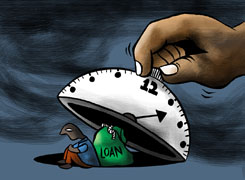
My husband is in a very bad financial trap which we could never overcome. He had a travels business with few cars and a Tempo traveler, but everything was in loan as we could not pay the emi we lost all the vehicles. The monthly EmI we are bound to pay is 1.5 lakhs other than the car loans. We cant even ignore the Emi because, as my husband lost his cibil score we took personal loan using my cibil, my mother and brother in law's cibils and even couple of our friends look loan and gave us. So we have to make sure we pay all those. To pay these EMi my husband took hefty loans from private lenders, one among them is a local rowdy kind of a person. Private loans are for very huge interest, we have payed 8 lakhs interest alone in just 3 months, all that 8 lakhs are also from another private lending person for huge interest. Our debt is increasing tremendously even at this very time iam waiting this question. Everyone started asking us their money back. And that rowdy even came home with few people and used offensive words. I know i cant pay back anything. But alot of family members have given everything thay had to help us and i have to do something to pay them back. We dont have any property or any jwells, we lost everything in playing the interest. Now we have no income at all. We also have a 1 year old child. I am 30 and my husband is 31, we have just started our life but this problem is making us thinking of death. I want us to overcome this for the sake of our daughter and our family. Please shed some good advice. Thank you in advance.
Ans: Your current financial situation is extremely difficult, and you are facing a severe debt trap. This is affecting both your mental health and family life. It is very commendable that despite such pressure, you are seeking a solution rather than giving up. The problem needs immediate attention, and the first thing you must focus on is survival, getting through this phase, and planning a way forward.

It is essential to break the cycle of debt. Your current strategy of taking loans to pay off other loans is not sustainable. The mounting pressure from private lenders, especially those charging high interest, needs to be addressed as a priority.

Immediate Steps to Control Damage
Stop Taking New Loans: This is critical. Do not take further loans to pay EMIs or interest. This will only add to your debt burden and trap you deeper in the cycle. Breaking this habit is the first step to financial recovery.

Prioritize Debt Repayment: Focus on paying off the most critical loans first. Prioritize high-interest private loans, especially the one from the "rowdy" lender, as they are the most dangerous to your situation. You can negotiate with other friends or family members who loaned money to you for an extended time to pay them back later once you clear the higher-risk loans.

Negotiate with Creditors: This might be difficult, but try negotiating with the banks and private lenders for a temporary reduction in EMIs or interest rates. You can explain the current situation and ask for an alternative repayment plan. Lenders will often prefer some recovery over no recovery at all.

Consolidate Debts If Possible: Explore the option of debt consolidation. This would mean combining all your loans into one, usually at a lower interest rate. If you have any formal channels available, you could consolidate loans through a bank or financial institution.

Dealing with Private Lenders
Private lenders, especially those involved in informal lending, can be ruthless. This needs to be addressed tactfully:

Legal Assistance: Consider seeking help from a lawyer, especially if you are being threatened by private lenders. Some actions by these individuals may be illegal, and knowing your legal rights could provide you with protection. There may be legal options to deal with illegal harassment or extremely high-interest loans.

Family Support: Inform your family about the situation with private lenders. Their support will be important, both emotionally and financially, as you work through this crisis.

Generating Immediate Income
Temporary Employment or Side Gigs: Both you and your husband may need to take up any available jobs or side gigs to generate cash flow immediately. Even if it doesn’t cover the entire EMI, any income will help you manage household expenses and avoid further borrowing.

Rent a Room or Space: If you live in a home that has extra space, consider renting out a room to bring in additional income. Every bit of extra money will help during this critical phase.

Freelancing or Online Work: Explore online freelancing or other short-term online jobs that can help you earn some immediate income. The internet has many opportunities that can be explored with little to no investment upfront.

Assessing Your Existing Resources
Tap Into Social Networks: If you haven’t done so yet, you can consider reaching out to extended family and friends. However, be very cautious in borrowing further money. Instead, ask if they can support you with ideas or resources to help you generate more income.

Selling Any Non-Essential Assets: Though you have mentioned losing all your properties and jewelry, double-check for any non-essential household items or assets that can be sold or mortgaged temporarily to raise cash for repayments.

Developing a Financial Plan
Seek Help from a Certified Financial Planner: In a situation like this, a Certified Financial Planner (CFP) can help you restructure your debt and create a plan to manage and reduce it. A CFP will assess your total debt, income, and expenses and help you devise a realistic strategy. There might also be debt settlement options, but this depends on your lender’s willingness to negotiate.

Monthly Budget: Create a strict monthly budget with only necessary expenses. Cut out all non-essential spending, even if it’s small. Every rupee saved can be put toward repaying debt.

Emotional and Mental Well-being
It’s important to remember that mental health is a priority in difficult situations like this. Financial stress can severely impact your health and relationships. Ensure that you and your husband stay mentally strong for the sake of your daughter.

Talk to Family and Friends: Don’t keep the financial stress to yourself. Talk to trusted family members and friends about your emotional struggles. Their support will help you deal with the crisis better.

Counseling and Support Groups: If the burden feels too heavy, consider seeking counseling. There are several financial crisis support groups where people can discuss their problems openly and receive both advice and emotional comfort.

Avoiding Common Pitfalls
Stay Away from Quick-Fix Solutions: Many people in debt fall for schemes that promise easy money, but these often worsen the situation. Stay away from betting, lotteries, or high-risk investments. The focus should be on reducing debt, not trying to gamble out of it.

Don’t Compromise on Essentials: While paying back debts is important, do not compromise on your child’s or family’s basic needs such as food, healthcare, or education. These expenses are crucial for your long-term well-being and stability.

Final Insights
Your situation is overwhelming, but taking small, controlled steps can help you regain stability. The key is to stop further borrowing and reduce your high-interest loans as quickly as possible. It will require discipline, hard work, and sacrifice. Your family, especially those who understand your struggles, can be your best support.

Keep hope alive. Focus on protecting your family and future, especially for the sake of your daughter. You are in a difficult phase, but this can be overcome with proper planning and strong mental strength.

Stay strong and take each step with confidence that things will eventually improve.

Best Regards,

K. Ramalingam, MBA, CFP,
Chief Financial Planner,
www.holisticinvestment.in
https://www.youtube.com/@HolisticInvestment

..Read more

Latest Questions
Ramalingam

Ramalingam Kalirajan  |10879 Answers  |Ask -

Mutual Funds, Financial Planning Expert - Answered on Dec 11, 2025

Asked by Anonymous - Dec 11, 2025Hindi
Money
Hello Sir, I am 56 yrs old with two sons, both married and settled. They are living on their own and managing their finances. I have around 2.5 Cr. invested in Direct Equity and 50L in Equity Mutual Funds. I have Another 50L savings in Bank and other secured investments. I am living in Delhi NCR in my owned parental house. I have two properties of current market worth of 2 Cr, giving a monthly rental of around 40K. I wish to retire and travel the world now with my wife. My approximate yearly expenditure on house hold and travel will be around 24 L per year. I want to know, if this corpus is enough for me to retire now and continue to live a comfortable life.
Ans: You have built a strong base. You have raised your sons well. They live independently. You and your wife now want a peaceful and enjoyable retired life. You have created wealth with discipline. You have no home loan. You live in your own house. This gives strength to your cash flow. Your savings across equity, mutual funds, and bank deposits show good clarity. I appreciate your careful preparation. You deserve a happy retired life with travel and comfort.

» Your Present Position
Your current financial position looks very steady. You hold direct equity of around Rs 2.5 Cr. You hold equity mutual funds worth Rs 50 lakh. You also have Rs 50 lakh in bank deposits and other secured savings. Your two rental properties add more comfort. You earn around Rs 40,000 per month from rent. You also live in your owned house in Delhi NCR. So you have no rent expense.

Your total net worth crosses Rs 5.5 Cr easily. This gives you a strong base for your retired life. You plan to spend around Rs 24 lakh per year for all expenses, including travel. This is reasonable for your lifestyle. Your savings can support this if planned well. You have built more than the minimum needed for a comfortable retired life.

» Your Key Strengths
You already enjoy many strengths. These strengths hold your plan together.

You have zero housing loan.

You have stable rental income.

You have children living independently.

You have a balanced mix of assets.

You have built wealth with discipline.

You have clear goals for travel and lifestyle.

You have strong liquidity with Rs 50 lakh in bank and secured savings.

These strengths reduce risk. They support a smooth retired life with less stress. They also help you handle inflation and medical costs better.

» Your Cash Flow Needs
Your yearly expense is around Rs 24 lakh. This includes travel, which is your main dream for retired life. A couple at your stage can keep this lifestyle if the cash flow is planned well. You need cash flow clarity for the next 30 years. Retirement at 56 can extend for three decades. So your wealth must support you for a long period.

Your rental income gives you around Rs 4.8 lakh per year. This covers almost 20% of your yearly spending. This reduces pressure on your investments. The rest can come from a planned withdrawal strategy from your financial assets.

You also have Rs 50 lakh in bank deposits. This acts as liquidity buffer. You can use this buffer for short-term and medium-term needs. You also have equity exposure. This can support long-term growth.

» Risk Capacity and Risk Need
Your risk capacity is moderate to high. This is because:

You own your home.

You have rental income.

Your children are financially independent.

You have large accumulated assets.

You have enough liquidity in bank deposits.

Your risk need is also moderate. You need growth because inflation will rise. Travel costs will rise. Medical costs will increase. Your lifestyle will change with age. Your equity portion helps you beat inflation. But your equity exposure must be managed well. You should avoid sudden large withdrawals from equity at the wrong time.

Your stability allows you to keep some portion in equity even during retired life. But you should avoid excessive risk through direct equity. Direct equity carries concentration risk. A balanced mix of high-quality mutual funds is safer in retired life.

» Direct Equity Risk in Retired Life
You hold around Rs 2.5 Cr in direct equity. This brings some concerns. Direct equity needs frequent tracking. It needs research. It carries single-stock risk. One mistake may reduce your capital. In retired life, you need stability, clarity, and lower volatility.

Direct funds inside mutual funds also bring challenges. Direct funds lack personalised support. Regular plans through a Mutual Fund Distributor with a Certified Financial Planner bring guidance and strategy. Regular funds also support better tracking and behaviour management in volatile markets. In retired life, proper handholding improves long-term stability.

Many people think direct funds save cost. But the value of advisory support through a CFP gives higher net gains over long periods. Direct plans also create more confusion in asset allocation for retirees.

» Mutual Funds as a Core Support
Actively managed mutual funds remain a strong pillar. They bring professional management and risk controls. They handle market cycles better than index funds. Index funds follow the market blindly. They do not help in volatile phases. They also offer no risk protection. They cannot manage quality of stocks.

Actively managed funds deliver better selection and risk handling. A retiree benefits from such active strategy. You should avoid index funds for a long retirement plan. You should prefer strong active funds under a disciplined review with a CFP-led MFD support.

» Why Regular Plans Work Better for Retirees
Direct plans give no guidance. Retired investors often face emotional decisions. Some panic during market fall. Some withdraw heavily during market rise. This harms wealth. Regular plan under a CFP-led MFD gives a relationship. It offers disciplined rebalancing. It improves long-term returns. It protects wealth from poor behaviour.

For retirees, the difference is huge. So shifting to regular plans for the mutual fund portion will help long-term stability.

» Your Withdrawal Strategy
A planned withdrawal strategy is key for your case. You should create three layers.

Short-Term Bucket
This comes from your bank deposits. This should hold at least 18 to 24 months of expenses. You already have Rs 50 lakh. This is enough to hold your short-term cash needs. You can use this for household costs and some travel. This avoids panic selling of equity during market downturn.

Medium-Term Bucket
This bucket can stay partly in low-volatility debt funds and partly in hybrid options. This should cover your next 5 to 7 years. This helps smoothen withdrawals. It gives regular cash flow. It reduces market shocks.

Long-Term Bucket
This can stay in high-quality equity mutual funds. This bucket helps beat inflation. This bucket helps fund your travel dreams in later years. This bucket also builds buffer for medical needs.

This three-bucket strategy protects your lifestyle. It also keeps discipline and clarity.

» Handling Property and Rental Income
Your properties give Rs 40,000 monthly rental. This helps your cash flow. You should maintain the property well. You should keep some funds aside for repairs. Do not depend fully on rental growth. Rental yields remain low. But your rental income reduces pressure on your investments. So keep the rental income as a steady support, not a primary source.

You should not plan more real estate purchase. Real estate brings low returns and poor liquidity. You already own enough. Holding more can hurt flexibility in retired life.

» Planning for Medical Costs
Medical costs rise faster than inflation. You and your wife need strong health coverage. You should maintain a reliable health insurance. You should also keep a medical fund from your bank deposits. You may keep around 3 to 4 lakh per year as a buffer for medical needs. Your bank savings support this.

Health coverage reduces stress on your long-term wealth. It also avoids large withdrawals from your growth assets.

» Travel Planning
Travel is your main dream now. You can plan your travel using your short-term and medium-term buckets. You can take funds annually from your liquidity bucket. You can avoid touching long-term equity assets for travel. This approach keeps your wealth stable.

You should plan travel for the next five years with a budget. You should adjust your travel based on markets and health. Do not use entire gains of equity for travel. Keep travel budget fixed. Add small adjustments only when needed.

» Inflation and Lifestyle Stability
Inflation will impact lifestyle. At Rs 24 lakh per year today, the cost may double in 12 to 14 years. Your equity exposure helps you beat this. But you need careful rebalancing. You also need disciplined review with a CFP-led MFD. This will help you manage inflation and maintain comfort.

Your lifestyle is stable because your children live independently. So your cash flow demand stays predictable. This makes your plan sustainable.

» Longevity Risk
Retirement at 56 means you may live till 85 or 90. Your plan should cover long years. Your total net worth of around Rs 5.5 Cr to Rs 6 Cr can support this. But you need a proper drawdown strategy. Avoid high withdrawals in early years. Keep your travel budget steady.

Do not depend on one asset class. A mix of debt and equity gives comfort. Keep your bank deposits as cushion.

» Succession and Estate Planning
Since you have two sons who are settled, you can plan a clear will. Clear distribution avoids conflict. You can also assign nominees across accounts. You can also review your legal papers. This gives peace to you and your family.

» Summary of Your Retirement Readiness
Based on your assets and cash flow, you are ready to retire. You have enough wealth. You have enough liquidity. You have enough income support from rent. You also have good asset mix. With proper planning, your lifestyle is comfortable.

You can retire now. But maintain a disciplined withdrawal strategy. Shift more reliance from direct equity into professionally managed mutual funds under regular plans. Keep your liquidity strong. Review once every year with a CFP.

Your wealth can support your travel dreams for many years. You can enjoy retired life with confidence.

» Finally
Your preparation is strong. Your intentions are clear. Your lifestyle needs are reasonable. Your assets support your dreams. With a balanced plan, steady review, and mindful spending, you can enjoy a comfortable retired life with your wife. You can travel the world without fear of running out of money. You deserve this peace and joy.

Best Regards,
K. Ramalingam, MBA, CFP,
Chief Financial Planner,
www.holisticinvestment.in

https://www.youtube.com/@HolisticInvestment

...Read more

Dr Nagarajan J S K

Dr Nagarajan J S K   |2577 Answers  |Ask -

NEET, Medical, Pharmacy Careers - Answered on Dec 10, 2025

Asked by Anonymous - Dec 10, 2025Hindi
DISCLAIMER: The content of this post by the expert is the personal view of the rediffGURU. Investment in securities market are subject to market risks. Read all the related document carefully before investing. The securities quoted are for illustration only and are not recommendatory. Users are advised to pursue the information provided by the rediffGURU only as a source of information and as a point of reference and to rely on their own judgement when making a decision. RediffGURUS is an intermediary as per India's Information Technology Act.

Close  

You haven't logged in yet. To ask a question, Please Log in below
Login

A verification OTP will be sent to this
Mobile Number / Email

Enter OTP
A 6 digit code has been sent to

Resend OTP in120seconds

Dear User, You have not registered yet. Please register by filling the fields below to get expert answers from our Gurus
Sign up

By signing up, you agree to our
Terms & Conditions and Privacy Policy

Already have an account?

Enter OTP
A 6 digit code has been sent to Mobile

Resend OTP in120seconds

x