Home > Health > Question
Need Expert Advice?Our Gurus Can Help

4-Year-Old Son Full of Energy: When Can He Start Yoga?

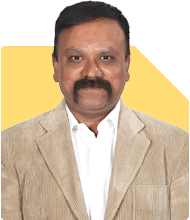
Sabrina

Sabrina Merchant  | Answer  |Ask -

Yoga Expert - Answered on Feb 13, 2025

Sabrina Merchant founded Li’l Yogis in 2018 after completing her teacher’s training course from The Yoga Institute in Mumbai.
Her qualifications include Ayush Level 1, mindfulness coach from The Happitude Global and children and teen yoga certification from Yoga Ed, USA.
She has taught more than 1 lakh youngsters online and offline across the globe.... more
Asked by Anonymous - Jan 11, 2025Hindi
Listen

Health

hello mam, my son is four year old. Extremely energetic. My doctor say we need to utilize his energy in sports. I want he should learn Yoga for same so by what age I can start his training.

Ans: 4 years is the perfect age to introduce yoga to your child. You can start with basic poses/asanas and more importantly you can also introduce some breath work and mediation to help him calm down. Some poses to help him focus are the Vrishasana (Tree Pose) , Padmasana (Lotus Pose) and Garudasana (Eagle pose). Sitting in silence together for 5 mins daily can also be a great way to help him focus and calm down.
Asked on - Feb 13, 2025 | Answered on Feb 15, 2025
Listen
Thank you for your answer
Ans: Pleasure
DISCLAIMER: The answer provided by rediffGURUS is for informational and general awareness purposes only. It is not a substitute for professional medical diagnosis or treatment.
Health

You may like to see similar questions and answers below

Latest Questions
Ramalingam

Ramalingam Kalirajan  |10847 Answers  |Ask -

Mutual Funds, Financial Planning Expert - Answered on Nov 17, 2025

Asked by Anonymous - Nov 15, 2025Hindi
Money
Hi Experts, Help me plan for my family, including how to take services of a certified financial planner and their fee structure/charges. I am 35 years old, married with 2 daughters. Want to plan for their studies and self and spouse's retirement, assuming post retirement life of 15-20 years at then inflation rate. - I have 2 apartments, one paid for, one with 21L loan. Both 3bhk, and in Bangalore. - I have mutual funds portfolio of 36L (across multiple direct funds - 15% debt, mostly equity) - 5L in stocks, in core sectors (metal, industries etc) - approx 40L in PPF - SSY for elder kid, not started for younger one, but not very regular with contributions due to other liabilities - 65L in employer company stocks (I might switch employers but will leave the corpus to grow) - Health insurance.
Ans: You already did many right things at a young age. Your savings show clear care for your family. Your goals also show deep clarity. I appreciate your intent to build a strong long-term plan. You already created a very good base. Now you only need one clear roadmap that links every asset and goal.

Your Present Strengths
Your savings show smart thinking.
Your mix of assets is already wide.
You built strong discipline at age 35.
You planned for both kids.
You hold equity, debt, PPF, SSY, and employer stock.
You also hold two apartments.
You already use insurance.
These things give you very strong base power.
This base helps you plan the next 25 to 40 years.
This base also helps control risk in your later years.
Many people start late.
You are far ahead of them.

» Your Key Family Goals
Your main goals are clear.
You aim for kids’ education.
You aim for retirement.
Clarity like this helps a lot.
Your goals are long term.
Long term goals need stable plans.
Stable plans grow well with time.
You also want to manage liabilities.
This is also important.
Good planning here gives peace.
Your present age offers long compounding time.

» Understanding Your Current Assets
Let me read your assets with a calm view.

– You have two apartments. One is debt-free. One has Rs 21 lakh loan.
– You have Rs 36 lakh in mutual funds. You hold direct plans.
– You have Rs 5 lakh in stocks.
– You have Rs 40 lakh in PPF.
– You have SSY for elder daughter.
– You have employer RSU holding of around Rs 65 lakh.
– You have health insurance.

Your position is strong but not balanced.
Your money is not fully aligned with your goals yet.
A structured plan from now will bring strong clarity.

» Why Direct Mutual Funds May Not Suit Long-Term Family Goals
You hold direct mutual funds now.
Direct funds look cheaper.
But they need deep monitoring.
They need review of risk shifts.
They need review of performance cycles.
They also need sharp discipline during bad years.
Many investors lack time for such review.
Direct funds also offer no handholding.
You face all stress alone.
You also manage fund moves alone.
Wrong timing moves hurt long-term wealth.
Direct funds many times lead to wrong exits.
Direct funds can also lead to poor rebalancing.
These issues reduce your long-term wealth.

Regular funds through an MFD with CFP credential help reduce these risks.
You get structured reviews.
You get expert rebalancing.
You get behavioural guidance.
You get allocation support.
You get peace.
This support reduces mistakes.
Fewer mistakes mean more wealth for your family.

» Why Actively Managed Funds May Suit You Better
Your equity plan is long term.
Actively managed funds can adjust to market cycles.
They move between sectors.
They help lower downside risk in tough phases.
They seek better alpha.
Index funds cannot do this.
Index funds stay fixed.
Index funds buy both good and weak companies.
Index funds hold stressed sectors also.
Index funds give no flexibility.
Index funds also see high concentration risk in some indices.
Your goals need more smart risk control.
Actively managed funds help you do that.
This can improve long-term results.

» Reading Your Liabilities
Your only major loan is Rs 21 lakh.
This is not high for your income stage.
The key part is to keep EMI smooth.
Avoid pushing too fast.
Do not break your investment flow.
A balanced EMI and SIP mix works best.

» Kids’ Education Planning
You have two daughters.
Their costs rise with inflation.
This means you need long-term systematic plan.
These actions help:

– Keep SSY for elder daughter.
– Start one systematic plan for younger daughter also.
– Use mix of equity and debt for both.
– Use PPF partly for long-term support.
– Keep regular contributions small but steady.

This steady effort matters more than big jumps.
Kids’ education goals need at least 10 to 15 years.
So use mostly equity for growth.
Use a small part in debt for stability.

» Retirement Planning Strategy for You and Your Spouse
You have long time left to retirement.
This time gives power to equity allocation.
You also have PPF.
PPF adds safety.
Your retirement plan must cover 15 to 20 years of post-retirement life.
This needs inflation-adjusted planning.

Use these steps:

– Keep part of portfolio in actively managed equity funds.
– Keep debt for safety, not for returns.
– Continue PPF to add more secure base.
– Reduce exposure to employer stock slowly.
– Do not depend on employer stock for retirement.
– Build a separate retirement portfolio with strong diversification.

Retirement must not depend on one risky asset.
Retirement must not depend only on equity.
Retirement must not depend only on debt.
Use mix.
Use rebalancing.
Use review.

» Understanding Risk in Employer Stock Holding
You hold Rs 65 lakh in employer stock.
This is a big part of your wealth.
This creates concentration risk.
If the company faces issues, your wealth can fall.
You may switch jobs also.
So reduce this risk slowly.
Do not sell all at once.
Sell in small parts.
Shift the money to diversified funds.
This makes your long-term goals more safe.

» Your Real Estate Position
You already have two apartments.
Both are in Bangalore.
You do not need more property.
Real estate also locks money.
You already have enough exposure.
Future investments should not go into real estate.

» Building a Strong Asset Allocation Framework
A clear asset allocation gives you more clarity.
It helps your goals stay on track.
It also controls risk well.

Use these long-term steps:

– Give equity more share for growth.
– Give debt enough share for stability.
– Keep PPF as long-term safety tool.
– Keep kids’ education with separate planned buckets.
– Do not mix retirement and education funds.

Each goal gets its own plan.
This brings more order to your money.

» Systematic Investing for Smooth Growth
SIPs help you a lot.
You can use them to build each goal.
Use equity SIPs for long-term goals.
Use debt SIPs for stability.
Use slow and steady flow.
Try not to stop SIPs during market falls.
Falls help you buy cheap units.
Cheap units mean better long-term returns.

» Building Emergency and Protection Layers
Emergency fund is key.
Keep at least six months of expenses in safe place.
This protects your SIPs.
This also protects your long-term goals.
You already have health insurance.
Keep it updated.
Health costs can disrupt your plans.
Insurance helps avoid that.

» 360 Degree View of Your Full Plan
Your whole plan must work like one system.
Each goal must connect to proper assets.
Your loans must fit your cash flow.
Your savings must match your risk ability.
Your insurance must protect your savings.
Your kids’ plan must not disturb retirement.
Your retirement plan must not disturb kids’ plan.
Your portfolio must stay calibrated.
Your funds must stay reviewed.
Your behaviour must stay calm.
This is the real 360 degree planning.

A Certified Financial Planner helps align all of these.
This gives you one clear map for all goals.

» How to Work With a Certified Financial Planner
A Certified Financial Planner studies your goals.
The planner studies cash flow.
The planner reads your behaviour pattern.
The planner checks your risk level.
The planner designs asset allocation.
The planner selects right categories for you.
The planner reviews your plan each year.
The planner adjusts your portfolio when needed.
You get a complete service, not only fund selection.
You get a whole plan for your family.

» Why a Certified Financial Planner Adds Great Value
A planner helps avoid emotional mistakes.
Such mistakes reduce wealth.
A planner helps with rebalancing.
Rebalancing is key for safety and returns.
A planner handles asset mapping.
A planner keeps all goals aligned.
A planner helps you plan taxes.
A planner gives holistic guidance.
A planner gives discipline.
Discipline builds wealth.

A planner also tracks fund cycles.
A planner guides during market noise.
A planner keeps your plan steady.

This support helps your family’s long-term safety.

» Cash Flow Restructuring for Your Case
You have loan EMI.
You have investments.
You have kids’ expenses.
You need a clean cash flow map.
Use these steps:

– Fix monthly SIPs first.
– Keep EMI below safe limit.
– Keep emergency fund safe.
– Keep kids’ plan steady.
– Keep retirement SIP steady.
– Do not dip into long-term investments.

This pattern builds strong wealth.

» Insurance and Risk Protection
Health insurance is good.
But check if coverage is large enough.
Health costs grow each year.
A good health cover saves you from big shocks.

Also check life cover.
It must match income and goals.
Life cover must protect your family if something happens.
Do not use investment-linked policies.
Pure term cover is better.
It is simple.
It is clear.
It protects well.

» Tax Planning Across Assets
Use tax benefits from PPF.
Use tax benefits from SSY.
Use tax benefits from home loan.
Use long-term gains wisely when selling funds.

New tax rules apply:
Equity LTCG above Rs 1.25 lakh is taxed at 12.5%.
Equity STCG is taxed at 20%.
Debt funds are taxed as per your slab.

Plan sales with help of a Certified Financial Planner.
This helps keep taxes low.

» Finally
You already built a strong base.
You only need refined structure now.
Your goals are clear.
Your family needs long-term safety.
Your savings can meet those goals.
You need right alignment.
You need right fund mix.
You need expert review.
You need behavioural guidance.
These steps take you to peace and stability.

A Certified Financial Planner helps you bring all parts together.
This gives you a 360 degree family solution.
This gives you clarity for many years.
This gives your kids secure paths.
This gives you and your spouse a calm retired life.

You already have good strength.
With the right planning guidance, you can move even faster.

Best Regards,

K. Ramalingam, MBA, CFP,

Chief Financial Planner,

www.holisticinvestment.in

https://www.youtube.com/@HolisticInvestment

...Read more

Nayagam P

Nayagam P P  |10843 Answers  |Ask -

Career Counsellor - Answered on Nov 17, 2025

Career
Hello Sir, my son is 15 and he is going to give std 12th science exams in feb 2026,he studies in gujarat board and get 85 to 95 percentiles in school exams. sir he is interested in computer science and i dont know anything about engineering as i am a commerce student.Sir please suggest the best for him and what tech is going to be in demand in future. and also suggest best engineering colleges in gujarat. Thanks
Ans: With your son's impressive 85-95 percentile performance in school exams, he possesses competitive academic foundation for pursuing Computer Science Engineering in premier Gujarat institutions through JEE Main 2026 or GUJCET pathways, both of which accept Gujarat board qualifications without additional eligibility complications. Computer Science Engineering represents India's highest-demand technical field through 2030, driven by exponential growth in artificial intelligence, machine learning, cybersecurity, cloud computing, and emerging quantum technologies—sectors projected to generate 350,000+ new positions annually. AI/ML integration is becoming mandatory across all software roles, with cybersecurity, cloud architecture (AWS/Azure/GCP), blockchain technology, and edge computing emerging as critical skill sets commanding premium salaries. His 85-95 percentile trajectory suggests realistic targeting of mid-tier to premium government colleges if sustained through 12th board exams and JEE Main preparation, requiring approximately 150-200+ marks (corresponding to 75-95 percentile in JEE Main) for securing CSE seats in top-tier government institutions. Admission pathways include: JEE Main Score (for IITs, NITs, IIITs nationwide), GUJCET Score (for select Gujarat government/private institutions), or GUJCET for alternative colleges. Eligibility mandates minimum 45% aggregate in 12th Science (Physics, Chemistry, Mathematics) for general category, with no JEE Main appearing percentage barrier despite popular misconceptions. Top government colleges (IIT Gandhinagar, SVNIT Surat, LDCE Ahmedabad) offer affordability (INR 80,000-2,50,000 annually) with CSE BTech placement rates averaging 64-72%, while SVNIT specifically records CSE average compensation and highest package reaching 15.86 LPA and 62 LPA respectively (2024-2025). Nirma University and PDEU represent leading private options with CSE placement percentages 85-90% and competitive packages, though fees significantly higher (INR 10-15 lakhs annually). Top 5 Government Colleges: (1) IIT Gandhinagar—NIRF #1, highly selective, CSE ultra-competitive, average package approximately 18 LPA, placement 95%+, JEE Main ranks under 1,500 typical; (2) SVNIT Surat—NIRF #15, CSE placement 72%, average package 15.86 LPA, JEE Main CSE cutoff ranks 3,000-8,000; (3) LDCE Ahmedabad—Government prestigious college, CSE 68% placement, fees INR 90,000 annually, JEE Main cutoff flexible; (4) VGEC Ahmedabad—Established government institution, CSE strong, fees INR 7,500 annually, excellent value; (5) GEC Gandhinagar—Government option, CSE availability, fees INR 15,000 annually. Top 5 Private Colleges: (1) Nirma University, Ahmedabad—NIRF top-ranked private, CSE placement 85%+, average package 7.84 LPA, fees INR 10-12 lakhs; (2) DA-IICT Gandhinagar—Autonomous prestigious, CSE placement 90%+, average 17.10 LPA, fees INR 12 lakhs; (3) PDEU Gandhinagar—Strong infrastructure, CSE placement 75%, average package 6.75 LPA, fees INR 11 lakhs; (4) DDU Nadiad—Respected private, CSE 70% placement, affordable fees INR 5-6 lakhs; (5) CHARUSAT Anand—Quality academics, CSE good placement (~75%), moderate fees INR 8-9 lakhs. Backup Entrance Options Beyond GUJCET/JEE Main: BITSAT (for BITS Pilani campuses), VITEEE (for VIT Chennai/Vellore if willing to relocate), or direct institutional entrance tests (Nirma and PDEU accept both merit + entrance).? When time permits, explore the 'EduJob360' YouTube channel, which features comprehensive videos on JEE, GUJCET, and engineering college admission processes. All the BEST for Your Son's Prosperous Future!

Follow RediffGURUS to Know More on 'Careers | Money | Health | Relationships'.

...Read more

Nayagam P

Nayagam P P  |10843 Answers  |Ask -

Career Counsellor - Answered on Nov 16, 2025

Asked by Anonymous - Nov 16, 2025Hindi
Career
Sir i am from ews category preparing for jee main 2026 about how much marks I needed to get cse in mid tier nit or iiit
Ans: For an EWS category student targeting Computer Science Engineering (CSE) in mid-tier NITs and IIITs through JEE Main 2026, the expected cutoff metrics based on the last two years' data (2024-2025) demonstrate realistic benchmarks for strategic preparation. The JEE Main 2025 qualifying cutoff for the EWS category established at 80.3830119 percentile (approximately 80 marks minimum) creates the foundational threshold, while actual NIT/IIIT admission cutoffs for EWS CSE range significantly higher. Mid-tier NIT CSE admissions for EWS candidates typically close between ranks 8,000-15,000, translating to approximately 155-170 marks out of 300, representing 85-90 percentile range. For mid-tier IIITs like IIIT Gwalior, IIIT Kalyani, IIIT Allahabad, and IIIT Lucknow, EWS CSE cutoffs historically close around ranks 3,500-5,600, requiring approximately 150-165 marks (corresponding to the 82-88 percentile). IIIT Kalyani Round 6 (2025) data shows EWS CSE closing at rank 5,640 (approximately 165 marks); IIIT Gwalior EWS CSE closing around rank 8,200 (approximately 155 marks). Specific institution trends: NIT Warangal EWS CSE closing rank approximately 13,847, requiring ~165 marks; NIT Jaipur closing around rank 11,000, requiring ~160 marks; NIT Surathkal EWS CSE approximately rank 8,000-9,000, requiring ~160-165 marks. The 2024-2025 data consistently demonstrates EWS candidates securing mid-tier NIT/IIIT CSE seats with scores spanning 150-170 marks (82-90 percentile), suggesting a realistic target for 2026 preparation aligns with achieving 155-170 marks minimum (85-90 percentile equivalent). Competition intensity remains moderate-to-high for CSE branch; achieving marks above 170 provides a comfortable margin for premium mid-tier seat acquisition, while 150-155 marks offer realistic prospects in lower mid-tier institutions, with the EWS reservation advantage substantially improving admission probability compared to general category candidates requiring 20-30 additional marks for identical institution admission.? Important Disclaimer: The admission probability assessments provided are estimates based on historical data and should be considered indicative only. Opening and closing ranks experience annual fluctuations due to multiple dynamic factors including exam difficulty variations, candidate participation rates, performance distributions, institutional seat matrix adjustments, policy modifications in reservation criteria, evolving student preferences across disciplines, shifting institutional rankings, historical cutoff influences, economic trends affecting branch demand, increase/decrease in students' intake, and multi-round counselling processes.

Strategic Recommendation: Include as many institute-branch combinations as possible in JoSAA Counselling Process, beginning with your preferred options first. Also, to optimize your admission prospects, we strongly encourage maintaining a diversified application portfolio by preparing/appearing for 4-5 additional engineering entrance examinations for private institutions alongside JEE/JoSAA. This comprehensive approach ensures multiple pathways to quality engineering education beyond the highly competitive IIT/NIT/IIIT/GFTI ecosystem. All the BEST for Your JEE 2026 & for Your Prosperous Future!

Follow RediffGURUS to Know More on 'Careers | Money | Health | Relationships'.

...Read more

Nayagam P

Nayagam P P  |10843 Answers  |Ask -

Career Counsellor - Answered on Nov 16, 2025

Career
Dear sir/ma'am I want to know about top colleges in kolkata for ba/bsc psychology which is rci approved and their entrance exams with lower fees gov/public as i can't afford private college And
Ans: Ayushi, It appears your question is incomplete, as it ends with the word "and," suggesting you intended to ask something further. However, regarding the first part of your question, please note the following: Government psychology education in Kolkata offers exceptional value through merit-based admission systems and negligible fees ranging from INR 1,400-12,000 annually for entire undergraduate duration, making quality psychology education genuinely accessible for economically vulnerable students. Kolkata University system provides the predominant platform for psychology honors programs, with admission determined entirely by 10+2 aggregate marks without entrance examinations for most government colleges, creating transparent, merit-driven selection processes. The typical eligibility requirement mandates minimum 50-60% marks in Class 12 with English as compulsory subject; aggregate score calculation uses best four subjects (excluding environmental education), establishing realistic yet competitive cutoffs ranging 85-95% for psychology specialization in premier government institutions. Calcutta University entrance examination exists as alternative pathway for select programs, though most undergraduate psychology admissions remain purely merit-based. Competition intensity remains moderate-to-high compared to premium private institutions, with government colleges attracting serious, academically-focused students seeking career development over prestige. Average placement outcomes demonstrate solid career prospects, with psychology graduates securing positions in clinical services, education, corporate HR, research, and government departments at approximately INR 2.9-4 LPA entry-level packages. Notably, government colleges do not formally advertise RCI approval for undergraduate BA/BSc Psychology programs—RCI recognition primarily applies to postgraduate clinical psychology credentials (M.A., M.Phil in Clinical Psychology). However, government colleges maintain standardized psychology curricula aligned with university guidelines ensuring quality foundation education. Top 5 Government Psychology Colleges in Kolkata: (1) Bethune College, Kolkata (NIRF #156, established 1873)—Prestigious women's college offering BA Psychology Honours with merit-based admission, 10+2 minimum 60% with English 60%, annual fees approximately INR 1,181-5,000, excellent faculty, placement rate INR 2.2-3 LPA; (2) Asutosh College (Calcutta University affiliated)—Historic government college, BA Psychology honours, merit-based 50% 12th marks, fees INR 2,400-7,200, strong academics reputation; (3) Surendranath College (Calcutta University affiliated, Government)—Located Sealdah, BA Psychology, merit-based admission 50% 12th aggregate, fees approximately INR 3,000-5,000, average placement INR 2.9 LPA; (4) Basanti Devi College (Government affiliated)—Offers BA Psychology, merit-based admission, extremely affordable fees INR 1,400-3,000, dedicated faculty; (5) Sarojini Naidu College for Women (Government)—BA Psychology specialization, merit-based selection, very affordable fees, comprehensive curriculum.?
Summing up, pursue psychology at government colleges like Bethune, Asutosh, or Surendranath College offering exceptional affordability (INR 1,500-7,200 annually) with merit-based 10+2 admission (minimum 50-60%). While direct RCI approval applies to postgraduate programs, government colleges provide standardized psychology education with solid placement prospects (INR 2.9-4 LPA) and transparent, competition-free, merit-based selection systems. All the BEST for Your Prosperous Future!

Follow RediffGURUS to Know More on 'Careers | Money | Health | Relationships'.

...Read more

Nayagam P

Nayagam P P  |10843 Answers  |Ask -

Career Counsellor - Answered on Nov 16, 2025

Career
son is preparing for JEE. He wants to pursue Mathematics in the future.Just wanted to know, which are the acclaimed universities which are good for research in the field of Maths , which he can aim for?, and can resaerch also be a career option in our country?. Thank you.
Ans: Mithun Sir, Mathematics research represents a genuine and viable career path in India, particularly through premier institutions like IISc Bangalore (NIRF #1), TIFR Mumbai, and Chennai Mathematical Institute, each offering exceptional research infrastructure, distinguished faculty, and proven track records of producing internationally recognized mathematicians. The Indian research ecosystem provides multiple pathways: doctoral programs typically spanning 5-6 years following undergraduate studies, followed by postdoctoral fellowships lasting 2-3 years, ultimately leading to permanent faculty or research scientist positions. Entry-level PhD researchers earn INR 3-5 lakhs annually, with mid-career researchers (4-9 years experience) averaging INR 8-12 lakhs, and senior researchers commanding INR 12-30 lakhs depending on institutional affiliation and seniority. CSIR-Nehru Science Postdoctoral Fellowship represents India's most competitive opportunity, offering INR 80,000 monthly stipend, annual contingency grants, and over 100 fellowships awarded nationally, enabling transition from mentored to independent research. The mathematical research sector demonstrates strong job growth—employment projected to increase 23% with approximately 3,000 new positions generated annually across academic institutions, government laboratories (CSIR, DRDO), and emerging fintech-AI sectors. Mathematics PhD holders experience unemployment rates below 1%, compared to 7% national average, reflecting consistent demand for analytical expertise. Research positions increasingly intersect with applied domains: data science teams earn INR 20+ lakhs (50% of ISI graduates), while pure mathematicians contribute to cryptography, artificial intelligence, financial modeling, and quantum computing applications. The typical pathway—4 years undergraduate → 5 years graduate school → 2-3 postdoc years → permanent position—requires sustained commitment of approximately 11-13 years before achieving independence, reflecting mathematics' theoretical depth requirements. Three Critical Advantages: (1) Intellectual gratification through fundamental discovery creating lasting contributions to human knowledge; (2) Global academic mobility enabling international collaborations and positions; (3) Multiple exit options allowing transitions into academia, research institutions, finance, or technology sectors. Three Significant Challenges: (1) Extended training timeline (11-13 years) with no guaranteed tenured position; (2) Intense competition for limited permanent faculty roles at premier institutions, requiring consistent high-impact publications; (3) Limited immediate financial returns during PhD/postdoc phases (INR 3-5 lakhs initially) compared to technology industry peers earning INR 15-25 lakhs, potentially creating financial strain during formative career years.? Summing up, for your son pursuing mathematics post-JEE, research offers a legitimate, rewarding career path if he possesses genuine passion for theoretical discovery rather than immediate financial gains. Pursuing admission to IISc Bangalore, TIFR Mumbai, or CMI Chennai through competitive entrance exams (GATE, JAM, or direct selection) positions him optimally within India's premier research ecosystem. The mathematical research sector demonstrates robust long-term demand, particularly in AI, cryptography, and quantum computing, where specialized expertise commands premium opportunities globally. Success requires accepting 11-13 year training investment, demonstrating persistent publication record, and developing independent research vision. If your son prioritizes intellectual contribution over immediate wealth, mathematics research represents an excellent, sustainable career leveraging India's strengthening research infrastructure and growing international recognition in mathematical sciences. All the BEST for a Prosperous Future!

Follow RediffGURUS to Know More on 'Careers | Money | Health | Relationships'.

...Read more

DISCLAIMER: The content of this post by the expert is the personal view of the rediffGURU. Investment in securities market are subject to market risks. Read all the related document carefully before investing. The securities quoted are for illustration only and are not recommendatory. Users are advised to pursue the information provided by the rediffGURU only as a source of information and as a point of reference and to rely on their own judgement when making a decision. RediffGURUS is an intermediary as per India's Information Technology Act.

Close  

You haven't logged in yet. To ask a question, Please Log in below
Login

A verification OTP will be sent to this
Mobile Number / Email

Enter OTP
A 6 digit code has been sent to

Resend OTP in120seconds

Dear User, You have not registered yet. Please register by filling the fields below to get expert answers from our Gurus
Sign up

By signing up, you agree to our
Terms & Conditions and Privacy Policy

Already have an account?

Enter OTP
A 6 digit code has been sent to Mobile

Resend OTP in120seconds

x