Need Expert Advice?Our Gurus Can Help
Computer Science Student Torn Between Top Colleges: Thapar, PEC Chandigarh, UIET Chandigarh, and Shiv Nadar Noida
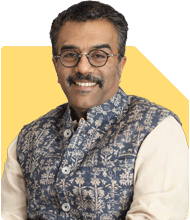
Chocko Valliappa |557 Answers |Ask -Follow
Tech Entrepreneur, Educationist - Answered on Jul 21, 2024
Chocko Valliappa is the founder and CEO of Vee Technologies, a global IT services company; HireMee, a talent assessment and talent management start-up; and vice chairman of The Sona Group of education institutions.
A fourth-generation entrepreneur, Valliappa is a member of Confederation of Indian Industry, Nasscom, Entrepreneurs Organization and Young Presidents’ Organization.
He was honoured by the YPO with their Global Social Impact award in 2018.
An alumnus of Christ College, Bangalore, Valliappa holds a degree in textile technology and management from the South India Textile Research Association. His advanced research in the Czech Republic led to the creation of innovative polyester spinning machinery.... more
A fourth-generation entrepreneur, Valliappa is a member of Confederation of Indian Industry, Nasscom, Entrepreneurs Organization and Young Presidents’ Organization.
He was honoured by the YPO with their Global Social Impact award in 2018.
An alumnus of Christ College, Bangalore, Valliappa holds a degree in textile technology and management from the South India Textile Research Association. His advanced research in the Czech Republic led to the creation of innovative polyester spinning machinery.... more
 Question by Nj on Jul 18, 2024Hindi
My son got computer engineering in Thapar and Production and Industrial Engineering in PEC Chandigarh and Electronics Engineering in UIET Chd and electrical and computer engineering at Shiv Nadar Noida branch.He has not any particular choice for branch .please advice what should he choose
Ans: Aledy responded. Questions repeated
CareerReply


You may like to see similar questions and answers below

Nayagam P P | Answer |Ask -Follow
Career Counsellor - Answered on Aug 09, 2024



Radheshyam Zanwar |7298 Answers |Ask -Follow
MHT-CET, IIT-JEE, NEET-UG Expert - Answered on Aug 07, 2024


Chocko Valliappa |557 Answers |Ask -Follow
Tech Entrepreneur, Educationist - Answered on Jul 20, 2024

Latest Questions

Dr Nagarajan J S K |2861 Answers |Ask -Follow
NEET, Medical, Pharmacy Careers - Answered on May 12, 2026

Dr Nagarajan J S K |2861 Answers |Ask -Follow
NEET, Medical, Pharmacy Careers - Answered on May 12, 2026


Dr Nagarajan J S K |2861 Answers |Ask -Follow
NEET, Medical, Pharmacy Careers - Answered on May 12, 2026

Dr Nagarajan J S K |2861 Answers |Ask -Follow
NEET, Medical, Pharmacy Careers - Answered on May 12, 2026


Dr Nagarajan J S K |2861 Answers |Ask -Follow
NEET, Medical, Pharmacy Careers - Answered on May 12, 2026
Dr Nagarajan J S K |2861 Answers |Ask -Follow
NEET, Medical, Pharmacy Careers - Answered on May 12, 2026

Dr Nagarajan J S K |2861 Answers |Ask -Follow
NEET, Medical, Pharmacy Careers - Answered on May 12, 2026
Dr Nagarajan J S K |2861 Answers |Ask -Follow
NEET, Medical, Pharmacy Careers - Answered on May 12, 2026
Dr Nagarajan J S K |2861 Answers |Ask -Follow
NEET, Medical, Pharmacy Careers - Answered on May 12, 2026


Dr Nagarajan J S K |2861 Answers |Ask -Follow
NEET, Medical, Pharmacy Careers - Answered on May 12, 2026