Home > Relationship > Question
Need Expert Advice?Our Gurus Can Help

Getting Married in 2025: Fearful of Financial Burden

Ravi

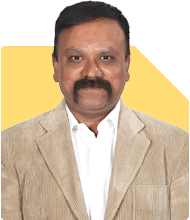
Ravi Mittal  |707 Answers  |Ask -

Dating, Relationships Expert - Answered on Mar 04, 2025

Ravi Mittal is an expert on dating and relationships.
He founded QuackQuack, an online dating platform, in 2010 with just two people. Today, it has over 20 million users in India.... more
Asked by Anonymous - Mar 03, 2025Hindi
Listen
Relationship

Hi Advisors, Is getting married in 2025 a good life decision as I get the thought of it I feel a heavy feeling on my heart after looking at current inflation as I do not want to burden another human beings life because of my choices. Please help.

Ans: Dear Anonymous,
I am not sure if you are looking for financial advice or relationship, but the general rule of thumb is that if you have any worries when you think of getting married, it's best to take things slow. As for the financial burden of getting married, it is important for both partners to contribute and shoulder the responsibilities. Things are much easier when
Hope this helps

You may like to see similar questions and answers below

Ramalingam

Ramalingam Kalirajan  |11054 Answers  |Ask -

Mutual Funds, Financial Planning Expert - Answered on Jun 02, 2025

Money
Hi team. I'm a 35 year old single man working as IT professional with almost 20 lakhs debt. I earn around 90k monthly from my 15 LPA package. I repay 40k emi which is there for 4 years. If I'm getting married, that will also be a new Personal loan for me. With zero savings and increasing debt, I'm highly concerned about my financial future which is also the reason I'm postponing my marriage. Kindly guide me to plan my financial future.
Ans: You are already doing the right first step—seeking help.

Your concern is real and understandable.
Your intention to take charge is deeply appreciated.

As a Certified Financial Planner, I will guide you with a full 360-degree view.
Let us now assess your current financial situation clearly.

Your Present Financial Picture
You are 35 years old and work in IT.

Your annual package is around Rs.15 lakhs.

Monthly take-home income is about Rs.90,000.

You have debt of Rs.20 lakhs, with Rs.40,000 EMI.

You have no savings right now.

You are delaying marriage due to financial stress.

You expect future personal loans during or after marriage.

Understanding Your Financial Strain
Your EMI is eating almost half your monthly income.

You have no emergency fund for sudden needs.

You are using all your earnings to just survive and repay.

Future commitments like marriage may create new debt.

No financial freedom, no savings, no investment yet.

Mentally, it can feel suffocating and stressful every day.

First Step: Get Back Your Control
You must not take any more personal loans now.

Delay marriage further till you fix your base.

Don’t think marriage needs a loan. Start simple.

Marriage adds emotional and financial responsibilities.

Don’t add new debt until old debt is reduced.

Reduce Your Existing EMI Burden
Rs.40,000 EMI every month is very high now.

Try to consolidate multiple loans into one.

Take a longer-term loan with lower EMI.

Ask your bank or NBFC for a loan restructure.

Explore balance transfer with lower interest.

Try converting credit card dues to personal loan.

Your aim is to bring EMI under Rs.30,000 monthly.

Immediate Changes to Spending Habits
Create a strict monthly budget. Stick to it.

Track every rupee. Use mobile apps if needed.

Cancel all non-essential subscriptions and expenses.

Use cash or debit card only. No credit cards.

Avoid shopping, partying, unnecessary gifting.

Eat home-cooked meals, cut restaurant bills.

Rent smaller house or share room if needed.

Create Emergency Reserve Slowly
Even with tight budget, try to save Rs.5,000 monthly.

In 12 months, you will have Rs.60,000 saved.

Keep this money only for emergencies.

Do not invest this yet. Keep in savings account.

This gives mental peace and backup during crisis.

Start Basic Financial Discipline
Open a separate savings account only for saving.

Start one small recurring deposit of Rs.1000 monthly.

When bonus or incentive comes, save 50%.

If you receive tax refund, save full amount.

Treat savings as non-negotiable, like EMI.

Avoid These Mistakes
Don’t take new loans to repay old ones.

Don’t fall for loan apps or instant loans.

Don’t invest before building emergency fund.

Don’t believe in shortcuts like crypto or forex.

Don’t compare with friends or colleagues.

How to Think About Marriage
Marriage is not a financial goal.

But it needs emotional and financial readiness.

Don’t marry just because age is 35.

Talk openly with your future partner about finances.

Plan simple marriage within limits. No loan needed.

Be honest about your debt and plan to reduce it.

Once EMI Reduces, Do This
Your savings will start increasing.

Set target to save 30% of monthly income.

Start SIPs in mutual funds after 6 months buffer.

Use regular funds via MFD and CFP.

Direct plans are cheap, but not guided.

Regular plans give you guidance with discipline.

No index funds. Active funds perform better long-term.

Longer-Term Financial Goals
Once you save monthly, list goals on paper.

Retirement. Marriage. Children. House. Health.

Rank each goal based on urgency.

Assign time frame and rough cost to each goal.

Match your SIP amount accordingly.

Use a Certified Financial Planner to guide further.

Reduce Debt Faster When You Can
Any future salary hike—use 50% to reduce loan.

Any annual bonus—use 70% for lump sum repayment.

Target to close loan within next 3 years.

Don’t increase lifestyle even if income rises.

Stay with basic lifestyle until all debts cleared.

Build Positive Habits Daily
Read one personal finance article weekly.

Talk less about money stress, do more action.

Track expenses in a diary daily.

Save automatically by standing instruction.

Give yourself one small reward after each saving milestone.

Mentally Staying Strong and Focused
Your past spending cannot be changed now.

But your future is still under your control.

You are not alone. Many face this phase.

Step-by-step you will come out stronger.

Marriage can wait. Peace of mind comes first.

Family Support Can Help
If parents or siblings can help, take short support.

Not for luxury, but to reduce high-cost debt.

Don’t feel ashamed to ask if it helps life.

Keep them informed about your steps.

If You Want to Plan Better
Work with a Certified Financial Planner.

They give step-by-step handholding.

You stay accountable with someone reliable.

Mistakes reduce. Growth becomes disciplined.

Focus Areas for Next 3 Years
Cut EMI from Rs.40,000 to Rs.30,000.

Create Rs.1 lakh emergency savings.

Start SIP of Rs.5,000 after 1 year.

Close debt within 3 years.

Marry after your financial system is stable.

Final Insights
You are strong and aware of your situation.

Take one step at a time. Don’t rush.

Make your financial base solid first.

You can still have a good life ahead.

Focus on peace, not pressure.

You will recover from this phase gradually.

Best Regards,

K. Ramalingam, MBA, CFP,

Chief Financial Planner,

www.holisticinvestment.in
https://www.youtube.com/@HolisticInvestment

..Read more

Ramalingam

Ramalingam Kalirajan  |11054 Answers  |Ask -

Mutual Funds, Financial Planning Expert - Answered on Jun 21, 2025

Money
Mahabharadh Asked on - Jun 12, 2025 Dear sir, My husband earning 2.5 lakh per month.He is 40 years old.we take home loan of 36 lakh now we have 25 lakhs of home loan and 12 lakhs of jewel loan.we have 50 lakh worth flat and 25 lakh worth land and we have 4 lakh worth jewel saving scheme around 10 lakh of saving in ssa,ppf,Rd.we have two female kids 5 years and 7 years old.we have 15k rentel income and currently we are staying 8k rentel home.we are investing ssa 25 k per month for both Kid. we invest 3k for rd and ppf.we are paying 50k for jewel saving scheme and 3k for sip.30k is for home loan emi and we are paying around 80k to 1lakh paying for jewel loan.can you give financial advice for future plan.
Ans: You have shared many useful details.
That shows your interest in proper planning.
You have assets, debts, income, and goals.
Let us now study your financial life step by step.
The goal is to create a 360-degree solution.

Family Income and Monthly Cash Flow

Your husband earns Rs. 2.5 lakhs monthly.

Rental income is Rs. 15,000 per month.

Total monthly income is Rs. 2.65 lakhs.

You stay in a rented home with Rs. 8,000 rent.

This means own house is given on rent.

Let us look at where your income is going.

Current Monthly Outflows

Home loan EMI is Rs. 30,000

Jewellery loan repayment is Rs. 80,000 to Rs. 1 lakh

Rs. 50,000 towards jewel savings scheme

Rs. 25,000 into Sukanya Samriddhi Account (SSA)

Rs. 3,000 SIP

Rs. 3,000 towards RD/PPF

Rent of Rs. 8,000

That means total fixed outflow is over Rs. 2 lakh per month.
Very less is left for daily living expenses.
This is a stress zone for monthly cash flow.

Current Assets

Flat worth Rs. 50 lakhs

Land worth Rs. 25 lakhs

Rs. 10 lakhs in SSA, PPF, RD

Rs. 4 lakhs in jewellery scheme

Gold jewellery (already paid for): not clear if separate

SIP corpus is unknown – likely small as SIP is only Rs. 3,000

Current Liabilities

Rs. 25 lakhs home loan outstanding

Rs. 12 lakhs jewellery loan

Loan EMIs are eating away too much income.
That reduces your savings capacity.
Let us now study this deeper.

Jewellery Loan Must Be Handled Fast

Paying Rs. 1 lakh monthly is too high.

That is 40% of your family income.

It creates financial pressure every month.

Jewellery loan is unsecured.

Interest rate is usually very high.

First target must be closing this loan soon.

Suggestions:

Stop jewellery saving scheme for now.

Use that Rs. 50,000 per month to repay loan.

Also stop recurring deposit and small PPF deposit.

Focus all extra money on clearing jewellery loan.

Once this loan is over, you will get peace of mind.

Re-look Jewellery Saving Scheme

Rs. 50,000 per month into jewel saving is huge.

This is 20% of income.

Gold is not an income-generating asset.

It does not give interest or rent.

Returns are uncertain.

Not suitable for long-term wealth creation.

Instead of saving so much for jewellery:

Focus on mutual fund investment

Build child education corpus

Build retirement fund

Jewellery for daughters can be planned slowly.
Buy small amounts closer to wedding age.
Not needed to lock huge funds now.

Home Loan is Manageable

Rs. 30,000 EMI is manageable

Home loan gives tax benefit

Interest rate is lower than jewellery loan

No urgency to pre-close this loan now

Continue EMI for home loan as per schedule

If any lump sum comes later, then pre-close partially.
But don’t mix with children’s education funds.

Rental Strategy

You are living in rented house

Your flat is on rent

This means you are not using own house

Question to consider:

Can you shift to your own house?

That saves Rs. 8,000 monthly rent

Also avoids inconvenience of shifting often

But only if location is comfortable

This is a lifestyle call.
From money view, staying in own house is better.

Sukanya Samriddhi Account Strategy

Rs. 25,000 monthly for two daughters

Rs. 3 lakhs yearly in total

This is more than required limit

Maximum allowed is Rs. 1.5 lakhs per child per year

Better to keep Rs. 1.25 lakh per daughter per year

Excess amount should be redirected to mutual funds

SSA gives fixed return
But does not beat inflation well
Education cost will rise sharply
You need equity exposure too

Mutual Fund Investment Plan

SIP is only Rs. 3,000 now

That is too low for your income

You must raise SIP slowly every year

Mutual funds give better returns than RD, PPF, gold

Benefits of mutual funds:

Beat inflation in long-term

Ideal for child education goals

Help in creating retirement fund

Flexibility to withdraw anytime

Liquidity is better than PPF/SSA

But use only actively managed mutual funds
Avoid index funds
Index funds copy the market blindly
They fall completely when market falls
They don’t remove poor stocks
Actively managed funds adjust portfolio smartly

Why You Must Avoid Direct Mutual Funds

Direct funds don’t give advice

No one reviews your fund regularly

You may select wrong schemes

Behavioural mistakes are common in direct route

When market falls, you may panic

Regular funds via MFD + CFP give expert support

Planner helps you with strategy, rebalancing, discipline

For long-term goals like child education and retirement
Always go with regular mutual funds via a Certified Financial Planner

Children's Education Planning

Your daughters are 5 and 7 years old

College fees will come in 10 to 13 years

You need minimum Rs. 50 lakhs for both

SSA will give some support

Balance must come from equity mutual funds

Steps to follow:

Create separate education goal portfolio

Increase SIP once jewellery loan is cleared

Target minimum Rs. 20,000 monthly SIP

Increase yearly by 10%

Review portfolio every 12 months

Retirement Planning

Your husband is 40 now

Retirement target can be 58 to 60 years

You must build retirement corpus slowly

Start separate mutual fund SIP for this

Even Rs. 5,000 monthly is a good start

Gradually increase every year

Do not mix child goals and retirement funds

Emergency Fund Must Be Created

Right now, you have loans and many expenses

What if income is delayed?

What if medical emergency happens?

Always keep 6 months expense in liquid fund

That is Rs. 1.5 lakhs minimum

Keep it in savings or liquid mutual fund

Do not use FD for emergency fund

FD breaks create penalty and tax impact

Action Plan in Bullet Points

Stop jewellery saving scheme immediately

Use that money to prepay jewellery loan

Target full closure in next 12 months

Pause RD and reduce SSA contribution

Increase SIP in mutual funds once loan is cleared

Continue home loan EMI as planned

Shift to own house if location suits

Create education fund via equity mutual funds

Start separate retirement SIP

Keep 6 months emergency fund

Review goals and investments yearly

Always invest through regular funds with CFP

Don’t invest in index or direct mutual funds

If You Hold LIC, ULIP, or Endowment Policies

If any of these are part of your savings

Please check return and lock-in

Most of them give 3% to 5% only

That is not suitable for long-term goals

If policy completed 5 years

Consider surrendering it

Reinvest that amount in mutual funds

Finally

Your income is strong and steady
But current outflows are too high
Jewellery loan must be closed first
Jewellery savings must be stopped now
Mutual fund SIP must be increased yearly
Education and retirement planning must start now
Use only actively managed mutual funds
Invest only through Certified Financial Planner
Avoid index and direct funds
Track and review your plan regularly
Do not mix goals and funds
Use your income wisely for long-term peace

Best Regards,
K. Ramalingam, MBA, CFP,
Chief Financial Planner,
www.holisticinvestment.in
https://www.youtube.com/@HolisticInvestment

..Read more

Latest Questions
Pankaj

Pankaj Vyavahare  |18 Answers  |Ask -

Career Counsellor, Life Coach - Answered on Mar 05, 2026

Asked by Anonymous - Mar 04, 2026Hindi
Career
My Daughter is in 12th currently and has completed her 1st Jee attempt and has scored 78.82 she will be attending the 2nd attempt in April. I want her to do well in her CBSE boards and join a good college in Bangalore where we reside taking the subject of her choice. However she is bent upon taking a drop this year which we feel is not a good idea considering her 1st attempt scores. She says she is willing to join any college even after taking a drop and if she is not able to score well which I feel is wasting 1 years of her academics. Kindly advise or suggest what is right for her please.
Ans: Namaste
First of all I must appreciate your thought of not wasting 1 years through Gap/Drop. Its absolutely meaningless and even creates future bad consequences for abroad education or opportunity. We are not in a position to justify our gap. Anyhow you have mentioned her JEE 1st attempt result. It shows that either her study is moderate in PCM subjects or she can make her career in remaining 16 career clusters. If it was 95 and above in her 1st attempt, she could make more good in her 2nd JEE attempt.
It will be better if she thinks twice about her passion and abilities. It’s high time to think and take decision. She can take admission in other than IIT/NIT institutes. There are many good colleges in Banglore too.
Not every one become engineer. But everyone can see his/her inner strength, passion for something better required by world. We can work for betterment of the world, throgh what we have good amount with us. Please find that"Good One"

...Read more

Dr Shakeeb Ahmed

Dr Shakeeb Ahmed Khan  |186 Answers  |Ask -

Physiotherapist - Answered on Mar 05, 2026

Samraat

Samraat Jadhav  |2554 Answers  |Ask -

Stock Market Expert - Answered on Mar 05, 2026

Ramalingam

Ramalingam Kalirajan  |11054 Answers  |Ask -

Mutual Funds, Financial Planning Expert - Answered on Mar 05, 2026

Money
I hv a lic jeevan suraksha policy which started in 2001 and ended in 2006. I am 78 years. Should I surrender or keep it till I am alive.
Ans: You have maintained a policy from 2001. That shows discipline. At age 78, the focus should now be income stability, simplicity, and peace of mind.

Let us understand this clearly.

» Understanding Your Policy Status

– Policy started in 2001
– Premium payment ended in 2006
– Now you are 78 years

So this is a fully paid-up policy. You are not paying anything now.

Main question is:
Does it give regular income?
Or does it give only maturity or death benefit?

This clarity is very important before deciding.

» If It Is Giving Lifetime Pension

If the policy is giving you regular pension income:

– Continue it
– Do not surrender
– At 78, guaranteed income is valuable
– Market-linked reinvestment may not be suitable

Because at this age, capital safety is more important than return.

» If It Is Only Giving Lump Sum on Death

If it is only a small death benefit and no income:

– Check surrender value
– Compare surrender value with death benefit

At 78, insurance need is almost zero. Your dependents may not need life cover now.

In such case:

– If surrender value is reasonable, you may consider surrender
– Amount can be moved to safe income generating instrument
– Keep liquidity for medical and personal expenses

» Important Questions to Ask LIC

Before taking decision, confirm:

– What is current surrender value?
– What is paid-up sum assured?
– Any bonuses accumulated?
– What is death benefit amount?

Take a written statement.

» Health and Liquidity Consideration

At 78:

– Medical expenses can increase suddenly
– Emergency liquidity is very important
– Keep money easily accessible

Do not lock money unnecessarily.

» Emotional Aspect

Many people keep old policies because of emotional attachment. That is natural.

But decision should be practical:

– Is it serving purpose?
– Is it giving meaningful income?
– Or is it just lying idle?

» Final Insights

If policy is giving steady lifetime pension, continue peacefully.

If it is only small death cover with low benefit, surrender and move funds into:

– Bank fixed deposits
– Short-term debt mutual funds
– Senior citizen savings schemes

At this stage of life, simplicity and liquidity matter more than return.

You have already built assets over many years. Now the goal is protection and comfort.

Best Regards,

K. Ramalingam, MBA, CFP,

Chief Financial Planner,

www.holisticinvestment.in

https://www.youtube.com/@HolisticInvestment

...Read more

Ramalingam

Ramalingam Kalirajan  |11054 Answers  |Ask -

Mutual Funds, Financial Planning Expert - Answered on Mar 05, 2026

Money
Dear Sir, I (aged 60 yrs) have a Plan for my daughter marriage during June 2027. I have various mutual funds under the category of Small, Mid, Large and Agg Hybrids, Thematics which have a decent as well as moderate returns. How & When to Plan to withdraw Rs 25 lacs safely from them and kept for marriage time and Where to park it to get further helathy returns upto that period? Help me for the roadmap to withdraw and kept safely. Thqs in adv for the reply.
Ans: You have planned in advance for your daughter’s marriage. That shows responsibility and clarity. At age 60, protecting capital is more important than chasing return. Now your focus must be safety first, growth next.

June 2027 is not very far. So we must reduce risk step by step.

» Understanding the Time Frame

– Today to June 2027 is roughly around 1.5 to 2 years
– This is short-term period
– Equity markets can be volatile in this time

Since the goal date is fixed, we cannot take risk of market fall just before marriage.

» Risk in Your Current Portfolio

You mentioned:

– Small cap funds
– Mid cap funds
– Large cap funds
– Aggressive hybrid funds
– Thematic funds

Small cap and thematic funds are highly volatile. Even mid cap can fall sharply in short period.

If market corrects 20% to 30%, your marriage corpus may get disturbed. That risk is not acceptable now.

» When to Start Withdrawal

Do not wait till 2027.

Start systematic withdrawal planning from now itself.

Roadmap:

– Immediately identify the funds which have highest volatility (small cap, thematic)
– Start redeeming them first
– Gradually shift large cap and hybrid funds also

Complete full shifting at least 9 to 12 months before marriage.

By mid 2026, the full Rs 25 lakhs should be in safe instruments.

» How to Withdraw Smartly

– Redeem in phased manner over next 6 to 9 months
– Avoid withdrawing entire amount in one day
– Use market rallies to redeem

Also keep taxation in mind:

– Equity LTCG above Rs 1.25 lakh taxed at 12.5%
– Equity STCG taxed at 20%

Plan redemption in such a way that tax impact is controlled. Spread across financial years if needed.

» Where to Park the Money Safely

Since goal is short term, safety is priority.

Suitable parking options:

– Short duration debt mutual funds
– Money market funds
– Bank fixed deposits (laddered maturity)
– Senior citizen savings schemes (if liquidity allows)

Debt mutual funds are more flexible than FD. But remember:

– Debt fund gains taxed as per your income slab

So if your tax slab is high, compare with FD post-tax return before deciding.

» Should You Continue in Equity Till 2027?

No.

Equity is good for long-term wealth. But for fixed event like marriage, equity is risky.

Marriage date will not change based on market condition. So capital protection is key.

» Liquidity Planning

– Keep at least 3 to 6 months of marriage expenses in savings account by early 2027
– Keep rest in short-term instrument maturing near wedding date

This avoids last minute stress.

» 360 Degree Check

Apart from marriage fund, ensure:

– Emergency fund separate and untouched
– Health insurance adequate at age 60
– Retirement corpus not disturbed for marriage

Very important point:
Do not compromise your retirement comfort for one-time event.

Children’s marriage is important. But your lifetime income security is more important.

» Finally

Your action plan should be:

– Start gradual redemption now
– Exit high-risk funds first
– Move full Rs 25 lakhs to safe instruments by mid 2026
– Focus on capital protection, not high return
– Keep liquidity ready before event

If executed properly, you will attend your daughter’s marriage peacefully, without worrying about market conditions.

That peace of mind is more valuable than extra return.

Best Regards,

K. Ramalingam, MBA, CFP,

Chief Financial Planner,

www.holisticinvestment.in

https://www.youtube.com/@HolisticInvestment

...Read more

Ramalingam

Ramalingam Kalirajan  |11054 Answers  |Ask -

Mutual Funds, Financial Planning Expert - Answered on Mar 05, 2026

Money
Hi Sir, i am Accountant, i am married , i have one kid with age of 3, now i am planing to add some funds in my portfolio, can you advice is this correct. 1 .icici produncial blue chip fund 2 . zerodha nifty 250 elss fund 3 . parag parik flexicap fund 4. axix gold and silver fund can i go long term this funds or need to rebalance my protfolio, if rebalance what fund you suggest.
Ans: You are thinking about adding quality funds at a young age. That itself is a very good step. As an Accountant, you already understand numbers. Now we must make sure your portfolio structure supports your family goals — especially with a 3-year-old child.

Let us review your selection carefully.

» Understanding the Current Fund Choices

You have selected:

– Large cap fund
– Nifty 250 ELSS fund
– Flexi cap fund
– Gold and silver fund

This shows you want diversification. That is good. But we must see whether the combination is efficient or overlapping.

» Large Cap Fund

A large cap fund gives stability. It invests in top companies.

– Suitable for long-term wealth creation
– Lower volatility compared to mid and small cap
– Good core portfolio fund

You can continue this for long term.

» ELSS Fund (Nifty 250 based)

This is an index-based ELSS fund.

Here I want to explain clearly:

Disadvantages of index-based funds:
– They simply copy the index. No active decision making.
– No downside protection during market fall.
– You will always get average returns, never better than index.
– In falling markets, no fund manager strategy to protect capital.

Benefits of actively managed funds over index funds:
– Fund manager selects quality stocks.
– Can reduce exposure to risky sectors.
– Can hold cash in extreme conditions.
– Aim to generate alpha (extra return over index).

Since you are investing for long-term goals like child education and retirement, active management is better suited.

So instead of index-based ELSS, you may consider an actively managed diversified equity fund (if tax saving is required, choose active ELSS only).

» Flexi Cap Fund

This is a strong category for long-term investors.

– Freedom to move between large, mid, small caps
– Dynamic allocation based on market conditions
– Good for 10+ year goals

You can continue this as core growth engine.

» Gold and Silver Fund

Gold and silver are not growth assets. They are hedging assets.

– Good for risk control
– Protects during equity crash
– But long-term return is lower than equity

Keep allocation limited. Around 5% to 10% of portfolio is enough. Do not over allocate.

» Portfolio Overlap & Balance

Current structure is heavy in large cap and diversified equity. That is fine.

But you are missing:

– Dedicated mid cap exposure
– Dedicated small cap exposure (if risk appetite allows)
– Debt allocation for stability

Since you have a small child, safety bucket is important.

You should structure portfolio like this:

– 50% to 60% core diversified equity (large + flexi cap)
– 20% to 25% mid cap fund (active)
– 5% to 10% small cap fund (only if you can tolerate volatility)
– 10% to 20% debt fund or safe instrument for stability
– 5% to 10% gold

This creates proper balance.

» Rebalancing Strategy

– Review once in a year
– If any category grows too much, bring it back to original allocation
– Rebalance slowly, not frequently

Also remember taxation:

– Equity LTCG above Rs 1.25 lakh taxed at 12.5%
– Equity STCG taxed at 20%

So avoid unnecessary churn.

» Important 360-Degree Checks

Before adding new funds, ensure:

– Emergency fund of at least 6 months expenses
– Adequate term insurance
– Health insurance for full family
– Child education goal planning
– Retirement planning

Investment is only one part of financial planning.

» Finally

Your fund selection shows maturity. Only small corrections are needed:

– Replace index-based ELSS with active diversified fund
– Add mid cap exposure
– Keep gold limited
– Add some debt stability

With disciplined SIP and annual review, you can comfortably build wealth for your child’s future and your retirement.

Stay consistent. Long-term wealth is created by discipline, not excitement.

Best Regards,

K. Ramalingam, MBA, CFP,

Chief Financial Planner,

www.holisticinvestment.in

https://www.youtube.com/@HolisticInvestment

...Read more

Ramalingam

Ramalingam Kalirajan  |11054 Answers  |Ask -

Mutual Funds, Financial Planning Expert - Answered on Mar 05, 2026

Money
my age is 38 i have a 5 year old boy and planning for 2nd baby next year. Having monthly family income of 50k. how should i allocate for expenses and investment for retirement as well as for kids education , marriage and a house of 1 crore in next 5 years. Having aged parents also living with me.
Ans: It is great that you are thinking about your family's future at 38. Taking care of aged parents while planning for a second child shows a lot of heart and responsibility. Your desire to provide a Rs. 1 crore house and secure your children's life is a big goal, and having this clarity now is the first step toward making it happen.

» Understanding your current situation

Your monthly income is Rs. 50k. You have a 5-year-old son, a baby on the way, and elderly parents. This means your money has to do many things at once. A 360-degree plan is needed to balance daily bills with your big dreams. Since your income is fixed for now, we must be very careful about how every rupee is spent.

» Managing monthly expenses and emergency funds

With a growing family, your monthly costs for food, medicine for parents, and school fees will go up. It is important to keep aside some money for emergencies first. This should be at least six months of your expenses in a safe place. This protects your family if something unexpected happens, so you do not have to stop your investments.

» Protecting your family with insurance

Before investing, you must have pure term life insurance and a good health insurance policy. Since you have aged parents and a young child, a medical emergency could hurt your savings. Having a separate health cover for your parents and a family floater for your wife and kids is very important. This ensures your investment plan for the house and education stays on track.

» Planning for the Rs. 1 crore house

Buying a Rs. 1 crore house in 5 years is a very large goal for an income of Rs. 50k per month. To reach this, you would need to save a very high amount every month, which might be hard with your current expenses. You may need to look at increasing your income or extending the time to buy the house. Investing in growth-oriented assets through a Certified Financial Planner can help your money grow faster than a bank account.

» Saving for kids education and marriage

Your 5-year-old will need money for higher studies in about 12 to 13 years. The second baby will need it much later. Using actively managed mutual funds is a good way to build this wealth. These funds have experts who pick the best stocks to beat the market. By starting now, even with small amounts, the power of compounding will help you build a big fund for their college and weddings.

» Building a retirement nest egg

Retirement is a goal you cannot take a loan for. Since you are 38, you have about 20 years to save. You should not ignore this while planning for your kids. Investing in diversified equity funds through a regular plan with a Certified Financial Planner ensures you stay disciplined. They help you review your portfolio and make changes when the market shifts, which is hard to do on your own.

» Why actively managed funds over other options

Some people think about low-cost index options, but they just follow the market and don't try to do better. In a growing country like India, active fund managers can find great companies that grow much faster than the average. This extra growth is very important when you have big goals like a Rs. 1 crore house. Also, using a regular plan through a MFD with a Certified Financial Planner gives you the right guidance to avoid emotional mistakes during market ups and downs.

» Tax rules to remember

When you eventually sell your equity fund units to pay for the house or education, remember the tax rules. If you keep them for more than a year, profit above Rs. 1.25 lakh is taxed at 12.5%. If you sell before a year, the tax is 20%. For any debt-based funds, the tax is based on your total income slab. A Certified Financial Planner can help you plan your withdrawals to pay the least amount of tax.

» Finally

Your goals are big and show your love for your family. While Rs. 50k income makes a Rs. 1 crore house in 5 years very tough, starting the right investment habits today will move you closer to it. Focus on protecting your family first, then invest every possible rupee in actively managed funds. Over time, as your salary grows, you can increase your savings to match your dreams.

Would you like me to help you figure out how much you should save each month for each specific goal?

Best Regards,

K. Ramalingam, MBA, CFP,

Chief Financial Planner,

www.holisticinvestment.in
https://www.youtube.com/@HolisticInvestment
...Read more

Mayank

Mayank Chandel  |2638 Answers  |Ask -

IIT-JEE, NEET-UG, SAT, CLAT, CA, CS Exam Expert - Answered on Mar 04, 2026

DISCLAIMER: The content of this post by the expert is the personal view of the rediffGURU. Investment in securities market are subject to market risks. Read all the related document carefully before investing. The securities quoted are for illustration only and are not recommendatory. Users are advised to pursue the information provided by the rediffGURU only as a source of information and as a point of reference and to rely on their own judgement when making a decision. RediffGURUS is an intermediary as per India's Information Technology Act.

Close  

You haven't logged in yet. To ask a question, Please Log in below
Login

A verification OTP will be sent to this
Mobile Number / Email

Enter OTP
A 6 digit code has been sent to

Resend OTP in120seconds

Dear User, You have not registered yet. Please register by filling the fields below to get expert answers from our Gurus
Sign up

By signing up, you agree to our
Terms & Conditions and Privacy Policy

Already have an account?

Enter OTP
A 6 digit code has been sent to Mobile

Resend OTP in120seconds

x