


Need Expert Advice?Our Gurus Can Help

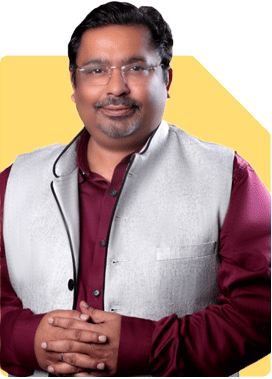
Ramalingam Kalirajan |11160 Answers |Ask -Follow
Mutual Funds, Financial Planning Expert - Answered on May 29, 2024
Ramalingam Kalirajan has over 23 years of experience in mutual funds and financial planning.
He has an MBA in finance from the University of Madras and is a certified financial planner.
He is the director and chief financial planner at Holistic Investment, a Chennai-based firm that offers financial planning and wealth management advice.... more
He has an MBA in finance from the University of Madras and is a certified financial planner.
He is the director and chief financial planner at Holistic Investment, a Chennai-based firm that offers financial planning and wealth management advice.... more
 Question by MFLearner on Jan 27, 2023Hindi
I do have SIP going on below MFs from 2000 rs to 10000 rs in each MF. My monthly investment is 1 lakh. Most of them are from 2015 and a few of them were added in 2022. My age is 40 and my goal is to create wealth of 10cr in the next 10 years. I believe in aggressive growth. Should I continue investing in below MFs or need to replace them with different MFs? Aditya Birla Sun Life Frontline Equity Fund - Growth Aditya Birla Sun Life MNC Fund - Regular Plan - Growth Aditya Birla Sun Life Multi-Cap Fund - Regular Plan - Growth Axis Flexi Cap Fund - Regular Plan - Growth Axis Focused 25 Fund - Regular Plan - Growth DSP Small Cap Fund - Regular Plan - Growth Franklin India Smaller Companies Fund - Growth HDFC Mid-Cap Opportunities Fund - Growth ICICI Prudential Equity & Debt Fund - Growth L&T India Value Fund - Regular Plan - Growth Mirae Asset Large Cap Fund - Regular Plan - Growth Samco Flexi Cap Fund - Regular Plan - Growth ICICI Prudential Value Discovery Fund - Growth ICICI Prudential NASDAQ 100 Index Fund Direct Growth Edelweiss Balanced Advantage Fund - Growth Kotak Small Cap Fund - Growth DSP Quant Fund - Direct - Growth
Ans: Creating Wealth with Aggressive Mutual Fund Investments
your commitment to building a substantial corpus for the future is commendable. Let’s assess your current mutual fund portfolio and explore ways to achieve your goal of Rs. 10 crore in the next 10 years.
Evaluating Your Current Portfolio
Current Mutual Fund Investments
Aditya Birla Sun Life Frontline Equity Fund - Growth
Aditya Birla Sun Life MNC Fund - Regular Plan - Growth
Aditya Birla Sun Life Multi-Cap Fund - Regular Plan - Growth
Axis Flexi Cap Fund - Regular Plan - Growth
Axis Focused 25 Fund - Regular Plan - Growth
DSP Small Cap Fund - Regular Plan - Growth
Franklin India Smaller Companies Fund - Growth
HDFC Mid-Cap Opportunities Fund - Growth
ICICI Prudential Equity & Debt Fund - Growth
L&T India Value Fund - Regular Plan - Growth
Mirae Asset Large Cap Fund - Regular Plan - Growth
Samco Flexi Cap Fund - Regular Plan - Growth
ICICI Prudential Value Discovery Fund - Growth
ICICI Prudential NASDAQ 100 Index Fund Direct Growth
Edelweiss Balanced Advantage Fund - Growth
Kotak Small Cap Fund - Growth
DSP Quant Fund - Direct - Growth
Portfolio Analysis
Diversity and Overlap
Your portfolio consists of a mix of large-cap, mid-cap, small-cap, multi-cap, and value funds. While this diversity can reduce risk, there may be significant overlap in holdings, especially in large-cap funds.
Performance Evaluation
Evaluate the performance of each fund over different time periods. Check if they consistently outperform their benchmarks and peers. This analysis helps identify underperforming funds.
Risk Assessment
Given your aggressive growth strategy, higher allocation to mid-cap and small-cap funds is suitable. However, it's crucial to balance this with some large-cap and multi-cap funds for stability.
Recommended Changes
Reducing Overlap
To reduce overlap, consider consolidating similar fund types. For example, choose one or two large-cap funds instead of multiple. This approach streamlines your portfolio.
Focus on Consistent Performers
Retain funds with a strong track record of consistent performance. Replace underperforming funds with those having better potential. This strategy enhances overall portfolio performance.
Suggested Mutual Funds
Large Cap Funds
Large-cap funds invest in well-established companies. They offer stability and moderate growth.
Mid Cap Funds
Mid-cap funds target companies with high growth potential. They balance risk and reward effectively.
Small Cap Funds
Small-cap funds invest in emerging companies. They offer high growth potential but come with higher risk.
Multi Cap Funds
Multi-cap funds diversify across market capitalizations. They offer balanced risk and reward.
Value Funds
Value funds invest in undervalued companies. They provide growth potential through capital appreciation.
Investment Strategy
Monthly Investment Plan
With a monthly investment of Rs. 1 lakh, allocate funds as follows:
Large Cap Funds: Rs. 30,000
Mid Cap Funds: Rs. 30,000
Small Cap Funds: Rs. 20,000
Multi Cap Funds: Rs. 10,000
Value Funds: Rs. 10,000
Annual Review and Rebalancing
Review your portfolio annually. Rebalance to maintain the desired allocation. This approach ensures alignment with your goals and market conditions.
Risks and Benefits of Direct Investing
Disadvantages of Direct Funds
Direct funds may have lower expense ratios. However, they require active management. Without expert guidance, you may miss market opportunities or take on unnecessary risks.
Benefits of Regular Funds
Investing through a Certified Financial Planner offers several benefits. They provide professional management, regular monitoring, and timely adjustments to your portfolio. This approach can lead to better long-term performance.
Conclusion
your dedication to achieving your financial goals is impressive. By optimizing your mutual fund portfolio and investing consistently, you can build significant wealth. Ensure you review and rebalance your investments regularly to stay on track.
Best Regards,
K. Ramalingam, MBA, CFP,
Chief Financial Planner,
www.holisticinvestment.in
your commitment to building a substantial corpus for the future is commendable. Let’s assess your current mutual fund portfolio and explore ways to achieve your goal of Rs. 10 crore in the next 10 years.
Evaluating Your Current Portfolio
Current Mutual Fund Investments
Aditya Birla Sun Life Frontline Equity Fund - Growth
Aditya Birla Sun Life MNC Fund - Regular Plan - Growth
Aditya Birla Sun Life Multi-Cap Fund - Regular Plan - Growth
Axis Flexi Cap Fund - Regular Plan - Growth
Axis Focused 25 Fund - Regular Plan - Growth
DSP Small Cap Fund - Regular Plan - Growth
Franklin India Smaller Companies Fund - Growth
HDFC Mid-Cap Opportunities Fund - Growth
ICICI Prudential Equity & Debt Fund - Growth
L&T India Value Fund - Regular Plan - Growth
Mirae Asset Large Cap Fund - Regular Plan - Growth
Samco Flexi Cap Fund - Regular Plan - Growth
ICICI Prudential Value Discovery Fund - Growth
ICICI Prudential NASDAQ 100 Index Fund Direct Growth
Edelweiss Balanced Advantage Fund - Growth
Kotak Small Cap Fund - Growth
DSP Quant Fund - Direct - Growth
Portfolio Analysis
Diversity and Overlap
Your portfolio consists of a mix of large-cap, mid-cap, small-cap, multi-cap, and value funds. While this diversity can reduce risk, there may be significant overlap in holdings, especially in large-cap funds.
Performance Evaluation
Evaluate the performance of each fund over different time periods. Check if they consistently outperform their benchmarks and peers. This analysis helps identify underperforming funds.
Risk Assessment
Given your aggressive growth strategy, higher allocation to mid-cap and small-cap funds is suitable. However, it's crucial to balance this with some large-cap and multi-cap funds for stability.
Recommended Changes
Reducing Overlap
To reduce overlap, consider consolidating similar fund types. For example, choose one or two large-cap funds instead of multiple. This approach streamlines your portfolio.
Focus on Consistent Performers
Retain funds with a strong track record of consistent performance. Replace underperforming funds with those having better potential. This strategy enhances overall portfolio performance.
Suggested Mutual Funds
Large Cap Funds
Large-cap funds invest in well-established companies. They offer stability and moderate growth.
Mid Cap Funds
Mid-cap funds target companies with high growth potential. They balance risk and reward effectively.
Small Cap Funds
Small-cap funds invest in emerging companies. They offer high growth potential but come with higher risk.
Multi Cap Funds
Multi-cap funds diversify across market capitalizations. They offer balanced risk and reward.
Value Funds
Value funds invest in undervalued companies. They provide growth potential through capital appreciation.
Investment Strategy
Monthly Investment Plan
With a monthly investment of Rs. 1 lakh, allocate funds as follows:
Large Cap Funds: Rs. 30,000
Mid Cap Funds: Rs. 30,000
Small Cap Funds: Rs. 20,000
Multi Cap Funds: Rs. 10,000
Value Funds: Rs. 10,000
Annual Review and Rebalancing
Review your portfolio annually. Rebalance to maintain the desired allocation. This approach ensures alignment with your goals and market conditions.
Risks and Benefits of Direct Investing
Disadvantages of Direct Funds
Direct funds may have lower expense ratios. However, they require active management. Without expert guidance, you may miss market opportunities or take on unnecessary risks.
Benefits of Regular Funds
Investing through a Certified Financial Planner offers several benefits. They provide professional management, regular monitoring, and timely adjustments to your portfolio. This approach can lead to better long-term performance.
Conclusion
your dedication to achieving your financial goals is impressive. By optimizing your mutual fund portfolio and investing consistently, you can build significant wealth. Ensure you review and rebalance your investments regularly to stay on track.
Best Regards,
K. Ramalingam, MBA, CFP,
Chief Financial Planner,
www.holisticinvestment.in
DISCLAIMER: The content of this post by the expert is the personal view of the rediffGURU. Users are advised to pursue the information provided by the rediffGURU only as a source of information to be as a point of reference and to rely on their own judgement when making a decision.
MoneyReply


You may like to see similar questions and answers below
Omkeshwar Singh | Answer |Ask -Follow
Head, Rank MF - Answered on Aug 09, 2022



Nikunj Saraf | Answer |Ask -Follow
Mutual Funds Expert - Answered on Sep 26, 2022


Nikunj Saraf | Answer |Ask -Follow
Mutual Funds Expert - Answered on Dec 19, 2022


Ramalingam Kalirajan |11160 Answers |Ask -Follow
Mutual Funds, Financial Planning Expert - Answered on Apr 30, 2024


Ramalingam Kalirajan |11160 Answers |Ask -Follow
Mutual Funds, Financial Planning Expert - Answered on Jul 09, 2025

Latest Questions

Radheshyam Zanwar |7085 Answers |Ask -Follow
MHT-CET, IIT-JEE, NEET-UG Expert - Answered on May 03, 2026


Radheshyam Zanwar |7085 Answers |Ask -Follow
MHT-CET, IIT-JEE, NEET-UG Expert - Answered on May 03, 2026


Radheshyam Zanwar |7085 Answers |Ask -Follow
MHT-CET, IIT-JEE, NEET-UG Expert - Answered on May 03, 2026


Radheshyam Zanwar |7085 Answers |Ask -Follow
MHT-CET, IIT-JEE, NEET-UG Expert - Answered on May 03, 2026

Nayagam P P |11293 Answers |Ask -Follow
Career Counsellor - Answered on May 03, 2026

Radheshyam Zanwar |7085 Answers |Ask -Follow
MHT-CET, IIT-JEE, NEET-UG Expert - Answered on May 03, 2026
Asked by Anonymous - May 02, 2026Hindi

Radheshyam Zanwar |7085 Answers |Ask -Follow
MHT-CET, IIT-JEE, NEET-UG Expert - Answered on May 03, 2026
Asked by Anonymous - May 02, 2026Hindi

Radheshyam Zanwar |7085 Answers |Ask -Follow
MHT-CET, IIT-JEE, NEET-UG Expert - Answered on May 03, 2026

Radheshyam Zanwar |7085 Answers |Ask -Follow
MHT-CET, IIT-JEE, NEET-UG Expert - Answered on May 03, 2026

Radheshyam Zanwar |7085 Answers |Ask -Follow
MHT-CET, IIT-JEE, NEET-UG Expert - Answered on May 03, 2026
