Home > Money > Question
Need Expert Advice?Our Gurus Can Help
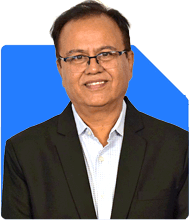
Reetika

Reetika Sharma  |417 Answers  |Ask -

Financial Planner, MF and Insurance Expert - Answered on Sep 10, 2025

Reetika Sharma is a certified financial planner and CEO of F-Secure Solutions.
She advises clients about investments, insurance, tax and estate planning and manages high net-worth individual’s portfolios.
Reetika has an MBA in finance from the Institute of Chartered Financial Analysts of India (ICFAI) and an engineer degree from NIT, Jalandhar.
She also holds certifications from the Financial Planning Standards Board India (FPSB), Association of Mutual Funds in India (AMFI) and Insurance Regulatory and Development Authority of India (IRDAI).... more
Asked by Anonymous - Aug 05, 2025Hindi

Money

Hello sir I am 60 and retired . Have investments of about 2.5 cr split into MFs and FDs. How can i generate 1.5 lac pm income and also ensure my corpus keeps growing keeping in mind the inflation aspect. Kindly advise Thx

Ans: Hi,

2.5 crore amount can easily fulfil your monthly requirement of 1.5 lakhs forever.
The entire amount should be split into a mix of debt and equity mix of mutual funds from which you can withdraw 1.5 lakhs each month. And your remaining amount keeps on growing as per market.

It would be best for you to consult a Certified Financial Planner - a CFP who can guide you with exact funds to invest in keeping in mind your age and risk profile.

Best Regards,
Reetika Sharma, Certified Financial Planner
https://www.instagram.com/cfpreetika/
DISCLAIMER: The content of this post by the expert is the personal view of the rediffGURU. Users are advised to pursue the information provided by the rediffGURU only as a source of information to be as a point of reference and to rely on their own judgement when making a decision.
Money

You may like to see similar questions and answers below

Ramalingam

Ramalingam Kalirajan  |10874 Answers  |Ask -

Mutual Funds, Financial Planning Expert - Answered on Apr 18, 2024

Asked by Anonymous - Apr 18, 2024Hindi
Listen
Money
Sir, i am 58 years old and planning to take voluntary retirement in a couple of months. I will be receiving approx 1.45 Cr as my retirement benefits and a pension of around 70k. I am currently invested in some MF which i plan to continue for the next 10 years. My current fund is around 12 lacs and my monthly contribution is around 25k. I also have a PF account which will mature in another 10 years. I have also taken a medical insurance of 25 lacs as well as life insurance policy of 5 lacs. I will be having rental income of approx 50 k from my property. My monthly expenses is presently around 50k. I just want to know how i may be able to generate a monthly income of Rs.1.50 lacs and be able to preserve my corpus. Thank you.
Ans: Here's how you can potentially generate a monthly income of Rs. 1.5 lakh and preserve your corpus after retirement, considering your current financial situation:

Income Streams:

Retirement Corpus: You have a Rs. 1.45 crore corpus and a Rs. 12 lakh existing mutual fund portfolio. With a combined Rs. 1.57 crore, you can explore various options to generate monthly income:

Systematic Withdrawal Plan (SWP) from Mutual Funds: Invest a portion of your corpus in debt funds (lower risk) and equity funds (higher growth potential) through an SWP. This allows you to withdraw a fixed amount regularly while the remaining corpus continues to grow.
Annuity: Consider a deferred annuity where you invest a lump sum and receive a fixed monthly payout after a specific period. This can provide guaranteed income but might offer lower returns compared to SWP.
Rental Income: Your Rs. 50,000 rental income contributes significantly to your monthly needs.

Pension: Your Rs. 70,000 pension provides additional financial security.

Planning and Calculations:

Target Income: You aim for a monthly income of Rs. 1.5 lakh. Considering your current expenses of Rs. 50,000 and existing income of Rs. 1.2 lakh (pension + rental), the gap is Rs. 30,000 per month.

SWP Strategy: Here's a simplified example (consult a financial advisor for personalized calculations):

Invest a portion (say Rs. 50 lakh) in debt funds for regular income.
Assuming a conservative 6% annual return, you could get roughly Rs. 25,000 per month through SWP.
The remaining corpus (around Rs. 1 crore) can be invested in a mix of equity and debt funds for long-term growth, potentially appreciating your corpus over time.
Risk Management and Corpus Preservation:

Asset Allocation: Maintain a balanced asset allocation in your SWP and remaining corpus. This could involve a higher debt allocation (safer but lower returns) for the SWP portion and a mix of debt and equity (higher risk, higher potential return) for the remaining corpus considering your long-term horizon.
Review and Rebalance: Regularly review your portfolio and rebalance as needed to maintain your desired asset allocation.
Contingency Planning: Factor in potential medical expenses or emergencies. Consider a separate emergency fund to cover unexpected costs.
Additional Tips:

Tax Planning: Consult a tax advisor to understand tax implications of your investment strategies and minimize your tax burden.
Financial Advisor: Consider consulting a qualified AMFI-registered MFD and Certified Financial Plannner who can assess your risk tolerance, goals, and recommend a personalized investment plan for your retirement income needs.
Remember: This is a general framework. It's important to carefully consider your specific circumstances and risk tolerance before making any investment decisions.

..Read more

Ramalingam

Ramalingam Kalirajan  |10874 Answers  |Ask -

Mutual Funds, Financial Planning Expert - Answered on Aug 13, 2024

Money
hello sir, I am 51 years, I have a corpus of 1cr in mutual funds , 5 lacs in PPF , my PF is 25 lacs, KVP 10 lacs, monthly sip in mutual funds is 27000, daughter is employed and have set a side 40 lacs for her marriage , my son is still studies in Bcom hrs . 3rd years. have an agricultural land of worth 1 crores . Have three flats worth , 25 lacs 40 lacs and 80 lacs and the one i am living in is 20 lacs. I want to generate a corpus of 5cr at the age of 60. Apart from this I want to generte an extra income of around 1 lacs per month. from the age of 55. Prsently my income is 1lacs per month.
Ans: At 51, you have built a significant corpus. You’ve invested wisely in mutual funds, PPF, PF, KVP, and real estate. Your current situation includes:

Mutual Funds: Rs 1 crore, which is a substantial investment.

PPF: Rs 5 lakhs, a secure, tax-saving investment.

Provident Fund: Rs 25 lakhs, a reliable source of retirement income.

Kisan Vikas Patra (KVP): Rs 10 lakhs, providing safe and guaranteed returns.

Real Estate: Three flats worth Rs 25 lakhs, Rs 40 lakhs, and Rs 80 lakhs. Plus, the one you live in is worth Rs 20 lakhs.

Agricultural Land: Worth Rs 1 crore, a valuable asset.

You’ve also set aside Rs 40 lakhs for your daughter’s marriage, which is prudent planning. Your son is in his final year of B.Com, so his education is almost complete.

Assessment of Your Financial Goals
You have two main financial goals:

Building a Corpus of Rs 5 Crores by Age 60: This is your retirement goal.

Generating an Extra Income of Rs 1 Lakh per Month from Age 55: This will supplement your retirement.

Evaluating Your Investment Strategy
To achieve your goals, we need to assess and possibly enhance your current investment strategy.

Increasing Your SIP Contributions
Your current SIP of Rs 27,000 per month is good, but you may need to increase this amount to reach your Rs 5 crore target. Consider raising your SIP to Rs 50,000 or more. This will give your portfolio the boost it needs over the next 9 years.

Focus on Actively Managed Funds
It’s crucial to focus on actively managed mutual funds rather than index funds. Actively managed funds have the potential to outperform the market, especially over a long period. These funds are managed by experienced professionals who can make strategic decisions to maximize returns.

Review Your Asset Allocation
Your current allocation includes mutual funds, PPF, PF, KVP, and real estate. While these are good, it’s important to ensure your portfolio is well-diversified and aligned with your risk profile.

Equity Funds: Continue with your mutual fund investments, but ensure you are diversified across large-cap, mid-cap, and flexi-cap funds. This will balance risk and return.

Debt Funds: As you approach retirement, gradually increase your exposure to debt funds. These funds are less volatile and provide steady returns, which is essential for preserving capital as you near retirement.

Avoid Direct Funds: Direct funds may seem cost-effective, but regular funds offer the advantage of professional advice. Certified Financial Planners can guide you in selecting the best funds, tailored to your goals.

Consider Hybrid Funds
Hybrid funds, which invest in both equity and debt, can provide a balanced approach. They offer moderate growth with reduced risk, making them ideal as you get closer to retirement.

Generating an Extra Income of Rs 1 Lakh Per Month
To generate Rs 1 lakh per month from age 55, you need to create a reliable income stream.

Systematic Withdrawal Plans (SWPs)
SWPs from your mutual fund investments can provide a steady monthly income. This allows you to withdraw a fixed amount regularly, while the remaining investment continues to grow.

Dividend-Paying Mutual Funds
Consider investing in dividend-paying mutual funds. These funds distribute dividends regularly, providing you with an additional income stream. However, remember that dividends are subject to market performance and are not guaranteed.

Fixed Deposits and Debt Instruments
You can also consider placing a portion of your corpus in fixed deposits or debt instruments that provide regular interest income. While these offer lower returns, they are secure and can provide a steady income.

Tax Efficiency
As you plan for retirement, it’s important to keep tax efficiency in mind.

Long-Term Capital Gains (LTCG) Tax: Ensure your equity investments are held for more than one year to benefit from LTCG tax advantages.

Tax-Efficient Withdrawals: Plan your withdrawals in a tax-efficient manner. For example, SWPs are generally more tax-efficient than lump-sum withdrawals.

Managing Your Real Estate Assets
Your real estate assets are valuable, but they may not generate significant income unless sold or rented out. Since you’re not looking to invest further in real estate, consider the following:

Rent Out Your Flats: If you haven’t already, renting out your flats can provide additional monthly income. This income can be reinvested or saved for future needs.

Diversify Away from Real Estate: As you approach retirement, consider selling one or more properties. The proceeds can be reinvested in more liquid and income-generating assets like mutual funds or debt instruments.

Final Insights
You’ve done an excellent job of building a strong financial foundation. To reach your Rs 5 crore goal and generate Rs 1 lakh monthly income, consider increasing your SIP contributions, focusing on actively managed funds, and exploring hybrid and debt funds. Additionally, create a reliable income stream through SWPs, dividend-paying funds, and fixed deposits.

Keep in mind the importance of tax efficiency and gradually shift your focus from growth to capital preservation as you approach retirement. Regular reviews with a Certified Financial Planner will help you stay on track and adjust your strategy as needed.

Best Regards,

K. Ramalingam, MBA, CFP,

Chief Financial Planner,

www.holisticinvestment.in

..Read more

Ramalingam

Ramalingam Kalirajan  |10874 Answers  |Ask -

Mutual Funds, Financial Planning Expert - Answered on Dec 23, 2024

Asked by Anonymous - Dec 23, 2024Hindi
Money
Dear Sir, I am 50 years old and planning to retire by 2026. I have 76 lakhs in PPF, 40 lakhs in FD, 52 lakhs in NSC, 6.5 lakhs in LIC, 60 lakhs in MF, 25 lakhs in Post Office MIS, 26 lakhs in EPF. Please advise how to generate 1.5 lakhs /month for the next 30 years? Currently My monthly expense is 70k, stay in own house with no loan/liabilities. Apart from my monthly expenses, I need to keep substantial amount for my son's study & marriage in future.
Ans: Your financial discipline is impressive, and you have a strong portfolio. To generate Rs. 1.5 lakhs monthly for 30 years while considering your goals, here’s a comprehensive approach:

Asset Allocation and Risk Assessment
PPF (Rs. 76 lakhs)
PPF is a low-risk, tax-free option. It offers stability and can be used for long-term needs.

FD (Rs. 40 lakhs)
FDs provide safety but lower post-tax returns. Consider partially shifting to higher-yielding options.

NSC (Rs. 52 lakhs)
NSC is risk-free and secure. Use it strategically for medium-term needs.

LIC (Rs. 6.5 lakhs)
Traditional LIC policies have lower returns. Evaluate surrender value and reinvest in mutual funds.

Mutual Funds (Rs. 60 lakhs)
This portfolio can generate higher returns but comes with moderate risk.

Post Office MIS (Rs. 25 lakhs)
Offers steady monthly income. Retain as part of your fixed-income allocation.

EPF (Rs. 26 lakhs)
EPF provides tax-free growth. Use this for long-term stability.

Monthly Income Strategy
Systematic Withdrawal Plan (SWP) from Mutual Funds
Allocate Rs. 40 lakhs to equity mutual funds. Use SWP for monthly income. This can balance growth and cash flow.

Post Office MIS
Utilize MIS for a stable Rs. 15,000-20,000 monthly income.

Interest from FDs and NSCs
Keep a portion of FDs and NSCs for regular interest payouts.

PPF and EPF Maturity
Use PPF and EPF for long-term monthly withdrawals. This ensures stability in later years.

Allocating Funds for Future Goals
Son’s Education
Set aside Rs. 50 lakhs in hybrid mutual funds. This will grow and meet educational expenses in 5-7 years.

Son’s Marriage
Allocate Rs. 30 lakhs in balanced advantage funds. These funds offer moderate growth with lower risk.

Managing Taxes
Equity Mutual Funds
Long-term gains over Rs. 1.25 lakhs are taxed at 12.5%. Plan withdrawals to minimize taxes.

Debt Mutual Funds
Gains are taxed as per your slab. Choose funds with efficient tax management.

PPF and EPF
Both are tax-free. They are ideal for withdrawals in later stages of retirement.

LIC
If surrendering, evaluate tax implications before reinvesting.

Inflation Protection
Equity Allocation
Allocate 40%-50% of your portfolio to equity. It combats inflation and grows wealth.

Review Regularly
Adjust your portfolio every year. Ensure it meets inflation-adjusted goals.

Emergency and Health Provisions
Emergency Fund
Keep Rs. 10 lakhs as a liquid fund for emergencies. This ensures quick access when needed.

Health Insurance
Review your health insurance. Ensure it covers major illnesses and inflation-adjusted medical costs.

Steps for LIC Policy
Assess the surrender value of your LIC policy.
Reinvest the amount in a diversified mutual fund portfolio.
This will generate higher returns for long-term needs.
Other Recommendations
Avoid Real Estate
Real estate is illiquid and unsuitable for retirement income. Focus on financial assets instead.

Work with a Certified Financial Planner
A CFP can help you optimize your portfolio and align with your goals.

Finally
Your portfolio is strong, but diversification is key. Ensure a balance between risk and returns. Plan withdrawals systematically to sustain income for 30 years. Regularly review your plan with a Certified Financial Planner.

Best Regards,

K. Ramalingam, MBA, CFP,

Chief Financial Planner,

www.holisticinvestment.in
https://www.youtube.com/@HolisticInvestment

..Read more

Latest Questions
Anu

Anu Krishna  |1746 Answers  |Ask -

Relationships Expert, Mind Coach - Answered on Dec 08, 2025

Ramalingam

Ramalingam Kalirajan  |10874 Answers  |Ask -

Mutual Funds, Financial Planning Expert - Answered on Dec 08, 2025

Asked by Anonymous - Dec 08, 2025Hindi
Money
Hi i am 40M. would request your help to understand what should be the corpus required for retirement as i want to get retired in next 3-5yrs. currently my take home is 2.3L monthly & my wife also works but leaving the job in next 2-3 months. we have a daughter 10yrs, currently i stay on rent and total monthly expense is 1.1L month. once i will retire we will shift in our own parental flat, where hopefully there will be no rent. current Investments 1. 50L in REC bonds getting matured in 2029 2. 42L in stocks 3. 17L in MF 4. 16L FD 5. 15L in PPF 6. 1.3L SIP monthly i do My Wife Investments 1. 30L corpus 2. flat with current value 40L and we get rental of 10K monthly. Please guide what should be the retirement corpus required combined to retire, assuming i need 75L for my daughter post grad and marriage and we would be requiring 75K monthly for our expenses after retiring
Ans: You have explained your income, goals, current assets, and future plans with great clarity. Your early planning spirit is strong. This gives a very good base. You can reach a peaceful retirement with smart steps in the next few years.

» Your Current Position

You are 40 years old. You plan to retire in 3 to 5 years. You earn Rs 2.3 lakh per month. Your wife also works but will stop working soon. You have one daughter aged 10. Your current monthly cost is around Rs 1.1 lakh. This cost will reduce after retirement because you will shift to your parental flat.

Your investment base is already good. You have saved in bonds, stocks, mutual funds, PPF, FD, and SIP. Your wife also has her own savings and rental income from a flat. All these create a good starting point.

This early base helps you plan stronger. It also gives room for more shaping. You are on the right road.

» Your Family Goals

You need Rs 75 lakh for your daughter’s higher education and marriage.

You want Rs 75,000 per month for family living after retirement.

You want to retire in 3 to 5 years.

You will shift to your parental flat after retirement.

You will have rental income of Rs 10,000 from your wife’s flat.

These goals are clear. They give direction. They allow a strong plan.

» Your Present Investments

Your investments include:

Rs 50 lakh in REC bonds maturing in 2029.

Rs 42 lakh in stocks.

Rs 17 lakh in mutual funds.

Rs 16 lakh in fixed deposits.

Rs 15 lakh in PPF.

Rs 1.3 lakh as monthly SIP.

Your wife holds:

Rs 30 lakh corpus.

A flat worth Rs 40 lakh with rent of Rs 10,000 each month.

Your combined net worth is healthy. This gives good power to build your retirement fund in the coming years.

» Understanding Your Expense Need After Retirement

You expect Rs 75,000 per month after retirement. This includes all basic needs. You will not have rent. That reduces cost. This assumption looks fair today.

Your cost will rise with inflation. So you must plan for rising needs. A strong retirement corpus must support rising cost for 40 to 45 years because you are retiring early.

An early retirement needs a large buffer. So you need safety along with growth. Your plan must include growth assets and safety assets.

» How Much Monthly Income You Will Need Later

Rs 75,000 per month is Rs 9 lakh per year. In future years, this cost can rise. If we assume steady rise, your future cost will be much higher.

So the retirement corpus must be designed to:

Give monthly income.

Beat inflation.

Support you for 40 to 45 years.

Protect your family even in market down cycles.

Allow flexibility if your needs change.

A strong retirement fund must support both safety and long-term growth.

» How Much Corpus You Should Target

A safe target is a large and flexible corpus that can support long years without running out of money. For early retirement, the usual thumb rule suggests a very high number. This is because you need income for many decades.

You need a corpus big enough to produce rising income. You also need a cushion for unexpected health costs, lifestyle shocks, and inflation changes.

Your target retirement corpus should be in a strong range. For your needs of Rs 75,000 per month and for goals like daughter’s education and marriage, you should aim for a combined retirement readiness corpus in the higher bracket.

A safe range for your family would be a very large number crossing multiple crores. This large range gives you:

Income safety.

Inflation protection.

Peace during market cycles.

Comfort in long life.

Room for daughter’s future.

Strong backup for health.

You are already on the way due to your existing assets. You will reach close to this range with systematic building over the next 3 to 5 years.

» Why You Need This Larger Corpus

You will retire early. That means more years of living from your corpus. Your corpus must not fall early. It must grow even after retirement. It must give monthly income and long-term family protection.

This is only possible when the corpus is strong and well-structured. A weak corpus creates stress. A strong corpus creates freedom.

Also, your daughter’s future cost must be kept aside. This must be parked in a separate fund. This must not touch your retirement money.

A strong corpus makes these two worlds separate and safe.

» Your Existing Assets and Their Strength

You already have good diversification:

Bonds give safety.

Stocks give growth.

Mutual funds give managed growth.

FD gives stability.

PPF gives tax-free long-term savings.

This blend is already a good start. But you need to make the blend more structured for early retirement.

Your Rs 1.3 lakh monthly SIP is also strong. It builds your future fast. You should continue.

Your wife’s rental income is small but steady. This adds strength.

Your combined financial base can reach your retirement target if you refine your allocation now.

» Your Daughter’s Future Fund Need

You need Rs 75 lakh for your daughter’s education and marriage. You should keep this goal separate from your retirement goal.

Your current SIP and future allocations should create a dedicated fund for this goal. A long-term fund can grow well when managed actively.

Do not mix this fund with your retirement needs. Mixing leads to shortage in old age. Always keep this corpus ring-fenced.

» A Strong Asset Mix For Your Retirement Path

A balanced mix is needed. You need growth assets to beat inflation. You also need stable assets for income.

You must avoid index funds because they do not give flexibility. Index funds follow a fixed index. They cannot make active changes in different markets. They cannot move to better stocks when markets change. They force you to stay in weak sectors for long. They also do not help you in down cycles because they cannot protect you by shifting to safer options. This can hurt retirement planning.

Actively managed funds are better because:

They give active asset selection.

They give scope for better returns.

They give flexibility to change sectors.

They give downside management.

They give access to a skilled fund manager.

They support long-term planning more safely.

Direct plans also carry risk. Direct plans do not give guidance. They do not give behavioural support. They do not give market timing help. They do not give portfolio shaping. They leave all the judgement to you. One mistake can cost years of wealth.

Regular plans with guidance from a Certified Financial Planner help you shape decisions. They help you remain disciplined. They help you avoid panic. They help you decide allocation changes at the right time. This saves wealth in long-term.

» How Your Investment Journey Should Grow in the Next 3–5 Years

Continue your SIP.

Increase SIP when your income rises.

Shift part of your stock holding into planned long-term mutual funds to reduce concentration risk.

Build a defined daughter’s education fund.

Keep a part of your REC bond maturity amount for long-term.

Avoid locking too much into fixed deposits for long periods.

Build a safety fund for one year of expenses.

This will create a full structure.

» Your Rental Income Role

Your rental income of Rs 10,000 per month is small but steady. Over time it will rise. This income will support your monthly cash flow after retirement.

You can use this for utilities or health insurance premiums. This gives a cushion.

» Your Emergency Buffer

You should keep at least one year of essential cost in a safe place. This can be in a liquid account or short-term fund. This protects you in shocks.

Since you plan early retirement, a strong buffer is important. It gives peace even in low months.

» A Structured Retirement Approach

A complete retirement plan for you should include:

A clear monthly income plan after retirement.

A corpus that can grow and protect.

A rising income system that matches inflation.

A separate daughter’s future fund.

A health cover plan for your family.

A tax-efficient withdrawal plan.

A market cycle plan to protect you in tough times.

This holistic approach keeps your family strong for decades.

» What You Should Build by Retirement Year

Your aim should be to reach a strong multi-crore range in investments before retirement. You already hold a large amount. You will add more in the next 3 to 5 years through SIP, stock growth, bond maturity, and disciplined saving.

Once you reach your target range, you can start the shifting process:

Move a part to stable assets.

Keep a part in long-term growth assets.

Create a monthly income strategy.

Keep a reserve bucket.

Keep a child future bucket.

Keep a long-term growth bucket.

This structure protects you in all market conditions.

» Final Insights

Your financial journey is already strong. You have a good income. You have saved well. You have multiple asset types. You have a clear timeline. And you have clear goals. This foundation is solid.

In the next 3 to 5 years, your focus should be on growing your combined corpus to a strong multi-crore range, keeping a separate fund for your daughter, reducing risk in unplanned assets, and building a stable long-term structure.

With the present path and a disciplined structure, you can retire peacefully and support your family with confidence for many decades.

Best Regards,

K. Ramalingam, MBA, CFP,
Chief Financial Planner,
www.holisticinvestment.in

https://www.youtube.com/@HolisticInvestment

...Read more

Samraat

Samraat Jadhav  |2499 Answers  |Ask -

Stock Market Expert - Answered on Dec 08, 2025

Ramalingam

Ramalingam Kalirajan  |10874 Answers  |Ask -

Mutual Funds, Financial Planning Expert - Answered on Dec 08, 2025

Money
Hello my name is saket, I monthly salary is 43k and my saving is zero. My Rent is 15 k and 10 k i send to my parents. How can i save money and investments.
Ans: 1. Your Current Monthly Numbers

Salary: Rs 43,000

Rent: Rs 15,000

Support to parents: Rs 10,000

Left with: Rs 18,000 for food, travel, bills, and savings

You have very little room, but saving is still possible if done smartly.

2. First Step: Build a Small Emergency Buffer

You must build Rs 10,000 to Rs 20,000 emergency money.
This protects you from taking loans for small issues.

How to build it:

Save Rs 3,000 to Rs 5,000 every month in a simple bank savings account

Do this for the next few months

Don’t touch it unless truly needed

3. Create a Mini Budget (Very Simple One)

Try this split from the remaining Rs 18,000:

Daily living (food + transport): Rs 10,000 – 11,000

Personal expenses (phone, internet, basics): Rs 3,000 – 4,000

Savings + investments: Rs 3,000 – 5,000

If this feels difficult, reduce food/transport costs by small adjustments.

4. Where to Invest Once You Have Emergency Money

(For minors: This is general education. For actual investing, get guidance from a trusted adult or family member.)

After you build emergency money, start small monthly investing.

You can begin with:

Rs 1,000 to Rs 2,000 SIP in a simple, diversified equity fund

Increase the SIP whenever salary increases or expenses reduce

Avoid complicated products.
Keep it simple.
Focus on consistency.

5. Easy Practical Ways to Increase Saving

These small moves help a lot:

Avoid food delivery

Use public transport as much as possible

Reduce subscriptions you don’t use

Fix a daily expense limit

Keep a separate bank account only for savings

Even Rs 200 saved daily = Rs 6,000 monthly.

6. Increase Income Slowly

Try small income boosters:

Weekend tutoring

Freelancing

Part-time projects

Selling old gadgets

Learning new skills for future salary growth

Even Rs 3,000 extra income changes your savings life.

7. Build the Habit First

The amount doesn’t matter in the beginning.
The habit matters more.

Even saving Rs 500 every month is better than zero.
Once salary grows, you will already know how to save.

Best Regards,

K. Ramalingam, MBA, CFP,

Chief Financial Planner,

www.holisticinvestment.in

https://www.youtube.com/@HolisticInvestment

...Read more

Nayagam P

Nayagam P P  |10852 Answers  |Ask -

Career Counsellor - Answered on Dec 07, 2025

Career
Hello, I’m a student who recently joined the Integrated M.Sc Physics program at Amrita University. I’m aiming for a strong academic foundation and a clear career path. Could you please guide me on the following: How good is this course for research careers or higher studies (IISc, IITs, abroad)? What are the placement prospects after Integrated M.Sc Physics at Amrita? Does the program help in preparing for alternate options like UPSC, CDS/AFCAT, or technical roles? What skills (coding, research projects, certifications) should I start early to make the most of this degree?
Ans: Sree, Program Overview and Academic Foundation: Congratulations on joining the Integrated M.Sc Physics program at Amrita University. This five-year integrated program represents a rigorous pathway designed to equip you with advanced theoretical and experimental physics knowledge combined with cutting-edge scientific computing skills. The curriculum uniquely integrates a minor in Scientific Computing, which adds substantial computational capability to your profile—a critical advantage in today's research and professional landscape. The program incorporates comprehensive coursework spanning classical mechanics, electromagnetism, quantum mechanics, statistical physics, advanced laboratory work, and specialized topics in materials physics, optoelectronics, and computational methods, positioning you excellently for both research and professional careers.
Research Career Prospects: IISc, IITs, and Beyond: For research-oriented careers, the Integrated M.Sc Physics program at Amrita provides an exceptional foundation. Amrita's curriculum specifically aligns with GATE and UGC-NET examination syllabi, and the institution emphasizes early research engagement. The faculty at Amrita actively publish research in Scopus-indexed journals, with over 60 publications in international venues within the past five years, exposing you to active research environments.
To pursue research at premier institutions like IISc, you would typically follow the PhD pathway. IISc accepts M.Sc graduates through their Integrated PhD programs, and with your Amrita M.Sc, you're eligible to apply. You'll need to qualify the relevant entrance examinations, and your integrated program's emphasis on research fundamentals provides strong preparation. The final year of your Integrated M.Sc is intentionally structured to be nearly free of classroom commitments, enabling engagement with research projects at institutes like IISc, IITs, and National Labs. According to Amrita's data, over 80% of M.Sc Physics students secured internship offers from reputed institutions during academic year 2019-20, directly facilitating research career transitions.
Placement and Direct Employment Opportunities: Amrita University boasts a comprehensive placement ecosystem with strong corporate and government sector connections. According to NIRF placement data for the Amrita Integrated M.Sc program (5-year), the median salary in 2023-24 stood at ?7.2 LPA with approximately 57% placement rate. However, these figures reflect general placement trends; physics graduates often secure higher packages in specialized technical roles. Many graduates join software companies like Infosys (with early offers), Google, and PayPal, where their strong analytical and computational skills command competitive compensation packages ranging from ?8-15 LPA for entry-level positions.
The Department of Corporate and Industrial Relations at Amrita provides intensive three-semester life skills training covering linguistic competence, data interpretation, group discussions, and interview techniques. This structured placement support significantly enhances your employability in both government and private sectors.
Government Sector Opportunities: UPSC, BARC, DRDO, and ISRO: Your M.Sc Physics degree opens multiple avenues for prestigious government employment. UPSC Geophysicist examinations explicitly list M.Sc Physics or Applied Physics as qualifying degrees, enabling you to compete for Group A positions in the Geological Survey of India and Central Ground Water Board. The age limit for geophysicist positions is 32 years (with relaxation for reserved categories), and the exam comprises preliminary, main, and interview stages.
BARC (Bhabha Atomic Research Centre) actively recruits M.Sc Physics graduates as Scientific Officers and Research Fellows. Recruitment occurs through the BARC Online Test or GATE scores, with positions in nuclear science, radiation protection, and atomic research. BARC Summer Internship programs are available, offering ?5,000-?10,000 monthly stipends with opportunity for future scientist recruitment.
DRDO (Defense Research and Development Organization) recruits M.Sc Physics graduates through CEPTAM examinations or GATE scores for roles involving defense technology, weapon systems, and laser physics research. ISRO (Indian Space Research Organisation) regularly advertises scientist/engineer positions through competitive recruitment for candidates with strong physics backgrounds, offering opportunities in satellite technology and space science applications.
Other significant employers include the Indian Meteorological Department (IMD) recruiting as scientific officers, and NPCIL (Nuclear Power Corporation of India Limited), offering stable government service with competitive compensation packages exceeding ?8-12 LPA for scientists.
Alternate Career Pathways: UPSC, CDS, and AFCAT: UPSC Civil Services (IFS - Indian Forest Service): M.Sc Physics graduates qualify for UPSC Civil Services examinations, with the forest service offering opportunities for science-based administrative roles with potential to reach senior government positions.
CDS/AFCAT (Armed Forces): While AFCAT meteorology branches specifically require "B.Sc with Maths & Physics with 60% minimum marks," the technical branches (Aeronautical Engineering and Ground Duty Technical roles) require graduation/integrated postgraduation in Engineering/Technology. An M.Sc Physics integrates well with technical qualifications, though you would need engineering background for direct officer entry. However, you remain eligible for specialized technical interviews if applying through alternate defence channels.
UGC-NET Examination: This pathway leads to Assistant Professor positions in central universities and colleges across India. NET-qualified candidates receive scholarships of ?31,000/month for 2-year JRF positions with PhD pursuit, transitioning to Assistant Professor salaries of ?41,000/month in government institutions. This route provides long-term academic career security with research opportunities.
Private Sector Technical Roles
M.Sc Physics graduates are increasingly valued in data science, software engineering, and technical consulting. Companies actively recruit physics graduates for software development, where strong problem-solving and logical reasoning translate to competitive packages of ?10-20 LPA. Specialized domains including quantum computing development, financial modeling, and scientific computing offer premium compensation. Your minor in Scientific Computing makes you particularly attractive to technology companies requiring computational expertise.
International Opportunities and Higher Studies Abroad
An M.Sc from Amrita facilitates admission to PhD programs at international institutions. German universities offer tuition-free or low-fee MSc Physics programs (2 years) with scholarships like DAAD providing €850+ monthly stipends. US universities accept M.Sc graduates directly for PhD positions with full funding (tuition coverage + stipend). These pathways require GRE scores and strong Statement of Purpose articulating research interests. Research collaboration opportunities exist with Max Planck Institute (Germany) and CalTech Summer Research Program (USA), both welcoming Indian M.Sc students.
Essential Skills and Certifications to Develop Immediately: Programming Languages: Start learning Python immediately—it's universally used in research and industry. Dedicate 2-3 hours weekly to data analysis, scientific computing libraries (NumPy, SciPy, Pandas), and machine learning fundamentals. MATLAB is equally critical for physics applications, particularly numerical simulations and data visualization. Aim to complete MATLAB certification courses within your first year.
Research Tools: Learn Git/version control, LaTeX for scientific documentation, and data analysis frameworks. These skills are indispensable for publishing research papers and collaborating on projects.
Certifications Worth Pursuing: (1) MATLAB Certification (DIYguru or MathWorks official courses) (2) Python for Data Science (complete certificate programs from platforms like Coursera) (3) Machine Learning Fundamentals (for expanding technical versatility) & (4) Scientific Communication and Technical Writing (develop through departmental workshops)
Strategic Internship Planning: Leverage Amrita's research connections systematically. In your third year, apply to BARC Summer Internship, IISER Internships, TIFR Summer Fellowships, and IIT Internship programs (like IIT Kanpur SURGE). These expose you to frontier research while establishing connections for future PhD or scientist recruitment. Target 2-3 research internships across different specializations to develop versatility.

TO SUM UP, Your Integrated M.Sc Physics degree from Amrita positions you exceptionally well for competitive research careers at IISc/IITs, prestigious government scientist roles at BARC/DRDO/ISRO, and international PhD opportunities. The program's scientific computing emphasis differentiates you in the job market. Immediate priorities: (1) Master Python and MATLAB within the first two years; (2) Engage in research projects starting year 2-3; (3) Target internships at premiere research institutions; (4) Prepare GATE while completing your degree for maximum flexibility in recruitment; (5) Consider UGC-NET for long-term academic stability. Your career trajectory will ultimately depend on developing strong research fundamentals, demonstrating consistent excellence in specialization areas, and strategically selecting internship and research opportunities. The rigorous Amrita program combined with disciplined skill development positions you for exceptional career success across multiple sectors. Choose the most suitable option for you out of the various options available mentioned above. All the BEST for Your Prosperous Future!

Follow RediffGURUS to Know More on 'Careers | Money | Health | Relationships'.
Asked on - Dec 07, 2025 | Answered on Dec 07, 2025
Thankyou
Ans: Welcome Sree.

...Read more

DISCLAIMER: The content of this post by the expert is the personal view of the rediffGURU. Investment in securities market are subject to market risks. Read all the related document carefully before investing. The securities quoted are for illustration only and are not recommendatory. Users are advised to pursue the information provided by the rediffGURU only as a source of information and as a point of reference and to rely on their own judgement when making a decision. RediffGURUS is an intermediary as per India's Information Technology Act.

Close  

You haven't logged in yet. To ask a question, Please Log in below
Login

A verification OTP will be sent to this
Mobile Number / Email

Enter OTP
A 6 digit code has been sent to

Resend OTP in120seconds

Dear User, You have not registered yet. Please register by filling the fields below to get expert answers from our Gurus
Sign up

By signing up, you agree to our
Terms & Conditions and Privacy Policy

Already have an account?

Enter OTP
A 6 digit code has been sent to Mobile

Resend OTP in120seconds

x