


Need Expert Advice?Our Gurus Can Help

Ramalingam Kalirajan |10881 Answers |Ask -Follow
Mutual Funds, Financial Planning Expert - Answered on Jul 11, 2024
Ramalingam Kalirajan has over 23 years of experience in mutual funds and financial planning.
He has an MBA in finance from the University of Madras and is a certified financial planner.
He is the director and chief financial planner at Holistic Investment, a Chennai-based firm that offers financial planning and wealth management advice.... more
He has an MBA in finance from the University of Madras and is a certified financial planner.
He is the director and chief financial planner at Holistic Investment, a Chennai-based firm that offers financial planning and wealth management advice.... more
Asked by Anonymous - Jun 11, 2024Hindi
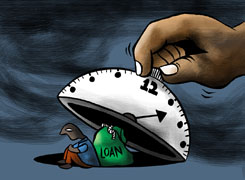
Dear experts. I resigned my job abroad dur to health reasons which I did not understand then.. had problems concencentrating on the job sometimes had pain even getting upetc... Came back to India with an intention to start a very small time business sell off the house worth around 1.5 crores and live on interest.. however few months iin India, i suffered from.acute liver failure, sepsis,, heptomegaly etc... was in ICU, hospital for few days and am still recovering.. don't still have the strength to move much and billirubin and other factors are still high but recovering... Doctor says process is slow and will take a couple of months.. however in the meantime money is getting exhausted and i am beginning to get worried. Though have no loans until now.. not sure if Ilcan get another job and if I will be able to work... Have lost my confidence too... Please advise
Ans: First, let me express my heartfelt empathy for your current situation. It's commendable that you’re looking for solutions despite the challenges you're facing. Health issues and financial worries can be overwhelming, but with careful planning, we can work towards securing your financial future.
Assessing Your Current Financial Situation
Given your recent health challenges and the financial strain they have caused, it’s essential to first take stock of your current financial situation. Here's a snapshot based on the information provided:
House worth Rs. 1.5 crores: You have a significant asset in your house.
No loans: This is a positive aspect; you are debt-free.
Current medical condition: This has led to financial strain and loss of confidence.
Possible job uncertainty: Given your health, returning to work might be uncertain.
Immediate Financial Needs and Management
Emergency Fund
Given your current health situation, maintaining an emergency fund is crucial. You might have already spent a significant amount on medical expenses. If you haven't done so already, set aside funds to cover at least 6-12 months of your living expenses and medical needs. This fund should be kept in a liquid and safe investment vehicle such as a savings account or a liquid mutual fund.
Medical Insurance
Ensure you have adequate health insurance coverage. If not, consider applying for a policy that can cover any future medical expenses. Since you’ve had significant health issues, look for policies that can provide maximum coverage with reasonable premiums.
Immediate Income Generation
Since you mentioned living on interest from the sale of your house, this could be a viable option. However, the interest rates on fixed deposits or other safe investments are currently quite low. You might need to explore other avenues for generating regular income.
Exploring Income Options
Fixed Deposits and Savings Accounts
These are the safest options but offer lower returns. The interest might not be sufficient to cover your monthly expenses.
Senior Citizens' Savings Scheme (SCSS)
If you qualify, the SCSS offers better interest rates than regular fixed deposits and is a secure investment option.
Post Office Monthly Income Scheme (POMIS)
This is another safe option that provides a monthly income. However, the returns are still relatively low.
Mutual Funds: A Balanced Approach
Given your moderate risk appetite and the need for regular income, mutual funds can be a suitable option. Here’s a breakdown:
Types of Mutual Funds
Debt Mutual Funds
Debt mutual funds invest in fixed-income instruments. They are safer than equity funds and provide steady returns. They can be a good option for generating regular income. Consider investing in short-term and ultra-short-term debt funds for liquidity and stability.
Hybrid Mutual Funds
These funds invest in both equity and debt instruments, offering a balanced approach. They can provide better returns than pure debt funds while maintaining a lower risk profile than equity funds. Hybrid funds can be suitable for regular income and moderate growth.
Equity Mutual Funds
Equity mutual funds invest in stocks and have the potential for high returns. However, they come with higher risks. If you have a longer investment horizon and can withstand market volatility, consider allocating a small portion of your portfolio to equity funds for growth.
Advantages of Mutual Funds
Professional Management: Mutual funds are managed by professional fund managers who make informed investment decisions.
Diversification: Mutual funds invest in a diverse portfolio of assets, reducing risk.
Liquidity: You can easily buy and sell mutual fund units.
Compounding: Reinvesting returns can help grow your wealth over time.
Systematic Withdrawal Plan (SWP)
Consider using a Systematic Withdrawal Plan (SWP) with your mutual fund investments. An SWP allows you to withdraw a fixed amount regularly, providing a steady income stream. This can be especially useful for managing your monthly expenses without depleting your capital.
Long-Term Financial Planning
Retirement Planning
Since you mentioned that you might not be able to return to work, planning for your retirement becomes crucial. The sale of your house can provide a significant corpus, but you need to invest it wisely to generate a regular income and ensure it lasts throughout your retirement.
Children's Education and Family Support
If you have dependents, ensure you have planned for their future needs, including education and living expenses. Setting up a dedicated fund for these purposes can provide peace of mind.
Investment Strategy
Diversify: Don’t put all your money into one type of investment. Diversify across fixed deposits, mutual funds, and other safe investment options.
Regular Review: Periodically review your investment portfolio and make adjustments based on your financial goals and market conditions.
Risk Management: Given your current situation, focus on low to moderate risk investments. Avoid high-risk ventures that could jeopardize your financial security.
Building Confidence and Mental Well-Being
Focus on Health Recovery
Your health is your most valuable asset. Follow your doctor’s advice and prioritize your recovery. Physical strength and mental well-being are crucial for managing financial and personal challenges.
Seek Professional Help
Consider consulting a Certified Financial Planner (CFP) who can provide personalized advice based on your financial situation and goals. They can help you create a comprehensive financial plan and guide you through the investment process.
Family and Social Support
Lean on your family and friends for emotional and practical support. Sharing your concerns can lighten your burden and provide new perspectives.
Final Insights
Your resilience in facing these challenges is truly admirable. Financial planning during such times can be daunting, but with a clear strategy and support, you can secure your future.
Prioritize Health: Your health recovery is paramount. Ensure you have adequate medical insurance and a robust emergency fund.
Explore Safe Investments: Fixed deposits, debt mutual funds, and other low-risk options can provide a steady income stream.
Diversify: Spread your investments across different asset classes to balance risk and return.
Seek Professional Advice: A Certified Financial Planner can offer valuable guidance tailored to your specific needs.
Stay Positive: Focus on your recovery and lean on your support network. Building your confidence will help you navigate through this period.
If you have any further questions or need more detailed advice, please feel free to reach out.
Best Regards,
K. Ramalingam, MBA, CFP,
Chief Financial Planner,
www.holisticinvestment.in
Assessing Your Current Financial Situation
Given your recent health challenges and the financial strain they have caused, it’s essential to first take stock of your current financial situation. Here's a snapshot based on the information provided:
House worth Rs. 1.5 crores: You have a significant asset in your house.
No loans: This is a positive aspect; you are debt-free.
Current medical condition: This has led to financial strain and loss of confidence.
Possible job uncertainty: Given your health, returning to work might be uncertain.
Immediate Financial Needs and Management
Emergency Fund
Given your current health situation, maintaining an emergency fund is crucial. You might have already spent a significant amount on medical expenses. If you haven't done so already, set aside funds to cover at least 6-12 months of your living expenses and medical needs. This fund should be kept in a liquid and safe investment vehicle such as a savings account or a liquid mutual fund.
Medical Insurance
Ensure you have adequate health insurance coverage. If not, consider applying for a policy that can cover any future medical expenses. Since you’ve had significant health issues, look for policies that can provide maximum coverage with reasonable premiums.
Immediate Income Generation
Since you mentioned living on interest from the sale of your house, this could be a viable option. However, the interest rates on fixed deposits or other safe investments are currently quite low. You might need to explore other avenues for generating regular income.
Exploring Income Options
Fixed Deposits and Savings Accounts
These are the safest options but offer lower returns. The interest might not be sufficient to cover your monthly expenses.
Senior Citizens' Savings Scheme (SCSS)
If you qualify, the SCSS offers better interest rates than regular fixed deposits and is a secure investment option.
Post Office Monthly Income Scheme (POMIS)
This is another safe option that provides a monthly income. However, the returns are still relatively low.
Mutual Funds: A Balanced Approach
Given your moderate risk appetite and the need for regular income, mutual funds can be a suitable option. Here’s a breakdown:
Types of Mutual Funds
Debt Mutual Funds
Debt mutual funds invest in fixed-income instruments. They are safer than equity funds and provide steady returns. They can be a good option for generating regular income. Consider investing in short-term and ultra-short-term debt funds for liquidity and stability.
Hybrid Mutual Funds
These funds invest in both equity and debt instruments, offering a balanced approach. They can provide better returns than pure debt funds while maintaining a lower risk profile than equity funds. Hybrid funds can be suitable for regular income and moderate growth.
Equity Mutual Funds
Equity mutual funds invest in stocks and have the potential for high returns. However, they come with higher risks. If you have a longer investment horizon and can withstand market volatility, consider allocating a small portion of your portfolio to equity funds for growth.
Advantages of Mutual Funds
Professional Management: Mutual funds are managed by professional fund managers who make informed investment decisions.
Diversification: Mutual funds invest in a diverse portfolio of assets, reducing risk.
Liquidity: You can easily buy and sell mutual fund units.
Compounding: Reinvesting returns can help grow your wealth over time.
Systematic Withdrawal Plan (SWP)
Consider using a Systematic Withdrawal Plan (SWP) with your mutual fund investments. An SWP allows you to withdraw a fixed amount regularly, providing a steady income stream. This can be especially useful for managing your monthly expenses without depleting your capital.
Long-Term Financial Planning
Retirement Planning
Since you mentioned that you might not be able to return to work, planning for your retirement becomes crucial. The sale of your house can provide a significant corpus, but you need to invest it wisely to generate a regular income and ensure it lasts throughout your retirement.
Children's Education and Family Support
If you have dependents, ensure you have planned for their future needs, including education and living expenses. Setting up a dedicated fund for these purposes can provide peace of mind.
Investment Strategy
Diversify: Don’t put all your money into one type of investment. Diversify across fixed deposits, mutual funds, and other safe investment options.
Regular Review: Periodically review your investment portfolio and make adjustments based on your financial goals and market conditions.
Risk Management: Given your current situation, focus on low to moderate risk investments. Avoid high-risk ventures that could jeopardize your financial security.
Building Confidence and Mental Well-Being
Focus on Health Recovery
Your health is your most valuable asset. Follow your doctor’s advice and prioritize your recovery. Physical strength and mental well-being are crucial for managing financial and personal challenges.
Seek Professional Help
Consider consulting a Certified Financial Planner (CFP) who can provide personalized advice based on your financial situation and goals. They can help you create a comprehensive financial plan and guide you through the investment process.
Family and Social Support
Lean on your family and friends for emotional and practical support. Sharing your concerns can lighten your burden and provide new perspectives.
Final Insights
Your resilience in facing these challenges is truly admirable. Financial planning during such times can be daunting, but with a clear strategy and support, you can secure your future.
Prioritize Health: Your health recovery is paramount. Ensure you have adequate medical insurance and a robust emergency fund.
Explore Safe Investments: Fixed deposits, debt mutual funds, and other low-risk options can provide a steady income stream.
Diversify: Spread your investments across different asset classes to balance risk and return.
Seek Professional Advice: A Certified Financial Planner can offer valuable guidance tailored to your specific needs.
Stay Positive: Focus on your recovery and lean on your support network. Building your confidence will help you navigate through this period.
If you have any further questions or need more detailed advice, please feel free to reach out.
Best Regards,
K. Ramalingam, MBA, CFP,
Chief Financial Planner,
www.holisticinvestment.in
DISCLAIMER: The content of this post by the expert is the personal view of the rediffGURU. Users are advised to pursue the information provided by the rediffGURU only as a source of information to be as a point of reference and to rely on their own judgement when making a decision.
MoneyReply


You may like to see similar questions and answers below
Baqar Iftikhar Naqvi | Answer |Ask -Follow
Start-up Mentor - Answered on Sep 08, 2023

Ramalingam Kalirajan |10881 Answers |Ask -Follow
Mutual Funds, Financial Planning Expert - Answered on Feb 01, 2025
Latest Questions

Nayagam P P |10854 Answers |Ask -Follow
Career Counsellor - Answered on Dec 14, 2025


Radheshyam Zanwar |6744 Answers |Ask -Follow
MHT-CET, IIT-JEE, NEET-UG Expert - Answered on Dec 14, 2025


Radheshyam Zanwar |6744 Answers |Ask -Follow
MHT-CET, IIT-JEE, NEET-UG Expert - Answered on Dec 14, 2025


Dr Dipankar Dutta |1840 Answers |Ask -Follow
Tech Careers and Skill Development Expert - Answered on Dec 14, 2025


Dr Dipankar Dutta |1840 Answers |Ask -Follow
Tech Careers and Skill Development Expert - Answered on Dec 13, 2025

Dr Dipankar Dutta |1840 Answers |Ask -Follow
Tech Careers and Skill Development Expert - Answered on Dec 13, 2025


Mayank Chandel |2575 Answers |Ask -Follow
IIT-JEE, NEET-UG, SAT, CLAT, CA, CS Exam Expert - Answered on Dec 13, 2025

Radheshyam Zanwar |6744 Answers |Ask -Follow
MHT-CET, IIT-JEE, NEET-UG Expert - Answered on Dec 13, 2025
Mayank Chandel |2575 Answers |Ask -Follow
IIT-JEE, NEET-UG, SAT, CLAT, CA, CS Exam Expert - Answered on Dec 13, 2025


Mayank Chandel |2575 Answers |Ask -Follow
IIT-JEE, NEET-UG, SAT, CLAT, CA, CS Exam Expert - Answered on Dec 13, 2025
Asked by Anonymous - Oct 04, 2025Hindi