Home > Money > Question
Need Expert Advice?Our Gurus Can Help

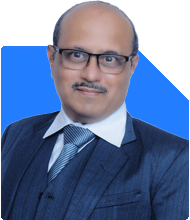
Ramalingam

Ramalingam Kalirajan  |10879 Answers  |Ask -

Mutual Funds, Financial Planning Expert - Answered on Jul 06, 2025

Ramalingam Kalirajan has over 23 years of experience in mutual funds and financial planning.
He has an MBA in finance from the University of Madras and is a certified financial planner.
He is the director and chief financial planner at Holistic Investment, a Chennai-based firm that offers financial planning and wealth management advice.... more
Asked by Anonymous - Jul 05, 2025Hindi

Money

Dear Sir, My age is 44 , I have two kids(daughters) of 8 and 5 years , I have one health insurance policy , One term insurance policy. Currently getting salary of 45,000/- Pm , Got own house, No loans as of now. I have investment of of 5 lakhs in FD , 5 lakh in PPF , 2 lakh bank balance. I want to plan my retirement daughters education and marriage. wanted to invest in stocks mutual and any other investment which will secure my future.

Ans: Your current situation reflects a solid foundation. At 44, with no loans, steady income, own house, good savings, insurance coverage, and two young daughters, you're ahead of many. You’re thinking ahead – retirement, daughters’ education, and marriage. That’s smart and responsible. Now, let’s look at a detailed, all-round financial strategy from all angles, keeping your goals in mind.

Understanding Your Present Financial Setup
You’re earning Rs. 45,000 per month. That’s your key cash inflow.

You’ve got:

Rs. 5 lakh in Fixed Deposit

Rs. 5 lakh in PPF

Rs. 2 lakh in bank savings

One term insurance policy

One health insurance policy

Own house

No loans

This is a clean and stable starting point. Your financial risks are low. That’s commendable.

But your investments are more in fixed return options. This will not beat long-term inflation. Let us now look at planning your future needs and aligning your money to each.

Priority Goals to Address
You have three clear financial goals:

Retirement

Daughters’ education

Daughters’ marriage

Each needs a different strategy. Let us plan for each goal separately.

Retirement Planning
You are 44 now. You may have around 16 years to plan for retirement.

Challenges:

You will not have salary after retirement.

Medical expenses may increase.

You need money for day-to-day life after 60.

Suggestions:

Avoid keeping too much in FDs. They don’t beat inflation.

PPF is safe, but it grows slowly and has a lock-in.

You need higher returns for long-term goals.

Action Steps:

Start monthly SIPs in actively managed mutual funds.

Keep investing till you reach retirement.

Increase SIPs every year as salary increases.

Combine large-cap, flexi-cap, and balanced advantage fund categories.

Don’t go for index funds. They just copy market. No flexibility.

Actively managed funds adjust during market fall. That gives safety.

Get help from a Mutual Fund Distributor who is a Certified Financial Planner (CFP).

Don’t go for direct mutual funds. No one will guide you. Mistakes can be costly.

With regular plans via CFP-MFD, you get full support. Also behavioural coaching.

Stick to funds with strong track record. Don’t change often.

Education Planning for Daughters
Your daughters are 8 and 5. You have 10-15 years before higher education.

Challenges:

Education costs are rising fast.

Inflation is higher in education sector.

You need money lump sum at that time.

Suggestions:

Begin separate mutual fund SIPs for each daughter.

Again, go for actively managed funds.

Avoid mixing insurance and investment.

Do not invest in child plans. They offer poor returns.

Keep FD and PPF for emergencies, not for education.

Action Steps:

You can use balanced advantage funds or multi-cap funds.

Review investments every 12 months.

Use SIPs. Start small. Increase yearly.

Have one goal-based investment for each daughter.

Avoid ULIPs or endowment plans. They are not fit for this goal.

Marriage Planning for Daughters
You may need funds in 15 to 20 years.

Challenges:

Not a fixed date like education. So, flexibility is needed.

Emotionally, you may not want to take risk close to that time.

Suggestions:

Use long-term mutual funds now.

Slowly move to low-risk options as the event gets closer.

Do not use gold schemes or traditional insurance for this.

Action Steps:

Start SIPs in diversified equity funds.

Around 5 years before marriage, shift from equity to hybrid funds.

Final 2 years, move fully to safe instruments like ultra-short funds.

Protecting Your Family
You have a term plan and health insurance. That’s good.

Check the following:

Term insurance must be at least 15 times your yearly income.

Health cover should include entire family, with Rs. 10 lakh coverage.

Add critical illness cover if not already there.

Avoid:

Insurance-cum-investment policies.

LIC traditional plans or ULIPs. Surrender them if you have any.

Reinvest surrender value in mutual funds via SIP.

Emergency Fund and Liquidity
Your Rs. 2 lakh bank balance is a good emergency buffer.

Suggestions:

Keep 6 months' expenses as emergency fund.

Keep this in liquid mutual fund or sweep-in FD.

Don’t invest emergency money in equity.

Tax-Saving Strategy
You already invest in PPF. That gives Section 80C benefit.

Suggestions:

Avoid locking entire 80C in one product.

Invest part in ELSS mutual fund through regular plan with CFP help.

ELSS gives better long-term returns than PPF.

Don’t go overboard with insurance for tax saving.

Rebalancing and Monitoring
Many people ignore this part. But it’s very important.

Suggestions:

Review portfolio once a year.

Rebalance asset allocation as per goal timelines.

If equity markets are too high or too low, make necessary shifts.

This prevents losses and manages risk.

Monthly Budget Discipline
Rs. 45,000 salary is decent, but needs wise handling.

Suggestions:

Track all expenses every month.

Follow 50:30:20 rule. (50% needs, 30% wants, 20% saving)

Slowly increase savings portion.

Don’t take personal loans or credit card loans.

Avoid investing in real estate again. It blocks liquidity.

Asset Allocation Guidance
You must divide money based on risk and goal timing.

Suggested mix:

Emergency Fund: Bank + Liquid fund

Short-Term Needs (
DISCLAIMER: The content of this post by the expert is the personal view of the rediffGURU. Users are advised to pursue the information provided by the rediffGURU only as a source of information to be as a point of reference and to rely on their own judgement when making a decision.
Money

You may like to see similar questions and answers below

Ramalingam

Ramalingam Kalirajan  |10879 Answers  |Ask -

Mutual Funds, Financial Planning Expert - Answered on Apr 30, 2024

Asked by Anonymous - Dec 18, 2023Hindi
Listen
Money
I have two daughters and their age is 16 and 15 and i own 50 lakhs bank FD , 9 lakhs invested in MF me and my wife have invest 60 lakhs in share market and my age 51 year old. Can you plz suggest the best option for investment . for my future education of two kids and my and my wife upcoming old age( My family ) i have 3 lakhs mediclaim and have few LIC policies. I request you to give me the best advice or suggest the best investment for my growth of money and as a monthly income ( Home expenses ) plz reply
Ans: Given your family's financial situation and goals, it's crucial to create a comprehensive investment plan that considers both growth and stability. Here's a suggested approach:

Education Fund for Daughters: Since your daughters are nearing college age, consider setting aside a portion of your investments specifically for their education expenses. You may allocate a portion of your bank FDs and MF investments towards this goal, ensuring it grows over time to meet their educational needs.
Retirement Planning: As you and your wife approach retirement, it's essential to prioritize building a sufficient corpus to support your lifestyle in old age. Consider diversifying your investment portfolio to include a mix of equity, debt, and balanced funds, along with retirement-focused instruments like the National Pension System (NPS) or Senior Citizen Savings Scheme (SCSS).
Health and Insurance: Ensure you have adequate health insurance coverage for your family's medical needs. Additionally, review your existing LIC policies to ensure they align with your current financial goals and provide adequate coverage for your family's future needs.
Monthly Income: To generate regular income for your household expenses during retirement, consider investing in dividend-paying stocks, mutual funds with dividend options, or fixed income instruments like Senior Citizen Savings Scheme (SCSS) or Post Office Monthly Income Scheme (POMIS).
Regular Review and Adjustment: Regularly review your investment portfolio to track its performance, make necessary adjustments, and ensure it remains aligned with your financial goals and risk tolerance.
Consulting with a Certified Financial Planner can provide personalized guidance tailored to your family's specific financial situation and goals. Together, you can create a customized investment plan that addresses your needs for growth, income, and financial security.

..Read more

Ramalingam

Ramalingam Kalirajan  |10879 Answers  |Ask -

Mutual Funds, Financial Planning Expert - Answered on Jul 18, 2024

Asked by Anonymous - Jul 04, 2024Hindi
Listen
Money
Hi, I am 33 year old with monthly income of 1.3 lac. My wife is also working with monthly income of 65k. I have home loan of 35 lac for which EMI is increased upto 50k now and remaining term is 4.5 years.My wife and me are collectively investing in mutual funds for Rs 40k/month in multiple small , mid and large cap funds. My wife and me have collectively 8 lac in MF's now. Apart from this I have 2.5 lac in equity shares. We want to save and invest for kids future education. (Currently one kid 3 years old and expecting one in few months) Also want to make retirement fund planning.
Ans: You and your wife earn Rs 1.95 lakh per month. You have a home loan of Rs 35 lakh with an EMI of Rs 50k. The loan term left is 4.5 years. You invest Rs 40k per month in mutual funds. You have Rs 8 lakh in MFs and Rs 2.5 lakh in equities.

Financial Goals
Kids' Future Education: Plan and save for children's education.
Retirement Fund: Build a retirement corpus.
Saving and Investment Strategy
1. Continue with SIPs in Mutual Funds
Consistent Investing: Continue Rs 40k/month in SIPs across small, mid, and large cap funds.
Diversification: Diversify to balance risk and return.
2. Increase Investment Gradually
Step-up SIP: Increase SIP amount annually to enhance growth.
Bonus and Increments: Allocate part of bonuses and increments to SIPs.
3. Kids' Education Fund
Dedicated Fund: Start a dedicated SIP for kids' education.
Education Costs: Estimate future education costs and plan accordingly.
Long-Term Growth: Invest in equity-oriented funds for long-term growth.
4. Retirement Planning
Target Corpus: Determine the desired retirement corpus.
Long-Term SIPs: Invest in long-term SIPs for retirement.
Diversified Portfolio: Maintain a mix of equity, debt, and balanced funds.
5. Equity Shares
Review Portfolio: Regularly review and rebalance your equity portfolio.
Long-Term Growth: Focus on long-term growth rather than short-term gains.
6. Debt Management
Home Loan Prepayment: Consider prepaying the home loan when possible.
Reduced Interest: Early repayment reduces interest burden.
Professional Guidance
1. Certified Financial Planner
Personalized Plan: Get a tailored investment plan from a CFP.
Regular Review: Periodically review and adjust your financial plan.
2. Active Fund Management
Professional Management: Actively managed funds can adapt to market changes.
Better Returns: Aim for better returns than index funds.
Analytical Insights
Long-Term Growth
Power of Compounding: Regular SIPs benefit from compounding over time.
Market Trends: Equity markets usually provide higher returns in the long run.
Risk Management
Diversification: Spread investments across various funds to mitigate risk.
Professional Advice: A CFP can help navigate market volatility.
Final Insights
You and your wife have a solid financial foundation. Continue with your SIPs and increase investments gradually. Focus on dedicated funds for kids' education and retirement. Consider prepaying your home loan to reduce interest. Regularly review your investments with a certified financial planner. This disciplined approach will ensure a secure financial future.

Best Regards,

K. Ramalingam, MBA, CFP,

Chief Financial Planner,

www.holisticinvestment.in

..Read more

Ramalingam

Ramalingam Kalirajan  |10879 Answers  |Ask -

Mutual Funds, Financial Planning Expert - Answered on Jul 26, 2024

Listen
Money
Hi Ramalingam Sir, Hope you doing great and healthy. Sir, I am 34 year old and having 2 daughter 7 year old and 6 months old. My house hold (me and spouse) income is 1 lakh 30k in hand. My monthly expenses are around 35000 and school expenses are 20000 quarterly. I have monthly EMI of 50000 which will be ending on July-25. I have a land worth 31 lakh, and investing 5k monthly in PPF. I have term insurance of 1cr. I want to plan my financial in systematic way. I have surplus of 10k more monthly which I have to invest, please suggest any Mutual Fund in 60% equity and 40% debt. I have a future goal in 2026 of building my own home on land I purchased with construction loan. Also I want to build some corpus for both daughters education. Please help me how I can plan to meet a good financial life.
Ans: Current Financial Overview
You have a stable household income of Rs. 1,30,000 per month. Your monthly expenses are Rs. 35,000, with quarterly school expenses of Rs. 20,000. You have a significant EMI of Rs. 50,000, which will end in July 2025. You invest Rs. 5,000 in PPF monthly and have a term insurance of Rs. 1 crore. You own land worth Rs. 31 lakhs and have an additional Rs. 10,000 monthly for investment.

Financial Goals
Build a home on your land by 2026.
Create a corpus for your daughters' education.
Systematically invest the surplus Rs. 10,000.
Expense Management
Your expenses are well-managed, but optimizing them can provide more room for savings. Review your expenses periodically and adjust where possible. Consider small lifestyle changes that can help reduce costs without impacting your quality of life.

Investment Strategy
Public Provident Fund (PPF)
You are already investing in PPF, which is a good long-term, tax-saving investment. Continue this as it provides a secure and tax-efficient growth for your funds.

Mutual Funds: Equity and Debt Allocation
For your surplus Rs. 10,000, investing in a balanced mutual fund with a 60% equity and 40% debt allocation is wise. This provides growth potential with moderate risk.

Equity Component (60%):

Invest in diversified equity mutual funds.
Focus on funds with a track record of consistent performance.
This portion will help in wealth creation over the long term.
Debt Component (40%):

Invest in debt mutual funds for stability and regular income.
These funds have lower risk and provide steady returns.
They will balance the volatility of the equity portion.
Home Construction Goal
You aim to build a home by 2026. Start planning for the construction loan early. Ensure you have a clear budget and timeline. Keep a portion of your savings in liquid assets for this purpose, so you can access funds quickly when needed.

Children's Education Fund
To build a corpus for your daughters' education, start a dedicated investment plan.

Systematic Investment Plans (SIPs):
Allocate a portion of your surplus to equity mutual funds via SIPs.
SIPs provide the benefit of rupee cost averaging and disciplined investing.
Consider child-specific mutual funds with a mix of equity and debt.
Insurance Coverage
Your term insurance of Rs. 1 crore is a good safety net. Review your insurance needs periodically to ensure it covers your growing responsibilities.

Emergency Fund
Maintain an emergency fund to cover at least 6 months of your household expenses. This fund should be easily accessible and kept in a savings account or liquid fund.

Regular Monitoring and Review
Track Your Investments:

Regularly review your investment portfolio.
Ensure your investments align with your financial goals.
Financial Health Check:

Conduct an annual financial health check.
Adjust your investments based on market conditions and personal circumstances.
Tax Planning
Leverage tax-saving instruments like PPF, ELSS (Equity Linked Savings Scheme), and National Pension System (NPS) to reduce your taxable income. Proper tax planning can enhance your savings and investments.

Final Insights
Your financial foundation is strong. By strategically investing your surplus and planning for future goals, you can achieve financial security and growth. Regularly monitor and adjust your plan to stay on track.

Best Regards,

K. Ramalingam, MBA, CFP,

Chief Financial Planner,

www.holisticinvestment.in

..Read more

Ramalingam

Ramalingam Kalirajan  |10879 Answers  |Ask -

Mutual Funds, Financial Planning Expert - Answered on Dec 18, 2024

Money
I am 49 years old working in private sector. Currently, drawing Rs. 1.50 lakhs per month, my investment details. - Lumpsum investment – canara robeco midcap regular – Rs.2 lakhs, union multicap fund –Rs.1 lakh, mahindra Manulife small cap rs.2 lakh; canara robeco multi cap Rs.2.20 lakhs; mahindra Manulife business cycle fund – Rs. 50,000; white oak capital large & mid cap fund – Rs. 100,000; ICICI prudential energy opportunities fund – rs. 100,000 - SIP – HDFC Defence fund – Rs. 10,000; mahindra manulife manufacturing fund – Rs.10000; white oak special opportunities fund 10,000 - FD with HDFC bank – rs. 12,00,000 - LIC – Rs. 10 lakhs My future expenditure, daughters marriage in 3 to 4 years and to purchase house in chennai and to save money for retirement. Please give me advice on how to invest so that I can meet my future demands and have a self-sufficient retirement.
Ans: Assessment of Current Investments
Mutual Funds

Your portfolio has a good mix of midcap, multicap, small-cap, and sectoral funds.
Diversification across different fund categories is appreciable.
However, the allocation to thematic and sectoral funds like defence, manufacturing, and energy is high.
Sectoral funds can be volatile and risky, especially for near-term goals.
Fixed Deposit (FD)

Rs. 12 lakh in FD provides stability and liquidity.
FDs are suitable for short-term needs but offer limited growth potential.
LIC Policy

The LIC policy provides Rs. 10 lakh, likely covering insurance and investment.
Such policies usually yield lower returns than mutual funds.
Future Financial Goals
Daughter’s Marriage (3–4 years)

Allocate funds with a low-risk profile for this goal.
Avoid high exposure to equity for this purpose.
House Purchase in Chennai

Save in instruments that offer both safety and moderate returns.
Flexibility and liquidity are important for this goal.
Retirement Corpus

Focus on long-term equity investments for growth.
Diversify to balance returns and risk.
Proposed Investment Strategy
Short-Term Goals (Daughter’s Marriage and House Purchase)
Utilise Fixed Deposits Wisely

Allocate a portion of your FD for your daughter’s marriage.
Retain some FD for emergency purposes only.
Invest in Debt Mutual Funds

Choose high-quality short-duration or dynamic bond funds.
Debt funds can provide better post-tax returns than FDs.
Keep the money safe and accessible for short-term use.
Avoid Sectoral and Thematic Funds

Shift sectoral fund investments to safer debt-oriented funds.
Sectoral funds are not suitable for short-term goals.
Medium- to Long-Term Goal (Retirement Planning)
Increase SIP in Diversified Equity Funds

Diversify into flexicap, multicap, or large-cap funds.
These funds balance risk and growth for long-term wealth creation.
Reduce Thematic Fund Allocation

Limit exposure to thematic funds to less than 10% of the portfolio.
Reallocate to well-diversified equity funds.
Invest in Hybrid Funds

Include balanced advantage or hybrid equity funds.
These funds reduce volatility while offering equity-like returns.
Consider Equity-Linked Savings Scheme (ELSS)

Invest in ELSS for tax-saving benefits under Section 80C.
ELSS funds also offer long-term growth.
General Recommendations
Review Insurance Policy

Assess if the LIC policy offers adequate life coverage.
If it is a traditional endowment or ULIP, consider surrendering.
Reallocate proceeds to mutual funds for better returns.
Maintain Emergency Fund

Keep 6–12 months’ expenses in a savings account or liquid funds.
This ensures you have liquidity for unforeseen expenses.
Monitor and Rebalance Portfolio

Review your portfolio quarterly or semi-annually.
Rebalance to maintain alignment with your goals.
Focus on Tax Efficiency

Use tax-efficient instruments like ELSS, debt funds, and retirement-focused funds.
Plan withdrawals strategically to reduce tax impact on capital gains.
Retirement Planning Recommendations
Systematic Withdrawal Plan (SWP)

In the future, use SWP from mutual funds for retirement income.
It provides tax efficiency compared to traditional annuities.
Healthcare Planning

Ensure your health insurance coverage is adequate for post-retirement needs.
Increase coverage if necessary to avoid financial strain later.
Invest in Equity for Growth

Continue investing in equities for long-term wealth appreciation.
Equity helps combat inflation effectively over the years.
Final Insights
Your investment portfolio is commendable and diversified. However, some adjustments can improve alignment with your goals. Reduce sectoral exposure and shift towards safer instruments for short-term needs. For retirement, continue SIPs in diversified equity and hybrid funds. Regular monitoring and rebalancing will keep your financial plan on track. With these changes, you can achieve your goals while ensuring a comfortable and self-sufficient retirement.

Best Regards,

K. Ramalingam, MBA, CFP,

Chief Financial Planner,

www.holisticinvestment.in
https://www.youtube.com/@HolisticInvestment

..Read more

Ramalingam

Ramalingam Kalirajan  |10879 Answers  |Ask -

Mutual Funds, Financial Planning Expert - Answered on Sep 08, 2025

Asked by Anonymous - Aug 07, 2025Hindi
Money
Dear Sir, My age is 44 , I have two kids(daughters) of 8 and 5 years , I have one health insurance policy , One term insurance policy. Currently getting salary of 45,000/- Pm , Got own house, No loans as of now. I have investment of of 5 lakhs in FD , 5 lakh in PPF , 2 lakh bank balance. I want to plan my retirement daughters education and marriage. wanted to invest in stocks mutual and any other investment which will secure my future.
Ans: At age 44, you are debt-free, own your home, and have savings in place.

You also have health insurance and term insurance, which is good planning.

You want to plan for three major goals — retirement, daughters’ education, and their marriage.

You also want to invest in mutual funds, stocks, or other secure options.

Let us build a full 360-degree financial strategy for you.

» Your Current Financial Position Is Positive

You have no loans, which gives peace.

You own your house, which reduces retirement burden.

Health and term insurance are already active.

Total current assets: Rs. 12 lakh.
– Rs. 5 lakh in FD.
– Rs. 5 lakh in PPF.
– Rs. 2 lakh in bank savings.

Monthly salary = Rs. 45,000.

You are in a good position to start structured investing.

» Your Key Life Goals Must Be Prioritised

You have 3 clear goals ahead:

Daughter’s higher education (after 10 and 13 years).

Daughter’s marriage (after 18 and 20 years).

Your retirement (after 16–18 years).

These are long-term goals and need growth-based investments.

You must start goal-based investing with disciplined SIPs now.

Let us build a step-by-step strategy.

» Emergency Fund Must Be Created First

Keep at least 6 months of expenses aside.

Assume Rs. 20,000/month expenses.

Keep Rs. 1.2–1.5 lakh in liquid mutual funds or sweep-in FD.

This should not be touched for any goal.

Currently, Rs. 2 lakh in savings can be partly used here.

This will protect your investments from sudden withdrawal.

» FD Money Must Be Shifted Gradually to Mutual Funds

Your Rs. 5 lakh in FD is losing to inflation.

Interest is taxable as per slab.

Growth is too low for long-term goals.

FD is not suitable for retirement or education.

You can shift this FD amount in 12 monthly parts into mutual funds.

This is called STP (Systematic Transfer Plan).

It reduces risk of market timing.

» Build SIP Portfolio for All 3 Goals

Your surplus may be around Rs. 10,000–12,000 per month.

Use this wisely in mutual funds.

Split monthly SIP as:

Rs. 4,000 for daughter 1’s education.

Rs. 3,000 for daughter 2’s education.

Rs. 3,000 for your retirement.

Every year, increase SIP by 5–10%.

This is called SIP step-up. It builds bigger corpus.

» Mutual Fund Category Mix for Goals

Use goal-specific mutual fund strategy.

For education goal (10+ years) – flexi-cap and large & mid-cap.

For marriage goal (15+ years) – mid-cap and flexi-cap.

For retirement goal (18+ years) – aggressive hybrid and flexi-cap.

Use 4–5 funds only. Don’t add too many funds.

Simplicity gives better tracking and clarity.

» Avoid Stock Investment Directly

You want to invest in stocks.

But stock investing needs time, skill, and discipline.

Direct stocks are high risk.

One mistake can delay your goals.

Better to use equity mutual funds.

They offer diversification, fund manager expertise, and long-term growth.

Mutual funds are safer for salaried investors.

» Don’t Invest in Index Funds or ETFs

You may hear about Nifty ETFs or Index funds.

Avoid them for now.

Index funds don’t beat the market.

No flexibility during market fall.

Passive strategy may underperform.

No risk control by fund manager.

You need actively managed funds for your goals.

They offer better long-term return and dynamic strategy.

» Avoid Direct Mutual Funds, Use Regular Plans

Direct mutual funds have no support.

You may miss rebalancing or panic during market fall.

Use regular plans via Certified Financial Planner.

Get proper guidance, tracking, and help during volatility.

CFP will align funds to your goals correctly.

Support gives better discipline and confidence.

» Use PPF as a Retirement Support Tool

You already have Rs. 5 lakh in PPF.

Keep contributing Rs. 5,000 per month.

PPF gives safe, tax-free returns with 15-year lock-in.

Use this as secondary support for retirement.

Don’t use it for education or marriage.

» Review Insurance Adequacy

You said you have term insurance and health insurance.

Check if they are enough:

Term cover should be 15–20 times your annual income.

That means Rs. 60–75 lakh cover minimum.

Health insurance should be at least Rs. 10 lakh family floater.

Increase both if current cover is lower.

Avoid ULIP, money-back, or endowment policies.

If you already hold them, surrender and invest in mutual funds.

» How to Plan for Daughter’s Education

Assume college costs Rs. 25–30 lakh per child after 10–13 years.

To reach this goal:

SIP Rs. 7,000 per month across two flexi-cap or large-mid funds.

Increase SIP every year.

Do not withdraw in between.

This plan will create a strong education fund.

» How to Plan for Daughter’s Marriage

Marriage cost may be Rs. 20–25 lakh per child after 18–20 years.

You have time to build this corpus.

Start SIP of Rs. 3,000–4,000 in mid-cap funds.

Keep this investment separate from other goals.

Don’t depend on gold or property for this.

Mutual funds will give better returns and liquidity.

» How to Plan for Retirement

You have 16–18 working years left.

You must start now.

Start SIP of Rs. 3,000–5,000 monthly in hybrid and flexi-cap funds.

Keep PPF also active.

Avoid NPS if liquidity is important to you.

Do not depend on FD or pension products.

Retirement plan should give monthly income after age 60.

Start SWP after retirement to generate monthly income.

» Avoid Annuity Plans or Pension Products

You may get offers from insurance companies.

They promise monthly pension or annuity.

Avoid them.

They give poor returns.

Money gets locked.

No flexibility in withdrawal.

Mutual funds with SWP offer better income post-retirement.

» Don’t Overdepend on Real Estate

Even if property value grows, liquidity is an issue.

Rental income is low and taxed.

Selling property may take time.

Costs and taxes are high.

Real estate is not a smart retirement tool.

Stick to mutual funds and PPF.

» Taxation of Mutual Funds Must Be Understood

Under the new tax rule:

Equity mutual funds – LTCG above Rs. 1.25 lakh taxed at 12.5%.

STCG is taxed at 20%.

Debt mutual funds – both LTCG and STCG taxed as per your slab.

Use SWP smartly to reduce tax impact post-retirement.

» Actions You Must Take Now

Build emergency fund from bank balance.

Start SIP of Rs. 10,000–12,000 per month.

Start STP from FD to mutual funds.

Avoid stocks, index funds, and direct funds.

Review insurance cover and increase if needed.

Invest through regular mutual funds via a CFP.

Review your plan every year.

This structure builds wealth with safety.

» Mistakes to Avoid

Keeping money in FD for long.

Delaying SIP for future goals.

Investing directly in stocks without skill.

Using direct plans with no review.

Depending on annuities or real estate for income.

Underestimating future education cost.

Avoiding these ensures long-term success.

» Finally

You are on the right track.

Debt-free life, term and health cover, some savings — these are solid steps.

Now focus on disciplined investing through mutual funds.

Start with Rs. 10,000–12,000 SIPs and increase every year.

Avoid risky products and stick to proven growth strategies.

Mutual funds will help you secure retirement and daughters’ future.

Keep emotions away and invest with consistency.

You will build a secure and peaceful financial future.

Best Regards,
K. Ramalingam, MBA, CFP,
Chief Financial Planner,
www.holisticinvestment.in

https://www.youtube.com/@HolisticInvestment

..Read more

Latest Questions
Ramalingam

Ramalingam Kalirajan  |10879 Answers  |Ask -

Mutual Funds, Financial Planning Expert - Answered on Dec 11, 2025

Asked by Anonymous - Dec 11, 2025Hindi
Money
Hello Sir, I am 56 yrs old with two sons, both married and settled. They are living on their own and managing their finances. I have around 2.5 Cr. invested in Direct Equity and 50L in Equity Mutual Funds. I have Another 50L savings in Bank and other secured investments. I am living in Delhi NCR in my owned parental house. I have two properties of current market worth of 2 Cr, giving a monthly rental of around 40K. I wish to retire and travel the world now with my wife. My approximate yearly expenditure on house hold and travel will be around 24 L per year. I want to know, if this corpus is enough for me to retire now and continue to live a comfortable life.
Ans: You have built a strong base. You have raised your sons well. They live independently. You and your wife now want a peaceful and enjoyable retired life. You have created wealth with discipline. You have no home loan. You live in your own house. This gives strength to your cash flow. Your savings across equity, mutual funds, and bank deposits show good clarity. I appreciate your careful preparation. You deserve a happy retired life with travel and comfort.

» Your Present Position
Your current financial position looks very steady. You hold direct equity of around Rs 2.5 Cr. You hold equity mutual funds worth Rs 50 lakh. You also have Rs 50 lakh in bank deposits and other secured savings. Your two rental properties add more comfort. You earn around Rs 40,000 per month from rent. You also live in your owned house in Delhi NCR. So you have no rent expense.

Your total net worth crosses Rs 5.5 Cr easily. This gives you a strong base for your retired life. You plan to spend around Rs 24 lakh per year for all expenses, including travel. This is reasonable for your lifestyle. Your savings can support this if planned well. You have built more than the minimum needed for a comfortable retired life.

» Your Key Strengths
You already enjoy many strengths. These strengths hold your plan together.

You have zero housing loan.

You have stable rental income.

You have children living independently.

You have a balanced mix of assets.

You have built wealth with discipline.

You have clear goals for travel and lifestyle.

You have strong liquidity with Rs 50 lakh in bank and secured savings.

These strengths reduce risk. They support a smooth retired life with less stress. They also help you handle inflation and medical costs better.

» Your Cash Flow Needs
Your yearly expense is around Rs 24 lakh. This includes travel, which is your main dream for retired life. A couple at your stage can keep this lifestyle if the cash flow is planned well. You need cash flow clarity for the next 30 years. Retirement at 56 can extend for three decades. So your wealth must support you for a long period.

Your rental income gives you around Rs 4.8 lakh per year. This covers almost 20% of your yearly spending. This reduces pressure on your investments. The rest can come from a planned withdrawal strategy from your financial assets.

You also have Rs 50 lakh in bank deposits. This acts as liquidity buffer. You can use this buffer for short-term and medium-term needs. You also have equity exposure. This can support long-term growth.

» Risk Capacity and Risk Need
Your risk capacity is moderate to high. This is because:

You own your home.

You have rental income.

Your children are financially independent.

You have large accumulated assets.

You have enough liquidity in bank deposits.

Your risk need is also moderate. You need growth because inflation will rise. Travel costs will rise. Medical costs will increase. Your lifestyle will change with age. Your equity portion helps you beat inflation. But your equity exposure must be managed well. You should avoid sudden large withdrawals from equity at the wrong time.

Your stability allows you to keep some portion in equity even during retired life. But you should avoid excessive risk through direct equity. Direct equity carries concentration risk. A balanced mix of high-quality mutual funds is safer in retired life.

» Direct Equity Risk in Retired Life
You hold around Rs 2.5 Cr in direct equity. This brings some concerns. Direct equity needs frequent tracking. It needs research. It carries single-stock risk. One mistake may reduce your capital. In retired life, you need stability, clarity, and lower volatility.

Direct funds inside mutual funds also bring challenges. Direct funds lack personalised support. Regular plans through a Mutual Fund Distributor with a Certified Financial Planner bring guidance and strategy. Regular funds also support better tracking and behaviour management in volatile markets. In retired life, proper handholding improves long-term stability.

Many people think direct funds save cost. But the value of advisory support through a CFP gives higher net gains over long periods. Direct plans also create more confusion in asset allocation for retirees.

» Mutual Funds as a Core Support
Actively managed mutual funds remain a strong pillar. They bring professional management and risk controls. They handle market cycles better than index funds. Index funds follow the market blindly. They do not help in volatile phases. They also offer no risk protection. They cannot manage quality of stocks.

Actively managed funds deliver better selection and risk handling. A retiree benefits from such active strategy. You should avoid index funds for a long retirement plan. You should prefer strong active funds under a disciplined review with a CFP-led MFD support.

» Why Regular Plans Work Better for Retirees
Direct plans give no guidance. Retired investors often face emotional decisions. Some panic during market fall. Some withdraw heavily during market rise. This harms wealth. Regular plan under a CFP-led MFD gives a relationship. It offers disciplined rebalancing. It improves long-term returns. It protects wealth from poor behaviour.

For retirees, the difference is huge. So shifting to regular plans for the mutual fund portion will help long-term stability.

» Your Withdrawal Strategy
A planned withdrawal strategy is key for your case. You should create three layers.

Short-Term Bucket
This comes from your bank deposits. This should hold at least 18 to 24 months of expenses. You already have Rs 50 lakh. This is enough to hold your short-term cash needs. You can use this for household costs and some travel. This avoids panic selling of equity during market downturn.

Medium-Term Bucket
This bucket can stay partly in low-volatility debt funds and partly in hybrid options. This should cover your next 5 to 7 years. This helps smoothen withdrawals. It gives regular cash flow. It reduces market shocks.

Long-Term Bucket
This can stay in high-quality equity mutual funds. This bucket helps beat inflation. This bucket helps fund your travel dreams in later years. This bucket also builds buffer for medical needs.

This three-bucket strategy protects your lifestyle. It also keeps discipline and clarity.

» Handling Property and Rental Income
Your properties give Rs 40,000 monthly rental. This helps your cash flow. You should maintain the property well. You should keep some funds aside for repairs. Do not depend fully on rental growth. Rental yields remain low. But your rental income reduces pressure on your investments. So keep the rental income as a steady support, not a primary source.

You should not plan more real estate purchase. Real estate brings low returns and poor liquidity. You already own enough. Holding more can hurt flexibility in retired life.

» Planning for Medical Costs
Medical costs rise faster than inflation. You and your wife need strong health coverage. You should maintain a reliable health insurance. You should also keep a medical fund from your bank deposits. You may keep around 3 to 4 lakh per year as a buffer for medical needs. Your bank savings support this.

Health coverage reduces stress on your long-term wealth. It also avoids large withdrawals from your growth assets.

» Travel Planning
Travel is your main dream now. You can plan your travel using your short-term and medium-term buckets. You can take funds annually from your liquidity bucket. You can avoid touching long-term equity assets for travel. This approach keeps your wealth stable.

You should plan travel for the next five years with a budget. You should adjust your travel based on markets and health. Do not use entire gains of equity for travel. Keep travel budget fixed. Add small adjustments only when needed.

» Inflation and Lifestyle Stability
Inflation will impact lifestyle. At Rs 24 lakh per year today, the cost may double in 12 to 14 years. Your equity exposure helps you beat this. But you need careful rebalancing. You also need disciplined review with a CFP-led MFD. This will help you manage inflation and maintain comfort.

Your lifestyle is stable because your children live independently. So your cash flow demand stays predictable. This makes your plan sustainable.

» Longevity Risk
Retirement at 56 means you may live till 85 or 90. Your plan should cover long years. Your total net worth of around Rs 5.5 Cr to Rs 6 Cr can support this. But you need a proper drawdown strategy. Avoid high withdrawals in early years. Keep your travel budget steady.

Do not depend on one asset class. A mix of debt and equity gives comfort. Keep your bank deposits as cushion.

» Succession and Estate Planning
Since you have two sons who are settled, you can plan a clear will. Clear distribution avoids conflict. You can also assign nominees across accounts. You can also review your legal papers. This gives peace to you and your family.

» Summary of Your Retirement Readiness
Based on your assets and cash flow, you are ready to retire. You have enough wealth. You have enough liquidity. You have enough income support from rent. You also have good asset mix. With proper planning, your lifestyle is comfortable.

You can retire now. But maintain a disciplined withdrawal strategy. Shift more reliance from direct equity into professionally managed mutual funds under regular plans. Keep your liquidity strong. Review once every year with a CFP.

Your wealth can support your travel dreams for many years. You can enjoy retired life with confidence.

» Finally
Your preparation is strong. Your intentions are clear. Your lifestyle needs are reasonable. Your assets support your dreams. With a balanced plan, steady review, and mindful spending, you can enjoy a comfortable retired life with your wife. You can travel the world without fear of running out of money. You deserve this peace and joy.

Best Regards,
K. Ramalingam, MBA, CFP,
Chief Financial Planner,
www.holisticinvestment.in

https://www.youtube.com/@HolisticInvestment

...Read more

Dr Nagarajan J S K

Dr Nagarajan J S K   |2577 Answers  |Ask -

NEET, Medical, Pharmacy Careers - Answered on Dec 10, 2025

Asked by Anonymous - Dec 10, 2025Hindi
DISCLAIMER: The content of this post by the expert is the personal view of the rediffGURU. Investment in securities market are subject to market risks. Read all the related document carefully before investing. The securities quoted are for illustration only and are not recommendatory. Users are advised to pursue the information provided by the rediffGURU only as a source of information and as a point of reference and to rely on their own judgement when making a decision. RediffGURUS is an intermediary as per India's Information Technology Act.

Close  

You haven't logged in yet. To ask a question, Please Log in below
Login

A verification OTP will be sent to this
Mobile Number / Email

Enter OTP
A 6 digit code has been sent to

Resend OTP in120seconds

Dear User, You have not registered yet. Please register by filling the fields below to get expert answers from our Gurus
Sign up

By signing up, you agree to our
Terms & Conditions and Privacy Policy

Already have an account?

Enter OTP
A 6 digit code has been sent to Mobile

Resend OTP in120seconds

x