Home > Money > Question
Need Expert Advice?Our Gurus Can Help

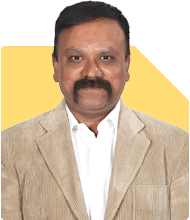
Ramalingam

Ramalingam Kalirajan  |10924 Answers  |Ask -

Mutual Funds, Financial Planning Expert - Answered on Sep 03, 2025

Ramalingam Kalirajan has over 23 years of experience in mutual funds and financial planning.
He has an MBA in finance from the University of Madras and is a certified financial planner.
He is the director and chief financial planner at Holistic Investment, a Chennai-based firm that offers financial planning and wealth management advice.... more
Asked by Anonymous - Sep 01, 2025Hindi

Money

To add to my below information i have been investing in PPF and SIP but i dont any kind of huge investment or money accumulated but struggling and trying to bakance it all . I want you to suggest something which would help for my retirement and also balance paying debts. Now i also satrted keeping a small amount like 3000 aside for emergency funds

Ans: – You have started SIPs and PPF with commitment.
– Keeping Rs.3000 aside for emergencies is a wise step.
– Balancing debt, savings, and family needs is never easy.
– Still, you are showing discipline which deserves respect.

» Understanding Your Struggle
– You feel that no big wealth has accumulated yet.
– That is normal in the early years of investing.
– Compounding shows magic only after 10–15 years.
– First phase feels slow, but progress builds over time.
– Patience and consistency are the real wealth creators.

» Present Position
– You have investments in PPF and mutual funds.
– You have started emergency fund now.
– You also carry some debts that need attention.
– You are trying to balance many goals together.
– This requires a 360-degree strategy.

» Importance of Emergency Fund
– Emergency fund acts like financial oxygen.
– Rs.3000 saving is a good start.
– Slowly increase it to cover six months of expenses.
– Keep it in FD or liquid mutual funds.
– This fund avoids sudden borrowing during crisis.

» Debt vs Investment Balance
– Debt repayment looks urgent but needs strategy.
– Aggressive repayment may reduce investment growth.
– Controlled EMI with parallel investing builds long-term wealth.
– Remember, debt is temporary but retirement is permanent.
– Prioritise both in balance, not one over other fully.

» Why Not Focus Fully on Loan Repayment
– Loan interest is usually lower than equity growth.
– If you prepay, money gets locked in asset.
– No liquidity benefit after prepayment.
– Continuing EMI and parallel investing creates bigger corpus.
– Tax benefits on loan interest also reduce cost.

» Value of Retirement Planning
– Retirement is a non-negotiable goal.
– You cannot borrow for retirement needs.
– PPF is good but slow to grow.
– Equity mutual funds create faster wealth.
– Small increase in SIP every year boosts corpus.

» Issues with Overdependence on PPF
– PPF gives safety but low returns.
– Interest rate changes with government rules.
– Returns may not beat inflation over 25 years.
– For retirement, equity funds are essential.
– Mix of safe and growth assets is better.

» Importance of Equity Mutual Funds
– Equity funds give inflation-beating growth.
– They provide long-term compounding.
– Actively managed funds are better than index funds.
– Fund managers adjust portfolio to market shifts.
– Active management controls risks during market falls.

» Why Avoid Index Funds
– Index funds only copy the market.
– They don’t try to reduce downside risks.
– During market fall, you fall equally with index.
– No human judgement to safeguard returns.
– Actively managed funds outperform with smart allocation.

» Direct Funds vs Regular Funds
– Direct funds may look cheap on paper.
– But they need regular monitoring and research.
– Small mistakes can destroy returns.
– Without proper tracking, you exit at wrong time.
– Regular funds through Certified Financial Planner give guidance.
– CFP hand-holds you in tough market phases.
– That extra support saves you from emotional decisions.

» Building a Systematic Retirement Corpus
– Increase SIP every year as income grows.
– Continue PPF for safety and tax savings.
– Keep NPS or other pension-focused tools as side support.
– Build equity exposure as the core engine.
– Diversify across different categories of funds.
– Review portfolio once every year with a CFP.

» Managing Lifestyle and Expenses
– Control lifestyle creep as income grows.
– Direct extra income towards SIP step-ups.
– Avoid large new loans unless necessary.
– Small adjustments in expenses free up investment money.
– Over years, this adds up to a huge difference.

» Protecting Family with Insurance
– Ensure adequate term insurance cover.
– Cover should be at least 15 to 20 times income.
– This protects family goals if something happens.
– Without this, retirement planning will collapse under risk.

» Tax Rules and Impact on Planning
– Equity mutual fund gains are taxed.
– LTCG above Rs.1.25 lakh taxed at 12.5%.
– STCG taxed at 20%.
– Debt mutual fund gains taxed as per income slab.
– With proper planning, tax outgo can be managed.
– Balanced investing provides both growth and tax efficiency.

» Avoiding Overfocus on Gold or Silver
– Gold looks attractive but it is cyclical.
– It doesn’t provide dividends or interest.
– Long-term, equity beats gold growth.
– Small gold allocation is fine but not major.
– Your retirement cannot depend on gold.

» Emotional Side of Money
– Sometimes you feel progress is slow.
– Comparison with others creates frustration.
– Remember, each financial journey is unique.
– You are building a strong base.
– Compounding rewards patience, not impatience.

» Practical Step-by-Step Path
– Build emergency fund to six months’ expenses.
– Continue EMI and don’t prepay aggressively.
– Increase SIP amount every year with salary hikes.
– Keep PPF and NPS for safety and tax savings.
– Build equity SIPs as the main retirement driver.
– Review plan every year with Certified Financial Planner.

» Role of Certified Financial Planner
– CFP ensures you don’t take wrong turns.
– They align investments with your exact goals.
– They balance safety and growth properly.
– They guide during market corrections.
– This discipline helps you reach retirement target confidently.

» Finally
– You have taken correct first steps already.
– Progress feels slow, but it will accelerate soon.
– Balancing debt and investment is wise, not weakness.
– Equity mutual funds will power your retirement.
– PPF and NPS will provide safety.
– Emergency fund will give you confidence.
– Stay consistent, increase SIP, and protect with insurance.
– In long run, this strategy ensures a secure retirement.

Best Regards,
K. Ramalingam, MBA, CFP,
Chief Financial Planner,
www.holisticinvestment.in

https://www.youtube.com/@HolisticInvestment
DISCLAIMER: The content of this post by the expert is the personal view of the rediffGURU. Users are advised to pursue the information provided by the rediffGURU only as a source of information to be as a point of reference and to rely on their own judgement when making a decision.
Money

You may like to see similar questions and answers below

Ramalingam

Ramalingam Kalirajan  |10924 Answers  |Ask -

Mutual Funds, Financial Planning Expert - Answered on May 14, 2024

Asked by Anonymous - May 08, 2024Hindi
Listen
Money
I am 46 yrs old and I would like to retire by 50 yrs. I have a corpus of 1 cr and I do an SIP of 1L per month. My monthly expenses are 1L. I am interested in a fixed monthly income plan that can fetch me 1L post retirement. Please suggest me the best combination of fund investment.
Ans: Retiring at 50 with a Rs. 1 crore corpus and a Rs. 1 lakh monthly SIP is a bold move. Let's discuss some key points to consider for your fixed income plan:

1. Planning for Early Retirement:

Short Timeframe! Retiring in 4 years with a Rs. 1 lakh monthly income target requires careful planning. Your current corpus and SIP are a good start, but may need adjustments.

Focus on Safety! Since you need regular income, focus on investment options with lower risk and predictable returns, like Debt Funds.

2. Understanding Your Options:

Debt Funds: Debt Funds invest in fixed-income instruments like bonds and provide regular interest payouts. They are suitable for generating a fixed monthly income.

Other Options: While Debt Funds are a good starting point, a CFP can explore options like Senior Citizen Savings Scheme (SCSS) or Post Office Monthly Income Scheme (POMIS) for potentially higher interest rates.

3. Creating a Sustainable Plan:

Balancing Growth & Income: You might need to consider a combination of Debt Funds and some Equity Funds for potential long-term growth to combat inflation.

Review and Rebalance: Your income needs and risk tolerance might change over time. A CFP can help you review your portfolio regularly and rebalance if needed.

4. Maximizing Your Potential:

Increase SIP or Corpus? Consider if you can increase your SIP amount or add a lump sum to your corpus to reach your Rs. 1 lakh monthly income target.

Professional Guidance! A Certified Financial Planner (CFP) can analyze your situation, risk tolerance, and income needs. They can recommend a personalized investment strategy to achieve your desired retirement lifestyle.

Remember, planning for early retirement requires a strategic approach. Consulting a CFP can help you create a plan that balances your income needs with potential growth to ensure a secure and comfortable retirement.

Best Regards,

K. Ramalingam, MBA, CFP,

Chief Financial Planner,

www.holisticinvestment.in

..Read more

Ramalingam

Ramalingam Kalirajan  |10924 Answers  |Ask -

Mutual Funds, Financial Planning Expert - Answered on Jun 11, 2024

Money
HI, i m 38 years old having micro family includes two daughters(+9yrs and +4Years). i m drawing appc 1.10 L in hand monthly and 20-25% of that invested between PPF(current value 7.5 Lac), LIC(maturity amount appx 25 Lac in 2033 and Sukanya. Apart from that also invested very less in MF(current portfolio of 1.00 Lac ) and Equity shares(Current Portfolio of around 4.00 Lac). With Bless of parents we have our owned housed and hardly having any liabilities.. pls. advice me the best suitable finance plan to take it further as i want my retirement at age of 55 years and 1-1.5 Lac monthly income from year of retirement.
Ans: Comprehensive Financial Planning for Retirement at 55
Assessing Your Current Financial Situation
You are 38 years old, with a micro family that includes your two daughters, aged 9 and 4. Your monthly take-home salary is approximately Rs 1.10 lakh. You currently invest 20-25% of your income in various instruments, including PPF, LIC, and Sukanya Samriddhi Yojana. Your PPF balance is Rs 7.5 lakh, your LIC policies are projected to mature at Rs 25 lakh in 2033, and you have smaller investments in mutual funds (Rs 1 lakh) and equity shares (Rs 4 lakh). With your own house and minimal liabilities, your financial foundation is solid. Now, let's plan for your goal of retiring at 55 with a monthly income of Rs 1-1.5 lakh.

Setting Clear Retirement Goals
First, define your retirement goals clearly. You want to retire at 55 and require a monthly income of Rs 1-1.5 lakh. Considering an average inflation rate of 6%, your retirement corpus should be substantial to ensure a comfortable lifestyle.

Estimating the Required Retirement Corpus
To determine the amount needed for retirement, let's break it down:

Current monthly requirement: Rs 1.25 lakh (average of Rs 1-1.5 lakh)
Adjusted for inflation over 17 years (at 6%): Rs 3.44 lakh per month
Annual requirement at retirement: Rs 41.28 lakh (3.44 lakh x 12)
Assuming a life expectancy of 85 years, you would need this amount for 30 years post-retirement.

Total retirement corpus needed: Rs 8.25 crore (using a retirement calculator considering 6% inflation and 8% post-retirement return)
Reviewing Current Investments
Public Provident Fund (PPF)
Your PPF balance is Rs 7.5 lakh. Assuming a 7% annual return, if you continue investing Rs 25,000 monthly, it will grow significantly by your retirement.

Life Insurance Corporation (LIC)
Your LIC policies will mature at Rs 25 lakh in 2033. While these provide insurance, the returns are relatively low compared to other investments. It is essential to evaluate if these policies align with your financial goals.

Sukanya Samriddhi Yojana (SSY)
Investments in SSY for your daughters' education and marriage are commendable. Continue these investments as they offer good returns and tax benefits.

Mutual Funds
Your mutual fund portfolio is currently Rs 1 lakh. Considering the power of compounding, increasing your SIPs in mutual funds can significantly boost your retirement corpus.

Equity Shares
Your equity shares portfolio is Rs 4 lakh. Equities offer high returns but come with high volatility. Diversifying into mutual funds can provide balanced exposure to the stock market with professional management.

Enhancing Your Investment Strategy
Increase Mutual Fund Investments
Mutual funds are suitable for long-term growth. Actively managed funds can potentially outperform the market. Increasing your SIPs in equity mutual funds can provide higher returns. Diversify across large-cap, mid-cap, and small-cap funds for balanced growth.

Systematic Investment Plans (SIPs)
Consider investing Rs 30,000 monthly in SIPs. Over 17 years, assuming a 12% annual return, this can grow substantially.

Disadvantages of Index Funds and Direct Funds
Index funds replicate market performance and lack potential for higher returns offered by actively managed funds. Direct funds require significant knowledge and time, which may not be suitable for everyone. Investing through a certified mutual fund distributor ensures professional management.

Building a Balanced Portfolio
Asset Allocation
Diversify your investments across various asset classes. Consider the following allocation:

Equity Mutual Funds: 50%
Debt Funds: 20%
PPF/SSY: 20%
Gold/Other Investments: 10%
This diversification balances risk and return, ensuring a stable and growing portfolio.

Regular Review and Rebalancing
Regularly review your investment portfolio. Market conditions and personal circumstances change over time. Rebalancing ensures your portfolio stays aligned with your goals.

Tax Planning
Utilize Tax Benefits
Maximize contributions to tax-saving instruments like PPF, SSY, and ELSS funds. These provide tax deductions under Section 80C. Also, consider investing in the National Pension System (NPS) for additional tax benefits under Section 80CCD.

Efficient Tax Management
Review your investments for tax efficiency. Long-term capital gains on equities are taxed at 10% beyond Rs 1 lakh. Mutual funds provide tax-efficient growth compared to traditional savings.

Insurance Coverage
Life Insurance
Ensure you have adequate life insurance coverage. Term insurance offers high coverage at a low premium. Evaluate if your LIC policies provide sufficient coverage or if additional term insurance is needed.

Health Insurance
With a family of four, having comprehensive health insurance is crucial. Ensure your policy covers all family members and has a high sum insured. Health insurance protects your savings from medical emergencies.

Education Planning for Daughters
Child Education Fund
Education costs are rising. Start an education fund for your daughters. Invest in child-specific mutual funds or education plans that offer long-term growth. Starting early ensures a substantial corpus for their higher education.

Emergency Fund
Building a Safety Net
Maintain an emergency fund covering at least six months of expenses. This fund protects against unexpected financial challenges. Consider keeping this amount in a high-yield savings account or liquid mutual funds for easy access.

Evaluating Current Liabilities
Managing Debts
Though you have minimal liabilities, ensure any existing debts are paid off promptly. Avoid accumulating high-interest debts like credit card balances. Debt management is crucial for financial stability.

Planning for Retirement
Creating a Retirement Account
Consider opening a retirement-specific account like the National Pension System (NPS). NPS offers tax benefits and helps build a retirement corpus with professional management. Invest regularly in this account for long-term growth.

Pension Plans
Explore pension plans that provide regular income post-retirement. These plans ensure a steady flow of income and financial security during retirement.

Building a Sustainable Retirement Corpus
Calculating Future Value
Using the earlier example, let’s calculate the future value of your current investments.

PPF: Rs 7.5 lakh + Rs 25,000 monthly investment for 17 years at 7% = approximately Rs 1 crore
LIC: Maturity amount in 2033 = Rs 25 lakh
Mutual Funds: Rs 30,000 monthly SIP for 17 years at 12% = approximately Rs 1.8 crore
Equity Shares: Assuming 10% annual growth for 17 years = approximately Rs 20 lakh
Total estimated corpus = Rs 3.25 crore

Closing the Gap
You need Rs 8.25 crore. To bridge the gap, increase your monthly investments in mutual funds and retirement accounts. Consider increasing your SIPs to Rs 40,000 or adjusting other investments.

Professional Guidance
Consult a Certified Financial Planner (CFP) for personalized advice. A CFP can help create a comprehensive financial plan tailored to your goals. They offer professional insights and strategies to achieve your retirement objectives.

Final Insights
Achieving your retirement goal requires disciplined saving and investing. Regularly review and adjust your financial plan. Focus on long-term growth and tax efficiency. With careful planning, you can retire at 55 with a comfortable monthly income of Rs 1-1.5 lakh.

Best Regards,

K. Ramalingam, MBA, CFP,

Chief Financial Planner,

www.holisticinvestment.in

..Read more

Ramalingam

Ramalingam Kalirajan  |10924 Answers  |Ask -

Mutual Funds, Financial Planning Expert - Answered on Jan 29, 2025

Listen
Money
Sir i am 49 yrs, i want guidance on investments. Presently i am investing in PPF, NPS and Mutual Fund which i started very late. Kindly suggest investment for retirement so after retirement i can get monthly income of 35000-40000 rupees.
Ans: Understanding Your Current Financial Position
You are 49 years old and planning for retirement.

You have started investing in PPF, NPS, and mutual funds.

Your goal is to secure a monthly income of Rs. 35,000-40,000 after retirement.

You need a structured investment strategy to achieve this goal.

Analysing Your Investment Approach
Starting late means you need a disciplined approach.

You must optimise your current investments for better growth.

A mix of equity and fixed-income assets is essential.

Proper asset allocation ensures stability and long-term wealth creation.

Assessing Your Retirement Goal
To generate Rs. 35,000-40,000 monthly, you need a strong corpus.

Inflation must be considered when planning.

Your corpus should sustain you for 25-30 years post-retirement.

A mix of growth and income-generating assets is necessary.

Strengthening Your Investment Strategy
1. Increase Equity Exposure for Growth
Equity mutual funds provide better long-term returns than fixed-income options.

A mix of large-cap, mid-cap, and flexi-cap funds is recommended.

Actively managed funds perform better than index funds.

Regular funds through an MFD with CFP guidance offer better support.

2. Continue PPF but Avoid Over-Allocation
PPF is safe but offers limited returns.

Extend contributions till retirement for tax-free benefits.

Do not over-invest in PPF, as liquidity is restricted.

Keep equity as a significant part of your portfolio.

3. Optimise NPS Investments
NPS provides tax benefits and market-linked returns.

Maintain a higher equity allocation till retirement.

Systematic withdrawals post-retirement ensure a stable income.

Annuity purchase is mandatory, but choose the lowest allocation.

4. Increase SIP Contributions in Mutual Funds
Increase monthly SIPs to build a strong retirement corpus.

Invest in a diversified portfolio for better risk-adjusted returns.

SIPs provide rupee cost averaging and long-term wealth creation.

Avoid direct mutual funds as they lack expert guidance.

5. Build a Fixed-Income Portfolio for Stability
Debt funds provide stability and predictable returns.

Senior Citizen Savings Scheme (SCSS) is a good post-retirement option.

Corporate bonds and RBI floating-rate bonds add security.

Avoid excessive allocation to low-yield instruments.

Creating a Retirement Withdrawal Plan
1. Systematic Withdrawal Strategy
SWP in mutual funds can generate regular monthly income.

Equity mutual funds provide tax-efficient withdrawals.

Debt instruments ensure stability during market fluctuations.

A mix of growth and income funds maintains corpus longevity.

2. Emergency Fund for Financial Security
Maintain an emergency fund for unexpected expenses.

Keep at least 12-18 months of expenses in liquid assets.

Fixed deposits and liquid funds provide easy access to funds.

Do not rely solely on investments for emergency needs.

3. Managing Inflation and Rising Expenses
Your monthly expenses will rise over time.

Equity investments help beat inflation over the long term.

Adjust withdrawal amounts as per market conditions.

Maintain a portion of funds in high-growth assets.

Securing Your Family’s Future
1. Health Insurance is a Priority
Medical costs rise with age, making health insurance crucial.

Choose a high coverage policy with lifetime renewability.

Critical illness insurance adds extra financial security.

Avoid relying solely on employer-provided health coverage.

2. Ensure Adequate Life Insurance
Term insurance protects your family’s financial future.

If dependents are financially stable, coverage can be reduced.

Do not mix insurance with investment.

Avoid ULIPs and endowment policies for retirement planning.

3. Estate Planning and Will Creation
Create a will to avoid legal complications later.

Nominate beneficiaries for all financial assets.

Keep documents updated and accessible to family members.

Consider a trusted financial executor if needed.

Finally
Retirement planning needs a balanced investment approach.

Equity mutual funds help build wealth faster than fixed-income options.

A structured withdrawal plan ensures a steady post-retirement income.

Health and life insurance secure your family’s financial well-being.

A diversified investment strategy protects against risks and inflation.

Consistent investments and disciplined planning lead to financial freedom.

Best Regards,

K. Ramalingam, MBA, CFP

Chief Financial Planner

www.holisticinvestment.in
https://www.youtube.com/@HolisticInvestment

..Read more

Ramalingam

Ramalingam Kalirajan  |10924 Answers  |Ask -

Mutual Funds, Financial Planning Expert - Answered on Jul 09, 2025

Asked by Anonymous - Jun 25, 2025Hindi
Money
Hi I am 40 years old and my monthly income hand income is 1.5 lacs. I don't nit have any debt and my expenditure is 50k per month. I invest 1.5 lacs in ppf and 2.5 lacs annually in pf. Please advise some good investment options so that I can retire early at 50 with a corpus of 3 cr. Currently my invested amount is 60 lacs
Ans: Your financial discipline is truly admirable. You are 40 years old with Rs. 1.5 lacs monthly income and no debt. Your expenses are well-controlled at Rs. 50,000 per month. You are already investing wisely in PPF and PF. Your current investments total Rs. 60 lacs. You aim to retire at 50 with Rs. 3 crore corpus. You are on the right track. With some refinements, you can reach your goal confidently.

Let’s look at this step-by-step from a 360-degree perspective.

Assessing Your Current Financial Position
You are saving Rs. 1 lac every month. That is 66% of your income. Very good.

Annual PPF investment of Rs. 1.5 lacs is the maximum limit. You are already utilizing it.

PF contribution of Rs. 2.5 lacs annually is a safe, long-term benefit.

You are living within your means and maintaining zero debt. That’s excellent.

Existing investment of Rs. 60 lacs shows that you have built a strong base.

You have already set yourself apart from most people your age.

Defining the Retirement Target Clearly
You aim to build Rs. 3 crore corpus by age 50.

You have 10 years to reach that goal.

With Rs. 60 lacs already invested and regular monthly surplus of Rs. 1 lac, you have the foundation ready.

Still, the right investment allocation is critical for achieving this.

Let’s look at where and how to deploy the Rs. 1 lac surplus monthly.

Continue With PF and PPF – But Know Their Role
PPF gives safe, tax-free returns. But the limit is Rs. 1.5 lacs annually.

PF is useful for long-term safety, not for aggressive growth.

Together they give stability, not high wealth creation.

Use them as the base, not the whole portfolio.

Do not expect PPF and PF alone to reach Rs. 3 crore corpus.

Asset Allocation is Key
At your age and profile, here’s a suggested mix:

70% into equity mutual funds (growth)

20% into debt mutual funds (stability)

10% in gold mutual funds (diversification)

This allocation balances safety and wealth creation.

You already have safe products like PF and PPF. Now, your new investments should aim for growth. Let equity mutual funds play that role.

Equity Mutual Funds – The Growth Engine
Invest in diversified, actively managed equity mutual funds.

These funds are run by experienced fund managers.

They aim to beat the market returns consistently.

They adjust the portfolio based on market trends and economic signals.

Why Not Index Funds?

Index funds follow the market blindly.

They do not protect against market crashes.

No flexibility to shift sectors or avoid risky stocks.

Returns are limited to the index. No alpha generation.

Actively managed funds aim to outperform the index.

You are aiming for Rs. 3 crore in 10 years. Index funds may fall short of this goal. Choose actively managed funds under a Certified Financial Planner.

Why You Should Avoid Direct Mutual Funds
Direct funds save small commissions but come with bigger risks.

There is no professional support or handholding.

Most investors make emotional, random decisions when markets move.

Regular plans with a Certified Financial Planner bring strategic advice.

You get portfolio reviews, rebalancing, and tax guidance.

Mistakes with direct funds may cost more than any savings on commission.

Go with regular plans through a trusted MFD with CFP credentials. It saves time and avoids costly errors.

How to Invest the Rs. 1 Lac Monthly Surplus
Here is a suggested plan:

Rs. 70,000 in equity mutual funds (diversified, multi-cap, mid-cap)

Rs. 20,000 in debt mutual funds (short-duration or low-duration)

Rs. 10,000 in gold mutual funds or sovereign gold bonds

This mix gives you stability, growth, and inflation protection.

Stick with SIPs monthly. Continue without stopping for the full 10 years.

Review and Rebalance Every Year
Don’t keep investing blindly.

Review your portfolio once a year.

Check if your funds are performing well.

Exit non-performing funds under guidance of a Certified Financial Planner.

Rebalance if equity grows more than 75% or falls below 60%.

Keep your asset mix stable. That reduces volatility.

A yearly review prevents surprises and keeps your plan on track.

Emergency Fund and Insurance Must Be In Place
Before investing fully, check if these two basics are done:

1. Emergency Fund:

Keep Rs. 3 to 6 lacs in liquid mutual funds or savings.

Use only in case of job loss, illness, or big expenses.

Don’t touch long-term funds for emergencies.

2. Life Insurance:

Buy only pure term insurance. No ULIP or endowment policies.

Cover amount should be 10 to 15 times of annual income.

For Rs. 18 lacs annual income, Rs. 2 crore cover is reasonable.

3. Health Insurance:

Keep family floater plan of at least Rs. 10 lacs.

Even if your employer gives insurance, keep your own plan.

These protect your investment plan from shocks.

Tax Planning with Mutual Funds
New rules are in effect now.

For Equity Mutual Funds:

Long-Term Capital Gains (after 1 year) above Rs. 1.25 lacs taxed at 12.5%.

Short-Term Capital Gains taxed at 20%.

For Debt Mutual Funds:

Both long and short-term gains are taxed as per income slab.

Choose funds based on risk, not only tax.

Use tax-loss harvesting and fund switching smartly with expert help.

Avoid These Common Mistakes
Don’t stop SIPs when market falls.

Don’t chase the highest-return fund always.

Don’t keep too many funds. Stick to 5–7 maximum.

Don’t fall for NFOs or one-time high flyers.

Don’t mix insurance with investment.

Keep your investment journey disciplined and guided.

When You Reach Age 48–50: Shift Slowly
Start moving part of your equity gains to debt funds after age 48.

By age 50, have 40% in equity and 60% in debt.

This protects your Rs. 3 crore goal from last-minute fall.

Don’t wait till age 50 to make all changes.

Do it gradually over the last 2 years.

Retirement Plan Needs Post-Retirement Cash Flow Planning Too
After age 50, you’ll stop working.

Your money must start working for you.

You must draw a fixed monthly income without touching the principal.

Invest retirement corpus in hybrid mutual funds or SWP from debt funds.

Plan tax-efficient withdrawal strategy using mutual funds, not FDs.

A Certified Financial Planner will help draw a step-by-step plan.

This ensures you don’t run out of money later.

Finally
Your goal is realistic and achievable with discipline.

You already have strong savings, no debt, and controlled expenses.

You are saving aggressively and thinking long-term.

Now, you must focus on:

Right asset allocation

Avoiding unsuitable products

Investing through expert-managed mutual funds

Yearly review with a Certified Financial Planner

Preparing for tax, risk, and future income needs

Stay focused on the goal. Avoid shortcuts. Stay invested for 10 full years.

This gives you a high chance of achieving the Rs. 3 crore retirement corpus.

Wishing you the best in your financial journey.

Best Regards,
K. Ramalingam, MBA, CFP,
Chief Financial Planner,
www.holisticinvestment.in
https://www.youtube.com/@HolisticInvestment

..Read more

Latest Questions
Ramalingam

Ramalingam Kalirajan  |10924 Answers  |Ask -

Mutual Funds, Financial Planning Expert - Answered on Dec 23, 2025

Money
Hi Sir, I started a SIP of 3k from 3months investing in Nipon India Small Cap fund. I started investing via \xis bank mobile app. Please suggest me if thats the safe way to do through bank app. And I am willing to start another SIP of 3k per month. Planning to do it on groww app. Please suggest some good SIP plans and guide me on how good and safe to start via groww app.
Ans: I appreciate your early step into disciplined investing.
Starting SIPs shows long-term thinking.
Beginning small builds confidence and learning.
Your willingness to ask questions is healthy.

» Your Current SIP Action Review
– You started SIP of Rs 3,000 monthly.
– SIP duration is three months.
– Investment is through a bank mobile app.

This shows good initiative.
Early habits shape future wealth.

» Understanding Your Chosen Fund Category
– The fund belongs to small-sized companies category.
– Such funds are high risk.
– Such funds give high volatility.

Returns can be uneven yearly.
Patience is very important here.

» Suitability Of Small Company Funds
– Small companies grow faster sometimes.
– They also fall harder during corrections.
– Not suitable as first-only investment.

Exposure should be limited initially.
Balance is essential.

» Starting Early
– You started without waiting for perfection.
– Many delay investing unnecessarily.
– Action matters more than perfection.

This mindset helps long-term success.

» Risk Awareness Is Necessary
– Small company funds fluctuate sharply.
– Short-term losses are common.
– Emotional control is required.

Three months is too short to judge.
Time horizon should be long.

» Minimum Suggested Time Horizon
– Such funds need at least seven years.
– Shorter periods cause disappointment.
– SIP helps reduce timing risk.

Consistency matters more than returns initially.

» Bank App As Investment Platform
– Bank apps are generally safe.
– Transactions are regulated.
– Holdings are stored with registrars.

Platform safety is not the main risk.
Investment choice matters more.

» Limitations Of Bank Apps
– Limited guidance provided.
– Product pushing is common.
– Advice is not personalised.

Banks focus on convenience.
Planning depth is usually missing.

» Bank Staff Support Limitations
– Staff change frequently.
– Knowledge levels vary.
– Long-term accountability is absent.

This affects continuity of advice.

» Safety Of Investments Versus Platform
– Funds are held in your PAN.
– Platform failure does not erase investments.
– Units remain safe with fund house.

So platform safety fear is minimal.
Decision quality matters more.

» Planning Another SIP Thought
– You want another Rs 3,000 SIP.
– Total SIP becomes Rs 6,000 monthly.

This is positive growth behaviour.
But structure needs correction.

» Platform Comparison Perspective
– You plan using another app.
– Such apps promote self investing.
– Guidance quality is limited.

Ease should not replace planning.

» Direct Platform Reality Check
– Such apps promote direct plans.
– Expense difference looks attractive.
– But hidden costs exist.

Cost is not only expense ratio.
Mistakes cost more.

» Disadvantages Of Direct Plans
– No personalised advice.
– No behaviour guidance during falls.
– No portfolio review support.

Investors act emotionally without guidance.
This hurts returns badly.

» Decision Errors In Direct Investing
– Panic selling during market falls.
– Overconfidence during rallies.
– Frequent fund switching.

These mistakes destroy compounding.
They are very common.

» Lack Of Accountability In Apps
– Apps do not call you.
– Apps do not stop wrong actions.
– Responsibility lies fully on investor.

This is risky for beginners.

» Why Regular Plans Add Value
– Guidance helps discipline.
– Asset allocation stays balanced.
– Behavioural mistakes reduce.

Value is beyond commission.
Support matters during volatility.

» Role Of MFD With CFP Credential
– Certified Financial Planner gives structure.
– Advice aligns with goals.
– Long-term handholding exists.

This improves investment experience.
Returns become smoother.

» Cost Versus Value Perspective
– Direct plans save small percentage.
– Wrong decisions lose big percentages.

Net outcome matters more.
Peace of mind matters too.

» Your Current Portfolio Concentration Risk
– Only one equity category exposure exists.
– Risk is concentrated.
– Diversification is missing.

This increases volatility risk.
Balance is needed urgently.

» Importance Of Diversification
– Different funds behave differently.
– Market cycles impact unevenly.
– Balance reduces shock.

Diversification improves consistency.

» Ideal SIP Structure For Beginners
– One aggressive component.
– One stable growth component.
– One flexible allocation component.

This spreads risk evenly.
Comfort increases automatically.

» Why Avoid Multiple Apps
– Tracking becomes confusing.
– Discipline weakens.
– Reviews become difficult.

One guided platform is better.
Simplicity improves adherence.

» Data Security Perspective
– Apps are regulated.
– Data security standards exist.
– Risk is minimal.

But advice quality remains missing.

» Behaviour During Market Corrections
– Small company funds fall sharply.
– Beginners panic easily.
– SIP stoppage becomes tempting.

Guidance prevents wrong reactions.

» Emotional Support Value
– Markets test patience.
– Fear appears suddenly.
– Someone must guide.

Apps cannot replace humans here.

» Why Starting With Only Small Companies Is Risky
– Volatility is high.
– Returns are uneven.
– Confidence may break early.

Balanced start builds trust.

» Gradual Exposure Approach
– Start with core stability.
– Add aggression slowly.
– Increase risk with experience.

This improves journey comfort.

» SIP Amount Increase Strategy
– Rs 6,000 is fine initially.
– Increase annually with income growth.
– Discipline matters more than amount.

Time creates wealth here.

» Tax Awareness Brief
– Equity funds tax applies on selling.
– Long-term gains have limits.
– Short-term gains are taxed higher.

Holding longer improves efficiency.

» Avoid Frequent Changes
– Switching funds harms compounding.
– Costs increase silently.
– Discipline reduces regret.

Stick to strategy firmly.

» Monitoring Frequency
– Review once a year.
– Avoid monthly checking.
– Noise causes confusion.

Long-term vision matters.

» Avoid Social Media Influence
– Tips are often misleading.
– Past returns are highlighted.
– Risk is hidden.

Structured advice avoids traps.

» Role Of Goal Mapping
– Define why you invest.
– Time horizon matters.
– Risk choice depends on goals.

Without goals, investing feels stressful.

» Emergency Fund Reminder
– Keep emergency money separate.
– Do not mix with SIPs.
– Liquidity is essential.

This prevents SIP stoppage.

» Insurance And Protection Check
– Health cover should be adequate.
– Life cover matters if dependents exist.

Protection supports investment continuity.

» Long-Term Wealth Mindset
– Wealth grows slowly.
– Patience beats intelligence.
– Process beats prediction.

Consistency wins always.

» Common Beginner Mistakes To Avoid
– Chasing last year returns.
– Using too many apps.
– Ignoring allocation balance.

Awareness saves money.

» How A CFP Helps In SIP Planning
– Designs suitable allocation.
– Reviews yearly changes.
– Guides during volatility.

This partnership adds value.

» Confidence Building Perspective
– You already started investing.
– You are learning actively.
– Improvement is natural.

This journey will get smoother.

» Platform Safety Final View
– Bank app is safe.
– App based platforms are safe.
– Investment safety lies with fund house.

Decision quality matters more.

» Final Insights
– Starting SIP is a good step.
– Small company exposure is risky alone.
– Diversification is necessary now.
– Avoid self-direct platforms initially.
– Regular plans with CFP guidance add value.
– Consistency and discipline build wealth.

You are on the right path.
Correct structure will improve outcomes.

Best Regards,

K. Ramalingam, MBA, CFP,

Chief Financial Planner,

www.holisticinvestment.in

https://www.youtube.com/@HolisticInvestment

...Read more

DISCLAIMER: The content of this post by the expert is the personal view of the rediffGURU. Investment in securities market are subject to market risks. Read all the related document carefully before investing. The securities quoted are for illustration only and are not recommendatory. Users are advised to pursue the information provided by the rediffGURU only as a source of information and as a point of reference and to rely on their own judgement when making a decision. RediffGURUS is an intermediary as per India's Information Technology Act.

Close  

You haven't logged in yet. To ask a question, Please Log in below
Login

A verification OTP will be sent to this
Mobile Number / Email

Enter OTP
A 6 digit code has been sent to

Resend OTP in120seconds

Dear User, You have not registered yet. Please register by filling the fields below to get expert answers from our Gurus
Sign up

By signing up, you agree to our
Terms & Conditions and Privacy Policy

Already have an account?

Enter OTP
A 6 digit code has been sent to Mobile

Resend OTP in120seconds

x