Home > Money > Question
Need Expert Advice?Our Gurus Can Help
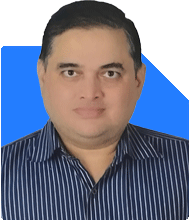
Milind

Milind Vadjikar  | Answer  |Ask -

Insurance, Stocks, MF, PF Expert - Answered on Oct 16, 2024

Milind Vadjikar is an independent MF distributor registered with Association of Mutual Funds in India (AMFI) and a retirement financial planning advisor registered with Pension Fund Regulatory and Development Authority (PFRDA).
He has a mechanical engineering degree from Government Engineering College, Sambhajinagar, and an MBA in international business from the Symbiosis Institute of Business Management, Pune.
With over 16 years of experience in stock investments, and over six year experience in investment guidance and support, he believes that balanced asset allocation and goal-focused disciplined investing is the key to achieving investor goals.... more
Asked by Anonymous - Oct 15, 2024Hindi

Listen
Money

I am 45 yrs old. I want to genrate a corpus of 2 cr in next 10 yrs and can invest 40k-50k permonth. Sir, firstly is it posssible and if yes what category / AMC funds should I invest. I am ready for aggressive investments also.

Ans: Hello;

You have 3 ways to achieve your target(2 Cr):

1. Monthly sip of 50 K with minimum 14% top-up each year upto 10 years.

2. Monthly sip of 50 K for 13 years.

3. Monthly sip of 82 K for 10 years.

All 3 approaches will yield intended corpus of 2 Cr. As desired.

You will need to invest in a combination of flexicap fund 40%(ppfas) large and midcap fund 40% (Mirae Asset), smallcap fund 20% (Nippon India).

Happy Investing!!

*Investments in mutual funds are subject to market risks. Please read all scheme related documents carefully before investing.
DISCLAIMER: The content of this post by the expert is the personal view of the rediffGURU. Users are advised to pursue the information provided by the rediffGURU only as a source of information to be as a point of reference and to rely on their own judgement when making a decision.
Money

You may like to see similar questions and answers below

Ramalingam

Ramalingam Kalirajan  |10874 Answers  |Ask -

Mutual Funds, Financial Planning Expert - Answered on May 09, 2024

Asked by Anonymous - Feb 26, 2024Hindi
Listen
Money
Hello Sunilji My age is 49 and my net monthly pay is 1.6 lakhs. I need to build corpus of 50 lakhs in next years. Also have 10 lakhs cash in hand, kindly suggest any investment plan like sip or mutual funds to build my corpus.
Ans: I commend your goal of building a corpus of 50 lakhs within the next year. It's a challenging but achievable target given your financial situation. Here's a plan to help you reach your goal:

Firstly, let's leverage your existing cash in hand of 10 lakhs. This amount can serve as the foundation for your investment journey.

Next, considering your monthly income of 1.6 lakhs, we can allocate a portion towards systematic investment plans (SIPs) in mutual funds.

SIPs offer the advantage of disciplined investing, allowing you to invest a fixed amount regularly over time, regardless of market fluctuations.

Given your investment horizon of one year, it's crucial to focus on relatively low-risk options to preserve capital while aiming for reasonable returns.

Avoiding direct equity or high-risk investments would be prudent, as they may subject your capital to significant market volatility and potential losses.

Instead, consider investing in debt mutual funds or balanced funds, which offer a balance of safety and potential for growth.

While actively managed funds may have slightly higher expense ratios compared to index funds, they offer the advantage of professional fund management and potential outperformance in volatile markets.

Regularly review your investment portfolio and make adjustments as needed to stay on track towards your goal.

Remember, consistency and patience are key to achieving your financial objectives. Stay committed to your investment plan, and you'll be closer to building the corpus you desire.

Best Regards,

K. Ramalingam, MBA, CFP,

Chief Financial Planner,

www.holisticinvestment.in

..Read more

Ramalingam

Ramalingam Kalirajan  |10874 Answers  |Ask -

Mutual Funds, Financial Planning Expert - Answered on Jul 03, 2025

Money
I am 40. Monthly salary 2.5 lac. Have 40 lac of equity.1.2 lac of MF investment per month with 5 lac of portfolio balance. 10lac balance. Monthly expenses 50k. Please suggest to create corpus of 5 cr in next 10 years
Ans: Current Financial Snapshot

Age: 40 years

Monthly income: Rs. 2.5 lakhs

Monthly expenses: Rs. 50,000

Monthly surplus: Rs. 2 lakhs

Existing mutual funds: Rs. 5 lakhs

Monthly SIP: Rs. 1.2 lakhs

Direct equity holdings: Rs. 40 lakhs

Bank balance: Rs. 10 lakhs

Your aspiration to accumulate Rs. 5 crores in 10 years is realistic. However, it demands smart financial decisions, risk control, consistent savings, and portfolio monitoring.

Cash Flow Utilisation

You have a high surplus of Rs. 2 lakhs per month

SIP contribution is already Rs. 1.2 lakhs

This shows good savings discipline

Unused surplus of Rs. 80,000 should be aligned with goals

Avoid idle cash beyond 6 months of expenses

Create a systematic structure for deploying this surplus wisely.

Emergency Reserve Planning

Maintain 6 to 9 months’ expenses as emergency fund

That means Rs. 3 to 4.5 lakhs should be parked safely

Use a sweep-in FD or liquid mutual funds for this

Do not use equity or equity mutual funds as emergency reserve

Your bank balance of Rs. 10 lakhs can partly serve this purpose

Emergency fund must be accessible, stable, and uncorrelated with markets.

Review of Equity Portfolio

Rs. 40 lakhs invested in equity is a strong asset

Assess quality and sector exposure of these stocks

Are they large, mid or small-cap?

Are they consistently reviewed or just held without tracking?

Over-diversification or stock overlap should be avoided

If you are unable to evaluate stocks professionally, gradually move to mutual funds.

Mutual Fund Portfolio Management

SIP of Rs. 1.2 lakh monthly is impressive

Existing MF value is Rs. 5 lakhs, showing recent start

Ensure the funds are actively managed

Avoid index funds

Index funds lack flexibility in market downturns

Actively managed funds offer downside protection

Good fund managers adjust portfolio based on market conditions

Don’t use direct plans without expert guidance.

Disadvantages of Direct Funds

Direct plans cut out commissions but also cut out guidance

You miss rebalancing insights from a Certified Financial Planner

No help during market corrections

Wrong fund selection can reduce overall return

Fund manager changes or strategy shifts often go unnoticed

Regular plans via a Certified Financial Planner offer better strategy support

Investor behavior affects returns more than expense ratio

Choose regular plans through an MFD with a CFP credential for long-term benefits.

Allocation of Existing Assets

You have Rs. 55 lakhs of financial assets:

Rs. 40 lakhs in equity

Rs. 5 lakhs in mutual funds

Rs. 10 lakhs in savings

Recommended action:

Retain Rs. 4 lakhs for emergency needs

Use Rs. 6 lakhs in a staggered manner into equity mutual funds

Avoid lump sum into direct equity unless very confident

Maintain asset allocation and don’t get emotionally attached to stocks

Equity holding should be assessed and pruned for underperformers regularly.

Monthly Investment Strategy

From Rs. 2 lakh surplus:

Rs. 1.2 lakhs already going into SIPs

Allocate Rs. 40,000 into additional equity MFs

Allocate Rs. 20,000 into conservative hybrid or dynamic funds

Allocate Rs. 20,000 into gold or international funds if needed

Review fund categories every 6 months with a Certified Financial Planner.

Avoid Mixing Insurance and Investment

If you have ULIPs or traditional LIC plans, evaluate returns

Traditional plans usually offer returns of 4% to 5%

These are capital inefficient compared to mutual funds

If you hold any such investment-linked insurance policies, consider surrender

Reinvest the proceeds into diversified equity mutual funds through an MFD

Use term insurance for protection, not for investment

Investment and insurance should never be combined.

Tax Efficiency Considerations

Under new rules, equity mutual funds have revised taxation

LTCG over Rs. 1.25 lakh taxed at 12.5%

STCG taxed at 20%

Debt fund gains taxed as per slab

Keep holding periods in mind to reduce taxes

Opt for growth plans, not dividend

Avoid frequent switching of funds

Tax planning should not drive the investment, but cannot be ignored either.

Asset Allocation Approach

Don't be 100% in equity

Ideal asset mix depends on your risk tolerance

At age 40, equity allocation can be up to 70%

Use 20% for hybrid or conservative funds

Keep 10% for emergency and contingency liquidity

Review asset allocation at least once a year

Don’t chase returns, protect capital also

Diversification must be across asset classes, fund styles, and risk levels.

Goal Mapping for Rs. 5 Crore Target

To reach Rs. 5 crores in 10 years:

With 12% average annualised return, consistent monthly investment needed

Your current SIPs and surplus can help you reach or even exceed the goal

But returns are not linear every year

Review annually, rebalance when needed

Avoid stopping SIPs during market falls

Use a 3-bucket approach for investing – Core, Tactical, and Strategic

Use goal-based planning, not only product-based investing.

Behavioral Management and Monitoring

Market volatility will test your patience

Stick to SIPs even during downturns

Don’t time the market

Set review points every 6 months

Consult your Certified Financial Planner during market highs and lows

Emotional investing can ruin returns

Use automated STPs from liquid to equity funds if needed

Consistency beats intensity. Be process-driven, not return-driven.

Avoid Common Investment Mistakes

Don’t chase hot stocks or funds

Don’t rely only on past performance

Don’t stop SIPs when markets fall

Don’t use money meant for goals for short-term trading

Don’t keep checking portfolio daily

Don’t fall for unsolicited stock tips or social media trends

Don’t be under-insured

Your financial plan should have safety nets and growth elements.

Insurance Planning

Life insurance must be term-only

Coverage should be at least 15 times your annual income

Avoid endowment and money-back policies

Health insurance must cover self and family adequately

Check for critical illness and accident cover as add-ons

Insurance is a protection tool, not a wealth creation tool

Wrong insurance choices can reduce your investible surplus.

Estate and Succession Planning

Prepare a Will

Ensure nominations in all investments

For mutual funds, update folio nominations regularly

Consider joint holding in bank accounts

Keep family informed of asset details

Review estate documents every 3 years

Wealth creation is incomplete without proper wealth transfer planning.

Finally

You are in a strong financial position

Monthly surplus and discipline are your biggest assets

Just avoid unnecessary products and stay consistent

Work with a Certified Financial Planner

Don’t go for real estate just for returns

Focus on financial instruments that are transparent and liquid

Build a balanced portfolio with active fund strategies

Protect capital and take calculated growth risks

Use proper fund selection with professional hand-holding

Maintain a written financial plan with clear milestones.

Best Regards,
K. Ramalingam, MBA, CFP,
Chief Financial Planner,
www.holisticinvestment.in
https://www.youtube.com/@HolisticInvestment

..Read more

Ramalingam

Ramalingam Kalirajan  |10874 Answers  |Ask -

Mutual Funds, Financial Planning Expert - Answered on Aug 04, 2025

Asked by Anonymous - Jul 11, 2025Hindi
Money
Iam 61 yrs retired and having pension 55000 pm and rent income 23000pm my monthly relugar expenses 75000 pm some times it exceeds. I have 13000000 in SCS and bank fd entire amount of interest incested in mutual fund. Monthly SIP 85000 pm, flex cap, small cap defence fund and multi cap and current value around 800000 and 600000 invested in stocks.I wish to generate 7-8 cr corpus in next 8 yrs is it possible please your guidance in this matter
Ans: At 61, you are showing strong discipline and high commitment to growing wealth. You’ve built a good foundation through pension, rental income, and investments. Reaching Rs7–8 crore in 8 years is a bold target, but not impossible with the right steps. Let’s assess your current status and outline a 360-degree action plan.

» Income and Expense Overview

– Monthly pension income is Rs55,000.
– Rental income is Rs23,000 per month.
– Total income is Rs78,000 per month.
– Regular expenses are around Rs75,000 per month.
– Some months go slightly above.
– Your income is just covering expenses.
– There is very little monthly surplus.

» Asset Review and Investment Allocation

– You have Rs1.3 crore in senior citizen schemes and bank FDs.
– Entire interest is being invested in mutual funds.
– SIP of Rs85,000 per month is from this interest.
– Current mutual fund value is Rs8 lakh.
– Stocks value is Rs6 lakh.
– Total equity exposure is still small compared to your overall assets.
– Asset allocation is conservative by equity proportion.
– But you are actively building equity portfolio now.
– Your SIP volume is impressive and focused.

» Risk Profile and Age Factor

– At age 61, capital protection matters more.
– But your goal is aggressive.
– You are taking high equity exposure post-retirement.
– This has both opportunity and risk.
– You must control downside with asset balancing.
– Consider hybrid approach—not fully equity.

» Equity Mutual Fund Portfolio Assessment

– You are investing in flexicap, smallcap, multicap, and sectoral funds.
– Smallcap and defence-sector funds carry high volatility.
– They can give high returns but also high losses.
– At your stage, you need stability more than extreme growth.
– Avoid going too deep into smallcap and sector funds.
– Maintain them at 15–20% of SIP portfolio.
– Use more flexicap and multicap funds.
– These are better at handling market changes.

– Avoid index funds if you were ever considering them.
– Index funds blindly copy the market.
– They fall heavily during crashes.
– No flexibility or downside protection.
– Actively managed funds do better in weak or sideways markets.
– Skilled fund managers help protect wealth.

– Avoid direct funds even if lower cost.
– They offer no personalised advice.
– You may not get portfolio review or rebalancing.
– Instead, go with regular plans through an MFD and CFP.
– You need handholding and proper planning at this stage.

» Capital Growth Expectation vs Reality

– Goal is to create Rs7–8 crore in 8 years.
– Current corpus: Rs1.3 crore in SCS and FDs.
– Equity: Rs8 lakh in MF, Rs6 lakh in stocks.
– Monthly SIP: Rs85,000 per month from interest.
– You have limited fresh surplus from income.
– This growth target requires 20–25% annual returns.
– This is possible only with high equity exposure.
– But it involves very high risk.

– A more balanced expectation would be Rs3.5–4.5 crore in 8 years.
– Unless SIPs increase dramatically or more capital is shifted to equity.
– You may still aim high, but stay realistic.
– Focus on consistent investing and safe withdrawals later.

» SIP Scaling and Portfolio Structuring

– Continue Rs85,000/month SIP but diversify better.
– Reduce smallcap and sector fund exposure.
– Increase flexicap and multicap SIP allocation.
– Add balanced advantage funds to reduce volatility.
– Target at least 50–60% in diversified equity funds.
– Maintain 20–30% in hybrid funds.
– Keep remaining 10–20% in stable debt-oriented funds.

– Track performance every 6 months.
– Rebalance based on risk tolerance and market phase.
– Avoid reacting emotionally to short-term movements.

» Stock Investment Strategy

– Current stock value is Rs6 lakh.
– Don’t increase direct equity exposure further.
– Stocks are high risk and need constant tracking.
– At your age, mutual funds offer better safety.
– If returns from stocks are good, book profit gradually.
– Shift to mutual funds for better management.

» Emergency Fund and Liquidity

– All interest is going into SIP.
– You must keep an emergency fund aside.
– Keep at least Rs3–5 lakh in FD or liquid mutual fund.
– This is for medical, repair or urgent needs.
– Avoid stopping SIP for such one-time needs.

» Taxation Considerations

– Mutual fund taxation matters now.
– LTCG above Rs1.25 lakh in equity funds taxed at 12.5%.
– STCG taxed at 20%.
– Debt mutual fund returns are taxed as per your slab.
– Use tax harvesting strategy to reduce taxes yearly.
– An MFD with CFP guidance can help you implement.

– Senior citizen schemes give fixed returns but are taxable.
– Track your annual interest income.
– Plan withdrawals in such a way to optimise tax.

» Health and Risk Management

– You haven’t mentioned health insurance.
– Buy a separate Rs10–15 lakh senior citizen policy.
– Add a Rs10 lakh top-up if possible.
– Medical costs can break investment flow.
– Avoid that by covering risk early.

– If you have any LIC or ULIP plans, review them now.
– If they are endowment or low-return plans, consider surrender.
– Reinvest surrender amount in equity funds via regular plans.

» Family and Estate Planning

– Ensure all mutual fund and bank accounts have nominations.
– Create a simple will to avoid future disputes.
– Inform spouse and family about investments.
– Keep a written record of all assets and policies.
– Share login credentials and contact points with family.

» Retirement Lifestyle and Withdrawal Plan

– Expenses are Rs75,000/month.
– Income just covers this.
– Investment growth must support post-70 income.
– Start building corpus to generate safe returns later.
– At age 70+, shift funds from equity to hybrid and debt.
– Start 4–6% annual withdrawals after 8 years.
– Maintain equity portion for inflation beating growth.

» Final Insights

– You have high financial discipline and clarity.
– Your income and interest are used wisely.
– SIP volume is high and focused.
– Portfolio needs better asset balance.
– Reduce risky sectoral and smallcap weight.
– Shift more capital to equity if goal must be met.
– Have realistic return expectations.
– 7–8 crore target needs strong equity growth and stability.
– Keep reviewing every 6 months with a trusted MFD and CFP.
– Focus on asset protection along with growth.
– Ensure liquidity, insurance, and legal clarity.
– You are on a good path. Just maintain consistency and care.

Best Regards,
K. Ramalingam, MBA, CFP,
Chief Financial Planner,
www.holisticinvestment.in
https://www.youtube.com/@HolisticInvestment

..Read more

Ramalingam

Ramalingam Kalirajan  |10874 Answers  |Ask -

Mutual Funds, Financial Planning Expert - Answered on Sep 04, 2025

Asked by Anonymous - Sep 04, 2025Hindi
Money
Expecting funds of 50Lac. How to create more corpus by this in next 10 years? 1. Invest in land 2. MF 3. SWP 4. Gold Or any other ideas? Pl suggest
Ans: You have done well to think about wealth creation from Rs 50 lakhs. Many people only spend such lump sums, but you are focusing on corpus building. With 10 years horizon, you have very good scope to grow wealth with right allocation. Let us carefully review each option and build a balanced 360-degree approach.

» Time Horizon Advantage
– You have 10 years to grow this money.
– Long horizon allows you to take some equity exposure.
– Equity is volatile in short term but powerful in long term.
– Corpus doubles or triples faster in 10 years with equity.
– Debt and gold can balance equity risk.
– Safety and growth must be mixed for stability.

» Real Estate as Option
– Land investment looks attractive at first sight.
– But land has no regular income.
– Liquidity is poor. Selling at right price is tough.
– Transaction costs and taxes are high.
– Growth depends on location and demand.
– You also carry legal and maintenance risks.
– For long-term financial freedom, land is less efficient.
– Better to use financial products which are transparent and liquid.

» Mutual Funds for Growth
– Mutual funds can give growth with professional management.
– Active funds use research and strategies to control risk.
– Index funds only copy market, no strategy, no downside protection.
– Actively managed funds adapt to market cycles and sectors.
– Your Rs 50 lakhs can be partly allocated to equity mutual funds.
– Systematic transfer plans can move funds gradually from debt to equity.
– SIP and lump sum both can be combined.
– Over 10 years, compounding effect is very powerful.
– Equity mutual funds are best for beating inflation and creating large corpus.

» SWP for Regular Income
– SWP is systematic withdrawal plan from mutual funds.
– It is useful after 10 years when you want income.
– You can keep part of corpus in balanced fund and start SWP.
– This way you get monthly income while capital continues to grow.
– Unlike FD interest, SWP taxation is efficient.
– Equity mutual fund gains above Rs 1.25 lakh yearly taxed at 12.5%.
– Withdrawals can be planned to minimise tax burden.
– SWP also gives flexibility compared to rental income or annuities.

» Role of Gold
– Gold protects against inflation and currency fall.
– But gold should not be major part of portfolio.
– Growth from gold is limited compared to equity.
– Gold works best as hedge in uncertain times.
– Limit gold to 5-10% of overall allocation.
– Use financial form of gold instead of physical to avoid storage risk.

» Safe Allocation with Debt
– Debt funds or bonds can be used for stability.
– They give predictable returns and reduce volatility.
– But taxation of debt funds is as per income tax slab.
– So debt allocation must be used mainly for safety and liquidity.
– Keep emergency corpus and short-term needs in debt products.
– This avoids premature sale of equity in bad markets.

» Insurance and Protection Check
– Before investing, check life and health insurance.
– With Rs 50 lakhs, protecting family comes first.
– Term insurance of at least 15-20 times income is must.
– Health cover must be sufficient for entire family.
– Without protection, wealth creation can collapse due to emergencies.

» Strategy to Use Rs 50 Lakhs
– Do not put all in one asset.
– Mix equity, debt, and gold in right balance.
– For growth, allocate higher share to equity funds.
– Keep part in debt to provide safety.
– Use gold for hedge, not for returns.
– Review allocation every year with Certified Financial Planner.
– Rebalance if one asset grows more than target.

» Tax Efficiency
– Mutual funds provide better tax efficiency compared to FDs.
– Long term capital gains on equity above Rs 1.25 lakh taxed at 12.5%.
– Short term equity gains taxed at 20%.
– Debt fund gains taxed as per your slab.
– Gold fund taxation is also as per slab.
– Planning allocation with tax in mind increases real return.
– Avoid chasing pre-tax returns only.

» Emotional and Behavioural Discipline
– Market ups and downs will test your patience.
– Do not panic when markets fall.
– Stay invested for 10 years without interruptions.
– Avoid temptation of withdrawing early.
– Discipline and consistency create wealth, not timing.

» Using Certified Financial Planner Support
– Direct investing can lead to wrong allocation.
– Direct funds may save small cost but lose big returns due to poor choices.
– Regular plans through CFP guided channel give personalised advice.
– CFP can adjust portfolio based on goals, risk, and changes.
– Ongoing monitoring helps avoid emotional mistakes.
– This professional guidance increases long term corpus creation.

» Goal Based Planning
– Assign this Rs 50 lakhs to clear goals.
– Retirement, child education, or financial freedom.
– Goal clarity improves discipline.
– Different goals can use different allocation.
– Education goal needs more safety.
– Retirement goal can use higher equity.
– This balance keeps wealth aligned with life needs.

» Emergency Fund and Liquidity
– Before locking full Rs 50 lakhs, keep 6-12 months expense in liquid fund.
– Emergencies should not disturb long-term investment.
– Liquidity gives peace of mind and confidence to stay invested.
– Avoid putting 100% in long lock-in products.

» Risks to Watch
– Inflation risk reduces purchasing power.
– Equity reduces inflation risk, debt does not.
– Interest rate changes affect debt returns.
– Gold prices can remain flat for many years.
– Over-exposure to land brings liquidity and legal risks.
– Diversification reduces these risks effectively.

» Step by Step Action
– Review insurance first.
– Build emergency fund in safe debt product.
– Allocate 60-70% of balance into equity mutual funds.
– Allocate 20-30% into debt funds.
– Allocate 5-10% into gold.
– Start systematic transfer for part of funds into equity.
– Review every year and adjust allocation.
– After 10 years, plan SWP for income.

» Finally
– Rs 50 lakhs can grow into a much bigger corpus in 10 years.
– Land investment is not the right option due to risks and low liquidity.
– Mutual funds provide best balance of growth and flexibility.
– SWP can give steady income after 10 years without capital loss.
– Gold works as safety tool but only in small proportion.
– With insurance, emergency fund, and disciplined investing, your family will be secure.
– A Certified Financial Planner can guide you through yearly reviews.
– With patience and discipline, you can create lasting wealth from this opportunity.

Best Regards,

K. Ramalingam, MBA, CFP,

Chief Financial Planner,

www.holisticinvestment.in

https://www.youtube.com/@HolisticInvestment

..Read more

Latest Questions
Anu

Anu Krishna  |1746 Answers  |Ask -

Relationships Expert, Mind Coach - Answered on Dec 08, 2025

Ramalingam

Ramalingam Kalirajan  |10874 Answers  |Ask -

Mutual Funds, Financial Planning Expert - Answered on Dec 08, 2025

Asked by Anonymous - Dec 08, 2025Hindi
Money
Hi i am 40M. would request your help to understand what should be the corpus required for retirement as i want to get retired in next 3-5yrs. currently my take home is 2.3L monthly & my wife also works but leaving the job in next 2-3 months. we have a daughter 10yrs, currently i stay on rent and total monthly expense is 1.1L month. once i will retire we will shift in our own parental flat, where hopefully there will be no rent. current Investments 1. 50L in REC bonds getting matured in 2029 2. 42L in stocks 3. 17L in MF 4. 16L FD 5. 15L in PPF 6. 1.3L SIP monthly i do My Wife Investments 1. 30L corpus 2. flat with current value 40L and we get rental of 10K monthly. Please guide what should be the retirement corpus required combined to retire, assuming i need 75L for my daughter post grad and marriage and we would be requiring 75K monthly for our expenses after retiring
Ans: You have explained your income, goals, current assets, and future plans with great clarity. Your early planning spirit is strong. This gives a very good base. You can reach a peaceful retirement with smart steps in the next few years.

» Your Current Position

You are 40 years old. You plan to retire in 3 to 5 years. You earn Rs 2.3 lakh per month. Your wife also works but will stop working soon. You have one daughter aged 10. Your current monthly cost is around Rs 1.1 lakh. This cost will reduce after retirement because you will shift to your parental flat.

Your investment base is already good. You have saved in bonds, stocks, mutual funds, PPF, FD, and SIP. Your wife also has her own savings and rental income from a flat. All these create a good starting point.

This early base helps you plan stronger. It also gives room for more shaping. You are on the right road.

» Your Family Goals

You need Rs 75 lakh for your daughter’s higher education and marriage.

You want Rs 75,000 per month for family living after retirement.

You want to retire in 3 to 5 years.

You will shift to your parental flat after retirement.

You will have rental income of Rs 10,000 from your wife’s flat.

These goals are clear. They give direction. They allow a strong plan.

» Your Present Investments

Your investments include:

Rs 50 lakh in REC bonds maturing in 2029.

Rs 42 lakh in stocks.

Rs 17 lakh in mutual funds.

Rs 16 lakh in fixed deposits.

Rs 15 lakh in PPF.

Rs 1.3 lakh as monthly SIP.

Your wife holds:

Rs 30 lakh corpus.

A flat worth Rs 40 lakh with rent of Rs 10,000 each month.

Your combined net worth is healthy. This gives good power to build your retirement fund in the coming years.

» Understanding Your Expense Need After Retirement

You expect Rs 75,000 per month after retirement. This includes all basic needs. You will not have rent. That reduces cost. This assumption looks fair today.

Your cost will rise with inflation. So you must plan for rising needs. A strong retirement corpus must support rising cost for 40 to 45 years because you are retiring early.

An early retirement needs a large buffer. So you need safety along with growth. Your plan must include growth assets and safety assets.

» How Much Monthly Income You Will Need Later

Rs 75,000 per month is Rs 9 lakh per year. In future years, this cost can rise. If we assume steady rise, your future cost will be much higher.

So the retirement corpus must be designed to:

Give monthly income.

Beat inflation.

Support you for 40 to 45 years.

Protect your family even in market down cycles.

Allow flexibility if your needs change.

A strong retirement fund must support both safety and long-term growth.

» How Much Corpus You Should Target

A safe target is a large and flexible corpus that can support long years without running out of money. For early retirement, the usual thumb rule suggests a very high number. This is because you need income for many decades.

You need a corpus big enough to produce rising income. You also need a cushion for unexpected health costs, lifestyle shocks, and inflation changes.

Your target retirement corpus should be in a strong range. For your needs of Rs 75,000 per month and for goals like daughter’s education and marriage, you should aim for a combined retirement readiness corpus in the higher bracket.

A safe range for your family would be a very large number crossing multiple crores. This large range gives you:

Income safety.

Inflation protection.

Peace during market cycles.

Comfort in long life.

Room for daughter’s future.

Strong backup for health.

You are already on the way due to your existing assets. You will reach close to this range with systematic building over the next 3 to 5 years.

» Why You Need This Larger Corpus

You will retire early. That means more years of living from your corpus. Your corpus must not fall early. It must grow even after retirement. It must give monthly income and long-term family protection.

This is only possible when the corpus is strong and well-structured. A weak corpus creates stress. A strong corpus creates freedom.

Also, your daughter’s future cost must be kept aside. This must be parked in a separate fund. This must not touch your retirement money.

A strong corpus makes these two worlds separate and safe.

» Your Existing Assets and Their Strength

You already have good diversification:

Bonds give safety.

Stocks give growth.

Mutual funds give managed growth.

FD gives stability.

PPF gives tax-free long-term savings.

This blend is already a good start. But you need to make the blend more structured for early retirement.

Your Rs 1.3 lakh monthly SIP is also strong. It builds your future fast. You should continue.

Your wife’s rental income is small but steady. This adds strength.

Your combined financial base can reach your retirement target if you refine your allocation now.

» Your Daughter’s Future Fund Need

You need Rs 75 lakh for your daughter’s education and marriage. You should keep this goal separate from your retirement goal.

Your current SIP and future allocations should create a dedicated fund for this goal. A long-term fund can grow well when managed actively.

Do not mix this fund with your retirement needs. Mixing leads to shortage in old age. Always keep this corpus ring-fenced.

» A Strong Asset Mix For Your Retirement Path

A balanced mix is needed. You need growth assets to beat inflation. You also need stable assets for income.

You must avoid index funds because they do not give flexibility. Index funds follow a fixed index. They cannot make active changes in different markets. They cannot move to better stocks when markets change. They force you to stay in weak sectors for long. They also do not help you in down cycles because they cannot protect you by shifting to safer options. This can hurt retirement planning.

Actively managed funds are better because:

They give active asset selection.

They give scope for better returns.

They give flexibility to change sectors.

They give downside management.

They give access to a skilled fund manager.

They support long-term planning more safely.

Direct plans also carry risk. Direct plans do not give guidance. They do not give behavioural support. They do not give market timing help. They do not give portfolio shaping. They leave all the judgement to you. One mistake can cost years of wealth.

Regular plans with guidance from a Certified Financial Planner help you shape decisions. They help you remain disciplined. They help you avoid panic. They help you decide allocation changes at the right time. This saves wealth in long-term.

» How Your Investment Journey Should Grow in the Next 3–5 Years

Continue your SIP.

Increase SIP when your income rises.

Shift part of your stock holding into planned long-term mutual funds to reduce concentration risk.

Build a defined daughter’s education fund.

Keep a part of your REC bond maturity amount for long-term.

Avoid locking too much into fixed deposits for long periods.

Build a safety fund for one year of expenses.

This will create a full structure.

» Your Rental Income Role

Your rental income of Rs 10,000 per month is small but steady. Over time it will rise. This income will support your monthly cash flow after retirement.

You can use this for utilities or health insurance premiums. This gives a cushion.

» Your Emergency Buffer

You should keep at least one year of essential cost in a safe place. This can be in a liquid account or short-term fund. This protects you in shocks.

Since you plan early retirement, a strong buffer is important. It gives peace even in low months.

» A Structured Retirement Approach

A complete retirement plan for you should include:

A clear monthly income plan after retirement.

A corpus that can grow and protect.

A rising income system that matches inflation.

A separate daughter’s future fund.

A health cover plan for your family.

A tax-efficient withdrawal plan.

A market cycle plan to protect you in tough times.

This holistic approach keeps your family strong for decades.

» What You Should Build by Retirement Year

Your aim should be to reach a strong multi-crore range in investments before retirement. You already hold a large amount. You will add more in the next 3 to 5 years through SIP, stock growth, bond maturity, and disciplined saving.

Once you reach your target range, you can start the shifting process:

Move a part to stable assets.

Keep a part in long-term growth assets.

Create a monthly income strategy.

Keep a reserve bucket.

Keep a child future bucket.

Keep a long-term growth bucket.

This structure protects you in all market conditions.

» Final Insights

Your financial journey is already strong. You have a good income. You have saved well. You have multiple asset types. You have a clear timeline. And you have clear goals. This foundation is solid.

In the next 3 to 5 years, your focus should be on growing your combined corpus to a strong multi-crore range, keeping a separate fund for your daughter, reducing risk in unplanned assets, and building a stable long-term structure.

With the present path and a disciplined structure, you can retire peacefully and support your family with confidence for many decades.

Best Regards,

K. Ramalingam, MBA, CFP,
Chief Financial Planner,
www.holisticinvestment.in

https://www.youtube.com/@HolisticInvestment

...Read more

Samraat

Samraat Jadhav  |2499 Answers  |Ask -

Stock Market Expert - Answered on Dec 08, 2025

Ramalingam

Ramalingam Kalirajan  |10874 Answers  |Ask -

Mutual Funds, Financial Planning Expert - Answered on Dec 08, 2025

Money
Hello my name is saket, I monthly salary is 43k and my saving is zero. My Rent is 15 k and 10 k i send to my parents. How can i save money and investments.
Ans: 1. Your Current Monthly Numbers

Salary: Rs 43,000

Rent: Rs 15,000

Support to parents: Rs 10,000

Left with: Rs 18,000 for food, travel, bills, and savings

You have very little room, but saving is still possible if done smartly.

2. First Step: Build a Small Emergency Buffer

You must build Rs 10,000 to Rs 20,000 emergency money.
This protects you from taking loans for small issues.

How to build it:

Save Rs 3,000 to Rs 5,000 every month in a simple bank savings account

Do this for the next few months

Don’t touch it unless truly needed

3. Create a Mini Budget (Very Simple One)

Try this split from the remaining Rs 18,000:

Daily living (food + transport): Rs 10,000 – 11,000

Personal expenses (phone, internet, basics): Rs 3,000 – 4,000

Savings + investments: Rs 3,000 – 5,000

If this feels difficult, reduce food/transport costs by small adjustments.

4. Where to Invest Once You Have Emergency Money

(For minors: This is general education. For actual investing, get guidance from a trusted adult or family member.)

After you build emergency money, start small monthly investing.

You can begin with:

Rs 1,000 to Rs 2,000 SIP in a simple, diversified equity fund

Increase the SIP whenever salary increases or expenses reduce

Avoid complicated products.
Keep it simple.
Focus on consistency.

5. Easy Practical Ways to Increase Saving

These small moves help a lot:

Avoid food delivery

Use public transport as much as possible

Reduce subscriptions you don’t use

Fix a daily expense limit

Keep a separate bank account only for savings

Even Rs 200 saved daily = Rs 6,000 monthly.

6. Increase Income Slowly

Try small income boosters:

Weekend tutoring

Freelancing

Part-time projects

Selling old gadgets

Learning new skills for future salary growth

Even Rs 3,000 extra income changes your savings life.

7. Build the Habit First

The amount doesn’t matter in the beginning.
The habit matters more.

Even saving Rs 500 every month is better than zero.
Once salary grows, you will already know how to save.

Best Regards,

K. Ramalingam, MBA, CFP,

Chief Financial Planner,

www.holisticinvestment.in

https://www.youtube.com/@HolisticInvestment

...Read more

DISCLAIMER: The content of this post by the expert is the personal view of the rediffGURU. Investment in securities market are subject to market risks. Read all the related document carefully before investing. The securities quoted are for illustration only and are not recommendatory. Users are advised to pursue the information provided by the rediffGURU only as a source of information and as a point of reference and to rely on their own judgement when making a decision. RediffGURUS is an intermediary as per India's Information Technology Act.

Close  

You haven't logged in yet. To ask a question, Please Log in below
Login

A verification OTP will be sent to this
Mobile Number / Email

Enter OTP
A 6 digit code has been sent to

Resend OTP in120seconds

Dear User, You have not registered yet. Please register by filling the fields below to get expert answers from our Gurus
Sign up

By signing up, you agree to our
Terms & Conditions and Privacy Policy

Already have an account?

Enter OTP
A 6 digit code has been sent to Mobile

Resend OTP in120seconds

x