Home > Money > Question
Need Expert Advice?Our Gurus Can Help

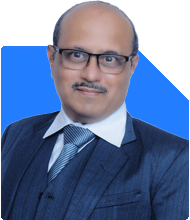
Ramalingam

Ramalingam Kalirajan  |10870 Answers  |Ask -

Mutual Funds, Financial Planning Expert - Answered on Jun 21, 2025

Ramalingam Kalirajan has over 23 years of experience in mutual funds and financial planning.
He has an MBA in finance from the University of Madras and is a certified financial planner.
He is the director and chief financial planner at Holistic Investment, a Chennai-based firm that offers financial planning and wealth management advice.... more
Asked by Anonymous - Jun 08, 2025Hindi

Money

I am 35 years old, wanted to retire at 40, my current salary is 2.5lacs, having mfs of 50lacs, ppf,epf of 25lacs, owns house, no loan, monthly expense 50k and I live with my wife and new born daughter.

Ans: You are doing well already. Planning to retire by 40 with a family and newborn shows strong clarity. Let’s look at your finances from all sides and see how this goal can be shaped better. You deserve appreciation for the progress so far. Still, a few strategic refinements can help make your early retirement dream stronger and smoother.

Income and Expense Assessment
Your monthly salary is Rs. 2.5 lakhs. That is a very good income.

Your expenses are only Rs. 50,000. You save Rs. 2 lakhs monthly.

That gives you a 80% savings rate. That is exceptional.

With this discipline, early retirement becomes possible with smart planning.

Please ensure this savings rate continues without interruptions till age 40.

Family Dependency Evaluation
You live with your wife and a newborn daughter. Family needs will grow.

Your child’s expenses will increase every year. Plan for school and college.

Your wife may or may not earn. Consider her complete dependency after retirement.

Family medical expenses will rise with age. This is key in early retirement planning.

Existing Asset Assessment
Mutual funds worth Rs. 50 lakhs. This is a solid start.

PPF and EPF total Rs. 25 lakhs. That gives you a safety cushion.

Own house and no loan. That’s a big advantage.

You have removed rental stress from your future cash flows.

Owning a house also brings emotional peace post-retirement.

Asset Liquidity Review
Mutual funds are liquid and usable after exit load periods.

PPF and EPF are not easily liquid. They are retirement-oriented.

EPF withdrawal may be taxable under certain limits. Use wisely.

PPF cannot be accessed until maturity. Use this as backup.

Consider separating liquid and non-liquid assets in your tracking.

Monthly Investment Discipline
Rs. 2 lakh savings per month is an excellent habit.

Continue SIPs in diversified mutual funds with this amount.

Avoid investing lump sums all at once.

Keep emergency fund of at least Rs. 6 lakhs separately.

Maintain life and health insurance from separate standalone policies.

Mutual Fund Review
Rs. 50 lakhs corpus is meaningful but needs more to support early retirement.

Stay focused on actively managed diversified funds.

They offer better chances of beating inflation over the long term.

Do not prefer index funds. They just copy the market.

Index funds can’t beat the market in down cycles.

They also do not suit active financial planning like yours.

Regular vs Direct Mutual Funds
Many investors prefer direct funds without advice.

But direct funds don’t offer personalized guidance.

Market changes need active decisions. Direct plans don’t help here.

Regular plans through a Certified Financial Planner ensure goal alignment.

MFDs with CFP credentials help track goals and adjust regularly.

This ongoing review is critical for early retirement targets.

Insurance Check
You didn’t mention LIC or ULIPs. Assuming you don’t hold them.

If you do, please surrender and invest in mutual funds.

Insurance should not be mixed with investments.

Use pure term insurance for protection.

ULIPs and LICs give low returns and less flexibility.

Retirement Corpus Needs
Your monthly expense is Rs. 50,000 now.

Post-retirement, this will rise due to inflation.

You need a large enough corpus to last 45+ years.

You also need to account for your wife’s survival period.

Do not underestimate healthcare costs in retirement.

Consider cost of living, travel, hobbies, and emergencies.

Retirement Cash Flow Planning
Corpus should give monthly income without selling core units.

You may use SWP from mutual funds to draw income.

Mix of equity and debt mutual funds helps control volatility.

Equity funds give growth, debt funds give stability.

Rebalancing portfolio yearly is important.

Taxation should be managed smartly to reduce impact.

Taxation Understanding
After retirement, you will not have salary.

So your tax slab may go lower.

For equity mutual funds, LTCG above Rs. 1.25 lakhs taxed at 12.5%.

STCG taxed at 20%.

For debt mutual funds, both LTCG and STCG taxed as per slab.

Sell units carefully with tax in mind.

Child’s Education and Marriage Goals
Daughter’s future is a big responsibility.

Education inflation is very high now.

Start SIPs in long-term equity funds for her education.

Keep separate goal-based portfolio for her.

Avoid mixing her corpus with your retirement funds.

Marriage goal also needs separate investment.

Health and Term Insurance
You must have health insurance of at least Rs. 10-15 lakhs for family.

Corporate cover ends with job. Buy personal floater policy now.

Get term insurance of Rs. 2 crores minimum if not taken yet.

Take insurance till your daughter is financially settled.

These policies are affordable and give peace of mind.

Emergency Fund Planning
Keep Rs. 6–9 lakhs in savings or liquid funds.

This covers sudden expenses like health, repairs, job loss.

Emergency fund should not be used for investing.

Replenish it immediately if used.

Lifestyle and Travel Considerations
You may wish to travel after retirement.

Factor that into your expenses.

Retirement is not just about survival. It is about living well.

Your daughter’s early childhood will be active.

You may need to relocate or spend on hobbies.

Retirement Income Distribution Plan
Do not withdraw full corpus early.

Withdraw only through planned SWPs.

Use staggered withdrawal strategy to control taxes.

Let part of the fund grow while you withdraw from others.

Equity part gives growth to beat inflation.

Risk and Volatility Handling
Even post-retirement, keep some equity exposure.

Equity helps protect against inflation.

Too much debt exposure erodes value over time.

Balance funds or hybrid funds can give smooth returns.

Review risk once a year with your Certified Financial Planner.

When to Stop Working
You want to retire at 40. That is just 5 years away.

Continue working for full 5 years unless urgent need arises.

These 5 years of income are very powerful for corpus growth.

Even part-time or freelance work post-40 adds cushion.

You don’t need to stop all work suddenly.

Review and Rebalance Periodically
Your financial life will change with your daughter’s growth.

Review plans every year with your Certified Financial Planner.

Asset allocation must be adjusted for risk and returns.

Goals may change. Portfolio must reflect that.

Keep written retirement goals and track progress quarterly.

Final Insights
Your savings rate is inspiring. Keep it strong till 40.

Avoid schemes mixing insurance and investment.

Don’t depend on index or direct mutual funds for this goal.

Use mutual funds through MFD with CFP credential.

Early retirement needs discipline and clarity. You are on the right track.

Health insurance, term plan, child education, and a rebalancing plan are crucial.

Keep emotional and lifestyle goals in mind too.

Your situation is unique. So your solution also must be tailored. A 360 degree view of investments, insurance, taxes, expenses, and emotions is needed. Keep reviewing all parts. That helps keep your dream of retiring at 40 alive and secure.

Best Regards,
K. Ramalingam, MBA, CFP,
Chief Financial Planner,
www.holisticinvestment.in
https://www.youtube.com/@HolisticInvestment
DISCLAIMER: The content of this post by the expert is the personal view of the rediffGURU. Users are advised to pursue the information provided by the rediffGURU only as a source of information to be as a point of reference and to rely on their own judgement when making a decision.
Money

You may like to see similar questions and answers below

Ramalingam

Ramalingam Kalirajan  |10870 Answers  |Ask -

Mutual Funds, Financial Planning Expert - Answered on Feb 04, 2025

Asked by Anonymous - Jan 29, 2025Hindi
Listen
Money
I am a software professional aged 44+ with my wife( home maker) & 4.7 yr daughter. I am planning to retire at 45. I have 96 lacs in FD @7.25% rate for 10 years generating passive income of 45k every month. 9 lacs in shares, 21 lacs in mutual fund , 26 lacs in pf , land with valuation 50 lacs. I repaid all big debts like home loan. My current family expenses are 35k monthly.
Ans: You have built a strong financial base. Early retirement at 45 requires careful planning.

Analysing Your Current Financial Position
Fixed Deposits: Rs 96 lakh at 7.25% generating Rs 45,000 monthly.

Equity Investments: Rs 9 lakh in stocks and Rs 21 lakh in mutual funds.

Provident Fund: Rs 26 lakh secured for long-term growth.

Real Estate: Rs 50 lakh land value (not considered for cash flow).

No Liabilities: No major loans or EMIs.

Monthly Expenses: Rs 35,000 (manageable with current passive income).

Retirement Feasibility Check
Current passive income (Rs 45,000) covers monthly expenses (Rs 35,000).

Inflation will increase expenses over time.

Future medical and education costs need planning.

Stock and mutual fund investments can support long-term growth.

Investment Strategy for Early Retirement
Fixed Deposits
FDs provide stability but are taxable.

Inflation can reduce purchasing power over time.

Consider diversifying into better tax-efficient options.

Mutual Funds and Stocks
Mutual funds provide long-term growth.

SWP from mutual funds can provide tax-efficient monthly income.

Avoid selling all stocks; they offer inflation-beating returns.

Provident Fund
Keep it intact for long-term security.

Withdraw only if necessary.

Risk and Contingency Planning
Medical Emergencies: Ensure adequate health insurance.

Life Cover: Check if you need additional term insurance.

Emergency Fund: Keep at least 12 months of expenses in liquid assets.

Education and Future Expenses
Your daughter’s higher education will need planning.

Invest in child-focused mutual funds for long-term growth.

Avoid locking funds in non-liquid assets.

Final Insights
Your passive income supports current expenses.

Plan for inflation, medical needs, and future responsibilities.

Diversify investments for safety, growth, and tax efficiency.

Periodic reviews will ensure financial security.

Best Regards,

K. Ramalingam, MBA, CFP,

Chief Financial Planner,

www.holisticinvestment.in
https://www.youtube.com/@HolisticInvestment

..Read more

Ramalingam

Ramalingam Kalirajan  |10870 Answers  |Ask -

Mutual Funds, Financial Planning Expert - Answered on Jun 20, 2025

Asked by Anonymous - Jun 11, 2025Hindi
Money
I am 55 year old self employed and want to retire by 58. I and my wife have joint investment of 1.05 crore in PPF , 1.55 cr in MF, 74 Lakh in various bonds,36 lakh in Ulip,23 lakh in Equity,1.25 cr in FD. I have own house and no loans.I have Life Insurance of 1.05 cr and Mediclaim of 50 lakh for our family which includes our one adult child.
Ans: Your thoughtful planning so far shows discipline and foresight.
Let us construct a comprehensive roadmap to support your retirement at age 58 and secure your family’s financial future.

Current Financial Overview
Age: 55

Retirement Target Age: 58 (in 3 years)

No loans; own house fully paid

Investments:

PPF: Rs. 1.05 crore (joint)

Mutual Funds: Rs. 1.55 crore

Bonds: Rs. 74 lakh

ULIP: Rs. 36 lakh

Direct Equity: Rs. 23 lakh

Fixed Deposits: Rs. 1.25 crore

Insurance:

Life Cover: Rs. 1.05 crore

Health Insurance: Rs. 50 lakh (covers adult child and spouses)

Your corpus totals ~Rs. 5.18 crore.
With no large outflows or loans, cash flow planning can focus entirely on retirement income and expense coverage.

Step 1: Assess Your Monthly Retirement Need
Estimate your monthly living expenses today.

Increase that by inflation for future need (6–7% annual inflation).

For instance, a current monthly expense of Rs. 1 lakh may reach Rs. 1.20–1.30 lakh in 3 years.

This step helps determine the corpus needed to generate a stable monthly income.

Step 2: Review and Rationalise Existing Life Insurance
Your current life cover of Rs. 1.05 crore may suffice given no debts.

Confirm that payout would meet family’s living needs post-retirement if something happens to either spouse.

If needed, increase life cover to Rs. 1.5–2 crore for better protection.

Term insurance remains relevant until financial independence is firmly established.

Once joint income supports expenses and corpus can cover liabilities, you may consider discontinuing term cover after 60 years.

Step 3: Health Insurance Sufficiency Check
You have Rs. 50 lakh health cover.

For a family including adult child, a Rs. 50 lakh plan is sensible.

Ensure no co-pay or age-based exclusions apply.

After age 60, premiums rise and exclusions increase.

You may need to buy a super senior citizen policy later.

Keep renewing existing policies without disruption.

Step 4: Liquid and Emergency Cash Setup
Post-retirement, liquid assets are crucial for unexpected costs.

Hold at least 12–18 months of monthly expenses in liquid form.

Use liquid funds or a sweep-based debt ladder.

E.g., Rs. 20–30 lakh parked for emergencies and stable cash flow needs.

Step 5: Handle the ULIP Component
You hold Rs. 36 lakh in ULIP with unclear benefit.

ULIPs have high charges and no guaranteed upside.

Unlike mutual funds, they pay high premium and are opaque.

Consider surrendering ULIP after evaluating surrender value.

Use proceeds to invest in better-performing mutual funds or debt funds.

This frees costly financial drag and offers transparency.

Step 6: Craft Asset Allocation for Post-Retirement Goals
With retirement at 58, your asset allocation must balance income stability and inflation protection:

Suggested Asset Mix:

Liquid / Short-Term Debt – 15%

Hybrid Balanced Funds – 35%

Equity Mutual Funds – 30%

PPF / Bonds – 15%

Fixed Deposit (Laddered) – 5%

This protects principal, reduces volatility, and supports suitable withdrawal rates.

Step 7: Design Monthly Income Strategy
You can structure income stream using SWP from your liquid and hybrid assets:

Use hybrid balanced fund SWP of Rs. 50,000–80,000/month

Add PPF interest and bond coupon payouts

Use SWP from large-cap equity or dividend mutual fund for excess needs

Keep all liquidation above inflation to maintain wealth

This ensures consistent income until age 80 or beyond.

Step 8: Decide What to Do With FD Holdings
You hold Rs. 1.25 crore in fixed deposits.
At 6–7% interest, FDs are tax-inefficient and do not beat inflation.

Recommended plan:

Ladder the FD maturities over next 3 years to match retirement timing

Use part of FD for liquidity buffer in tiered maturity

Redeem matured FD and shift to hybrid/debt during retirement to enhance post-tax returns

Step 9: Mutual Fund Strategy Clean-Up
You hold Rs. 1.55 crore in various mutual funds.
Check their categories: large-cap, multi-cap, hybrid, etc.

Suggested actions:

Maintain actively managed equity funds with growth and moderate risk

Introduce hybrid balanced funds for stability

Avoid index funds – they mimic markets with no downside guard

Avoid direct plans – they lack advisory oversight and rebalancing support

This ensures portfolio remains proactive and risk-conscious.

Step 10: Equity Exposure and SIPs for Growth
Even post-retirement, you must keep equity exposure:

Hold equity fund portion (30% allocation) to fight inflation and nurture growth

Consider moderate SWP to generate income, preserving principal

Continue SWP until age 60–65, then gradually reduce equity share to 20–25%

This strategy harnesses equity growth potential while controlling withdrawal pace.

Step 11: Bond and PPF Income Portion
You have Rs. 74 lakh in bonds and Rs. 1.05 crore in PPF:

PPF offers tax-free interest with 15-year lock-in

Bonds provide coupon income periodically

These assets supply a secure base for monthly income and buffer for equity withdrawal timing

Their stability ensures peace of mind and budgetary support.

Step 12: Liquidity Maintenance and Reinvestment Flexibility
Keep Rs. 20–30 lakh in liquid funds and short term debt for emergencies and flight-capital

For 3–7 year expenses, keep in systematic debt or hybrid plans

Avoid draining this segment unless absolute need arises

Step 13: Retirement Withdrawal Strategy
Implementation steps at age 58:

Withdraw from hybrid funds via SWP covering monthly expense

Use bond coupon and PPF interest to partially supplement

If deficit arises, slowly withdraw from equity SWP (

..Read more

Ramalingam

Ramalingam Kalirajan  |10870 Answers  |Ask -

Mutual Funds, Financial Planning Expert - Answered on Sep 08, 2025

Money
Hi,i am 34 ,having monthly salary 1.5l ,having home loan 20lack ,having stock 15.5l -investing 20k/month, mf:3.2l- investing 20k/month,epf :7lack-invrsting 11k/month,nps:4l -investing 11k/month, ppf :3.2 l,fd:1 l, Having 1 lic paying 16k/year for 20 year........... Expecting 50k/month after retirement
Ans: – You are just 34 years old. This is a strong advantage.
– You already invest in multiple instruments. That is a great start.
– You are earning Rs 1.5 lakh monthly. This gives you good saving power.
– You are paying for a home loan. Still, you continue to invest. That is very positive.
– You have equity, mutual funds, EPF, NPS, PPF, and FD. This shows good diversification.
– You already think about retirement income. This is very rare at your age.

» Understanding Your Goal
– You want Rs 50,000 monthly after retirement.
– You did not mention your target retirement age. I will assume around 58 or 60 years.
– You want this income to sustain you and protect from inflation.
– You also need to keep tax impact in mind.
– The corpus needed depends on future inflation and life expectancy.
– Considering normal inflation, Rs 50,000 today may need to be Rs 1.5 lakh or more after 25 years.
– So your investments must aim for that adjusted figure, not just today’s Rs 50,000.

» Analysis of Current Investments
– Stocks: You have Rs 15.5 lakh in stocks, adding Rs 20,000 monthly. This is good equity exposure.
– Mutual Funds: You have Rs 3.2 lakh in mutual funds, adding Rs 20,000 monthly. This is also good.
– EPF: Rs 7 lakh with Rs 11,000 monthly contribution. Provides safe, stable growth.
– NPS: Rs 4 lakh with Rs 11,000 monthly. Helps in retirement, but has withdrawal rules.
– PPF: Rs 3.2 lakh. A safe, tax-free instrument. Good for long term safety.
– FD: Rs 1 lakh. Useful for emergencies, but low return.
– LIC: Paying Rs 16,000 yearly for 20 years. This is low-return. It mixes insurance and investment.

» Issues Noticed
– Too many products without a central strategy.
– LIC will give poor returns. You are locking money at low yield.
– Direct stock investing without proper guidance may cause risk.
– Mutual fund allocation size is small compared to stock exposure.
– NPS has withdrawal limits. You cannot freely use the entire corpus at retirement.
– EPF and PPF are safe but not enough for wealth growth alone.
– Home loan interest needs to be reviewed. Prepayment may improve cash flow in later years.

» Suggestions on Existing Policies
– LIC policy is not ideal for wealth creation.
– Consider surrendering the LIC after calculating surrender value and tax effect.
– Reinvest the amount into mutual funds through a Certified Financial Planner and trusted MFD.
– Insurance must be pure term insurance, not savings plan. Ensure at least Rs 1 crore term cover now.

» Recommended Strategy for Wealth Building
– Maintain proper mix of equity and debt.
– Increase mutual fund allocation more than individual stocks.
– Actively managed funds generally perform better than index funds in Indian markets.
– Index funds do not offer dynamic management. They follow the market blindly.
– Actively managed funds can adjust to market conditions and sectors.
– Do not use direct funds. Direct funds may look cheaper but lack personal guidance.
– Regular funds through MFD with CFP help align funds with goals and protect emotions in market cycles.
– Continue EPF and PPF for safety portion of retirement plan.
– NPS is fine for tax benefits but keep in mind 60% withdrawal and 40% annuity rules.
– Increase SIP gradually every year. Even 5–10% step-up each year will make a big difference.

» Managing Home Loan
– Your loan is Rs 20 lakh. You can consider part prepayment if surplus is available.
– Lower EMI burden means more investment power later.
– But do not fully divert all surplus to loan repayment. Maintain balance.

» Tax Planning Awareness
– Equity mutual funds LTCG above Rs 1.25 lakh taxed at 12.5%.
– STCG taxed at 20%.
– Debt fund gains taxed as per your income slab.
– Plan redemptions considering these taxes.
– PPF, EPF, and maturity of LIC are usually tax-free.
– NPS withdrawal partly taxable.

» Building Target Corpus
– For Rs 50,000 in today’s value, you will need more in future.
– At 6% inflation for 25 years, your Rs 50,000 may become Rs 2 lakh requirement.
– So aim to build a large retirement corpus.
– This will require higher equity allocation in the first 15–20 years.
– As you near retirement, gradually reduce equity risk and move to debt.

» Steps to Execute
– Review all holdings with a Certified Financial Planner.
– Decide correct asset allocation based on risk appetite and target years.
– Increase SIP in mutual funds. Focus on diversified equity funds.
– Reduce direct stock allocation unless you track them actively with research.
– Switch low return products like LIC into high growth mutual funds after proper surrender analysis.
– Maintain emergency fund separately. Use liquid mutual funds instead of FD for better return.
– Keep tax efficiency in mind while redeeming or switching funds.
– Regularly review portfolio at least once a year with your CFP.

» Protection for Family
– Get a pure term plan if not already. Target at least 15–20 times annual income.
– Health insurance for self and family is very important.
– Avoid mixing insurance and investment again.

» Psychological Discipline
– Do not panic in market volatility.
– Stick to long term strategy.
– Avoid chasing short term returns.
– Follow planned asset allocation, not market noise.

» Finally
– You are at the perfect age to plan big.
– Your savings rate is already good.
– With structured planning, Rs 50,000 monthly retirement income is easily possible.
– The key is to increase investment, remove low return products, and review yearly.
– A Certified Financial Planner can guide, monitor, and adjust your portfolio as life changes.
– This will protect your family, create wealth, and provide peace in retirement.
– Stay consistent and patient. Compounding will do the magic over time.

Best Regards,
K. Ramalingam, MBA, CFP,
Chief Financial Planner,
www.holisticinvestment.in

https://www.youtube.com/@HolisticInvestment

..Read more

Ramalingam

Ramalingam Kalirajan  |10870 Answers  |Ask -

Mutual Funds, Financial Planning Expert - Answered on Sep 08, 2025

Money
Iam 36 old, I have my own home, no debt, I have 2 more property worth 1.2 Cr, getting rent 22000/mnth. Have 50 lac in saving account, 20 lac in PF account. My inhand salary is 2 lac/mnth and my wife earn 1.2lac/mnth We want to retire in the age of 42 and earn income of 1 lac /mnth I have 1 daughter 1 yr old
Ans: You are just 36. You have your own house, no debt, strong income, and good savings.

You also have rental income and assets. This is a strong foundation.

Your goal is early retirement at 42 with Rs. 1 lakh monthly income.

You also have a 1-year-old daughter. That makes your financial plan multi-dimensional.

Let’s build a 360-degree plan covering income, investment, risk protection, and future goals.

» Your Current Financial Strengths

You are debt-free at 36.

Own house is already secured.

2 more properties add Rs. 1.2 crore value.

Monthly rental income is Rs. 22,000.

In-hand family salary is Rs. 3.2 lakh.

Bank savings = Rs. 50 lakh.

PF balance = Rs. 20 lakh.

Total monthly inflow is strong and stable.

This strong base allows you to plan early retirement smoothly.

» Your Retirement Goal

You want to retire by 42.

That gives you only 6 more working years.

Your target is Rs. 1 lakh income per month post-retirement.

That means you need Rs. 1.2 lakh monthly (Rs. 1 lakh goal + inflation buffer).

So, the income from age 42 must last for at least 40 years.

This means your plan must focus on:

Long-term wealth creation.

Passive income from investments.

Risk coverage for family.

Tax-efficient withdrawals.

Let’s plan how to reach it.

» Current Monthly Surplus Must Be Deployed

Your total in-hand salary is Rs. 3.2 lakh.

Assuming Rs. 1 lakh monthly expenses, you save Rs. 2.2 lakh.

Even if you spend more due to child and lifestyle, a surplus of Rs. 1.5–1.8 lakh is reasonable.

This must be invested wisely every month.

Let’s now plan where and how.

» Avoid Holding Rs. 50 Lakh in Savings Account

You are losing growth opportunity here.

Savings account gives poor returns.

Inflation eats away value every year.

Idle money delays your retirement dream.

You must deploy it across liquid funds, short-term debt, and equity.

A proper bucket approach is needed.

Let’s split this Rs. 50 lakh as below.

» Use Bucket Strategy for Rs. 50 Lakh Corpus

Rs. 5–7 lakh in liquid funds as emergency reserve.

Rs. 8–10 lakh in short-duration debt funds (for next 2–3 years).

Rs. 30–35 lakh into equity mutual funds (for 8–20 years).

This structure creates safety + stability + growth.

Avoid bank FDs. Use mutual funds for better tax and growth benefits.

» Build a Solid SIP Portfolio With Step-Up Plan

Invest Rs. 1.5 lakh/month into SIPs for the next 6 years.

Split across categories like this:

40% in flexi-cap funds.

25% in large & mid-cap funds.

20% in large-cap funds.

15% in balanced advantage or aggressive hybrid funds.

Increase SIP every year by 10–15%.

This builds long-term equity corpus for retirement.

Keep total SIPs in 4–5 funds. Don’t over-diversify.

» Why Not Index Funds?

You may be tempted by Nifty ETFs or index funds.

Avoid them for now.

Index funds follow the market blindly.

No protection in market correction.

No scope for beating index returns.

No fund manager insight or sector rotation.

Underperform when markets are flat or falling.

Actively managed funds deliver better long-term alpha.

That helps you achieve early retirement confidently.

» Avoid Direct Plans, Use Regular Funds via CFP

Direct plans may look cheaper.

But they lack human support and monitoring.

No professional guidance.

No review or rebalancing.

No help during market stress.

You may miss opportunities or make emotional mistakes.

Use regular plans via Certified Financial Planner or MFD.

That gives long-term peace and accountability.

» Build Passive Retirement Income Sources

At age 42, you need Rs. 1 lakh/month from investments.

That’s Rs. 12 lakh per year.

Let’s plan passive sources:

Rental income = Rs. 22,000/month (may increase).

Remaining income from SWP (Systematic Withdrawal Plan).

SWP from hybrid + equity + debt mutual funds.

Use mix of short-term and long-term capital gains.

Rebalance yearly to maintain safety.

SWP is more tax-efficient than FD or annuity.

Avoid traditional pension or annuity products.

They lock your capital and give poor returns.

» Focus on Child’s Future Without Delay

Your daughter is just 1 year old.

You have 15–17 years before college.

Start a goal-based SIP for her now:

Invest Rs. 30,000–40,000/month.

Choose 2–3 long-term equity funds.

Use flexi-cap and mid-cap for growth.

Don’t touch this fund for any other need.

This ensures Rs. 1–1.5 crore education corpus at right time.

Avoid using real estate for her education need.

It lacks liquidity and creates tax complications.

» Review Your Real Estate Exposure

You have 2 more properties.

They give only Rs. 22,000/month rent.

That’s a low rental yield.

Selling 1 property can release Rs. 50–60 lakh.

That money can be used in mutual funds or retirement SWP.

But do not add more property.

Don’t see real estate as retirement solution.

It is illiquid, taxed badly, and not efficient.

Stick to mutual funds for income generation.

» Ensure Full Insurance Coverage

Retirement plan can fail if risk is not covered.

Check these now:

Term life cover of Rs. 2–3 crore minimum for you.

Term life cover of Rs. 1 crore for your wife.

Health insurance of Rs. 15–20 lakh family floater.

Personal accident and disability cover.

Avoid endowment or ULIP policies.

If you have LIC or money-back, surrender and invest in SIPs.

Insurance must protect your plan. Not consume your savings.

» Build Emergency Fund Separately

You must keep 6–9 months of expenses separately.

That’s about Rs. 6–8 lakh minimum.

Keep it in liquid mutual funds or sweep-in FD.

Don’t link emergency fund to your SIP or goals.

This gives you peace in medical or job issues.

» Don’t Mix Insurance With Investment

If you have ULIP, endowment, or traditional LIC policies:

Check surrender value now.

Take decision if policy is 3+ years old.

Surrender and reinvest in mutual funds.

These policies reduce your retirement potential.

Keep insurance and investment separate.

» How Much Retirement Corpus Do You Need?

If you want Rs. 1 lakh/month for 40 years:

Your required corpus may be around Rs. 2.5 crore minimum.

Add buffer for inflation, medical, and daughter’s expenses.

You already have savings, PF, and property.

With SIPs and proper planning, this goal is achievable in 6 years.

Stay disciplined and avoid mistakes.

» Mistakes to Avoid Now

Holding too much cash in savings account.

Delaying SIPs for daughter's future.

Not increasing SIPs yearly.

Over-depending on real estate rental.

Underestimating insurance needs.

Not tracking inflation in retirement planning.

Using direct funds without support.

Reacting to market news emotionally.

Avoiding mistakes is more important than chasing high returns.

» Final Insights

You are far ahead of most people at your age.

Debt-free life, strong income, and clear goals – that’s a rare mix.

Now you need focused investing and smart planning.

Use mutual funds actively. Stay away from index and direct funds.

Build income through SWP, not rental alone.

Secure your family with proper insurance.

Invest regularly for your daughter’s education.

Stick to your 6-year target with full commitment.

You can easily retire at 42 with Rs. 1 lakh/month income.

But only if you act decisively and stay invested.

Best Regards,
K. Ramalingam, MBA, CFP,
Chief Financial Planner,
www.holisticinvestment.in

https://www.youtube.com/@HolisticInvestment

..Read more

Latest Questions
Dr Dipankar

Dr Dipankar Dutta  |1837 Answers  |Ask -

Tech Careers and Skill Development Expert - Answered on Dec 05, 2025

Career
Dear Sir, I did my BTech from a normal engineering college not very famous. The teaching was not great and hence i did not study well. I tried my best to learn coding including all the technologies like html,css,javascript,react js,dba,php because i wanted to be a web developer But nothing seem to enter my head except html and css. I don't understand a language which has more complexities. Is it because of my lack of experience or not devoting enough time. I am not sure. I did many courses online and tried to do diplomas also abroad which i passed somehow. I recently joined android development course because i like apps but the teaching was so fast that i could not memorize anything. There was no time to even take notes down. During the course i did assignments and understood the code because i have to pass but after the course is over i tend to forget everything. I attempted a lot of interviews. Some of them i even got but could not perform well so they let me go. Now due to the AI booming and job markets in a bad shape i am re-thinking whether to keep studying or whether its just time waste. Since 3 years i am doing labour type of jobs which does not yield anything to me for survival and to pay my expenses. I have the quest to learn everything but as soon as i sit in front of the computer i listen to music or read something else. What should i do to stay more focused? What should i do to make myself believe confident. Is there still scope of IT in todays world? Kindly advise.
Ans: Your story does not show failure.
It shows persistence, effort, and desire to improve.

Most people give up.
You didn’t.
That means you will succeed — but with the right method, not the old one.

...Read more

Ravi

Ravi Mittal  |676 Answers  |Ask -

Dating, Relationships Expert - Answered on Dec 04, 2025

Asked by Anonymous - Dec 02, 2025Hindi
Relationship
My married ex still texts me for comfort. Because of him, I am unable to move on. He makes me feel guilty by saying he got married out of family pressure. His dad is a cardiac patient and mom is being treated for cancer. He comforts me by saying he will get separated soon and we will get married because he only loves me. We have been in a relationship for 14 years and despite everything we tried, his parents refused to accept me, so he chose to get married to someone who understands our situation. I don't know when he will separate from his wife. She knows about us too but she comes from a traditional family. She also confirmed there is no physical intimacy between them. I trust him, but is it worth losing my youth for him? Honestly, I am worried and very confused.
Ans: Dear Anonymous,
I understand how difficult it is to let go of a relationship you have built from scratch, but is it really how you want to continue? It really seems to be going nowhere. His parents are already in bad health and he married someone else for their happiness. Does it seem like he will be able to leave her? So many people’s happiness and lives depend on this one decision. I think it’s about time you and your BF have a clear conversation about the same. If he can’t give a proper timeline, please try to understand his situation. But also make sure he understands yours and maybe rethink this equation. It really isn’t healthy. You deserve a love you can have wholly, and not just in pieces, and in the shadows.

Hope this helps

...Read more

DISCLAIMER: The content of this post by the expert is the personal view of the rediffGURU. Investment in securities market are subject to market risks. Read all the related document carefully before investing. The securities quoted are for illustration only and are not recommendatory. Users are advised to pursue the information provided by the rediffGURU only as a source of information and as a point of reference and to rely on their own judgement when making a decision. RediffGURUS is an intermediary as per India's Information Technology Act.

Close  

You haven't logged in yet. To ask a question, Please Log in below
Login

A verification OTP will be sent to this
Mobile Number / Email

Enter OTP
A 6 digit code has been sent to

Resend OTP in120seconds

Dear User, You have not registered yet. Please register by filling the fields below to get expert answers from our Gurus
Sign up

By signing up, you agree to our
Terms & Conditions and Privacy Policy

Already have an account?

Enter OTP
A 6 digit code has been sent to Mobile

Resend OTP in120seconds

x