Home > Money > Question
Need Expert Advice?Our Gurus Can Help

I'm 34, 3L salary: Can I make 5Cr in 10 yrs?

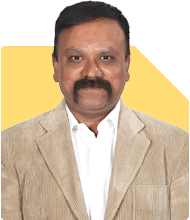
Ramalingam

Ramalingam Kalirajan  |10879 Answers  |Ask -

Mutual Funds, Financial Planning Expert - Answered on Jun 03, 2025

Ramalingam Kalirajan has over 23 years of experience in mutual funds and financial planning.
He has an MBA in finance from the University of Madras and is a certified financial planner.
He is the director and chief financial planner at Holistic Investment, a Chennai-based firm that offers financial planning and wealth management advice.... more
Asked by Anonymous - Jun 02, 2025Hindi

Money

Hi am 34 year old with a salary of 3 lakh. Am having a home loan of 50L and emi 38k an fd of 5L house expenses of 35K I want to generate a 5CR in next 10 years. Kindly give a idea where to invest some money to achieve my goal

Ans: I will share detailed suggestions in simple language.

Your Financial Snapshot

You are 34 years old.

You earn Rs 3 lakh per month.

Your home loan EMI is Rs 38,000 per month.

Your monthly house expenses are Rs 35,000.

You have a fixed deposit (FD) of Rs 5 lakh.

Your goal is to make Rs 5 crore in the next 10 years.

Let us appreciate your goal-setting habit. You already know how much you need and by when.

Understanding Your Cash Flow

Your monthly income is Rs 3 lakh.

Your house expenses are Rs 35,000.

Your home loan EMI is Rs 38,000.

This totals Rs 73,000 per month.

You still have Rs 2.27 lakh left every month.

This surplus is your biggest strength.

You must invest this smartly to reach Rs 5 crore.

Your FD Position

You have Rs 5 lakh in fixed deposit.

Fixed deposits have low returns, around 6-7% today.

FD can help with emergencies but won’t grow much.

I suggest to keep only 6 months of expenses in FD.

The rest can be invested in better options.

Investment Strategy for Your Goal

To reach Rs 5 crore in 10 years, you need to invest regularly.

A mix of different assets can help you.

Let us discuss them one by one.

Equity Mutual Funds

You should invest in equity mutual funds.

Equity mutual funds invest in companies.

They give better growth than FD or real estate in long term.

Equity funds are good for long-term wealth creation.

You should invest in actively managed funds through a Certified Financial Planner.

Direct funds look cheaper but have no guidance.

Regular plans through a CFP give you access to expert advice.

This advice helps you avoid mistakes and stay invested.

Direct funds also need you to track and manage.

Most people lose more money because they don’t have time or skills to manage.

A CFP’s help with regular funds gives you discipline and smart fund selection.

Disadvantages of Index Funds

Index funds follow the market blindly.

They don’t protect you during market falls.

Index funds don’t have active management.

Actively managed funds have fund managers.

These fund managers try to beat the market.

They can avoid bad stocks.

They choose good quality companies.

This active selection can give better returns.

Index funds lack this human wisdom.

Debt Mutual Funds

Debt mutual funds give more than FD over time.

They are less risky than equity mutual funds.

They can balance the risk in your portfolio.

They also give tax benefits.

But returns are lower than equity.

You should use them for short-term needs.

Gold and Other Assets

Gold can be part of your plan.

Gold protects you in tough times.

But gold alone won’t help reach Rs 5 crore.

It’s better to keep gold around 10% of your investments.

Too much gold can slow down your growth.

Your Home Loan

Your home loan EMI is Rs 38,000.

Try to continue paying this without delay.

Don’t rush to prepay if you can invest for higher returns.

Home loan interest is around 8-9%.

If your mutual funds give 12-15%, then investing is better than prepaying.

Systematic Investment Plan (SIP)

SIPs are monthly investments in mutual funds.

They make investing easy and systematic.

You can start SIPs with as low as Rs 5,000.

You can increase it as you earn more.

SIPs help you stay disciplined.

SIPs remove the need to time the market.

How Much to Invest

Your monthly surplus is Rs 2.27 lakh.

I suggest to start investing Rs 1.5 lakh per month in equity mutual funds.

Use the rest for debt mutual funds and gold.

This will keep your plan balanced.

You can review the amount every year.

Increase SIPs when your salary increases.

Surrender Your ULIP or Investment-cum-Insurance Policies

If you have LIC, ULIP, or investment plans, check their returns.

ULIPs and traditional insurance plans give low returns.

If you find returns less than 8%, surrender them.

Reinvest the money in mutual funds for better growth.

Your life cover should be pure term insurance.

Don’t mix insurance with investment.

Emergency Fund and Insurance

Keep 6 months of expenses in bank or FD.

This emergency fund protects you in job loss or big bills.

Don’t touch this for investing.

Also, check if you have term life insurance.

You should have 15-20 times of your annual income in life insurance.

Health insurance is also important.

Don’t depend only on employer’s health cover.

Take your own family floater policy.

Tax Planning

Tax is a big part of your plan.

Equity mutual funds have a new rule.

Long-term capital gains above Rs 1.25 lakh are taxed at 12.5%.

Short-term gains are taxed at 20%.

Debt mutual funds are taxed as per your slab.

Plan your withdrawals smartly to save tax.

Avoid selling funds often.

Let your investments grow for 10 years.

Review Your Portfolio

Review your investments once in 6 months.

Check if funds are performing well.

If they are not, switch to better ones.

But don’t change funds too often.

Keep your focus on long-term growth.

Stay Away from Real Estate as Investment

Real estate looks attractive but has problems.

It needs big money to buy and sell.

It has low liquidity.

It has many hidden costs.

Maintenance and taxes add to your expense.

Real estate also depends on location.

If location is bad, returns are poor.

Mutual funds are more flexible and transparent.

They are easier to manage and can give better returns.

Final Insights

You have a strong income.

Your surplus is big.

Equity mutual funds can help you reach Rs 5 crore.

Use SIPs to stay disciplined.

Keep an emergency fund safe.

Buy term insurance for family safety.

Avoid direct funds.

Take the help of a Certified Financial Planner.

A CFP helps you stay on track and plan better.

They can adjust your plan as needed.

Be patient and stay invested.

Don’t get distracted by short-term news.

Review your plan once in 6 months.

Enjoy the journey to Rs 5 crore!

Your dream is possible with discipline and patience.

Best Regards,

K. Ramalingam, MBA, CFP,

Chief Financial Planner,

www.holisticinvestment.in
https://www.youtube.com/@HolisticInvestment
DISCLAIMER: The content of this post by the expert is the personal view of the rediffGURU. Users are advised to pursue the information provided by the rediffGURU only as a source of information to be as a point of reference and to rely on their own judgement when making a decision.
Money

You may like to see similar questions and answers below

Ramalingam

Ramalingam Kalirajan  |10879 Answers  |Ask -

Mutual Funds, Financial Planning Expert - Answered on May 29, 2024

Asked by Anonymous - May 21, 2024Hindi
Listen
Money
I m 42 year old ,i have10 lack amount to investment, I want high return in in 5 year.where should invest.
Ans: At 42, with Rs 10 lakh to invest and a 5-year horizon, it’s wise to explore options that offer potentially high returns while considering associated risks. Let’s analyze your investment options to help you make an informed decision.

Assessing Your Investment Goals and Risk Tolerance
Before diving into specific investment avenues, it's essential to understand your financial goals and risk tolerance. Are you comfortable with high-risk, high-return investments, or do you prefer a more conservative approach?

Evaluating High-Return Investment Options
Considering your 5-year timeframe and the desire for high returns, here are some potential investment avenues to explore:

Equity Mutual Funds: Equity funds invest primarily in stocks, offering higher returns over the long term. However, they are subject to market volatility and may not be suitable for short-term goals.

Debt Mutual Funds: Debt funds invest in fixed-income securities like bonds and offer relatively lower returns compared to equity funds. They provide stability to your portfolio and are less volatile than equity funds.

Direct Stocks: Investing directly in stocks can offer potentially high returns, but it requires in-depth research and understanding of the stock market. Stock prices can fluctuate significantly in the short term, so it's essential to invest wisely.

Systematic Investment Plan (SIP): SIPs allow you to invest regularly in mutual funds, reducing the impact of market volatility through rupee cost averaging. It's a disciplined approach to investing and suitable for long-term wealth creation.

Understanding the Risks and Benefits
Each investment option comes with its own set of risks and benefits:

Equity Funds: While equity funds offer the potential for high returns, they are subject to market risks. Market fluctuations can impact the value of your investment, especially in the short term.

Debt Funds: Debt funds are relatively safer than equity funds but offer lower returns. They are suitable for investors seeking stability and income generation.

Direct Stocks: Investing directly in stocks can be rewarding but carries higher risks. Stock prices can be volatile, and individual company performance can affect your investment.

SIPs: SIPs provide the benefit of rupee cost averaging and disciplined investing. They are suitable for investors with a long-term investment horizon and risk tolerance.

Importance of Diversification
Diversifying your investments across different asset classes reduces risk and enhances returns. Consider allocating your investment amount across multiple avenues to spread risk effectively.

Professional Guidance
Consulting with a Certified Financial Planner (CFP) can provide personalized advice tailored to your financial goals and risk tolerance. A CFP can help you assess your investment options and create a diversified portfolio aligned with your objectives.

Conclusion
As a 42-year-old investor with Rs 10 lakh to invest and a 5-year horizon, exploring high-return investment options like equity mutual funds, debt funds, direct stocks, and SIPs can help you achieve your financial goals. It's essential to understand the risks and benefits of each option and seek professional guidance to create a well-diversified portfolio.

Best Regards,

K. Ramalingam, MBA, CFP,

Chief Financial Planner,

www.holisticinvestment.in

..Read more

Ramalingam

Ramalingam Kalirajan  |10879 Answers  |Ask -

Mutual Funds, Financial Planning Expert - Answered on Jun 04, 2024

Listen
Money
Hello sir , I 'm 48 years old. Where should I invest monthly 5000 rs ,if I want to earn a good amount of money in 10 years.
Ans: Understanding Your Investment Goals
You are 48 years old and want to invest Rs. 5,000 monthly.

You aim to accumulate a significant amount in 10 years.

Systematic Investment Plans (SIPs) in mutual funds can help you achieve this goal.

Benefits of SIPs in Mutual Funds
SIPs allow you to invest a fixed amount regularly in mutual funds.

They offer the benefits of rupee cost averaging and compounding.

SIPs are flexible, affordable, and suitable for long-term wealth creation.

Calculating Potential Returns
Assuming an average annual return of 12%, let's calculate the potential returns.

With a monthly SIP of Rs. 5,000 for 10 years, you could accumulate approximately Rs. 11 lakhs.

This is a rough estimate and actual returns can vary based on market conditions.

Selecting the Right Mutual Funds
Choosing the right mutual funds is crucial for achieving your financial goals.

Consider a mix of equity, debt, and balanced mutual funds.

Equity funds offer higher returns but come with higher risk.

Debt funds provide stability and moderate returns.

Balanced funds offer a mix of growth and stability.

Equity Mutual Funds
Equity mutual funds invest in stocks and have the potential for high returns.

They are suitable for long-term goals due to their growth potential.

However, they come with higher risk due to market volatility.

Debt Mutual Funds
Debt mutual funds invest in fixed income securities like bonds and government securities.

They are less risky and provide stable returns.

Include debt mutual funds in your portfolio for stability and moderate returns.

Balanced Mutual Funds
Balanced mutual funds invest in both equity and debt.

They provide a balance of risk and return.

Consider balanced mutual funds to diversify your investments.

Creating a Diversified Portfolio
Diversification helps in balancing risk and maximizing returns.

Invest in a mix of equity, debt, and balanced mutual funds.

A diversified portfolio provides growth potential and stability.

Tax Implications
Tax planning is essential to maximize your returns.

Invest in tax-efficient mutual funds to reduce your tax liability.

Consult a Certified Financial Planner (CFP) for personalized tax-saving strategies.

Regular Review and Adjustment
Regularly review your investment portfolio.

Adjust your investments based on market conditions and financial goals.

Periodic reviews ensure your investments remain aligned with your objectives.

Consulting a Certified Financial Planner
Consider consulting a Certified Financial Planner (CFP) for personalized advice.

A CFP can help you create a comprehensive investment strategy.

They provide guidance on fund selection, asset allocation, and tax planning.

Emergency Fund Consideration
Maintain an emergency fund to cover unforeseen expenses.

An emergency fund provides financial security and peace of mind.

Ensure your investment plan does not deplete your emergency fund.

Avoiding Common Investment Mistakes
Avoid investing in quick-rich schemes as they are high-risk and can lead to losses.

Stick to disciplined investing through SIPs for long-term wealth creation.

Do not make impulsive decisions based on market fluctuations.

Benefits of Long-Term Investing
Long-term investing allows your money to grow through compounding.

It helps in overcoming short-term market volatility.

Stay invested for the long term to achieve your financial goals.

Monitoring Market Conditions
Stay informed about market trends and economic conditions.

However, do not let short-term market movements dictate your investment decisions.

Focus on your long-term investment strategy.

Conclusion
Investing Rs. 5,000 monthly in mutual funds through SIPs is a wise decision.

A diversified portfolio of equity, debt, and balanced funds can help you achieve your goals.

Regularly review your investments and consult a CFP for personalized advice.

Stay disciplined and avoid impulsive decisions to build substantial wealth over 10 years.

Best Regards,

K. Ramalingam, MBA, CFP,

Chief Financial Planner,

www.holisticinvestment.in

..Read more

Ramalingam

Ramalingam Kalirajan  |10879 Answers  |Ask -

Mutual Funds, Financial Planning Expert - Answered on Aug 12, 2024

Asked by Anonymous - Jul 09, 2024Hindi
Money
Hello, I Am 42 Years Old & I Am Getting 50,000 / Month In Hand Salary. I Do Not Have Any Loans & I Am Alone. No Family. I Have No Savings & Want To Start Now With A Time Period Of Minimum 10 Years. My Monthly Expenses Are 25k & I Am Willing To Save 25 k Per Month For Next 10 Years. How & Where To Invest For Best Returns After 10 Years. Thank You.
Ans: At 42 years old, with a monthly income of Rs 50,000 and no family or loans, you’re in a strong position to start saving and investing for your future. With Rs 25,000 in monthly expenses, you can save Rs 25,000 each month. This disciplined approach will serve you well over the next 10 years.

Starting with a clear plan and a focus on consistent savings is the key to building a strong financial future. Let’s explore how you can best allocate your savings for maximum returns over the next decade.

Building an Emergency Fund
Before diving into investments, it’s crucial to establish an emergency fund. This fund should cover at least 6 to 12 months of your monthly expenses. In your case, with monthly expenses of Rs 25,000, aim to save Rs 1.5 to Rs 3 lakhs in a liquid, easily accessible account.

Safety Net: This fund will act as a safety net during unforeseen circumstances, such as job loss or medical emergencies.

Liquidity: Consider keeping this fund in a high-interest savings account or a liquid mutual fund, which offers both liquidity and a modest return.

Once your emergency fund is in place, you can focus on your investment strategy.

Long-Term Investment Strategy
With a 10-year horizon, you have the potential to benefit from equity investments. Equities generally offer higher returns over the long term, though they come with some risk. However, with a decade to invest, you can ride out market fluctuations.

1. Diversified Equity Mutual Funds
Equity mutual funds are ideal for long-term growth. These funds invest in a mix of large, mid, and small-cap companies, offering a balanced approach to risk and return.

Growth Potential: Over 10 years, equity mutual funds have the potential to generate significant returns. Actively managed funds, in particular, can outperform the market, thanks to professional fund management.

Systematic Investment Plan (SIP): Start a SIP with your monthly savings of Rs 25,000. This approach spreads your investment across different market cycles, reducing the risk of market timing.

Benefits of Active Management: Actively managed funds offer the expertise of fund managers who select the best stocks to maximize returns. This approach is often more beneficial than index funds, which simply mirror the market without the potential for higher returns through stock selection.

2. Balanced Funds
Balanced funds offer a mix of equity and debt investments, providing both growth and stability. These funds are suitable if you prefer a slightly lower risk while still seeking growth.

Risk Mitigation: The debt component in balanced funds cushions against market volatility, providing a more stable return.

Consistent Returns: Over 10 years, balanced funds can offer steady growth with moderate risk, making them a good option for conservative investors.

3. Flexi-Cap Funds
Flexi-cap funds invest across different market capitalizations (large, mid, and small caps) based on the fund manager’s discretion. This flexibility allows them to adapt to changing market conditions.

Adaptive Strategy: Flexi-cap funds can adjust their portfolios based on market opportunities, which can enhance returns over the long term.

Diversification: These funds offer exposure to various sectors and companies, reducing the risk associated with investing in a single market segment.

Tax Efficiency and Savings
As you invest, it’s important to consider tax efficiency. While you should aim for growth, minimizing your tax liability will help you retain more of your returns.

1. Equity-Linked Savings Schemes (ELSS)
ELSS mutual funds offer both growth potential and tax savings under Section 80C. While you’ve mentioned no tax-saving needs, ELSS can still be a good addition to your portfolio due to its dual benefits.

Tax Deduction: Investments in ELSS are eligible for a deduction of up to Rs 1.5 lakhs under Section 80C.

Long-Term Growth: ELSS funds primarily invest in equities, offering high growth potential over time.

2. Tax-Optimized Portfolio
Consider structuring your portfolio to minimize taxes on your returns. Long-term capital gains on equity investments are taxed at 10% if they exceed Rs 1 lakh in a financial year. To optimize tax efficiency:

Hold Investments for the Long Term: Avoid frequent buying and selling, which could trigger short-term capital gains taxes at 15%.

Reinvest Dividends: Opt for growth options in mutual funds to allow your investments to compound without incurring tax on dividends.

Regular Review and Rebalancing
Investing is not a one-time activity. Regularly reviewing and rebalancing your portfolio ensures it remains aligned with your financial goals and risk tolerance.

Annual Review: Set aside time each year to review your investments. Assess the performance of each fund and compare it with your goals.

Rebalancing: If your portfolio’s asset allocation drifts due to market movements, rebalance it to maintain your desired equity-to-debt ratio.

Final Insights
You’re in a strong position to build a solid financial future over the next 10 years. By saving Rs 25,000 each month and investing wisely, you can achieve significant growth. Start with an emergency fund, then focus on equity mutual funds, balanced funds, and flexi-cap funds for long-term returns.

Avoid index funds and direct mutual funds due to their limitations. Instead, leverage the expertise of a Certified Financial Planner to guide your investments in actively managed funds.

Your disciplined approach, combined with regular review and rebalancing, will help you achieve your financial goals. With careful planning, your investments can grow significantly over the next decade, providing you with financial security and peace of mind.

Best Regards,

K. Ramalingam, MBA, CFP,

Chief Financial Planner,

www.holisticinvestment.in

..Read more

Ramalingam

Ramalingam Kalirajan  |10879 Answers  |Ask -

Mutual Funds, Financial Planning Expert - Answered on Jan 16, 2025

Asked by Anonymous - Jan 15, 2025Hindi
Listen
Money
Hello, I'm 42 yrs old with a monthly income of 1lakh, planning to buy a house this year on loan of approx 50lakhs which can take approx. 45K as emi with the balance cash pls suggest were to invest so that by retirement i can have around 9cr to 10cr income. Currently I have zero invest i know i'm late but will help if you can suggest best possible option
Ans: At 42 years, your goal of building a corpus of Rs. 9-10 crore is achievable. Although you’re starting late, disciplined investing and strategic planning can help. Let’s design an investment roadmap tailored to your needs and constraints.

1. Assess Your Current Financial Situation
Your monthly income is Rs. 1 lakh.
After paying an EMI of Rs. 45,000, Rs. 55,000 remains for expenses and investments.
You plan to retire in around 18 years, which gives ample time for compounding.
2. Allocation of Disposable Income
2.1 Emergency Fund Creation

Set aside six months of expenses, around Rs. 3-5 lakh, in a liquid fund.
This provides safety during unforeseen events.
2.2 Insurance Protection

Buy a term insurance policy covering 15-20 times your annual income.
Ensure adequate health insurance for your family.
2.3 Investment Amount

Dedicate Rs. 30,000-35,000 per month towards investments.
Gradually increase investments with salary increments.
3. Investment Strategy
3.1 Start with Equity Mutual Funds

Invest 75-80% of your surplus in equity mutual funds for long-term growth.
Diversify across large-cap, mid-cap, and flexi-cap funds.
Actively managed funds can outperform benchmarks, making them preferable.
Advantages of Actively Managed Funds:

Expert fund managers identify opportunities in changing market conditions.
They provide higher returns compared to passive index funds in India’s dynamic markets.
3.2 Include Debt Funds

Allocate 15-20% of your portfolio to debt funds.
These reduce portfolio volatility and provide stability.
Short-term and corporate bond funds are suitable options.
3.3 Explore ELSS Funds for Tax Savings

Invest in Equity Linked Savings Schemes (ELSS) for tax benefits under Section 80C.
This adds to your retirement corpus while saving taxes.
3.4 Use SIPs for Consistent Investments

Systematic Investment Plans (SIPs) help average costs during market ups and downs.
Set SIPs aligned with your salary cycle for discipline.
4. Long-Term Asset Allocation
4.1 Equity-Debt Ratio

Maintain an equity-debt ratio of 80:20 initially for growth.
Shift to 60:40 as you approach retirement to protect gains.
4.2 Periodic Rebalancing

Review and rebalance your portfolio annually.
This ensures the allocation aligns with your goals and risk tolerance.
5. Avoid Mistakes and Stay Focused
5.1 Don’t Delay Investments

Every delay reduces compounding benefits.
Start SIPs immediately to maximize returns.
5.2 Avoid Overdependence on Real Estate

Real estate offers low liquidity and inconsistent returns.
Focus on liquid, growth-oriented financial assets.
5.3 Stick to Your Plan

Avoid withdrawing investments prematurely.
Stay invested during market corrections to benefit from recovery.
6. Leverage Salary Increments
Step up SIPs by 10-15% annually with salary hikes.
This small adjustment ensures you meet your retirement target comfortably.
7. Tax Efficiency of Mutual Funds
7.1 Equity Funds

Long-term capital gains (LTCG) above Rs. 1.25 lakh are taxed at 12.5%.
Short-term capital gains (STCG) are taxed at 20%.
7.2 Debt Funds

Gains are taxed as per your income tax slab.

Plan redemptions strategically to minimize tax outgo.

8. Monitor and Review Investments
Track your portfolio’s performance every six months or annually.
Replace underperforming funds while maintaining overall diversification.
9. Final Insights
Your decision to plan now is a step in the right direction.
Focus on equity funds for long-term growth and debt funds for stability.
Start SIPs immediately and gradually increase contributions.
Avoid over-reliance on real estate and stick to liquid financial assets.
Disciplined investments, regular reviews, and a clear focus will help you achieve your retirement goal.

Best Regards,

K. Ramalingam, MBA, CFP,

Chief Financial Planner,

www.holisticinvestment.in
https://www.youtube.com/@HolisticInvestment

..Read more

Ramalingam

Ramalingam Kalirajan  |10879 Answers  |Ask -

Mutual Funds, Financial Planning Expert - Answered on Jul 29, 2025

Money
Sir,i m 29 year old unmarried government employee, my monthly salary is 1.10 lakh and a house owner and i have no emi pending.my stock portfolio is 9 lakh besides that 20000 per month sip.and another 40 lakh in bank account. How should I invest so that i can have portfolio of 5 cr in next 10 years?
Ans: You have a strong financial foundation.
No EMI, good savings, steady SIPs, and own a house already.
You also have youth on your side — just 29 years old.

You aim for Rs 5 crore in 10 years.
That is ambitious, but certainly possible.
Let us now build a clear and achievable plan.

? Analyse Your Current Position

– Monthly salary is Rs 1.10 lakh.
– Rs 40 lakh idle in bank account.
– Rs 20,000 monthly SIP is ongoing.
– Rs 9 lakh already in stock portfolio.
– No liabilities or dependents yet.

This is a rare situation for most young earners.
It shows discipline and high saving potential.

? Define Your Target Clearly

– You want Rs 5 crore in 10 years.
– That includes your present stock investments.
– Rs 5 crore in 10 years means aggressive investing.
– Passive saving will not help reach that number.

This means high equity exposure is needed.
And you should maintain a long-term investing mindset.

? Utilise the Idle Rs 40 Lakh Wisely

– Rs 40 lakh must not lie idle in bank account.
– You lose against inflation every year.
– Divide this lump sum carefully into 3 buckets:

Emergency fund – Rs 4 to 5 lakh in liquid funds.

Near-term needs (1–3 years) – Rs 5–6 lakh in ultra short debt funds.

Long-term investment (80–85%) – Rs 30 lakh in equity mutual funds.

This allocation gives liquidity, safety, and growth.

? Strategy for Rs 30 Lakh Long-Term Investment

– Do not invest this Rs 30 lakh in one go.
– Instead, invest it over next 12 months through STP.
– Shift monthly from liquid fund to equity mutual funds.

This reduces risk of wrong market entry.
And spreads investment during volatility.

Choose 4 to 5 well-managed active mutual funds.
Focus on flexi-cap, midcap, and large & midcap categories.
Avoid index funds — they follow market blindly.
They don’t protect in falling markets.
Actively managed funds offer better risk-adjusted returns.

Also, invest through a Certified Financial Planner.
They can guide you beyond just product selection.

Avoid direct funds if you're not tracking regularly.
Direct funds seem cheaper, but you miss expert review.
Regular funds through MFD-CFP ensures timely review, rebalancing.
That makes long-term investing safer and more aligned.

? Increase Monthly SIP Gradually

– Your SIP is Rs 20,000 per month now.
– You can easily invest more.
– Target to increase it to Rs 40,000–50,000 per month.

Even a Rs 10,000 hike per year works.
That builds long-term habit and compounding.

Mix equity mutual funds across market caps.
Stick to funds with consistent 5+ year track record.

Use SIPs for mid and small-cap exposure.
Use lump sum/STP for large and flexi-cap exposure.

? Asset Allocation Is the Real Driver

– Stick to 80–85% in equity for long-term goal.
– Keep 10–15% in short-term debt or liquid funds.
– Hold 5% in gold via sovereign gold bonds.

This allocation is balanced and forward-looking.
Do not change it based on market noise.

Rebalance once a year with help of CFP.

? Tax Efficiency and Exit Strategy

– Plan your equity redemptions wisely.
– Use tax exemption limit of Rs 1.25 lakh LTCG.
– For any excess LTCG, 12.5% tax is payable.

– For debt fund gains, tax is per your income slab.
– Keep track using capital gains statements yearly.

A good Certified Financial Planner helps in tax planning.
Exit in staggered manner to save taxes.

? Avoid These Common Mistakes

– Don’t keep large idle amounts in savings account.
– Don’t blindly trust online advice or stock tips.
– Don’t invest only based on past returns.
– Don’t delay investing waiting for "perfect time".
– Don’t mix insurance with investments (e.g., ULIPs).
– Don’t invest directly without regular reviews.

If you have any LIC-ULIP-investment-cum-insurance plans,
surrender them now and reinvest in mutual funds.
Keep insurance and investment separate.

? Consider These Value-Adding Actions

– Open a PPF account – invest Rs 1.5 lakh yearly.
– It gives fixed tax-free compounding.
– Continue it for retirement or long-term corpus.

– Start NPS – lock-in till retirement, but great for tax.
– Invest Rs 50,000/year for extra Sec 80CCD(1B) benefit.

– Make a WILL – even if unmarried.
– Appoint nominee in all financial instruments.

– Track net worth every 6 months.
– Review your SIPs and fund performance yearly.

– Engage with a CFP regularly, not just at year-end.

? Role of Stock Portfolio in Your Plan

– You already have Rs 9 lakh in stocks.
– Ensure these are fundamentally strong companies.
– If not confident, shift them slowly to mutual funds.

Direct stock investing needs time and skill.
You must track quarterly results, macros, valuations.
If not doing that, stick to managed mutual funds.

? Is Rs 5 Crore Possible in 10 Years?

Yes, it is possible with this approach:

Invest Rs 30 lakh lump sum over 12 months

Increase monthly SIP to Rs 40,000–50,000

Maintain 80–85% in equity throughout

Review and rebalance annually

Stick for 10 years – no matter what markets do

With this, you can reach Rs 4.75 to Rs 5.25 crore.
It depends slightly on market performance and discipline.

Even if you fall short slightly,
you’ll still be way ahead financially.

? Finally

– Your foundation is strong.
– Your goal is ambitious and realistic.
– Right strategy with consistency will get you there.

Don’t chase returns blindly.
Focus on a process that compounds wealth.
Take guidance where needed, especially during tough market years.
Stay invested, stay disciplined, stay ahead.

Best Regards,
K. Ramalingam, MBA, CFP,
Chief Financial Planner,
www.holisticinvestment.in
https://www.youtube.com/@HolisticInvestment

..Read more

Latest Questions
Ramalingam

Ramalingam Kalirajan  |10879 Answers  |Ask -

Mutual Funds, Financial Planning Expert - Answered on Dec 11, 2025

Asked by Anonymous - Dec 11, 2025Hindi
Money
Hello Sir, I am 56 yrs old with two sons, both married and settled. They are living on their own and managing their finances. I have around 2.5 Cr. invested in Direct Equity and 50L in Equity Mutual Funds. I have Another 50L savings in Bank and other secured investments. I am living in Delhi NCR in my owned parental house. I have two properties of current market worth of 2 Cr, giving a monthly rental of around 40K. I wish to retire and travel the world now with my wife. My approximate yearly expenditure on house hold and travel will be around 24 L per year. I want to know, if this corpus is enough for me to retire now and continue to live a comfortable life.
Ans: You have built a strong base. You have raised your sons well. They live independently. You and your wife now want a peaceful and enjoyable retired life. You have created wealth with discipline. You have no home loan. You live in your own house. This gives strength to your cash flow. Your savings across equity, mutual funds, and bank deposits show good clarity. I appreciate your careful preparation. You deserve a happy retired life with travel and comfort.

» Your Present Position
Your current financial position looks very steady. You hold direct equity of around Rs 2.5 Cr. You hold equity mutual funds worth Rs 50 lakh. You also have Rs 50 lakh in bank deposits and other secured savings. Your two rental properties add more comfort. You earn around Rs 40,000 per month from rent. You also live in your owned house in Delhi NCR. So you have no rent expense.

Your total net worth crosses Rs 5.5 Cr easily. This gives you a strong base for your retired life. You plan to spend around Rs 24 lakh per year for all expenses, including travel. This is reasonable for your lifestyle. Your savings can support this if planned well. You have built more than the minimum needed for a comfortable retired life.

» Your Key Strengths
You already enjoy many strengths. These strengths hold your plan together.

You have zero housing loan.

You have stable rental income.

You have children living independently.

You have a balanced mix of assets.

You have built wealth with discipline.

You have clear goals for travel and lifestyle.

You have strong liquidity with Rs 50 lakh in bank and secured savings.

These strengths reduce risk. They support a smooth retired life with less stress. They also help you handle inflation and medical costs better.

» Your Cash Flow Needs
Your yearly expense is around Rs 24 lakh. This includes travel, which is your main dream for retired life. A couple at your stage can keep this lifestyle if the cash flow is planned well. You need cash flow clarity for the next 30 years. Retirement at 56 can extend for three decades. So your wealth must support you for a long period.

Your rental income gives you around Rs 4.8 lakh per year. This covers almost 20% of your yearly spending. This reduces pressure on your investments. The rest can come from a planned withdrawal strategy from your financial assets.

You also have Rs 50 lakh in bank deposits. This acts as liquidity buffer. You can use this buffer for short-term and medium-term needs. You also have equity exposure. This can support long-term growth.

» Risk Capacity and Risk Need
Your risk capacity is moderate to high. This is because:

You own your home.

You have rental income.

Your children are financially independent.

You have large accumulated assets.

You have enough liquidity in bank deposits.

Your risk need is also moderate. You need growth because inflation will rise. Travel costs will rise. Medical costs will increase. Your lifestyle will change with age. Your equity portion helps you beat inflation. But your equity exposure must be managed well. You should avoid sudden large withdrawals from equity at the wrong time.

Your stability allows you to keep some portion in equity even during retired life. But you should avoid excessive risk through direct equity. Direct equity carries concentration risk. A balanced mix of high-quality mutual funds is safer in retired life.

» Direct Equity Risk in Retired Life
You hold around Rs 2.5 Cr in direct equity. This brings some concerns. Direct equity needs frequent tracking. It needs research. It carries single-stock risk. One mistake may reduce your capital. In retired life, you need stability, clarity, and lower volatility.

Direct funds inside mutual funds also bring challenges. Direct funds lack personalised support. Regular plans through a Mutual Fund Distributor with a Certified Financial Planner bring guidance and strategy. Regular funds also support better tracking and behaviour management in volatile markets. In retired life, proper handholding improves long-term stability.

Many people think direct funds save cost. But the value of advisory support through a CFP gives higher net gains over long periods. Direct plans also create more confusion in asset allocation for retirees.

» Mutual Funds as a Core Support
Actively managed mutual funds remain a strong pillar. They bring professional management and risk controls. They handle market cycles better than index funds. Index funds follow the market blindly. They do not help in volatile phases. They also offer no risk protection. They cannot manage quality of stocks.

Actively managed funds deliver better selection and risk handling. A retiree benefits from such active strategy. You should avoid index funds for a long retirement plan. You should prefer strong active funds under a disciplined review with a CFP-led MFD support.

» Why Regular Plans Work Better for Retirees
Direct plans give no guidance. Retired investors often face emotional decisions. Some panic during market fall. Some withdraw heavily during market rise. This harms wealth. Regular plan under a CFP-led MFD gives a relationship. It offers disciplined rebalancing. It improves long-term returns. It protects wealth from poor behaviour.

For retirees, the difference is huge. So shifting to regular plans for the mutual fund portion will help long-term stability.

» Your Withdrawal Strategy
A planned withdrawal strategy is key for your case. You should create three layers.

Short-Term Bucket
This comes from your bank deposits. This should hold at least 18 to 24 months of expenses. You already have Rs 50 lakh. This is enough to hold your short-term cash needs. You can use this for household costs and some travel. This avoids panic selling of equity during market downturn.

Medium-Term Bucket
This bucket can stay partly in low-volatility debt funds and partly in hybrid options. This should cover your next 5 to 7 years. This helps smoothen withdrawals. It gives regular cash flow. It reduces market shocks.

Long-Term Bucket
This can stay in high-quality equity mutual funds. This bucket helps beat inflation. This bucket helps fund your travel dreams in later years. This bucket also builds buffer for medical needs.

This three-bucket strategy protects your lifestyle. It also keeps discipline and clarity.

» Handling Property and Rental Income
Your properties give Rs 40,000 monthly rental. This helps your cash flow. You should maintain the property well. You should keep some funds aside for repairs. Do not depend fully on rental growth. Rental yields remain low. But your rental income reduces pressure on your investments. So keep the rental income as a steady support, not a primary source.

You should not plan more real estate purchase. Real estate brings low returns and poor liquidity. You already own enough. Holding more can hurt flexibility in retired life.

» Planning for Medical Costs
Medical costs rise faster than inflation. You and your wife need strong health coverage. You should maintain a reliable health insurance. You should also keep a medical fund from your bank deposits. You may keep around 3 to 4 lakh per year as a buffer for medical needs. Your bank savings support this.

Health coverage reduces stress on your long-term wealth. It also avoids large withdrawals from your growth assets.

» Travel Planning
Travel is your main dream now. You can plan your travel using your short-term and medium-term buckets. You can take funds annually from your liquidity bucket. You can avoid touching long-term equity assets for travel. This approach keeps your wealth stable.

You should plan travel for the next five years with a budget. You should adjust your travel based on markets and health. Do not use entire gains of equity for travel. Keep travel budget fixed. Add small adjustments only when needed.

» Inflation and Lifestyle Stability
Inflation will impact lifestyle. At Rs 24 lakh per year today, the cost may double in 12 to 14 years. Your equity exposure helps you beat this. But you need careful rebalancing. You also need disciplined review with a CFP-led MFD. This will help you manage inflation and maintain comfort.

Your lifestyle is stable because your children live independently. So your cash flow demand stays predictable. This makes your plan sustainable.

» Longevity Risk
Retirement at 56 means you may live till 85 or 90. Your plan should cover long years. Your total net worth of around Rs 5.5 Cr to Rs 6 Cr can support this. But you need a proper drawdown strategy. Avoid high withdrawals in early years. Keep your travel budget steady.

Do not depend on one asset class. A mix of debt and equity gives comfort. Keep your bank deposits as cushion.

» Succession and Estate Planning
Since you have two sons who are settled, you can plan a clear will. Clear distribution avoids conflict. You can also assign nominees across accounts. You can also review your legal papers. This gives peace to you and your family.

» Summary of Your Retirement Readiness
Based on your assets and cash flow, you are ready to retire. You have enough wealth. You have enough liquidity. You have enough income support from rent. You also have good asset mix. With proper planning, your lifestyle is comfortable.

You can retire now. But maintain a disciplined withdrawal strategy. Shift more reliance from direct equity into professionally managed mutual funds under regular plans. Keep your liquidity strong. Review once every year with a CFP.

Your wealth can support your travel dreams for many years. You can enjoy retired life with confidence.

» Finally
Your preparation is strong. Your intentions are clear. Your lifestyle needs are reasonable. Your assets support your dreams. With a balanced plan, steady review, and mindful spending, you can enjoy a comfortable retired life with your wife. You can travel the world without fear of running out of money. You deserve this peace and joy.

Best Regards,
K. Ramalingam, MBA, CFP,
Chief Financial Planner,
www.holisticinvestment.in

https://www.youtube.com/@HolisticInvestment

...Read more

Dr Nagarajan J S K

Dr Nagarajan J S K   |2577 Answers  |Ask -

NEET, Medical, Pharmacy Careers - Answered on Dec 10, 2025

Asked by Anonymous - Dec 10, 2025Hindi

Ramalingam

Ramalingam Kalirajan  |10879 Answers  |Ask -

Mutual Funds, Financial Planning Expert - Answered on Dec 10, 2025

Asked by Anonymous - Dec 10, 2025Hindi
Money
I am 47 years old. I have started investing in mutual fund (SIP) only since last one year due to some financial obligations. Currently I am investing Rs.33K per month in various SIPS. The details are: Kotak Mahindra Market Growth (Rs. 1500), Aditya BSL Low Duration Growth (Rs. 1400), HDFC Mid-cap Growth (Rs. 12000), Nippon India Large Cap Growth (Rs. 3000), Bandhan small cap (Rs. 5000), Motilal Oswal Flexicap Growth (Rs. 5000), ICICI Pru Flexicap growth (Rs. 5000). I have also started to invest Rs. 1,50,000 per year in PPF since last year. Can I sustain if I retire by the age of 62?
Ans: I can help you with your retirement planning.
You have given a very detailed picture of your investments.
You have also shown strong intent to build wealth at 47.
This itself is a big positive start.

Your Current Efforts

– You started late due to obligations.
– That is understandable.
– You still took charge.
– You now invest Rs.33K every month.
– You also invest Rs.1,50,000 a year in PPF.
– You follow discipline.
– You follow consistency.
– These habits matter the most.
– These habits will help your retirement.
– You deserve appreciation for this foundation.

» Your Current Investment Mix

– You invest in various equity funds.
– You also invest in one low duration debt fund.
– You invest across mid cap, large cap, flexi cap, and small cap.
– This gives you some spread.
– You also invest in PPF.
– PPF gives safety.
– PPF gives steady growth.
– This mix creates balance.

– Please note one point.
– You hold direct plans.
– Direct plans look cheaper outside.
– But they are not always helpful for long-term investors.
– Many investors pick wrong funds.
– Many investors track markets wrongly.
– Many investors redeem at wrong times.
– This affects returns more than the saved expense ratio.
– Regular plans through a MFD with CFP support give guidance.
– Regular plans also help you stay on track.
– Behaviour gap is a major cost in direct funds.
– Thus regular plans with CFP support work better for long-term investors.
– They can correct mistakes.
– They can help with asset mix.
– They can help you stay steady during market drops.
– This gives higher final wealth than direct funds in most cases.

» Your Retirement Age Goal

– You plan to retire at 62.
– You are 47 now.
– You have 15 years left.
– Fifteen years is still a strong time line.
– You can allow compounding to work well.
– Your corpus can grow meaningfully by 62.
– You can also improve your savings rate during this time.

» Assessing If Your Current Plan Supports Retirement

– There are many parts to assess.
– You need to look at your saving rate.
– You need to look at your growth rate.
– You need to look at your future lifestyle cost.
– You need to look at inflation.
– You need to look at post-retirement income need.
– You need to see if your present plan matches this.

– Right now, your total yearly investment is:
– Rs.33K per month in SIP.
– That is Rs.3,96,000 per year.
– Plus Rs.1,50,000 in PPF each year.
– So your total yearly investment is Rs.5,46,000.
– This is a good number.
– This can help your retirement journey.

» Understanding Equity Funds in Your Mix

– You invest in mid cap.
– Mid cap can give good growth.
– Mid cap also carries higher swings.
– You invest in small cap.
– Small cap is the most volatile.
– It can give high returns if held for long.
– But it needs patience.
– You invest in large cap exposure.
– Large cap gives stability.
– You invest in flexi cap.
– Flexi cap funds adjust strategy.
– Flexi cap funds give managers more control.
– Active management is useful in Indian markets.
– Fund managers can shift between market caps.
– They can pick good sectors.
– This improves return potential.
– This is a benefit that index funds do not have.
– Index funds just copy the index.
– Index funds do not avoid weak companies.
– Index funds cannot take smart calls.
– Index funds also rise in cost whenever the index churns.
– Active funds can protect downside.
– Active funds can find better opportunities.
– This is helpful for long-term wealth building.
– So your move towards active funds is fine.

» Understanding PPF in Your Mix

– Your PPF adds stability.
– It gives assured growth.
– It also gives tax benefits.
– It builds a stable part of your retirement base.
– It reduces overall risk in your portfolio.
– It works well over long years.
– You have also chosen a steady long-term asset.
– This is beneficial for retirement.

» Gaps That Need Attention

– Your funds are scattered.
– You hold too many schemes.
– Each additional scheme overlaps with others.
– This reduces impact.
– It also becomes hard to track.
– You can reduce your scheme count.
– A more focused mix can give smoother progress.
– Rebalancing becomes easier.
– You can keep fewer funds but maintain asset spread.
– You can also map each fund to a purpose.

– You also need clarity about your retirement income need.
– Many investors skip this.
– You must know how much money you need per month at 62.
– You must add inflation.
– You must add health needs.
– You must also add lifestyle goals.

» Your Future Lifestyle Cost

– Your cost will rise with inflation.
– Inflation affects food, transport, medical needs.
– Medical inflation is higher than normal inflation.
– Retirement planning must consider this.
– You also need to consider family responsibilities.
– You must consider emergencies.
– You must also consider rising cost of daily life.
– This helps estimate the required retirement corpus.

» Your Future Corpus From Current Savings

– Without giving strict numbers, you can expect growth.
– You invest steadily.
– You invest for 15 years.
– Your equity portion can grow better over long time.
– Your PPF gives predictable growth.
– Your mix can create a decent retirement base.
– But you will need to increase your SIP over time.
– You can raise your SIP by 5% to 10% each year.
– Even small increases help.
– This builds a stronger corpus.
– Your final retirement amount becomes much higher.

» Need for Periodic Review

– Markets change.
– Life situations change.
– Your goals may shift.
– Your income may rise.
– Your responsibilities may change.
– Review every year.
– Adjust as needed.
– A Certified Financial Planner can help.
– This gives clarity.
– This gives structure.
– This gives confidence.
– You can reduce mistakes.
– You can follow proper asset allocation.

» Asset Allocation Approach for Smooth Growth

– You must decide your ideal equity percentage.
– You must decide your ideal debt percentage.
– If you take too much equity, risk increases.
– If you take too little equity, growth reduces.
– You must keep balance.
– It must match your risk comfort.
– It must support your retirement goal.
– Right allocation brings discipline.
– Rebalancing once a year helps.
– Rebalancing controls emotion.
– Rebalancing increases long-term returns.
– Rebalancing keeps your portfolio healthy.

» Importance of Staying Invested During Market Swings

– Markets move up and down.
– Swings are normal.
– Equity grows over long time.
– Equity needs patience.
– People often fear drops.
– They exit at wrong time.
– This hurts long-term wealth.
– You must stay steady.
– You must trust your long-term plan.
– You must follow guidance.
– This improves retirement success.

» Avoiding Common Mistakes

– Many investors pick funds based on recent returns.
– This is risky.
– Fund selection needs deeper view.
– Fund must match your risk.
– Fund must match your time horizon.
– Fund must have consistent process.
– Fund must show reliable pattern.
– Avoid sudden changes.
– Avoid chasing trends.
– Stay with a disciplined plan.
– This ensures better results.

– You must avoid mixing too many categories.
– Focused mix works better.
– Smaller set makes control easy.
– This reduces confusion.

– Do not rely on direct funds for long-term goals.
– Direct funds lack guided support.
– Behavioral mistakes cost more than the lower expense ratio.
– Regular plans help you stay invested.
– They help avoid panic.
– They help during reviews.
– They help create proper asset allocation.
– They help you use the fund in the right way.
– Investment discipline is more important than low cost.
– Regular plans with CFP support deliver this discipline.

» Inflation Protection Through Growth Assets

– Equity protects from inflation.
– PPF adds safety.
– Balanced mix protects your purchasing power.
– Retirement needs this balance.
– Long-term equity portion helps create a healthy corpus.
– This allows you to meet rising living cost.

» How to Strengthen Your Retirement Plan From Now

– Increase SIP every year.
– Even slight hikes help.
– Be consistent.
– Avoid stopping during market drops.
– Do a yearly check-up.
– Reduce scheme count.
– Keep a clear structure.
– Assign each fund a purpose.
– Build an emergency fund.
– This will protect your SIP flow.
– Continue PPF.
– It gives stability.
– It protects your long-term needs.

» Possibility of Sustaining Life After Retirement

– Yes, you can sustain.
– But it depends on three things:
– Your future living cost.
– Your total corpus at retirement.
– Your discipline during retirement.

– If you continue your present saving, your base will grow.
– If you raise your SIP each year, your base will grow faster.
– If you keep a proper asset mix, your base will grow safely.
– If you avoid emotional mistakes, your base will stay strong.
– If you review yearly, your plan will stay on track.

– So sustaining life after retirement is possible.
– You just need stronger structure.
– You also need steady guidance.
– This ensures confidence.

» Retirement Income Planning After Age 62

– Your retirement income must come from a mix.
– Part from equity.
– Part from debt.
– Part from stable instruments.
– Do not depend on one source.
– Plan your withdrawal pattern.
– Take small and stable withdrawals.
– Keep some equity even after retirement.
– This helps your corpus last longer.
– Do not shift everything to debt at retirement.
– That reduces growth too much.
– Balanced approach keeps your money alive.
– This supports your life for long years.

» Health and Emergency Preparedness

– Health costs rise fast.
– You must plan for it.
– Keep health insurance active.
– Keep top-up if needed.
– Keep separate emergency money.
– Do not depend on your investments during emergencies.
– Emergency fund protects your retirement portfolio.
– This keeps compounding intact.
– You can handle shocks with ease.

» Tax Awareness

– Be aware of mutual fund tax rules.
– Equity long-term gains above Rs.1.25 lakh per year are taxed at 12.5%.
– Equity short-term gains are taxed at 20%.
– Debt funds are taxed as per your slab.
– Plan redemptions wisely.
– Do not redeem often.
– Keep long-term horizon.
– This reduces tax impact.
– This helps wealth building.

» Summary of Your Retirement Possibility

– You have a good start.
– You have a workable time frame.
– You have a steady contribution.
– You must refine your portfolio.
– You must increase SIP yearly.
– You must reduce scheme count.
– You must follow asset allocation.
– You must stay disciplined.
– You must get yearly review from a CFP.
– If you follow these, you can reach a healthy retirement base.

» Final Insights

– You are on the right path.
– You have taken the key step by starting.
– You can still create a strong retirement corpus even at 47.
– Fifteen years is enough if you stay consistent.
– Your mix of equity and PPF is good.
– With discipline and structure, your future can stay secure.
– With yearly guidance, you can avoid mistakes.
– With increased SIP, you can boost your corpus.
– You can aim for a peaceful and confident retirement at 62.

Best Regards,
K. Ramalingam, MBA, CFP,
Chief Financial Planner,
www.holisticinvestment.in

https://www.youtube.com/@HolisticInvestment

...Read more

DISCLAIMER: The content of this post by the expert is the personal view of the rediffGURU. Investment in securities market are subject to market risks. Read all the related document carefully before investing. The securities quoted are for illustration only and are not recommendatory. Users are advised to pursue the information provided by the rediffGURU only as a source of information and as a point of reference and to rely on their own judgement when making a decision. RediffGURUS is an intermediary as per India's Information Technology Act.

Close  

You haven't logged in yet. To ask a question, Please Log in below
Login

A verification OTP will be sent to this
Mobile Number / Email

Enter OTP
A 6 digit code has been sent to

Resend OTP in120seconds

Dear User, You have not registered yet. Please register by filling the fields below to get expert answers from our Gurus
Sign up

By signing up, you agree to our
Terms & Conditions and Privacy Policy

Already have an account?

Enter OTP
A 6 digit code has been sent to Mobile

Resend OTP in120seconds

x