Home > Money > Question
Need Expert Advice?Our Gurus Can Help

At 44, Crushed by ₹67k EMI: My Path to Loan Freedom?

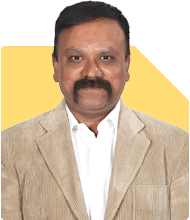
Ramalingam

Ramalingam Kalirajan  |10879 Answers  |Ask -

Mutual Funds, Financial Planning Expert - Answered on Jun 02, 2025

Ramalingam Kalirajan has over 23 years of experience in mutual funds and financial planning.
He has an MBA in finance from the University of Madras and is a certified financial planner.
He is the director and chief financial planner at Holistic Investment, a Chennai-based firm that offers financial planning and wealth management advice.... more
Asked by Anonymous - May 15, 2025Hindi

Money

I'm 44 years old and I am paying EMi of 67000 per month for 35 lacs personal loan...I want to lower the burden of emi so for that what I have to do, secondly if I want to finish it in next 5 years what will be the calculation to do so, please advise

Ans: We will analyze your current loan EMI and explore solutions.

This will help reduce your EMI burden and also plan for early loan closure.

I will guide you with practical steps and a 360-degree view as a Certified Financial Planner.

Let’s start with your loan and EMI details.


Understanding Your Current Loan and EMI Burden

You are 44 years old and have a personal loan of Rs. 35 lakhs.

Your current EMI is Rs. 67,000 per month.

The loan tenure is long, so EMI stretches over many years.

A high EMI may reduce your monthly savings and financial flexibility.

Personal loans generally carry high-interest rates compared to home loans or other secured loans.

It is important to reduce EMI to improve your monthly cash flow.

At the same time, you want to finish your loan in 5 years, which is a good goal.

Paying off early reduces total interest cost and gives financial freedom faster.


Options to Lower Your EMI Burden

Check if your personal loan interest rate can be reduced by negotiation.

Many lenders offer lower rates on balance transfer or loan restructuring.

Balance transfer to another lender with a lower interest rate can reduce EMI.

Balance transfer usually incurs some processing fee but saves interest long-term.

Refinancing the loan is a common and effective way to reduce EMI.

You can increase the tenure (if lender allows) to reduce EMI but increases total interest.

Since you want to finish in 5 years, longer tenure is not suitable for you.

So, focus on balance transfer or negotiation to get a lower interest rate.

Check if your lender allows partial prepayment without penalty; prepay when possible.

Prepayment reduces principal and future interest, helping lower EMI or tenure.

Consider increasing monthly savings dedicated for loan prepayment.

Avoid taking fresh loans or increasing liabilities until this loan is closed.

Keep emergency fund intact; do not use all savings for loan prepayment.

Monitor your monthly expenses and cut non-essential costs to free cash for prepayment.

Use windfalls like bonuses, tax refunds, or gifts for prepayment.


Planning to Close Loan in 5 Years

To close Rs. 35 lakhs loan in 5 years, you need to pay a higher EMI.

Higher EMI means more financial discipline but fewer years of interest cost.

Since your current EMI is Rs. 67,000, you may need to increase EMI or pay lumpsum prepayments.

Exact EMI depends on interest rate and loan amortization schedule.

To finish early, either increase monthly EMI or do partial prepayments.

Even small additional payments reduce tenure and interest significantly.

Make a realistic budget to see how much more EMI you can afford monthly.

If budget allows, increase EMI gradually every 6 to 12 months to reduce tenure.

Alternatively, prepay whenever possible to cut principal.

Use loan amortization tools available online or ask your lender for new schedules.

Regularly track loan balance and tenure remaining after each payment.

Early repayment helps improve credit score and financial flexibility.

Avoid penalty charges by checking prepayment rules with your lender beforehand.


Impact on Your Monthly Budget and Savings

Reducing EMI or prepaying aggressively will increase your monthly cash outflow temporarily.

You need to balance EMI with other savings and essential expenses.

Make sure you maintain emergency funds and retirement savings.

Avoid compromising insurance or important long-term investments.

Monitor your monthly income and expenses closely for smooth cash flow.

If you have surplus from salary increments, route it towards loan repayment.

Avoid lifestyle inflation that increases expenses during loan repayment.

Use expense tracking tools or apps to keep discipline.


Other Important Financial Considerations

Maintain adequate term insurance to protect family if anything happens.

Check your health insurance coverage to avoid medical emergencies derailing finances.

Avoid new loans or credit card debts while repaying this personal loan.

Build investments parallel to loan repayment for wealth creation.

Use a Certified Financial Planner to review your full financial plan annually.

Rebalance your financial priorities as income and expenses change.


Why Early Loan Repayment Matters

Paying off personal loans early saves significant interest costs.

Personal loan interest rates are high; longer tenure means more interest.

Clearing loan early improves your debt-to-income ratio.

Better credit score helps for future loans like home or car loans.

Early repayment reduces financial stress and improves cash flow.

It allows you to redirect savings towards retirement or children’s education.

Timely closure creates a sense of financial achievement and security.


Final Insights

Your EMI of Rs. 67,000 on Rs. 35 lakh personal loan is a major monthly commitment.

To lower EMI, explore balance transfer or loan restructuring with lower interest rate.

Avoid extending tenure if your goal is to finish loan in 5 years.

Increase monthly EMI or make partial prepayments to finish loan early.

Use windfalls and salary increments for prepayment to reduce interest cost.

Maintain emergency funds and investments while repaying aggressively.

Track loan amortization and review prepayment rules to avoid penalties.

Consult a Certified Financial Planner for personalised review and planning.

This approach balances cash flow, savings, and early loan closure goals.

Discipline and planning will reduce your EMI burden and give financial freedom soon.

Best Regards,

K. Ramalingam, MBA, CFP,

Chief Financial Planner,

www.holisticinvestment.in

https://www.youtube.com/@HolisticInvestment
DISCLAIMER: The content of this post by the expert is the personal view of the rediffGURU. Users are advised to pursue the information provided by the rediffGURU only as a source of information to be as a point of reference and to rely on their own judgement when making a decision.
Money

You may like to see similar questions and answers below

Ramalingam

Ramalingam Kalirajan  |10879 Answers  |Ask -

Mutual Funds, Financial Planning Expert - Answered on Jul 11, 2024
Asked by Anonymous - Jul 01, 2024Hindi
Listen
Money
With income of 30k I am paying 50k emi monthly. I want to reduce the amount or extend tenure I spoke with lenders not working. So I want to reduce the emi burden and extend tenure. I have option but interest is higher I will have to pay more every month and finish it fast. I have loan offer of 1 lakh at 35% pa
Ans: Reducing EMI Burden and Extending Loan Tenure

Understanding Your Current Situation
Your income is Rs. 30,000, but your monthly EMI is Rs. 50,000.

That's a challenging situation. It’s understandable you want to reduce your EMI burden.

Evaluating Current Loan Options
You've spoken with lenders but have found no success.

The offered loan at 35% per annum is quite high.

Why Reducing EMI is Important
Reducing your EMI is crucial for financial stability. It allows you to manage your expenses better and avoid debt traps.

Extending Loan Tenure
Extending the tenure can lower your monthly EMI. But, it increases the overall interest paid.

Let’s evaluate if it’s beneficial for you.

Higher Interest Rate Concerns
A higher interest rate means paying more in the long run.

It can seem like a quick fix but might not be financially sound.

Assessing Loan Offers
Carefully assess any loan offers, especially those with high interest rates.

A 35% interest rate can lead to significant financial strain.

Certified Financial Planner's Insight
A Certified Financial Planner (CFP) can provide detailed advice.

They can help you understand the long-term impact of your decisions.


Evaluating Your Investment Goals
Define clear investment goals.

Short-term and long-term goals will help in choosing the right mutual funds.

Emergency Fund Creation
Create an emergency fund.

It acts as a financial cushion in case of unforeseen expenses.

Managing Monthly Expenses
Track your monthly expenses closely.

Cut down on unnecessary spending to manage your EMIs better.

Strategic Debt Management
Debt management strategies can help.

Prioritize high-interest loans and plan to pay them off first.

Using SIPs for Investment
Systematic Investment Plans (SIPs) in mutual funds are effective.

They promote disciplined investing and take advantage of rupee cost averaging.

Evaluating Loan Offers with a CFP
A CFP can help you evaluate loan offers.

They can guide you on whether extending tenure or opting for higher interest rates is beneficial.

Avoiding High-Interest Loans
Avoid high-interest loans if possible.

They can lead to more financial stress and debt accumulation.

Alternative Loan Restructuring Options
Discuss alternative restructuring options with your lender.

Sometimes, lenders may offer better terms when approached strategically.

Long-Term Financial Planning
Long-term financial planning is crucial.

A CFP can help you develop a sustainable plan to manage debt and invest wisely.

Understanding the Impact of High EMIs
High EMIs can impact your quality of life.

It’s essential to balance loan repayments with your daily needs.

Exploring Government Schemes
Check if any government schemes can assist with loan restructuring.

Some schemes offer lower interest rates or better terms.

Seeking Professional Advice
Always seek professional advice.

A CFP can provide tailored advice to fit your unique financial situation.

Final Insights
Managing high EMIs with a limited income is challenging.

Carefully assess all loan options, consider investing in mutual funds for better returns, and consult a Certified Financial Planner for personalized advice.

Prioritize creating an emergency fund and managing monthly expenses effectively.

Avoid high-interest loans and explore alternative restructuring options with your lender.

With strategic planning and professional guidance, you can achieve financial stability and reduce your EMI burden over time.

Best Regards,

K. Ramalingam, MBA, CFP,

Chief Financial Planner,

www.holisticinvestment.in

..Read more

Ramalingam

Ramalingam Kalirajan  |10879 Answers  |Ask -

Mutual Funds, Financial Planning Expert - Answered on May 29, 2025

Money
I have personal loan of 15 lac my emi is 25000 how can i reduce my emi
Ans: Let’s look at your situation professionally. You have a Rs. 15 lakh personal loan. Your EMI is Rs. 25,000. You want to reduce this EMI.

Let us assess the possible 360-degree solutions.


Assess the Loan Terms Again
Know your current interest rate.


Compare it with rates offered by other lenders.


Higher rates mean higher EMIs.


If your rate is above average, it’s time to take action.


Appreciation: You are aware of your EMI and want to reduce it. That’s a great start.


Consider Personal Loan Balance Transfer
You can shift your loan to another lender.


Look for lower interest and better repayment options.


If the new lender charges less interest, your EMI will reduce.


Ensure there is no high transfer fee.


Evaluate loan processing charges and legal costs too.


Get clarity on foreclosure terms and hidden charges.


Compare total outgo before switching.


Increase the Loan Tenure
Longer tenure means smaller EMI.


But you pay more interest in total.


This works if cash flow is tight now.


You can always prepay later when your cash improves.


Check if your bank allows tenure extension mid-loan.


Negotiate With the Current Lender
Ask your bank to reduce interest rate.


Especially if your credit score has improved.


Show a good repayment history.


Banks reward disciplined borrowers.


Request for tenure increase too, if required.


Have a clear talk with your loan officer.


Start Part-Prepayments
Try to pay small amounts regularly.


Even Rs. 20,000 once in a few months helps.


Reduces principal and future interest.


Less interest = smaller EMI later.


Most banks allow part-prepayment without extra charge.


Use bonuses, incentives or any cash inflow.


Analyse Monthly Budget
Track all monthly spending.


Check where money is leaking.


Cut non-essential costs.


Direct those savings to loan prepayment.


Avoid credit card usage unless paid in full monthly.


Review Existing Investments
Are you investing in low-yield options?


Can you pause or reduce some investments temporarily?


Only if your long-term goals don’t suffer.


Shift funds to close high-interest loans early.


Loans drain more wealth than mutual funds earn.


Check for Low Returns from Insurance Plans
If you have LIC, ULIP, or investment-cum-insurance plans, evaluate them.


These may offer poor returns and high charges.


Check the surrender value if they are over 5 years old.


Surrendering now and reinvesting in mutual funds helps.


Use that lump sum to part-pay your loan.


Don’t stop term or health insurance though.


Explore Loans at Lower Rates
Can you take a loan against GPF, PPF, or gold?


These charge lower interest than personal loans.


But use this only if repayment is manageable.


Don’t stretch yourself thin.


Take this route only if disciplined.


Use Windfall Gains Wisely
Did you get a bonus or incentive recently?


Don’t spend it. Use it to part-prepay the loan.


Even small prepayments save future interest.


Prioritise debt over luxury spending.


Wealth grows faster without high-interest loans.


Avoid Taking More Personal Loans
Don’t consolidate loan by taking a bigger one.


Avoid paying one loan with another.


That’s like adding fuel to the fire.


Focus on closing, not shifting endlessly.


Control borrowing habits strictly.


Build an Emergency Reserve
Create a separate emergency fund.


It avoids future loan dependency.


Keep at least 6 months’ expenses ready.


Use bank FD or liquid mutual fund for this.


Don’t mix it with investment money.


Increase Income Sources
Try freelance or part-time work.


Teach, write, consult, or take online projects.


Any Rs. 5,000 extra monthly can help.


Direct this new income to loan EMI or prepayment.


Avoid lifestyle inflation with new earnings.


Consider Mutual Fund SIPs After Loan Closure
Once loan is cleared, shift to SIPs.


Start with equity mutual funds.


Prefer regular plans via Certified Financial Planner.


Direct funds give no advice or review.


Regular plans offer professional guidance and monitoring.


They also ensure goal discipline.


Active mutual funds beat index funds long-term.


Index funds copy the market. They don’t manage risks actively.


In falling markets, they fall equally.


Actively managed funds adapt to conditions.


Have a Debt Closure Goal
Fix a target date to close your loan.


Track the balance every quarter.


Celebrate milestones, like reducing by 25%.


Involve family in the journey.


When all are committed, it becomes easier.


Stay Away from Debt Traps
Don’t take EMI cards or buy now pay later offers.


These lead to impulsive buying.


Save first, spend later.


Buy only what you can pay in cash.


Finally
You have taken the first wise step.


You want to reduce EMI burden.


Combine loan restructuring with disciplined savings.


Focus on repayment, not more debt.


Every part-prepayment is a step to freedom.


With focus, patience, and planning, you will succeed.


Keep your financial life simple and clear.


Live below your means till loans are over.


Take help from a Certified Financial Planner if needed.


That will give you more clarity and confidence.


Best Regards,
 
K. Ramalingam, MBA, CFP,
 
Chief Financial Planner,
 
www.holisticinvestment.in
 
https://www.youtube.com/@HolisticInvestment

..Read more

Ramalingam

Ramalingam Kalirajan  |10879 Answers  |Ask -

Mutual Funds, Financial Planning Expert - Answered on Jun 04, 2025

Asked by Anonymous - Jun 02, 2025Hindi
Money
I have montly of 70000 have home loan of 40 lakhs for 20 years emi is 35000. One personal loan of 10 lakhs which emi is 44000 remaining tenour 2 years . Another personal loan of 10 lakhs emi is 43000 remaining tenour of 2 years , another personal loan of 2400000 interest is 27000 taken as drop-down od but due to limit is utilised emi start from next month 60000 around. I have investment of 500000 in mutual fund. What can I do to reduce emi burden and increase tenour . No other property in hend
Ans: Your challenges are real. We will explore steps to reduce EMI burden and extend loan tenure. Each bullet below has three line spaces between points. Every sentence is short and clear.

Your Current Financial Snapshot

You earn Rs 70,000 monthly.

You have a home loan of Rs 40 lakhs for 20 years.

Your home loan EMI is Rs 35,000 monthly.

You hold a personal loan of Rs 10 lakhs with EMI of Rs 44,000.

This personal loan has a remaining tenure of 2 years.

You have another personal loan of Rs 10 lakhs with EMI of Rs 43,000.

This loan also has a remaining tenure of 2 years.

You have another personal loan of Rs 24,00,000 taken as an OD drop-down.

Its current interest EMI is Rs 27,000.

Due to full utilisation, EMI is set to increase to around Rs 60,000 next month.

You have Rs 5,00,000 invested in mutual funds.

Your overall debt burden is heavy compared to your income.
Your monthly obligations far exceed your income.
This requires urgent strategy and restructuring.

Understanding the EMI Burden

Your debt EMIs are very high when combined together.

Home loan EMI is moderate relative to your tenure.

Personal loans create short-term burden.

The upcoming higher EMI on the OD facility is alarming.

Many personal loans with short tenures contribute to high EMIs.

Total EMIs are unsustainable on Rs 70,000 income.

Your cash flow is under severe pressure.
You face liquidity issues because repayments exceed income.
There is a clear need to restructure debt.

Analyzing Your Debt Situation

The home loan is for Rs 40 lakhs with long tenure.

Personal loans each of Rs 10 lakhs are for 2 years.

The OD drop-down personal loan is Rs 24,00,000.

The OD facility EMI is set to rise sharply next month.

You have a small mutual fund corpus of Rs 5,00,000.

Your total monthly EMIs, if running together, exceed your income multiple times.

Your situation calls for drastic measures.
It is vital to reduce EMI amounts.
You must extend loan tenures for relief.

Steps to Reduce EMI Burden

Consider restructuring your personal loans immediately.

Talk to your bank about extending loan tenures.

Request restructuring on each personal loan individually.

Ask for tenure extension to reduce monthly payments.

Extend the tenure from 2 years to a longer period.

A longer tenure reduces monthly EMI amounts.

This may increase total interest paid over time.
Still, it eases monthly cash flow stress.
A balance between EMI burden and interest cost is key.

Debt Consolidation Options

Look into debt consolidation with a bank or financial institution.

Consolidate all personal loans into one larger loan.

A single consolidated loan may offer lower EMI.

A longer tenure may be available in consolidation.

Consolidated loans help in simpler monthly payments.

It reduces multiple repayment dates and confusion.

Consider speaking to a Certified Financial Planner about consolidation.
Use their expertise to get favorable terms.
Ensure interest rates are competitive on consolidation.

Negotiating with Lenders

Approach your banks and lenders with your situation.

Explain that your income is constrained and EMIs are too high.

Request a restructuring or extension of tenure on personal loans.

Ask if the rate can be reduced along with the tenure.

Negotiate a moratorium if required in difficult months.

Always ask for clarity on any prepayment charges.

Your aim is to lower the monthly outflow.
Negotiated terms may reduce stress on cash flow.
This dialogue is essential for financial relief.

Option to Use Mutual Fund Investment

You have Rs 5,00,000 in mutual funds.

Consider a partial redemption of these funds if needed.

Redeem some units to prepay high-interest loans.

Use the redeemed funds to lower the OD drop-down burden.

Prepaying can reduce the principal amount immediately.

This helps lower the subsequent EMI amounts.

However, ensure minimal redemption to not lose growth potential.

Mutual funds here act as a safety cushion.
Redeem only if the EMI burden becomes unsustainable.
Balance growth and debt reduction carefully.

Evaluating the Drop-Down OD Facility

The drop-down loan of Rs 24,00,000 is critical.

Its EMI is increasing from Rs 27,000 to Rs 60,000 next month.

This facility is used when limits are fully utilised.

Negotiate with the bank to reset the limits if possible.

Request a lower interest rate or a longer tenure on this facility.

Clarify the terms of utilisation with your bank immediately.

Check for any charges on restructuring this facility.

Managing the OD facility is key to reducing your monthly burden.
Its increased EMI may cause severe cash flow problems.
Act now to negotiate its terms with urgency.

Restructuring Each Personal Loan

For your Rs 10 lakhs personal loan with EMI of Rs 44,000, ask for tenure extension.

Extend the tenure from 2 years to possibly 4 or 5 years.

The EMI will reduce with a longer tenure.

Similarly, for the second Rs 10 lakhs loan with EMI Rs 43,000, seek extension.

Explain your income limitations and request affordable terms.

Consolidate both loans if feasible.

A single loan for Rs 20 lakhs with an extended tenure may be easier to manage.

This restructuring will lower monthly payments.
It may result in higher overall interest, but eases liquidity stress.
Work with a Certified Financial Planner to analyse cost trade-offs.

Improving Cash Flow

Your current outflow is too high relative to Rs 70,000 income.

Reducing EMI is your main target now.

Revisit your household budget.

Identify any non-essential expenses.

Cut down on optional spends immediately.

Allocate any extra cash to debt repayment.

Consider part-time income if possible.

Every Rs saved can help in repaying loans faster.

Your focus is on cash flow improvement.
Being disciplined with expenditure matters greatly here.
Even small savings add up over months.

Long-Term Financial Management and Debt-Free Goal

Lowering EMIs will improve your future cash flow.

The goal is to eventually be free of high debt.

Once personal loans are restructured, work on clearing them.

Aim to clear the consolidated loan early if possible.

Maintain a strict monthly repayment discipline.

After debt is under control, rebuild your mutual funds.

Reinvest any savings from lower EMIs.

Working towards a debt-free goal is essential.
Lower EMIs provide breathing room for future growth.
Your focus should remain on long-term financial health.

Role of a Certified Financial Planner

Engage with a Certified Financial Planner immediately.

They can review your debt structure in detail.

A CFP will suggest the best restructuring plans.

Their advice will ensure you do not fall into more debt traps.

They help assess consolidation options and lender negotiations.

A CFP also guides when to redeem mutual funds.

They will recommend safe, well-managed regular funds.

Their help is crucial for 360-degree financial planning.
Rely on their expertise in times of financial stress.
This can lead to sustainable, long-term recovery.

Alternative Sources of Relief

Consider a personal loan refinancing alternative.

Some lenders offer refinancing at lower interest rates.

Refinancing may extend the total loan tenure.

Lower interest rates can lead to reduced EMIs.

Compare offers from multiple banks and NBFCs.

Read terms carefully with your CFP.

Ensure no hidden charges in refinancing.

Refinancing is another tool to reduce EMIs.
It might provide the relief you require.
Evaluate offers with a clear, analytical approach.

Building a Future Safety Net

Once debt is controlled, build an emergency fund.

Aim for Rs 50,000 to Rs 1,00,000 as a reserve.

This fund covers unexpected expenses.

Do not use this reserve for non-emergency repayments.

Once your debt is managed, increase your savings gradually.

Reinvest savings into mutual funds under professional guidance.

This step ensures long-term financial stability.

Your safety net is crucial for future peace.
It builds confidence and readiness for emergencies.
Every step now builds a better future.

Steps to Increase Loan Tenure

Request your lenders to extend loan tenure on existing loans.

Longer tenure means lower monthly EMI.

Ask for a tenure shift on the home loan if possible.

Focus on extending personal loans first.

Lender negotiations can include extending tenure to 4–5 years.

A longer tenure will ease monthly cash stress.

Confirm any change in interest rates before agreeing.

Document all changes and new terms officially.

Extending tenure may increase total interest, but reduces burden.
This is acceptable when liquidity is urgent.
Work closely with lenders and CFP during this process.

Potential Use of Liquidating Investments

Your mutual fund corpus is currently Rs 5,00,000.

Liquidate a small portion if absolutely required.

Use redemptions to lower the highest EMI debt.

Ensure you redeem only a part to avoid losing growth potential.

Check for any tax impact on the redemption.

Weigh the redemption impact on future returns carefully.

This fund can become an emergency source if managed right.

Redeeming too much may hurt future wealth growth.

Use this option as a last resort.
It is a trade-off between immediate relief and long-term growth.
Plan such redemptions with your CFP.

Improving Your Credit Profile

Timely repayments improve your credit score.

A good credit score helps in refinancing applications.

It may lead to better interest rates later.

Ensure no defaults or late payments.

Any debt restructuring should be reported positively.

Your payment history must remain clean.

This helps your future negotiations with lenders.

A better credit score offers more financial freedom.

Your credit profile is key for future borrowing.
Keep it strong through disciplined repayments.
This is a cornerstone for long-term financial health.

Practical Tips for Day-to-Day Management

Record every expense meticulously in a daily diary.

Use simple tools like pen and paper or a basic phone app.

Monitor your budget weekly for accountability.

Identify any unnecessary expense immediately.

Adjust your spending to ensure a surplus exists.

Use extra cash to repay debt faster.

Review your budget every month with your family.

Explain your financial goals to your household.

These habits strengthen discipline and financial control.
Every small saving contributes to debt reduction.
Such steps build future financial resilience.

Psychological and Emotional Aspects

It is normal to feel stressed in high debt.

Accept that you are in a tough phase.

Do not hide your stress from trusted ones.

Open communication with family helps in decision making.

Seek emotional support from friends or family.

Consider counselling if stress becomes unmanageable.

A balanced mind aids clear financial decisions.

Remember, every struggle builds future strength.

Your emotional well-being is essential for recovery.
Stay positive and focused on the plan.
Your determination is key to overcoming obstacles.

Revisiting Debt and Expenses Monthly

Monitor your debt repayment progress every month.

Check if restructuring plans are working as planned.

Revisit your lender negotiations monthly if needed.

Track every revised EMI carefully.

Use a simple ledger or mobile app to manage this.

Review your overall expenses in detail each month.

Adjust budgets for any unforeseen changes.

Celebrate small victories as debt reduces.

Monitoring progress builds confidence.
Keep reviewing to stay on track.
This discipline brings long-term success.

A 360-Degree Financial Strategy

Understand that reducing EMI is only part of the solution.

Focus on both debt restructuring and cash flow improvement.

Work on a comprehensive budget that covers all expenses.

Plan for both short-term relief and long-term stability.

Build an emergency fund once EMI is under control.

Invest any surplus money into stable, active funds.

Do not use index funds that lack active management.

Maintain discipline in both spending and repaying debt.

This approach gives a holistic view.
It covers every aspect of your financial journey.
A 360-degree plan saves you in the long run.

Interaction with Lenders and CFP

Set up meetings with all your lenders immediately.

List all loan details and current EMI burdens.

Present your case clearly and calmly.

A Certified Financial Planner will support your discussions.

They can frame your situation professionally.

Their experience may secure better terms for you.

Lenders respect a well-documented plan.

This increases the chances of tenure extension.

Your strategy must be communicated well.
With expert help, negotiations may improve.
Trust in the CFP’s guidance for a fair deal.

Post-Restructuring: Planning for Financial Recovery

Once your EMI burden is reduced, plan for the future.

Focus on increasing your monthly cash flow gradually.

Redirect saved money to build emergency funds.

Set aside Rs 5,000 to Rs 10,000 monthly for emergencies.

Once secure, increase your mutual fund investments.

Continue with regular plans under CFP supervision.

Do not jump into high-risk or index funds.

Active funds managed by professionals offer stability.

Recovering from debt clears the path to growth.
Focus on rebuilding wealth step by step.
Your disciplined approach is your strength.

Future Income Growth Strategies

Explore options to increase your income safely.

Consider part-time work or freelance tasks.

Use your skills to earn extra money on weekends.

A small increase in monthly income helps repay loans faster.

Talk to your employer about incremental growth.

Improve your skills to earn better opportunities later.

A steady income increase relieves long-term debt stress.

Use any extra income strictly for debt repayment.

Every extra rupee matters in stressful times.
Increasing income is a long-term goal.
This additional income improves overall cash flow.

Reviewing the Tenor Extension Effect

Extending tenures usually lowers monthly EMI amounts.

A longer tenure spreads the repayment over many months.

This gives you breathing room in your monthly budget.

However, total interest may rise with longer tenure.

Balance low EMI with acceptable total interest costs.

Work with your CFP to find the best tenor extension.

Compare different proposals from various banks.

Analyze long-term impacts before final decision.

Longer tenures offer immediate relief.
They must be carefully compared against extra interest.
A balanced approach is necessary.

Impact on Your Investment Strategy

High EMIs force you to pull back from investing.

Once EMI burden is reduced, resume systematic investments.

Continue your current regular plans with CFP.

Active funds provide market protection and growth.

Avoid using index funds as they have no active management.

Stay clear of direct funds because no ongoing review exists.

Maintain a habit of monthly SIPs to build wealth gradually.

Investment stability comes after cash flow improves.

Your investments must follow cash flow recovery.
They then become part of long-term wealth building.
Keep disciplined and invest consistently.

Revising Your Financial Priorities

Prioritize reducing debts over starting new investments.

A debt-free strategy is the foundation of wealth.

Focus on restructuring before adding new liabilities.

Once stable, then consider growth-oriented plans.

Ensure all decisions are made with a CFP’s advice.

This prioritization improves future financial confidence.

Arrange your finances into clear short and long-term goals.

Every rupee saved builds a bridge to future wealth.

Your current action plan must be debt-first.
It ensures survival and future progress.
Planning ahead saves many future troubles.

Detailed Action Plan Summary

Immediately approach lenders for restructuring personal loans.

Request extending tenure on each high-interest personal loan.

Negotiate the drop-down OD facility terms urgently.

Use any extra funds or bonus to lower high-interest debt.

Maintain detailed records of all lender communications.

Consult a Certified Financial Planner for each negotiation.

Consider consolidating personal loans into one larger loan.

Refinance if lower interest rates and extended tenure can be secured.

Evaluate your mutual fund holdings; redeem minimally if needed.

Redeem only a small amount to reduce the highest EMI loan.

Ensure redemption aligns with overall wealth goals.

Increase your emergency fund slowly post-restructuring.

Avoid unnecessary expenses until debt burden is manageable.

Look for extra income opportunities to boost repayment capacity.

Build a strict monthly budget and review it weekly.

Improve your credit score through timely repayments.

Use part of any extra income solely for debt reduction.

Maintain health insurance and minimal necessary expenses strictly.

Avoid any new loans or credit card debts.

Keep a close record of spending and savings each month.

Your detailed plan must include every step in one timeline.
It must be followed until you are free of debt.
This plan builds discipline and long-term stability.

Monitoring Progress and Adjustments

Set a monthly meeting with yourself or a trusted family member.

Check your expense ledger and repayment records regularly.

Update your CFP on any changes in income or expenses.

Assess the impact of tenure extensions on your monthly budget.

Calculate improvements in your cash flow each month.

Revisit your negotiation results with each lender.

Adjust your spending plan if there are unexpected changes.

Celebrate any month of lower EMI burdens and positive cash flow.

These reviews help in staying committed to the plan.

Regular monitoring ensures you are on track.
It also gives insights for further corrections.
Adaptability is key in managing finances.

Emotional and Lifestyle Considerations

Your present burden is stressful but solvable.

Stress may affect decision making and health.

Communicate openly with your family about progress.

Emotional support is vital during financial restructuring.

Maintain a simple lifestyle until debts are under control.

Stay focused on long-term financial freedom.

Remember, discipline now eases future difficulties.

Slow, steady progress is better than quick fixes.

Your emotional well-being directly affects your financial decisions.
Ensure a calm mind to handle negotiations.
Family support gives strength in such times.

Future Vision After Debt Reduction

Once EMIs are reduced, plan for wealth creation.

Rebuild your mutual fund investment with steady SIPs.

Keep all investment choices under regular plan options.

Engage with a CFP for market opportunities that suit you.

Avoid direct funds as they require rigorous self-review.

Stick with actively managed funds that give consistent returns.

Plan to build an emergency fund robustly after clearing debt.

With lower debt, you can enjoy a better quality of life.

This future vision includes both debt-free living and steady growth.

Your long-term plan must balance debt reduction and wealth creation.
Only clear finances allow you to invest safely.
This transition brings lasting financial peace.

Final Insights

Your current financial stress is significant.
The high EMI burden needs prompt action.
Restructure personal loans and extend tenures.
Negotiate urgently with your lenders.
Consolidation and refinancing are critical options.
Use a small part of your mutual funds if needed.
Focus on reducing the OD facility's high EMI.
Engage with a Certified Financial Planner for clear guidance.
Monitor and adjust your budget strictly.
Increase income with safe part-time jobs.
Build an emergency fund for future security.
Reduce non-essential expenses to manage cash flow.
This 360-degree strategy will reduce your EMIs and ease stress.
Long-term planning now leads to a stable future.
Stay disciplined, seek professional help, and take every step with care.

Best Regards,
K. Ramalingam, MBA, CFP,
Chief Financial Planner,
www.holisticinvestment.in
https://www.youtube.com/@HolisticInvestment

..Read more

Ramalingam

Ramalingam Kalirajan  |10879 Answers  |Ask -

Mutual Funds, Financial Planning Expert - Answered on Jul 15, 2025

Money
Hello Sir, I am 36 years old and my net take home income is 1.70 lakhs per month. I have a sweeping fd of Rs 5 lakhs and have an outstanding loan of rs 33 lakh approx apart from 5 lakh towards car loan. An amount of Rs 36000 and Rs 17000 is deducted every month towards emi. Please suggest me a suitable plan to close emi or any other way to invest wisely to reduce burden.
Ans: You are 36 years old with a steady monthly income of Rs 1.70 lakhs. You have Rs 5 lakhs in a sweeping FD. Your ongoing liabilities include Rs 33 lakhs as a loan and Rs 5 lakhs as car loan. Your current EMIs are Rs 36,000 and Rs 17,000 every month.

Let us understand how to reduce this EMI pressure and also make wise financial choices. A 360-degree view of your situation will help structure the best path forward.

? Current Financial Position

– Your monthly take-home is Rs 1.70 lakhs.
– Your EMI burden is Rs 53,000 per month.
– That is about 31% of your income.
– You have Rs 5 lakhs in a sweeping fixed deposit.

This shows your EMI load is slightly high but still under control. The FD acts as cushion.

? Household Cash Flow Understanding

– After EMIs, your balance is around Rs 1.17 lakhs monthly.
– Out of this, you meet all your living expenses.
– Balance amount, if any, is your investible surplus.

Tracking your monthly spending pattern will show saving potential. That gives room to plan better.

? Analyse Existing Loans

– Rs 36,000 EMI is likely your home or large personal loan.
– Rs 17,000 is probably the car loan.
– Car loan is usually high interest and short term.
– Home loans are long term and may offer tax benefits.

You must classify both properly. Each loan needs a separate repayment approach.

? Loan Prepayment Strategy

– Start by prepaying the car loan.
– It saves interest and finishes early.
– Once done, use that EMI to build a repayment fund.

Don’t break your FD immediately. Instead, create a disciplined EMI-reduction plan.

– Split your Rs 5 lakh FD into two parts.
– One part stays as emergency backup.
– The second part is used partly to prepay the car loan.

Partial prepayment is better than keeping idle funds.

? Emergency Fund Planning

– Always keep 4 to 6 months of expenses as emergency reserve.
– That comes to around Rs 5 to 7 lakhs.
– Since you already have Rs 5 lakhs in FD, this is in place.

Do not touch this fund fully. Keep it separate from investment or loan plans.

? Rebalancing Debt-to-Income Ratio

– With Rs 53,000 EMI on Rs 1.70 lakh income, your debt ratio is 31%.
– Target should be to bring this below 25% within next 12 months.
– This gives better savings and flexibility.

Each time you get bonus or surplus income, divert some to reduce loans.

? Wise Investment Vs. Loan Prepayment

– When loan rate is more than 9%, repayment is better.
– When loan is low interest (below 7.5%) and gives tax benefits, invest.

So car loan must be closed faster. Home loan can run if tax savings help.

But if EMI is mentally stressful, consider partial prepayments every year.

? Creating a Dedicated Loan Repayment Plan

– Fix an amount every month from balance income.
– Treat it like EMI towards “loan closure”.
– Use this money every quarter to prepay.

This builds habit and gives faster results. You don’t need large lump sum always.

? Do Not Ignore Investments While Repaying

– Continue monthly investments even if they are small.
– This gives balance between present and future goals.
– Use SIP route to invest in mutual funds every month.

Loans can’t eat your entire surplus. Wealth must still grow parallelly.

? Ideal Investment Pathway

– Choose a mix of equity and debt based on goals.
– Equity gives long-term growth.
– Debt gives stability and safety.

Use actively managed mutual funds only. Avoid passive index funds.

Index funds only copy the market. No strategy, no risk protection, no sector switching.

Active funds are handled by skilled managers. They move to right sectors. They manage volatility.

In uncertain times, that support matters.

? Disadvantages of Direct Funds

– Direct funds give zero personalised advice.
– They don’t suggest when to switch or stay.
– They don’t monitor your goals or emotions.

Investing through a Certified Financial Planner brings real value.

– CFP will help rebalance your mix.
– Guide you in scheme selection.
– Also plan goal tracking and tax planning.

Direct plans lack this complete support. Regular plans with CFP guidance are better.

? Monthly Budget Allocation Suggestion

– EMI: Rs 53,000
– Expenses: Rs 60,000 (as a general assumption)
– Surplus: Rs 57,000

From this surplus:

– Rs 25,000 can go for loan reduction
– Rs 20,000 into SIP in equity funds
– Rs 12,000 can go to short-term fund or liquid fund

This keeps repayment and investment going together.

? Tax Planning Advantage

– If your large loan is home loan, use full tax benefit.
– Under section 80C and 24(b), you get good deductions.

Plan investments in such a way that they also optimise tax.

? Short-Term Goals vs Long-Term

– For short term like travel or car upgrade, use short duration debt funds.
– For long term like child education, use equity-oriented funds.

Plan each investment goal by time horizon. This avoids panic withdrawals.

? Role of Sweeping FD

– It is a good tool to handle emergencies.
– But interest earned is taxable.
– So don’t keep too much idle there.

Shift some money into tax-efficient mutual funds for better growth.

? Financial Discipline is Key

– Use automatic ECS for SIPs.
– Avoid random spends.
– Review goals every 6 months.
– Avoid new loans unless very necessary.

This builds long-term confidence and financial independence.

? Avoid Real Estate as Investment

– Real estate locks capital for long.
– Has high transaction cost.
– Rental yield is low and liquidity is poor.

Focus more on financial assets which are flexible and tax-efficient.

? Review Insurance

– Ensure you have adequate term insurance for life cover.
– Health insurance for entire family is a must.
– These protect your loans and family in case of any emergency.

Don’t mix investment and insurance.

? Plan for Retirement Now Itself

– Age 36 is perfect time to start planning retirement.
– Create a separate SIP for that.
– Compounding works best when you start early.

Don’t wait till loans are fully over. Begin small, but begin now.

? Final Insights

– You are financially stable with steady income.
– EMI pressure is manageable with structured approach.
– Prioritise car loan closure using part of FD.
– Follow with disciplined partial prepayment of other loan.
– Simultaneously, start monthly SIP in mutual funds.
– Avoid direct and index funds. Go through CFP-managed regular plans.
– Maintain emergency fund at all times.
– Plan each investment with a goal.
– Avoid real estate, new loans, and random investments.
– Review every 6 months with a Certified Financial Planner.

This 360-degree path will give you less stress, better control, and long-term wealth.

Best Regards,
K. Ramalingam, MBA, CFP,

Chief Financial Planner,

www.holisticinvestment.in
https://www.youtube.com/@HolisticInvestment

..Read more

Naveenn

Naveenn Kummar  |235 Answers  |Ask -

Financial Planner, MF, Insurance Expert - Answered on Sep 08, 2025

Money
Hi sir ima having car and bike emi of 22991 as well as 6 credit cards worth 3 lakh outstanding I have taken 3 personal loans also with emi raining from 300 to 6000 my salary is 45000 but my emi is 70000 any methods to reduce and cut down on emi and same some money !!!!!
Ans: Dear Sir,

Thx for sharing ur situation openly. I knw its stressful when salary is 45k but EMI is 70k+ (car + bike + 3 personal loans + 6 credit cards). U r clearly paying more than u earn, so savings feel impossible.

???? Current prob

Salary: ?45,000

EMI total: ~?70,000

Credit cards: ~?3 L outstanding (very high interest)

Net result: every month shortfall

???? Suggested approach

1. Borrow smartly from family (short-term relief)

If possible, borrow a small amount from parents/relatives at zero or very low interest to clear highest interest debt first (credit cards).

This gives breathing space, reduces interest outflow, and lowers monthly EMI.

2. Consolidate remaining loans

Combine 2–3 personal loans into one longer-term loan at lower rate → smaller monthly EMI.

Avoid taking fresh credit cards or loans now.

3. Stop credit card bleeding

Don’t revolve balances. Use cash/UPI only.

If consolidation not possible, use minimum due + family loan to clear cards gradually.

4. Cut expenses wherever possible

Track spending closely (shopping, eating out, subscriptions).

Every ?2–3k saved goes to paying off debt faster.

5. Optional: Sell / re-evaluate assets

If u have both car + bike, consider selling one → EMI reduces, some loans closed.

? Summary

Right now, ur priority must be survival and debt reduction, not savings. Best approach:

Borrow from parents/relatives for high-interest debt → immediate relief

Consolidate loans → reduce monthly EMI

Cut expenses → redirect funds to debt

Avoid new borrowing till situation stabilizes

Once debt burden is under control, only then can u start small savings for future.

Best regards,
Naveenn Kummar, BE, MBA, QPFP
Chief Financial Planner | AMFI Registered MFD
www.alenova.in

..Read more

Latest Questions
Ramalingam

Ramalingam Kalirajan  |10879 Answers  |Ask -

Mutual Funds, Financial Planning Expert - Answered on Dec 11, 2025
Asked by Anonymous - Dec 11, 2025Hindi
Money
Hello Sir, I am 56 yrs old with two sons, both married and settled. They are living on their own and managing their finances. I have around 2.5 Cr. invested in Direct Equity and 50L in Equity Mutual Funds. I have Another 50L savings in Bank and other secured investments. I am living in Delhi NCR in my owned parental house. I have two properties of current market worth of 2 Cr, giving a monthly rental of around 40K. I wish to retire and travel the world now with my wife. My approximate yearly expenditure on house hold and travel will be around 24 L per year. I want to know, if this corpus is enough for me to retire now and continue to live a comfortable life.
Ans: You have built a strong base. You have raised your sons well. They live independently. You and your wife now want a peaceful and enjoyable retired life. You have created wealth with discipline. You have no home loan. You live in your own house. This gives strength to your cash flow. Your savings across equity, mutual funds, and bank deposits show good clarity. I appreciate your careful preparation. You deserve a happy retired life with travel and comfort.

» Your Present Position
Your current financial position looks very steady. You hold direct equity of around Rs 2.5 Cr. You hold equity mutual funds worth Rs 50 lakh. You also have Rs 50 lakh in bank deposits and other secured savings. Your two rental properties add more comfort. You earn around Rs 40,000 per month from rent. You also live in your owned house in Delhi NCR. So you have no rent expense.

Your total net worth crosses Rs 5.5 Cr easily. This gives you a strong base for your retired life. You plan to spend around Rs 24 lakh per year for all expenses, including travel. This is reasonable for your lifestyle. Your savings can support this if planned well. You have built more than the minimum needed for a comfortable retired life.

» Your Key Strengths
You already enjoy many strengths. These strengths hold your plan together.

You have zero housing loan.

You have stable rental income.

You have children living independently.

You have a balanced mix of assets.

You have built wealth with discipline.

You have clear goals for travel and lifestyle.

You have strong liquidity with Rs 50 lakh in bank and secured savings.

These strengths reduce risk. They support a smooth retired life with less stress. They also help you handle inflation and medical costs better.

» Your Cash Flow Needs
Your yearly expense is around Rs 24 lakh. This includes travel, which is your main dream for retired life. A couple at your stage can keep this lifestyle if the cash flow is planned well. You need cash flow clarity for the next 30 years. Retirement at 56 can extend for three decades. So your wealth must support you for a long period.

Your rental income gives you around Rs 4.8 lakh per year. This covers almost 20% of your yearly spending. This reduces pressure on your investments. The rest can come from a planned withdrawal strategy from your financial assets.

You also have Rs 50 lakh in bank deposits. This acts as liquidity buffer. You can use this buffer for short-term and medium-term needs. You also have equity exposure. This can support long-term growth.

» Risk Capacity and Risk Need
Your risk capacity is moderate to high. This is because:

You own your home.

You have rental income.

Your children are financially independent.

You have large accumulated assets.

You have enough liquidity in bank deposits.

Your risk need is also moderate. You need growth because inflation will rise. Travel costs will rise. Medical costs will increase. Your lifestyle will change with age. Your equity portion helps you beat inflation. But your equity exposure must be managed well. You should avoid sudden large withdrawals from equity at the wrong time.

Your stability allows you to keep some portion in equity even during retired life. But you should avoid excessive risk through direct equity. Direct equity carries concentration risk. A balanced mix of high-quality mutual funds is safer in retired life.

» Direct Equity Risk in Retired Life
You hold around Rs 2.5 Cr in direct equity. This brings some concerns. Direct equity needs frequent tracking. It needs research. It carries single-stock risk. One mistake may reduce your capital. In retired life, you need stability, clarity, and lower volatility.

Direct funds inside mutual funds also bring challenges. Direct funds lack personalised support. Regular plans through a Mutual Fund Distributor with a Certified Financial Planner bring guidance and strategy. Regular funds also support better tracking and behaviour management in volatile markets. In retired life, proper handholding improves long-term stability.

Many people think direct funds save cost. But the value of advisory support through a CFP gives higher net gains over long periods. Direct plans also create more confusion in asset allocation for retirees.

» Mutual Funds as a Core Support
Actively managed mutual funds remain a strong pillar. They bring professional management and risk controls. They handle market cycles better than index funds. Index funds follow the market blindly. They do not help in volatile phases. They also offer no risk protection. They cannot manage quality of stocks.

Actively managed funds deliver better selection and risk handling. A retiree benefits from such active strategy. You should avoid index funds for a long retirement plan. You should prefer strong active funds under a disciplined review with a CFP-led MFD support.

» Why Regular Plans Work Better for Retirees
Direct plans give no guidance. Retired investors often face emotional decisions. Some panic during market fall. Some withdraw heavily during market rise. This harms wealth. Regular plan under a CFP-led MFD gives a relationship. It offers disciplined rebalancing. It improves long-term returns. It protects wealth from poor behaviour.

For retirees, the difference is huge. So shifting to regular plans for the mutual fund portion will help long-term stability.

» Your Withdrawal Strategy
A planned withdrawal strategy is key for your case. You should create three layers.

Short-Term Bucket
This comes from your bank deposits. This should hold at least 18 to 24 months of expenses. You already have Rs 50 lakh. This is enough to hold your short-term cash needs. You can use this for household costs and some travel. This avoids panic selling of equity during market downturn.

Medium-Term Bucket
This bucket can stay partly in low-volatility debt funds and partly in hybrid options. This should cover your next 5 to 7 years. This helps smoothen withdrawals. It gives regular cash flow. It reduces market shocks.

Long-Term Bucket
This can stay in high-quality equity mutual funds. This bucket helps beat inflation. This bucket helps fund your travel dreams in later years. This bucket also builds buffer for medical needs.

This three-bucket strategy protects your lifestyle. It also keeps discipline and clarity.

» Handling Property and Rental Income
Your properties give Rs 40,000 monthly rental. This helps your cash flow. You should maintain the property well. You should keep some funds aside for repairs. Do not depend fully on rental growth. Rental yields remain low. But your rental income reduces pressure on your investments. So keep the rental income as a steady support, not a primary source.

You should not plan more real estate purchase. Real estate brings low returns and poor liquidity. You already own enough. Holding more can hurt flexibility in retired life.

» Planning for Medical Costs
Medical costs rise faster than inflation. You and your wife need strong health coverage. You should maintain a reliable health insurance. You should also keep a medical fund from your bank deposits. You may keep around 3 to 4 lakh per year as a buffer for medical needs. Your bank savings support this.

Health coverage reduces stress on your long-term wealth. It also avoids large withdrawals from your growth assets.

» Travel Planning
Travel is your main dream now. You can plan your travel using your short-term and medium-term buckets. You can take funds annually from your liquidity bucket. You can avoid touching long-term equity assets for travel. This approach keeps your wealth stable.

You should plan travel for the next five years with a budget. You should adjust your travel based on markets and health. Do not use entire gains of equity for travel. Keep travel budget fixed. Add small adjustments only when needed.

» Inflation and Lifestyle Stability
Inflation will impact lifestyle. At Rs 24 lakh per year today, the cost may double in 12 to 14 years. Your equity exposure helps you beat this. But you need careful rebalancing. You also need disciplined review with a CFP-led MFD. This will help you manage inflation and maintain comfort.

Your lifestyle is stable because your children live independently. So your cash flow demand stays predictable. This makes your plan sustainable.

» Longevity Risk
Retirement at 56 means you may live till 85 or 90. Your plan should cover long years. Your total net worth of around Rs 5.5 Cr to Rs 6 Cr can support this. But you need a proper drawdown strategy. Avoid high withdrawals in early years. Keep your travel budget steady.

Do not depend on one asset class. A mix of debt and equity gives comfort. Keep your bank deposits as cushion.

» Succession and Estate Planning
Since you have two sons who are settled, you can plan a clear will. Clear distribution avoids conflict. You can also assign nominees across accounts. You can also review your legal papers. This gives peace to you and your family.

» Summary of Your Retirement Readiness
Based on your assets and cash flow, you are ready to retire. You have enough wealth. You have enough liquidity. You have enough income support from rent. You also have good asset mix. With proper planning, your lifestyle is comfortable.

You can retire now. But maintain a disciplined withdrawal strategy. Shift more reliance from direct equity into professionally managed mutual funds under regular plans. Keep your liquidity strong. Review once every year with a CFP.

Your wealth can support your travel dreams for many years. You can enjoy retired life with confidence.

» Finally
Your preparation is strong. Your intentions are clear. Your lifestyle needs are reasonable. Your assets support your dreams. With a balanced plan, steady review, and mindful spending, you can enjoy a comfortable retired life with your wife. You can travel the world without fear of running out of money. You deserve this peace and joy.

Best Regards,
K. Ramalingam, MBA, CFP,
Chief Financial Planner,
www.holisticinvestment.in

https://www.youtube.com/@HolisticInvestment

...Read more

Dr Nagarajan J S K

Dr Nagarajan J S K   |2577 Answers  |Ask -

NEET, Medical, Pharmacy Careers - Answered on Dec 10, 2025

Asked by Anonymous - Dec 10, 2025Hindi

Ramalingam

Ramalingam Kalirajan  |10879 Answers  |Ask -

Mutual Funds, Financial Planning Expert - Answered on Dec 10, 2025

Asked by Anonymous - Dec 10, 2025Hindi
Money
I am 47 years old. I have started investing in mutual fund (SIP) only since last one year due to some financial obligations. Currently I am investing Rs.33K per month in various SIPS. The details are: Kotak Mahindra Market Growth (Rs. 1500), Aditya BSL Low Duration Growth (Rs. 1400), HDFC Mid-cap Growth (Rs. 12000), Nippon India Large Cap Growth (Rs. 3000), Bandhan small cap (Rs. 5000), Motilal Oswal Flexicap Growth (Rs. 5000), ICICI Pru Flexicap growth (Rs. 5000). I have also started to invest Rs. 1,50,000 per year in PPF since last year. Can I sustain if I retire by the age of 62?
Ans: I can help you with your retirement planning.
You have given a very detailed picture of your investments.
You have also shown strong intent to build wealth at 47.
This itself is a big positive start.

Your Current Efforts

– You started late due to obligations.
– That is understandable.
– You still took charge.
– You now invest Rs.33K every month.
– You also invest Rs.1,50,000 a year in PPF.
– You follow discipline.
– You follow consistency.
– These habits matter the most.
– These habits will help your retirement.
– You deserve appreciation for this foundation.

» Your Current Investment Mix

– You invest in various equity funds.
– You also invest in one low duration debt fund.
– You invest across mid cap, large cap, flexi cap, and small cap.
– This gives you some spread.
– You also invest in PPF.
– PPF gives safety.
– PPF gives steady growth.
– This mix creates balance.

– Please note one point.
– You hold direct plans.
– Direct plans look cheaper outside.
– But they are not always helpful for long-term investors.
– Many investors pick wrong funds.
– Many investors track markets wrongly.
– Many investors redeem at wrong times.
– This affects returns more than the saved expense ratio.
– Regular plans through a MFD with CFP support give guidance.
– Regular plans also help you stay on track.
– Behaviour gap is a major cost in direct funds.
– Thus regular plans with CFP support work better for long-term investors.
– They can correct mistakes.
– They can help with asset mix.
– They can help you stay steady during market drops.
– This gives higher final wealth than direct funds in most cases.

» Your Retirement Age Goal

– You plan to retire at 62.
– You are 47 now.
– You have 15 years left.
– Fifteen years is still a strong time line.
– You can allow compounding to work well.
– Your corpus can grow meaningfully by 62.
– You can also improve your savings rate during this time.

» Assessing If Your Current Plan Supports Retirement

– There are many parts to assess.
– You need to look at your saving rate.
– You need to look at your growth rate.
– You need to look at your future lifestyle cost.
– You need to look at inflation.
– You need to look at post-retirement income need.
– You need to see if your present plan matches this.

– Right now, your total yearly investment is:
– Rs.33K per month in SIP.
– That is Rs.3,96,000 per year.
– Plus Rs.1,50,000 in PPF each year.
– So your total yearly investment is Rs.5,46,000.
– This is a good number.
– This can help your retirement journey.

» Understanding Equity Funds in Your Mix

– You invest in mid cap.
– Mid cap can give good growth.
– Mid cap also carries higher swings.
– You invest in small cap.
– Small cap is the most volatile.
– It can give high returns if held for long.
– But it needs patience.
– You invest in large cap exposure.
– Large cap gives stability.
– You invest in flexi cap.
– Flexi cap funds adjust strategy.
– Flexi cap funds give managers more control.
– Active management is useful in Indian markets.
– Fund managers can shift between market caps.
– They can pick good sectors.
– This improves return potential.
– This is a benefit that index funds do not have.
– Index funds just copy the index.
– Index funds do not avoid weak companies.
– Index funds cannot take smart calls.
– Index funds also rise in cost whenever the index churns.
– Active funds can protect downside.
– Active funds can find better opportunities.
– This is helpful for long-term wealth building.
– So your move towards active funds is fine.

» Understanding PPF in Your Mix

– Your PPF adds stability.
– It gives assured growth.
– It also gives tax benefits.
– It builds a stable part of your retirement base.
– It reduces overall risk in your portfolio.
– It works well over long years.
– You have also chosen a steady long-term asset.
– This is beneficial for retirement.

» Gaps That Need Attention

– Your funds are scattered.
– You hold too many schemes.
– Each additional scheme overlaps with others.
– This reduces impact.
– It also becomes hard to track.
– You can reduce your scheme count.
– A more focused mix can give smoother progress.
– Rebalancing becomes easier.
– You can keep fewer funds but maintain asset spread.
– You can also map each fund to a purpose.

– You also need clarity about your retirement income need.
– Many investors skip this.
– You must know how much money you need per month at 62.
– You must add inflation.
– You must add health needs.
– You must also add lifestyle goals.

» Your Future Lifestyle Cost

– Your cost will rise with inflation.
– Inflation affects food, transport, medical needs.
– Medical inflation is higher than normal inflation.
– Retirement planning must consider this.
– You also need to consider family responsibilities.
– You must consider emergencies.
– You must also consider rising cost of daily life.
– This helps estimate the required retirement corpus.

» Your Future Corpus From Current Savings

– Without giving strict numbers, you can expect growth.
– You invest steadily.
– You invest for 15 years.
– Your equity portion can grow better over long time.
– Your PPF gives predictable growth.
– Your mix can create a decent retirement base.
– But you will need to increase your SIP over time.
– You can raise your SIP by 5% to 10% each year.
– Even small increases help.
– This builds a stronger corpus.
– Your final retirement amount becomes much higher.

» Need for Periodic Review

– Markets change.
– Life situations change.
– Your goals may shift.
– Your income may rise.
– Your responsibilities may change.
– Review every year.
– Adjust as needed.
– A Certified Financial Planner can help.
– This gives clarity.
– This gives structure.
– This gives confidence.
– You can reduce mistakes.
– You can follow proper asset allocation.

» Asset Allocation Approach for Smooth Growth

– You must decide your ideal equity percentage.
– You must decide your ideal debt percentage.
– If you take too much equity, risk increases.
– If you take too little equity, growth reduces.
– You must keep balance.
– It must match your risk comfort.
– It must support your retirement goal.
– Right allocation brings discipline.
– Rebalancing once a year helps.
– Rebalancing controls emotion.
– Rebalancing increases long-term returns.
– Rebalancing keeps your portfolio healthy.

» Importance of Staying Invested During Market Swings

– Markets move up and down.
– Swings are normal.
– Equity grows over long time.
– Equity needs patience.
– People often fear drops.
– They exit at wrong time.
– This hurts long-term wealth.
– You must stay steady.
– You must trust your long-term plan.
– You must follow guidance.
– This improves retirement success.

» Avoiding Common Mistakes

– Many investors pick funds based on recent returns.
– This is risky.
– Fund selection needs deeper view.
– Fund must match your risk.
– Fund must match your time horizon.
– Fund must have consistent process.
– Fund must show reliable pattern.
– Avoid sudden changes.
– Avoid chasing trends.
– Stay with a disciplined plan.
– This ensures better results.

– You must avoid mixing too many categories.
– Focused mix works better.
– Smaller set makes control easy.
– This reduces confusion.

– Do not rely on direct funds for long-term goals.
– Direct funds lack guided support.
– Behavioral mistakes cost more than the lower expense ratio.
– Regular plans help you stay invested.
– They help avoid panic.
– They help during reviews.
– They help create proper asset allocation.
– They help you use the fund in the right way.
– Investment discipline is more important than low cost.
– Regular plans with CFP support deliver this discipline.

» Inflation Protection Through Growth Assets

– Equity protects from inflation.
– PPF adds safety.
– Balanced mix protects your purchasing power.
– Retirement needs this balance.
– Long-term equity portion helps create a healthy corpus.
– This allows you to meet rising living cost.

» How to Strengthen Your Retirement Plan From Now

– Increase SIP every year.
– Even slight hikes help.
– Be consistent.
– Avoid stopping during market drops.
– Do a yearly check-up.
– Reduce scheme count.
– Keep a clear structure.
– Assign each fund a purpose.
– Build an emergency fund.
– This will protect your SIP flow.
– Continue PPF.
– It gives stability.
– It protects your long-term needs.

» Possibility of Sustaining Life After Retirement

– Yes, you can sustain.
– But it depends on three things:
– Your future living cost.
– Your total corpus at retirement.
– Your discipline during retirement.

– If you continue your present saving, your base will grow.
– If you raise your SIP each year, your base will grow faster.
– If you keep a proper asset mix, your base will grow safely.
– If you avoid emotional mistakes, your base will stay strong.
– If you review yearly, your plan will stay on track.

– So sustaining life after retirement is possible.
– You just need stronger structure.
– You also need steady guidance.
– This ensures confidence.

» Retirement Income Planning After Age 62

– Your retirement income must come from a mix.
– Part from equity.
– Part from debt.
– Part from stable instruments.
– Do not depend on one source.
– Plan your withdrawal pattern.
– Take small and stable withdrawals.
– Keep some equity even after retirement.
– This helps your corpus last longer.
– Do not shift everything to debt at retirement.
– That reduces growth too much.
– Balanced approach keeps your money alive.
– This supports your life for long years.

» Health and Emergency Preparedness

– Health costs rise fast.
– You must plan for it.
– Keep health insurance active.
– Keep top-up if needed.
– Keep separate emergency money.
– Do not depend on your investments during emergencies.
– Emergency fund protects your retirement portfolio.
– This keeps compounding intact.
– You can handle shocks with ease.

» Tax Awareness

– Be aware of mutual fund tax rules.
– Equity long-term gains above Rs.1.25 lakh per year are taxed at 12.5%.
– Equity short-term gains are taxed at 20%.
– Debt funds are taxed as per your slab.
– Plan redemptions wisely.
– Do not redeem often.
– Keep long-term horizon.
– This reduces tax impact.
– This helps wealth building.

» Summary of Your Retirement Possibility

– You have a good start.
– You have a workable time frame.
– You have a steady contribution.
– You must refine your portfolio.
– You must increase SIP yearly.
– You must reduce scheme count.
– You must follow asset allocation.
– You must stay disciplined.
– You must get yearly review from a CFP.
– If you follow these, you can reach a healthy retirement base.

» Final Insights

– You are on the right path.
– You have taken the key step by starting.
– You can still create a strong retirement corpus even at 47.
– Fifteen years is enough if you stay consistent.
– Your mix of equity and PPF is good.
– With discipline and structure, your future can stay secure.
– With yearly guidance, you can avoid mistakes.
– With increased SIP, you can boost your corpus.
– You can aim for a peaceful and confident retirement at 62.

Best Regards,
K. Ramalingam, MBA, CFP,
Chief Financial Planner,
www.holisticinvestment.in

https://www.youtube.com/@HolisticInvestment

...Read more

DISCLAIMER: The content of this post by the expert is the personal view of the rediffGURU. Investment in securities market are subject to market risks. Read all the related document carefully before investing. The securities quoted are for illustration only and are not recommendatory. Users are advised to pursue the information provided by the rediffGURU only as a source of information and as a point of reference and to rely on their own judgement when making a decision. RediffGURUS is an intermediary as per India's Information Technology Act.

Close  

You haven't logged in yet. To ask a question, Please Log in below
Login

A verification OTP will be sent to this
Mobile Number / Email

Enter OTP
A 6 digit code has been sent to

Resend OTP in120seconds

Dear User, You have not registered yet. Please register by filling the fields below to get expert answers from our Gurus
Sign up

By signing up, you agree to our
Terms & Conditions and Privacy Policy

Already have an account?

Enter OTP
A 6 digit code has been sent to Mobile

Resend OTP in120seconds

x