Home > Career > Question
Need Expert Advice?Our Gurus Can Help

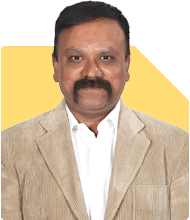
Nayagam P

Nayagam P P  |10852 Answers  |Ask -

Career Counsellor - Answered on Aug 13, 2025

Nayagam is a certified career counsellor and the founder of EduJob360.
He started his career as an HR professional and has over 10 years of experience in tutoring and mentoring students from Classes 8 to 12, helping them choose the right stream, course and college/university.
He also counsels students on how to prepare for entrance exams for getting admission into reputed universities /colleges for their graduate/postgraduate courses.
He has guided both fresh graduates and experienced professionals on how to write a resume, how to prepare for job interviews and how to negotiate their salary when joining a new job.
Nayagam has published an eBook, Professional Resume Writing Without Googling.
He has a postgraduate degree in human resources from Bhartiya Vidya Bhavan, Delhi, a postgraduate diploma in labour law from Madras University, a postgraduate diploma in school counselling from Symbiosis, Pune, and a certification in child psychology from Counsel India.
He has also completed his master’s degree in career counselling from ICCC-Mindler and Counsel, India.
... more

Apoorvadeep Question by Apoorvadeep on Aug 11, 2025Hindi

Career

Hi what is the difference between computer engineering and computer science and engineering iot? I would also like to know what is the scope of cse iot in future

Ans: Computer Engineering and Computer Science Engineering differ primarily in their focus areas where Computer Engineering emphasizes the integration of electrical engineering principles with computing systems, focusing on hardware design, embedded systems, microprocessors, and the physical aspects of computing devices, while Computer Science Engineering concentrates more on software development, algorithms, programming languages, and theoretical computing concepts. Computer Engineering students study circuit design, digital systems, computer architecture, and hardware-software integration, preparing them for roles in semiconductor companies, embedded systems development, and hardware manufacturing. Conversely, CSE students focus on data structures, software engineering, artificial intelligence, database management, and application development, leading to careers in software development, system analysis, and IT consulting. The scope for both fields remains robust with Computer Engineering professionals earning median salaries of $125,000-155,000 annually in hardware design and embedded systems roles, while CSE graduates command $90,000-140,000 in software development and systems architecture positions. Competition in both fields is intensifying due to technological advancement and digitalization across industries. Computer Science Engineering with IoT specialization represents a rapidly expanding field combining software development with connected device technologies, preparing students for the interconnected world where billions of devices exchange data. IoT-specialized CSE programs cover embedded programming, sensor networks, cloud computing, edge computing, wireless communication protocols, and data analytics, addressing the growing demand for smart city infrastructure, industrial automation, healthcare monitoring systems, and autonomous vehicles. Industry reports indicate IoT market growth reaching $1.8 trillion by 2028, creating opportunities for IoT developers, embedded systems engineers, IoT architects, data scientists specializing in IoT analytics, and cybersecurity professionals securing connected devices. Career prospects include roles at technology giants like Google, Microsoft, Amazon, Cisco, and emerging IoT-focused companies with entry-level salaries ranging from ?6-10 LPA in India and $70,000-90,000 globally, rising to ?15-25 LPA and $120,000-150,000 for experienced professionals. The IoT specialization addresses challenges in smart manufacturing, precision agriculture, connected healthcare, energy management, and urban planning, making graduates highly sought after across diverse industries seeking digital transformation and automation solutions. All the BEST for a Prosperous Future!

Follow RediffGURUS to Know More on 'Careers | Money | Health | Relationships'.
Career

You may like to see similar questions and answers below

Nayagam P

Nayagam P P  |10852 Answers  |Ask -

Career Counsellor - Answered on Jul 28, 2025

Career
DEAR SIR WHAT IS THE DIFFERENCE BETWEEN COMPUTER ENGINEERING AND COMPUTER SCIENCE ENGINEERING PLS HELP
Ans: Ansh, Computer Engineering and Computer Science Engineering share a foundational focus on computing, programming, and problem-solving, yet diverge in their core emphases, curricula, and career trajectories. Computer Science Engineering (CSE) centers on the theoretical, algorithmic, and software aspects of computing—including programming, algorithms, artificial intelligence, machine learning, databases, and the mathematical theory behind computation. In contrast, Computer Engineering (CE) bridges CSE with electrical engineering, focusing on the design and development of hardware systems alongside software—covering circuit design, embedded systems, digital logic, microprocessors, and hardware-software integration. In terms of difficulty, CSE is often seen as more accessible for those strong in mathematics and logic and keen on programming and abstract theory, while CE is more challenging due to the necessity of mastering both advanced mathematics, physics, and rigorous hands-on hardware work. The scope for CSE graduates skews strongly towards software roles, IT, data science, cybersecurity, and application or web development, with consistently high demand and placement rates exceeding 90% at top institutes. CE, meanwhile, opens doors to a wider spectrum—hardware design, IoT, robotics, embedded systems, telecommunications, and systems engineering—allowing graduates to traverse both hardware and software sectors, but facing niche specialization in hardware-dedicated roles.

From an opportunities perspective, both fields are in high demand, with CSE seeing greater placement rates and broader roles in current tech markets, while CE provides versatility across industries needing expertise in hardware-software integration and emerging technologies. Job demand for CSE is usually higher in the software industry and quickly growing AI areas, while CE is essential for creating integrated systems, hardware accelerators, and new computing technologies. Industry demand remains robust for both, though CSE is favored in large IT, finance, and product companies, while CE is vital for electronics, semiconductor, autonomous systems, and telecommunications sectors. Placements for CSE consistently top 85–95% in most reputable institutions compared to 75–88% for CE, with CE graduates excelling in organizations where system design, VLSI, IoT, and hardware innovation are prioritized. The curriculum for CSE is heavy on software tools, coding languages (Python, Java, C++), data science, and project management; CE incorporates hardware programming (Verilog, VHDL), electronic design automation, and networking. The research focus in CSE leans toward algorithms and software optimization, whereas CE’s research often leads to hardware advancements and embedded innovations. Both branches at top universities meet global standards regarding institutional aspects such as accreditation, curriculum rigor, faculty expertise, campus infrastructure, and industry linkages; however, research infrastructure may be more advantageous for Computer Engineering, particularly at engineering-focused campuses.

Recommendation: Choose Computer Science Engineering if your primary interest is in software, programming, and broad tech industry roles with high placement consistency and flexibility for further specialization (AI, data science, cybersecurity). Opt for Computer Engineering if your interests align with both hardware and software, and you seek a career involving system-level innovation, hardware design, and embedded technology, especially if you value multidisciplinary engineering and want diverse roles spanning core and tech sectors. Both are future-proof, but CSE currently provides more universal opportunities in India and globally given software’s demand edge, while CE is uniquely positioned for those targeting next-generation integrated systems or roles at the hardware-software frontier. All the BEST for a Prosperous Future!

Follow RediffGURUS to Know More on 'Careers | Money | Health | Relationships'.

..Read more

Latest Questions
Anu

Anu Krishna  |1746 Answers  |Ask -

Relationships Expert, Mind Coach - Answered on Dec 08, 2025

Ramalingam

Ramalingam Kalirajan  |10874 Answers  |Ask -

Mutual Funds, Financial Planning Expert - Answered on Dec 08, 2025

Asked by Anonymous - Dec 08, 2025Hindi
Money
Hi i am 40M. would request your help to understand what should be the corpus required for retirement as i want to get retired in next 3-5yrs. currently my take home is 2.3L monthly & my wife also works but leaving the job in next 2-3 months. we have a daughter 10yrs, currently i stay on rent and total monthly expense is 1.1L month. once i will retire we will shift in our own parental flat, where hopefully there will be no rent. current Investments 1. 50L in REC bonds getting matured in 2029 2. 42L in stocks 3. 17L in MF 4. 16L FD 5. 15L in PPF 6. 1.3L SIP monthly i do My Wife Investments 1. 30L corpus 2. flat with current value 40L and we get rental of 10K monthly. Please guide what should be the retirement corpus required combined to retire, assuming i need 75L for my daughter post grad and marriage and we would be requiring 75K monthly for our expenses after retiring
Ans: You have explained your income, goals, current assets, and future plans with great clarity. Your early planning spirit is strong. This gives a very good base. You can reach a peaceful retirement with smart steps in the next few years.

» Your Current Position

You are 40 years old. You plan to retire in 3 to 5 years. You earn Rs 2.3 lakh per month. Your wife also works but will stop working soon. You have one daughter aged 10. Your current monthly cost is around Rs 1.1 lakh. This cost will reduce after retirement because you will shift to your parental flat.

Your investment base is already good. You have saved in bonds, stocks, mutual funds, PPF, FD, and SIP. Your wife also has her own savings and rental income from a flat. All these create a good starting point.

This early base helps you plan stronger. It also gives room for more shaping. You are on the right road.

» Your Family Goals

You need Rs 75 lakh for your daughter’s higher education and marriage.

You want Rs 75,000 per month for family living after retirement.

You want to retire in 3 to 5 years.

You will shift to your parental flat after retirement.

You will have rental income of Rs 10,000 from your wife’s flat.

These goals are clear. They give direction. They allow a strong plan.

» Your Present Investments

Your investments include:

Rs 50 lakh in REC bonds maturing in 2029.

Rs 42 lakh in stocks.

Rs 17 lakh in mutual funds.

Rs 16 lakh in fixed deposits.

Rs 15 lakh in PPF.

Rs 1.3 lakh as monthly SIP.

Your wife holds:

Rs 30 lakh corpus.

A flat worth Rs 40 lakh with rent of Rs 10,000 each month.

Your combined net worth is healthy. This gives good power to build your retirement fund in the coming years.

» Understanding Your Expense Need After Retirement

You expect Rs 75,000 per month after retirement. This includes all basic needs. You will not have rent. That reduces cost. This assumption looks fair today.

Your cost will rise with inflation. So you must plan for rising needs. A strong retirement corpus must support rising cost for 40 to 45 years because you are retiring early.

An early retirement needs a large buffer. So you need safety along with growth. Your plan must include growth assets and safety assets.

» How Much Monthly Income You Will Need Later

Rs 75,000 per month is Rs 9 lakh per year. In future years, this cost can rise. If we assume steady rise, your future cost will be much higher.

So the retirement corpus must be designed to:

Give monthly income.

Beat inflation.

Support you for 40 to 45 years.

Protect your family even in market down cycles.

Allow flexibility if your needs change.

A strong retirement fund must support both safety and long-term growth.

» How Much Corpus You Should Target

A safe target is a large and flexible corpus that can support long years without running out of money. For early retirement, the usual thumb rule suggests a very high number. This is because you need income for many decades.

You need a corpus big enough to produce rising income. You also need a cushion for unexpected health costs, lifestyle shocks, and inflation changes.

Your target retirement corpus should be in a strong range. For your needs of Rs 75,000 per month and for goals like daughter’s education and marriage, you should aim for a combined retirement readiness corpus in the higher bracket.

A safe range for your family would be a very large number crossing multiple crores. This large range gives you:

Income safety.

Inflation protection.

Peace during market cycles.

Comfort in long life.

Room for daughter’s future.

Strong backup for health.

You are already on the way due to your existing assets. You will reach close to this range with systematic building over the next 3 to 5 years.

» Why You Need This Larger Corpus

You will retire early. That means more years of living from your corpus. Your corpus must not fall early. It must grow even after retirement. It must give monthly income and long-term family protection.

This is only possible when the corpus is strong and well-structured. A weak corpus creates stress. A strong corpus creates freedom.

Also, your daughter’s future cost must be kept aside. This must be parked in a separate fund. This must not touch your retirement money.

A strong corpus makes these two worlds separate and safe.

» Your Existing Assets and Their Strength

You already have good diversification:

Bonds give safety.

Stocks give growth.

Mutual funds give managed growth.

FD gives stability.

PPF gives tax-free long-term savings.

This blend is already a good start. But you need to make the blend more structured for early retirement.

Your Rs 1.3 lakh monthly SIP is also strong. It builds your future fast. You should continue.

Your wife’s rental income is small but steady. This adds strength.

Your combined financial base can reach your retirement target if you refine your allocation now.

» Your Daughter’s Future Fund Need

You need Rs 75 lakh for your daughter’s education and marriage. You should keep this goal separate from your retirement goal.

Your current SIP and future allocations should create a dedicated fund for this goal. A long-term fund can grow well when managed actively.

Do not mix this fund with your retirement needs. Mixing leads to shortage in old age. Always keep this corpus ring-fenced.

» A Strong Asset Mix For Your Retirement Path

A balanced mix is needed. You need growth assets to beat inflation. You also need stable assets for income.

You must avoid index funds because they do not give flexibility. Index funds follow a fixed index. They cannot make active changes in different markets. They cannot move to better stocks when markets change. They force you to stay in weak sectors for long. They also do not help you in down cycles because they cannot protect you by shifting to safer options. This can hurt retirement planning.

Actively managed funds are better because:

They give active asset selection.

They give scope for better returns.

They give flexibility to change sectors.

They give downside management.

They give access to a skilled fund manager.

They support long-term planning more safely.

Direct plans also carry risk. Direct plans do not give guidance. They do not give behavioural support. They do not give market timing help. They do not give portfolio shaping. They leave all the judgement to you. One mistake can cost years of wealth.

Regular plans with guidance from a Certified Financial Planner help you shape decisions. They help you remain disciplined. They help you avoid panic. They help you decide allocation changes at the right time. This saves wealth in long-term.

» How Your Investment Journey Should Grow in the Next 3–5 Years

Continue your SIP.

Increase SIP when your income rises.

Shift part of your stock holding into planned long-term mutual funds to reduce concentration risk.

Build a defined daughter’s education fund.

Keep a part of your REC bond maturity amount for long-term.

Avoid locking too much into fixed deposits for long periods.

Build a safety fund for one year of expenses.

This will create a full structure.

» Your Rental Income Role

Your rental income of Rs 10,000 per month is small but steady. Over time it will rise. This income will support your monthly cash flow after retirement.

You can use this for utilities or health insurance premiums. This gives a cushion.

» Your Emergency Buffer

You should keep at least one year of essential cost in a safe place. This can be in a liquid account or short-term fund. This protects you in shocks.

Since you plan early retirement, a strong buffer is important. It gives peace even in low months.

» A Structured Retirement Approach

A complete retirement plan for you should include:

A clear monthly income plan after retirement.

A corpus that can grow and protect.

A rising income system that matches inflation.

A separate daughter’s future fund.

A health cover plan for your family.

A tax-efficient withdrawal plan.

A market cycle plan to protect you in tough times.

This holistic approach keeps your family strong for decades.

» What You Should Build by Retirement Year

Your aim should be to reach a strong multi-crore range in investments before retirement. You already hold a large amount. You will add more in the next 3 to 5 years through SIP, stock growth, bond maturity, and disciplined saving.

Once you reach your target range, you can start the shifting process:

Move a part to stable assets.

Keep a part in long-term growth assets.

Create a monthly income strategy.

Keep a reserve bucket.

Keep a child future bucket.

Keep a long-term growth bucket.

This structure protects you in all market conditions.

» Final Insights

Your financial journey is already strong. You have a good income. You have saved well. You have multiple asset types. You have a clear timeline. And you have clear goals. This foundation is solid.

In the next 3 to 5 years, your focus should be on growing your combined corpus to a strong multi-crore range, keeping a separate fund for your daughter, reducing risk in unplanned assets, and building a stable long-term structure.

With the present path and a disciplined structure, you can retire peacefully and support your family with confidence for many decades.

Best Regards,

K. Ramalingam, MBA, CFP,
Chief Financial Planner,
www.holisticinvestment.in

https://www.youtube.com/@HolisticInvestment

...Read more

Samraat

Samraat Jadhav  |2499 Answers  |Ask -

Stock Market Expert - Answered on Dec 08, 2025

Ramalingam

Ramalingam Kalirajan  |10874 Answers  |Ask -

Mutual Funds, Financial Planning Expert - Answered on Dec 08, 2025

Money
Hello my name is saket, I monthly salary is 43k and my saving is zero. My Rent is 15 k and 10 k i send to my parents. How can i save money and investments.
Ans: 1. Your Current Monthly Numbers

Salary: Rs 43,000

Rent: Rs 15,000

Support to parents: Rs 10,000

Left with: Rs 18,000 for food, travel, bills, and savings

You have very little room, but saving is still possible if done smartly.

2. First Step: Build a Small Emergency Buffer

You must build Rs 10,000 to Rs 20,000 emergency money.
This protects you from taking loans for small issues.

How to build it:

Save Rs 3,000 to Rs 5,000 every month in a simple bank savings account

Do this for the next few months

Don’t touch it unless truly needed

3. Create a Mini Budget (Very Simple One)

Try this split from the remaining Rs 18,000:

Daily living (food + transport): Rs 10,000 – 11,000

Personal expenses (phone, internet, basics): Rs 3,000 – 4,000

Savings + investments: Rs 3,000 – 5,000

If this feels difficult, reduce food/transport costs by small adjustments.

4. Where to Invest Once You Have Emergency Money

(For minors: This is general education. For actual investing, get guidance from a trusted adult or family member.)

After you build emergency money, start small monthly investing.

You can begin with:

Rs 1,000 to Rs 2,000 SIP in a simple, diversified equity fund

Increase the SIP whenever salary increases or expenses reduce

Avoid complicated products.
Keep it simple.
Focus on consistency.

5. Easy Practical Ways to Increase Saving

These small moves help a lot:

Avoid food delivery

Use public transport as much as possible

Reduce subscriptions you don’t use

Fix a daily expense limit

Keep a separate bank account only for savings

Even Rs 200 saved daily = Rs 6,000 monthly.

6. Increase Income Slowly

Try small income boosters:

Weekend tutoring

Freelancing

Part-time projects

Selling old gadgets

Learning new skills for future salary growth

Even Rs 3,000 extra income changes your savings life.

7. Build the Habit First

The amount doesn’t matter in the beginning.
The habit matters more.

Even saving Rs 500 every month is better than zero.
Once salary grows, you will already know how to save.

Best Regards,

K. Ramalingam, MBA, CFP,

Chief Financial Planner,

www.holisticinvestment.in

https://www.youtube.com/@HolisticInvestment

...Read more

DISCLAIMER: The content of this post by the expert is the personal view of the rediffGURU. Investment in securities market are subject to market risks. Read all the related document carefully before investing. The securities quoted are for illustration only and are not recommendatory. Users are advised to pursue the information provided by the rediffGURU only as a source of information and as a point of reference and to rely on their own judgement when making a decision. RediffGURUS is an intermediary as per India's Information Technology Act.

Close  

You haven't logged in yet. To ask a question, Please Log in below
Login

A verification OTP will be sent to this
Mobile Number / Email

Enter OTP
A 6 digit code has been sent to

Resend OTP in120seconds

Dear User, You have not registered yet. Please register by filling the fields below to get expert answers from our Gurus
Sign up

By signing up, you agree to our
Terms & Conditions and Privacy Policy

Already have an account?

Enter OTP
A 6 digit code has been sent to Mobile

Resend OTP in120seconds

x