Home > Career > Question
Need Expert Advice?Our Gurus Can Help
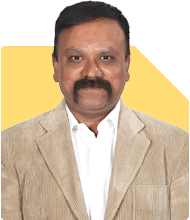
Prof Suvasish

Prof Suvasish Mukhopadhyay  | Answer  |Ask -

Career Counsellor - Answered on May 22, 2025

Professor Suvasish Mukhopadhyay, fondly known as ‘happiness guru’, is a mentor and author with 33 years of teaching experience.
He has guided and motivated graduate and postgraduate students in science and technology to choose the right course and excel in their careers.
Professor Suvasish has authored 47 books and counselled thousands of students and individuals about tackling challenges in their careers and relationships in his three-decade-long professional journey.... more
Asked by Anonymous - May 22, 2025

Career

Please answer my query

Ans: Ask proper question.
Career
Latest Questions
Pankaj

Pankaj Vyavahare  |18 Answers  |Ask -

Career Counsellor, Life Coach - Answered on Mar 05, 2026

Asked by Anonymous - Mar 04, 2026Hindi
Career
My Daughter is in 12th currently and has completed her 1st Jee attempt and has scored 78.82 she will be attending the 2nd attempt in April. I want her to do well in her CBSE boards and join a good college in Bangalore where we reside taking the subject of her choice. However she is bent upon taking a drop this year which we feel is not a good idea considering her 1st attempt scores. She says she is willing to join any college even after taking a drop and if she is not able to score well which I feel is wasting 1 years of her academics. Kindly advise or suggest what is right for her please.
Ans: Namaste
First of all I must appreciate your thought of not wasting 1 years through Gap/Drop. Its absolutely meaningless and even creates future bad consequences for abroad education or opportunity. We are not in a position to justify our gap. Anyhow you have mentioned her JEE 1st attempt result. It shows that either her study is moderate in PCM subjects or she can make her career in remaining 16 career clusters. If it was 95 and above in her 1st attempt, she could make more good in her 2nd JEE attempt.
It will be better if she thinks twice about her passion and abilities. It’s high time to think and take decision. She can take admission in other than IIT/NIT institutes. There are many good colleges in Banglore too.
Not every one become engineer. But everyone can see his/her inner strength, passion for something better required by world. We can work for betterment of the world, throgh what we have good amount with us. Please find that"Good One"

...Read more

Dr Shakeeb Ahmed

Dr Shakeeb Ahmed Khan  |186 Answers  |Ask -

Physiotherapist - Answered on Mar 05, 2026

Samraat

Samraat Jadhav  |2554 Answers  |Ask -

Stock Market Expert - Answered on Mar 05, 2026

Ramalingam

Ramalingam Kalirajan  |11053 Answers  |Ask -

Mutual Funds, Financial Planning Expert - Answered on Mar 05, 2026

Money
I hv a lic jeevan suraksha policy which started in 2001 and ended in 2006. I am 78 years. Should I surrender or keep it till I am alive.
Ans: You have maintained a policy from 2001. That shows discipline. At age 78, the focus should now be income stability, simplicity, and peace of mind.

Let us understand this clearly.

» Understanding Your Policy Status

– Policy started in 2001
– Premium payment ended in 2006
– Now you are 78 years

So this is a fully paid-up policy. You are not paying anything now.

Main question is:
Does it give regular income?
Or does it give only maturity or death benefit?

This clarity is very important before deciding.

» If It Is Giving Lifetime Pension

If the policy is giving you regular pension income:

– Continue it
– Do not surrender
– At 78, guaranteed income is valuable
– Market-linked reinvestment may not be suitable

Because at this age, capital safety is more important than return.

» If It Is Only Giving Lump Sum on Death

If it is only a small death benefit and no income:

– Check surrender value
– Compare surrender value with death benefit

At 78, insurance need is almost zero. Your dependents may not need life cover now.

In such case:

– If surrender value is reasonable, you may consider surrender
– Amount can be moved to safe income generating instrument
– Keep liquidity for medical and personal expenses

» Important Questions to Ask LIC

Before taking decision, confirm:

– What is current surrender value?
– What is paid-up sum assured?
– Any bonuses accumulated?
– What is death benefit amount?

Take a written statement.

» Health and Liquidity Consideration

At 78:

– Medical expenses can increase suddenly
– Emergency liquidity is very important
– Keep money easily accessible

Do not lock money unnecessarily.

» Emotional Aspect

Many people keep old policies because of emotional attachment. That is natural.

But decision should be practical:

– Is it serving purpose?
– Is it giving meaningful income?
– Or is it just lying idle?

» Final Insights

If policy is giving steady lifetime pension, continue peacefully.

If it is only small death cover with low benefit, surrender and move funds into:

– Bank fixed deposits
– Short-term debt mutual funds
– Senior citizen savings schemes

At this stage of life, simplicity and liquidity matter more than return.

You have already built assets over many years. Now the goal is protection and comfort.

Best Regards,

K. Ramalingam, MBA, CFP,

Chief Financial Planner,

www.holisticinvestment.in

https://www.youtube.com/@HolisticInvestment

...Read more

Ramalingam

Ramalingam Kalirajan  |11053 Answers  |Ask -

Mutual Funds, Financial Planning Expert - Answered on Mar 05, 2026

Money
Dear Sir, I (aged 60 yrs) have a Plan for my daughter marriage during June 2027. I have various mutual funds under the category of Small, Mid, Large and Agg Hybrids, Thematics which have a decent as well as moderate returns. How & When to Plan to withdraw Rs 25 lacs safely from them and kept for marriage time and Where to park it to get further helathy returns upto that period? Help me for the roadmap to withdraw and kept safely. Thqs in adv for the reply.
Ans: You have planned in advance for your daughter’s marriage. That shows responsibility and clarity. At age 60, protecting capital is more important than chasing return. Now your focus must be safety first, growth next.

June 2027 is not very far. So we must reduce risk step by step.

» Understanding the Time Frame

– Today to June 2027 is roughly around 1.5 to 2 years
– This is short-term period
– Equity markets can be volatile in this time

Since the goal date is fixed, we cannot take risk of market fall just before marriage.

» Risk in Your Current Portfolio

You mentioned:

– Small cap funds
– Mid cap funds
– Large cap funds
– Aggressive hybrid funds
– Thematic funds

Small cap and thematic funds are highly volatile. Even mid cap can fall sharply in short period.

If market corrects 20% to 30%, your marriage corpus may get disturbed. That risk is not acceptable now.

» When to Start Withdrawal

Do not wait till 2027.

Start systematic withdrawal planning from now itself.

Roadmap:

– Immediately identify the funds which have highest volatility (small cap, thematic)
– Start redeeming them first
– Gradually shift large cap and hybrid funds also

Complete full shifting at least 9 to 12 months before marriage.

By mid 2026, the full Rs 25 lakhs should be in safe instruments.

» How to Withdraw Smartly

– Redeem in phased manner over next 6 to 9 months
– Avoid withdrawing entire amount in one day
– Use market rallies to redeem

Also keep taxation in mind:

– Equity LTCG above Rs 1.25 lakh taxed at 12.5%
– Equity STCG taxed at 20%

Plan redemption in such a way that tax impact is controlled. Spread across financial years if needed.

» Where to Park the Money Safely

Since goal is short term, safety is priority.

Suitable parking options:

– Short duration debt mutual funds
– Money market funds
– Bank fixed deposits (laddered maturity)
– Senior citizen savings schemes (if liquidity allows)

Debt mutual funds are more flexible than FD. But remember:

– Debt fund gains taxed as per your income slab

So if your tax slab is high, compare with FD post-tax return before deciding.

» Should You Continue in Equity Till 2027?

No.

Equity is good for long-term wealth. But for fixed event like marriage, equity is risky.

Marriage date will not change based on market condition. So capital protection is key.

» Liquidity Planning

– Keep at least 3 to 6 months of marriage expenses in savings account by early 2027
– Keep rest in short-term instrument maturing near wedding date

This avoids last minute stress.

» 360 Degree Check

Apart from marriage fund, ensure:

– Emergency fund separate and untouched
– Health insurance adequate at age 60
– Retirement corpus not disturbed for marriage

Very important point:
Do not compromise your retirement comfort for one-time event.

Children’s marriage is important. But your lifetime income security is more important.

» Finally

Your action plan should be:

– Start gradual redemption now
– Exit high-risk funds first
– Move full Rs 25 lakhs to safe instruments by mid 2026
– Focus on capital protection, not high return
– Keep liquidity ready before event

If executed properly, you will attend your daughter’s marriage peacefully, without worrying about market conditions.

That peace of mind is more valuable than extra return.

Best Regards,

K. Ramalingam, MBA, CFP,

Chief Financial Planner,

www.holisticinvestment.in

https://www.youtube.com/@HolisticInvestment

...Read more

Ramalingam

Ramalingam Kalirajan  |11053 Answers  |Ask -

Mutual Funds, Financial Planning Expert - Answered on Mar 05, 2026

Money
Hi Sir, i am Accountant, i am married , i have one kid with age of 3, now i am planing to add some funds in my portfolio, can you advice is this correct. 1 .icici produncial blue chip fund 2 . zerodha nifty 250 elss fund 3 . parag parik flexicap fund 4. axix gold and silver fund can i go long term this funds or need to rebalance my protfolio, if rebalance what fund you suggest.
Ans: You are thinking about adding quality funds at a young age. That itself is a very good step. As an Accountant, you already understand numbers. Now we must make sure your portfolio structure supports your family goals — especially with a 3-year-old child.

Let us review your selection carefully.

» Understanding the Current Fund Choices

You have selected:

– Large cap fund
– Nifty 250 ELSS fund
– Flexi cap fund
– Gold and silver fund

This shows you want diversification. That is good. But we must see whether the combination is efficient or overlapping.

» Large Cap Fund

A large cap fund gives stability. It invests in top companies.

– Suitable for long-term wealth creation
– Lower volatility compared to mid and small cap
– Good core portfolio fund

You can continue this for long term.

» ELSS Fund (Nifty 250 based)

This is an index-based ELSS fund.

Here I want to explain clearly:

Disadvantages of index-based funds:
– They simply copy the index. No active decision making.
– No downside protection during market fall.
– You will always get average returns, never better than index.
– In falling markets, no fund manager strategy to protect capital.

Benefits of actively managed funds over index funds:
– Fund manager selects quality stocks.
– Can reduce exposure to risky sectors.
– Can hold cash in extreme conditions.
– Aim to generate alpha (extra return over index).

Since you are investing for long-term goals like child education and retirement, active management is better suited.

So instead of index-based ELSS, you may consider an actively managed diversified equity fund (if tax saving is required, choose active ELSS only).

» Flexi Cap Fund

This is a strong category for long-term investors.

– Freedom to move between large, mid, small caps
– Dynamic allocation based on market conditions
– Good for 10+ year goals

You can continue this as core growth engine.

» Gold and Silver Fund

Gold and silver are not growth assets. They are hedging assets.

– Good for risk control
– Protects during equity crash
– But long-term return is lower than equity

Keep allocation limited. Around 5% to 10% of portfolio is enough. Do not over allocate.

» Portfolio Overlap & Balance

Current structure is heavy in large cap and diversified equity. That is fine.

But you are missing:

– Dedicated mid cap exposure
– Dedicated small cap exposure (if risk appetite allows)
– Debt allocation for stability

Since you have a small child, safety bucket is important.

You should structure portfolio like this:

– 50% to 60% core diversified equity (large + flexi cap)
– 20% to 25% mid cap fund (active)
– 5% to 10% small cap fund (only if you can tolerate volatility)
– 10% to 20% debt fund or safe instrument for stability
– 5% to 10% gold

This creates proper balance.

» Rebalancing Strategy

– Review once in a year
– If any category grows too much, bring it back to original allocation
– Rebalance slowly, not frequently

Also remember taxation:

– Equity LTCG above Rs 1.25 lakh taxed at 12.5%
– Equity STCG taxed at 20%

So avoid unnecessary churn.

» Important 360-Degree Checks

Before adding new funds, ensure:

– Emergency fund of at least 6 months expenses
– Adequate term insurance
– Health insurance for full family
– Child education goal planning
– Retirement planning

Investment is only one part of financial planning.

» Finally

Your fund selection shows maturity. Only small corrections are needed:

– Replace index-based ELSS with active diversified fund
– Add mid cap exposure
– Keep gold limited
– Add some debt stability

With disciplined SIP and annual review, you can comfortably build wealth for your child’s future and your retirement.

Stay consistent. Long-term wealth is created by discipline, not excitement.

Best Regards,

K. Ramalingam, MBA, CFP,

Chief Financial Planner,

www.holisticinvestment.in

https://www.youtube.com/@HolisticInvestment

...Read more

Ramalingam

Ramalingam Kalirajan  |11053 Answers  |Ask -

Mutual Funds, Financial Planning Expert - Answered on Mar 05, 2026

Money
my age is 38 i have a 5 year old boy and planning for 2nd baby next year. Having monthly family income of 50k. how should i allocate for expenses and investment for retirement as well as for kids education , marriage and a house of 1 crore in next 5 years. Having aged parents also living with me.
Ans: It is great that you are thinking about your family's future at 38. Taking care of aged parents while planning for a second child shows a lot of heart and responsibility. Your desire to provide a Rs. 1 crore house and secure your children's life is a big goal, and having this clarity now is the first step toward making it happen.

» Understanding your current situation

Your monthly income is Rs. 50k. You have a 5-year-old son, a baby on the way, and elderly parents. This means your money has to do many things at once. A 360-degree plan is needed to balance daily bills with your big dreams. Since your income is fixed for now, we must be very careful about how every rupee is spent.

» Managing monthly expenses and emergency funds

With a growing family, your monthly costs for food, medicine for parents, and school fees will go up. It is important to keep aside some money for emergencies first. This should be at least six months of your expenses in a safe place. This protects your family if something unexpected happens, so you do not have to stop your investments.

» Protecting your family with insurance

Before investing, you must have pure term life insurance and a good health insurance policy. Since you have aged parents and a young child, a medical emergency could hurt your savings. Having a separate health cover for your parents and a family floater for your wife and kids is very important. This ensures your investment plan for the house and education stays on track.

» Planning for the Rs. 1 crore house

Buying a Rs. 1 crore house in 5 years is a very large goal for an income of Rs. 50k per month. To reach this, you would need to save a very high amount every month, which might be hard with your current expenses. You may need to look at increasing your income or extending the time to buy the house. Investing in growth-oriented assets through a Certified Financial Planner can help your money grow faster than a bank account.

» Saving for kids education and marriage

Your 5-year-old will need money for higher studies in about 12 to 13 years. The second baby will need it much later. Using actively managed mutual funds is a good way to build this wealth. These funds have experts who pick the best stocks to beat the market. By starting now, even with small amounts, the power of compounding will help you build a big fund for their college and weddings.

» Building a retirement nest egg

Retirement is a goal you cannot take a loan for. Since you are 38, you have about 20 years to save. You should not ignore this while planning for your kids. Investing in diversified equity funds through a regular plan with a Certified Financial Planner ensures you stay disciplined. They help you review your portfolio and make changes when the market shifts, which is hard to do on your own.

» Why actively managed funds over other options

Some people think about low-cost index options, but they just follow the market and don't try to do better. In a growing country like India, active fund managers can find great companies that grow much faster than the average. This extra growth is very important when you have big goals like a Rs. 1 crore house. Also, using a regular plan through a MFD with a Certified Financial Planner gives you the right guidance to avoid emotional mistakes during market ups and downs.

» Tax rules to remember

When you eventually sell your equity fund units to pay for the house or education, remember the tax rules. If you keep them for more than a year, profit above Rs. 1.25 lakh is taxed at 12.5%. If you sell before a year, the tax is 20%. For any debt-based funds, the tax is based on your total income slab. A Certified Financial Planner can help you plan your withdrawals to pay the least amount of tax.

» Finally

Your goals are big and show your love for your family. While Rs. 50k income makes a Rs. 1 crore house in 5 years very tough, starting the right investment habits today will move you closer to it. Focus on protecting your family first, then invest every possible rupee in actively managed funds. Over time, as your salary grows, you can increase your savings to match your dreams.

Would you like me to help you figure out how much you should save each month for each specific goal?

Best Regards,

K. Ramalingam, MBA, CFP,

Chief Financial Planner,

www.holisticinvestment.in
https://www.youtube.com/@HolisticInvestment

...Read more

Mayank

Mayank Chandel  |2638 Answers  |Ask -

IIT-JEE, NEET-UG, SAT, CLAT, CA, CS Exam Expert - Answered on Mar 04, 2026

DISCLAIMER: The content of this post by the expert is the personal view of the rediffGURU. Investment in securities market are subject to market risks. Read all the related document carefully before investing. The securities quoted are for illustration only and are not recommendatory. Users are advised to pursue the information provided by the rediffGURU only as a source of information and as a point of reference and to rely on their own judgement when making a decision. RediffGURUS is an intermediary as per India's Information Technology Act.

Close  

You haven't logged in yet. To ask a question, Please Log in below
Login

A verification OTP will be sent to this
Mobile Number / Email

Enter OTP
A 6 digit code has been sent to

Resend OTP in120seconds

Dear User, You have not registered yet. Please register by filling the fields below to get expert answers from our Gurus
Sign up

By signing up, you agree to our
Terms & Conditions and Privacy Policy

Already have an account?

Enter OTP
A 6 digit code has been sent to Mobile

Resend OTP in120seconds

x