Need Expert Advice?Our Gurus Can Help

Ramalingam Kalirajan |10881 Answers |Ask -Follow
Mutual Funds, Financial Planning Expert - Answered on Jul 10, 2025
Ramalingam Kalirajan has over 23 years of experience in mutual funds and financial planning.
He has an MBA in finance from the University of Madras and is a certified financial planner.
He is the director and chief financial planner at Holistic Investment, a Chennai-based firm that offers financial planning and wealth management advice.... more
He has an MBA in finance from the University of Madras and is a certified financial planner.
He is the director and chief financial planner at Holistic Investment, a Chennai-based firm that offers financial planning and wealth management advice.... more
Asked by Anonymous - Jul 02, 2025Hindi
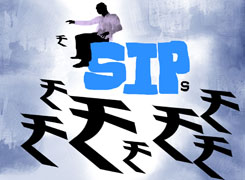
Hi Iam 39 earning 3.5 lakh per month . Have an housing EMI of 1 lakh . Have an SIP running at 70000 per month and an Car and Personal debt of 16 lakh .20 lakh on stocks. 15 lakh in MF . Around 10 lakh in PPF . Have an health insurance of 50 lakh . Term plan of 2 crore. Saving plan of 4 lakh yearly. I'm running short of my earnings and my credit card expenses are way high and also want to create a retirement corpus. Pls suggest
Ans: Income and Expense Analysis
– Your monthly income is strong at Rs 3.5 lakh.
– However, outflows are too high.
– EMI of Rs 1 lakh takes a big chunk.
– SIP of Rs 70,000 is high with your current cash flow.
– Personal and car loans worth Rs 16 lakh add pressure.
– Credit card overspending is alarming.
You must prioritise essential spending and debt reduction immediately.
Excessive commitments are stressing your cash flow.
Without correction, it may lead to financial instability.
Review Your Loan Structure
– Rs 16 lakh in personal and car loans is very concerning.
– These loans come with high interest rates.
– You must aim to reduce or close these quickly.
– Redirect some of your SIPs towards clearing high-cost debt.
– This improves your net cash flow month-on-month.
– Avoid taking any fresh loans, especially on credit cards.
Focus on a debt-free lifestyle gradually, but with urgency.
Review SIP Commitments
– Rs 70,000 SIP per month is good but not ideal now.
– You are investing beyond what your budget permits.
– Temporarily reduce SIP amount to Rs 30,000–40,000 per month.
– Use freed-up cash to repay loans and credit card dues.
– Once debt pressure reduces, you can scale SIPs back.
Investing is meaningful only when it's sustainable.
Surrender Non-performing Insurance-linked Investments
– You have a saving plan of Rs 4 lakh yearly.
– These are typically insurance cum investment policies.
– Returns are low and lock-in periods are long.
– These block your liquidity when you most need it.
If it is a ULIP or traditional policy, consider surrendering it.
Redeploy the proceeds into well-selected mutual funds.
Do this only with the help of a Certified Financial Planner (CFP).
He or she can assess the right time and way to exit.
This one move can free Rs 4 lakh yearly.
Evaluate Your Investment Portfolio
– Rs 15 lakh in mutual funds is encouraging.
– Rs 20 lakh in stocks shows you are growth-focused.
– However, individual stocks carry higher risk.
You must rebalance between stocks and mutual funds.
Take help from a CFP to prune underperforming or risky stocks.
Shift the capital into actively managed equity mutual funds.
Avoid direct investing unless you have market expertise.
This will reduce risk and give more predictable returns.
Problems with Index Funds and Direct Funds
– Index funds follow market indices blindly.
– They do not adjust during market falls.
– So, downside protection is very low.
– They also do not beat market returns.
– Actively managed funds can do better when managed by experts.
– Direct funds look attractive due to low cost.
– But they offer no guidance or strategy.
– Without a Certified Financial Planner, mistakes are common.
– You also risk choosing poor funds unknowingly.
Instead, choose regular funds with a CFP-guided MFD route.
This ensures portfolio review, fund switching and tax planning.
Credit Card Debt – Act Now
– High credit card use is a financial red flag.
– Interest rates are 35–40% per annum.
– This debt snowballs if unpaid every month.
– Pay off your entire credit card dues immediately.
– Stop spending through credit cards until you clear all debts.
– Use cash or debit cards to stay within budget.
This move alone will free your monthly cash stress.
Realign Your Budget
– Track every rupee you spend each month.
– List down your fixed expenses.
– Then check your flexible spending like dining, shopping, etc.
– Keep a monthly budget and follow it strictly.
– Set a spending cap and use UPI/debit cards only.
This will help avoid unnecessary expenses and credit card misuse.
Rework Retirement Planning
– You must begin structured retirement planning now.
– At 39, you still have around 20 years.
– But current debt and cash issues delay savings.
Once your debt load eases, increase SIPs slowly.
Choose equity mutual funds for long-term growth.
Avoid traditional retirement products that give poor returns.
Don’t opt for annuity plans – they restrict liquidity.
A CFP can help estimate your retirement corpus need.
Then, allocate step-by-step to reach it over time.
Make the Most of Your Health and Term Insurance
– Rs 50 lakh health cover is good.
– Rs 2 crore term insurance is also healthy.
– This shows strong protection planning.
Please make sure premiums are paid regularly.
Also check if your health policy covers all members.
If not, extend cover to spouse and kids too.
This will prevent financial loss during medical emergencies.
Use PPF Wisely
– You have Rs 10 lakh in PPF.
– PPF gives safe but fixed returns.
– You may use this as emergency or backup fund.
But avoid putting more into PPF each year now.
Better to allocate new savings to mutual funds.
This creates better long-term growth and flexibility.
Emergency Fund Planning
– You don’t seem to have a clear emergency fund.
– Ideally, keep 6–9 months’ expenses as buffer.
– Use a liquid fund or sweep-in account.
– This avoids taking fresh loans during crisis.
Use proceeds from reducing SIP or savings plan to build this.
Tax Planning and Capital Gains
– Mutual fund redemptions attract new tax rules.
– Equity mutual fund LTCG above Rs 1.25 lakh taxed at 12.5%.
– STCG taxed at 20%.
– Debt fund gains taxed as per your tax slab.
So plan exits and switches carefully.
Again, a CFP can help minimise these taxes.
Steps You Must Take Immediately
– Reduce SIP to Rs 30,000–40,000 per month.
– Surrender saving plan if returns are poor.
– Use lump sum to pay credit card and personal loans.
– Avoid fresh purchases using credit cards.
– Rebalance your stock and MF holdings with CFP help.
– Maintain strict monthly budget.
– Build a basic emergency fund.
Within 6–12 months, your cash flow will ease.
Then you can focus on long-term goals like retirement.
Final Insights
You have good earning potential and disciplined habits like insurance and SIPs.
But overcommitment in loans and credit is affecting your peace.
Fixing this is possible with practical steps, not just hope.
Take help from a Certified Financial Planner to design a 360-degree plan.
They will guide fund selection, debt repayment, tax planning, and retirement targets.
You are not too late.
With timely action, you can get back on track quickly.
Best Regards,
K. Ramalingam, MBA, CFP,
Chief Financial Planner,
www.holisticinvestment.in
https://www.youtube.com/@HolisticInvestment
– Your monthly income is strong at Rs 3.5 lakh.
– However, outflows are too high.
– EMI of Rs 1 lakh takes a big chunk.
– SIP of Rs 70,000 is high with your current cash flow.
– Personal and car loans worth Rs 16 lakh add pressure.
– Credit card overspending is alarming.
You must prioritise essential spending and debt reduction immediately.
Excessive commitments are stressing your cash flow.
Without correction, it may lead to financial instability.
Review Your Loan Structure
– Rs 16 lakh in personal and car loans is very concerning.
– These loans come with high interest rates.
– You must aim to reduce or close these quickly.
– Redirect some of your SIPs towards clearing high-cost debt.
– This improves your net cash flow month-on-month.
– Avoid taking any fresh loans, especially on credit cards.
Focus on a debt-free lifestyle gradually, but with urgency.
Review SIP Commitments
– Rs 70,000 SIP per month is good but not ideal now.
– You are investing beyond what your budget permits.
– Temporarily reduce SIP amount to Rs 30,000–40,000 per month.
– Use freed-up cash to repay loans and credit card dues.
– Once debt pressure reduces, you can scale SIPs back.
Investing is meaningful only when it's sustainable.
Surrender Non-performing Insurance-linked Investments
– You have a saving plan of Rs 4 lakh yearly.
– These are typically insurance cum investment policies.
– Returns are low and lock-in periods are long.
– These block your liquidity when you most need it.
If it is a ULIP or traditional policy, consider surrendering it.
Redeploy the proceeds into well-selected mutual funds.
Do this only with the help of a Certified Financial Planner (CFP).
He or she can assess the right time and way to exit.
This one move can free Rs 4 lakh yearly.
Evaluate Your Investment Portfolio
– Rs 15 lakh in mutual funds is encouraging.
– Rs 20 lakh in stocks shows you are growth-focused.
– However, individual stocks carry higher risk.
You must rebalance between stocks and mutual funds.
Take help from a CFP to prune underperforming or risky stocks.
Shift the capital into actively managed equity mutual funds.
Avoid direct investing unless you have market expertise.
This will reduce risk and give more predictable returns.
Problems with Index Funds and Direct Funds
– Index funds follow market indices blindly.
– They do not adjust during market falls.
– So, downside protection is very low.
– They also do not beat market returns.
– Actively managed funds can do better when managed by experts.
– Direct funds look attractive due to low cost.
– But they offer no guidance or strategy.
– Without a Certified Financial Planner, mistakes are common.
– You also risk choosing poor funds unknowingly.
Instead, choose regular funds with a CFP-guided MFD route.
This ensures portfolio review, fund switching and tax planning.
Credit Card Debt – Act Now
– High credit card use is a financial red flag.
– Interest rates are 35–40% per annum.
– This debt snowballs if unpaid every month.
– Pay off your entire credit card dues immediately.
– Stop spending through credit cards until you clear all debts.
– Use cash or debit cards to stay within budget.
This move alone will free your monthly cash stress.
Realign Your Budget
– Track every rupee you spend each month.
– List down your fixed expenses.
– Then check your flexible spending like dining, shopping, etc.
– Keep a monthly budget and follow it strictly.
– Set a spending cap and use UPI/debit cards only.
This will help avoid unnecessary expenses and credit card misuse.
Rework Retirement Planning
– You must begin structured retirement planning now.
– At 39, you still have around 20 years.
– But current debt and cash issues delay savings.
Once your debt load eases, increase SIPs slowly.
Choose equity mutual funds for long-term growth.
Avoid traditional retirement products that give poor returns.
Don’t opt for annuity plans – they restrict liquidity.
A CFP can help estimate your retirement corpus need.
Then, allocate step-by-step to reach it over time.
Make the Most of Your Health and Term Insurance
– Rs 50 lakh health cover is good.
– Rs 2 crore term insurance is also healthy.
– This shows strong protection planning.
Please make sure premiums are paid regularly.
Also check if your health policy covers all members.
If not, extend cover to spouse and kids too.
This will prevent financial loss during medical emergencies.
Use PPF Wisely
– You have Rs 10 lakh in PPF.
– PPF gives safe but fixed returns.
– You may use this as emergency or backup fund.
But avoid putting more into PPF each year now.
Better to allocate new savings to mutual funds.
This creates better long-term growth and flexibility.
Emergency Fund Planning
– You don’t seem to have a clear emergency fund.
– Ideally, keep 6–9 months’ expenses as buffer.
– Use a liquid fund or sweep-in account.
– This avoids taking fresh loans during crisis.
Use proceeds from reducing SIP or savings plan to build this.
Tax Planning and Capital Gains
– Mutual fund redemptions attract new tax rules.
– Equity mutual fund LTCG above Rs 1.25 lakh taxed at 12.5%.
– STCG taxed at 20%.
– Debt fund gains taxed as per your tax slab.
So plan exits and switches carefully.
Again, a CFP can help minimise these taxes.
Steps You Must Take Immediately
– Reduce SIP to Rs 30,000–40,000 per month.
– Surrender saving plan if returns are poor.
– Use lump sum to pay credit card and personal loans.
– Avoid fresh purchases using credit cards.
– Rebalance your stock and MF holdings with CFP help.
– Maintain strict monthly budget.
– Build a basic emergency fund.
Within 6–12 months, your cash flow will ease.
Then you can focus on long-term goals like retirement.
Final Insights
You have good earning potential and disciplined habits like insurance and SIPs.
But overcommitment in loans and credit is affecting your peace.
Fixing this is possible with practical steps, not just hope.
Take help from a Certified Financial Planner to design a 360-degree plan.
They will guide fund selection, debt repayment, tax planning, and retirement targets.
You are not too late.
With timely action, you can get back on track quickly.
Best Regards,
K. Ramalingam, MBA, CFP,
Chief Financial Planner,
www.holisticinvestment.in
https://www.youtube.com/@HolisticInvestment
DISCLAIMER: The content of this post by the expert is the personal view of the rediffGURU. Users are advised to pursue the information provided by the rediffGURU only as a source of information to be as a point of reference and to rely on their own judgement when making a decision.
MoneyReply


You may like to see similar questions and answers below
Dr Nagarajan J S K |2577 Answers |Ask -Follow
NEET, Medical, Pharmacy Careers - Answered on Jun 17, 2025

Ramalingam Kalirajan |10881 Answers |Ask -Follow
Mutual Funds, Financial Planning Expert - Answered on Jul 03, 2025
Latest Questions

Dr Dipankar Dutta |1841 Answers |Ask -Follow
Tech Careers and Skill Development Expert - Answered on Dec 14, 2025
Asked by Anonymous - Dec 14, 2025Hindi


Nayagam P P |10854 Answers |Ask -Follow
Career Counsellor - Answered on Dec 14, 2025


Radheshyam Zanwar |6744 Answers |Ask -Follow
MHT-CET, IIT-JEE, NEET-UG Expert - Answered on Dec 14, 2025

Radheshyam Zanwar |6744 Answers |Ask -Follow
MHT-CET, IIT-JEE, NEET-UG Expert - Answered on Dec 14, 2025
Dr Dipankar Dutta |1841 Answers |Ask -Follow
Tech Careers and Skill Development Expert - Answered on Dec 14, 2025


Dr Dipankar Dutta |1841 Answers |Ask -Follow
Tech Careers and Skill Development Expert - Answered on Dec 13, 2025

Dr Dipankar Dutta |1841 Answers |Ask -Follow
Tech Careers and Skill Development Expert - Answered on Dec 13, 2025


Mayank Chandel |2575 Answers |Ask -Follow
IIT-JEE, NEET-UG, SAT, CLAT, CA, CS Exam Expert - Answered on Dec 13, 2025

Radheshyam Zanwar |6744 Answers |Ask -Follow
MHT-CET, IIT-JEE, NEET-UG Expert - Answered on Dec 13, 2025
Mayank Chandel |2575 Answers |Ask -Follow
IIT-JEE, NEET-UG, SAT, CLAT, CA, CS Exam Expert - Answered on Dec 13, 2025